Pogonomyrmex
Pogonomyrmex barbatus
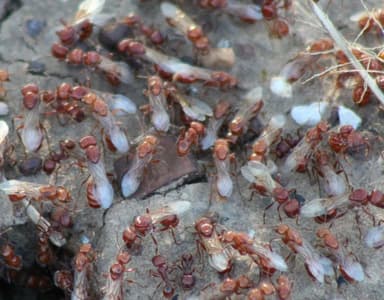
Nuptial Flight Calendar
Flight months: Apr, May, Jun, Jul, Aug, Sep
Care Guide
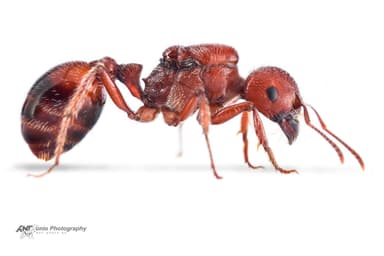
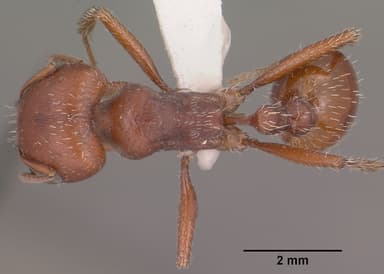
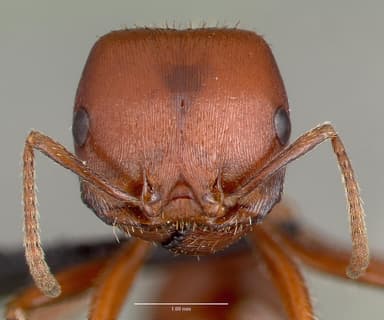
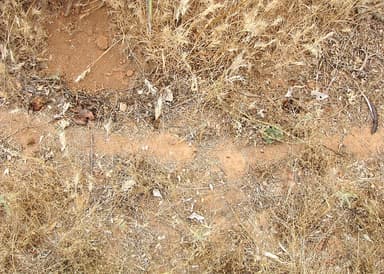
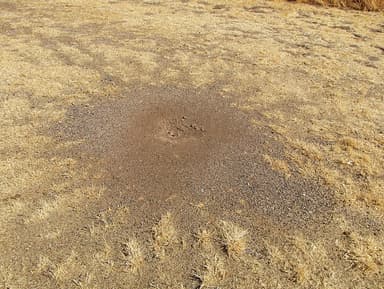
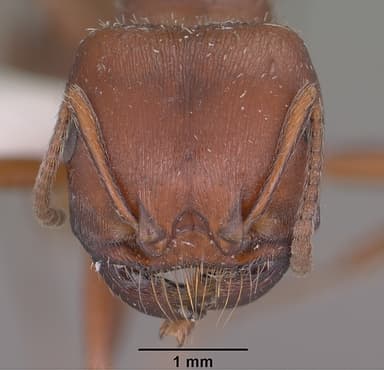
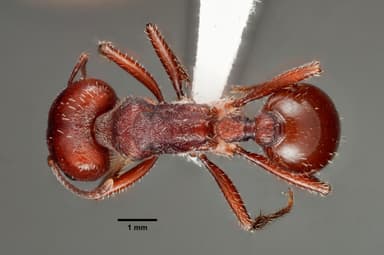
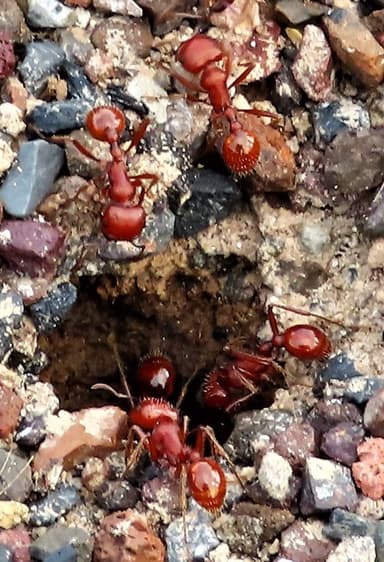
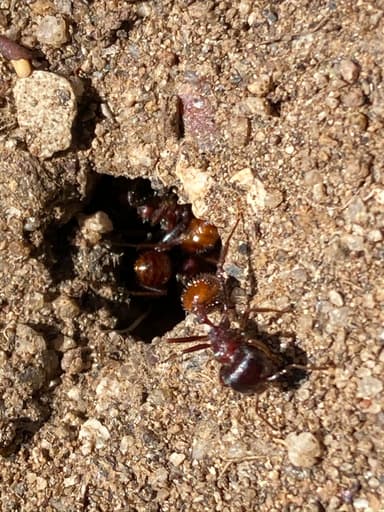
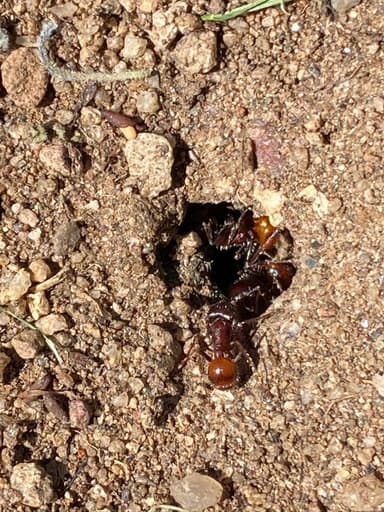
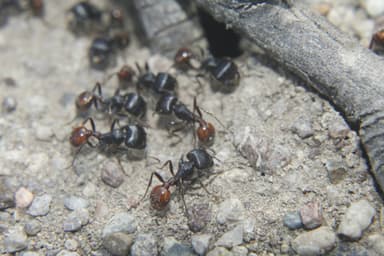
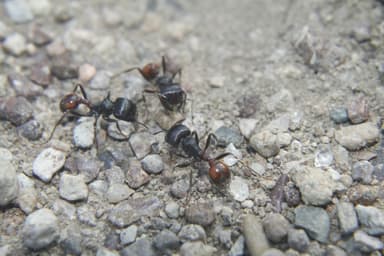
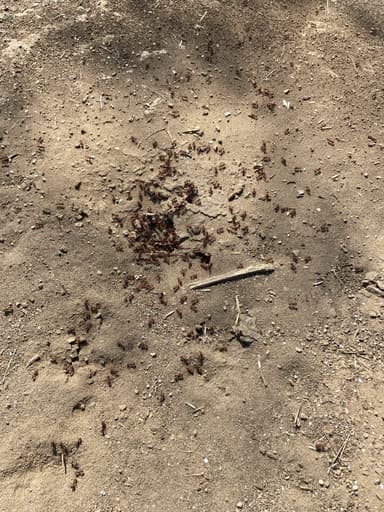
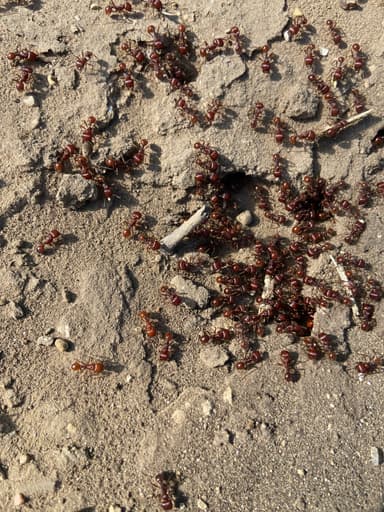
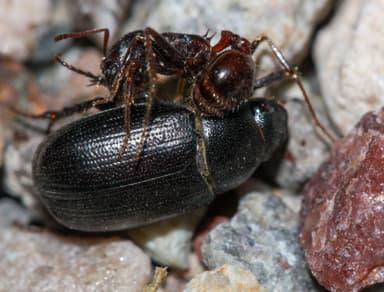
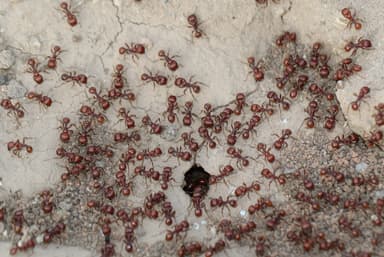
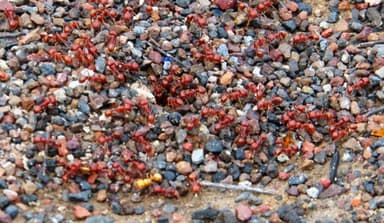
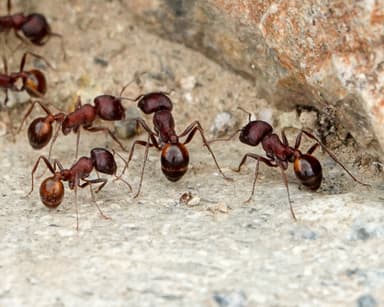
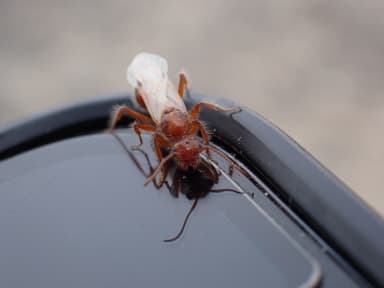
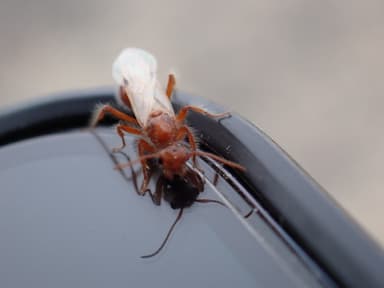
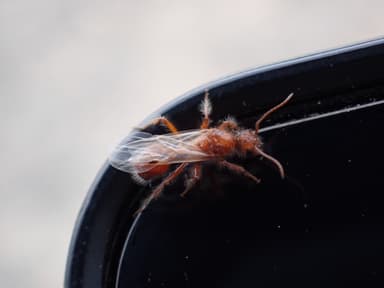
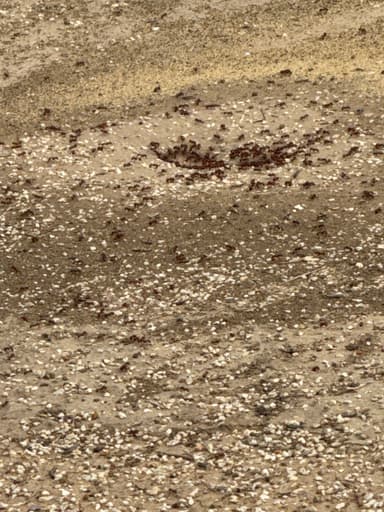
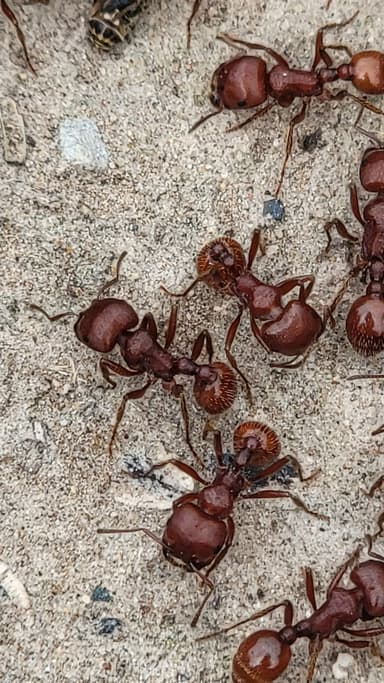
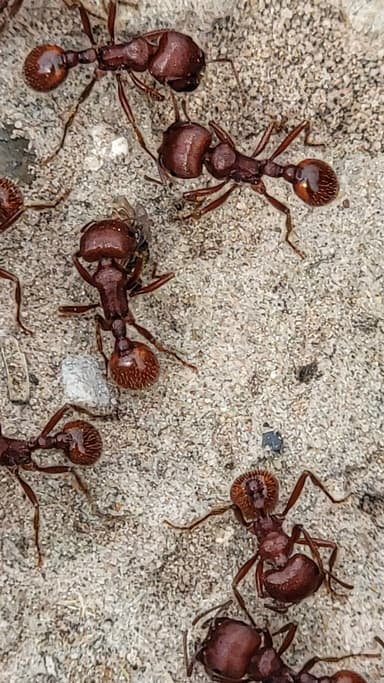
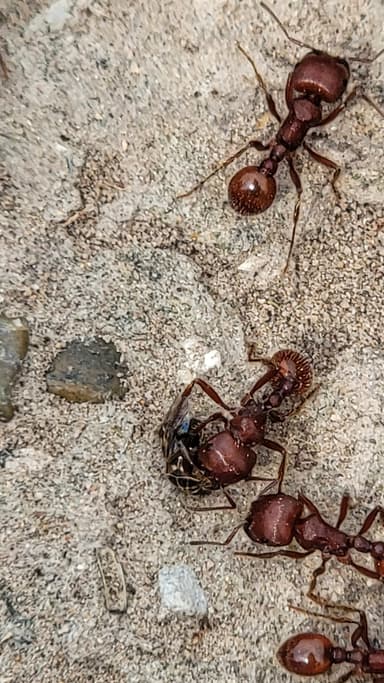
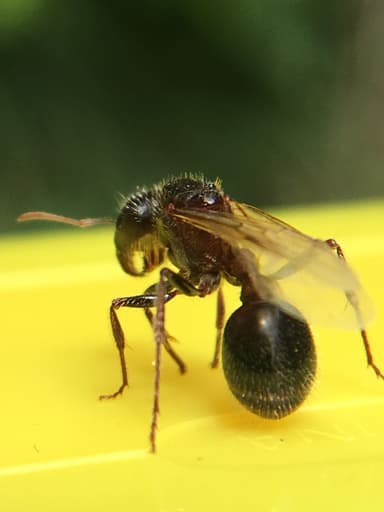
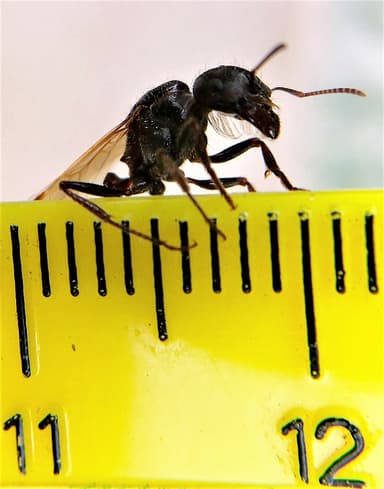
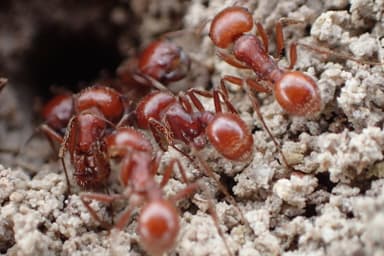
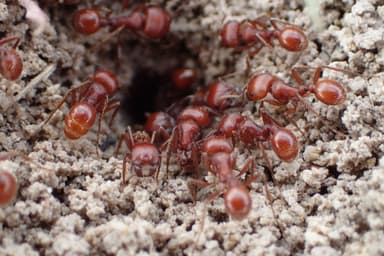
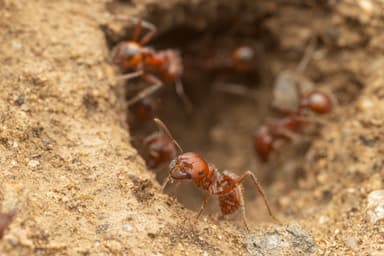
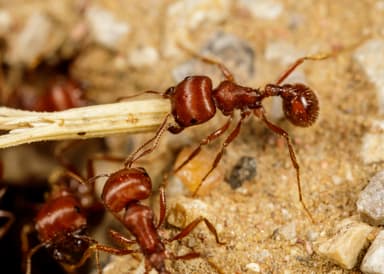
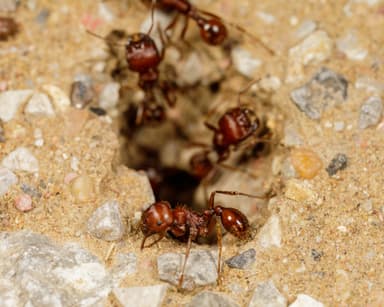
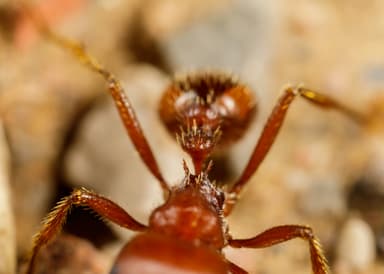
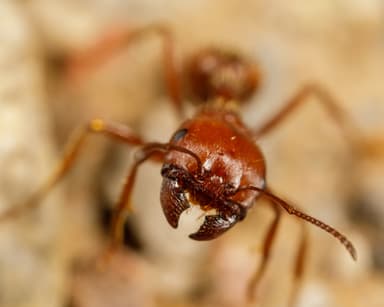
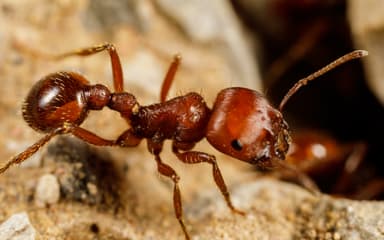
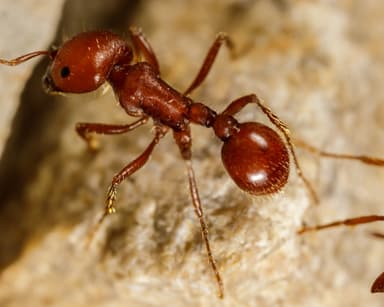
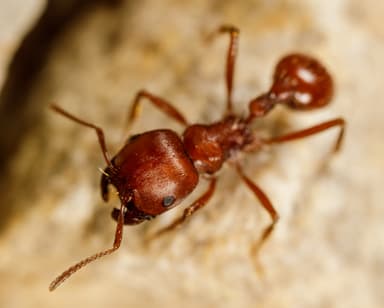
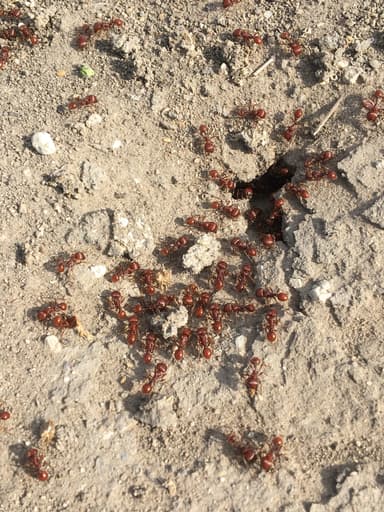
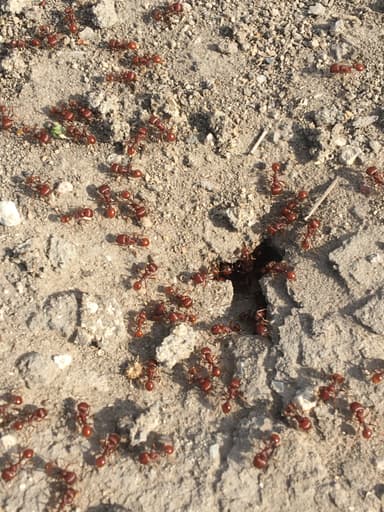
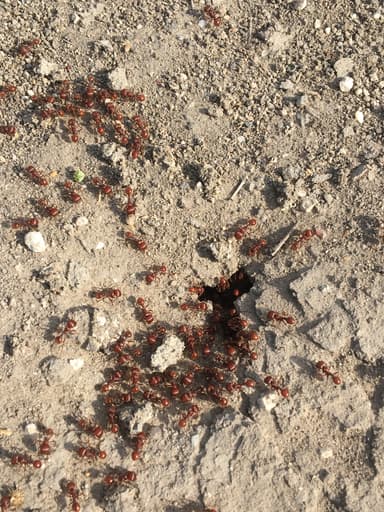
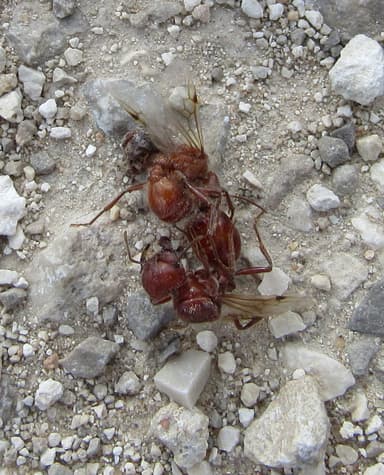
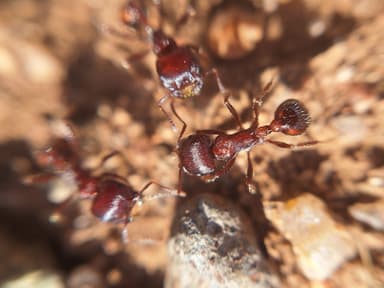
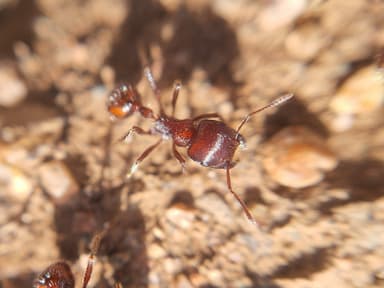
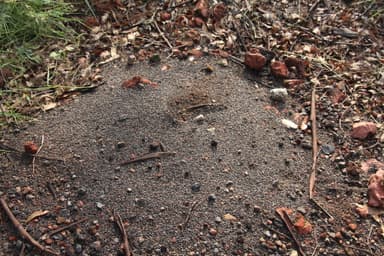
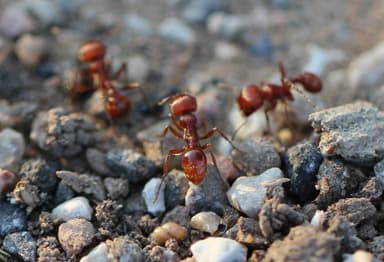
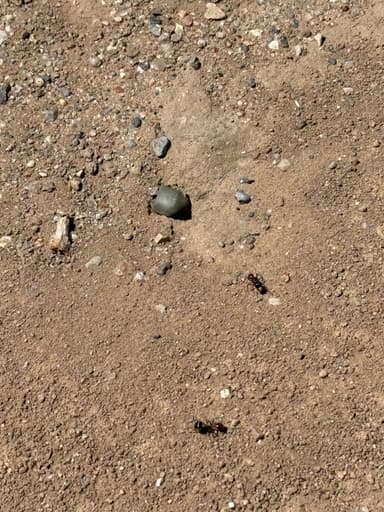
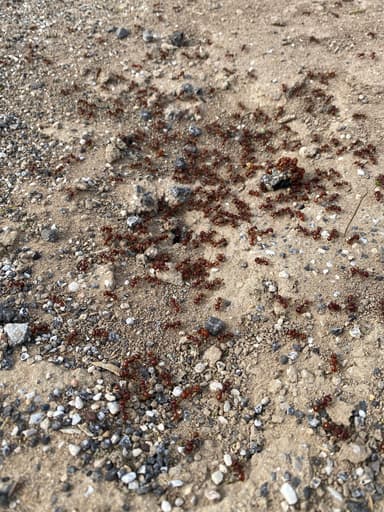
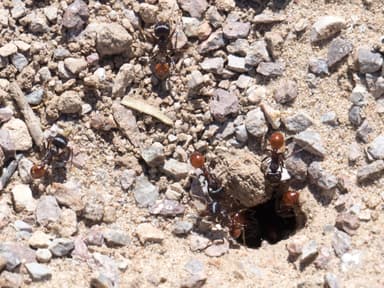
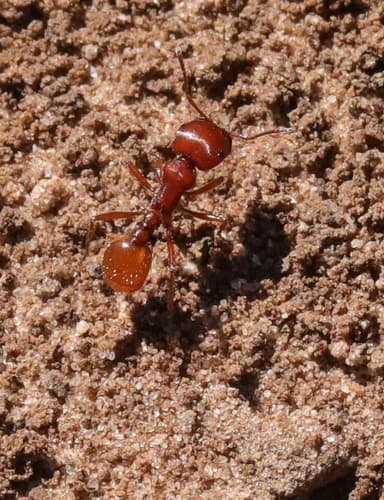
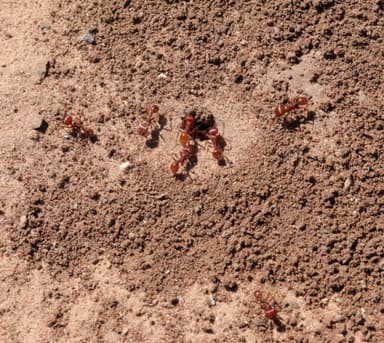
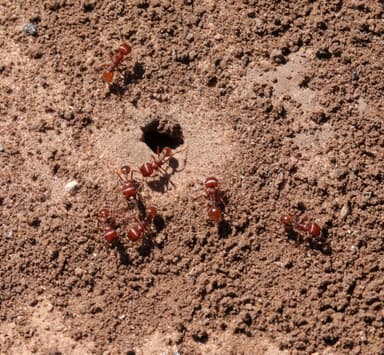
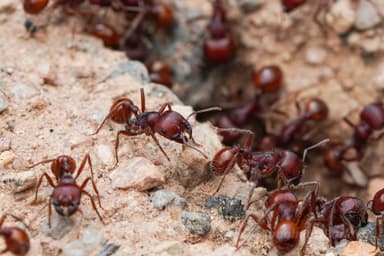
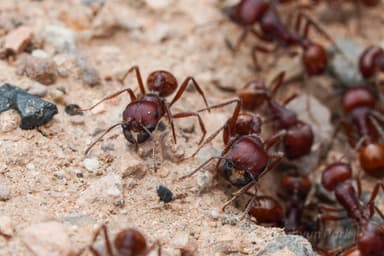
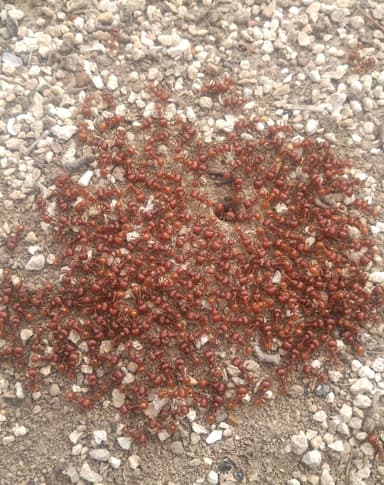
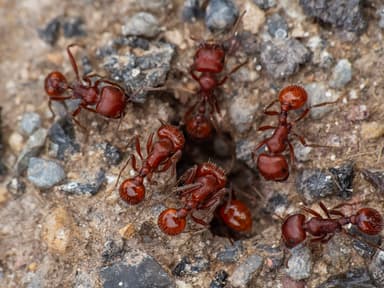
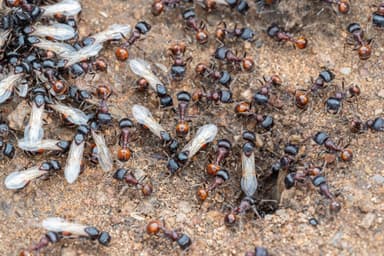
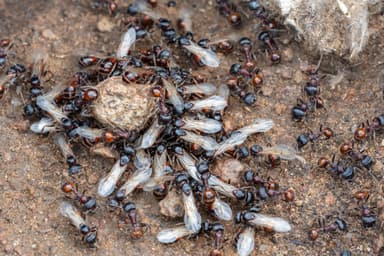
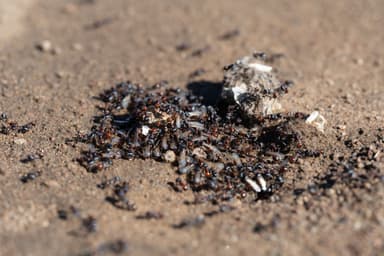
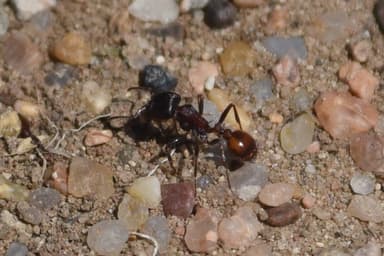
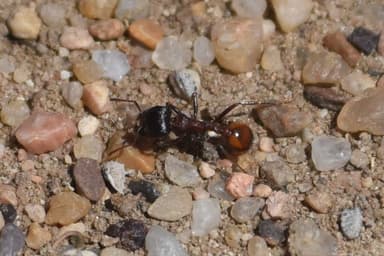
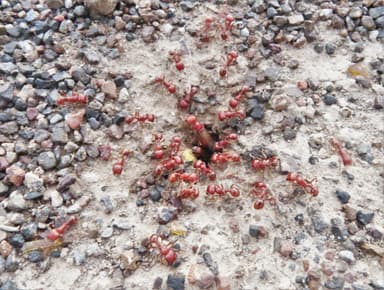
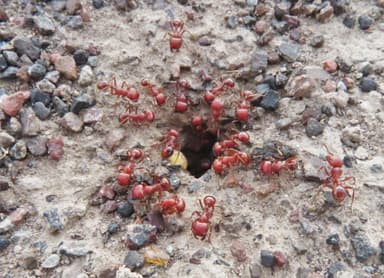
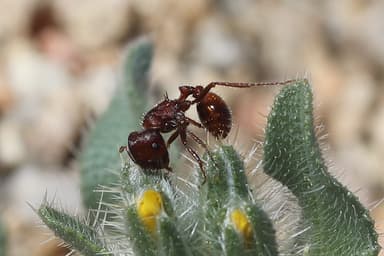
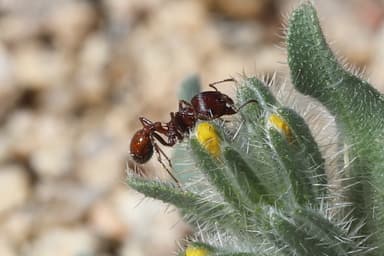
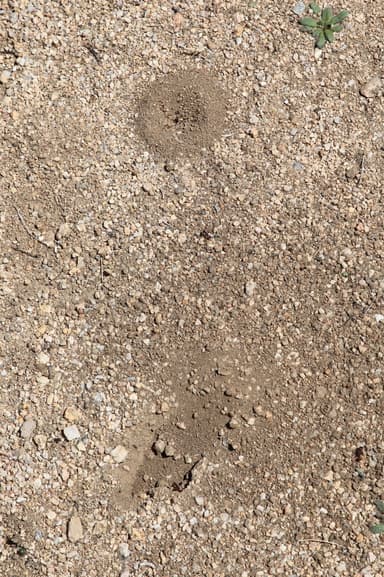
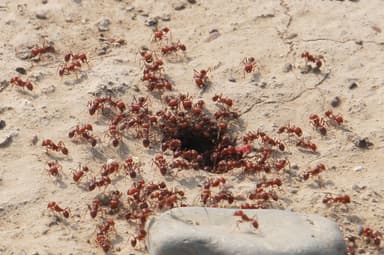
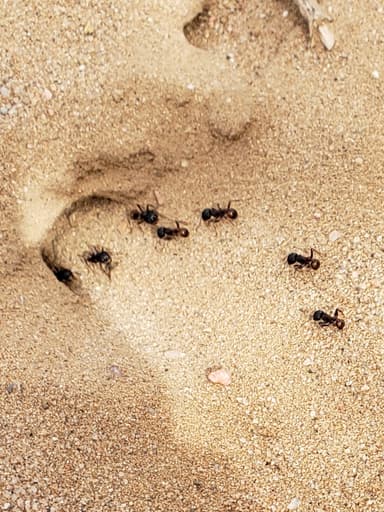
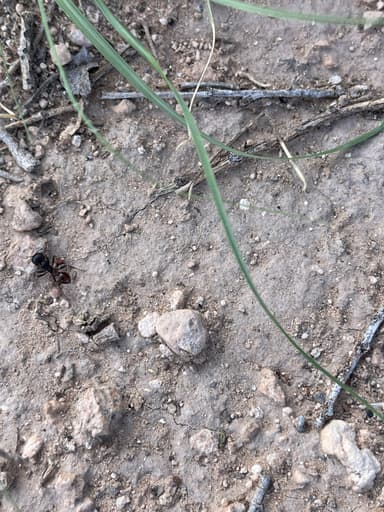
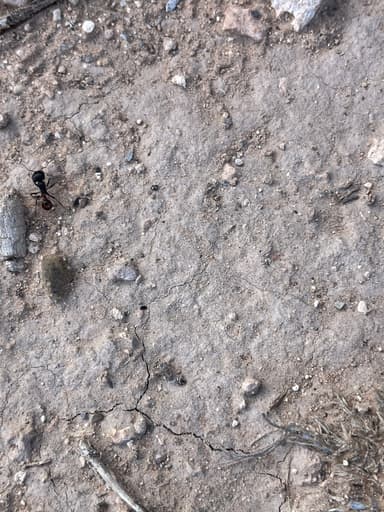
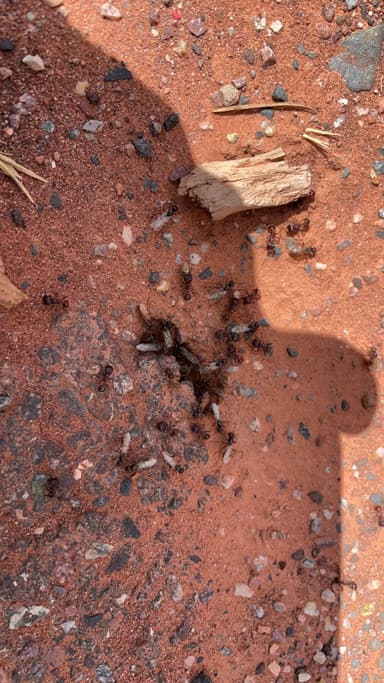
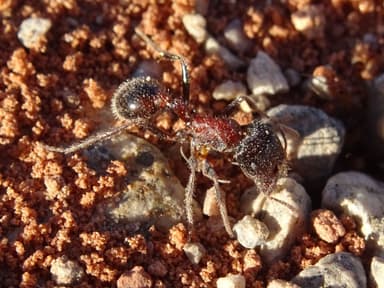
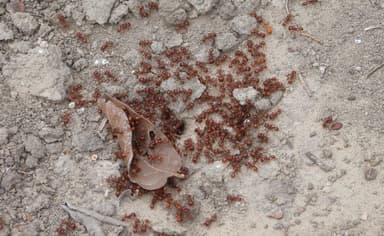
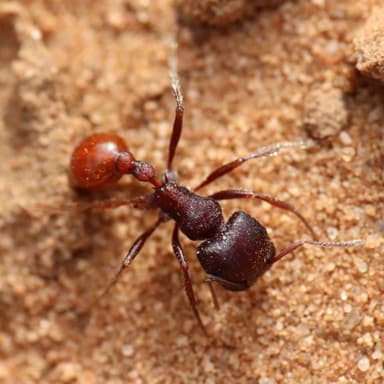
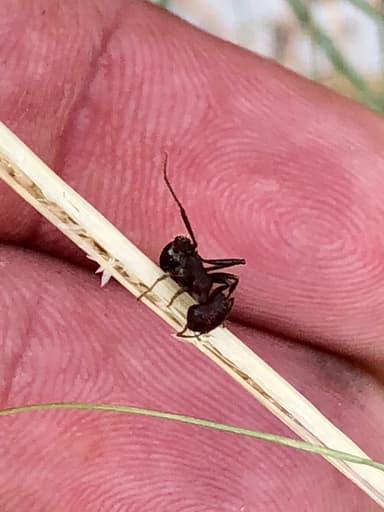
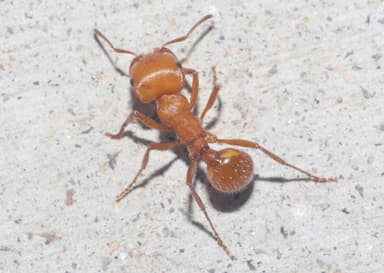
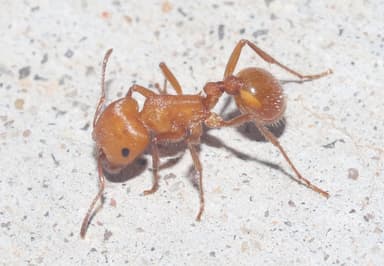
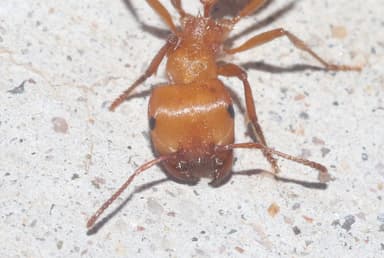
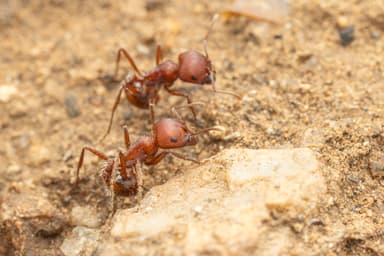
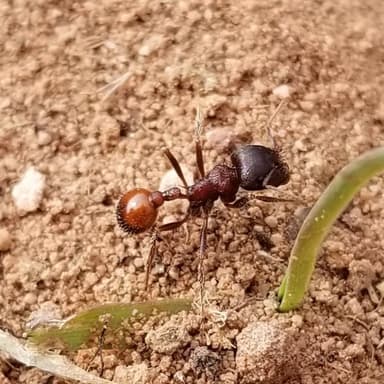
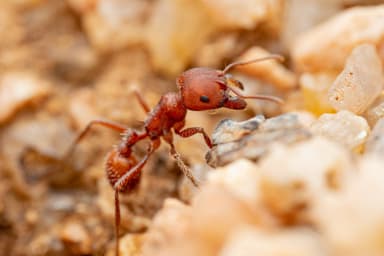
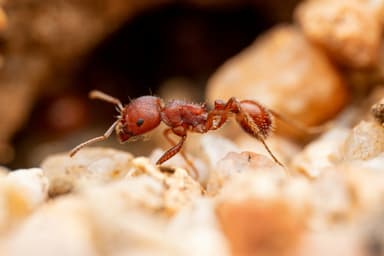
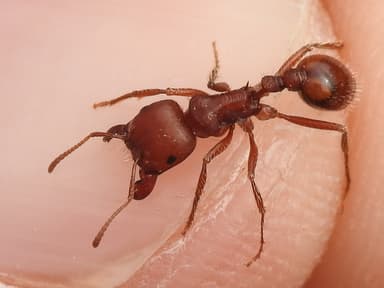
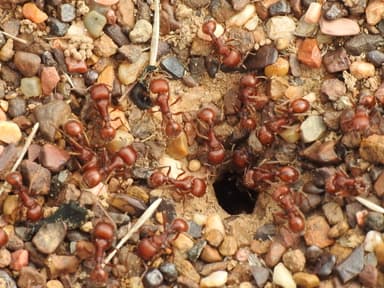
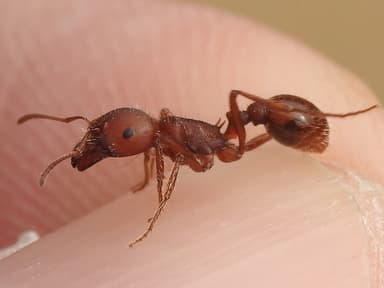
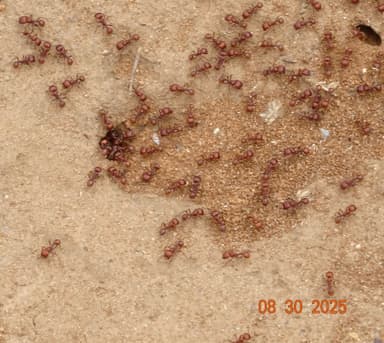
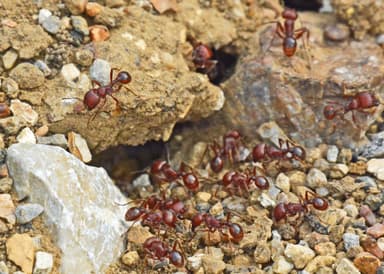
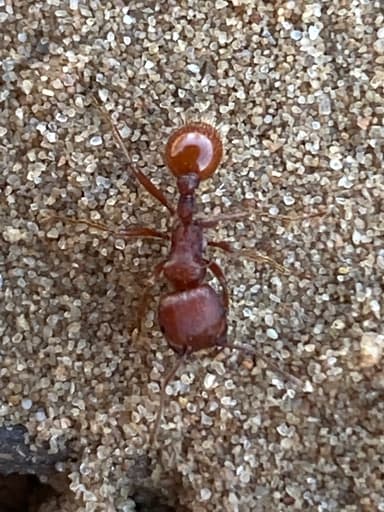
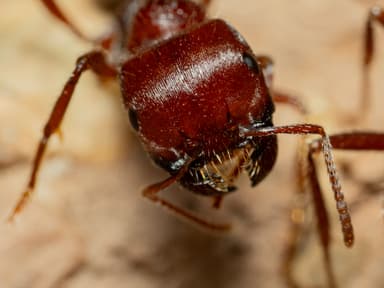
The Red Harvester Ant, Pogonomyrmex barbatus, stands as one of the most iconic and thoroughly studied ants of North American deserts. From a purely aesthetic standpoint, these are striking insects: queens measure a robust 10 to 12.5 millimeters, burnished a deep, mahogany red, while the monomorphic workers range from 6 to 9 millimeters with the same sunset hues and a heavily sculptured, dull-gloss exoskeleton. What truly sets them apart, however, is their intricate social life. A mature colony can house up to 12,000 workers, and despite lacking physical subcastes, the colony operates as a highly coordinated unit famous for its long, trunk-trail foraging columns radiating out from a gravelly mound entrance. As Hölldobler and Wilson (1990) chronicle in their monumental work, harvester ants are true granivores, and P. barbatus workers spend their days collecting seeds, which are then husked and chewed into a stored “ant bread.” The species became a scientific touchstone through Gordon’s (1995) work revealing how foragers adjust their paths based on interactions, creating an expandable network that shifts daily. Adding to the intrigue, genetic studies by Cole and Wiernasz (1999) showed that queens mate with multiple males, yielding colonies with remarkably low within-nest relatedness—a trait that still generates debate about the evolution of cooperation.
Because of their specific husbandry requirements and potent sting, P. barbatus is best categorized as an intermediate-level species. It is not a creature for the absolute novice, but any keeper who has successfully maintained a heat-loving, arid-adapted ant colony for a season or two will find them a deeply rewarding challenge. The primary demands—strict seasonal temperature swings, low humidity, and an unshakeable need for a true hibernation—exclude the casually curious but are perfectly manageable with modest equipment. I would steer households with small children or anyone looking for a handling species away from these ants; their sting is memorable and packs a punch rated among the most painful insect stings in North America, used effectively against both predators and perceived nest disturbances.
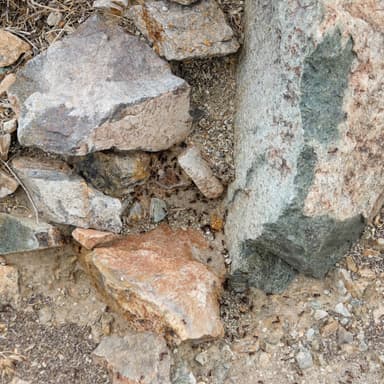
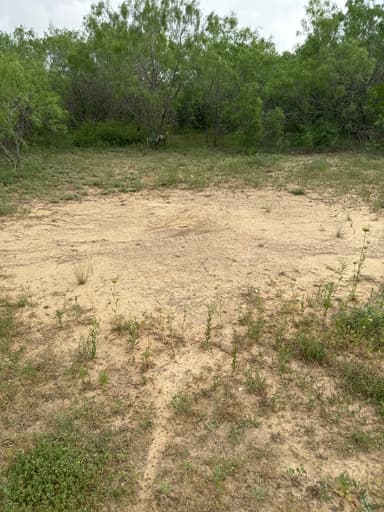
In captivity, housing must mimic the sun-baked soils of their native range, which stretches from the Chihuahuan Desert up into the grasslands of the southwestern United States. A formicarium constructed from ytong, plaster, or a sand-clay grout mix works beautifully, provided it can maintain the low ambient humidity they crave—between 30% and 60% relative humidity is ideal. Temperature is non-negotiable: the nest should offer a steady gradient spanning 22 to 32°C, allowing workers to thermoregulate brood. I often recommend placing a small heat mat or cable under one corner of the nest, leaving the rest cool. Ventilation must be generous to prevent any damp, stagnant air that invites fungal problems. For substrate, a mixture of clean sand and clay powder, slightly moistened and packed into a digging chamber, will send a healthy colony into a flurry of excavation, replicating the natural behavior that keeps them active and robust. Always ensure the lid is coated with a high-quality fluon or talc barrier; these ants are tenacious climbers and escape artists from even tiny gaps.
Harvester ants enjoy one of the most straightforward diets in ant keeping, but they do have a specificity: seeds. Offer a wide variety—small, oil-rich seeds like chia, poppy, and dandelion for tiny larvae, alongside larger items such as Kentucky bluegrass, parsley, and even cracked sunflower seeds for the adults to process. They will also eagerly take protein in the form of freshly killed insects; a small cricket leg, a fruit fly, or a section of mealworm provided once or twice a week greatly boosts brood production. Offering sugary liquids is largely unnecessary and often ignored, though a microscopic dab of honey on a piece of foil can be tested occasionally. Fresh water must always be available via a test tube feeder with a cotton plug, but place it in the outworld rather than the nest itself to avoid raising humidity. One of the great joys is watching them haul seeds back to the nest and later observing the neat piles of discarded husks, a sign of a thriving granivore.
Hibernation is not optional—it is a fundamental biological rhythm. For a period of three to four months, typically from November to February or March, the colony must be cooled to approximately 12°C. I advise beginning the cooldown gradually over a week, ceasing all supplementary feeding a few days prior so guts are empty. Place the fully hydrated nest in a dark, insulated spot where temperatures remain stable, such as a wine cooler or a cool basement. The ants will cluster tightly and barely move; this dormancy resets the queen’s egg-laying cycle and preserves colony health. Come spring, reverse the process just as slowly, offering a tiny seed mix and water as they wake, and you will soon see the first glint of new eggs.
When your P. barbatus arrive, whether as a founding queen or a small founding colony with a handful of workers, the first seventy-two hours are critical and should be kept as meditative and low-stress as possible. A claustral queen needs only darkness, a temperature around 26°C, and a single water-filled test tube plugged with cotton; she will raise her nanitic workers from internal reserves, so no food is required until the first workers emerge. For an established mini-colony, immediately connect the test tube to a small foraging arena, cover the setup to exclude light, and resist all temptation to check for at least 24 hours. After that settling period, place a tiny pile of poppy seeds on a dry paper slip and a pre-killed fruit fly nearby. Observe from a distance: healthy workers will explore and begin carrying booty home within an hour or two. Watch for frantic, non-stop patrolling of the arena perimeter, which signals stress or inadequate nest conditions; adjusting the temperature gradient usually resolves it. Once you see a seed being methodically husked at the nest entrance, you can rest easy—you have successfully tuned into the ancient rhythm of the red harvester.