Myrmica
Myrmica sabuleti
Nuptial Flight Calendar
Flight months: Jul, Aug, Sep
Care Guide
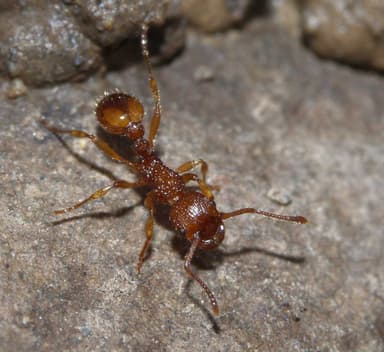
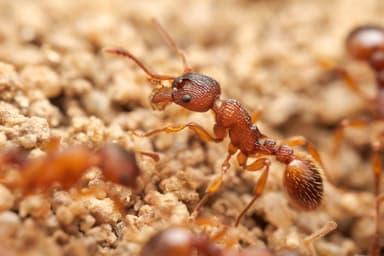
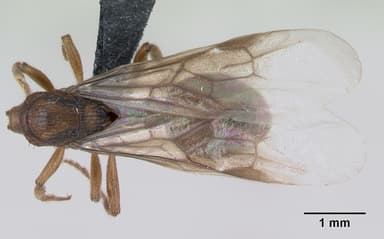
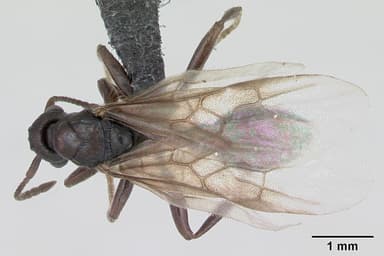
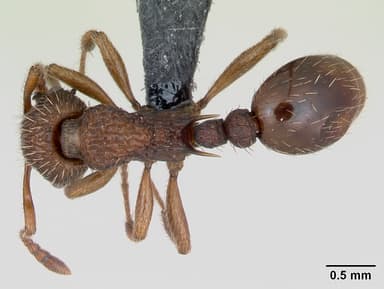
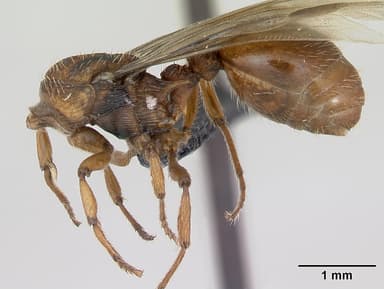
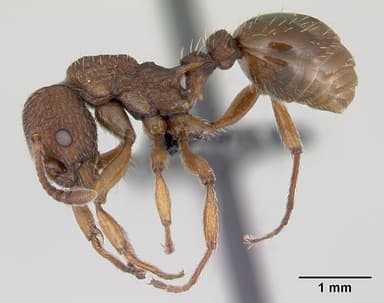
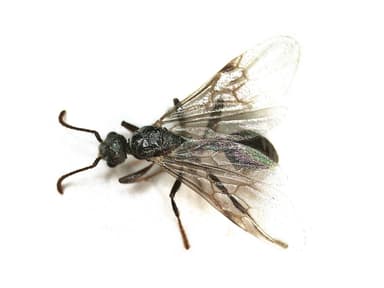
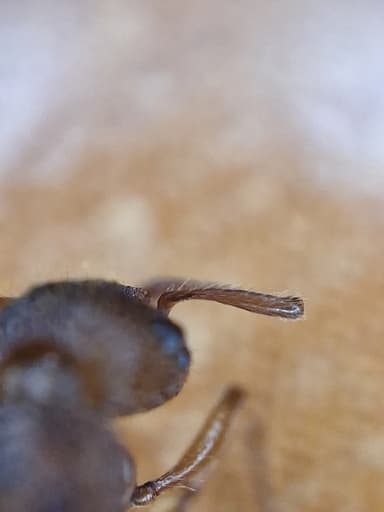
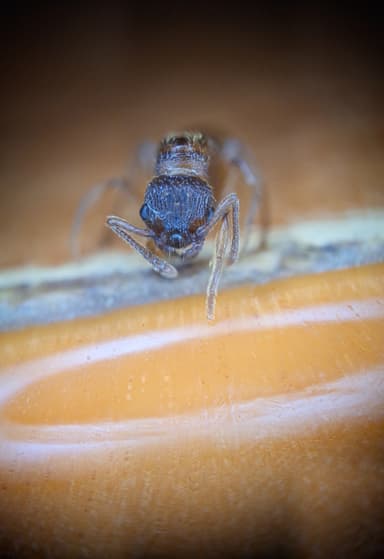
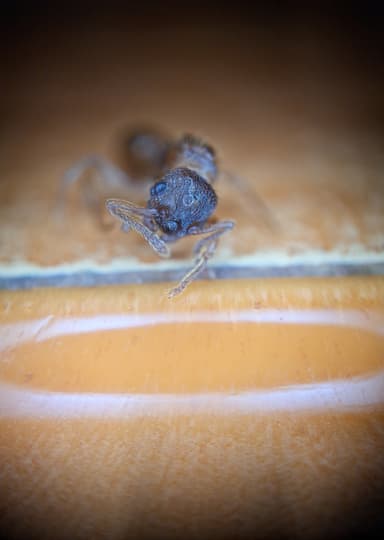
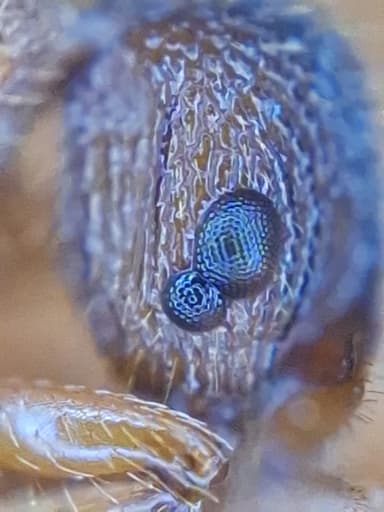
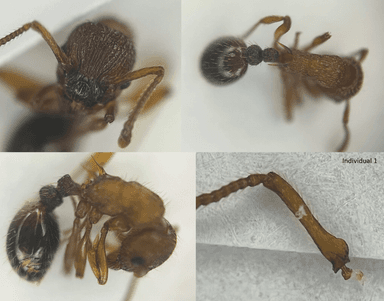
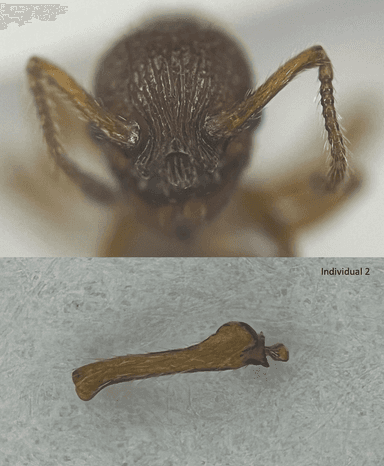
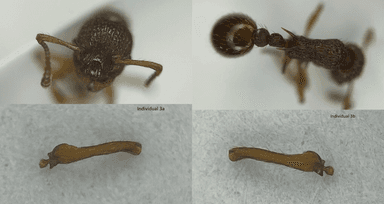
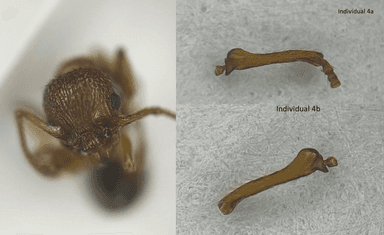
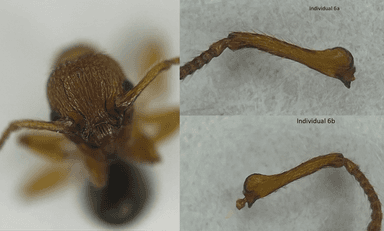
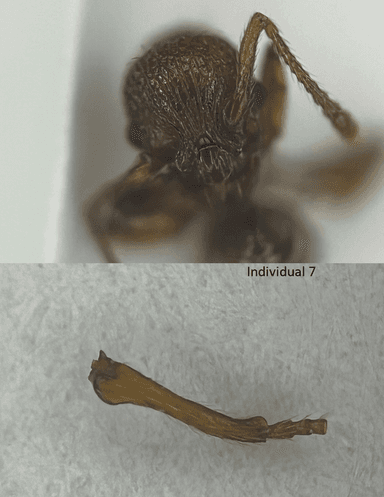
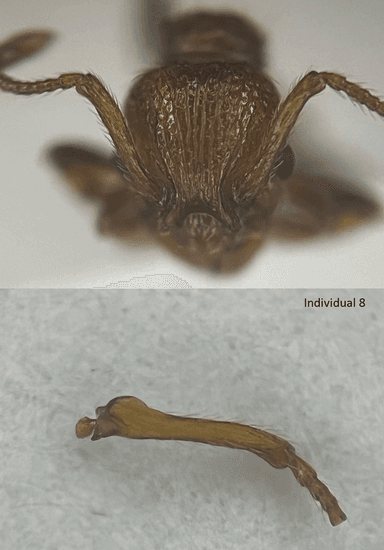
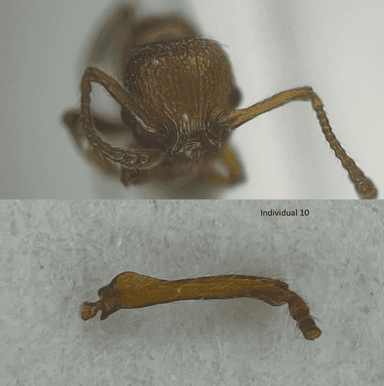
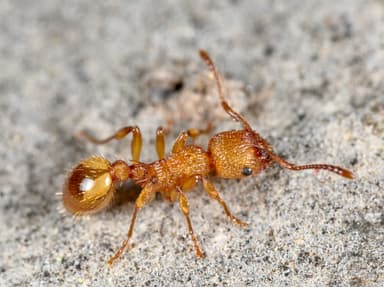
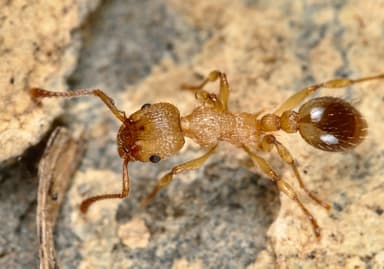
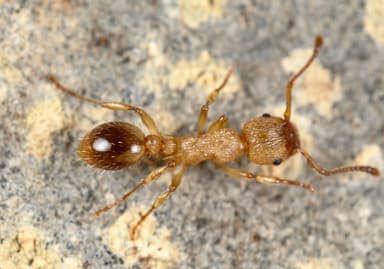
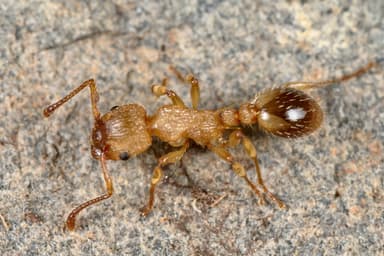
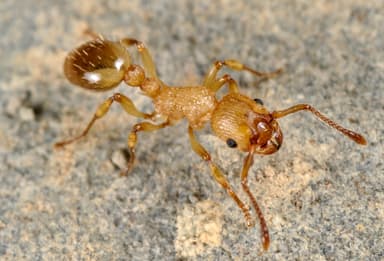
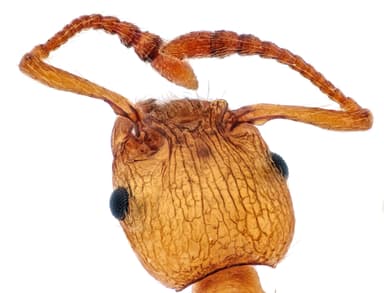
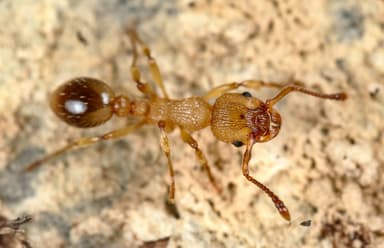
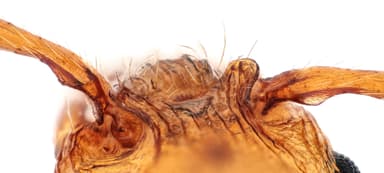
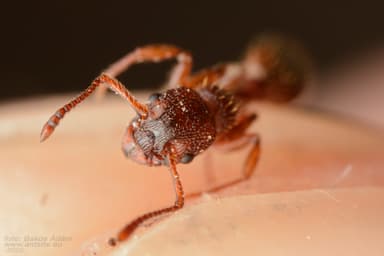
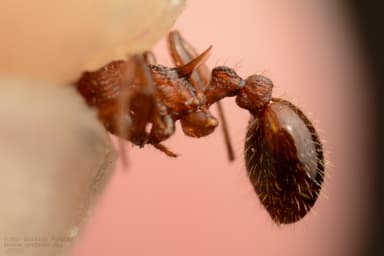
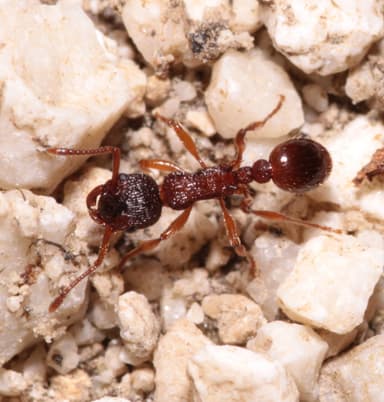
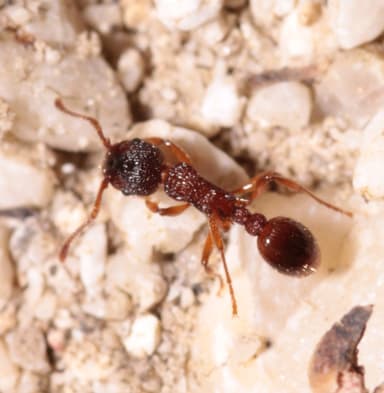
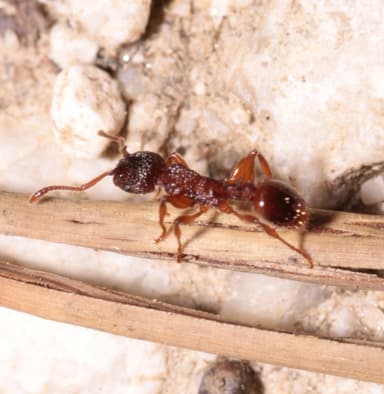
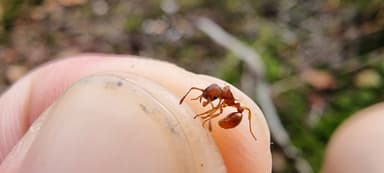
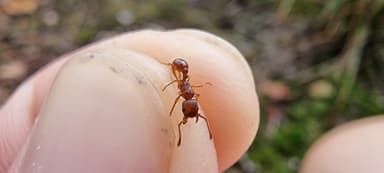
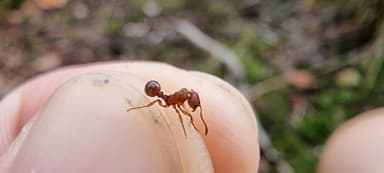
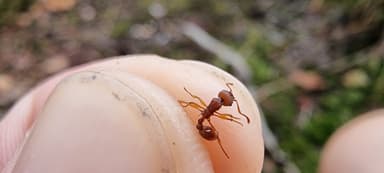
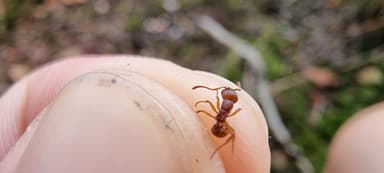
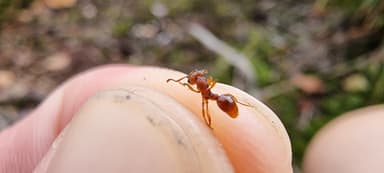
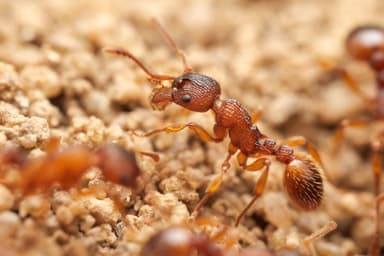
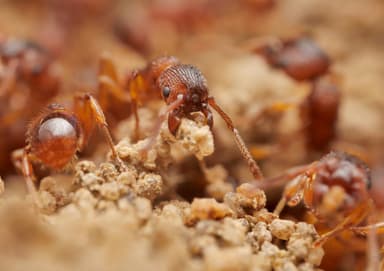
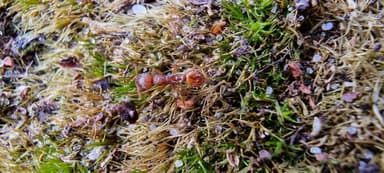
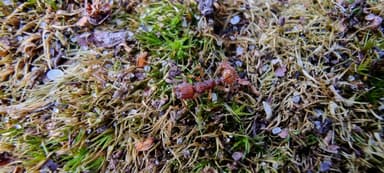
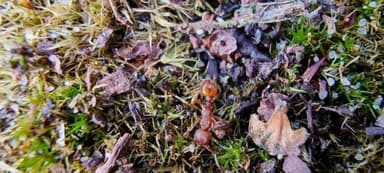
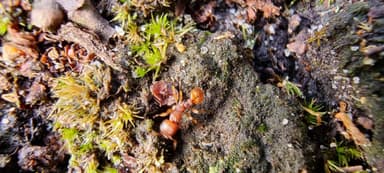
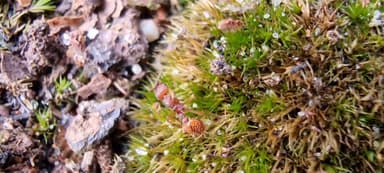
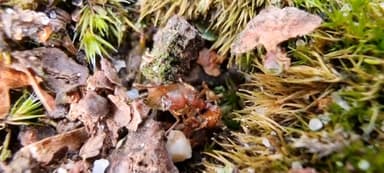
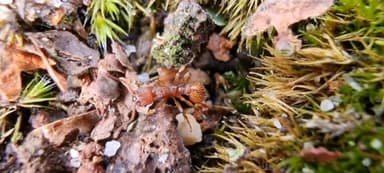
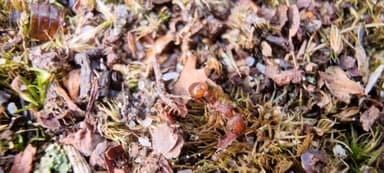
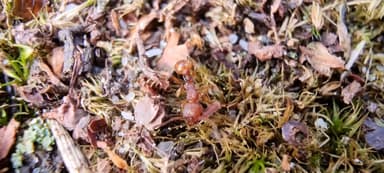
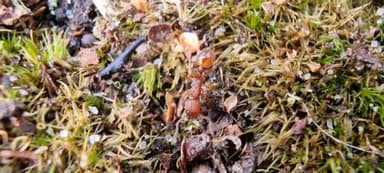
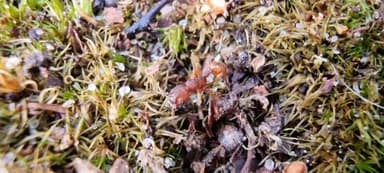
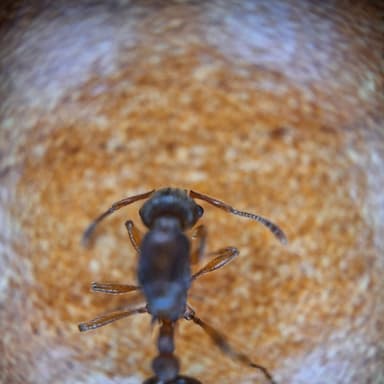
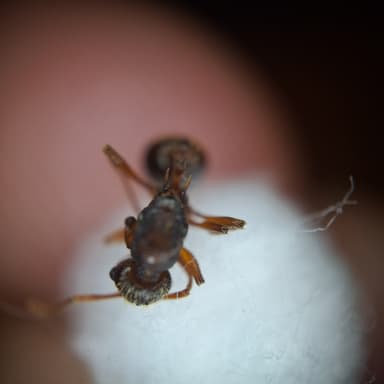
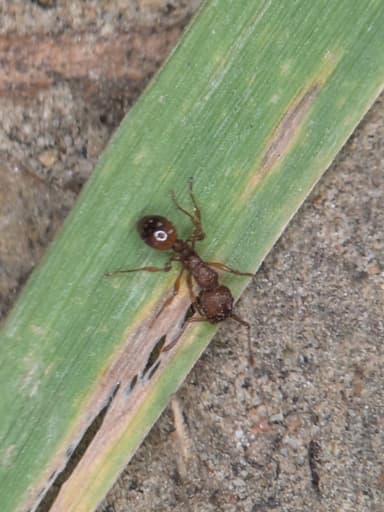
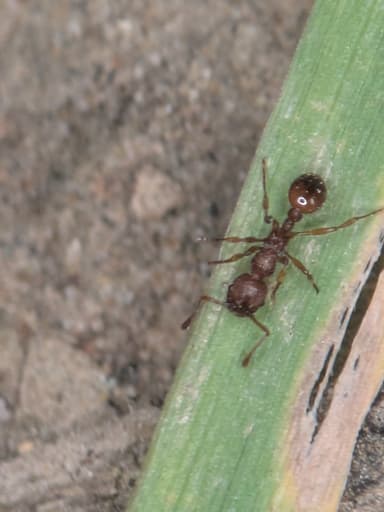
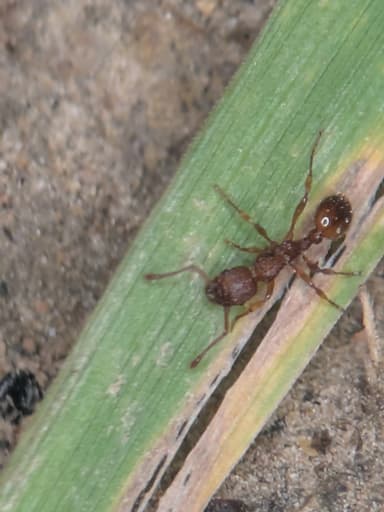
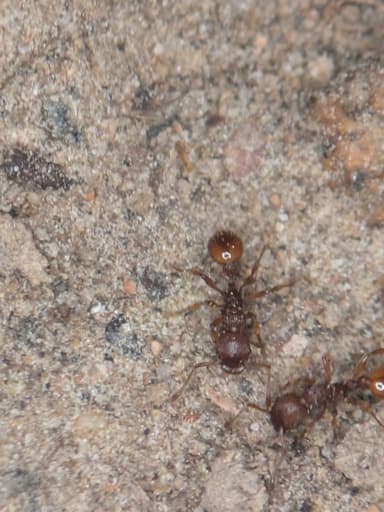
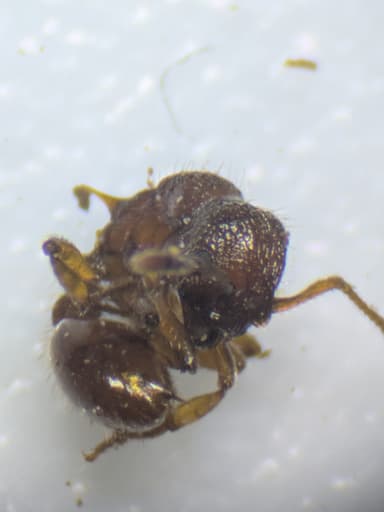
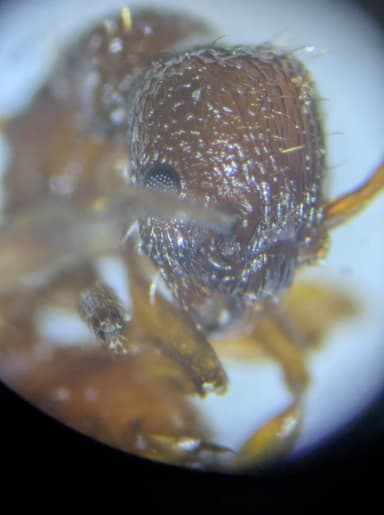
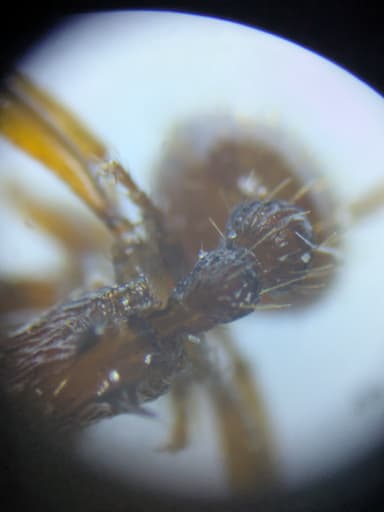
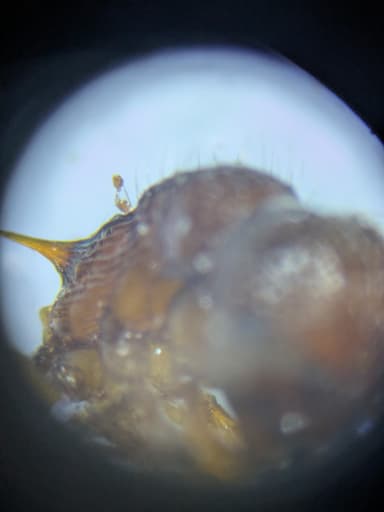
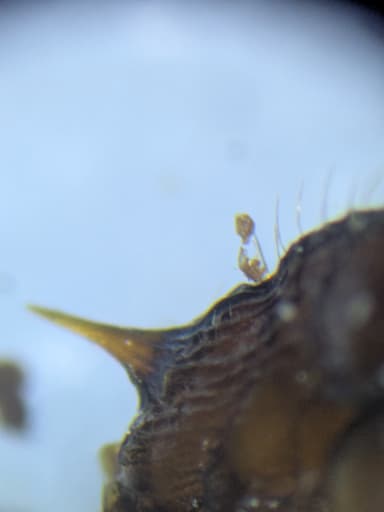
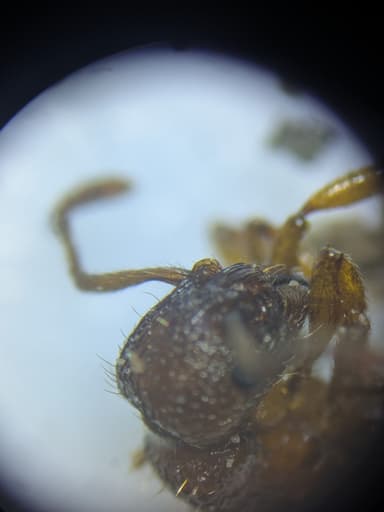
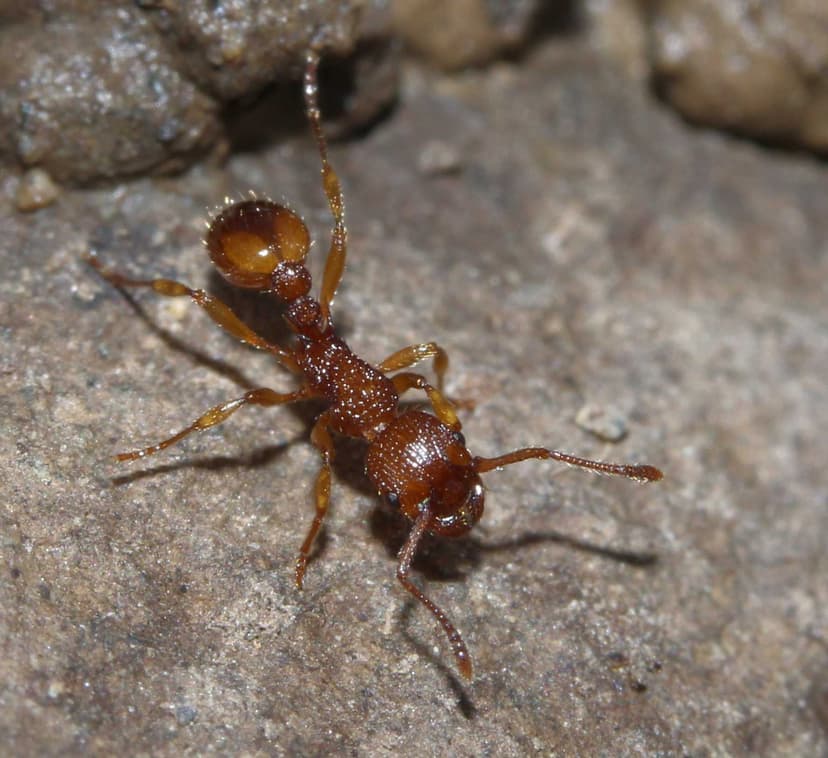
Myrmica sabuleti, often called the common red ant or Sabuleti ant, is a widespread and ecologically significant species found across a vast swathe of the Palearctic, from the Atlantic coasts of Europe eastwards into Asia, as confirmed by GBIF occurrence data spanning from 10°W to 140°E and latitudes 36°N to 62°N. The workers are uniform in size, measuring 4.0 to 5.5 mm, and lack any physical caste polymorphism, while the queens are noticeably larger at 6.0 to 7.5 mm. Their coloration is a warm reddish-brown, deepening in tone on the head and gaster, and the body is adorned with a characteristic sculptured cuticle typical of the genus. A mature colony can house up to around 2,500 workers, and new colonies are founded claustrally by a single queen. Beyond its appeal to hobbyists, this ant is a star of myrmecological research because of its famous role as the primary host of the Alcon blue butterfly (Phengaris alcon), whose caterpillars chemically mimic the ant’s brood to be fed by unsuspecting workers—a relationship that, while not reproducible in most home formicaria, adds a compelling narrative layer to keeping this species (Radchenko & Elmes 2010).
Given its specific environmental needs, this species rates as intermediate in care difficulty and is best suited to keepers who already have a season or two of experience with hardier temperate ants. The colony’s modest size and lack of a large soldier caste make it manageable, but the mandatory hibernation period and the necessity of maintaining a narrow humidity window demand consistent attention. They are also armed with a functional sting, which, while not aggressive, can deliver a mild burning sensation if the colony is startled, so careful handling and escape-proof housing are essential from the outset. If you have successfully kept Lasius or Formica species and are looking to engage with a more nuanced annual cycle, Myrmica sabuleti is an excellent next step that rewards observation with active, protein-hungry foragers and intricate brood care.
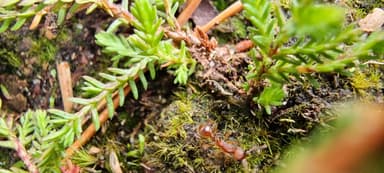
Housing these ants requires a setup that balances moisture, ventilation, and a stable thermal gradient. In their natural grassland habitats, Myrmica sabuleti nests in soil under stones or in tussocks, so a formicarium with a plaster, ytong, or naturalistic soil-based nest area works beautifully, as long as the relative humidity inside the nest is held between 50% and 70%. A common and reliable approach is to use a small nest module connected to a dry outworld; the nest can be kept appropriately moist without flooding the foraging arena. The temperature should be maintained between 18°C and 26°C, and a slight daytime warm spot around 24–26°C near the nest will encourage brood development, while a cooler region allows workers to self-regulate. Provide a substrate of fine sand or a sand-loam mix in the outworld, and add a flat stone, a piece of cork bark, or a small pile of pebbles, as the ants will readily nestle beneath them. Good ventilation is critical to prevent mould, and because these slim 4–5.5 mm workers can scale vertical glass and plastic, a secure lid and a reliable fluon or PTFE barrier are mandatory (Seifert 2018).
Feeding a colony of Myrmica sabuleti is uncomplicated, but they do have a pronounced appetite for protein, which fuels their ravenous larvae. In the wild they hunt small arthropods and enthusiastically collect insect exudates, so a captive menu of small crickets, decapitated fruit flies, mealworm segments, and similar soft-bodied prey will be accepted eagerly. Carbohydrates can be supplied as sugar water, diluted honey, or slices of fresh fruit placed on a small feeding dish to prevent drowning; many keepers also offer a formulated ant jelly for convenience. A permanent, shallow water source is essential—the water-filled test tube used for founding can be left in the outworld, or you can use a small water feeder. As the colony grows, protein frequency should increase, with tiny morsels offered every day for small colonies to avoid spoilage. Workers are active foragers, and you will often see them pulling food toward the nest entrance within minutes.
Do not consider skipping hibernation; for this species, it is an absolute requirement, and failing to provide a cold rest period will lead to a gradual decline in queen fecundity and colony collapse. In nature, Myrmica sabuleti workers retreat deep into their subterranean galleries as temperatures drop, and a constant hibernation temperature of 5°C mirrors the stable conditions found just above freezing in the soil (Seifert 2018). The rest period should last three to four months, typically from late November until early March. Begin the wind-down by stopping protein feeds and gradually cooling the colony over a couple of weeks before transferring the entire formicarium (or the queen’s test tube) to a dedicated fridge, a cool cellar, or a wine cooler set precisely to 5°C. Check moisture levels every few weeks by briefly peering inside without warming the chamber; the nest should remain slightly humid but never wet. This cold phase is also vital for newly mated queens caught in late summer—you must hibernate them before they will lay their first eggs the following spring, a timeline that mirrors their European nuptial flights in August and September.
Arriving at your doorstep, a Myrmica sabuleti queen in her test tube or a small founding colony deserves a quiet, unhurried introduction. If you’ve received a lone queen between August and October, respect her imminent hibernation; keep her in darkness at around 20°C for a few days to settle from shipping stress, then gradually acclimate her to the fridge. For a queen with a few workers received in spring or summer, connect the test tube to a prepared formicarium with a small outworld, but let the ants decide when to move—they often prefer the humidity of the tube. Offer a micro-drop of sugar water on a sliver of wax paper and, after 24 hours, a single pre-killed fruit fly. Avoid flooding the tiny arena with large prey, as this can stress the foundress and promote mould. Watch for typical signs of distress such as neglected brood pulled out of the tube or a queen that appears perpetually agitated; these usually settle once the colony feels secure. Because the workers are minuscule, scrutinise every seam and ventilation hole to guarantee that your setup is escape-proof, and then give the young colony the greatest gift of all: time, undisturbed in a softly lit corner, to transform a fragile tube of ants into the bustling, curious thousand-worker colony that makes Myrmica sabuleti such a rewarding species to steward.