Myrmecia
Myrmecia pilosula
Nuptial Flight Calendar
Flight months: Jan, Feb, Oct, Nov, Dec
Care Guide
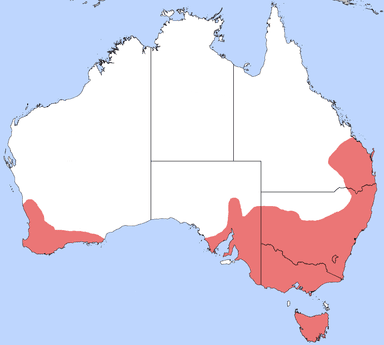
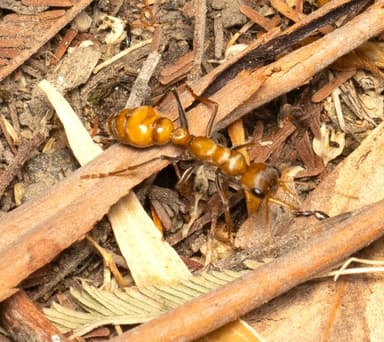
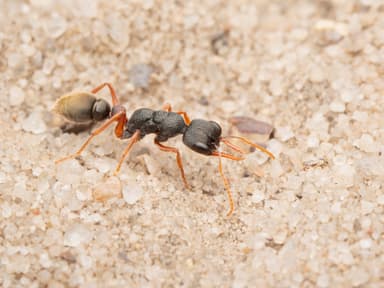
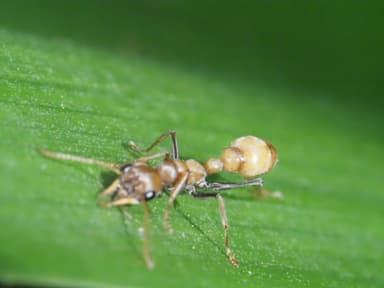
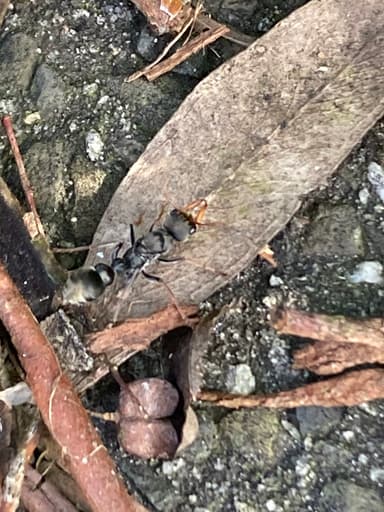
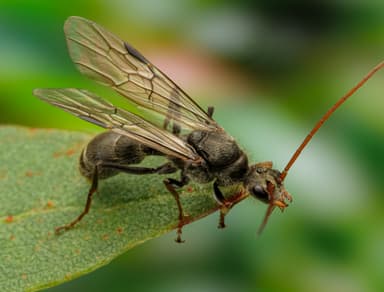
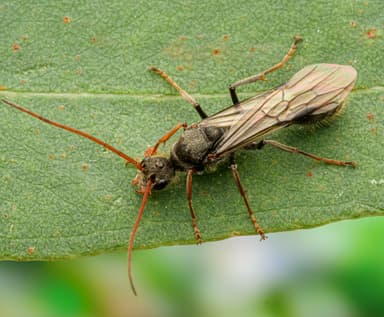
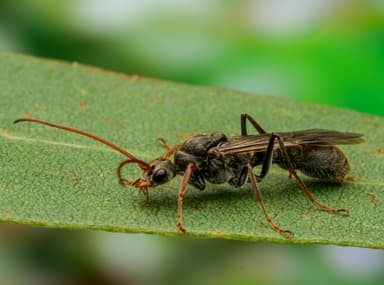
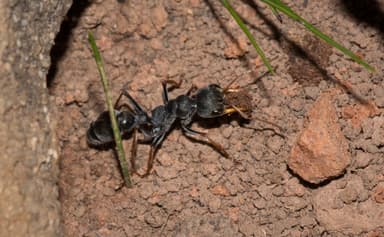
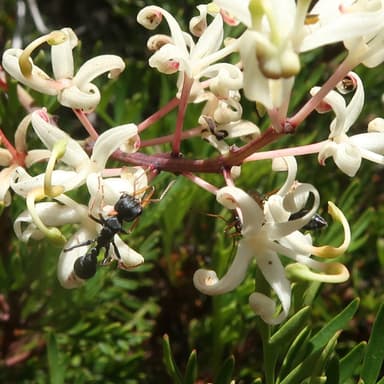
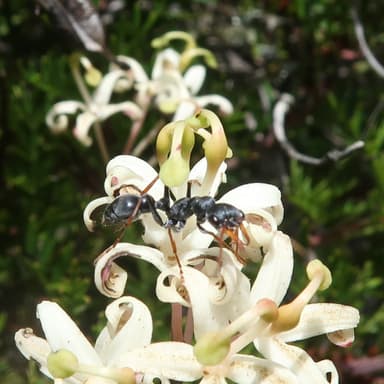
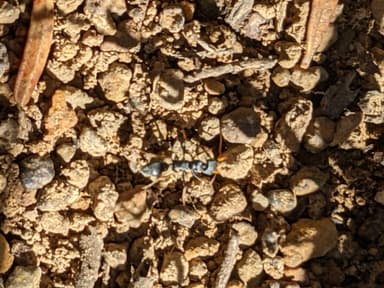
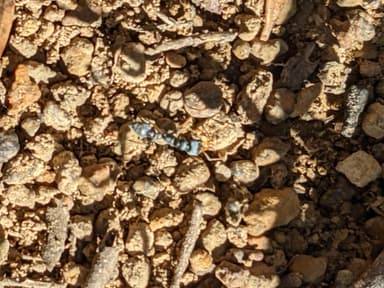
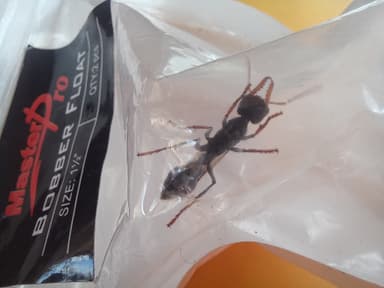
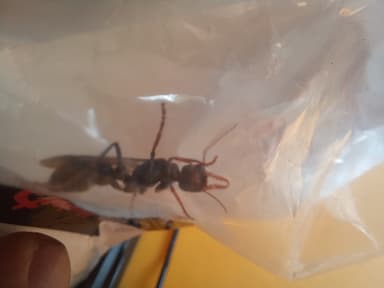
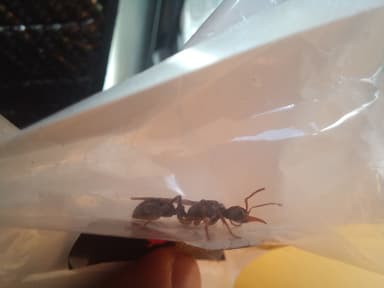
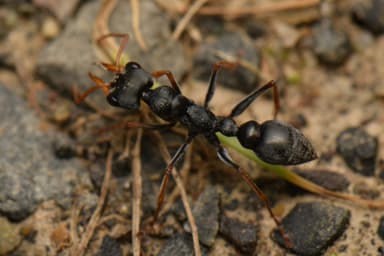
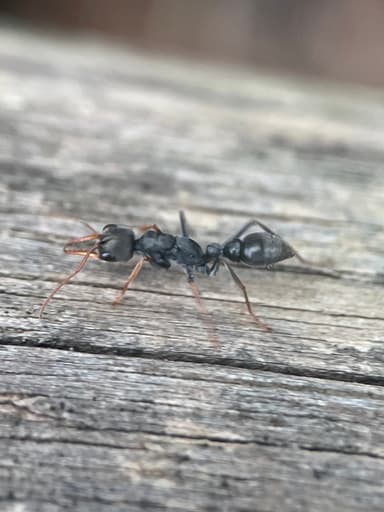
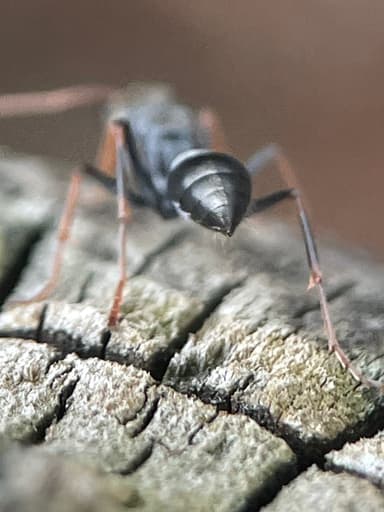
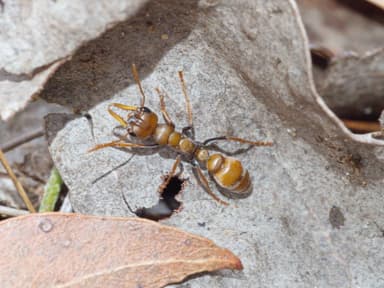
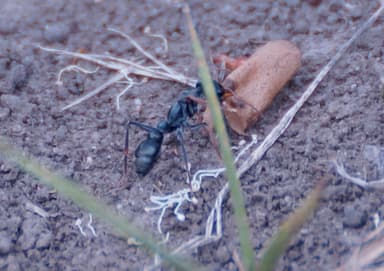
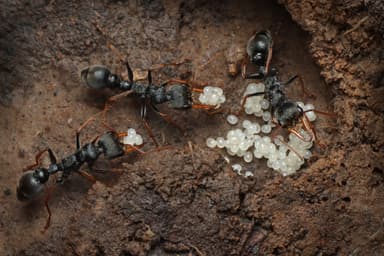
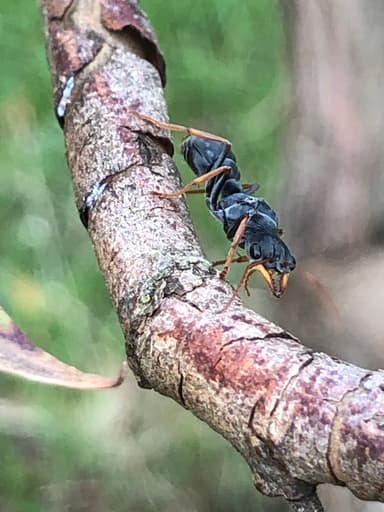
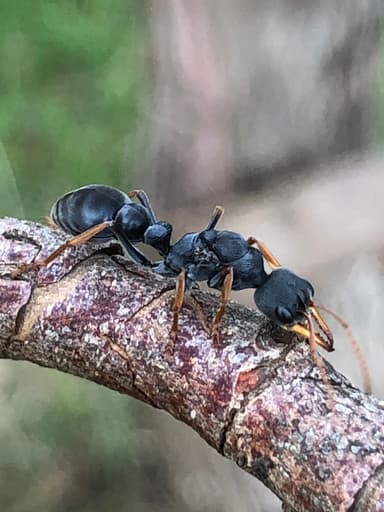
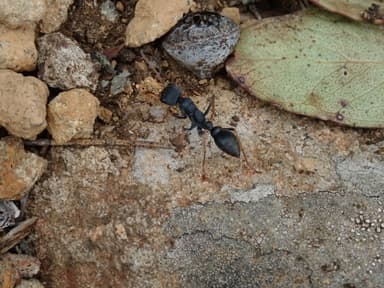
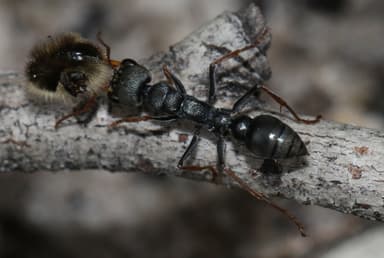
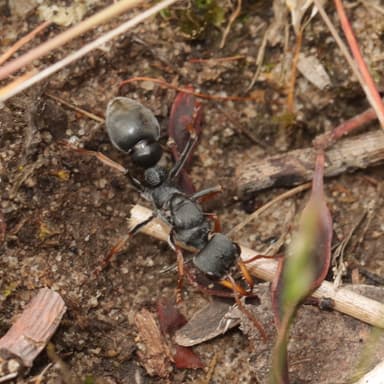
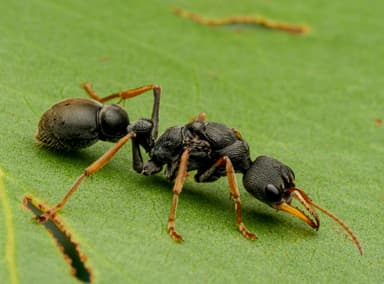
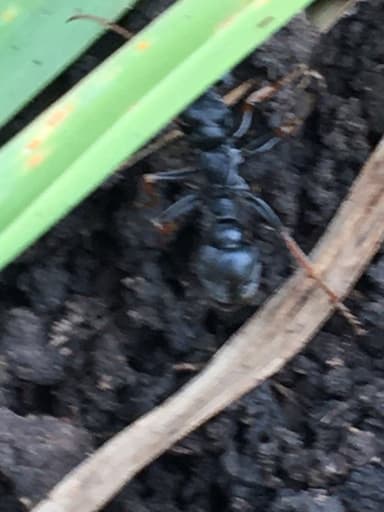
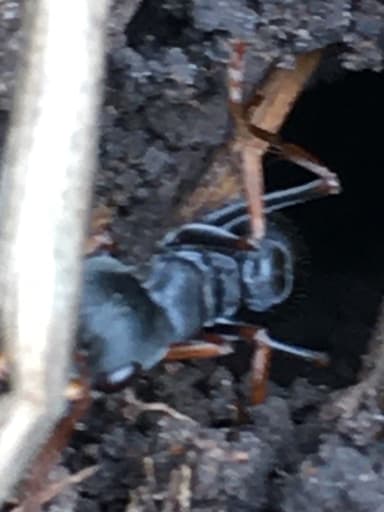
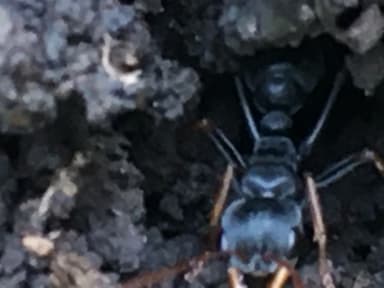
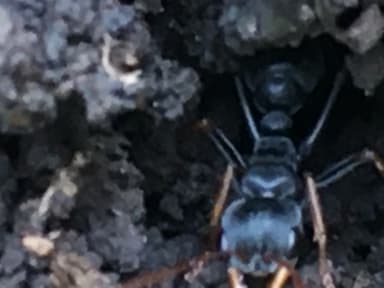
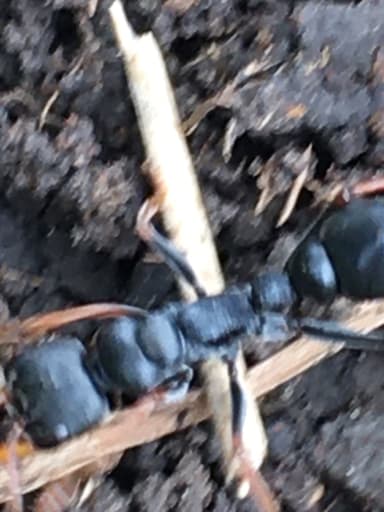
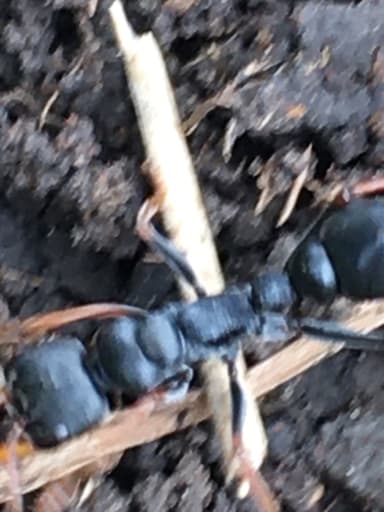
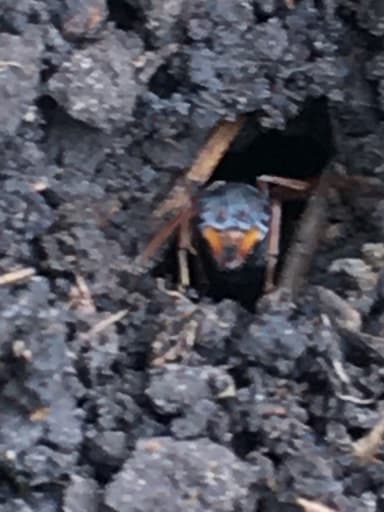
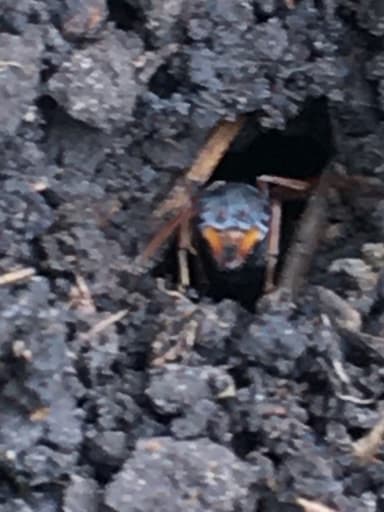
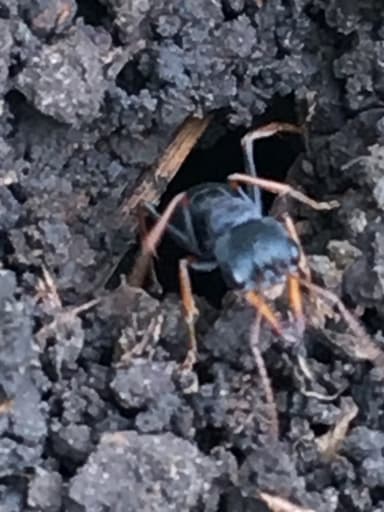
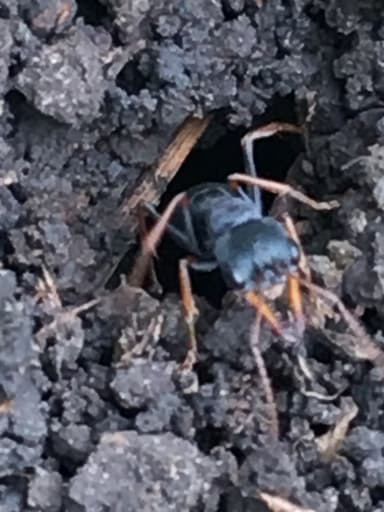
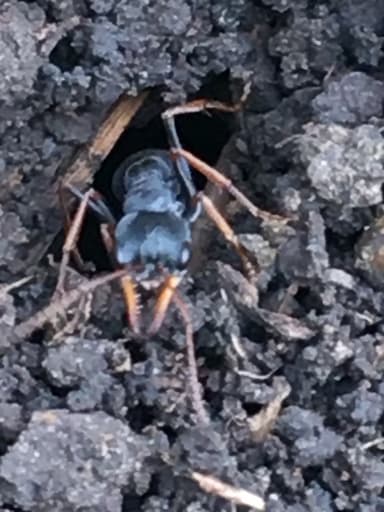
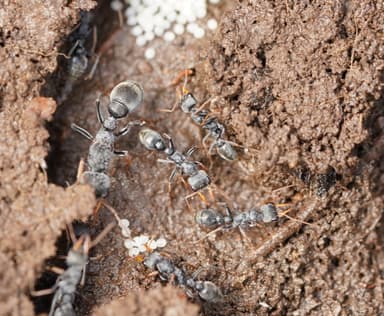
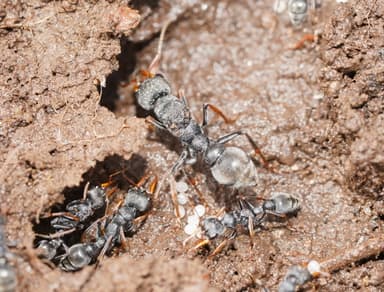
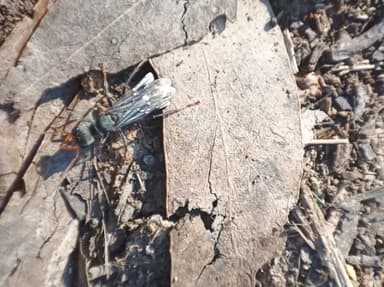
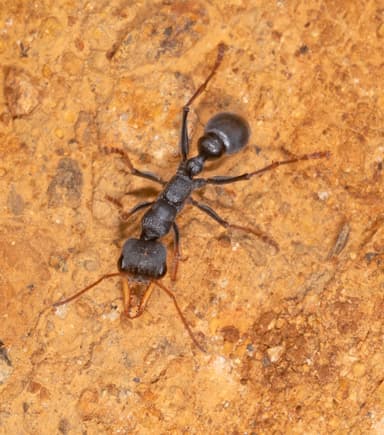
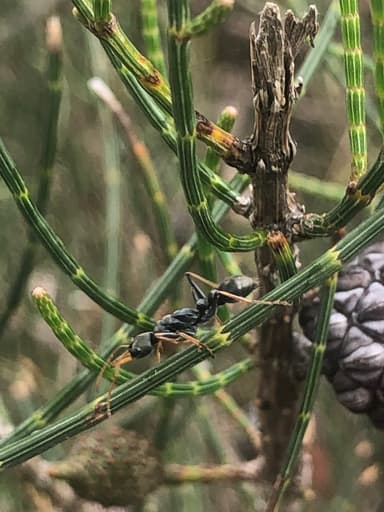
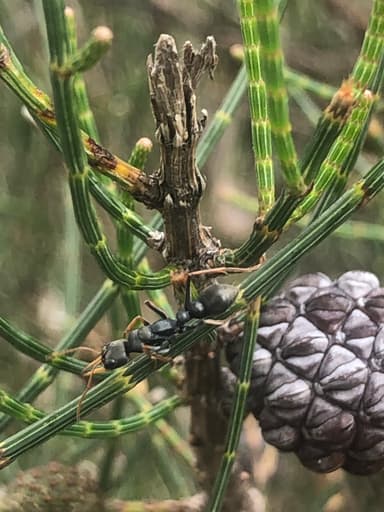
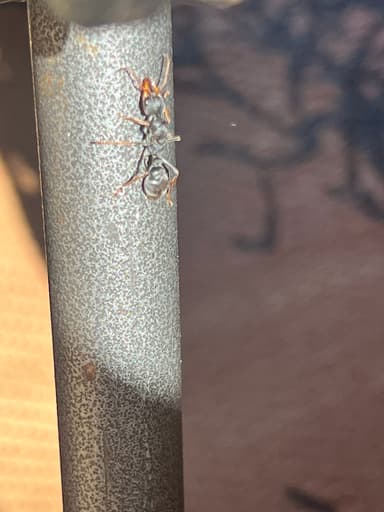
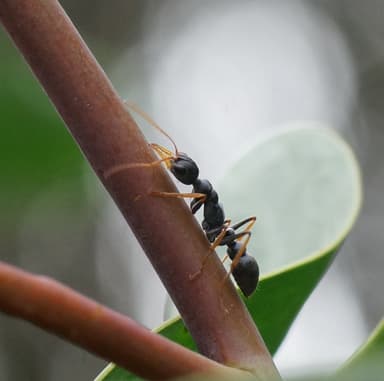
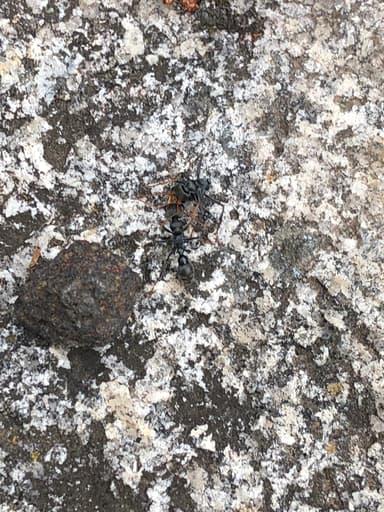
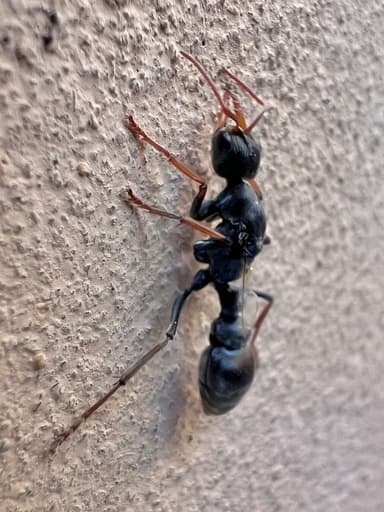
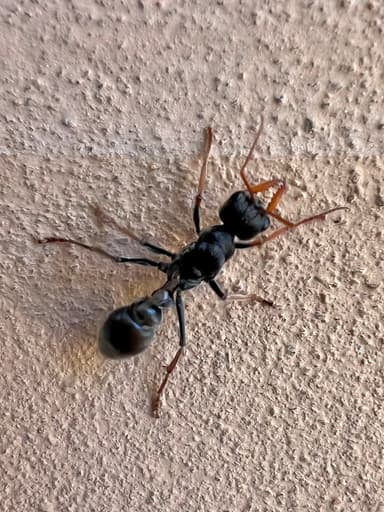
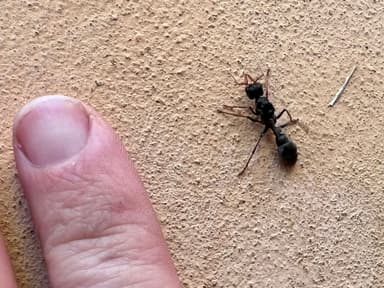
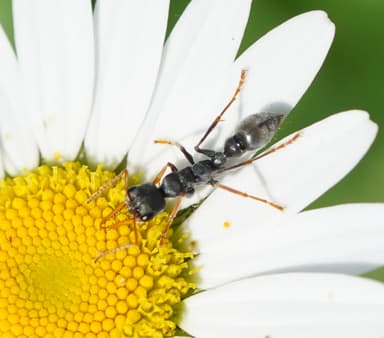
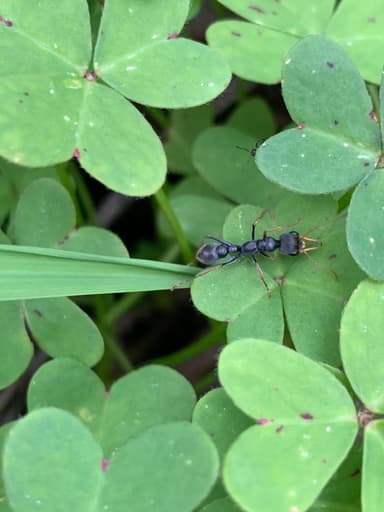
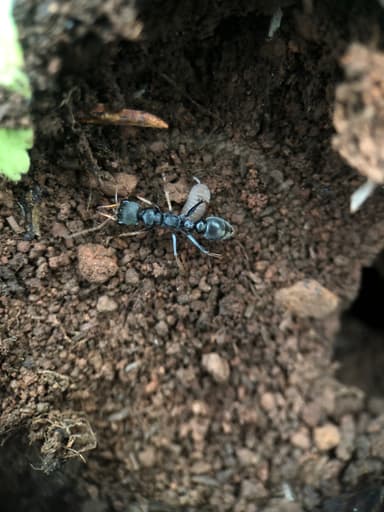
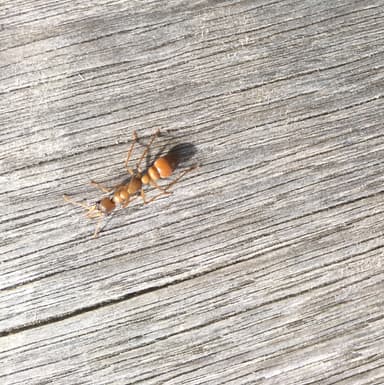
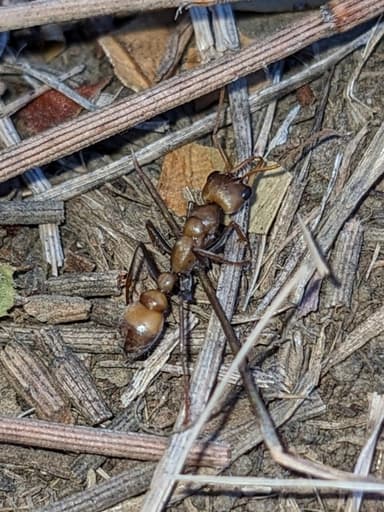
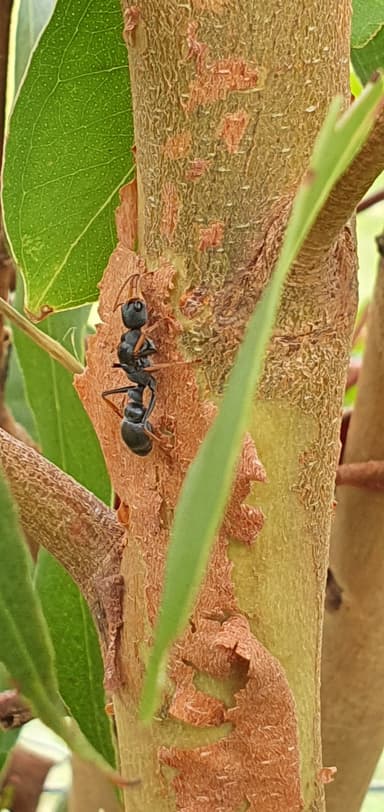
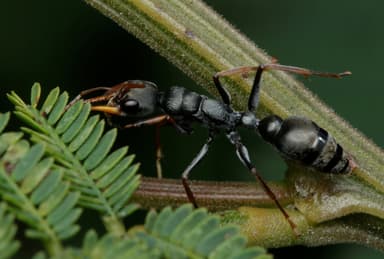
Myrmecia pilosula, commonly known as the jack jumper ant, is a visually striking and behaviourally fascinating species endemic to south-eastern Australia, roughly south of a line from Brisbane to Adelaide. The queens measure a robust 10 to 14 millimetres, while the monomorphic minor workers range from 8 to 12 millimetres, all sharing the classic bulldog ant silhouette: long, slender mandibles, large forward-facing eyes, and a glossy black body with brilliant orange-red mandibles and legs. A mature colony can reach up to a thousand individuals, though in captivity most plateau around a few hundred, housed within a simple underground nest with a single entrance. What truly sets this ant apart from most other formicids is its extraordinary biology: Myrmecia pilosula holds the record for the lowest known chromosome count of any animal, with a haploid number of just one in males (Crosland & Crozier 1986). For the keeper, however, its most salient feature is the potent sting — an instant, painful reminder that this is a highly visual hunter with formidable defensive capabilities. Observing a worker track and pounce on a small cricket using primarily its enormous compound eyes, then dispatch it with a precise sting, is a riveting display of solitary foraging behaviour rarely seen in the ant world.
Categorised as an intermediate-level species, the jack jumper is not suitable for beginners, but it certainly rewards the attentive hobbyist who has already successfully maintained a few more forgiving colonies. The challenge lies not in environmental fussiness but in the ant’s speed, exceptional eyesight, and potent venom. Escape artistry is a real risk; a worker can leap an inch or more and deliver a sting that, for a small percentage of the human population, can trigger a severe allergic reaction. Therefore, a keeper must be comfortable working with a securely lidded outworld, using barrier substances like PTFE fluon generously, and always employing physical barriers when feeding. The colony’s semi-claustral founding mode also adds a layer of engagement. A newly mated queen must be fed regularly during the founding stage, as she forages actively to provision her first brood. This allows the keeper to witness the entire nascent colony development but demands more frequent attention than a fully claustral species. For those with steady hands and a passion for primitive ant behaviour, Myrmecia pilosula offers an unparalleled window into an ancient lineage.
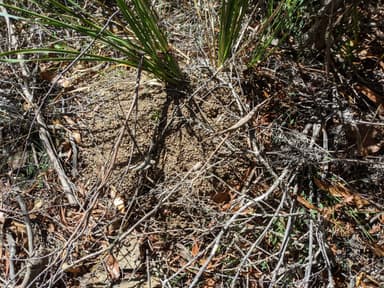
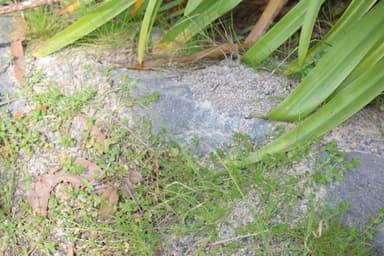
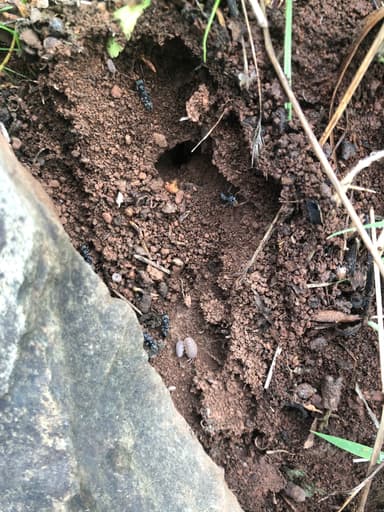
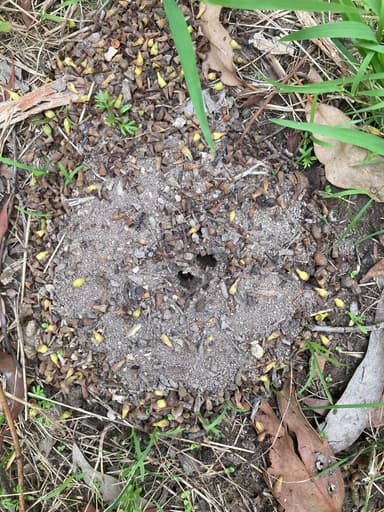
Housing should mimic the cool, temperate heathlands and open forests from which this ant hails, where it nests in soil mounds or under rocks. A classic plaster or ytong nest with a few medium-sized chambers works beautifully, as this ant does not excavate extensively; the substrate can be minimal, perhaps a thin layer of sand and clay loam covering the floor of the nest and outworld to aid gripping and humidity retention. Temperature gradients are vital: maintain the nest area between 18 and 28°C, with a gentle heat mat placed on one side of the nest to allow self-regulation. The outworld can sit at room temperature. Relative humidity should be kept between 50 and 70%, achieved by providing a drinking water source and lightly moistening one section of the nest substrate every few days, ensuring it never becomes sodden. Good ventilation is crucial to prevent stagnation, as workers are susceptible to fungal infections in stagnant, overly humid conditions. A naturalistic outworld decorated with twigs, leaf litter, and a small rock will encourage their visually oriented hunting, as workers will perch on elevated objects scanning for movement.
Dietary needs revolve around live insect prey and a consistent source of sugars. In the wild, jack jumpers are agile visual predators, leaping on small arthropods and even occasionally scavenging on carrion. Offer a variety of small live prey such as pinhead crickets, fruit flies, and freshly killed mealworm pieces at least twice a week, always pre-killing larger prey to avoid unnecessary struggle inside the nest. Workers will also eagerly accept sugar water, honey water, or a small slice of fresh fruit like apple or melon, which should be provided on a feeding dish in the outworld. A crucial and often overlooked requirement is a constant supply of clean water; a cotton-stoppered tube or a plaster water feeder will suffice. Newly founded semi-claustral queens must be offered small droplets of sugar water and tiny insect fragments every two to three days, as they cannot sustain themselves and their first brood on their internal fat reserves alone. Once workers eclose, they will take over foraging, and the queen will retreat into a purely egg-laying role.
A strict annual hibernation is non-negotiable for the long-term health and reproductive rhythms of Myrmecia pilosula. Across its range, winter temperatures routinely dip low, cueing a dormancy period. The colony must be cooled to a steady 12°C for a period of three to four months, typically from late May to early September in the Northern Hemisphere, mirroring the Australian winter. Gradually reduce feeding frequency and cease heating over the course of a week before introducing the colony to a cool location such as a wine cooler, a temperature-regulated fridge, or an unheated room that reliably stays within a degree of the target. During hibernation, the ants will cluster together and become almost motionless, requiring only a tiny source of moisture and no food. Breaking the dormancy slowly by warming the ants back to room temperature over a week will stimulate the queen to recommence egg-laying, and within a month you should see the first new larvae of the season.
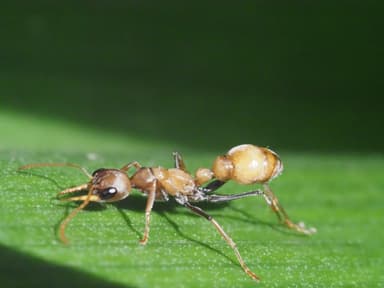
Upon receiving your founding queen or small colony, immediate patience and a hands-off approach are paramount. Connect the nest to a small outworld with a secure barrier and place the entire setup in a dim, vibration-free area for the first 48 hours, allowing the ants to discover their new home and settle their stress pheromones. After this settling period, offer a tiny drop of sugar water on a piece of wax paper directly into the outworld, and observe from a distance; a jack jumper’s vision is so acute that it can see you blink from across the room, so sudden movements will send workers into a defensive frenzy. The first live prey, a pre-killed fruit fly or small cricket leg, can be introduced on day three or four. Watch for the queen: she should be actively moving in the nest chambers, not lying on her side for prolonged periods, and she should readily accept the sugar water in her founding test tube. A healthy sign is a worker with a shiny, well-fed gaster and erect, alert posture. Avoid the temptation to check the nest frequently; limit observations to once daily, using a red light filter which the ants perceive far less. With careful, respectful husbandry, your Myrmecia pilosula colony will develop into a dynamic, endlessly watchable society that showcases the raw, prehistoric beauty of the bulldog ant lineage.