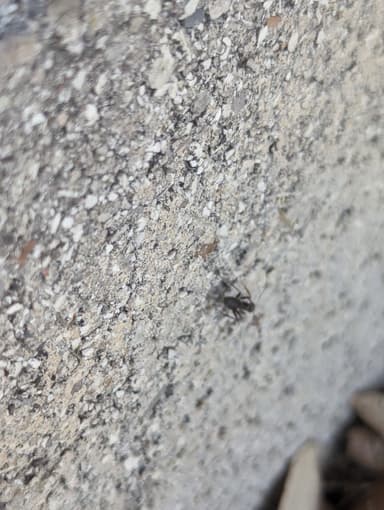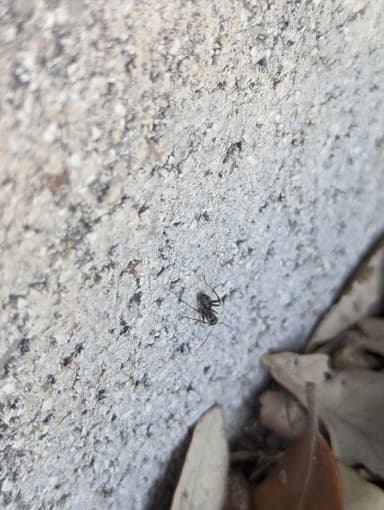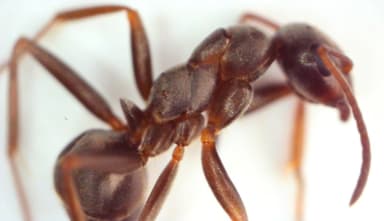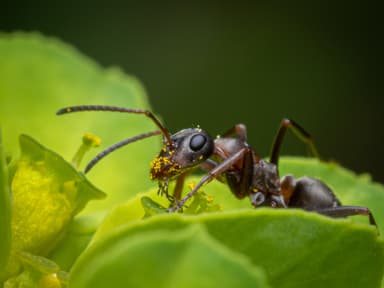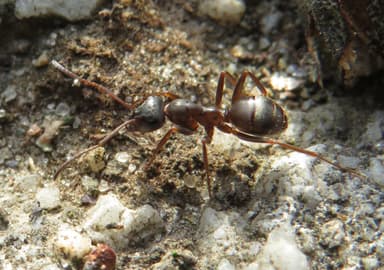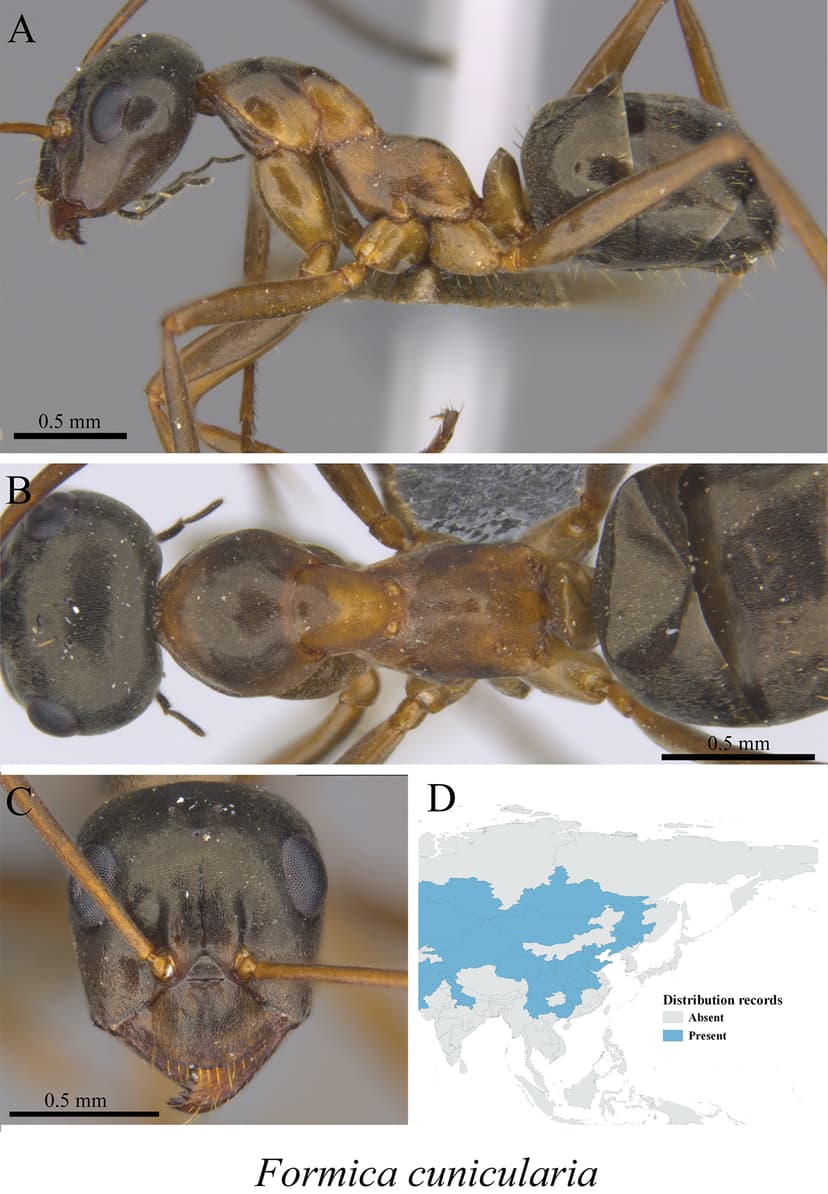
Formica
Formica cunicularia
Nuptial Flight Calendar
Flight months: Jun, Jul, Aug
Care Guide
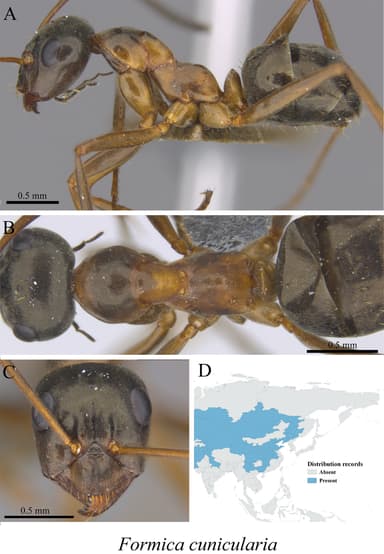
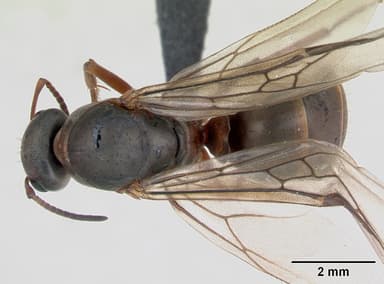
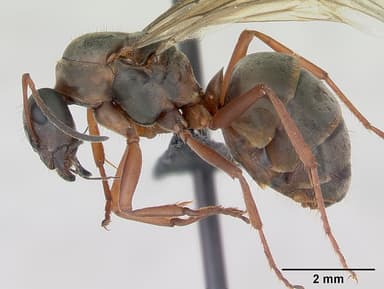
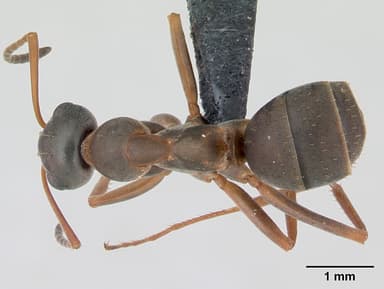
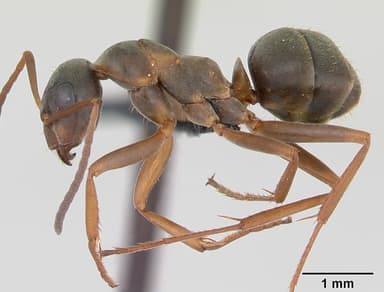
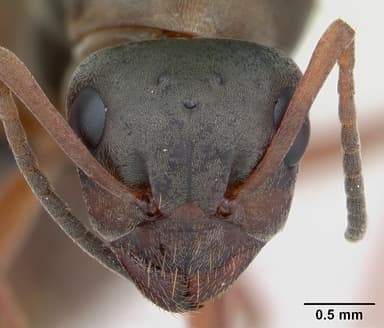
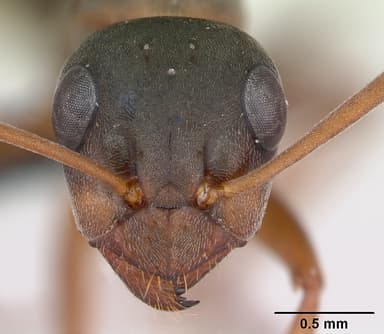
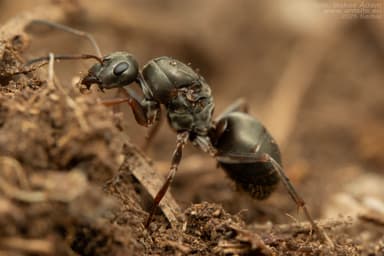
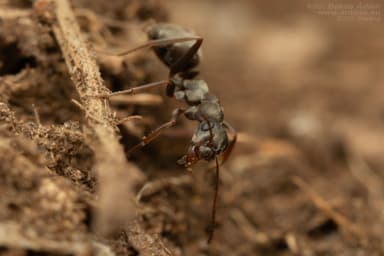
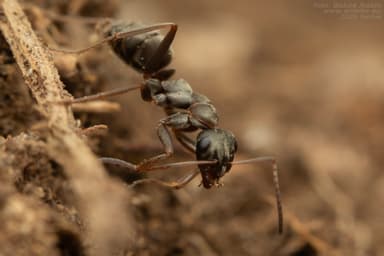
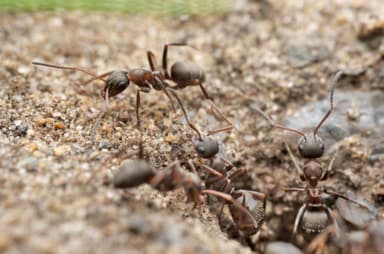
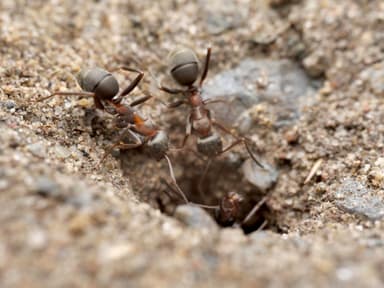
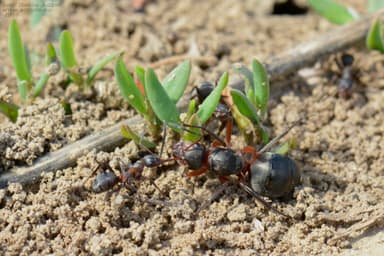
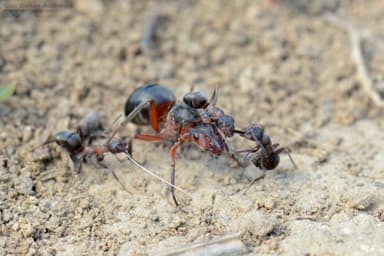
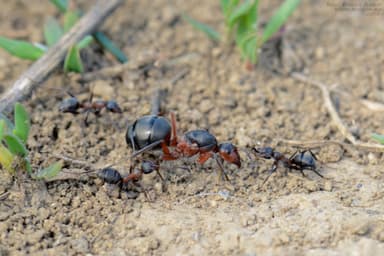
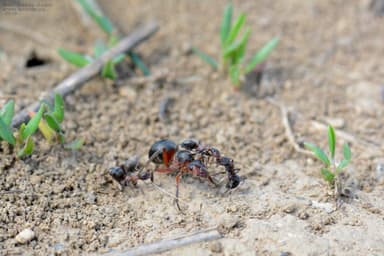
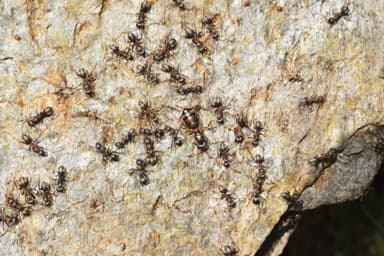
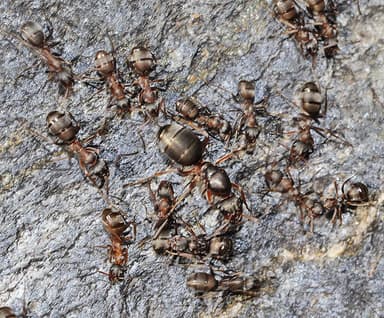
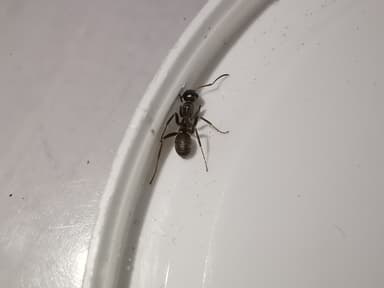
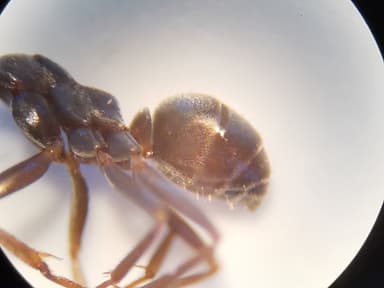
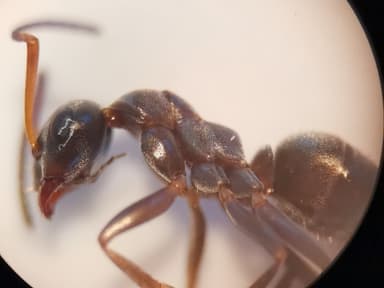
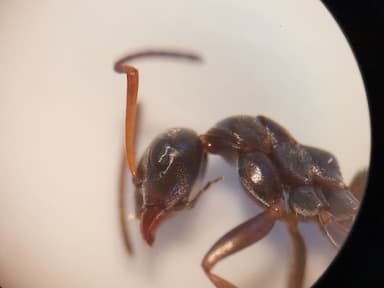
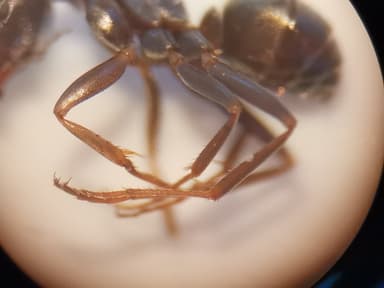
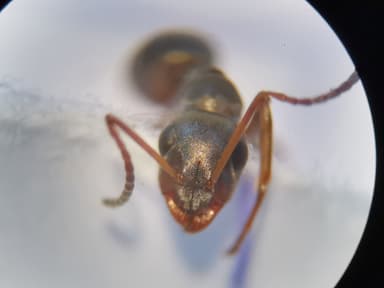
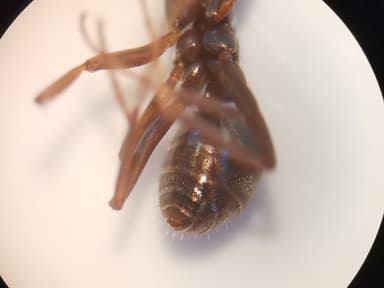
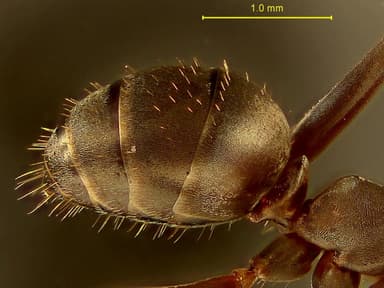
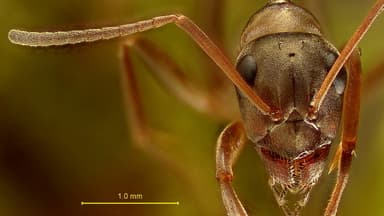
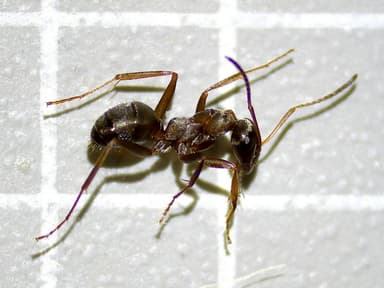
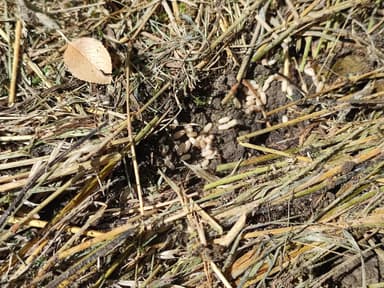
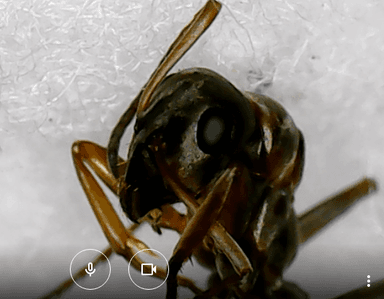
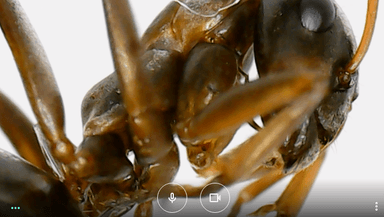
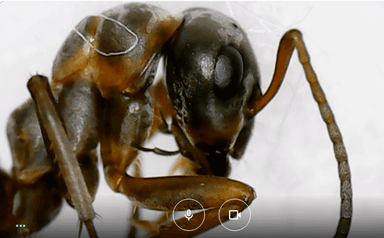
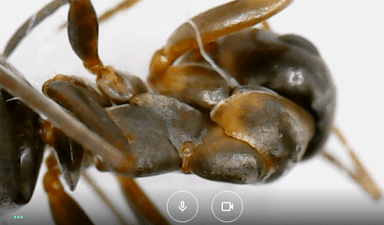
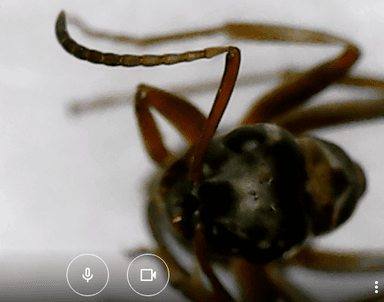
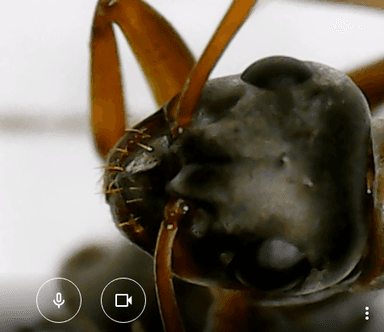
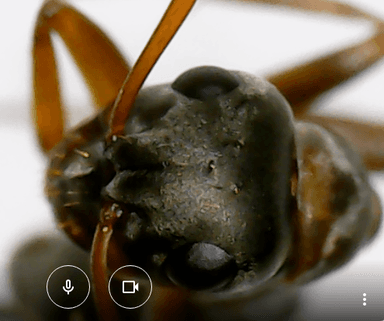
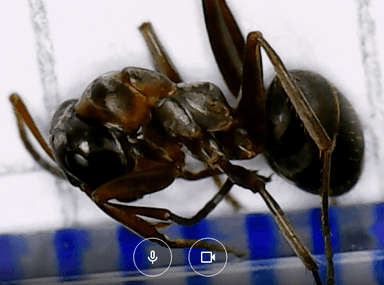
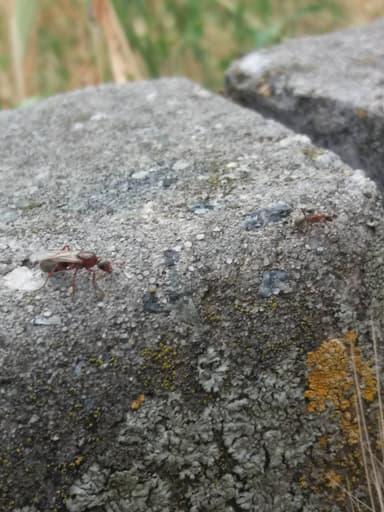
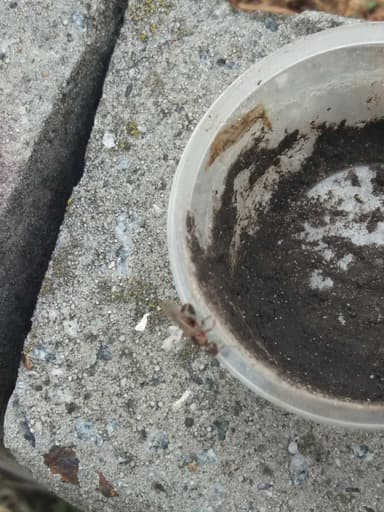
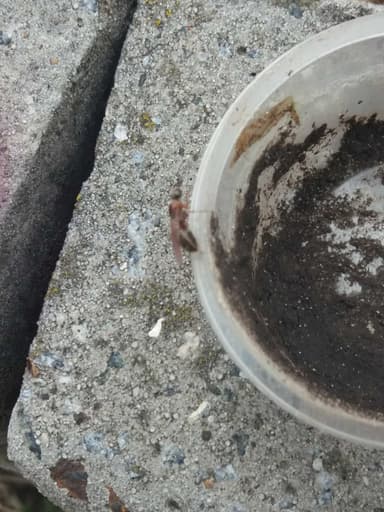
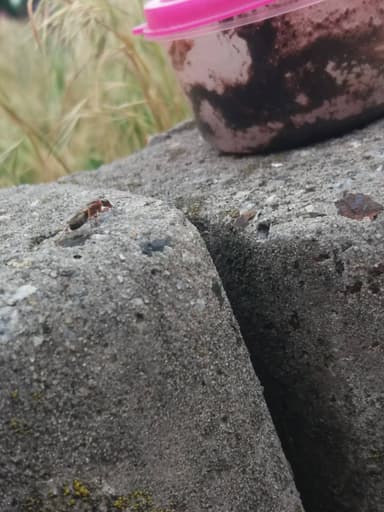
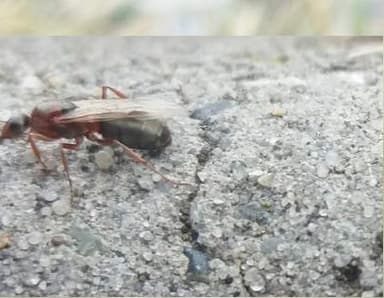
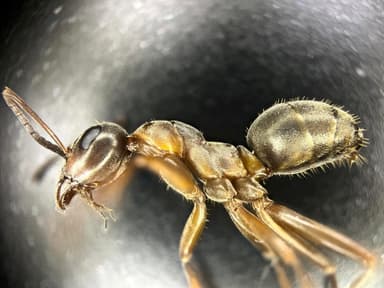
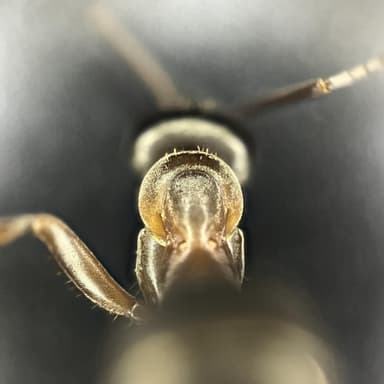
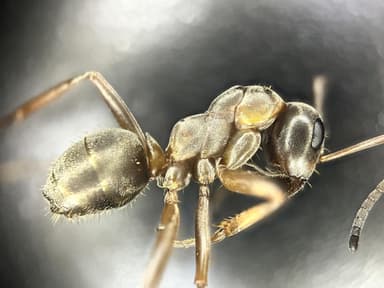
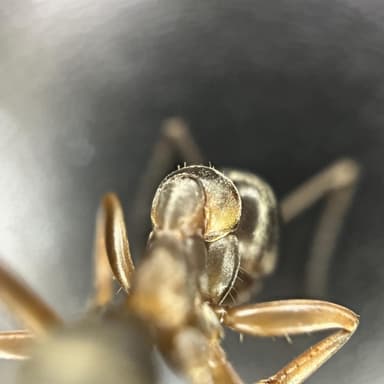
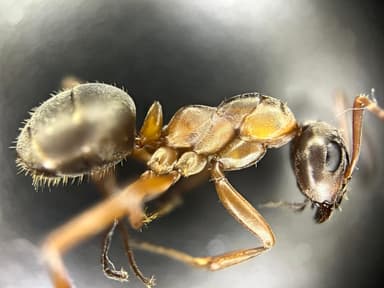
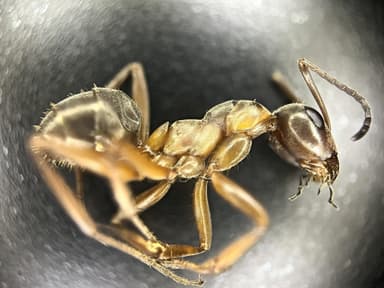
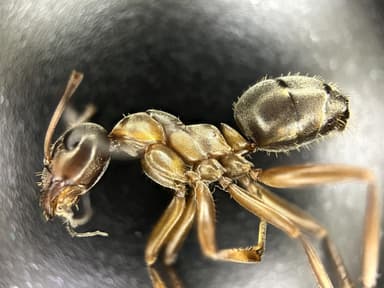
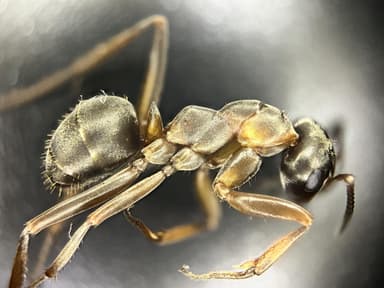
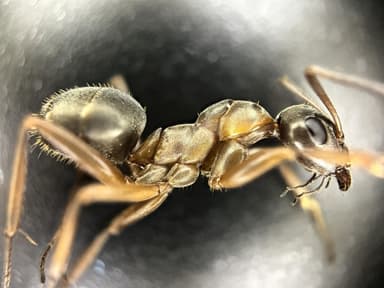
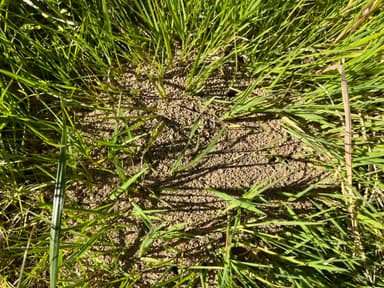
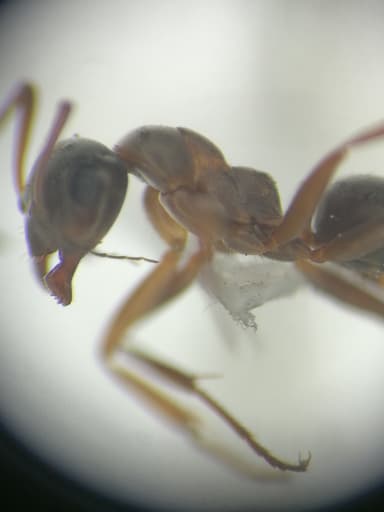
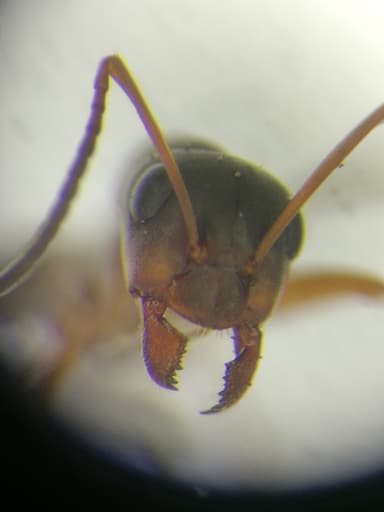
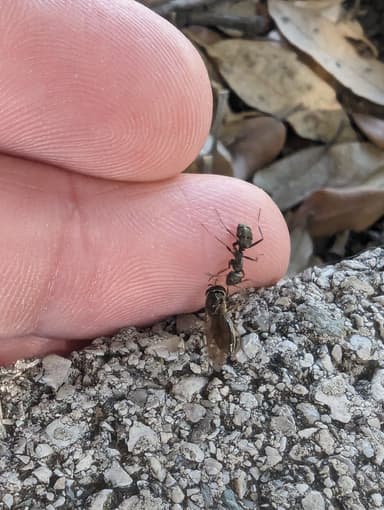
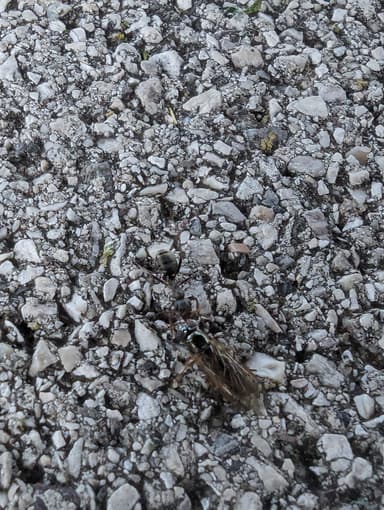
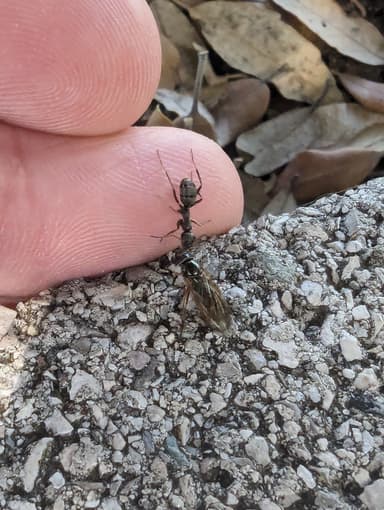
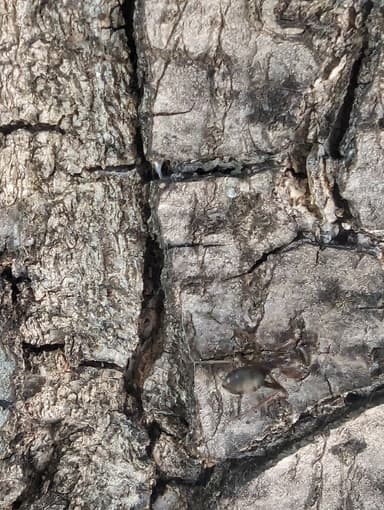
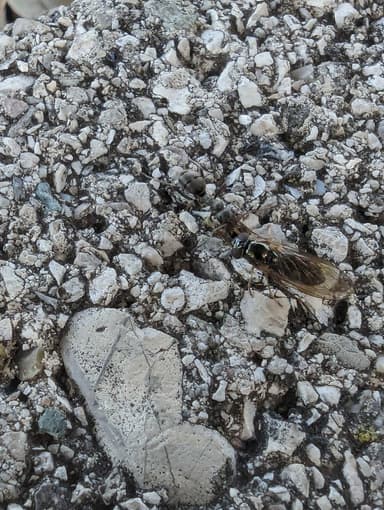
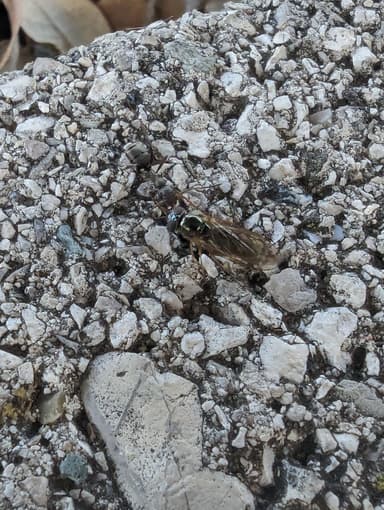
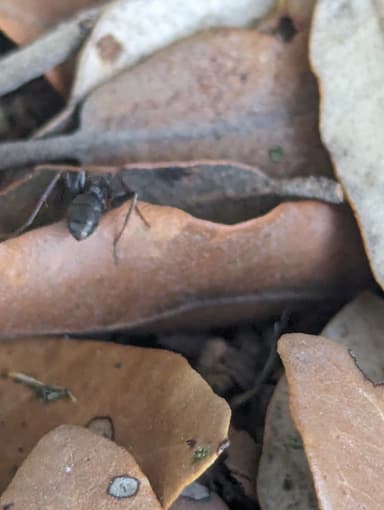
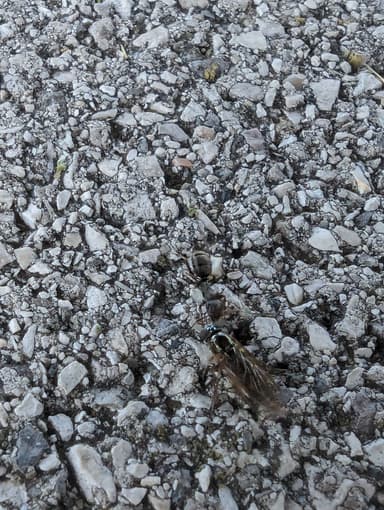
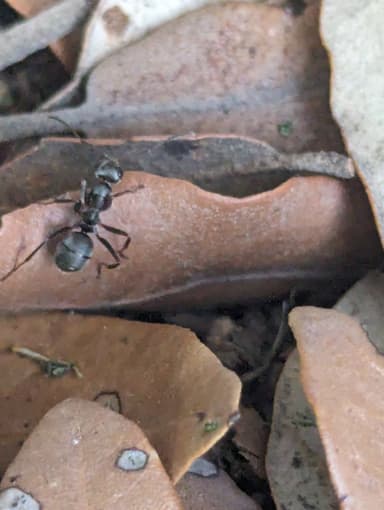
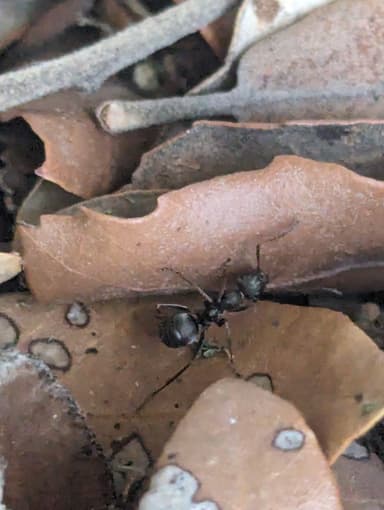
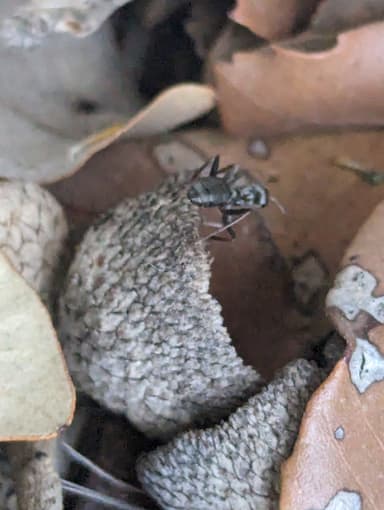
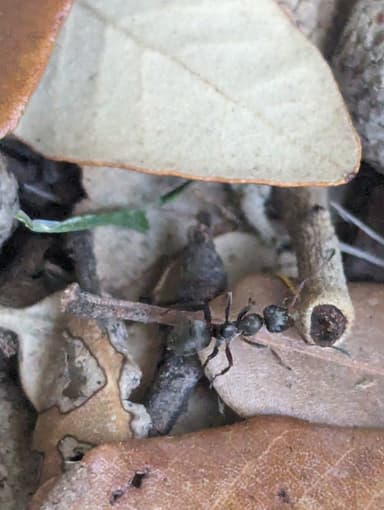
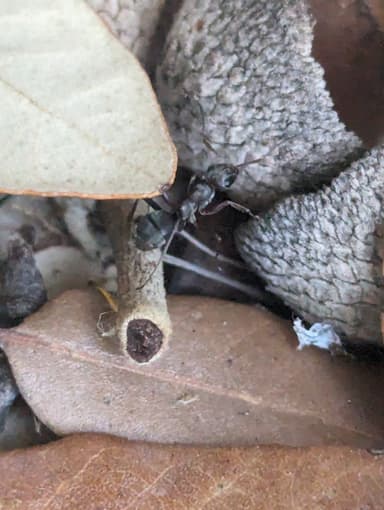
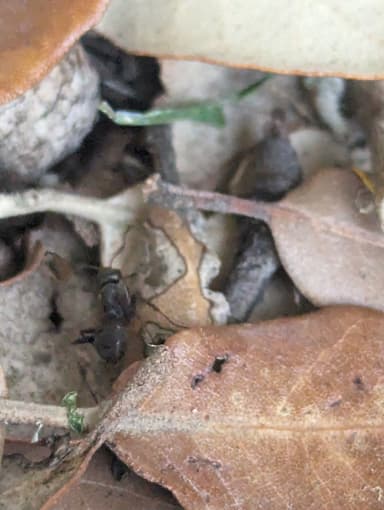
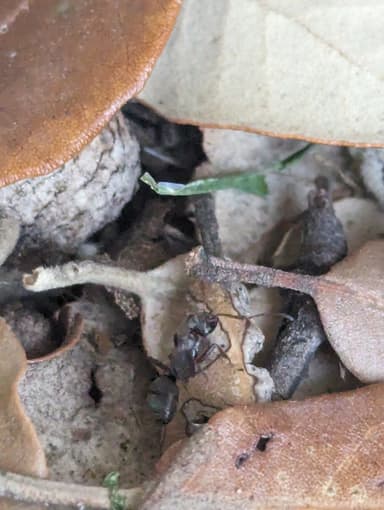
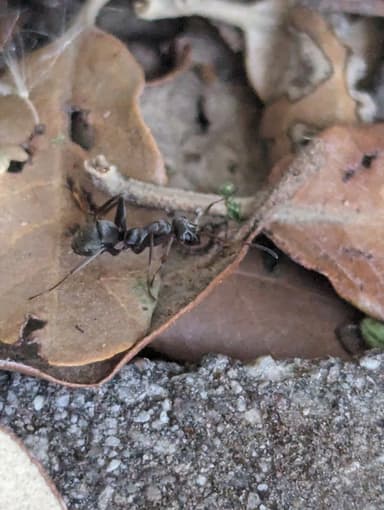
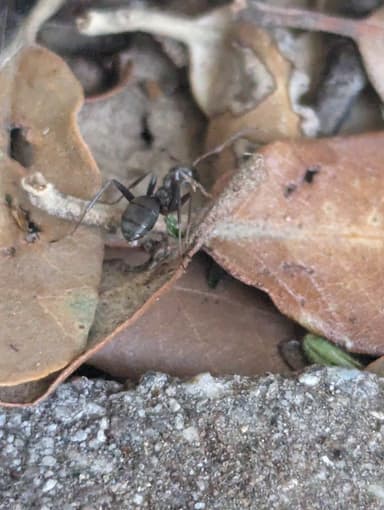
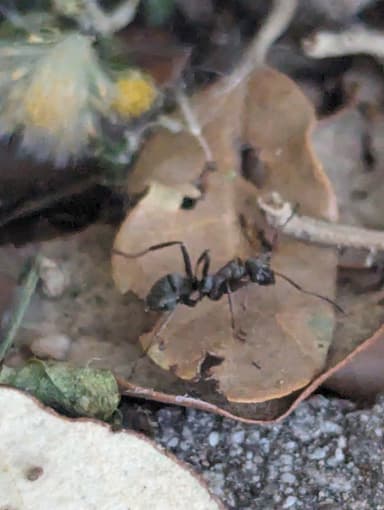
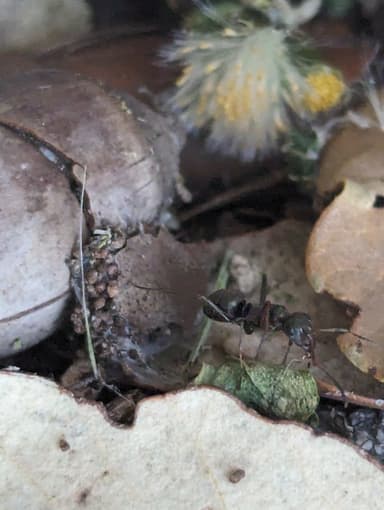
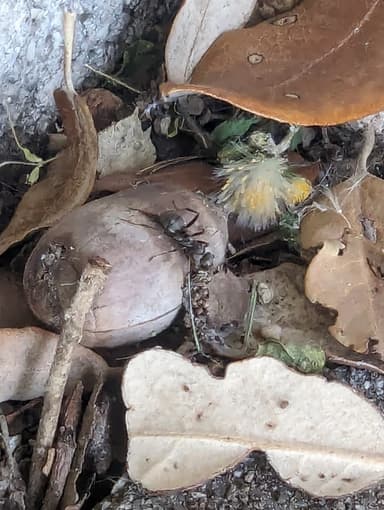
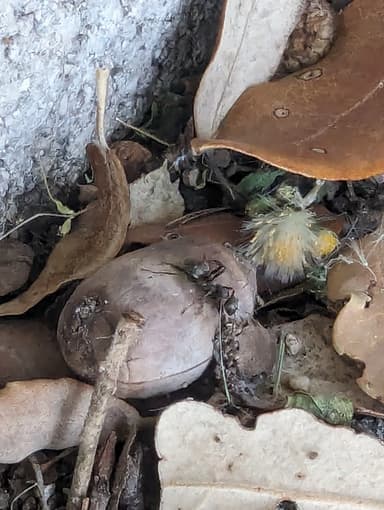
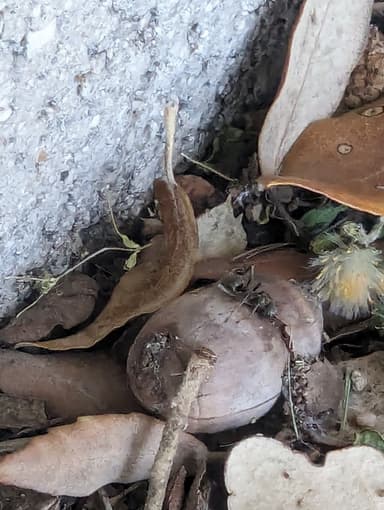
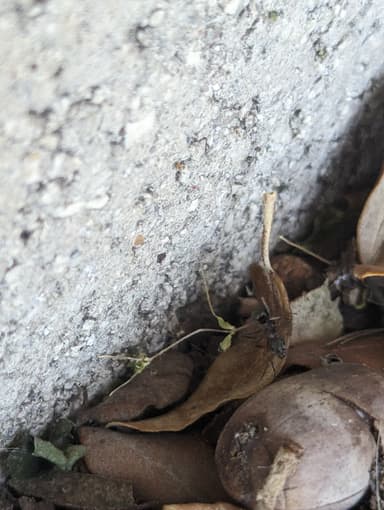
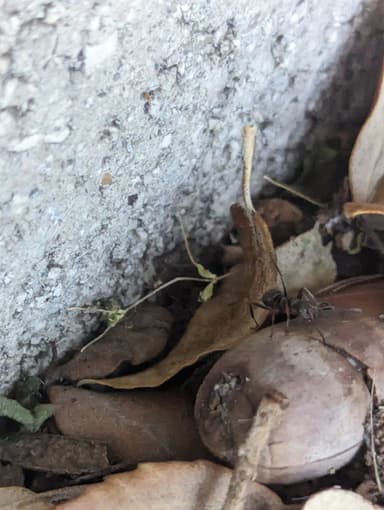
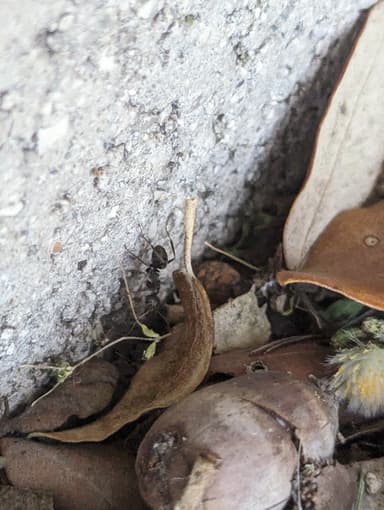
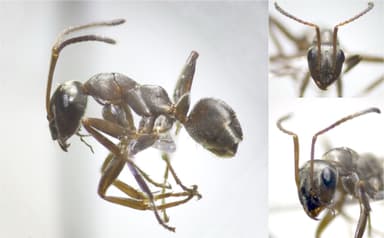
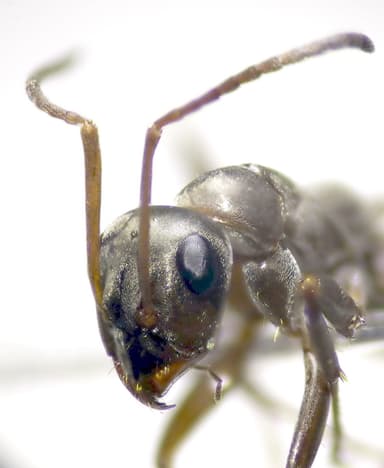
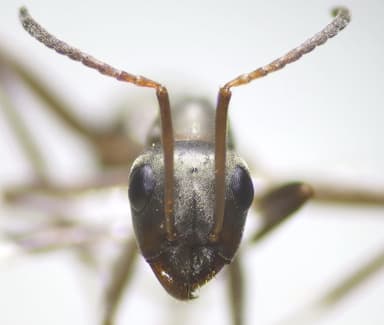
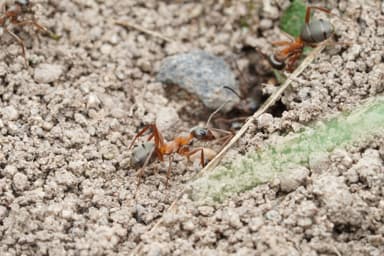
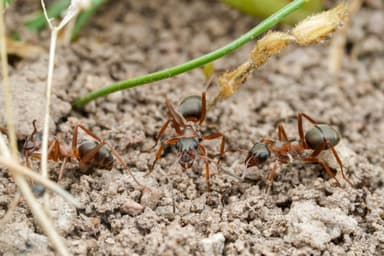
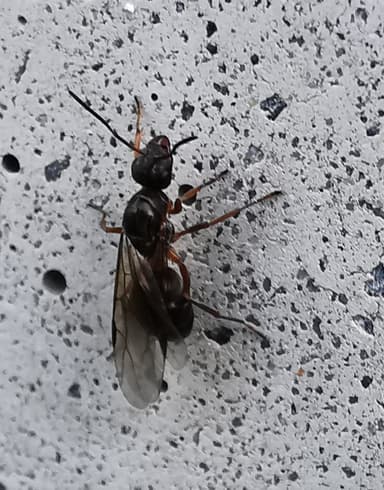
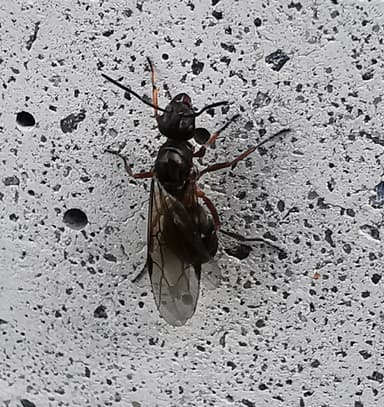
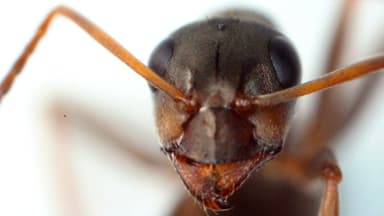
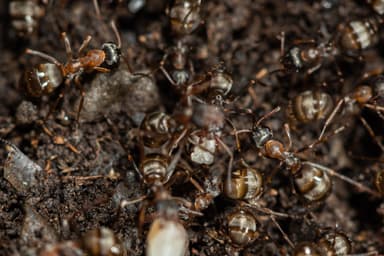
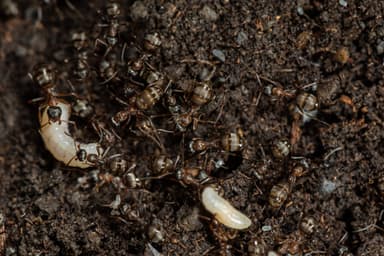
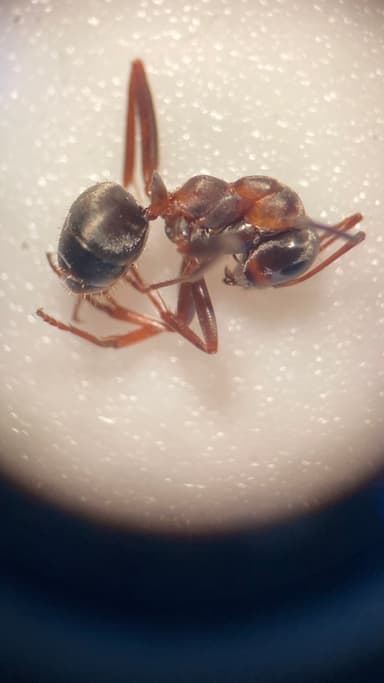
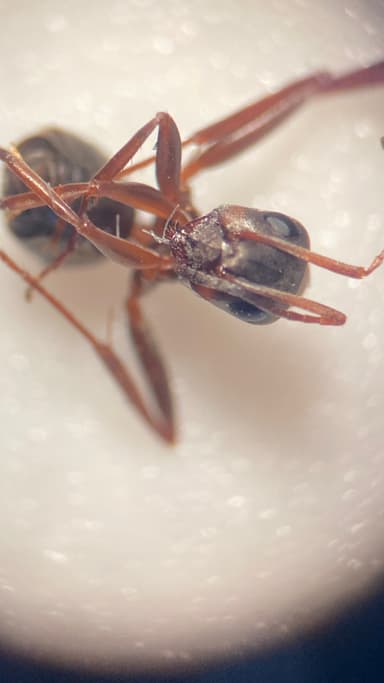
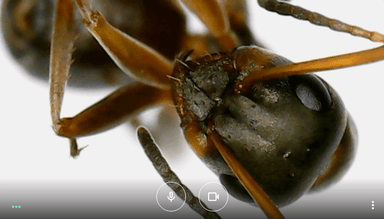
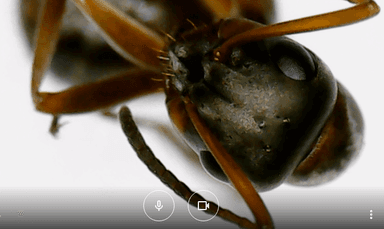
Formica cunicularia is a resilient and charming ant species that has earned a loyal following among hobbyists across Europe and beyond, thanks to its adaptable nature and fascinating behaviors. Queens measure a robust 7 to 9.5 mm, with their attendant workers ranging from 4.5 to 7 mm; the colony is strictly monomorphic, composed entirely of a single “minor worker” caste, yet these sleek, dark-hued foragers can amass impressive colonies of up to 30,000 individuals (Seifert 2018). A defining trait that immediately captures a keeper’s attention is the species’ semi-claustral founding strategy: unlike fully claustral queens that seal themselves away until their first workers eclose, a newly mated F. cunicularia queen must leave her brood chamber periodically to forage for food. This offers a rare window into the early life of a colony, allowing you to observe the queen’s resourcefulness as she hunts tiny prey while still tending her first clutch of eggs. In the wild, these ants are commonly found in open, sunny habitats, from meadows to sparse woodlands, and they construct soil nests often sheltered under stones, a habit that shapes many of their captive care requirements (Czechowski et al. 2012). Their widespread distribution—spanning from the Iberian Peninsula through central and eastern Europe into Asia, as recorded by GBIF occurrences—speaks to their tolerance of a range of conditions, making them an excellent introductory species.
Indeed, the care difficulty of Formica cunicularia is rated as beginner, and it is hard to imagine a more forgiving species for a novice keeper. The semi-claustral founding does add a slight extra step during the queen’s initial weeks—you will need to provide a steady supply of small insect prey and sugar water directly to her—but once the first workers arrive, the colony becomes largely self-sufficient. This small investment is richly rewarded, as the queen’s active foraging phase is a spectacle rarely seen in many other common ant genera. Because the species does not produce major workers or soldiers, there is no size-based division of labor to manage, and the colony’s temperament remains even and predictable. Keepers who appreciate constant visual activity will enjoy the workers’ confident scouting and their quick recruitment to food sources. The colony’s modest humidity and temperature preferences further reduce the need for complex equipment, so if you are just starting your ant-keeping journey or want a robust species that forgives minor husbandry mistakes, F. cunicularia is a superb choice.
Housing these ants should mimic their natural nesting inclinations while maintaining the controlled conditions they thrive in. A formicarium that includes a soil or sand-clay based nest area is ideal, as it allows the ants to sculpt tunnels and regulate their own microclimate—though many keepers find success with plaster or Ytong nests provided there is a distinct foraging arena. Temperature should be kept between 20°C and 28°C, with a gradient that lets the ants choose their preferred warmth; a gentle heat mat placed against one side of the nest works well. Humidity is equally straightforward: aim for a range of 40% to 60%, which can be maintained by lightly moistening one part of the substrate or nest material while keeping the remainder dry, a balance that prevents mold while offering drinking water via a test tube setup or water tower. The foraging area, or outworld, should have a barrier to prevent escapes, as workers are agile and excellent climbers. A fine layer of sand over soil in the outworld adds enrichment and replicates the open, sun-baked terrain they favor in southern England, central France, or the Hungarian steppe (Czechowski et al. 2012). As the colony grows, be ready to expand their quarters, since a mature colony of 20,000–30,000 workers will need significant space.
Feeding time is when this species truly shines, and their dietary needs are uncomplicated. In the wild, F. cunicularia are omnivorous scavengers and active predators. In captivity, offer a protein source two to three times per week: fruit flies, small crickets, mealworm segments, or other soft-bodied insects, all preferably pre-killed to avoid injury to the ants. Protein becomes especially critical during the founding stage, when the queen must have enough energy to raise her first larvae; a tiny piece of a crushed fruit fly or a sliver of liver pâté placed near her brood chamber every two days can make all the difference. Carbohydrates in the form of sugar water, honey water, or a commercial ant nectar should be available at all times in a small feeder, refreshed regularly to prevent fermentation. Water is, of course, essential. Provide it via a cotton-plugged water tube or a drinking vessel with a sponge, and never let it run dry. As the colony matures, you’ll notice workers quickly forming trails to both protein and sugar sources, a display of social coordination that never grows old.
A compulsory seasonal rhythm is vital for the long-term health of Formica cunicularia, and that means a true hibernation period is non-negotiable. Like all temperate Formica species, these ants require a cold rest to mimic the winter months. The target temperature for hibernation is around 5°C (Seifert 2018). In practice, you can achieve this by moving the formicarium into a refrigerator, an unheated garage, or a wine cooler set to that temperature. The dormancy should last for three to four months, usually from late November to early March. Preparation starts a few weeks beforehand: stop offering protein, allow the sugar water to run low, and gradually lower the ambient temperature so the ants slow down naturally. Ensure the nest is slightly moist but not wet to prevent desiccation or mold during the long cold period. When spring arrives, warm the colony gradually, and after a day or two offer a drop of sugar water to revive them. Properly hibernated colonies will resume egg-laying vigorously and are far less prone to premature queen mortality.
When you first receive your Formica cunicularia queen or small colony, a little quiet patience goes a long way. Place the test tube or small founding chamber in a dark, vibration-free space, ideally within a dedicated formicarium but without connecting the outworld for the first few days. For a semi-claustral queen, she will almost certainly already have a small clutch of eggs or larvae; resist the urge to disturb her immediately. After letting her settle for 24 hours, introduce a miniscule portion of protein—a leg of a fruit fly or a tiny dab of cat food—and a speck of honey on a slip of foil. Watch for her to feed, then remove any uneaten food within a day to prevent spoilage. She may seem reclusive at first, but regular, tiny meals will spur her on. Once the first workers arrive (usually after about 6–8 weeks), you can connect the outworld and let them explore. During these early days, monitor for signs of stress such as relentless pacing or brood neglect, which often indicate a need for a darker spot or a tweak in humidity. With steady, low-intervention care, your colony will soon transform from a single queen’s hopeful venture into a bustling microcosm, a testament to the enduring appeal of this garden ant.