Dorymyrmex
Dorymyrmex bureni
Nuptial Flight Calendar
Flight months: Apr, May, Jun, Jul, Aug, Sep
Care Guide
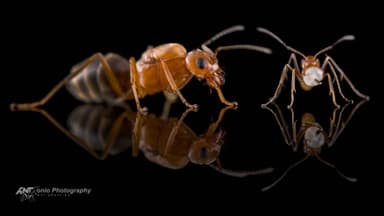
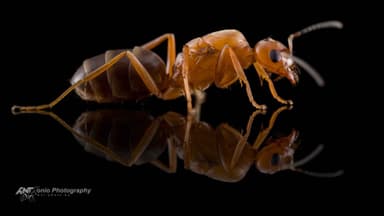
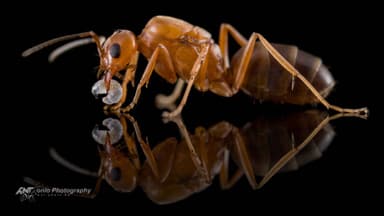
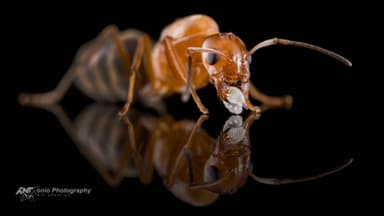
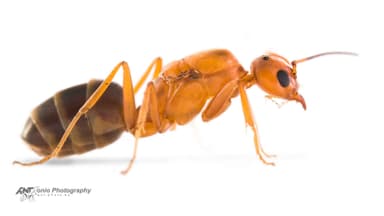
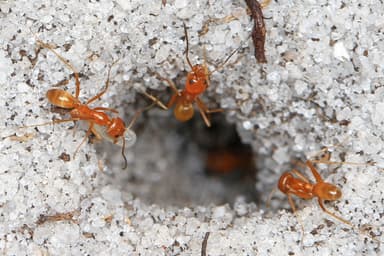
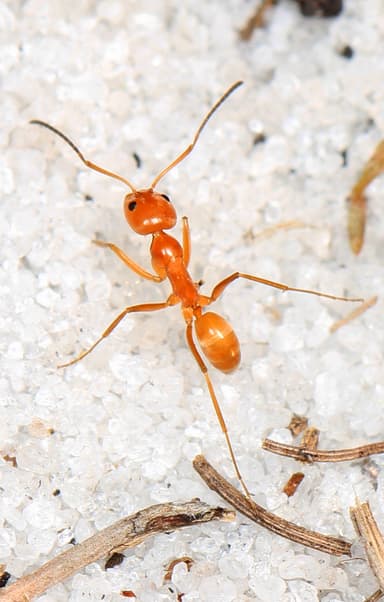
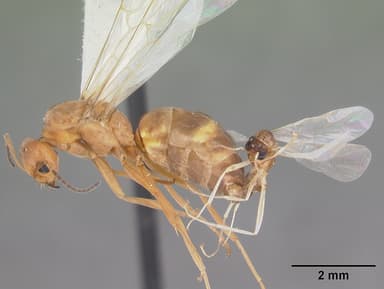
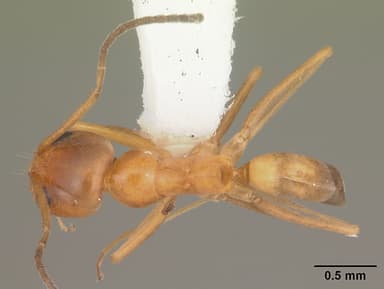
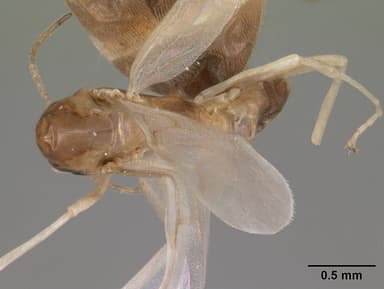
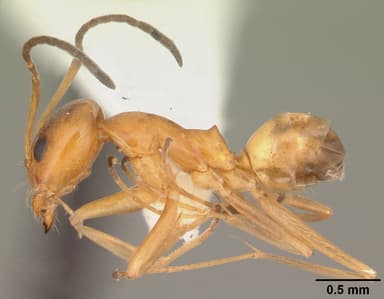
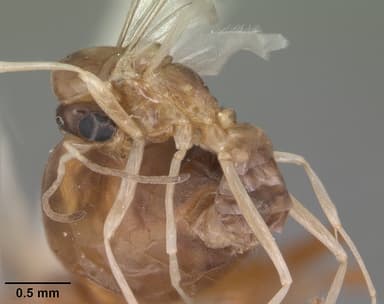
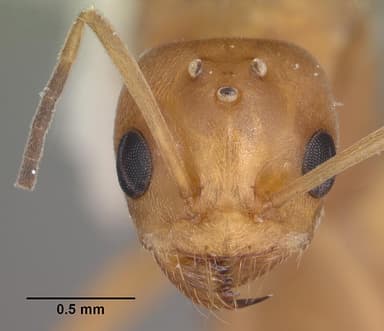
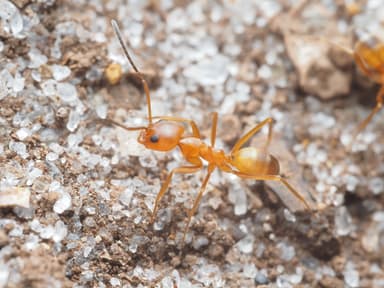
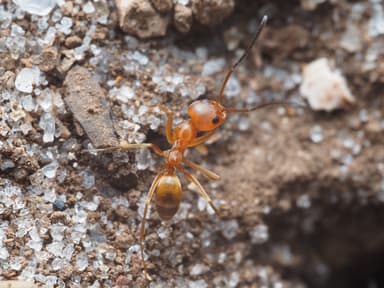
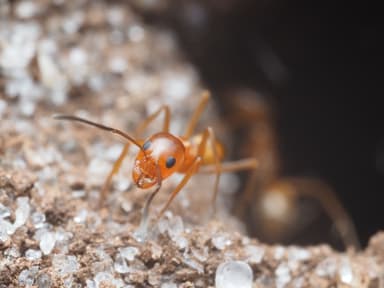
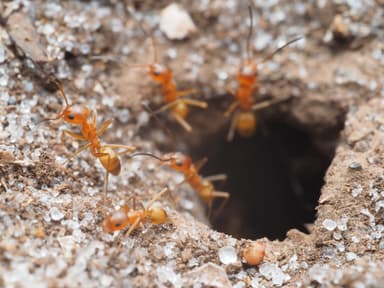
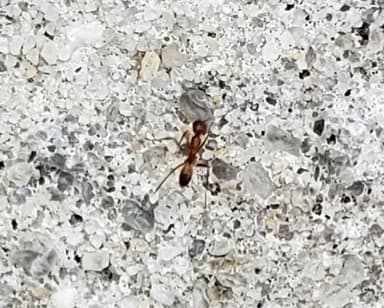
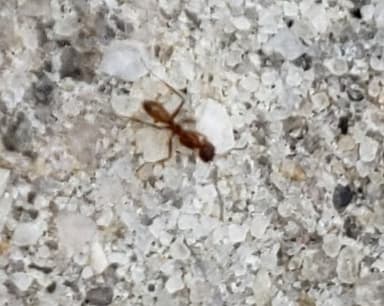
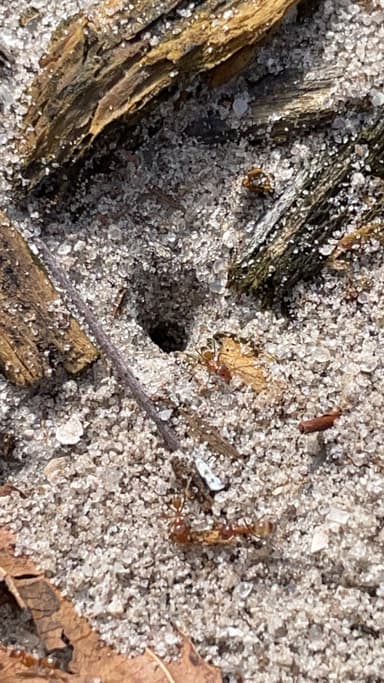
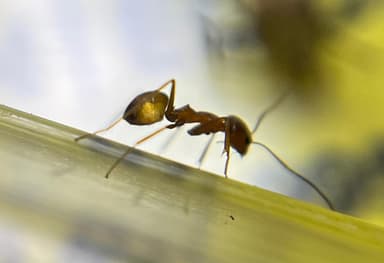
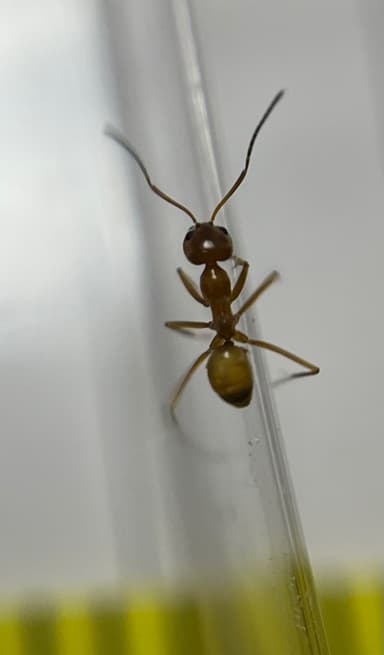
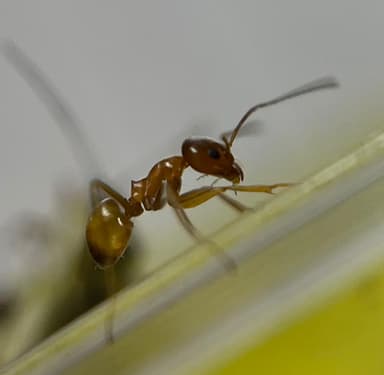
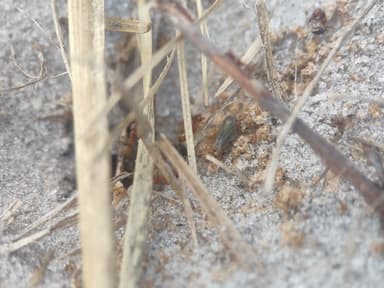
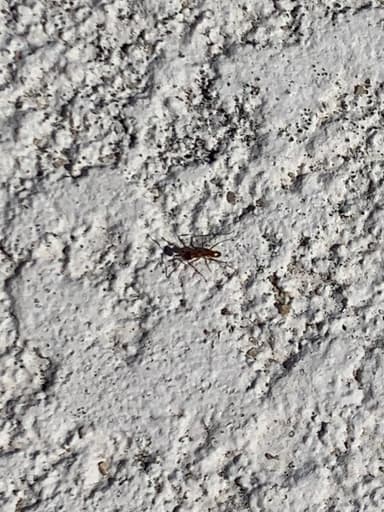
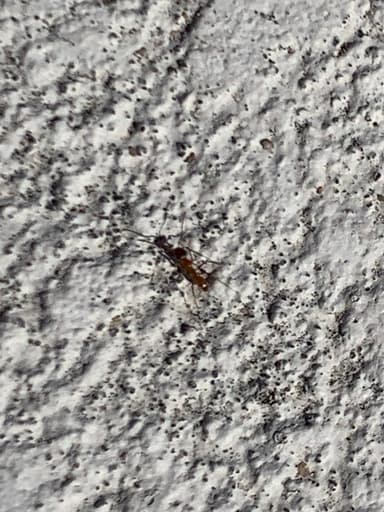
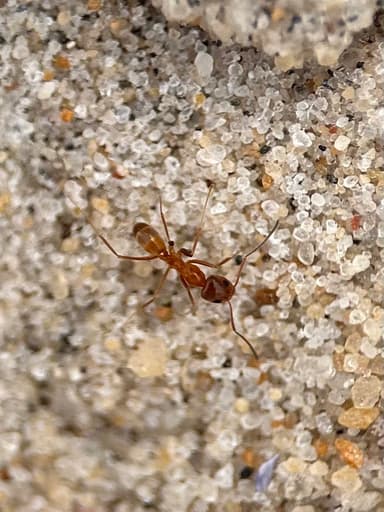
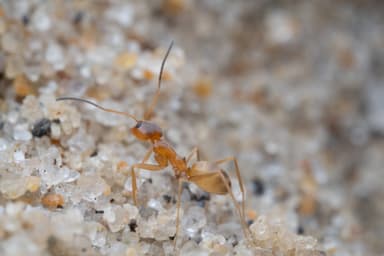
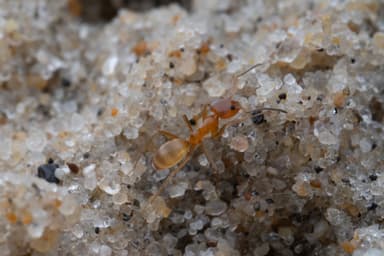
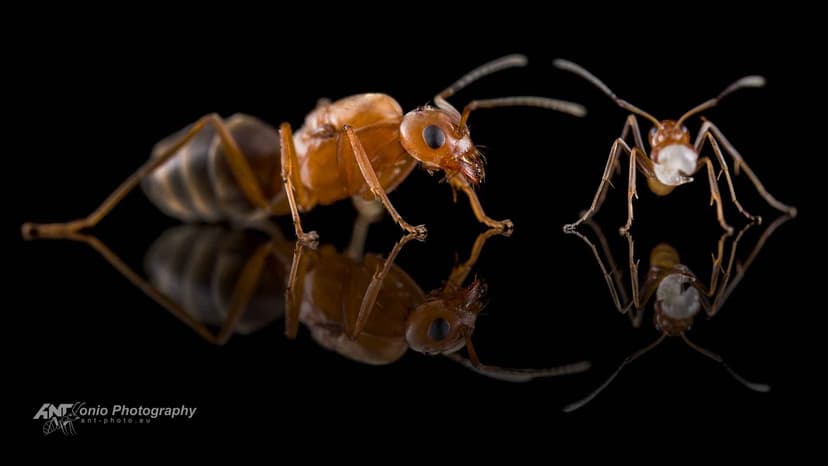
Few ants embody the restless energy of open, sandy landscapes quite like Dorymyrmex bureni, the pyramid ant. Named for the way workers cock their gasters upward in a distinctive pyramid pose when alarmed, these insects are a flash of amber and brown, with queens measuring a modest 5 to 6.5 millimeters and the monomorphic workers just 2 to 3 millimeters long. Despite their tiny stature, they are voracious predators, relying on keen eyesight and lightning speed to run down live prey across the sun‑baked barrens they call home. In the wild, a mature colony can swell to ten thousand or more individuals, all descending from a single claustral queen. The species ranges across the southeastern United States from roughly the Carolinas down through Florida and west to Texas, precisely matching the coastal plain documented by Trager (1988) and Deyrup (2017). For the keeper, what makes D. bureni truly engaging is this combination of a compact, manageable size with a fiery, almost wasp‑like temperament, making every feeding session a spectacle.
Care is rated at an intermediate level, and that is primarily due to the colony’s demanding dietary preferences and their talent for escape. These ants are not for the casual beginner who might forget a feeding or two. They thrive on a steady supply of freshly killed or live insects—fruit flies, small crickets, mealworm chunks—and will rapidly decline if limited to pre‑packaged substitutes. Their minute size also means that even the smallest gap in a lid or a ventilation mesh with holes exceeding 0.3 millimeters will become an escape route, so an investment in a high‑quality, finely machined formicarium is essential. That said, an intermediate keeper who can maintain a regular prey culture and respects their need for a secure home will find them remarkably resilient and endlessly entertaining. Observing a scout dash out of the nest, seize a fruit fly, and sprint back in under a second is a daily drama that never grows old.
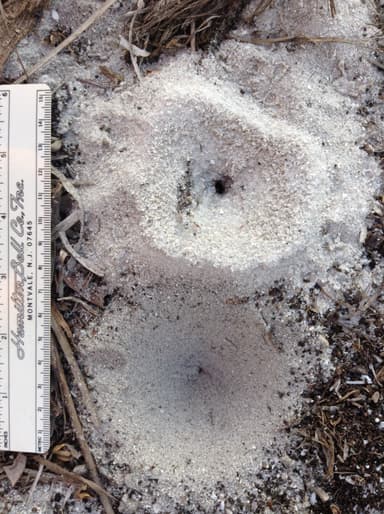
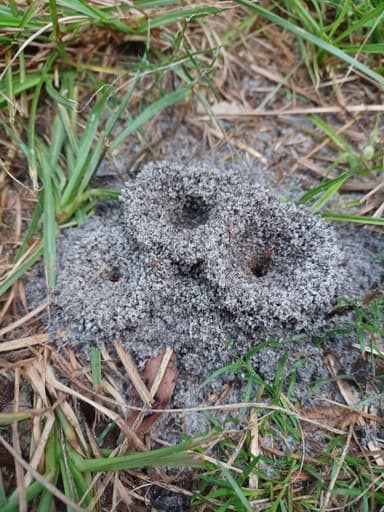
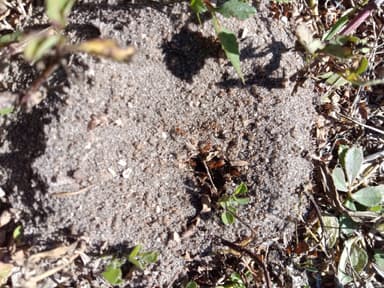
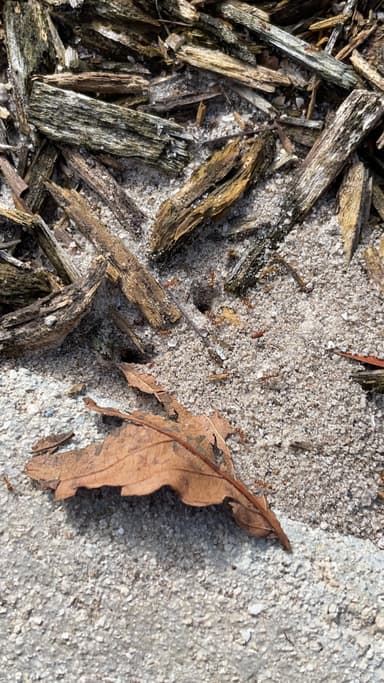
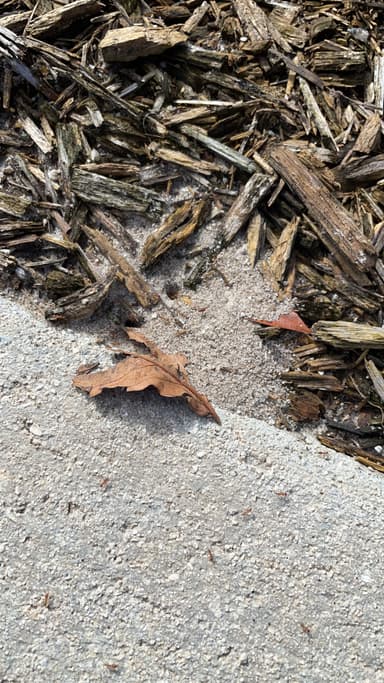
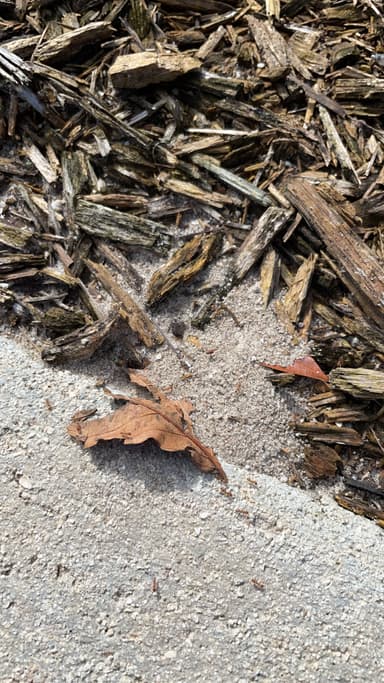
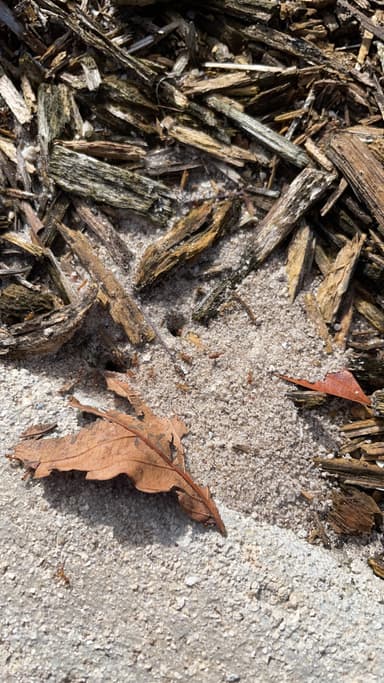
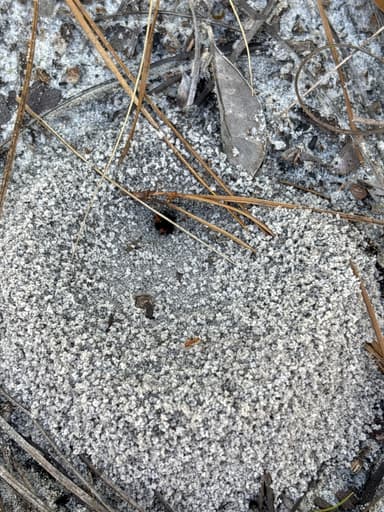
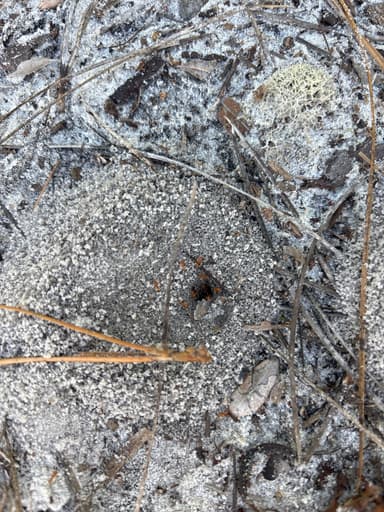
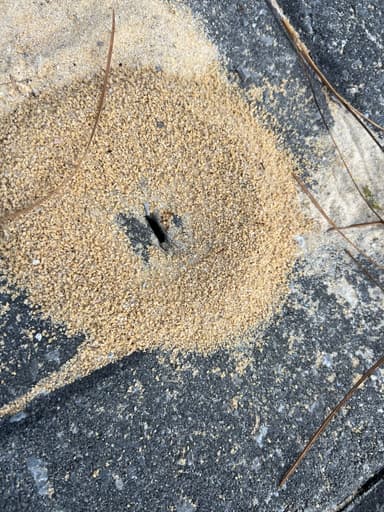
Housing must reflect the ants’ native habitat of deep, well‑drained sand. They are not the species to place in a fully hydrated plaster or ytong nest without choice. While a founding queen will do perfectly well in a standard test tube setup with a water reservoir, larger colonies need a dry nest body with a sharp moisture gradient. A soil‑filled formicarium, or one made of gypsum with a small, restricted water source, works well; the ants will retreat to the drier chambers to rear their brood. Ambient temperature should sit between 22 and 30 °C, with the warmer end encouraging faster growth, while nest‑chamber humidity is best kept quite low, around 40 to 60 percent. A sand or sandy‑loam substrate allows workers to express their natural nest‑shaping behaviors and often results in charming crater‑like mounds around the entrance. The outworld can remain relatively dry, but a small water tower or feeder must always be available, and a tight‑fitting, escape‑proof lid goes without saying.
When it comes to feeding, think of D. bureni as tiny lions of the ant world. Protein is the absolute priority. Offer a selection of freshly killed insects at least every other day for a young colony, and daily once worker numbers climb. Live pinhead crickets and fruit flies trigger their strongest hunting responses, though they will accept defrosted specimens if they are genuinely fresh. Carbohydrates are taken with enthusiasm in the form of pure honey, sugar water, or diluted maple syrup, but these should be offered sparingly—perhaps once a week—as the colony’s need for sugars is modest compared to their carnivorous drive. Always provide a clean source of water; a cotton‑plugged test tube secured in the outworld is sufficient. Remove any uneaten prey within 24 hours to prevent mold and mite outbreaks, which can swiftly overwhelm a small, arid‑adapted colony.
Hibernation is non‑negotiable and marks a key annual rhythm. In the wild, D. bureni experiences a distinct cool season, and captive colonies must be given a rest period of roughly three months at around 15 °C. Typically, from late autumn to early spring, move the setup to a cool room, an unheated garage, or a wine cooler that can hold this temperature steadily. The ants will become sluggish and cease brood production, clustering quietly inside the nest. Do not offer food during this time, but ensure they retain access to a clean water source so the nest does not desiccate. Skipping hibernation leads to exhausted, short‑lived queens and a steady die‑off of workers, gradually collapsing the colony. A gentle return to warmth in March or April, with a small drop of sugar water on the first day, will rouse them into a new season of explosive growth.
The first days after a new queen or small founding colony arrives are both delicate and thrilling. Unpack the test tube or shipping container in a dim, quiet room and place it directly into the prepared outworld without disturbance. Give the ants a full 24 to 48 hours to recover from transit stress before even thinking about offering food. On day two, place a tiny droplet of sugar water on a small piece of foil near the nest entrance, and deposit a single freshly killed, small fruit fly oozing a little hemolymph. Chances are the queen or first workers will find it overnight. Watch for calm, steady grooming and brood care rather than frantic pacing or dragging pupae toward unfamiliar light, which signals stress. Once the colony has accepted a couple of feedings without alarm, you can gradually move the setup to its final, lit location and begin the rhythm that will raise these spirited little predators into a bustling, pyramid‑posing colony.