Camponotus
Camponotus yogi
Nuptial Flight Calendar
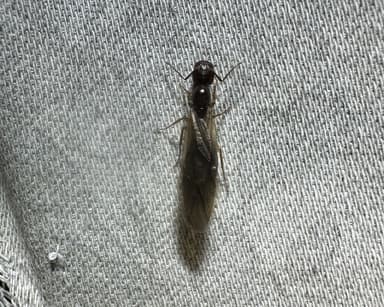
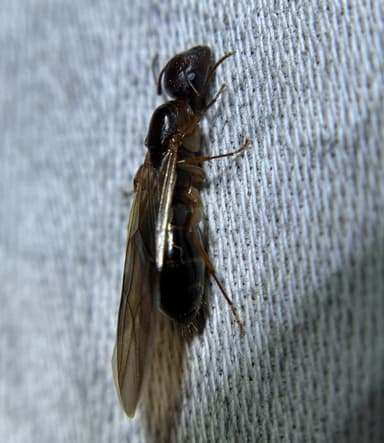
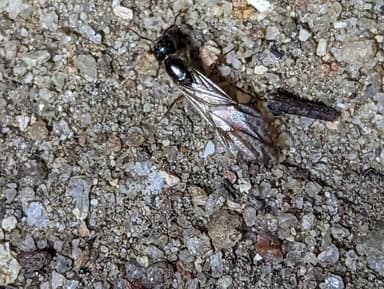
Flight months: May, Jun, Jul, Sep
Care Guide
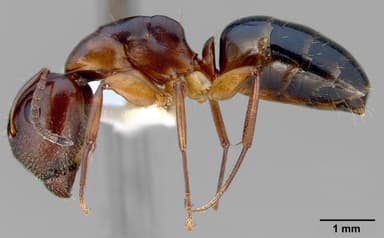
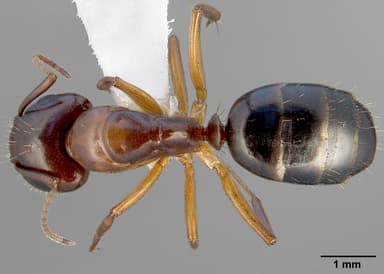
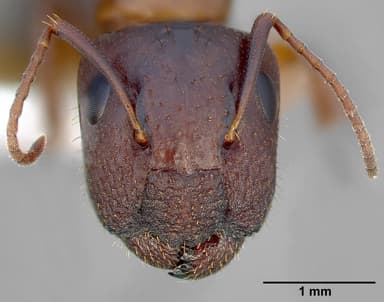
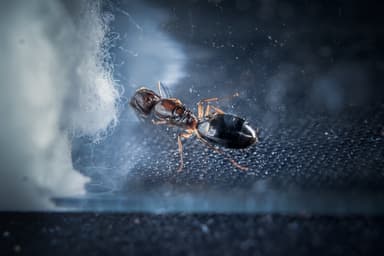
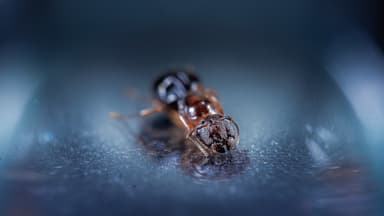
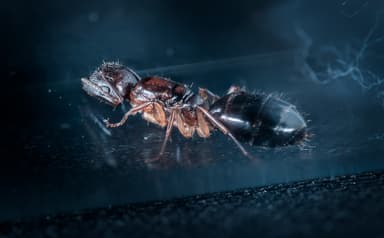
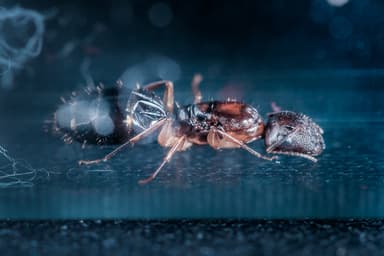
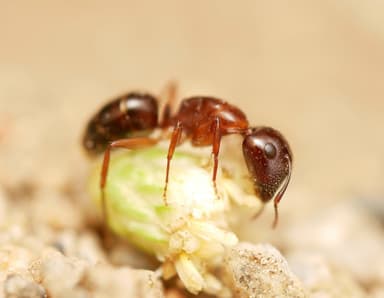
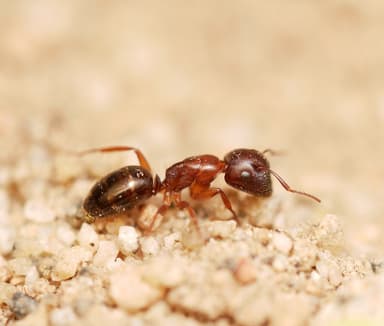
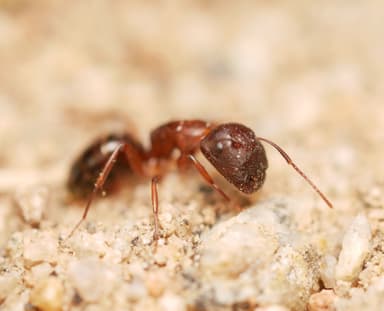
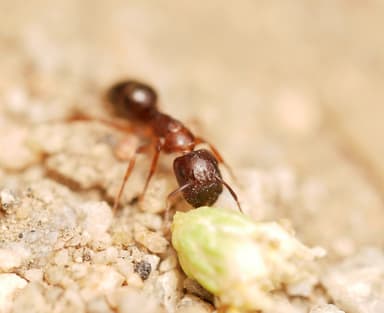
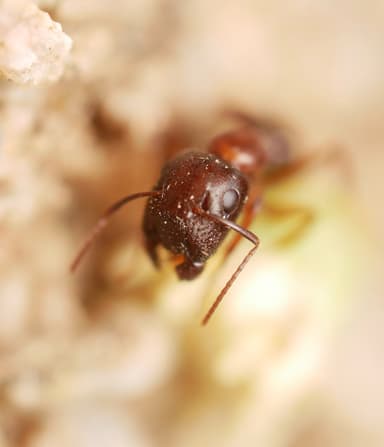
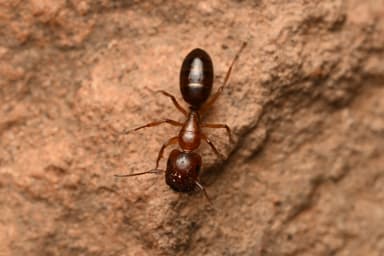
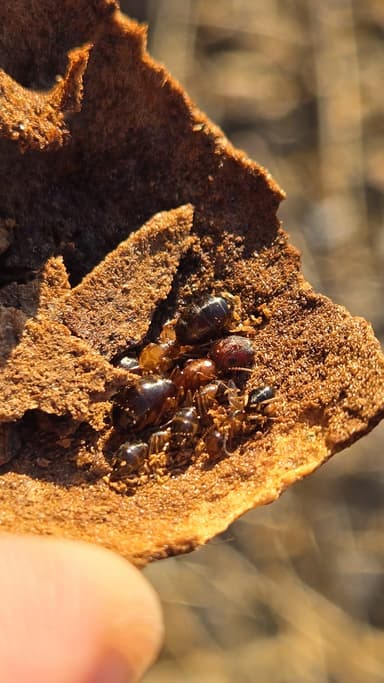
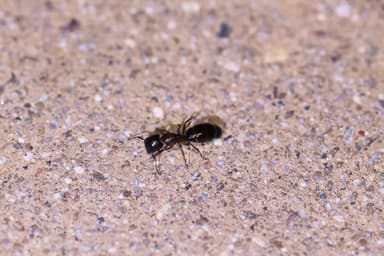
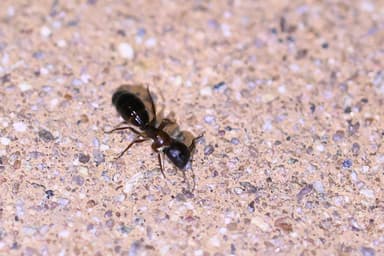
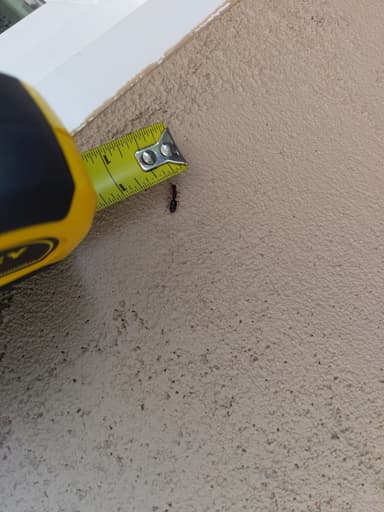
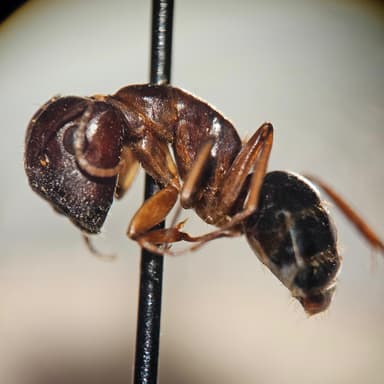
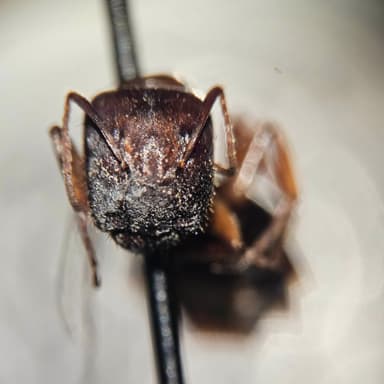
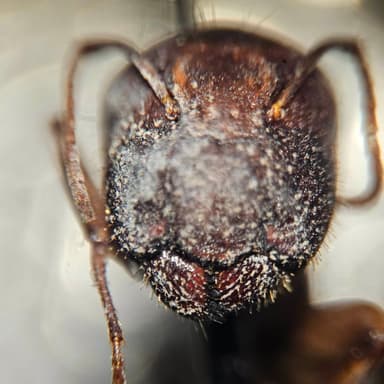
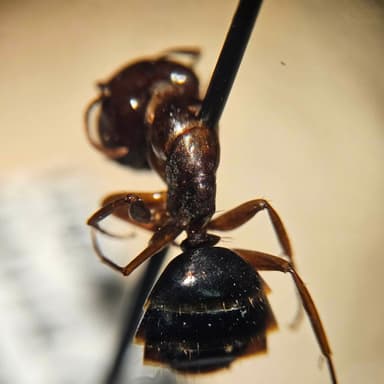
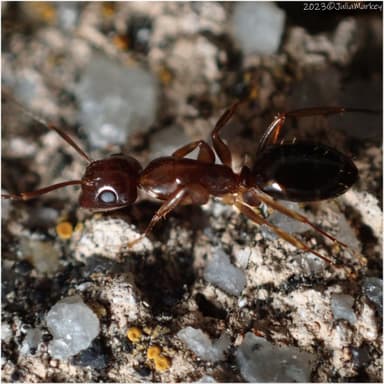
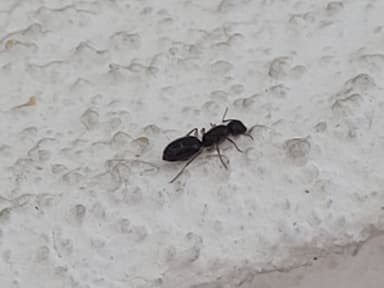
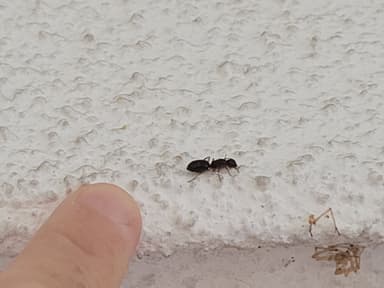
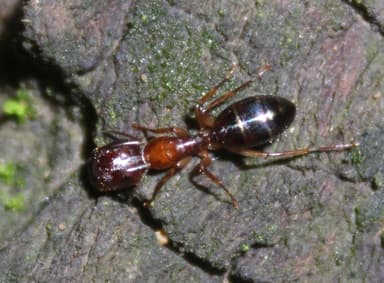
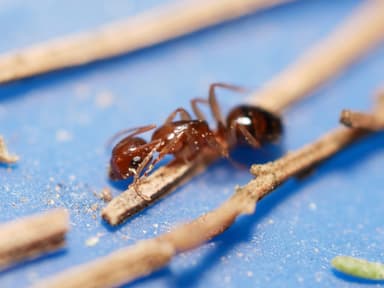
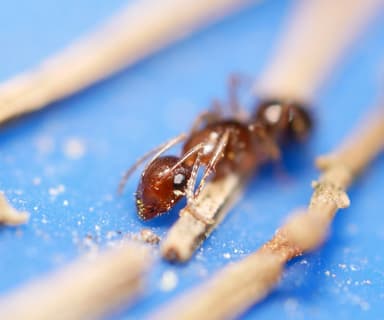
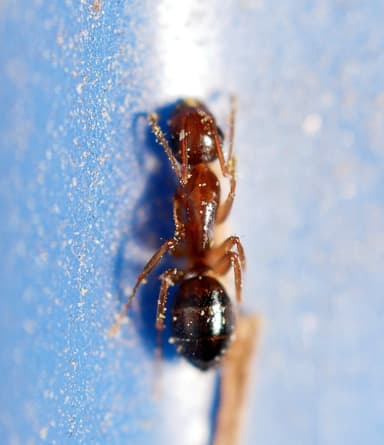
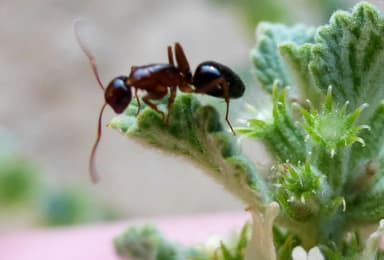
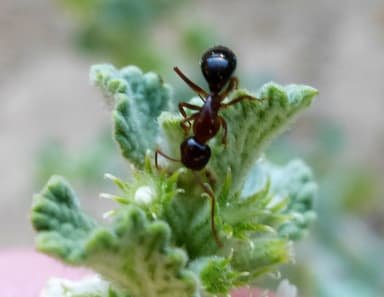
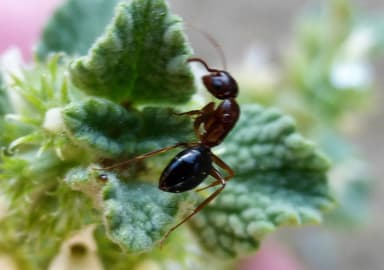
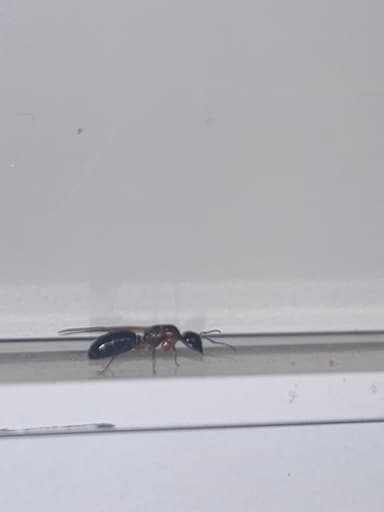
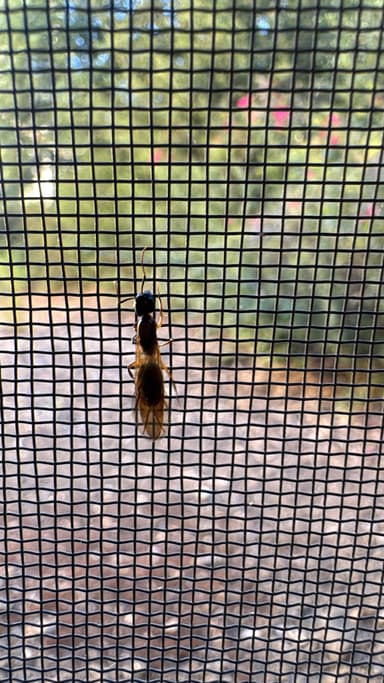
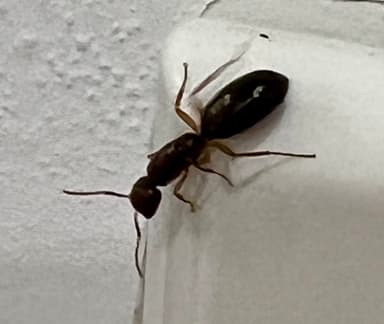
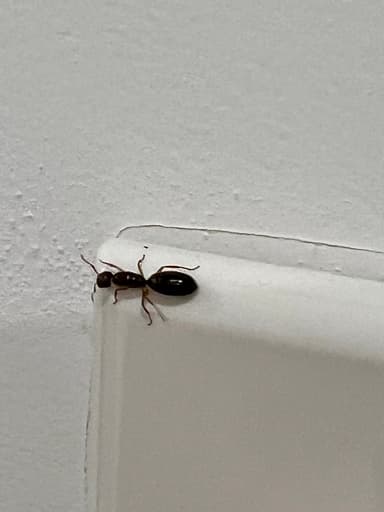
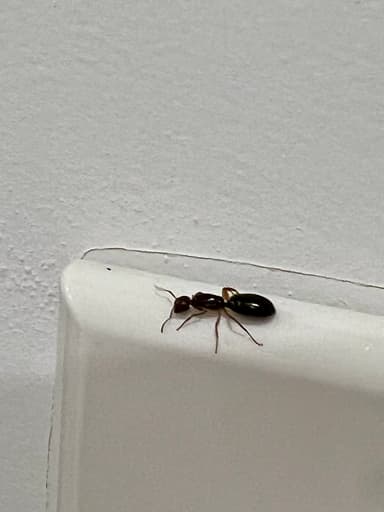
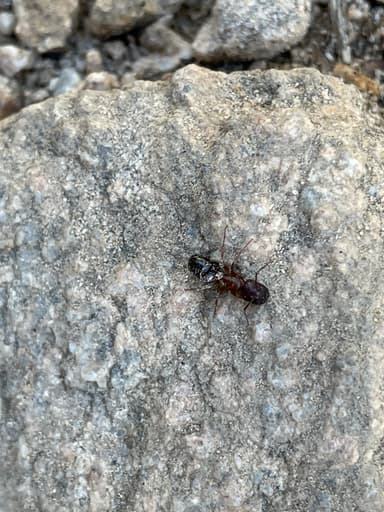
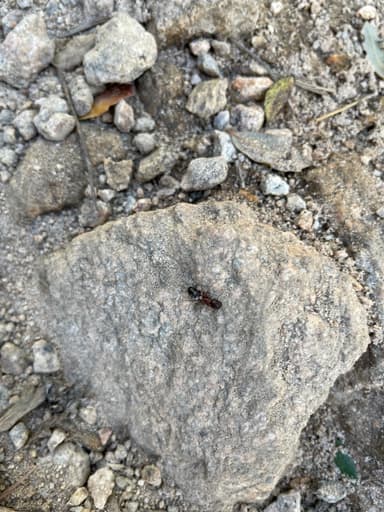
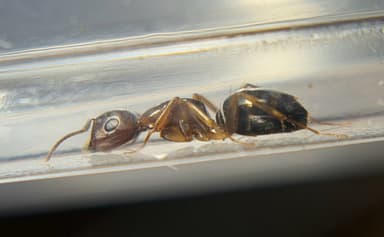
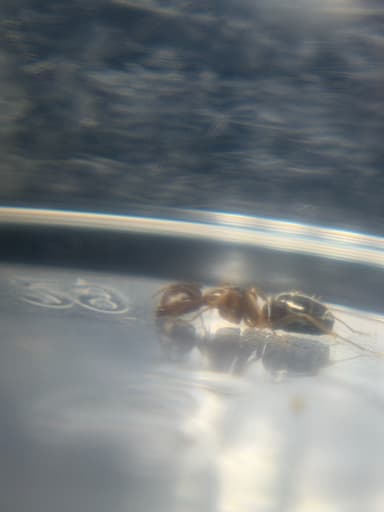
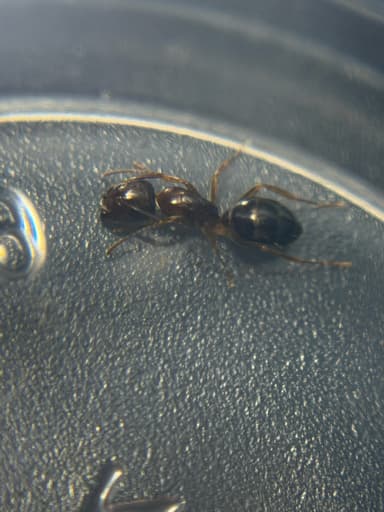
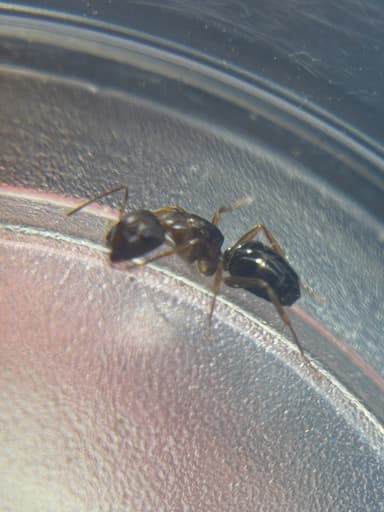
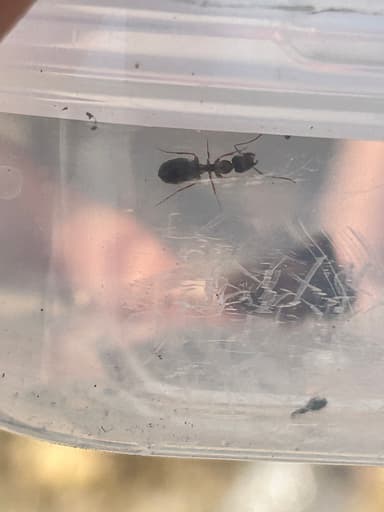
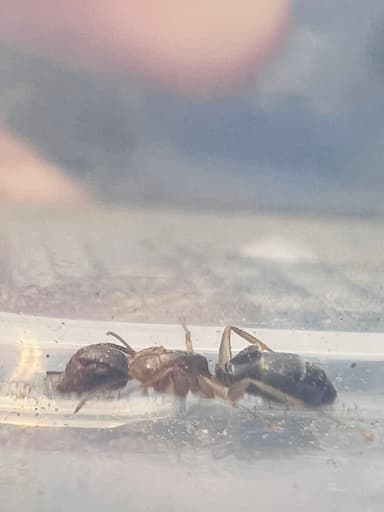
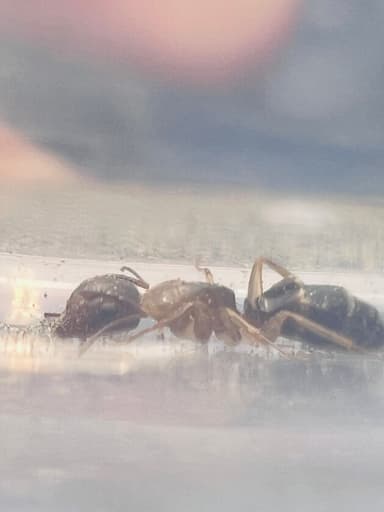
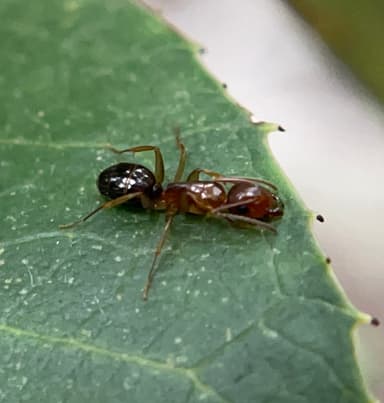
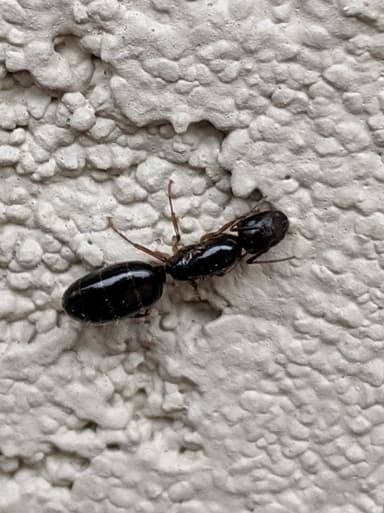
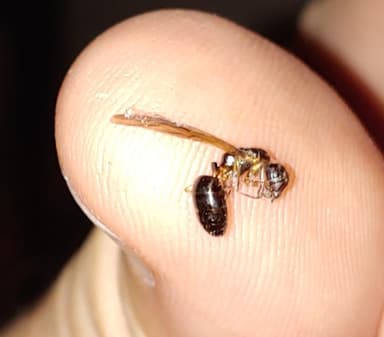
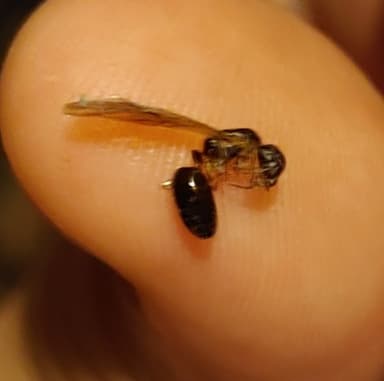
Camponotus yogi is a bicolored carpenter ant restricted to the coastal ranges of Southern California, where it inhabits chaparral and open oak woodlands (Wheeler 1915; GBIF occurrence data). Nuptial flights take place on warm, humid evenings from May through July, with newly mated queens founding claustrally. Queens are a modest 7–9 mm, while the polymorphic workers consist of swift, slender minors (3.5–5 mm) and robust majors (up to 7 mm) that sport noticeably enlarged heads and mandibles. The body pattern is classic for the region’s Camponotus: a dark brown to black head and gaster contrast with a reddish-yellow mesosoma and legs. Mature colonies can grow to around 3000 individuals, a manageable size that allows keepers to witness the full spectrum of carpenter ant behaviors, from foraging minors to muscle-bound majors defending the nest. What makes this species particularly interesting is its adaptation to a Mediterranean climate—it tolerates relatively low humidity yet demands a pronounced winter chill, a seasonal rhythm that deeply appeals to hobbyists who enjoy working with nature’s cues.
The care difficulty for C. yogi sits at an intermediate level, ideally suiting keepers who have successfully maintained a beginner ant such as Lasius or Tetramorium and are ready to embrace a seasonal cycle. The two main challenges are holding nest humidity at a steady 40–60% without swings into damp or desiccating territory, and providing a dedicated 3–4 month hibernation at 12°C (54°F). While the ants are otherwise hardy, these requirements demand consistent attention and a cool space like a wine cooler or unheated room. Growth is also deliberate during the founding stage, so patience is essential. For the hobbyist prepared to meet these conditions, C. yogi offers a wonderful window into the polymorphic dynamics and desert-margin ecology of Nearctic carpenter ants.
Housing should mimic the species’ natural inclination toward dead wood in dry, well-drained sites. A gypsum or aerated concrete (Ytong) nest with a moisture gradient works exceptionally well: keep one side slightly damp to maintain ambient humidity between 40% and 60%, while the opposite side remains dry, letting workers self-regulate. Temperatures should stay between 18°C and 28°C (64–82°F); room temperature is perfectly adequate, though a gentle heating cable placed at one end of the nest during spring can accelerate brood development. The outworld must be escape-proof and furnished with a sand-clay substrate that holds a hint of moisture and permits natural digging. Cover the nest with red film to minimize light stress, and avoid purely wooden setups unless they are precision-engineered to retain humidity, as dry wood can rapidly desiccate delicate brood.
Like all Camponotus, C. yogi requires both sugary carbohydrates and insect protein. Offer fresh honey water, maple syrup, or small pieces of fruit such as grape and apple as an energy source. For protein, feed pre-killed insects—fruit flies, pinhead crickets, or chopped mealworms—two to three times per week when the colony is actively rearing larvae. Protein demand peaks in spring and early summer; matching this rhythm promotes healthy brood production. Always provide a reliable water source, such as a sealed water tower or a moistened cotton ball, and remove uneaten food within 48 hours to prevent mold and mites. Because of the relatively dry nest conditions, sugary solutions may crystallize or spoil quickly, so frequent but tiny portions are the key.
Hibernation is not optional for C. yogi; it is a physiological necessity that resets the colony’s annual cycle and sustains queen fertility (Snelling 1988; AntWiki). Starting in late autumn, gradually lower the temperature to 12°C over a week or two, and hold it there for three to four months—typically November through February. During this dormancy the ants will cluster, movement will become minimal, and no food should be offered. Ensure the nest retains access to a tiny reservoir of water so workers do not desiccate. A thermoelectric wine cooler set to 12°C is an ideal hibernation space. In early spring, warm the colony slowly back to room temperature and resume feeding with a minute drop of sugar water. Colonies denied a proper winter often dwindle and exhibit erratic brood patterns, so this seasonal discipline is non-negotiable.
When your young colony or newly mated queen arrives, settle the test tube into a quiet, darkened cabinet and resist the urge to check more than once a week. As a claustral founder, the queen will nourish her first brood from internal reserves; do not feed until the initial nanitic workers emerge—a process that typically takes 6–10 weeks. Once those pioneers appear, offer a crumb of freshly killed fruit fly and a pinpoint droplet of sugar water, both smaller than the workers themselves. Watch for excessive condensation inside the tube, as prolonged dampness can promote fungal growth and endanger the brood. Delay transfer to a proper nest until the colony numbers 10–15 workers, and minimize disturbance throughout the first month. With steady, hands-off care, you will soon be rewarded with the delightful sight of minor workers scurrying along foraging trails while major guards block the entrance with gaping mandibles—a miniature portrait of California’s wild sage-covered hills.