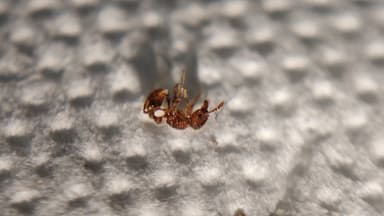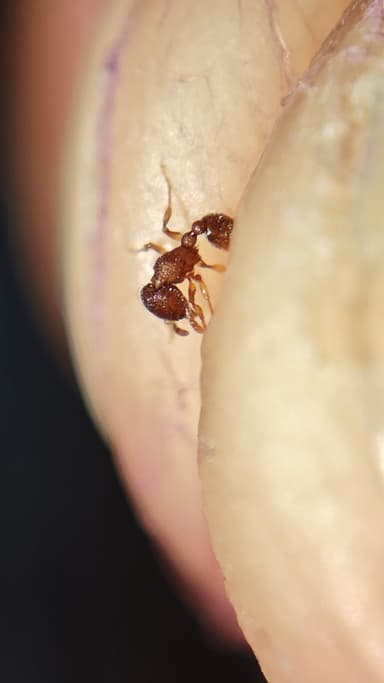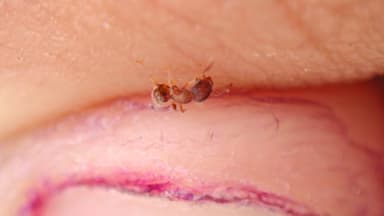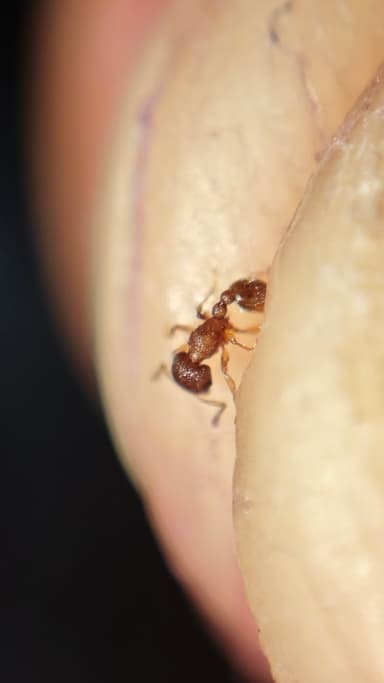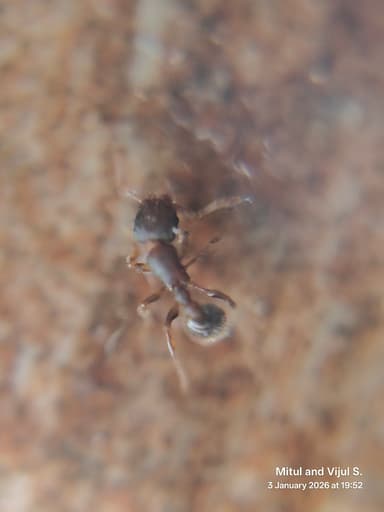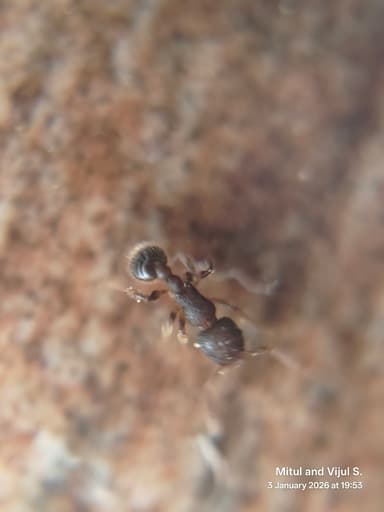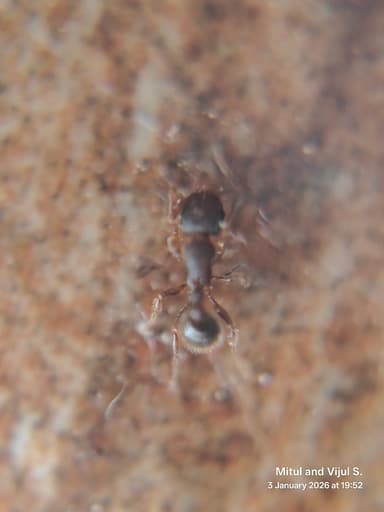
Tetramorium
Tetramorium lanuginosum
Care Guide
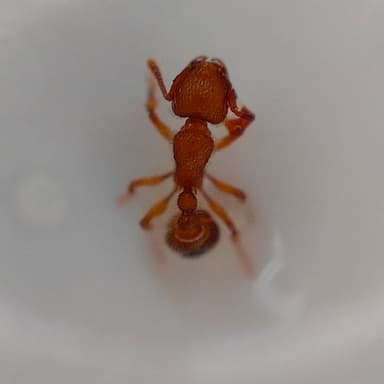
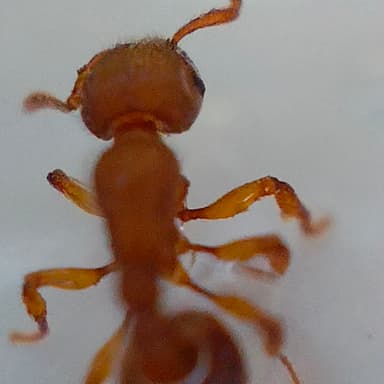
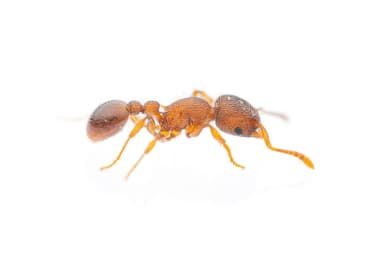
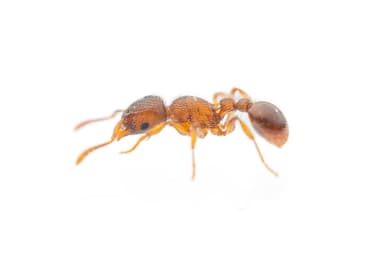
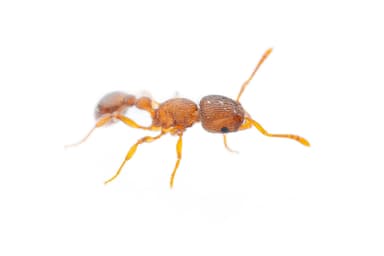
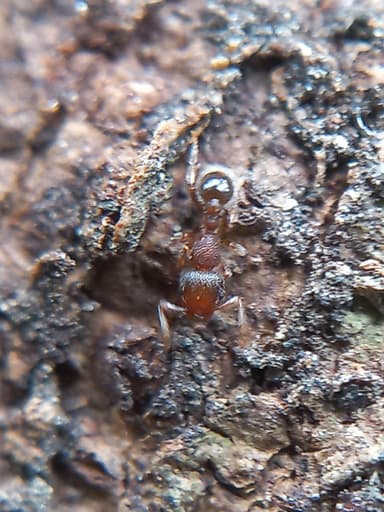
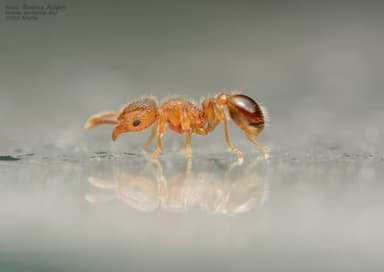
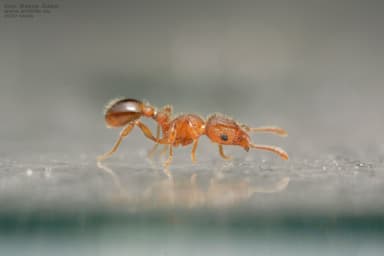
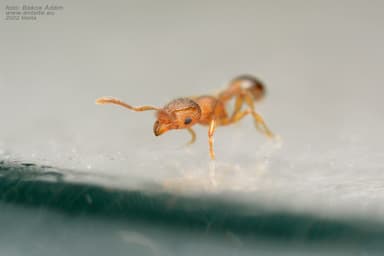
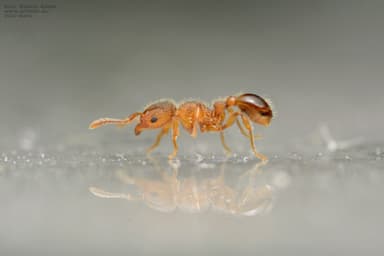
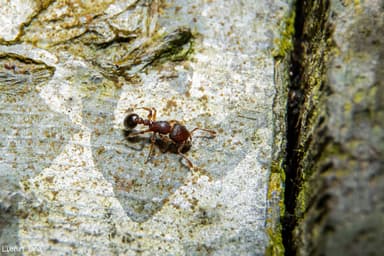
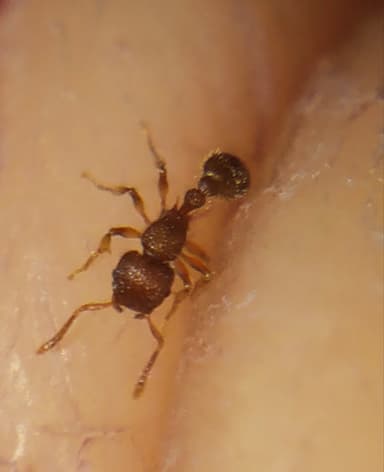
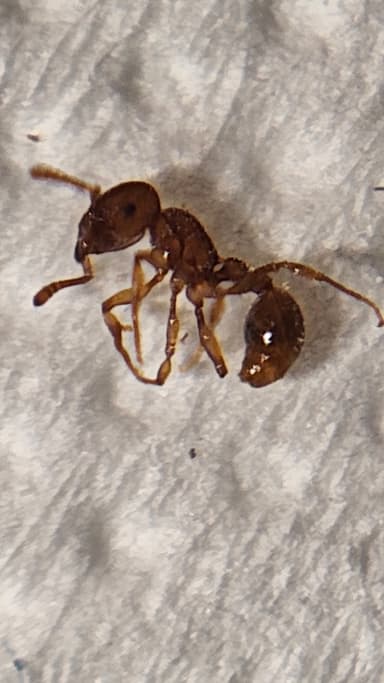
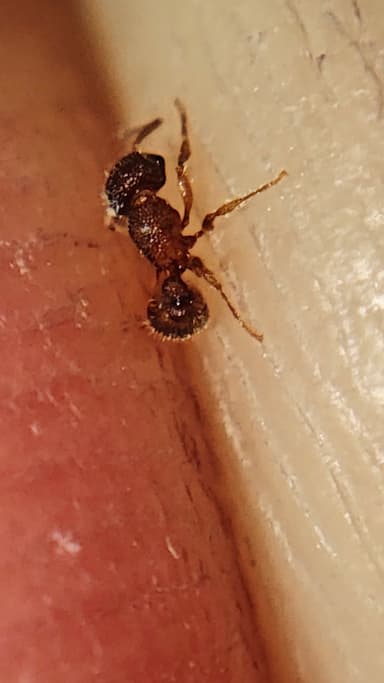
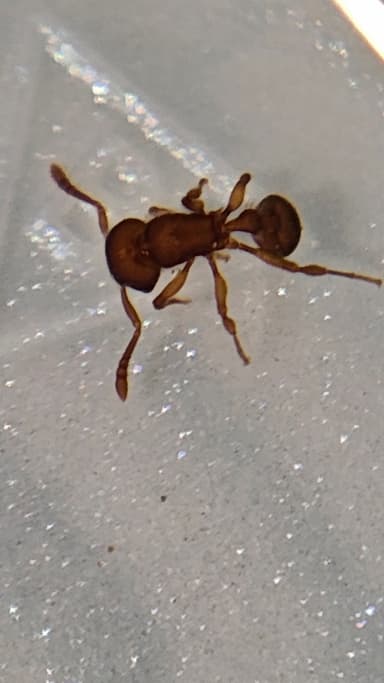
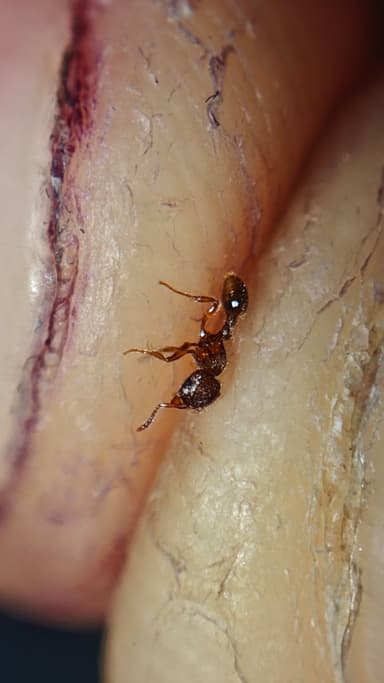
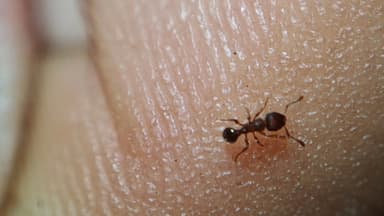
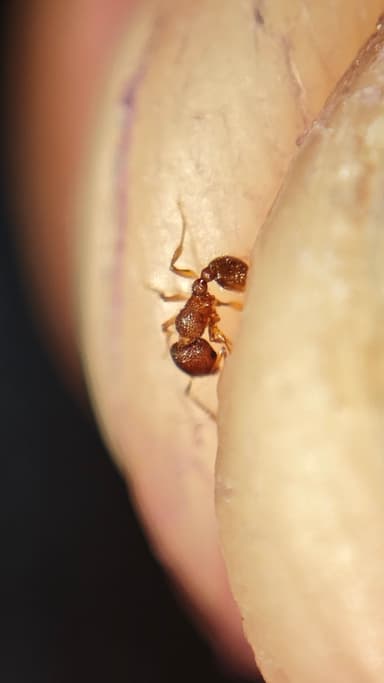
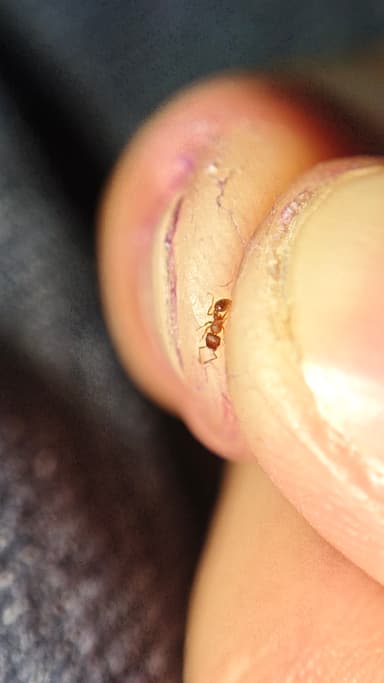
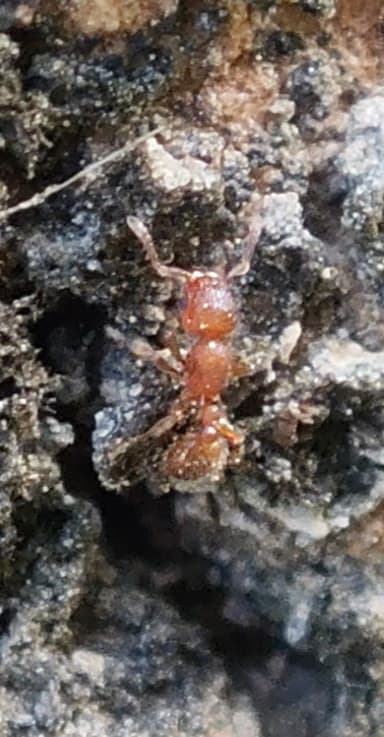
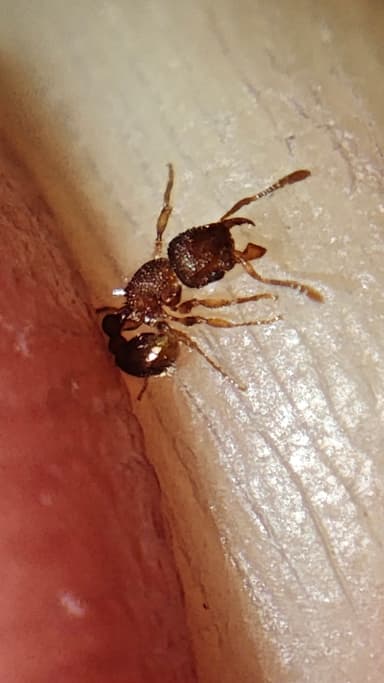
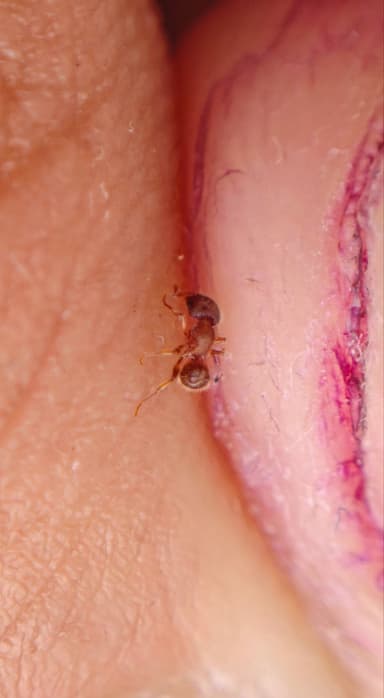
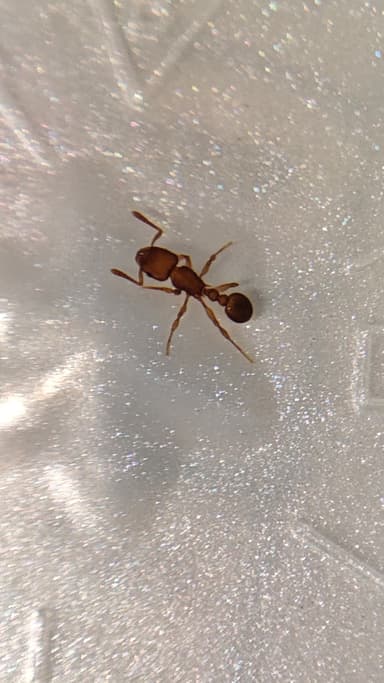
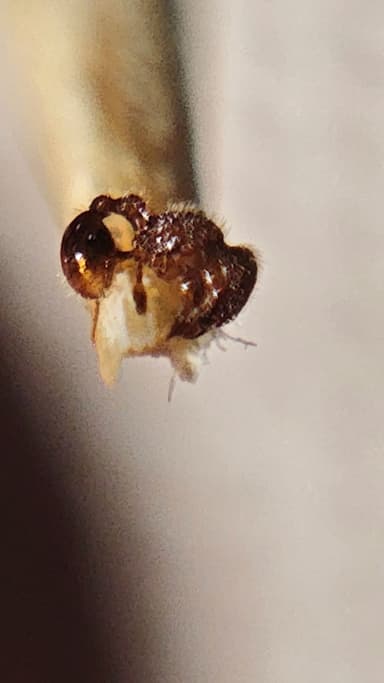
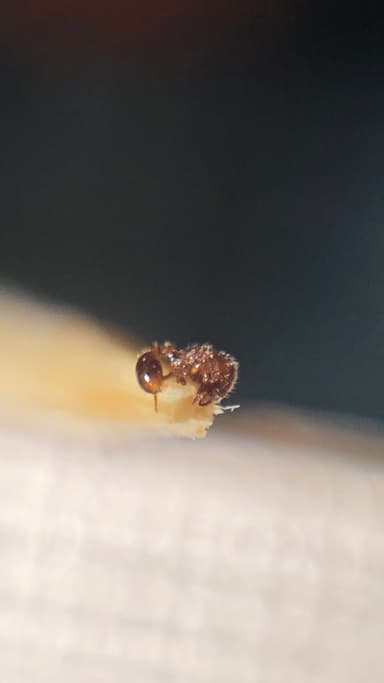
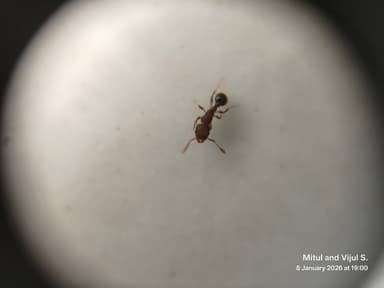
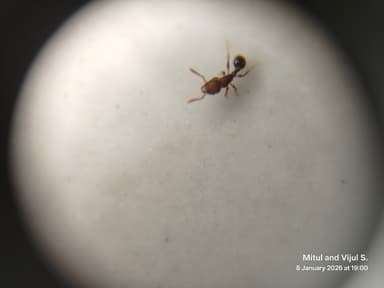
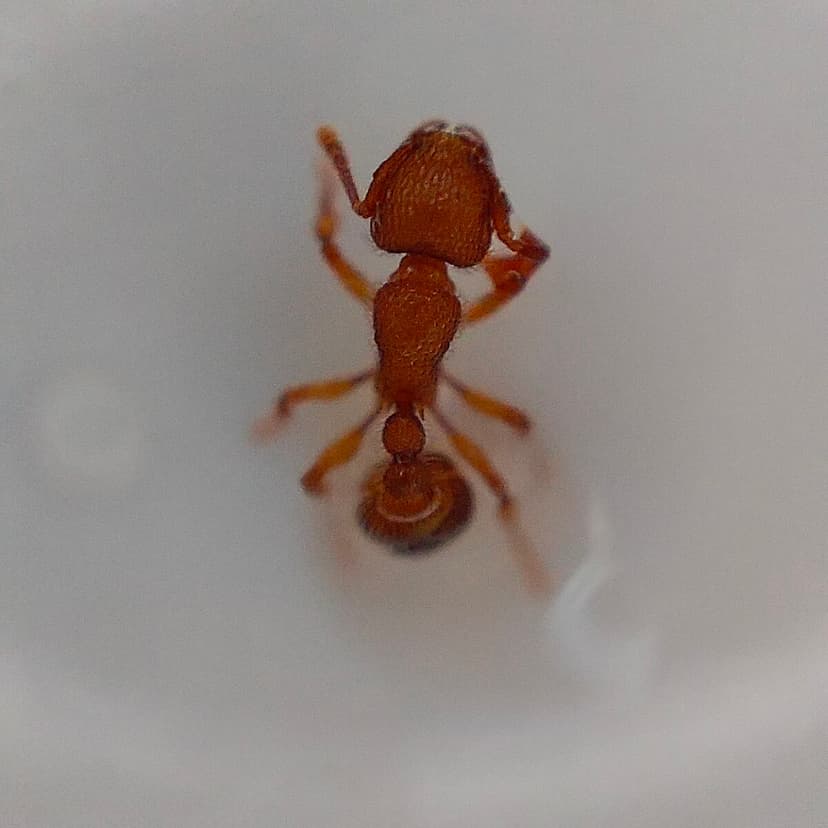
Tetramorium lanuginosum is a delightfully resilient species that proves just how rewarding ant keeping can be, even for those just starting out. These ants are monomorphic, meaning all workers are similar in size, ranging from 2 to 3 mm, while the queen is only slightly larger at 4–5 mm. Despite their modest stature, they make up for it with a lively and determined foraging spirit. Their colonies can grow to a respectable size of several thousand workers, offering plenty of activity to observe without overwhelming the keeper.
One of the most endearing traits of Tetramorium lanuginosum is their incredible adaptability. They are a warm‑climate species that thrives in temperatures between 22 and 28°C and appreciates a relatively high humidity of 50 to 80 percent. Because they do not require hibernation, you can enjoy their activity all year round — a true advantage for keepers living in cooler regions or those who simply prefer not to manage a winter rest period. Their diet is wonderfully straightforward: they accept a wide range of insect protein, from fruit flies to small crickets, and they eagerly drink sugar water or honeydew. This flexibility makes feeding simple and ensures the colony remains robust and growing.
Care difficulty
Keeping Tetramorium lanuginosum is as easy as it gets. Their claustral founding method means the queen can raise her first brood using only her own body reserves, requiring no feeding during the initial weeks. Once the first workers arrive, the colony quickly becomes self‑sufficient. Their forgiving nature and lack of special requirements make them an ideal choice for first‑time ant keepers, yet their energetic behavior offers plenty of charm for seasoned hobbyists too.
Housing
These ants are not particularly fussy about their environment, but providing a stable, moisture‑controlled nest is key. A formicarium with a separate outworld works well — the nest should have a gradient of humidity, with one area kept moist (around 70–80%) and another drier section. They are not prone to escaping if the setup is well‑sealed, but watch that the nest stays clean, as they can produce waste quickly in larger colonies. Tetramorium lanuginosum are hardy once established, but they appreciate peace during the early stages; avoid bright lights or frequent vibrations near the nest.
First days after purchase
When your new colony arrives, place the formicarium in a calm, warm spot away from direct sunlight and drafts. Give them at least 24 hours to settle before disturbing the nest. During this time, offer a small drop of sugar water on a cotton ball and a tiny piece of protein (like a crushed cricket) in the outworld. Observe from a distance — you will likely see the workers begin exploring and feeding within a day or two. Resist the urge to open the nest frequently; patience rewards you with a confident, fast‑growing colony that will soon fill your formicarium with bustling activity.