Pachycondyla
Pachycondyla crassinoda
Care Guide
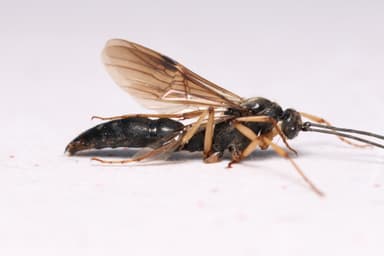
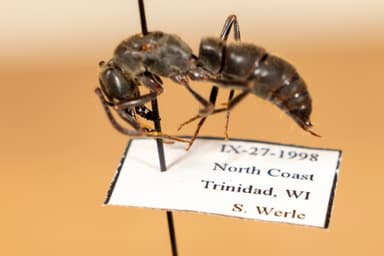
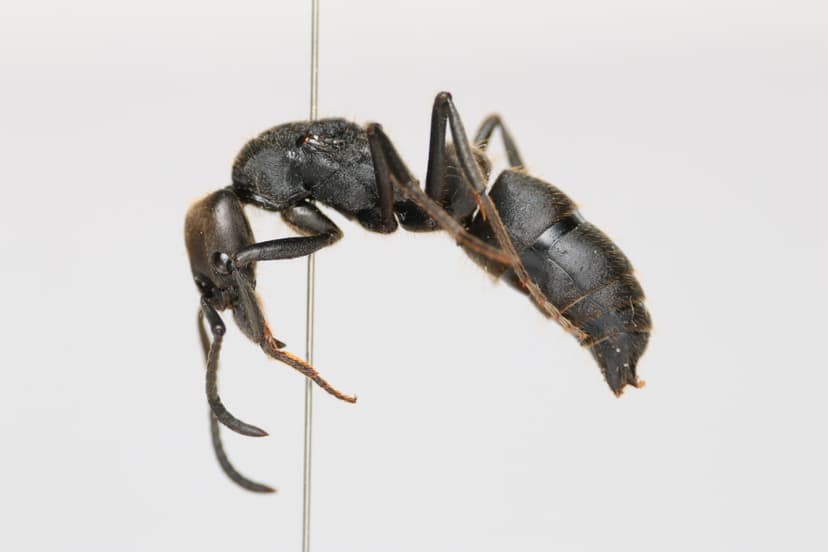
Pachycondyla crassinoda is a striking ponerine ant species that commands attention with its robust build and glossy black exoskeleton. The queen, measuring an impressive 18–22 mm, is a formidable presence, while workers range from 12–18 mm and display a uniform size without polymorphism. Like other members of the Pachycondyla genus, these ants are armed with a powerful sting, which they use both for subduing prey and defending the nest. Their large mandibles and strong legs make them efficient hunters, and their movements are deliberate and confident — a trait that experienced keepers quickly come to appreciate.
One of the most distinctive aspects of Pachycondyla crassinoda is its strictly carnivorous diet. These ants are voracious predators that require a steady supply of protein-rich insects such as crickets, roaches, mealworms, and flies. They will also accept pieces of lean meat or freshly killed feeder insects. Unlike granivorous species, there is no seed storage or plant matter involved; the colony’s growth and brood development depend entirely on a consistent protein source. Supplemental sugars like honey or sugar water are not essential but can be offered occasionally for energy, though protein remains the cornerstone of their nutrition.
Care difficulty
Keeping Pachycondyla crassinoda is best suited for intermediate ant keepers who have some experience with semi-claustral species. The queen must be fed during the founding stage, which requires a steady supply of small insects and a careful hand to avoid disturbing her. Once the first workers eclose, the colony becomes more robust but still demands consistent humidity and temperature. The absence of hibernation simplifies year-round care, but the high humidity requirement means that moisture management in the nest is critical.
Housing
A suitable formicarium for Pachycondyla crassinoda should provide ample humidity levels between 70 and 90 percent. A nest with a built-in humidification system or a substrate that retains moisture, such as clay or plaster, works well. The temperature range of 22–28°C allows for a warm zone near the nest and a cooler area in the outworld. Because these ants are sensitive to sudden changes, it is advisable to keep the setup in a stable location away from drafts and direct sunlight. The outworld should have good ventilation and a secure lid, as these ants are capable climbers and can easily escape if gaps are present.
First days after purchase
Upon receiving your Pachycondyla crassinoda colony, place the formicarium in a quiet, dimly lit area and allow the ants to settle undisturbed for at least 24 hours. During this time, ensure the nest substrate is appropriately moistened and that a small dead insect is available near the entrance. Avoid opening the enclosure or handling the test tube unnecessarily. Observe from a distance to confirm that the queen is mobile and the brood is intact. After the acclimatization period, begin offering pre-killed insects on a regular schedule, removing leftovers to prevent mold. With patience and attention to humidity, these powerful hunters will soon establish a thriving colony.