Manica
Manica rubida
Nuptial Flight Calendar
Flight months: May, Jun, Jul, Aug, Sep
Care Guide
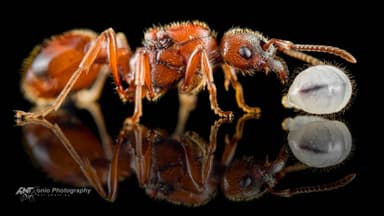
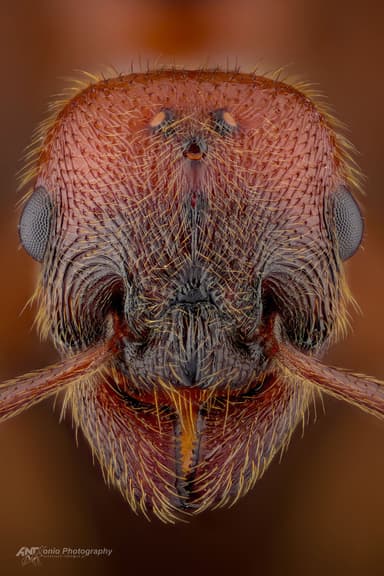
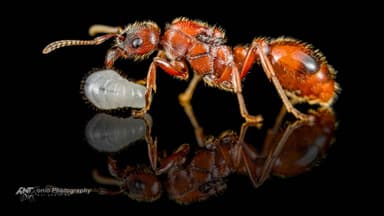
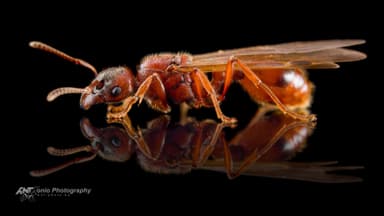
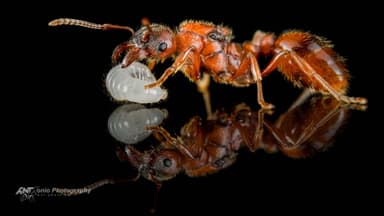
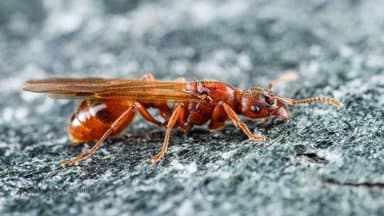
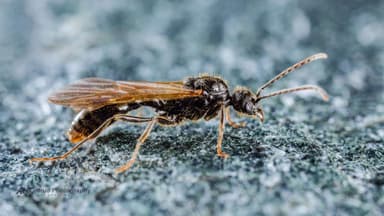
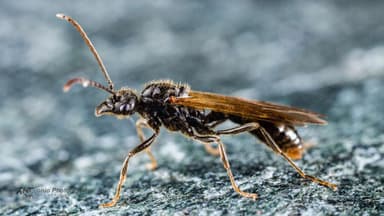
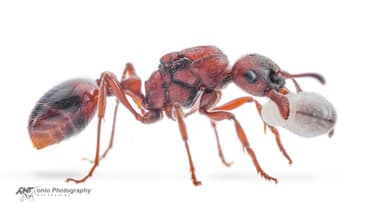
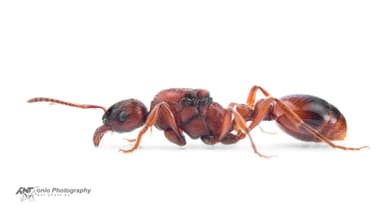
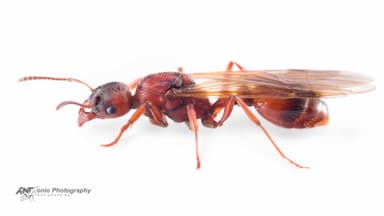
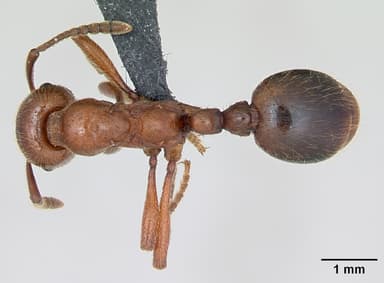
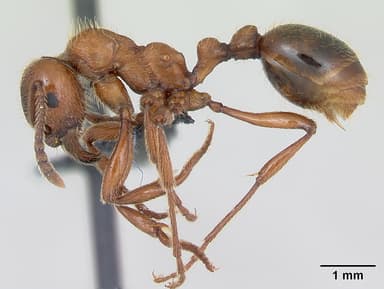
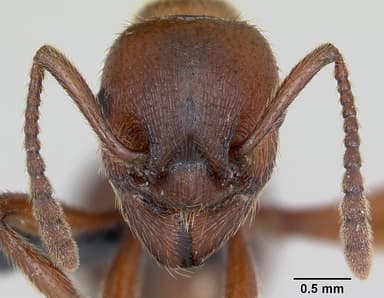
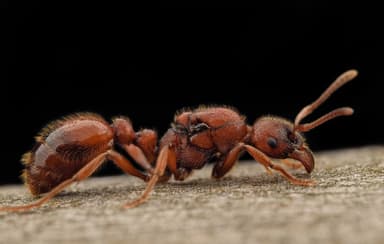
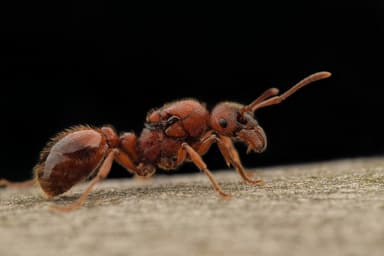
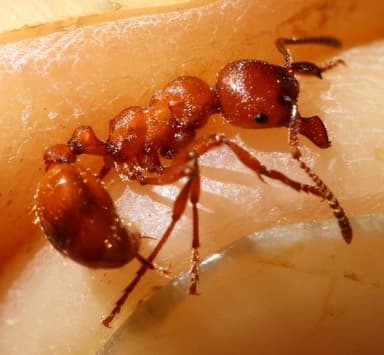
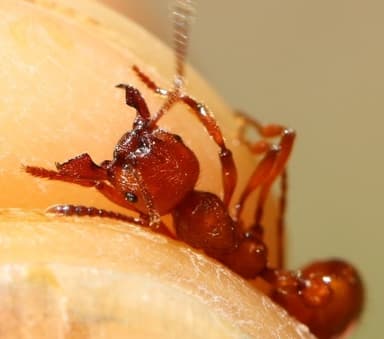
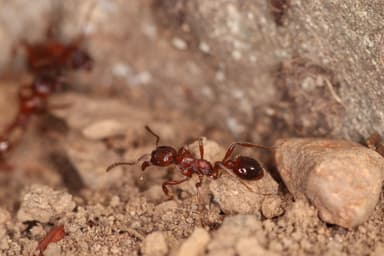
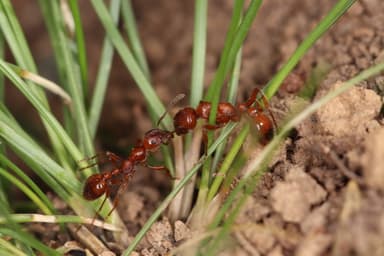
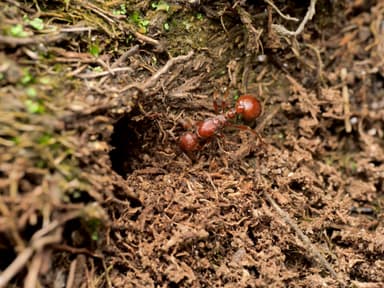
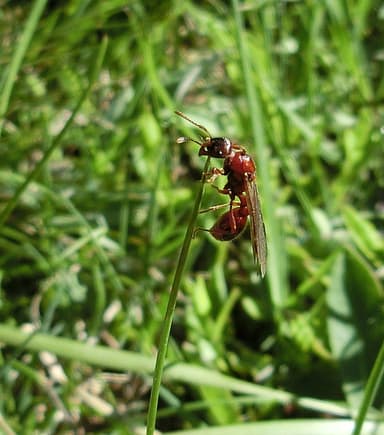
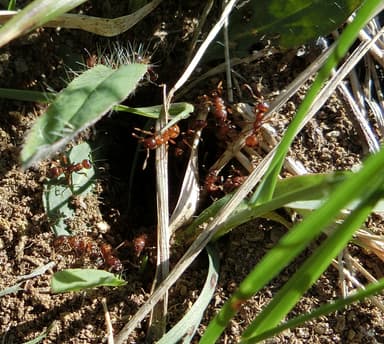
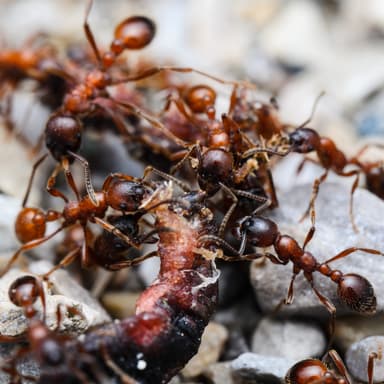
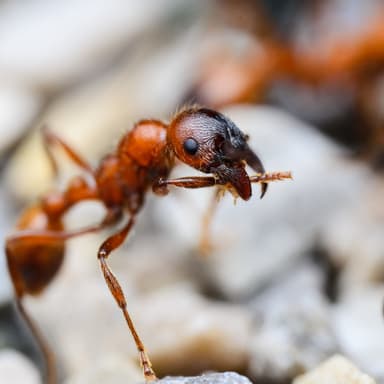
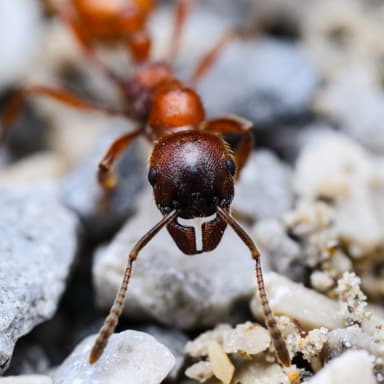
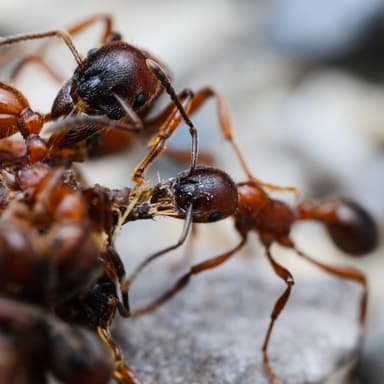
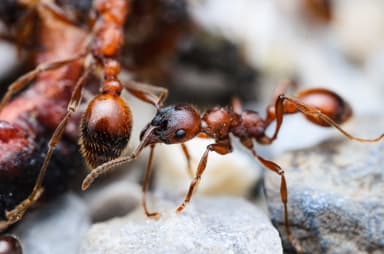
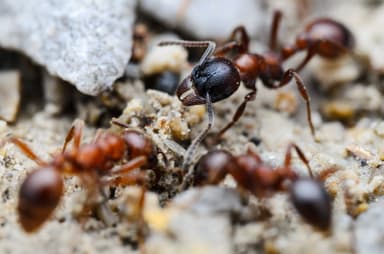
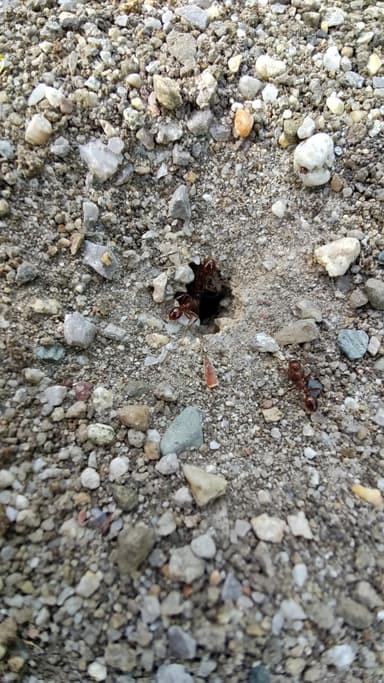
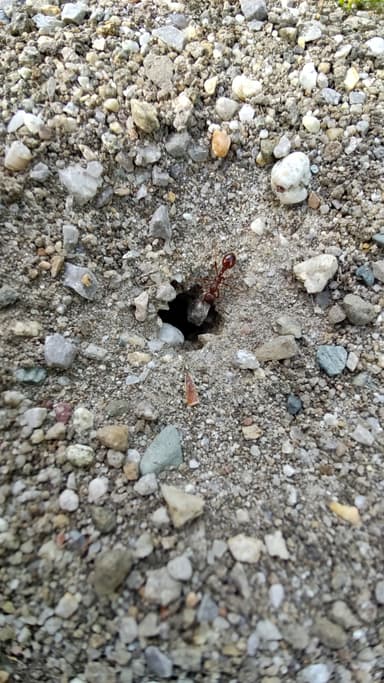
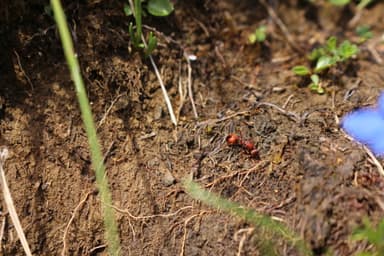
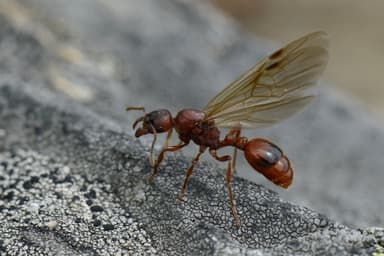
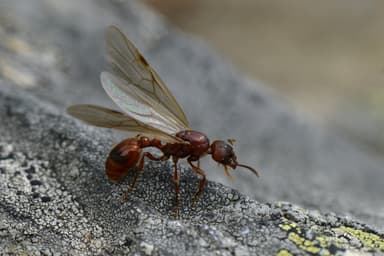
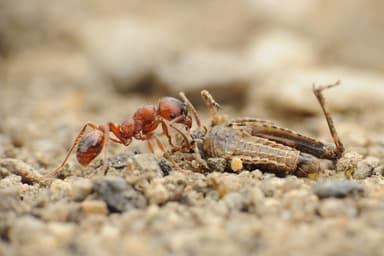
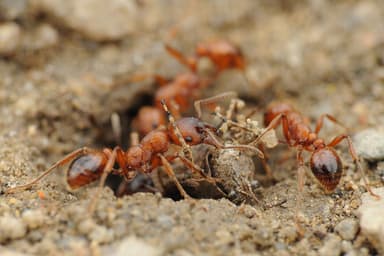
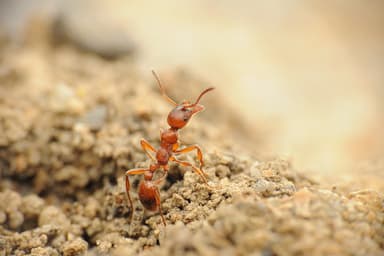
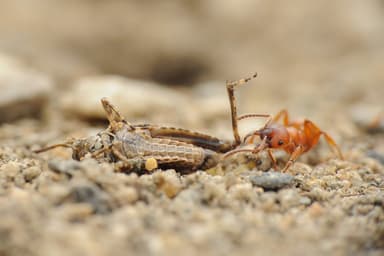
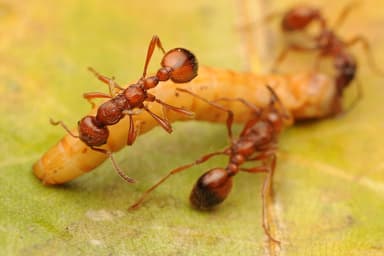
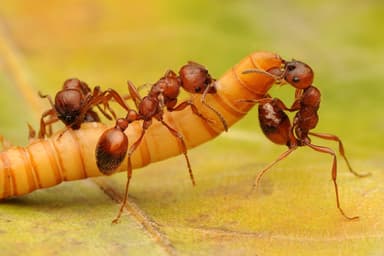
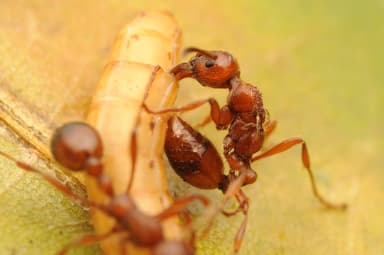
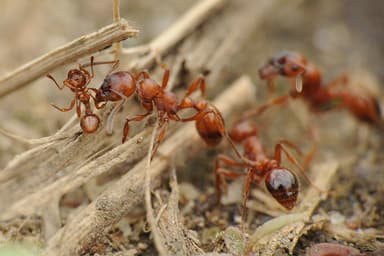
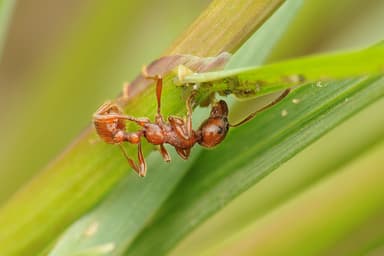
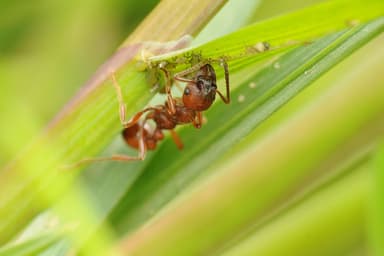
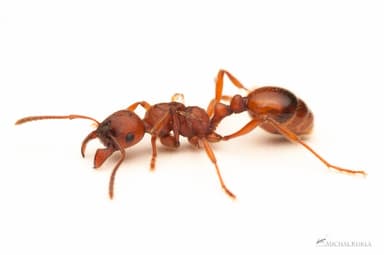
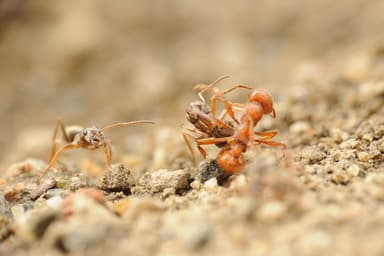
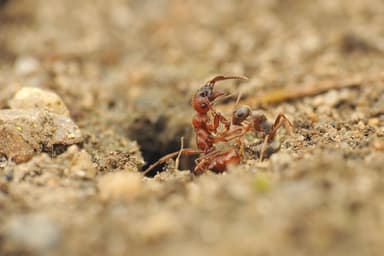
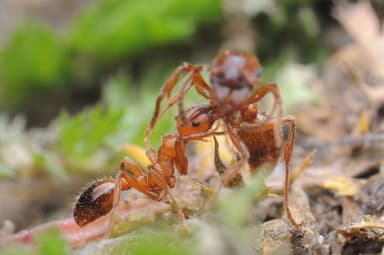
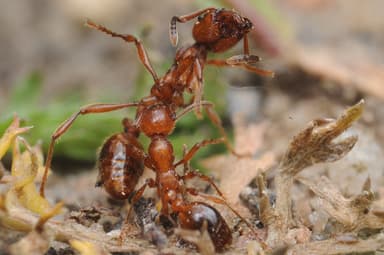
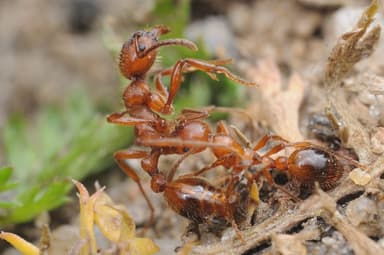
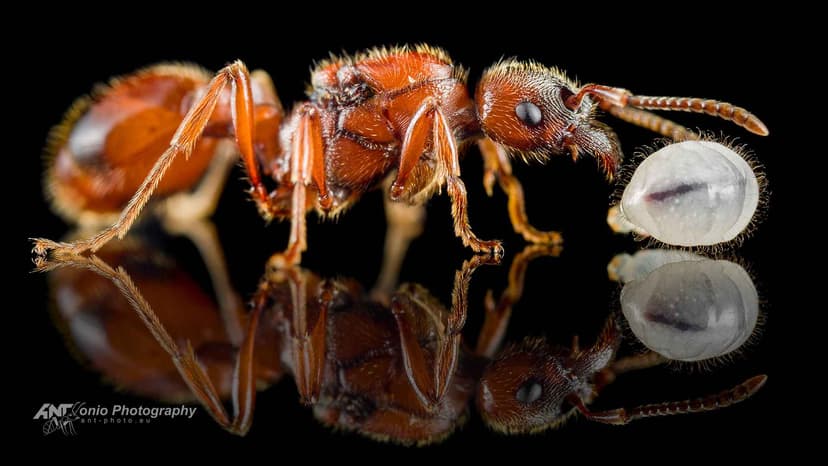
Among the lesser-kept gems of European myrmecology, Manica rubida — often called the European red ant — stands out as a creature of both beauty and bravado. These ants are immediately striking: queens measure a stately 11 to 13 millimeters, while workers show a remarkable size range from 5 to 9 millimeters. Although the colony structure is considered to have a single worker caste, this continuous polymorphism means you will see smaller “minor” forms foraging alongside distinctly larger sisters, a subtle but rewarding trait for observant keepers. Their bodies glow in hues of rust and deep mahogany, giving the colony an almost smoldering appearance under good light. A mature colony can reach up to 3,000 individuals, and as members of the Myrmicinae subfamily, they are closely related to the familiar Myrmica ants. What truly sets Manica rubida apart, however, is its potent, pain-inflicting sting, backed by a confident and often aggressive disposition. In the wild, their nuptial flights occur in Central and Southern Europe during warm, humid afternoons after summer rainfall, typically from June to August, though their overall range stretches from the Mediterranean up into Scandinavia (GBIF; Seifert 2018). For the keeper, they offer a fascinating window into a semi-claustral founding strategy and a highly active predatory lifestyle that makes every feeding session a spectacle.
Manica rubida is best described as an intermediate-level species, and it is not recommended for those just starting out. Their sting, while not medically dangerous to most, is surprisingly painful and can trigger allergic reactions in sensitive individuals; escape-proofing is therefore not just a suggestion but a necessity. The semi-claustral founding mode means a queen cannot retreat into a sealed chamber and live off her reserves alone — she must be fed early and regularly, a demand that can overwhelm a novice keeper. Additionally, the strict hibernation requirement and precise humidity needs add layers of husbandry that demand attention to detail. If you have successfully kept a few beginner species like Lasius or Tetramorium and are ready for a more interactive, somewhat feisty challenge, then Manica rubida offers immense reward. They are ideal for keepers who enjoy watching dynamic, visibly polymorphic workers coordinate hunting raids and who have the patience to provide a controlled microclimate.
Creating the right home for these ants is all about balancing airflow with moisture. A formicarium made of moisture-retentive materials like aerated concrete (Ytong) or plaster works beautifully, as it allows you to keep the nest chamber at a steady 50–70% humidity without waterlogging. A naturalistic setup with a sand-clay mixture can also be used, but avoid purely dry, sandy nests that wick away moisture too quickly. Temperature should be maintained between 20 and 28 degrees Celsius, with a slight gradient so the colony can self-regulate; a heating cable or mat placed at one end of the nest is sufficient. The foraging area should be spacious and equipped with a fluon or PTFE barrier, because these ants are capable climbers and will probe every edge. A thin layer of sand or fine gravel in the outworld provides grip and a natural look, while a small water source, such as a water-filled test tube stoppered with cotton, must be available at all times. Never let the nest become bone-dry, as this quickly leads to brood loss and queen failure (Czechowski et al. 2012).
Feeding Manica rubida is a straightforward but vital routine. They are keen insectivores, so provide a steady supply of protein-rich food: small crickets, dubia roach nymphs, mealworm segments, or fruit flies all work well. Live prey triggers their most dramatic hunting behavior, though pre-killed insects are accepted and may be safer for small colonies. Carbohydrates are equally important; offer a small feeder with honey, maple syrup, or an ant-specific nectar substitute, replenished regularly to avoid fermentation. A founding queen must be offered tiny pieces of insect and a minute dab of sugary liquid every two to three days — she cannot raise her first workers without this external nutrition. Always ensure a clean, constant water source; a water tube in the outworld is ideal. Dusting insect prey occasionally with a pure calcium powder can support cuticle development, though it is not strictly necessary if their diet is varied.
Like all ants from temperate climates, Manica rubida requires a genuine hibernation period to remain healthy and productive. They should be cooled to around 5 degrees Celsius for roughly three to four months, typically from late November through early March. Begin the process by a gradual reduction in temperature over a couple of weeks, and cease feeding several days beforehand to allow their digestive tracts to empty. During hibernation, they must still have access to fresh water and should be kept in a dark, stable environment — a dedicated refrigerator, a wine cooler, or a frost-free basement are all excellent options. In spring, reverse the process slowly; a too-rapid warming can shock the colony. Skipping hibernation entirely often leads to a rapid decline in queen health, reduced egg-laying, and eventual colony collapse, so this cycle is non-negotiable (Seifert 2018).
The first days after your Manica rubida arrive set the tone for their future health. Carefully transfer them into their prepared formicarium, but then resist the urge to watch them constantly; give the colony a few hours of quiet to acclimate. Place a tiny drop of sugar water on a piece of foil or directly in their outworld, and if they are a founding queen or a young colony, add a minuscule piece of insect — no larger than the head of a worker — near the nest entrance. You will know they are settling in when the queen begins to groom herself calmly and workers start exploring deliberately rather than dashing in panic. During this initial phase, check that the humidity inside the nest is appropriate, as too-dry conditions will drive them to huddle in the water tube. Feeding should be small and frequent at first, with any uneaten food removed after a day to prevent mite blooms or mold. Watch for the queen’s first eggs laid on a moist nest floor; it signals that your husbandry is on the right track. With patience and gentle attention, you will soon witness the unfolding life of one of Europe’s most charismatic native ants.