Dolichoderus
Dolichoderus thoracicus
Nuptial Flight Calendar
Flight months: Mar, Apr, May, Jun, Sep, Oct
Care Guide
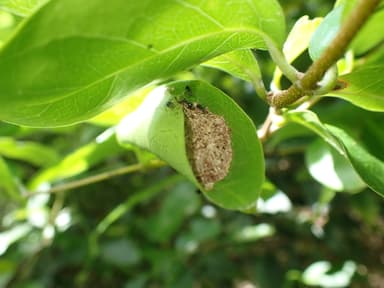
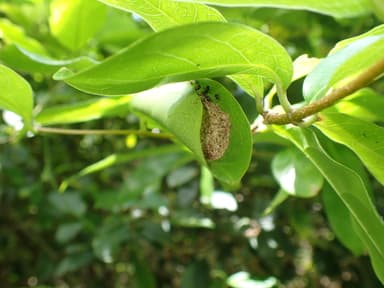
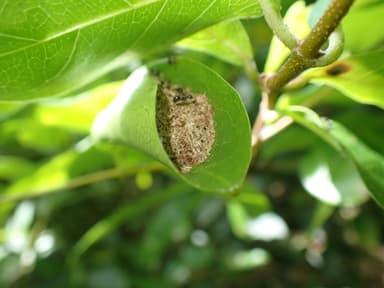
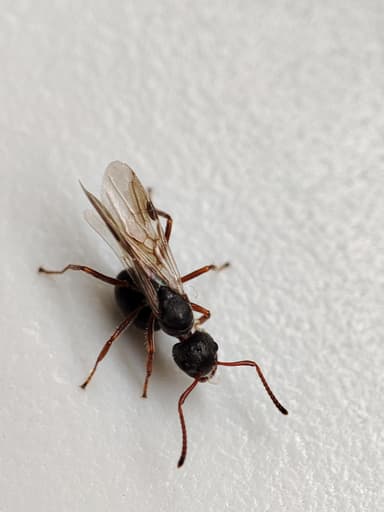
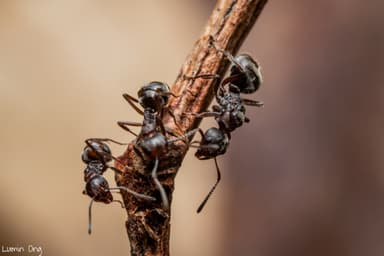
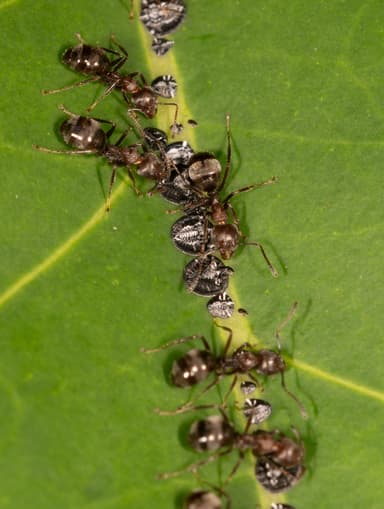
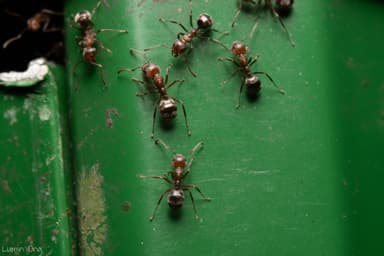
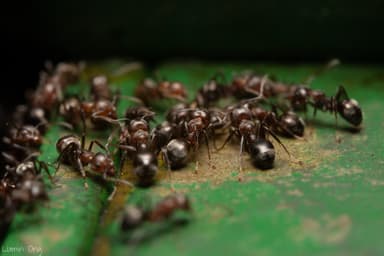
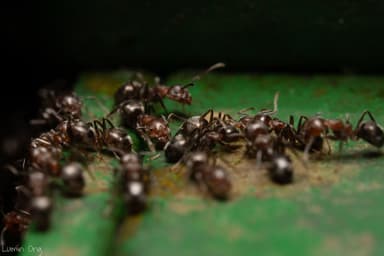
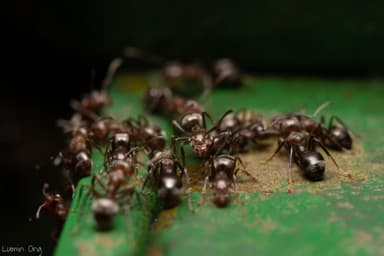
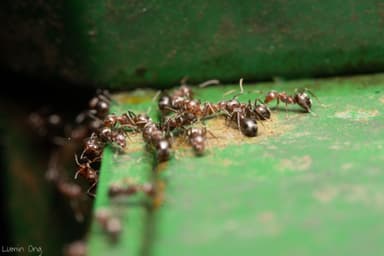
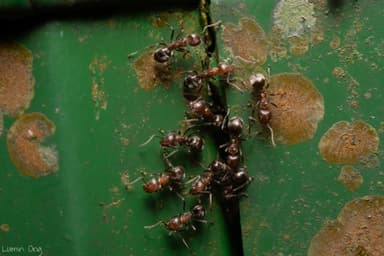
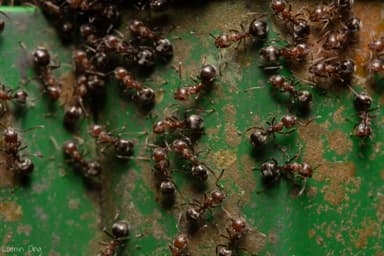
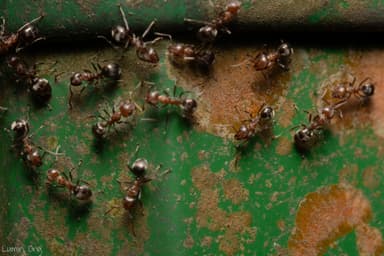
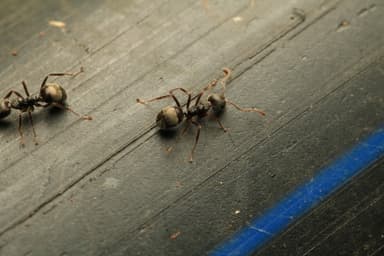
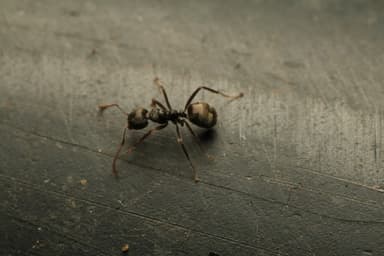
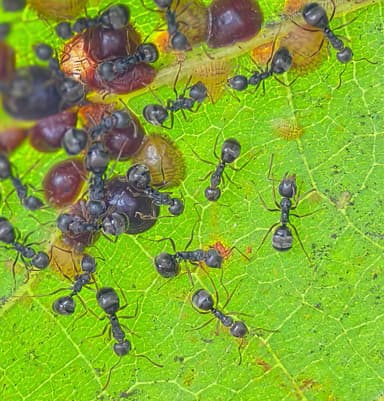
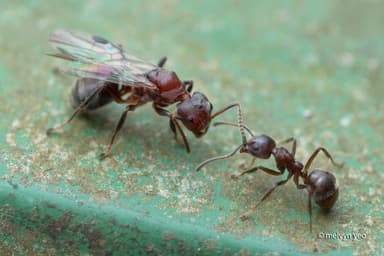
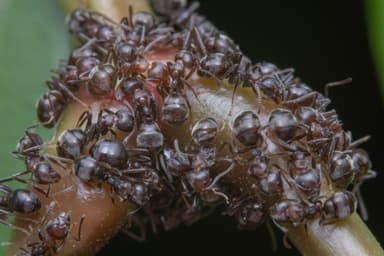
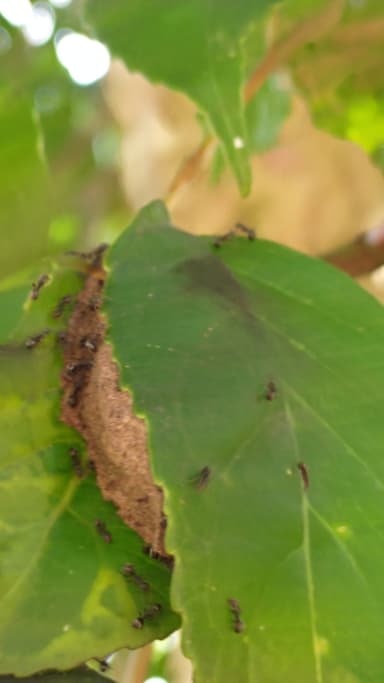
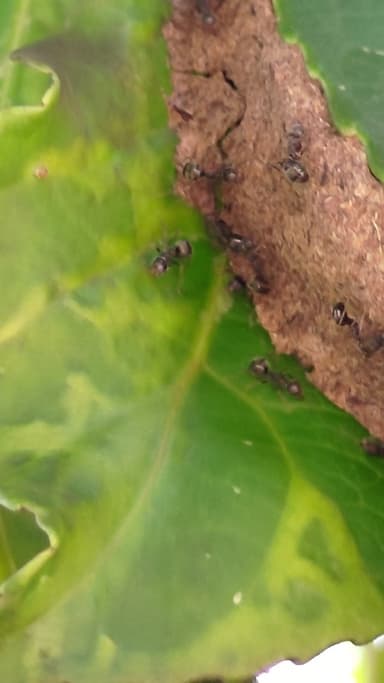
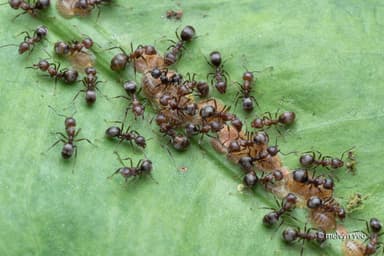
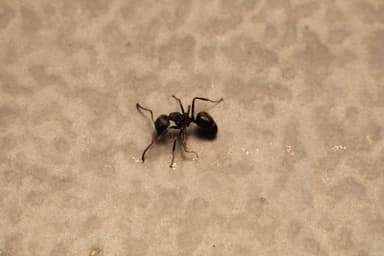
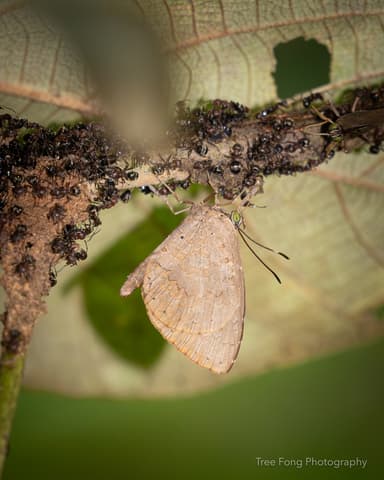
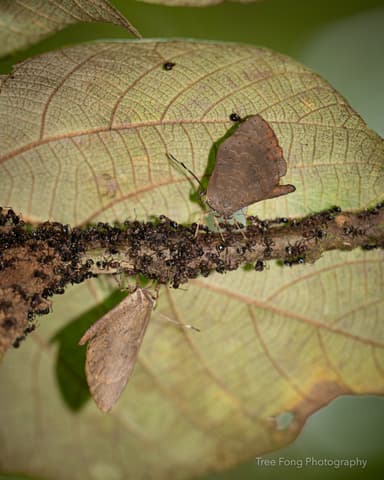
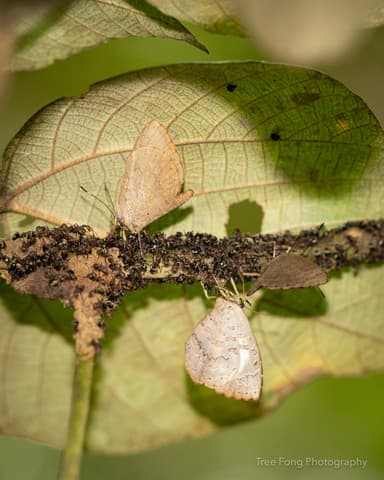
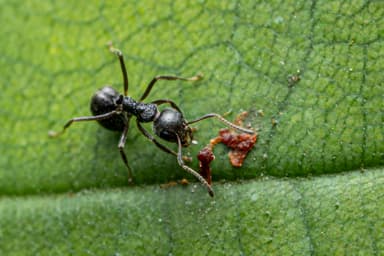
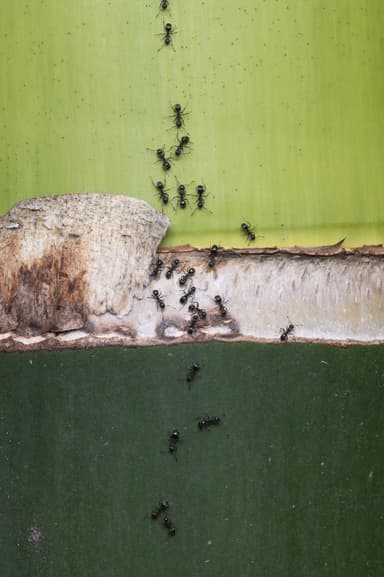
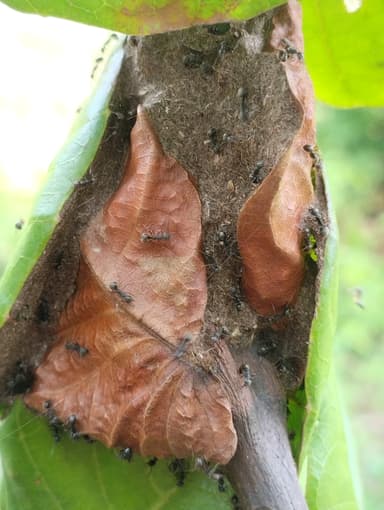
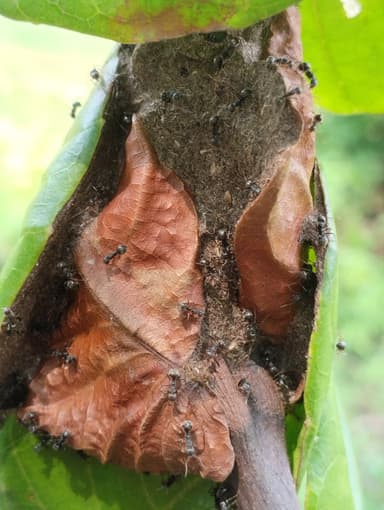
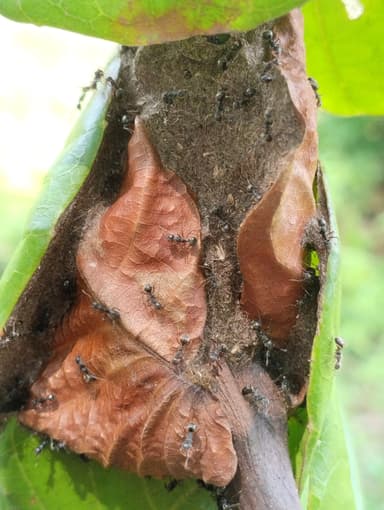
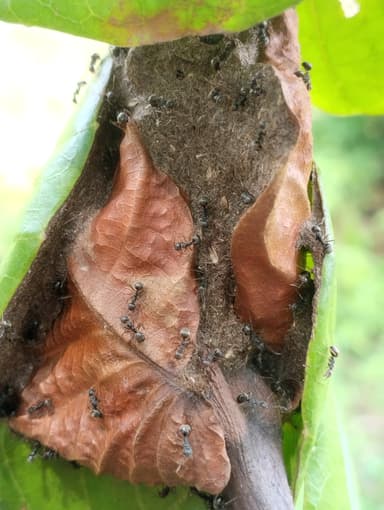
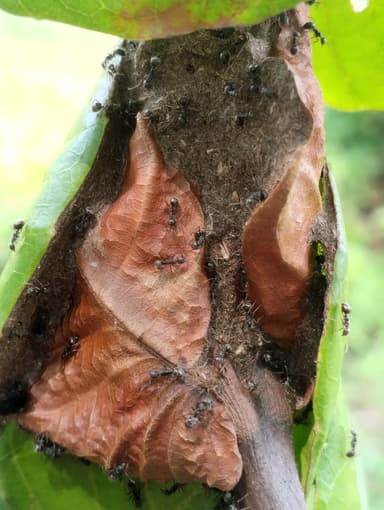
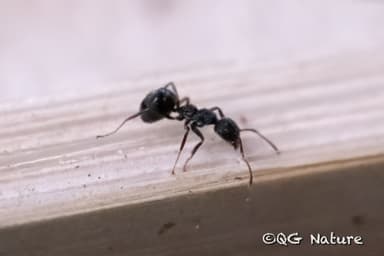
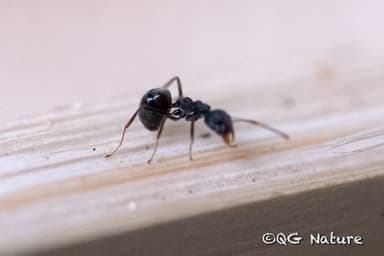
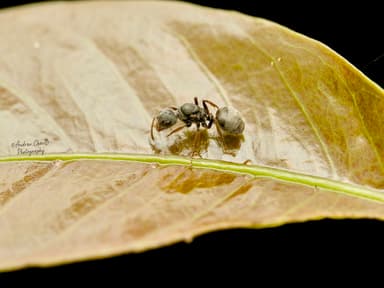
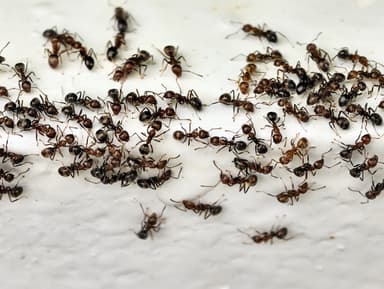
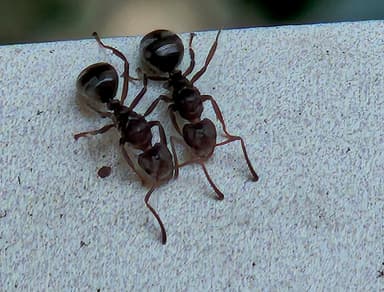
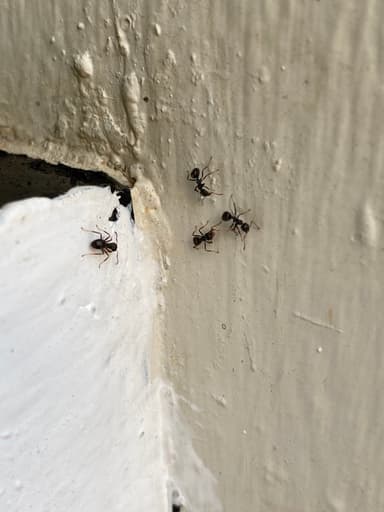
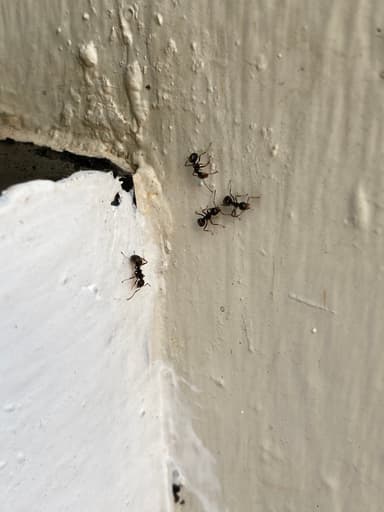
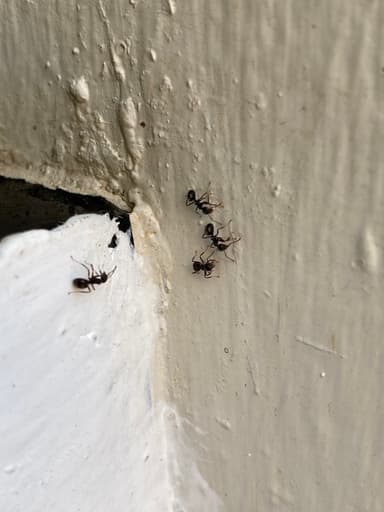
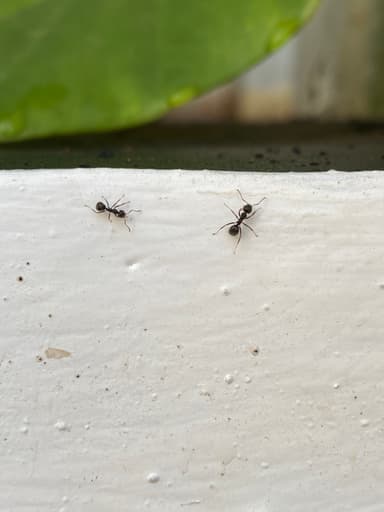
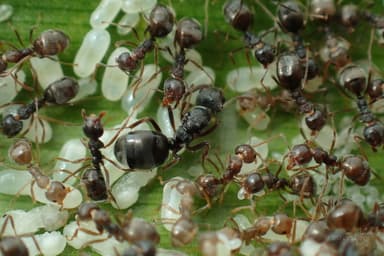
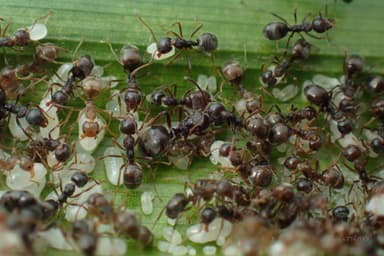
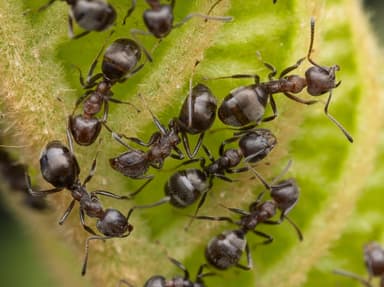
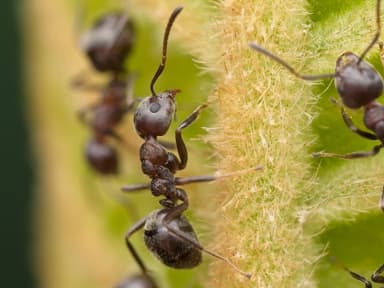
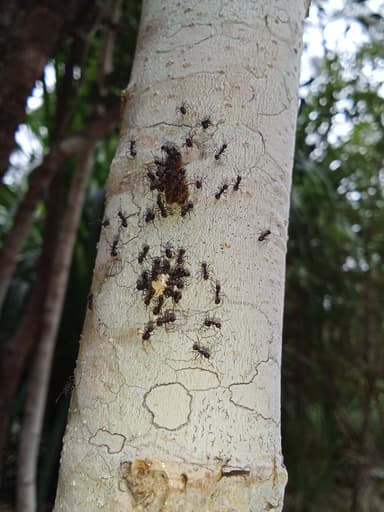
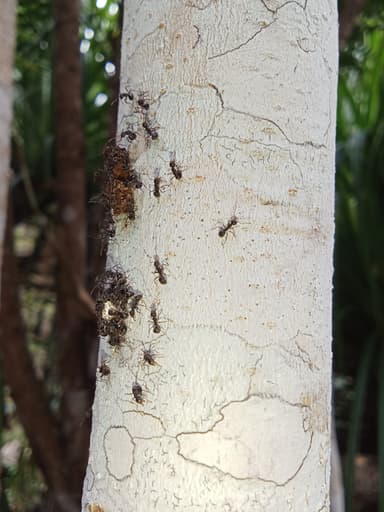
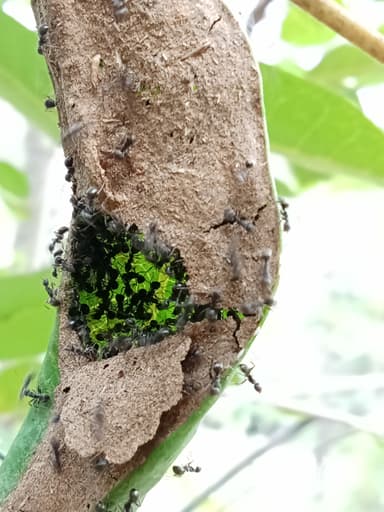
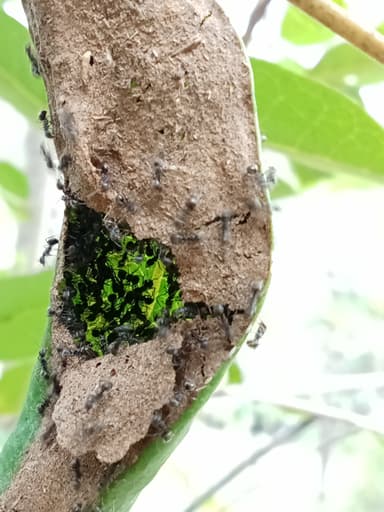
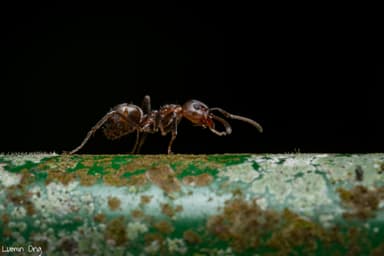
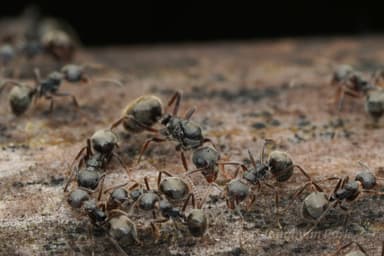
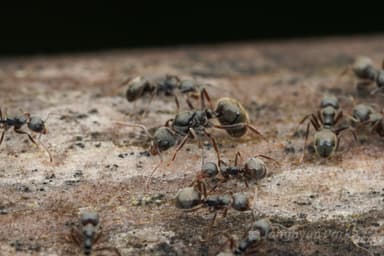
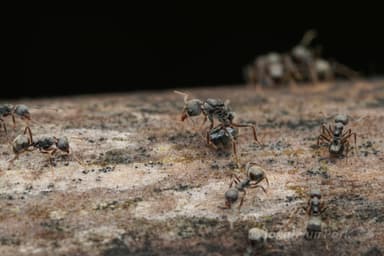
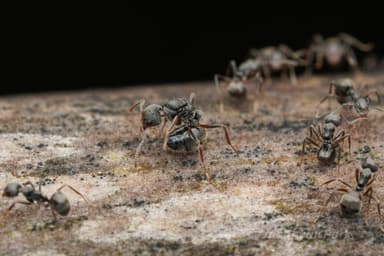
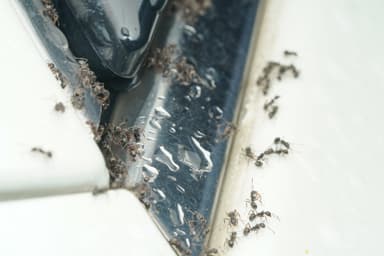
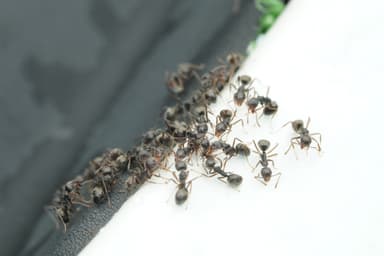
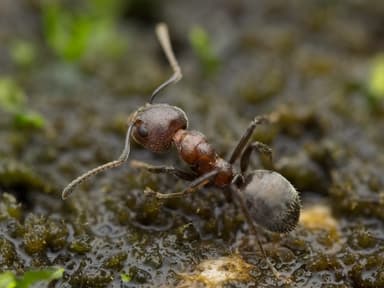
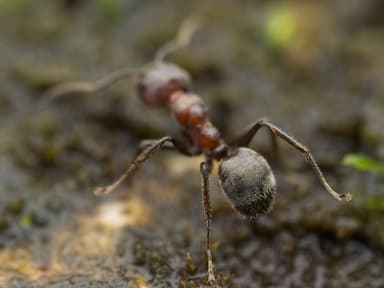
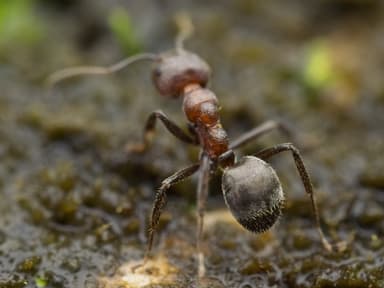
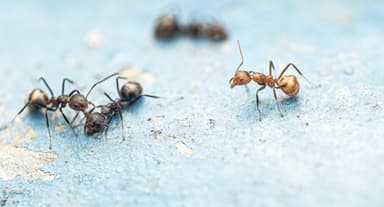
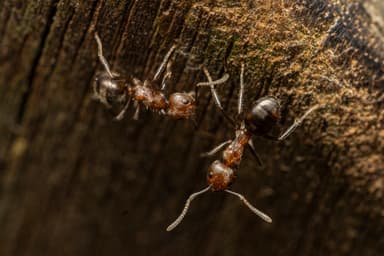
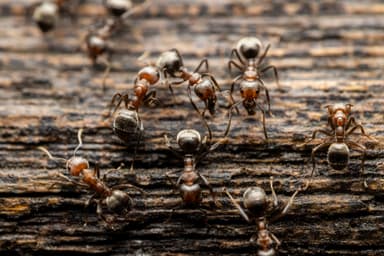
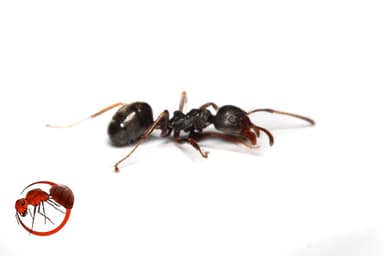
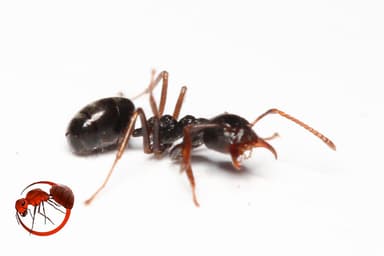
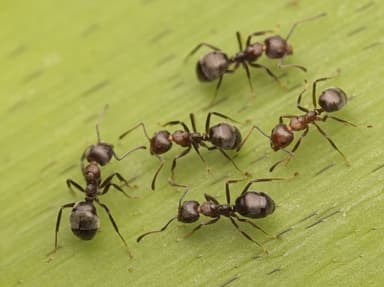
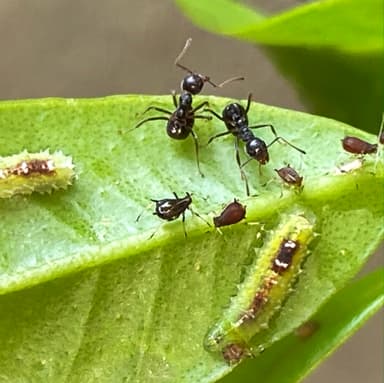
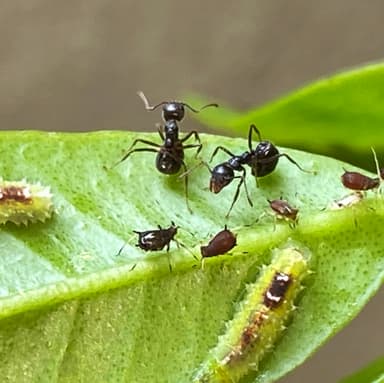
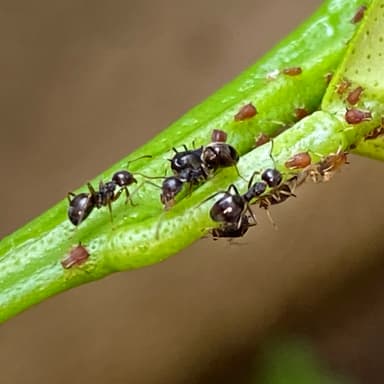
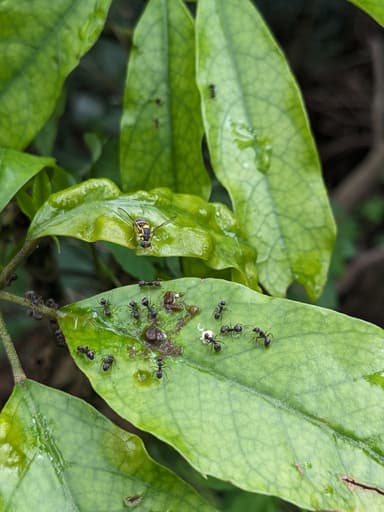
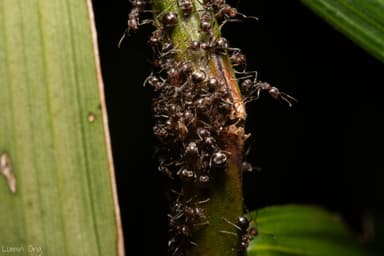
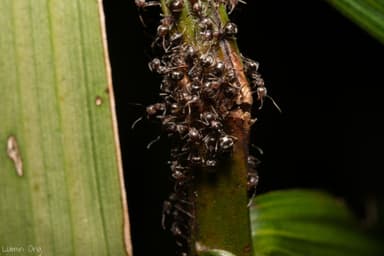
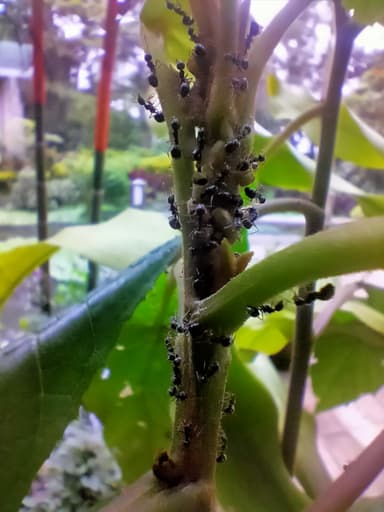
Dolichoderus thoracicus is a fascinating and energetic ant from the dolichoderine lineage, widely distributed across tropical Southeast Asia, from India and southern China down through the Malay Peninsula to Indonesia and the Philippines (GBIF occurrence data; AntWiki). Queens are robust, measuring 5 to 6.5 mm, while the monomorphic workers range from 2.5 to 4 mm. The colony structure is especially interesting for hobbyists: founding occurs exclusively by budding, where a group of workers and one or more queens leaves the parent nest to form a new satellite, leading to expansive, polydomous colonies that can eventually house up to 100,000 individuals (Way & Khoo 1991). In nature, they nest in pre‑formed cavities in trees, fallen logs, and even in the root masses of epiphytes, often in close ecological association with weaver ants (Oecophylla smaragdina). Their sleek blackish‑brown bodies and rapid, jerky movements give them a character quite distinct from the more common formicines, and their reliance on honeydew makes them an excellent species for observing trophobiotic behaviors in a captive setting.
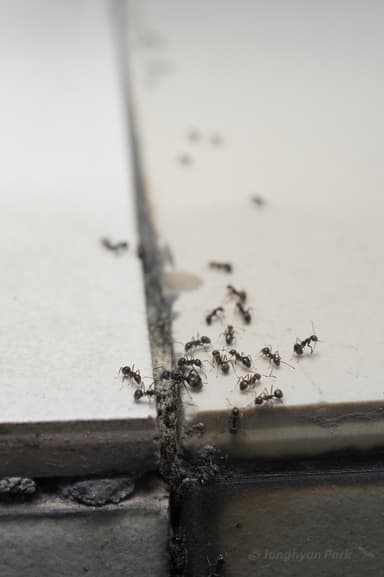
Care difficulty is rated as intermediate, making D. thoracicus most suitable for keepers who have already mastered the basics of ant husbandry. They are not particularly aggressive toward humans and lack a functional sting, but they can be defensive and may release a faint vinegar‑like alarm pheromone from their anal glands if the nest is disturbed. The main challenges are their small size, incredible speed, and extraordinary escape‑artist tendencies. A single tiny gap in a barrier will be exploited within hours, so the keeper must be meticulous with sealing and using a reliable fluon‑based escape barrier. Because colonies grow large and are inherently polydomous, they are best suited for someone with the space and commitment to manage multiple interconnected nest units and a spacious foraging arena over time. For a dedicated intermediate keeper, however, the sheer vitality and large worker force of a thriving D. thoracicus colony provide a deeply rewarding spectacle.
Housing must replicate their tropical, arboreal lifestyle. A combination of a well‑ventilated foraging arena and an artificial nest with high humidity is essential. The data we have for their native climate point to a temperature band of 22 to 30 °C and a relative humidity of 60 to 80 % at all times. Many keepers achieve this with a grouted ytong nest or an acrylic nest with a hydration layer, placed on a heat mat controlled by a thermostat and occasionally misted. As they naturally occupy pre‑existing cavities rather than excavating, nest design should offer a series of chambers with smooth walls — vertical plates work well — and a moist, dark interior. The foraging arena can be lined with a thin layer of coconut coir or fine sand, plus some twigs and small pieces of bark to give them sheltered feeding spots. Most importantly, the nest must be designed for expansion: as the colony buds, extra nest chambers connected by small tubes will allow the ants to express their polydomous habits, preventing overcrowding stress and the risk of mass escapes.
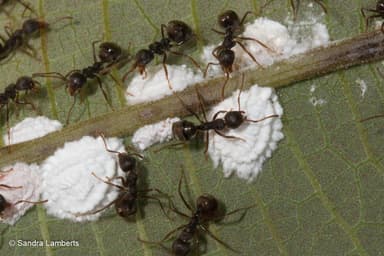
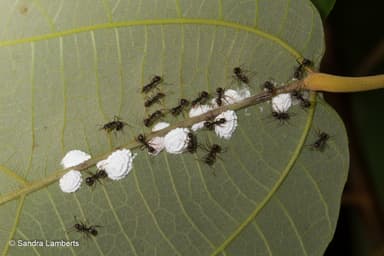
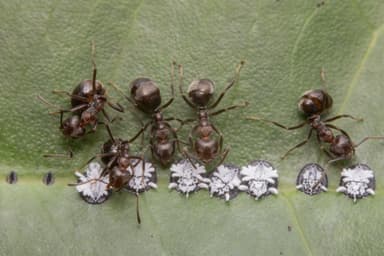
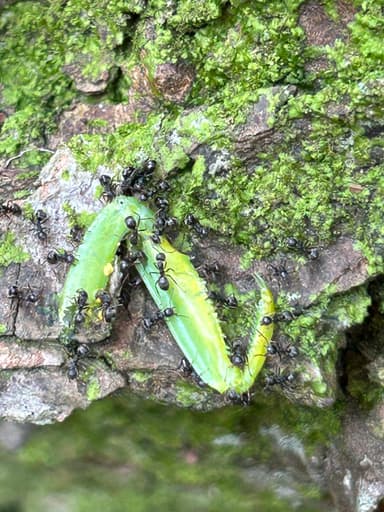
In terms of diet, D. thoracicus are enthusiastic honeydew gatherers in the wild and require a carbohydrate‑rich menu in captivity. A constant supply of sugar‑water, honey‑water, or an artificial ant nectar is the cornerstone of their nutrition; they will drink eagerly and recruit heavily to these sources. For protein, they accept a wide range of small invertebrates — fruit flies, cut‑up crickets, mealworms, and roach nymphs all work well, with the carcasses often being dragged back to the nest. Protein is especially important while brood production is ramping up. A small water tube or moist cotton ball in the foraging area provides a drinking source and helps maintain local humidity. Calcium and other micronutrients are typically obtained from the insect cuticle, so gut‑loading feeder insects is a worthwhile practice. Because of their intense trophobiotic drive, some advanced keepers even provide aphids or scale insects on a living plant inside the arena, a truly natural display that highlights the ecological role of this species.
Hibernation is not required for D. thoracicus. Their native range straddles equatorial latitudes, and the seasonal temperature fluctuations they experience are minimal. In captivity, they should be kept at a stable warm temperature year‑round, with no cooling period. Attempting to induce a rest period would likely stress the colony and lead to brood die‑off, so simply maintain the 22–30 °C range consistently. A slight nightly drop of a few degrees is acceptable, but never expose them to temperatures below 20 °C for prolonged periods.
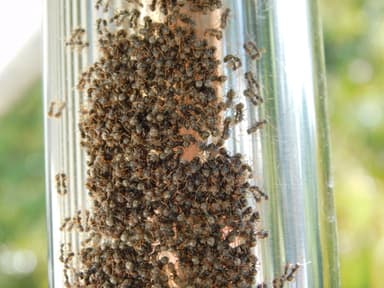
The first days after purchase are a delicate period of acclimatisation. Typically, you will receive a small founding group — perhaps a queen with a few dozen workers and some brood — in a transport vial. Place this vial, with the lid slightly open to breathe but still secure, inside the prepared foraging arena and allow them to find the new nest entrance on their own timetable. Keep the setup in subdued light, at the proper temperature and humidity, and resist the urge to check them for at least 24 hours. Offer a tiny droplet of sugar water on a piece of foil near the vial; you will likely see foragers finding it within hours. After one to two days, introduce a small pre‑killed fruit fly. Watch for the workers to start moving brood into the new nest — that is the sign they have accepted their home. During this settling phase, be vigilant for excessive condensation inside the nest (which can flood chambers) and remove any uneaten prey before it molds. With a light touch and careful environmental control, your D. thoracicus will soon begin the exciting process of budding and expanding into the incredible spectacle of a fully functional tropical ant megacolony.