Temnothorax
Temnothorax crassispinus
Nuptial Flight Calendar
Care Guide
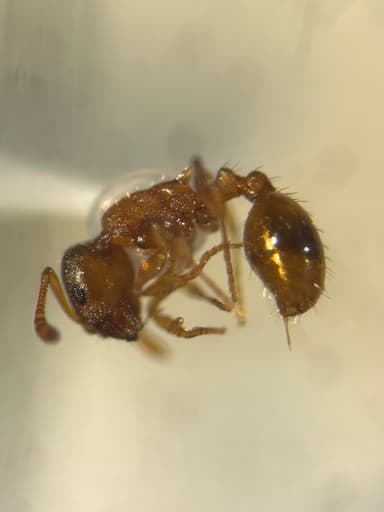
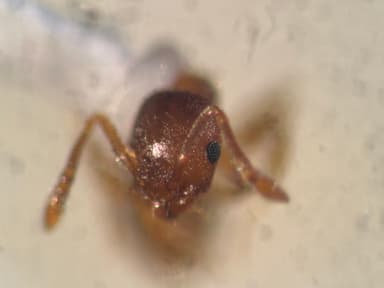
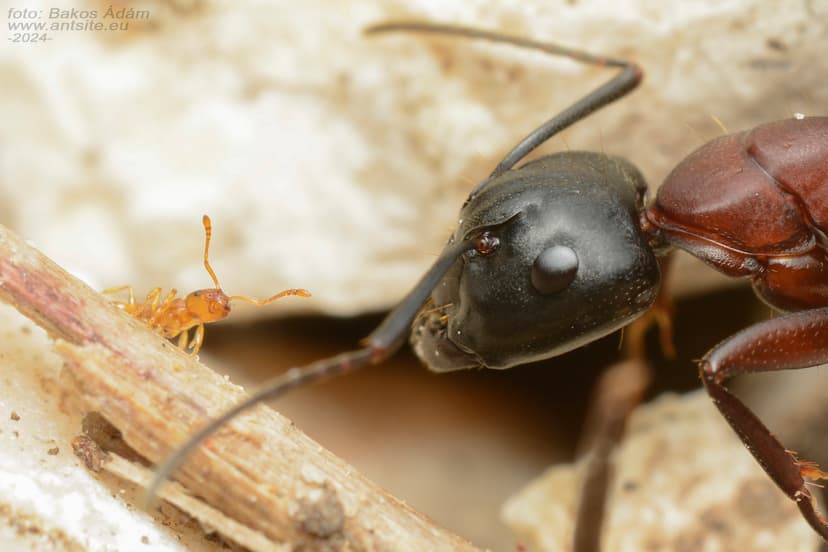
Temnothorax crassispinus is a delightful, small-sized ant species that offers a perfect entry point into the world of ant keeping. Colonies rarely exceed a few hundred workers, with a modest queen measuring just four to five millimetres and workers between two and a half and three and a half millimetres. Despite their tiny stature, these ants are remarkably active and display fascinating social behaviours. They are monomorphic—all workers are similar in size—yet each ant carries out multiple roles with great efficiency. One of the most charming aspects of Temnothorax crassispinus is their preference for nesting in small cavities such as acorns, twigs, or hollow plant stems, a trait that makes them especially suited to compact formicaria. They are incredibly peaceable, rarely aggressive, and will not attempt to escape their enclosure, making them an ideal choice for keepers who want a calm, manageable colony.
Care difficulty
Keeping Temnothorax crassispinus is straightforward, and the species is highly recommended for beginners. Their claustral founding means the queen rears the first workers entirely on her own without needing food—she simply seals herself in her chamber and metabolises her wing muscles and fat reserves. Once the first workers emerge, the colony quickly becomes self‑sustaining. These ants are not demanding when it comes to diet: they readily accept small insects such as fruit flies, pinhead crickets, or crushed mealworms, and they thrive on sugar water, honey water, or honeydew. A balanced diet of protein and carbohydrates ensures rapid brood development and steady colony growth. Because they are small and do not require large quantities of food, maintenance is minimal.
Housing
A formicarium with a small, dark nesting area that can be kept stable and undisturbed is ideal. Temnothorax crassispinus prefer moderate humidity between fifty and seventy percent, which can be achieved by regularly moistening the nesting substrate—sand or plaster works well. The temperature should be kept between twenty and twenty‑six degrees Celsius; temperatures toward the warmer end encourage faster development, but avoid extremes. One of the most critical aspects of keeping this species is providing a proper hibernation period. These ants naturally experience a winter diapause; from late autumn to early spring, they should be gradually cooled to around eight degrees Celsius for at least two to three months. Without this cold period, the queen may stop laying eggs and the colony’s long‑term health will decline. A quiet, vibration‑free location is beneficial, but the species is less sensitive to disturbance than some larger, more nervous ants.
First days after purchase
Upon receiving your Temnothorax crassispinus colony, place the formicarium in a dim, quiet spot and leave them completely undisturbed for the first few days. The queen and workers need time to adjust to their new environment and to excavate or settle into the nesting chamber. Ensure the outworld contains a shallow water source—a cotton‑plugged test tube or a small dish with a sponge—and a small drop of sugar water or a few tiny insect pieces. Avoid bright light and vibration during this acclimatisation period. After a few days, you may begin to observe the workers exploring and foraging. With patience and a gentle approach, you will soon see your tiny colony thrive, revealing the quiet, captivating daily life of one of the most rewarding beginner ants.