Tapinoma
Tapinoma melanocephalum
Care Guide
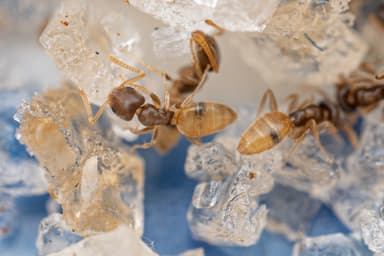
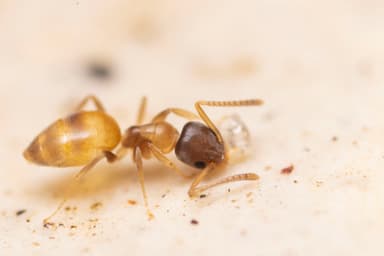
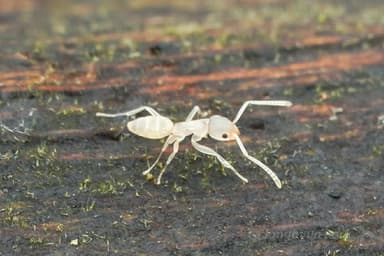
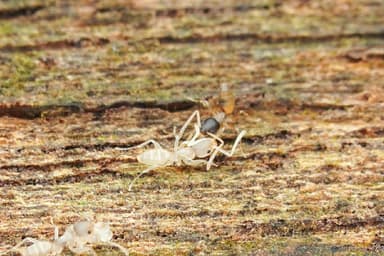
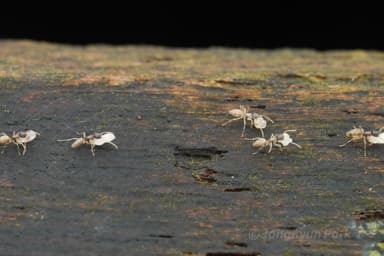
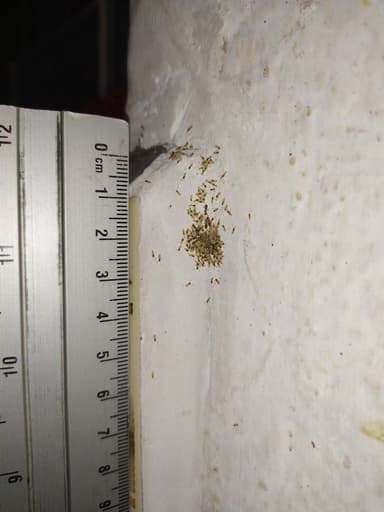
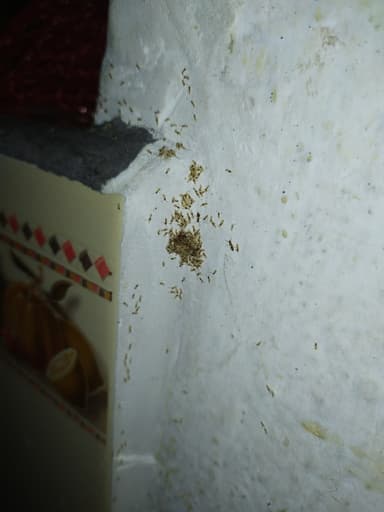
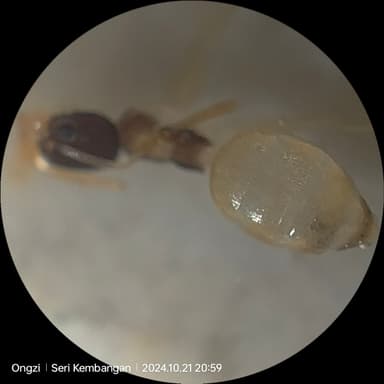
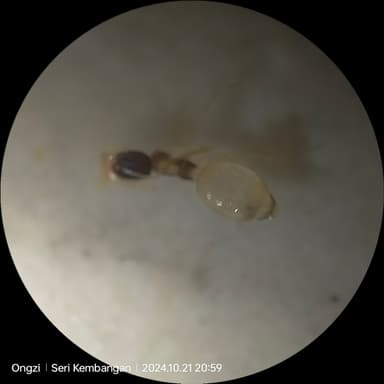
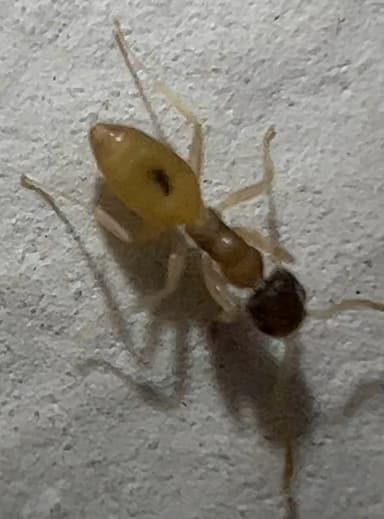
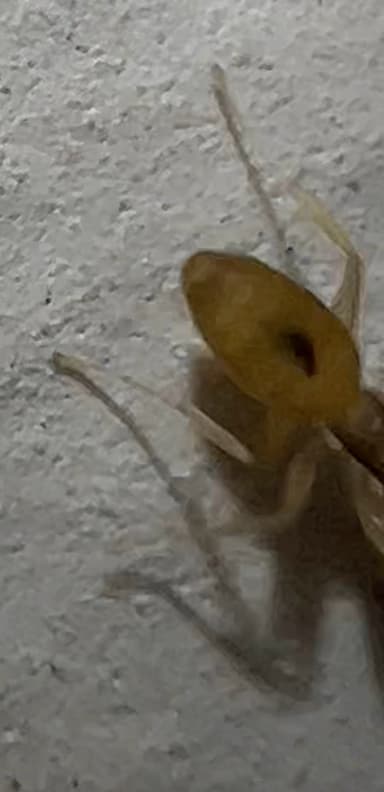
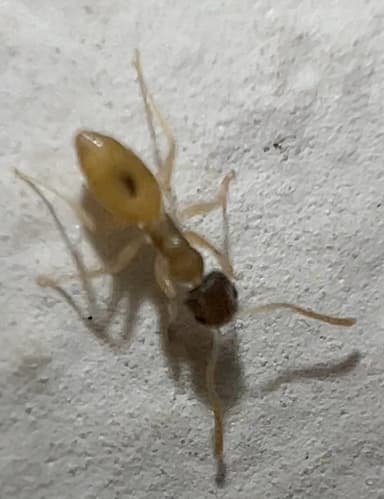
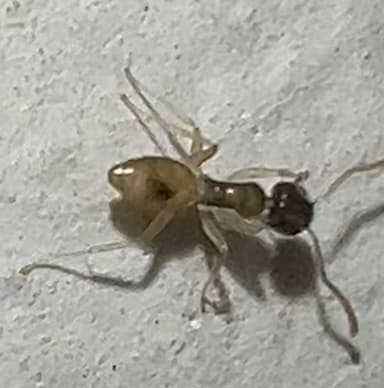
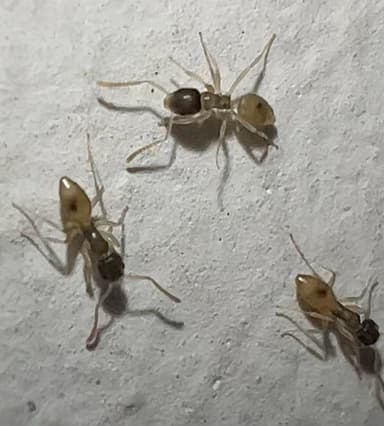
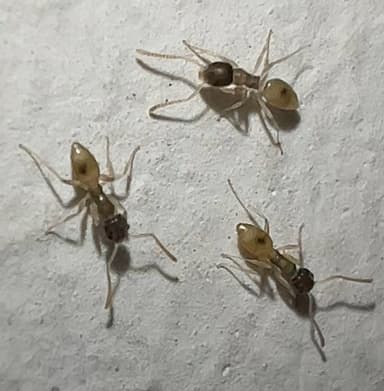
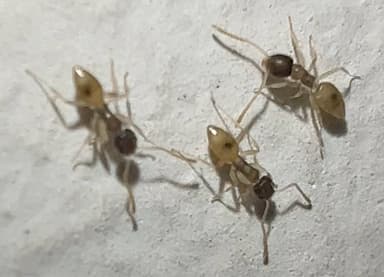
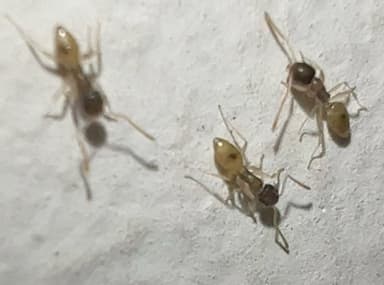
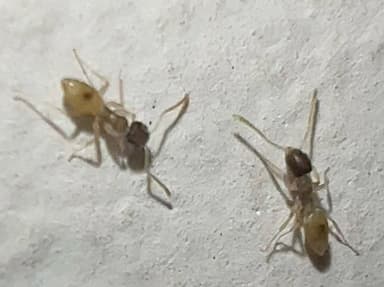
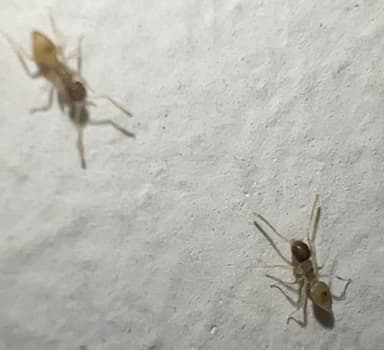
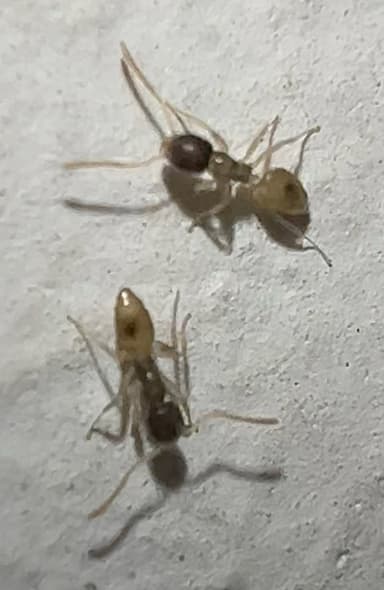
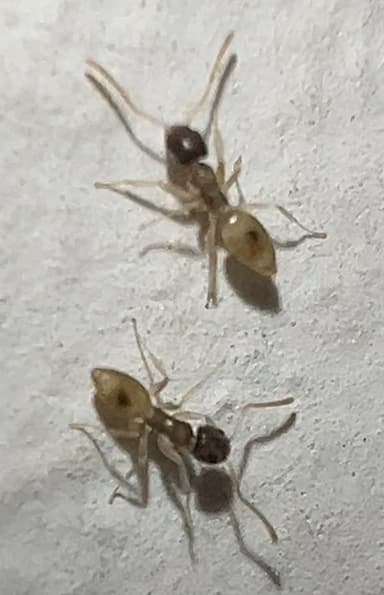
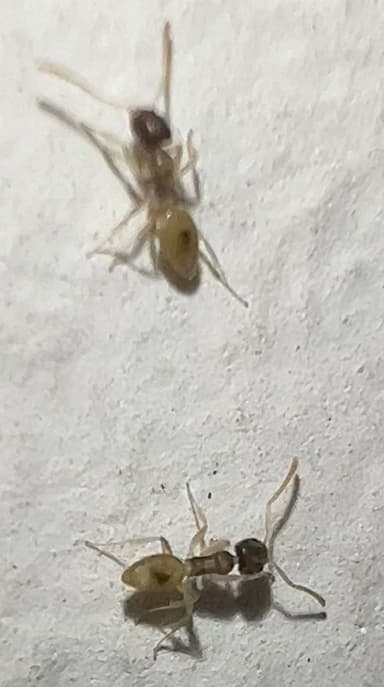
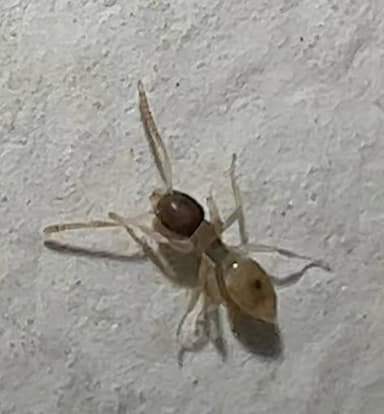
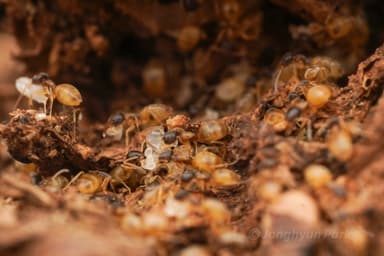
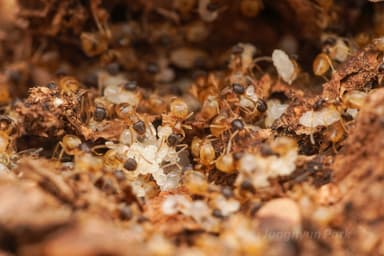
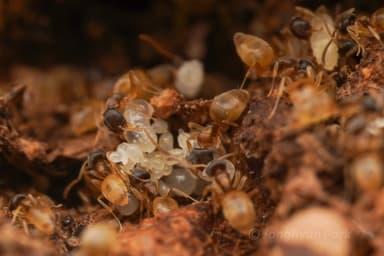
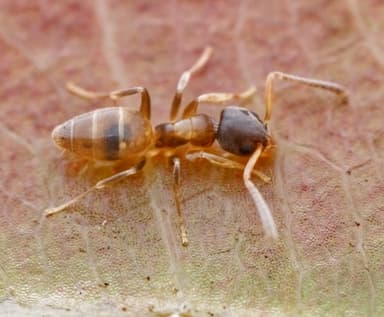
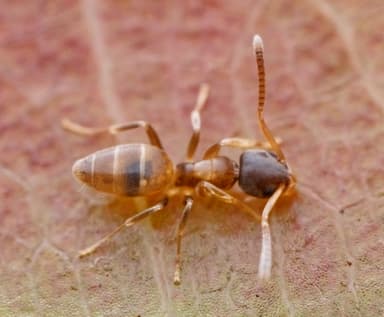
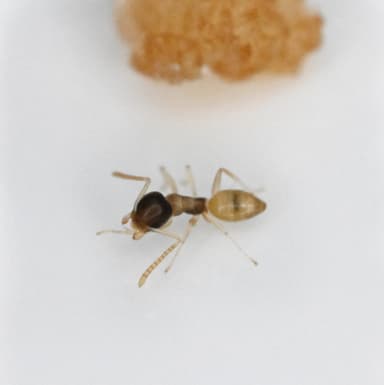
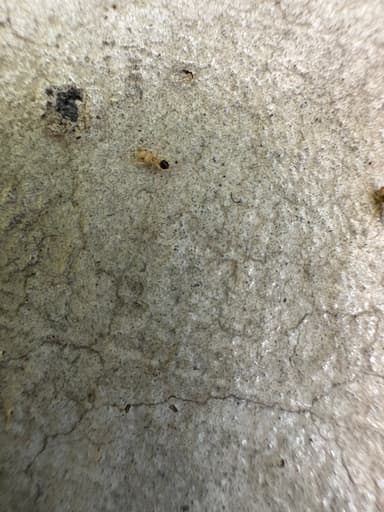
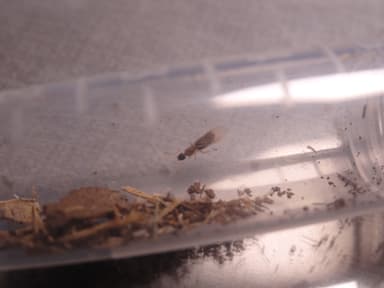
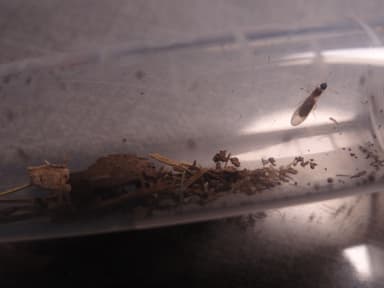
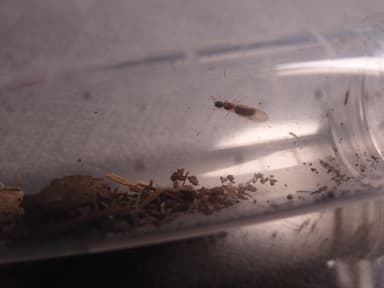
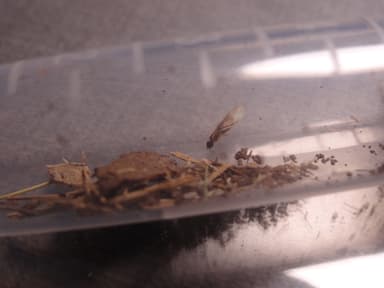
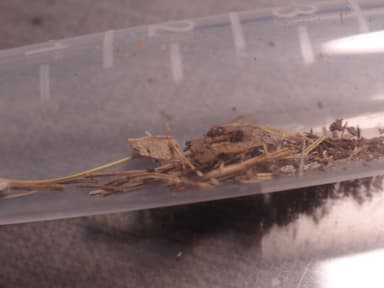
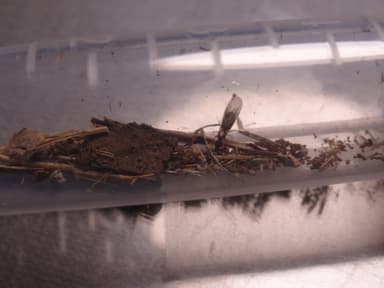
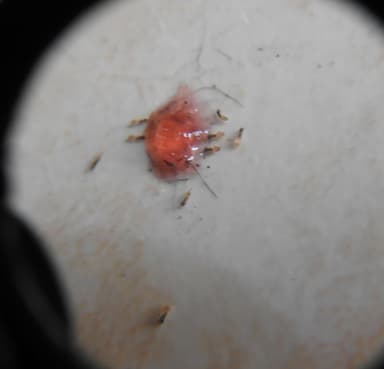
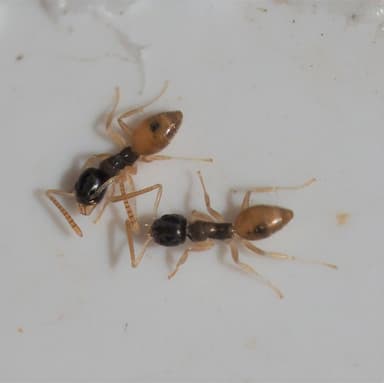
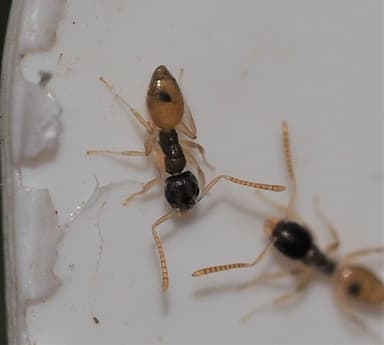
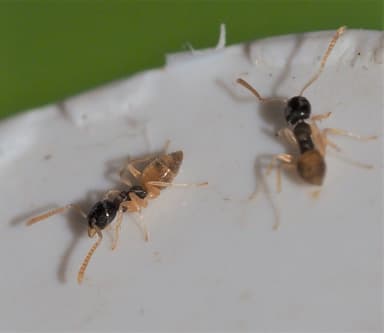
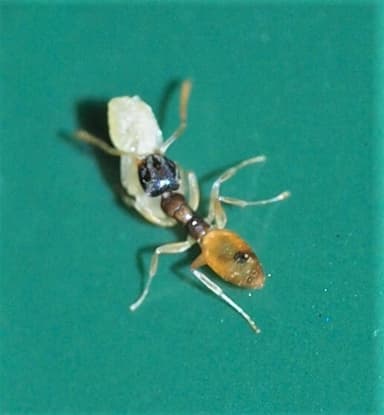
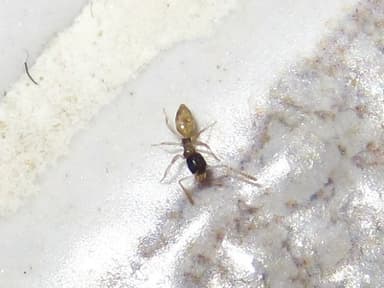
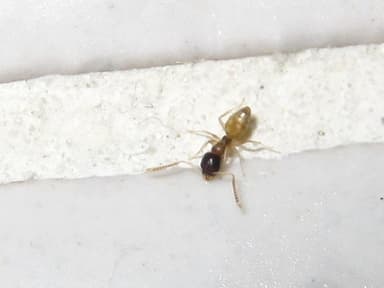
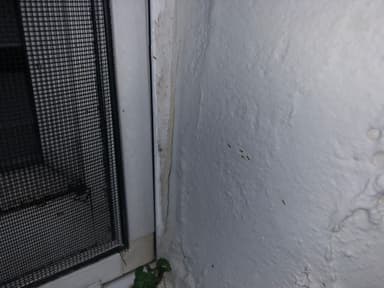
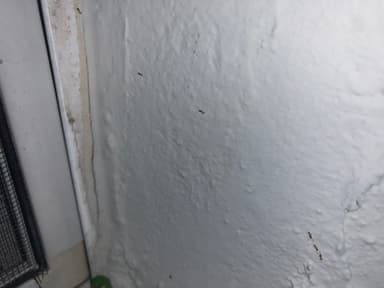
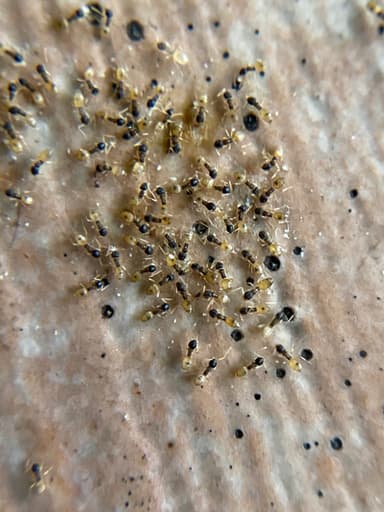
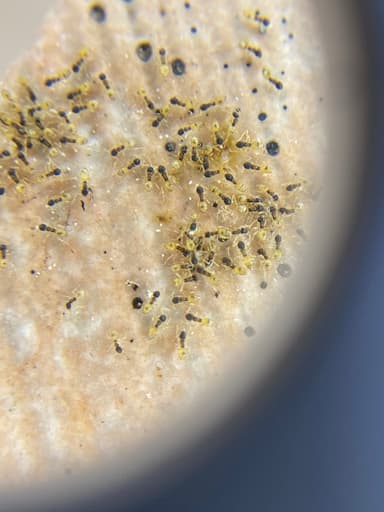
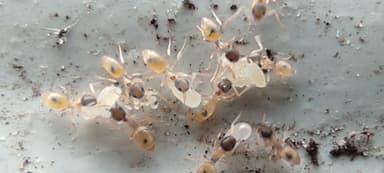
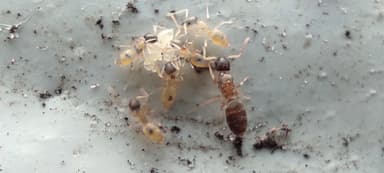
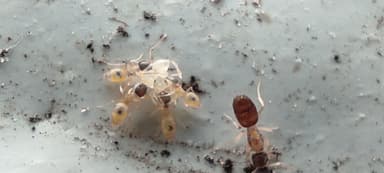
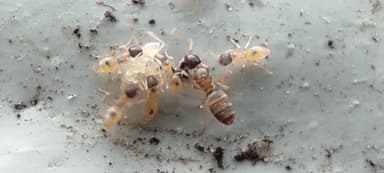
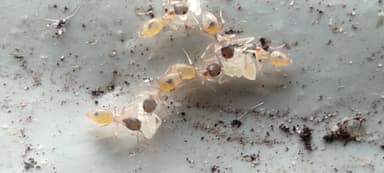
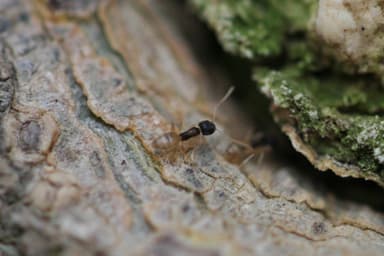
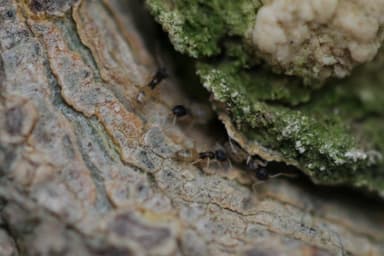
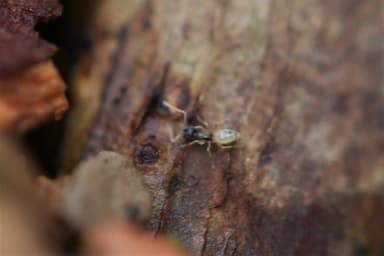
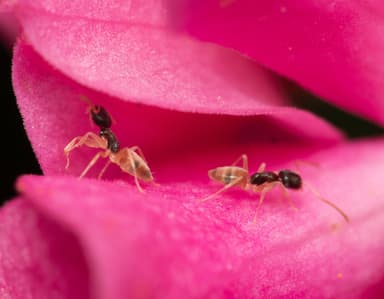
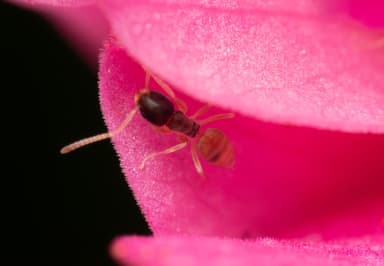
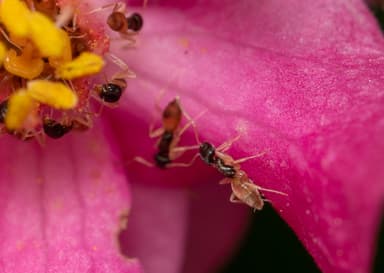
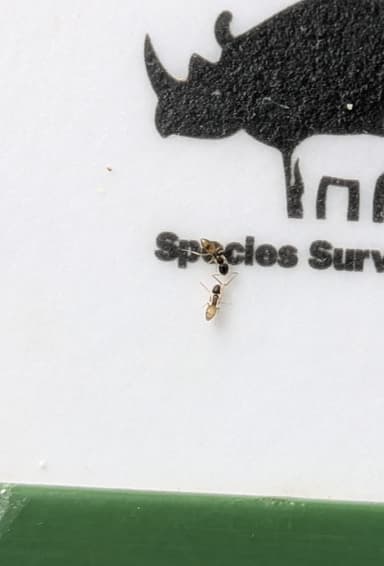
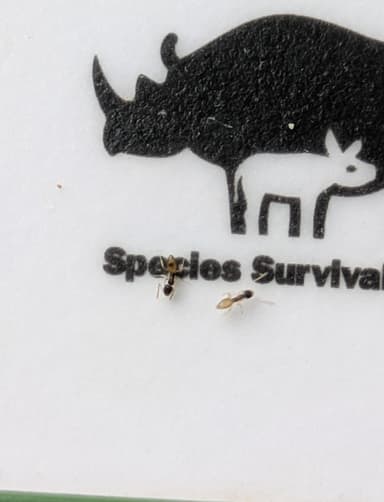
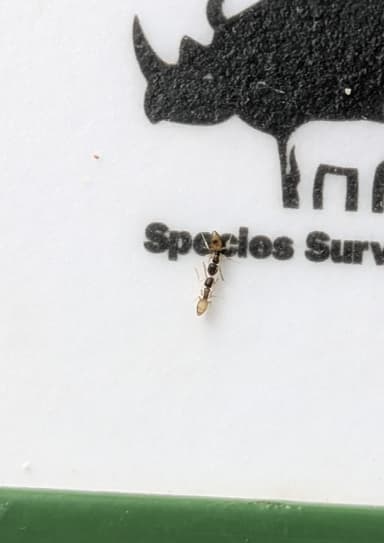
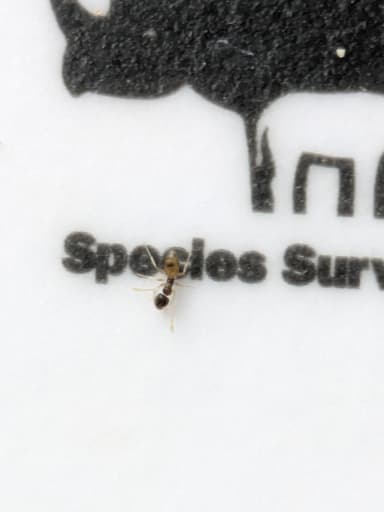
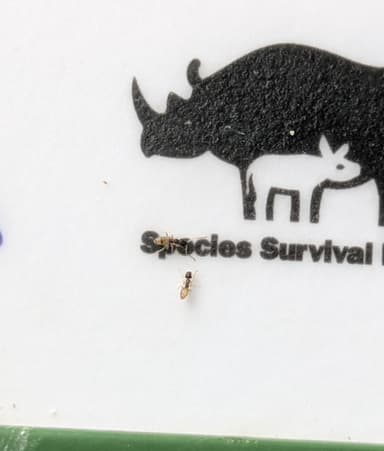
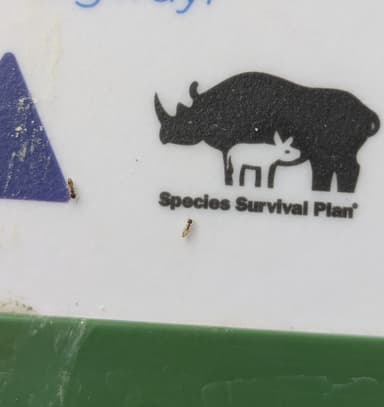
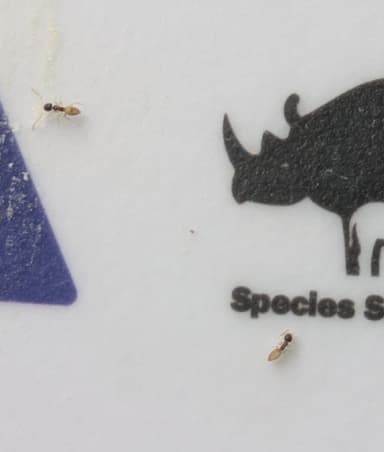
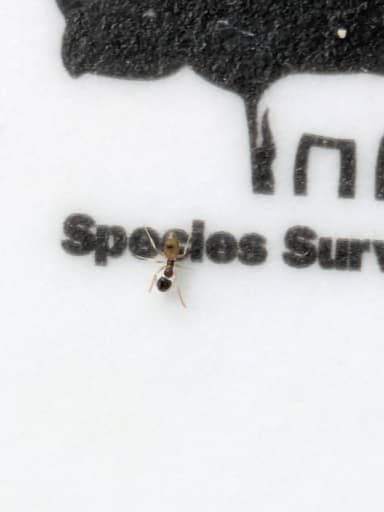
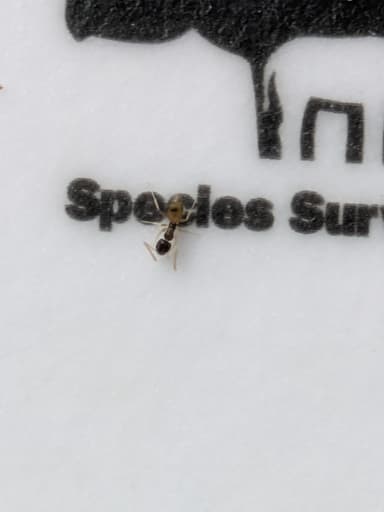
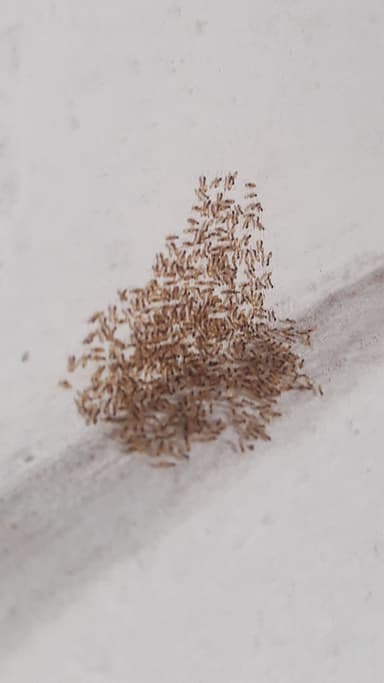
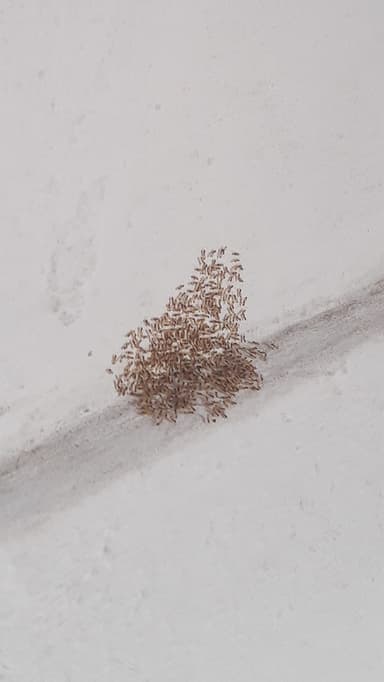
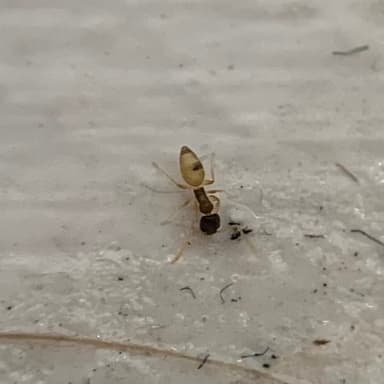
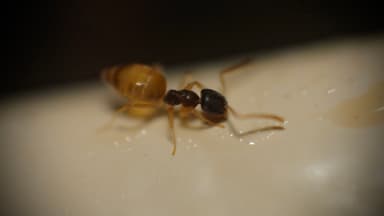
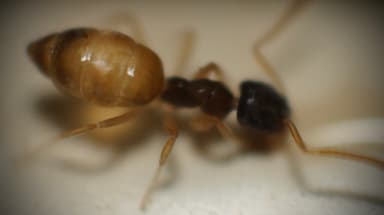
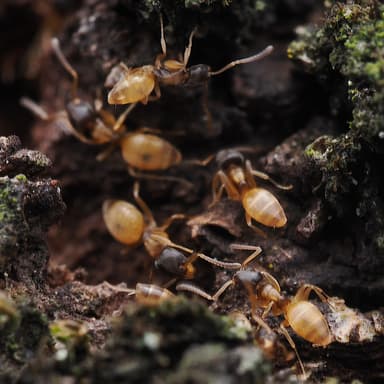
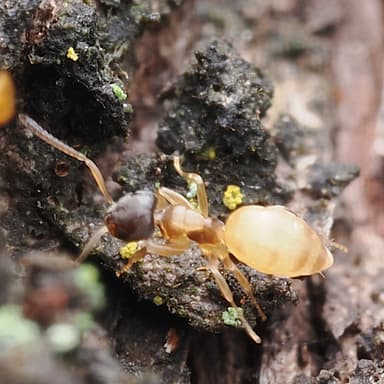
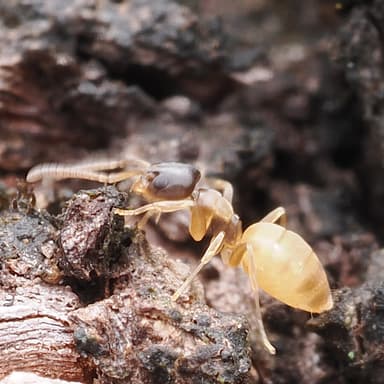
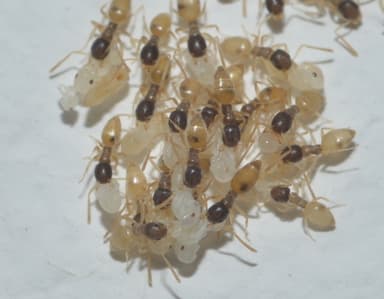
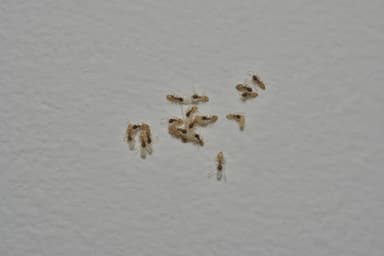
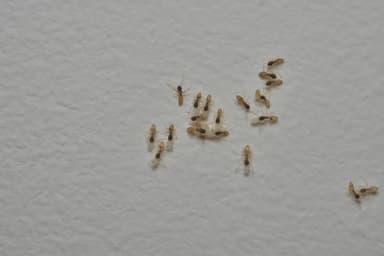
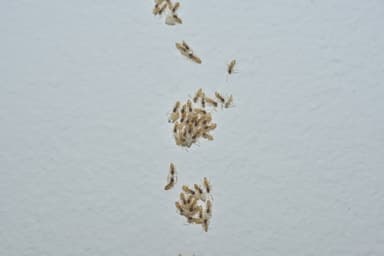
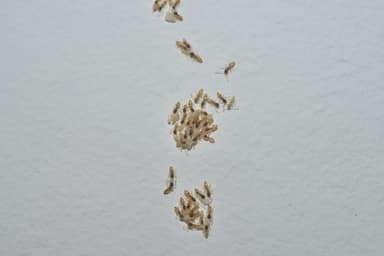
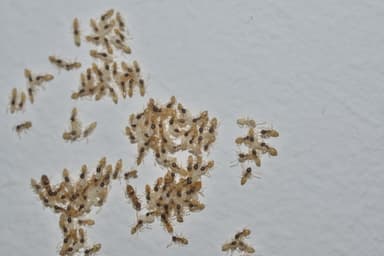
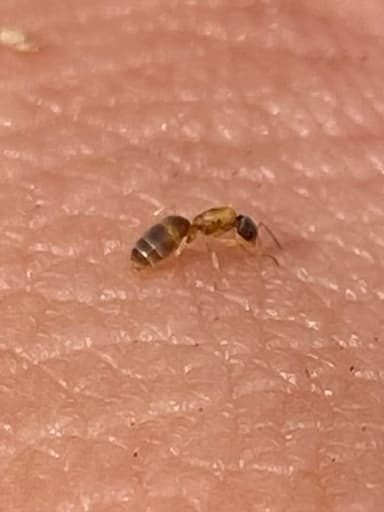
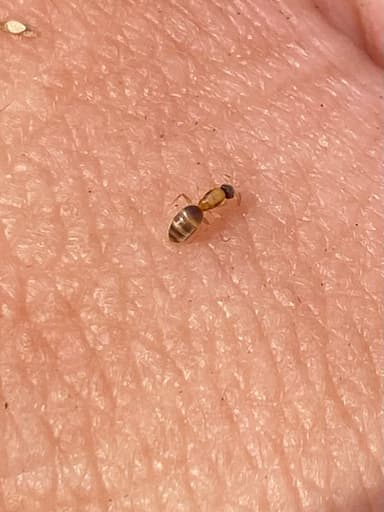
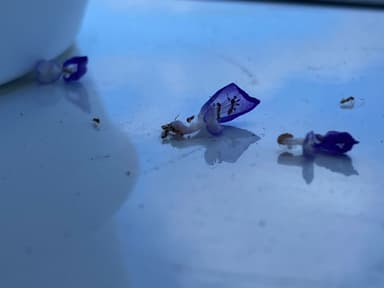
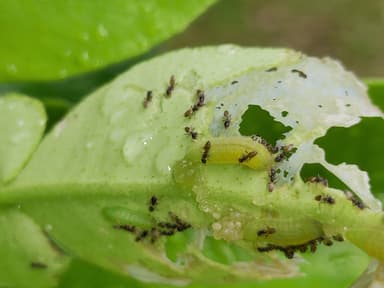
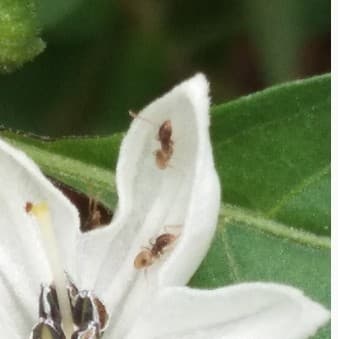
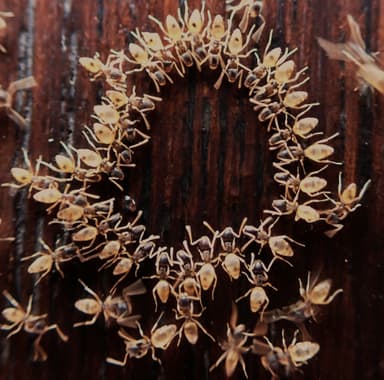
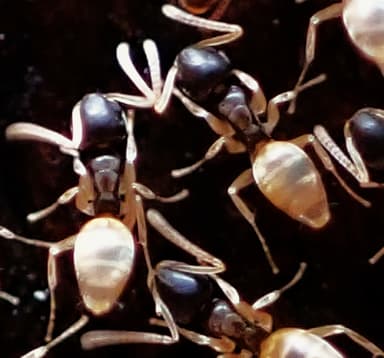
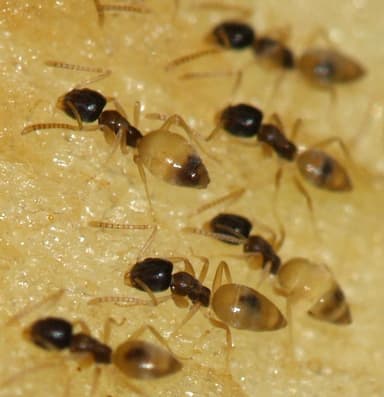
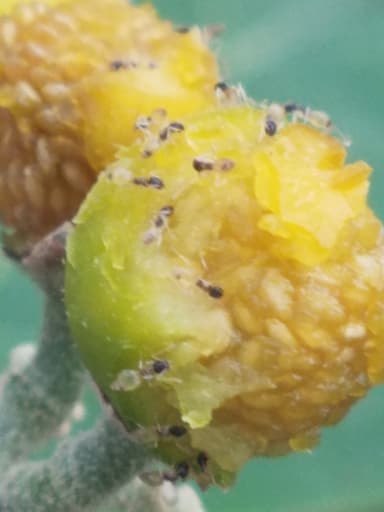
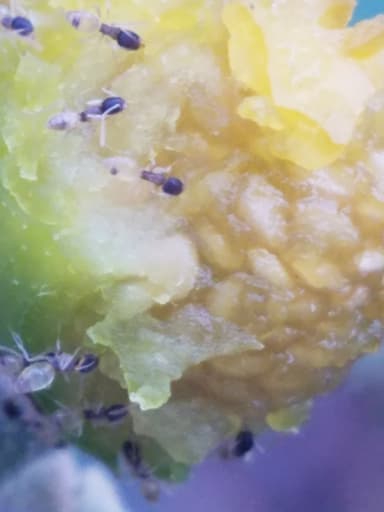
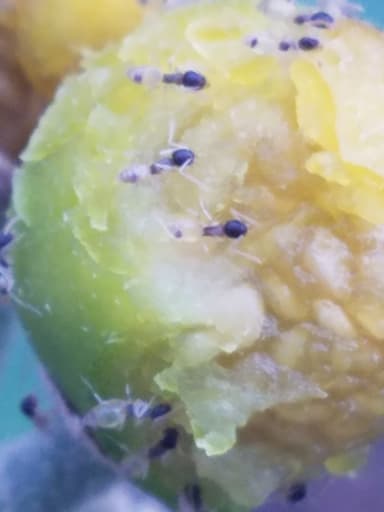
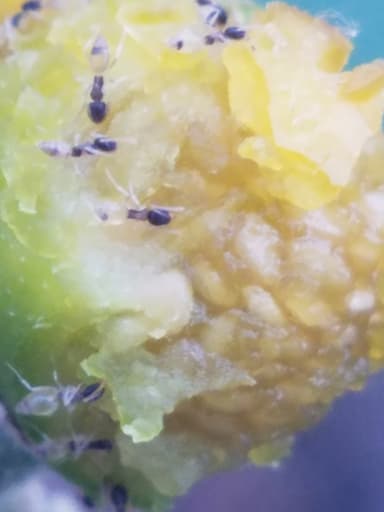
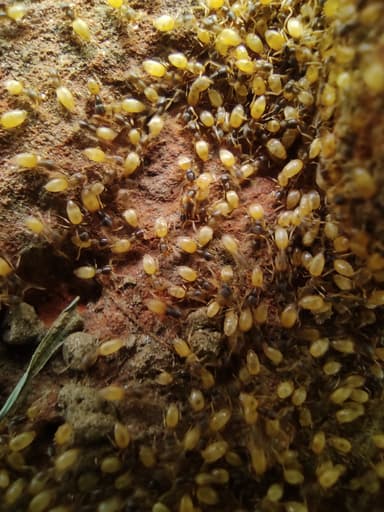
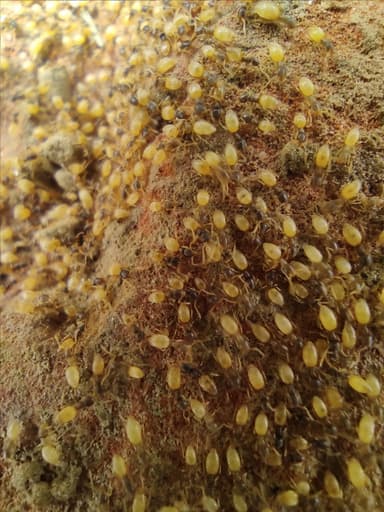
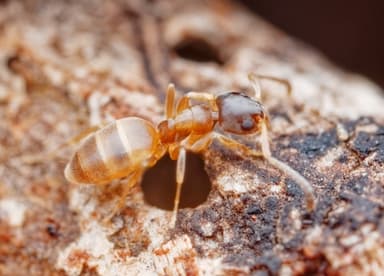
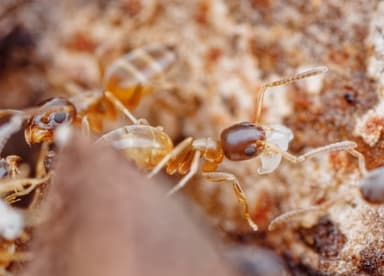
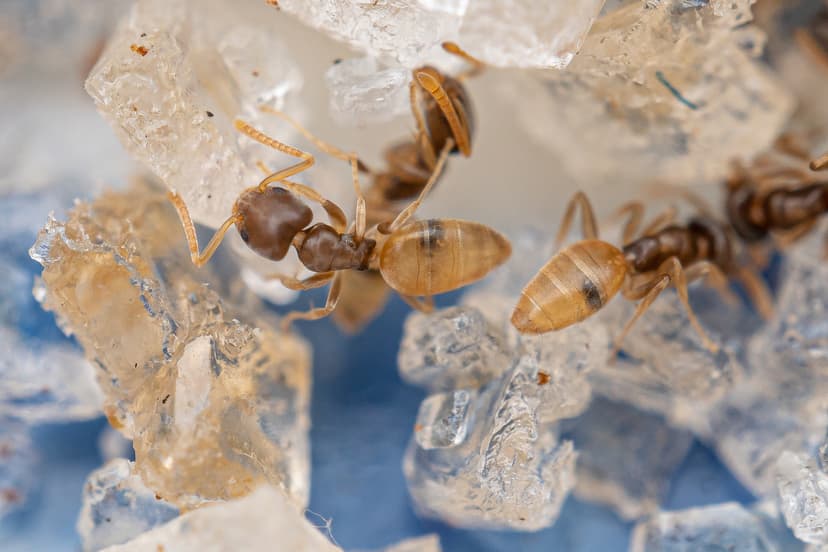
Tapinoma melanocephalum, commonly known as the ghost ant, is a delightfully fast-growing and easy-to-keep species that is perfect for beginners looking to experience a bustling, active colony right from the start. Its common name comes from the pale, translucent legs and gaster of the workers, which contrast with a dark head and thorax — giving the ants a ghostly appearance as they scurry across the foraging arena. These ants are small, with queens measuring just one and a half to two millimetres and workers ranging from one to one and a half millimetres. Despite their tiny stature, ghost ants form large, thriving colonies that can quickly reach several thousand individuals in optimal conditions.
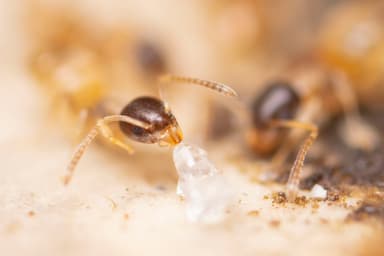
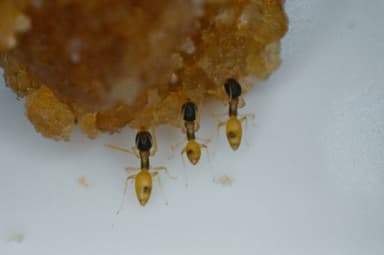
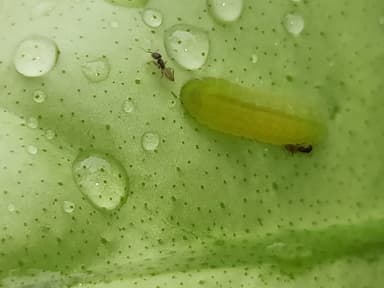
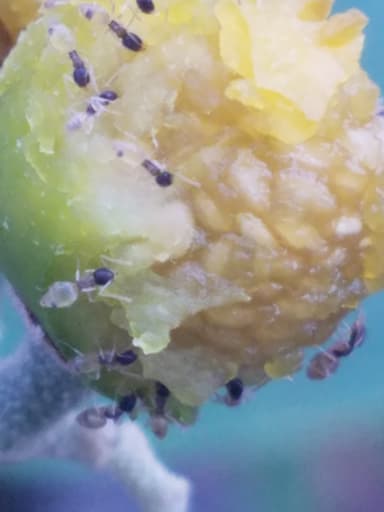
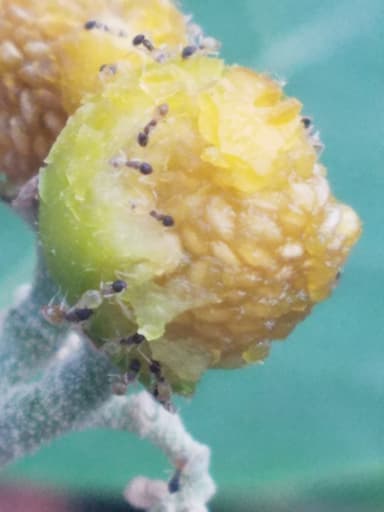
One of the most remarkable traits of Tapinoma melanocephalum is its fondness for sugary foods. These ants are avid drinkers of sugar water and honeydew, and they will eagerly collect droplets from feeders or from tending aphids. In addition to sugars, they require a steady supply of small insects for protein — flightless fruit flies, micro crickets, or small mealworm pieces work wonderfully. Unlike many temperate ants, ghost ants do not require any hibernation period, making them ideal for year-round keeping without the need for cooling or seasonal adjustments. They thrive at temperatures between twenty-four and twenty-eight degrees Celsius, and humidity in the nest should be kept high, around sixty to eighty percent. This moisture is essential for brood development, so a water source or a regularly moistened nesting area should always be provided.
Care difficulty
Keeping Tapinoma melanocephalum is very straightforward, especially for those new to ant keeping. Their claustral founding — the queen seals herself in a small chamber and raises her first workers without needing food — means that starting a colony is simple and low-maintenance. Once the first workers arrive, the colony grows quickly, and their small size means they can be housed in compact formicaria. The main challenge with ghost ants is their incredible speed and ability to exploit the tiniest of gaps. They are notorious escape artists, so ensuring a tight seal on outworlds and tubing is essential. Regular feeding and humidity maintenance are the only daily tasks, making this a truly beginner-friendly species.
Housing
A formicarium for Tapinoma melanocephalum should prioritize high humidity and many small chambers. Acrylic or plaster nests with fine-grain substrate work well, as they retain moisture. Because the workers are so tiny, nesting tunnels can be narrow, which allows the colony to feel secure. An outworld with a lid that seals completely is a must, and any connection tubes should be fitted with cotton or foam plugs to prevent escapes. Providing a water source — such as a test tube with a cotton plug — inside the nest helps maintain humidity. As the colony expands, additional nest modules can be connected. These ants appreciate warmth, so a gentle heat mat on one side of the nest (set to around twenty-five degrees Celsius) will encourage brood production and foraging activity.
First days after purchase
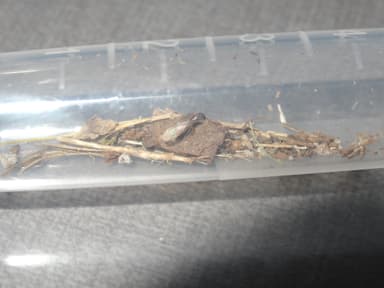
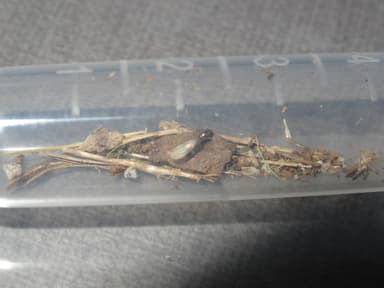
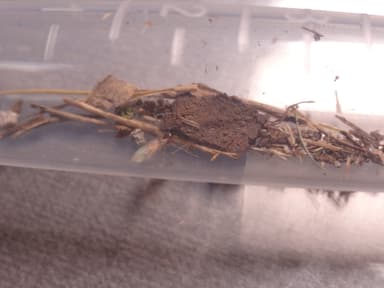
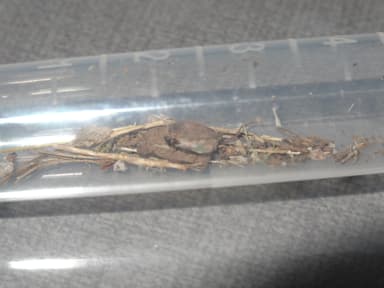
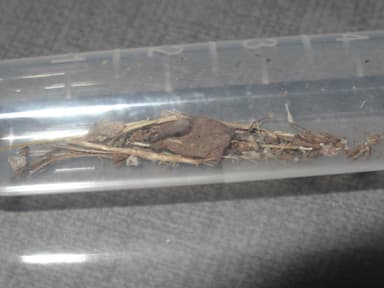
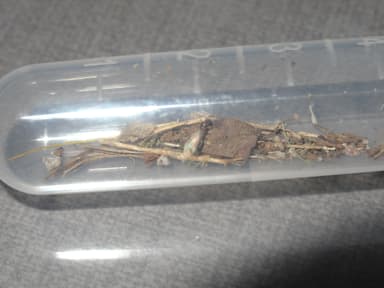
When your Tapinoma melanocephalum colony arrives, place the test tube or transport container directly into a quiet, dimly lit area. Do not disturb them for at least twenty-four hours. If the colony is still in a test tube, you can set that tube into a larger outworld, allowing the ants to explore at their own pace. Provide a drop of sugar water and a small insect on a clean surface in the outworld, but avoid overfeeding at first. Monitor the humidity inside the test tube; if it dries out, carefully move the ants into a new, moistened tube using a gentle tapping method or by connecting the old tube to a new one. Over the following days, you will see the ants begin to forage and bring food back to the queen. This is also the time to check that all connections are escape-proof — once the colony grows, its tiny workers can squeeze through any gap. With a little patience and care, you will soon enjoy watching this energetic species fill their nest with vibrant activity.