Messor
Messor wasmanni
Care Guide
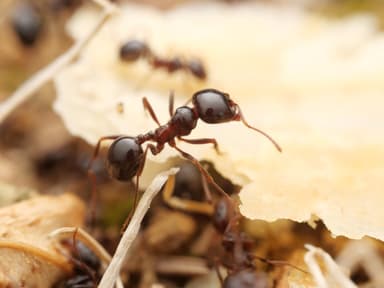
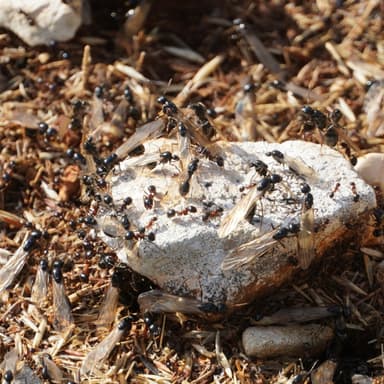
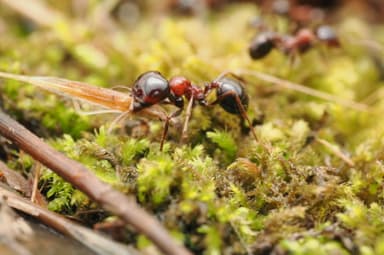
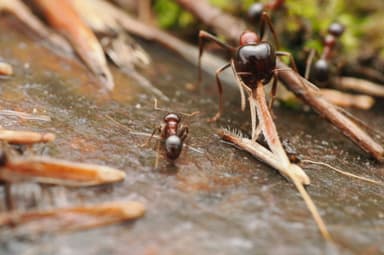
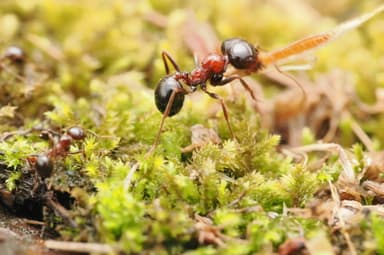
Messor wasmanni, often called the “harvester ant of the Mediterranean,” is a charming seed‑collecting species that displays a subtle but noticeable polymorphism. The queen, measuring 10–12 mm, is the largest individual in the colony and serves as the sole reproductive. Workers range from 3 mm minors to robust 8 mm majors, whose slightly enlarged heads are adapted for cracking and milling hard seeds. Though not as dramatically polymorphic as some relatives, the size variation is clearly visible and adds to the colony’s visual appeal. Colonies typically grow to between 200 and 3,000 workers, offering a manageable size for an intermediate keeper.
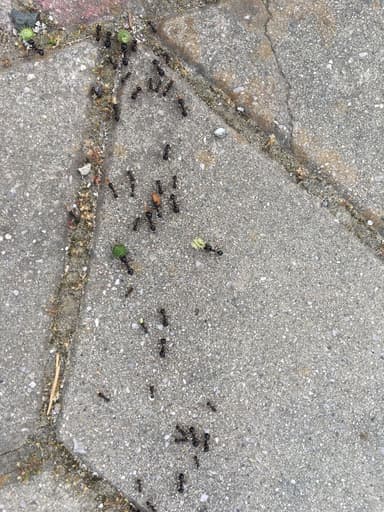
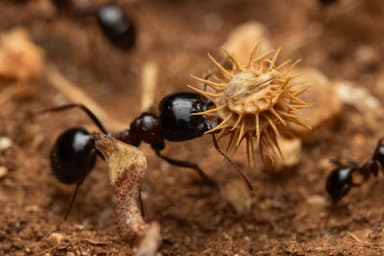
Like other harvester ants, Messor wasmanni relies heavily on seeds as its primary food source. Foragers tirelessly collect a variety of seeds – from grass seeds to small grains – and bring them back to the nest, where they are stored in dedicated chambers or processed into a nutritious “ant bread.” This seed‑based diet is supplemented with insect prey, such as crickets or mealworms, which provide essential protein for brood development. Offering a mix of seeds and occasional protein is key to maintaining a healthy, growing colony. Their foraging activity is a delight to watch, as workers form neat trails and efficiently transport seeds many times their own size.
Care difficulty
Keeping Messor wasmanni is best suited for intermediate ant keepers. While their seed‑based diet simplifies feeding, these ants have specific environmental requirements that demand attention. They are sensitive to vibrations and disturbances, especially during the early stages of colony establishment. The main challenge lies in balancing the humidity and temperature ranges – they prefer a dry nest (30–50% humidity) with a warm foraging area (20–28°C). Additionally, they require a true winter diapause at around 10°C for several months, which is essential for long‑term health and continued growth. Without this hibernation period, queens may stop laying eggs and colonies can decline.
Housing
A formicarium for Messor wasmanni should provide a dry, well‑ventilated nesting area with a separate foraging arena. The nest itself should be kept quite dry – only the water source in the arena should provide moisture. Over‑humidification can lead to mold and stress. Because these ants store large quantities of seeds, ensure the foraging space has enough room for a seed depot. The most important housing rule is tranquility: place the setup in a quiet, low‑vibration spot and avoid sudden movements or bright lights directed at the nest. A dark cover over the nesting area helps the ants feel secure, especially during colony founding.
First days after purchase
Upon receiving your Messor wasmanni colony, transfer them carefully into their prepared formicarium and place it in a calm, dimly lit location. Allow the ants at least 48 hours to acclimatize without disturbance. Provide a small water source (e.g., a test tube with a cotton plug) and a pinch of mixed seeds. Avoid offering insects until the ants are actively foraging and have settled into their new home. Observe them from a distance – you may see workers exploring and tidying their new chambers. Keep vibrations to an absolute minimum, as these ants are easily startled. Once they begin carrying seeds into the nest and forming a refuse pile, you can gradually increase feeding and enjoy watching your colony thrive.