Messor
Messor minor
Care Guide
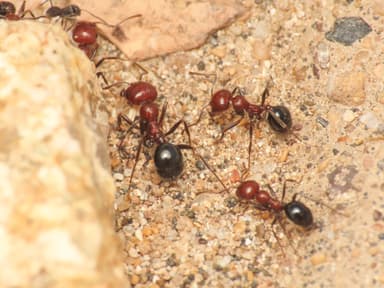
Messor minor is a charming and moderately sized seed-harvesting ant that offers intermediate keepers a rewarding glimpse into the complex world of granivorous ants. Colonies are typically claustral, meaning the queen seals herself in a founding chamber and raises her first brood using only her own energy reserves. Once established, colonies can grow to a few thousand workers, providing a satisfying but manageable population. The queen measures 9–11 mm, while workers range from 3–7 mm and display subtle polymorphism — smaller minors handle interior tasks and foraging, while somewhat larger workers take on seed-milling and defense. This size variation adds visual interest without the extreme majors seen in some Messor species.
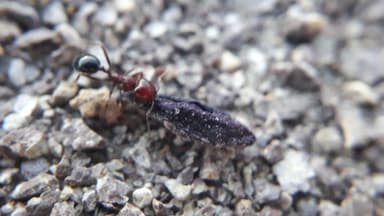
The defining feature of Messor minor is their seed-based diet. These ants are expert foragers, carrying seeds back to the nest where they are stored in dedicated chambers or processed into "ant bread" — a nutritious mash that feeds the entire colony. Seeds should form the cornerstone of their diet, with a high-quality mix of poppy, millet, and other small seeds preferred. Supplementing with protein is important for brood development; offering small insects such as fruit flies, mealworms, or crickets supports larval growth. Honeydew or a sugar water solution can also be provided occasionally, though it is not essential. This balanced menu is easy to maintain but requires careful monitoring to prevent mold in seed stores.
Care difficulty
Keeping Messor minor is rated as intermediate. While their diet is simple, these ants have specific environmental needs that demand attention. They are more sensitive to humidity and temperature fluctuations than beginner-friendly species, and their requirement for a winter hibernation period adds an extra layer of planning. Hobbyists should be comfortable adjusting conditions seasonally and ensuring a quiet, stable environment.
Housing
A formicarium for Messor minor must offer ample dry space for seed storage alongside a humidified nest area. Use a substrate that holds moisture well, such as plaster or clay, and regularly moisten the nesting zone to maintain 40–60% humidity. The outworld should be kept drier to prevent fungal growth on seeds. Temperature should stay between 20–28°C during active months; a heat cable or mat on one side allows the colony to thermoregulate. Crucially, these ants are sensitive to vibrations and bright light, especially during founding and early growth. Place the setup in a quiet, dim corner and avoid unnecessary disturbance. Hibernation at around 10°C for two to three months is essential for brood development and colony health.
First days after purchase
Upon receiving your Messor minor colony, transfer them gently to their new formicarium and position it in a calm, low-light location. Allow at least 48 hours of minimal disturbance for acclimation. Check that water is available — a test tube connected to the nest or a small water dispenser works well — and offer a small pinch of seeds near the entrance. Observe the workers from a distance to confirm they are exploring and collecting food. Resist the urge to open the setup or tap the glass; patience is key. Within a few days, the colony should settle, and you can gradually introduce supplemental insects. With proper care, your Messor minor will thrive, transforming seeds into a bustling little world of granary, nursery, and milling hall.