Dorylus
Dorylus nigricans
Care Guide
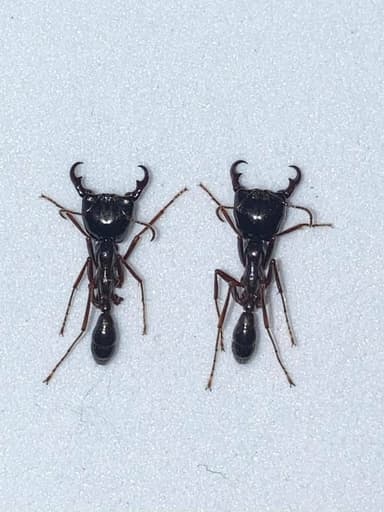
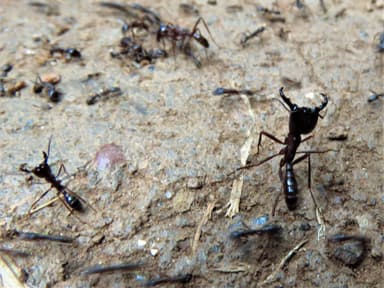
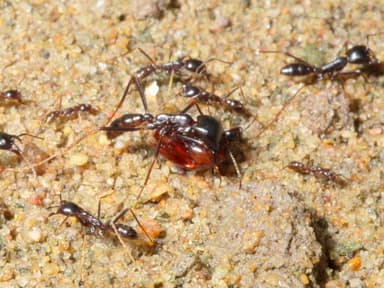
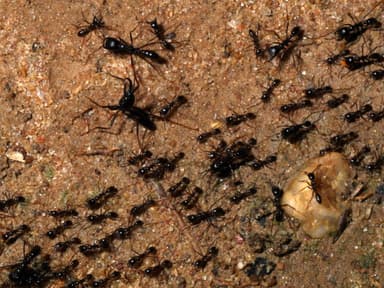
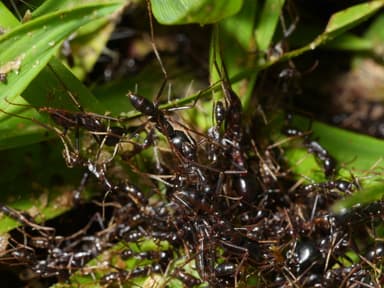
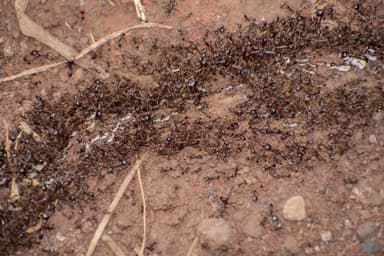
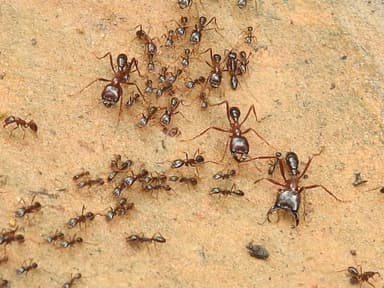
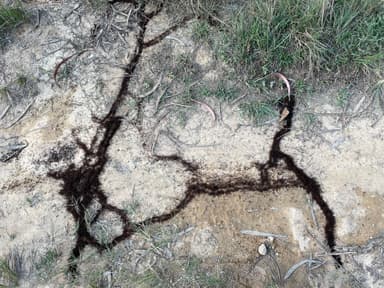
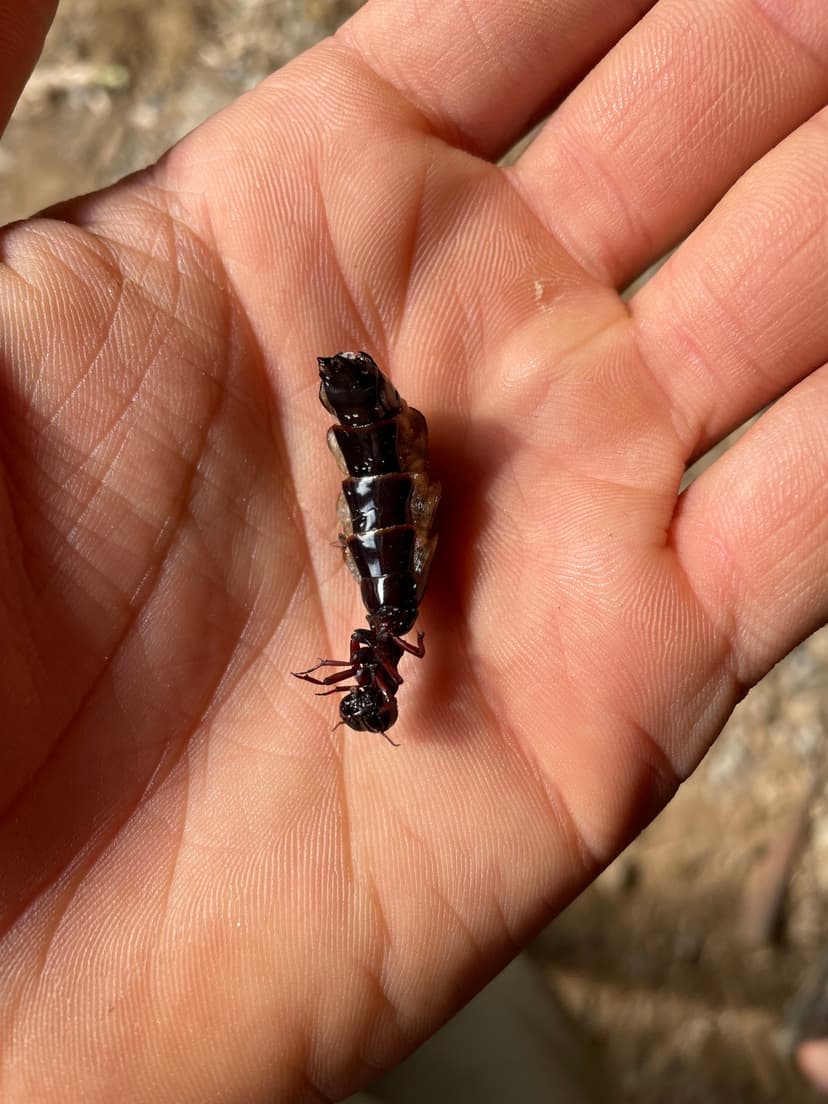
Dorylus nigricans, commonly known as the African driver ant, is a species that demands respect and careful preparation from even the most experienced keepers. These ants display extreme polymorphism, with a single colony containing workers ranging from tiny minors of just 2 mm to massive soldiers reaching 13 mm, alongside a queen who is among the largest in the ant world at 30 to 50 mm. Colonies are enormous, typically numbering between 100,000 and 10 million individuals, and their lifestyle is truly nomadic. Unlike most ants, Dorylus nigricans does not build permanent nests; instead, they form temporary bivouacs using their own linked bodies, constantly moving as they hunt. Their diet consists almost exclusively of insect prey, and they are legendary for their coordinated swarm raids that can overwhelm and dismember large invertebrates.
Care difficulty
Keeping Dorylus nigricans is not for the faint of heart and is firmly classified as expert level. The sheer scale of their colony, combined with their aggressive nature and constant need for movement, makes them one of the most challenging species to maintain in captivity. They require a steady and abundant supply of live insects — crickets, roaches, and mealworms — and any lapses in feeding can trigger escape attempts or colony decline. The founding phase is claustral, meaning the queen can raise her first workers without feeding, but the tiny incipient colony remains extremely fragile. Only experienced keepers with a deep understanding of humidity, temperature, and escape-proofing should attempt this species.
Housing
A formicarium for Dorylus nigricans must be large, secure, and adaptable. Given their nomadic tendencies, a modular setup with multiple chambers connected by tubing works best, allowing the colony to “move” between sections as they would in nature. Temperature should be maintained between 24 and 30°C, while humidity must stay exceptionally high at 80 to 95 percent — the nest area should be kept moist but not waterlogged. A thick substrate layer of soft, moisture-retentive soil or clay is essential, as they dig temporary tunnels. Escape prevention is paramount: use fluon or mineral oil barriers on all walls and lids, and ensure all connections are airtight. The outworld should be spacious and stocked with hiding spots, as these ants are light-sensitive and prefer dim conditions. Regular cleaning of the outworld is needed to remove prey remains, as they are messy eaters.
First days after purchase
Upon receiving your Dorylus nigricans colony, place the container in a dark, quiet, and warm location immediately. Do not open the container for at least 24 to 48 hours — let the ants settle and reduce stress. After this acclimation period, check that humidity is adequate and introduce a few small live insects (e.g., a single cricket leg or a small mealworm) near the nest entrance, without disturbing the queen. Avoid bright lights; use red light or observe only during feeding. Over the first week, monitor for signs of bivouacking behaviour and ensure the nest remains consistently humid. Any disturbance can trigger a panic raid, so handle with extreme care. Patience and vigilance are your greatest allies when keeping these formidable ants.