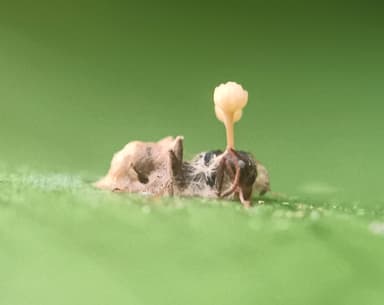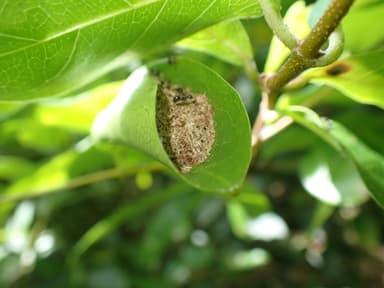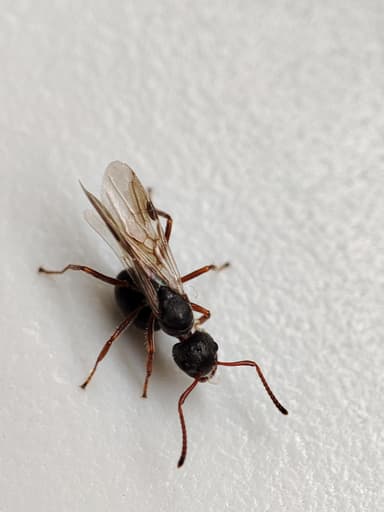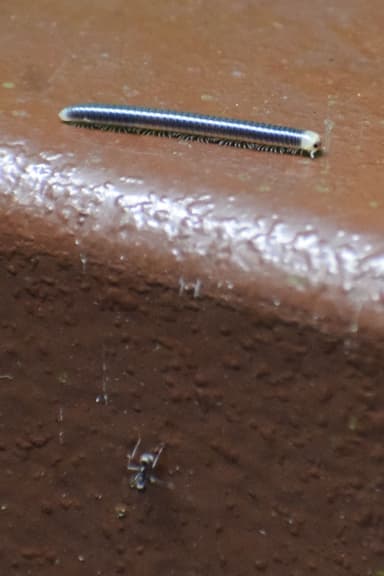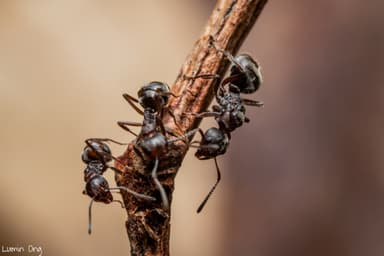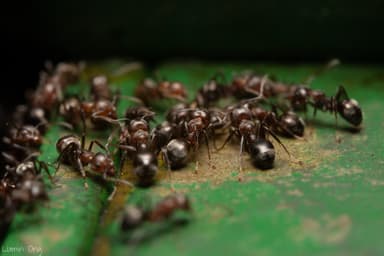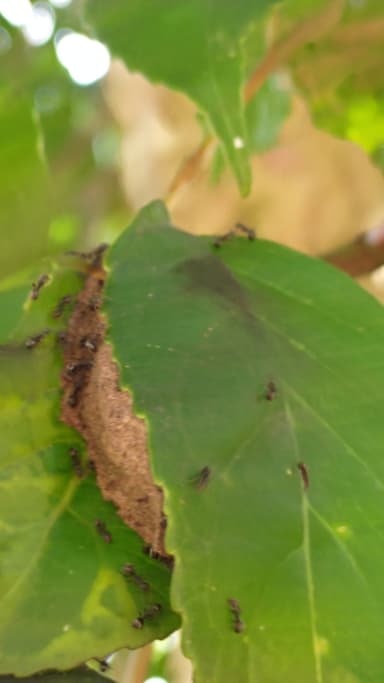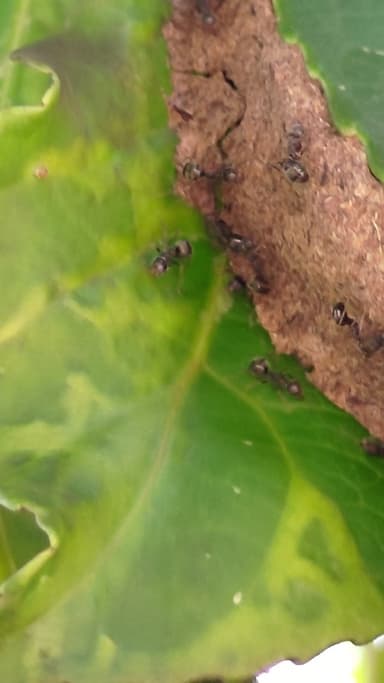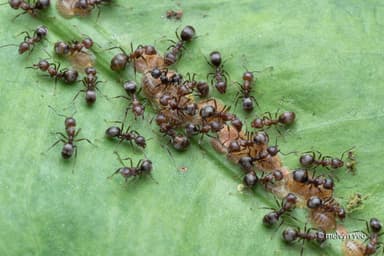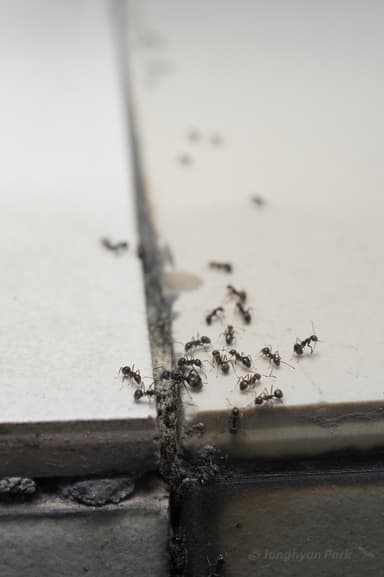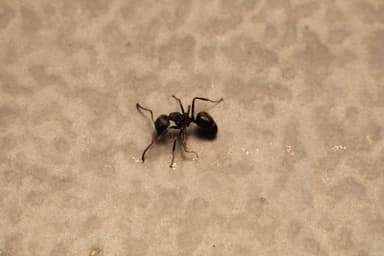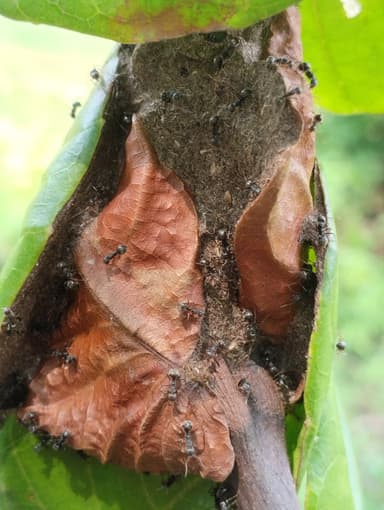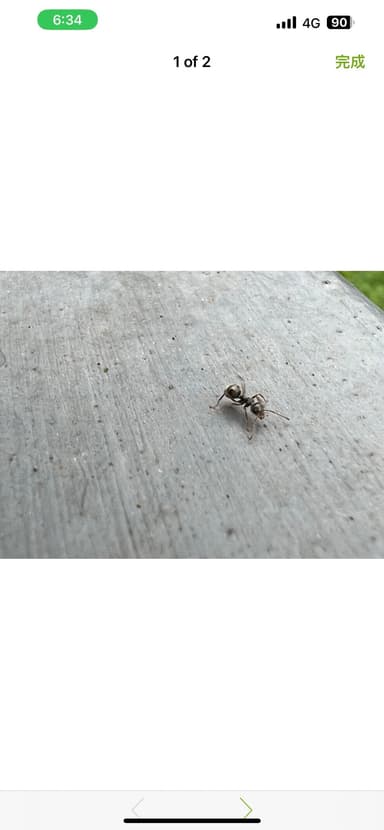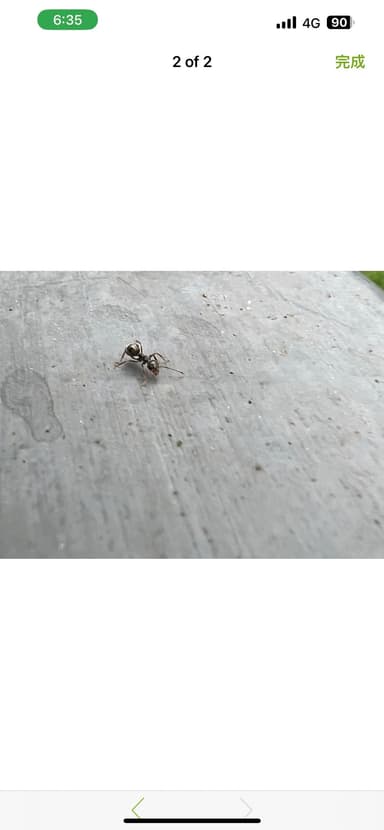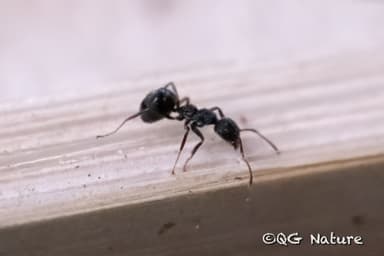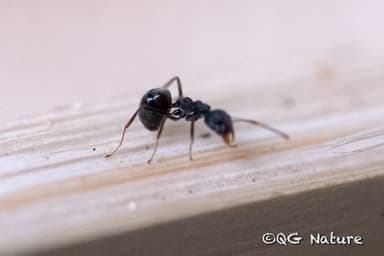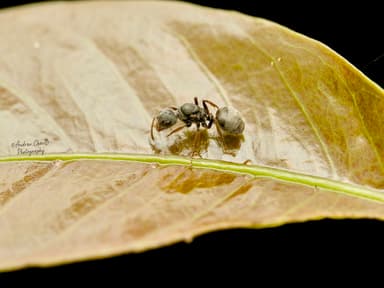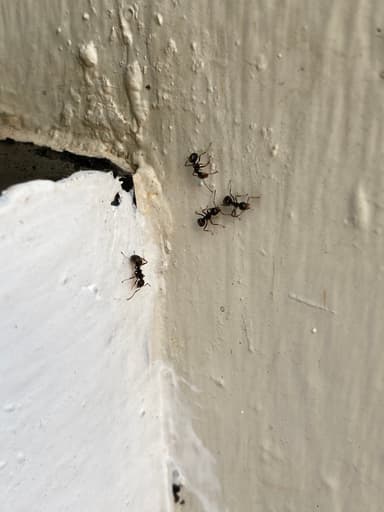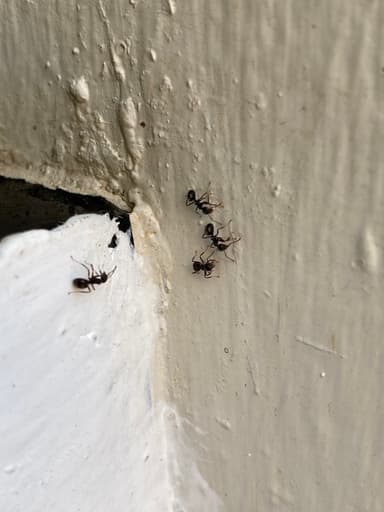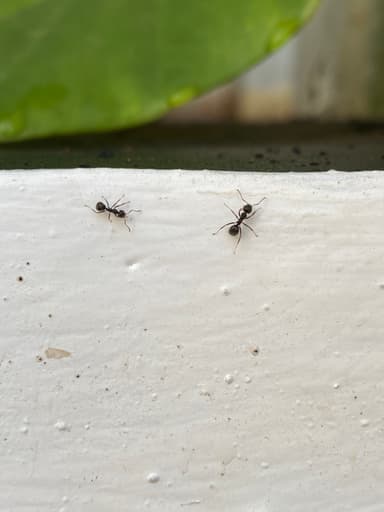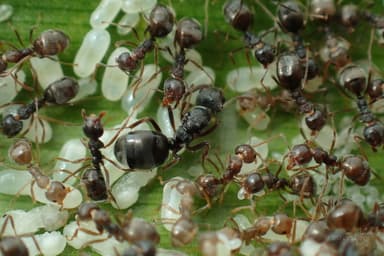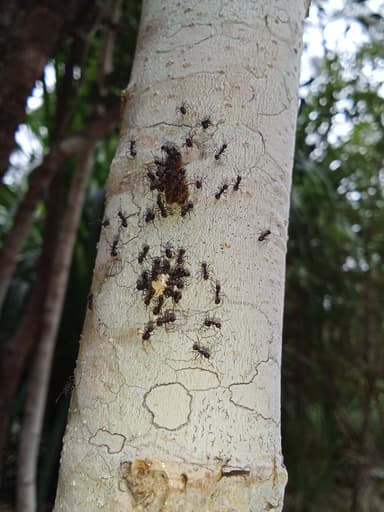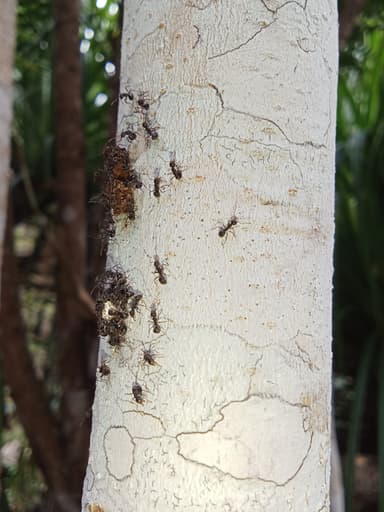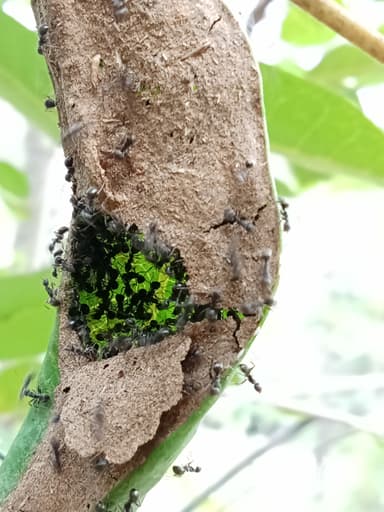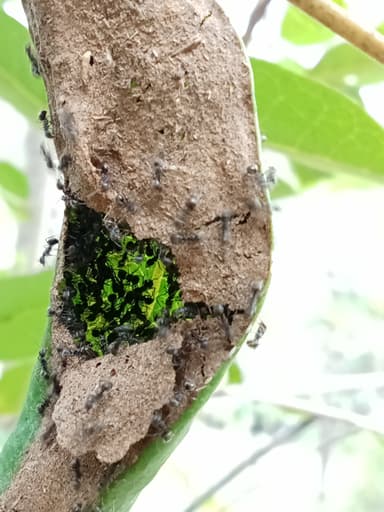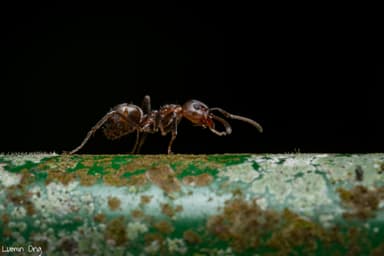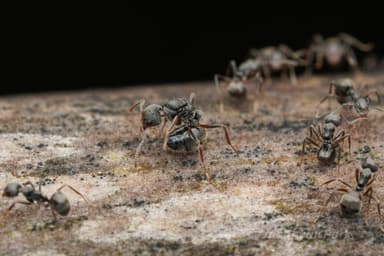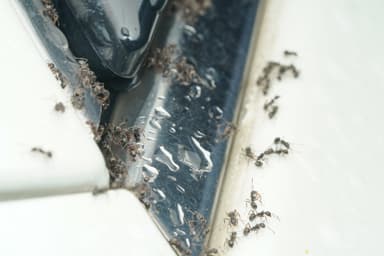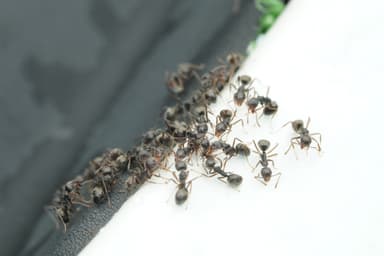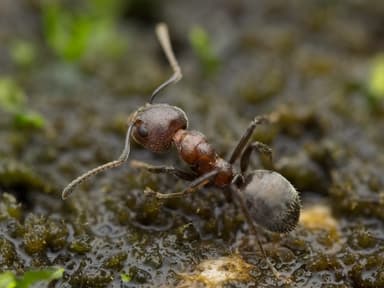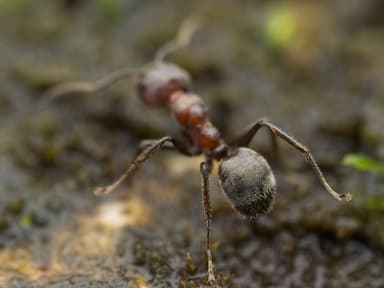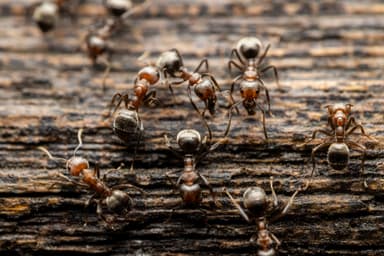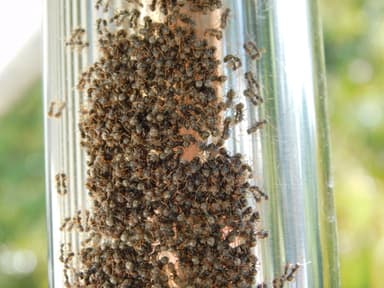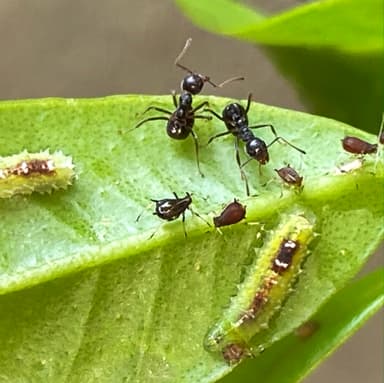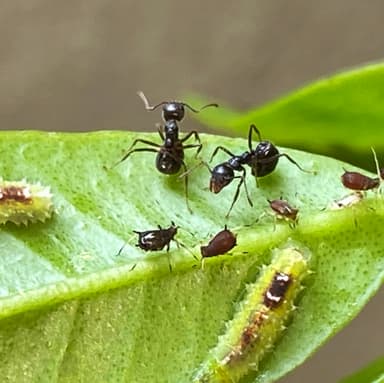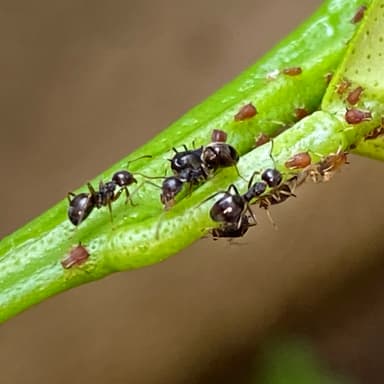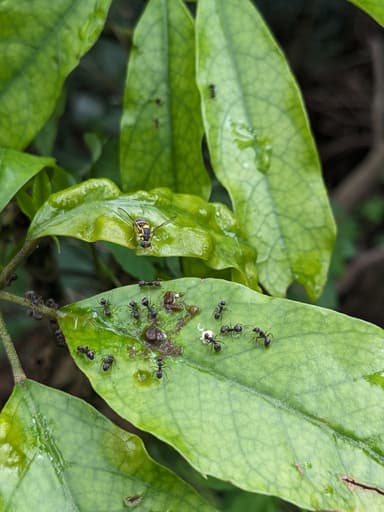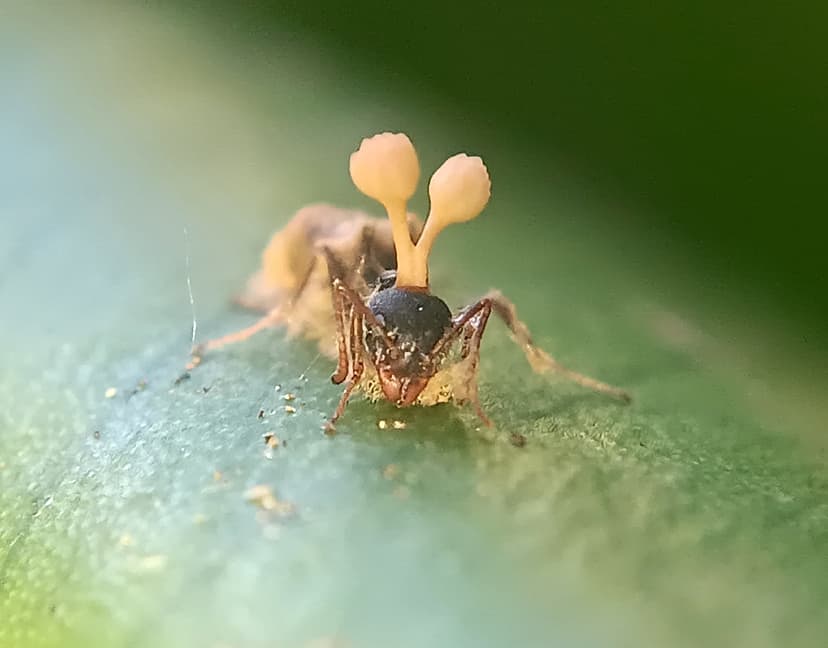
Dolichoderus thoracicus photo 1

Dolichoderus

Dolichoderus thoracicus

BeginnerclaustralNo hibernation
NEST TEMPERATURE
24–28°C
NEST HUMIDITY
60–80%
Max colony size
10 000
Queen size
7–9 mm
Worker size
2.5–4 mm
Hibernation
No hibernation

Care Guide

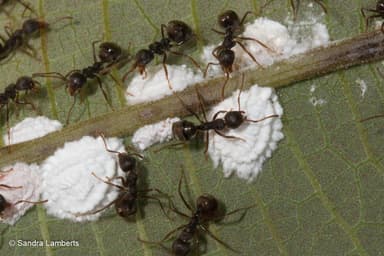
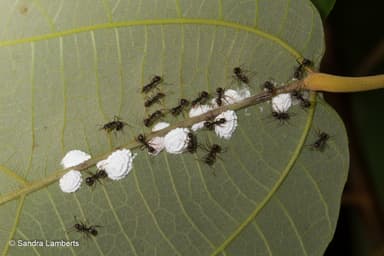
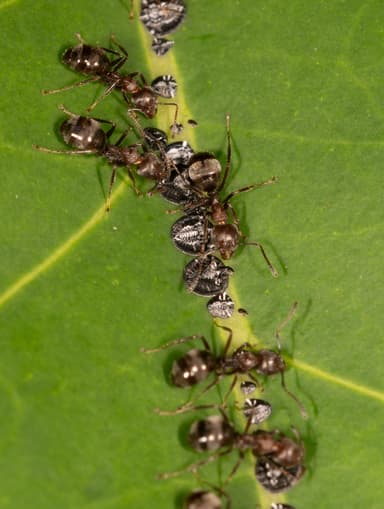
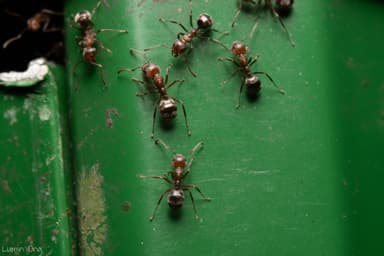
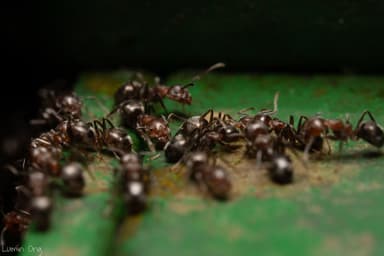
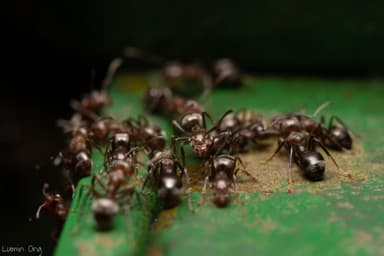
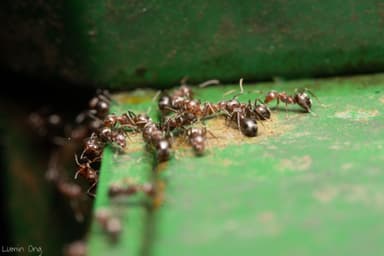
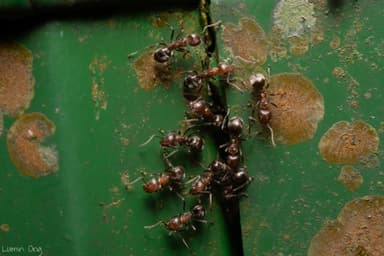
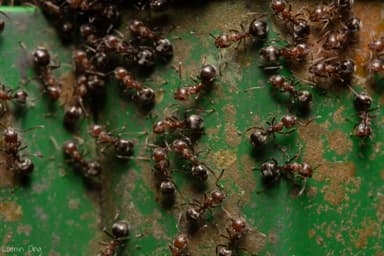
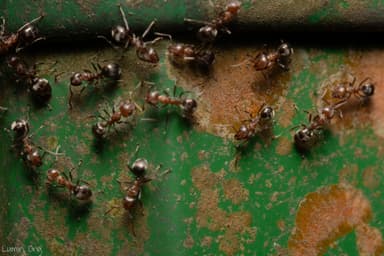
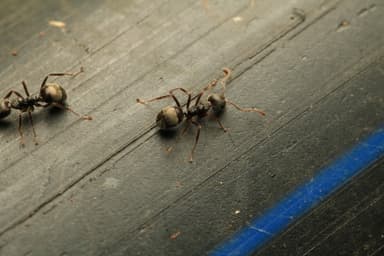
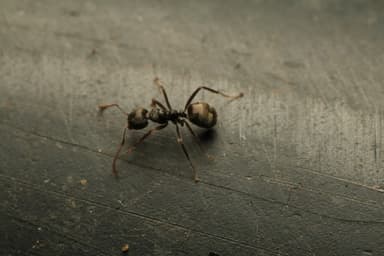
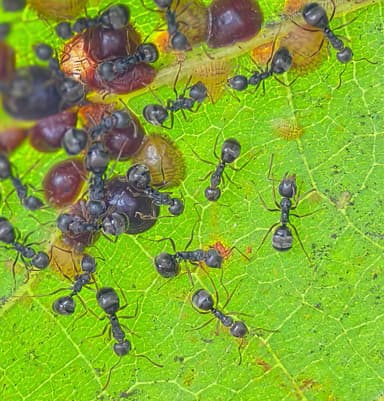
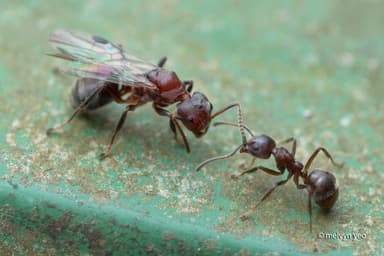
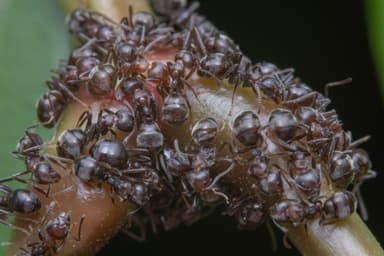
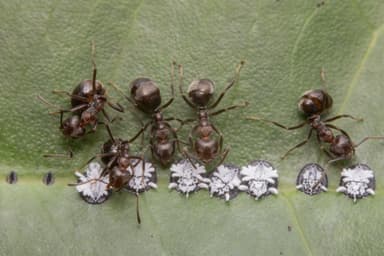
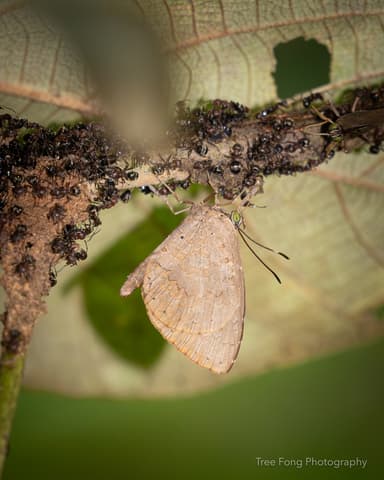
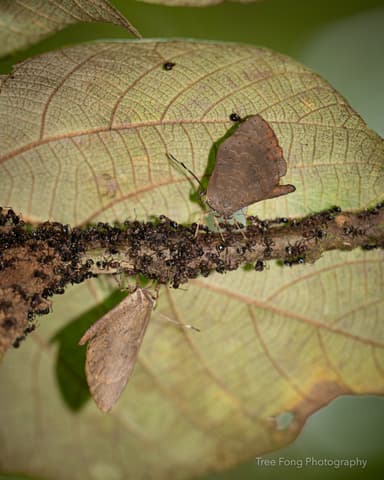
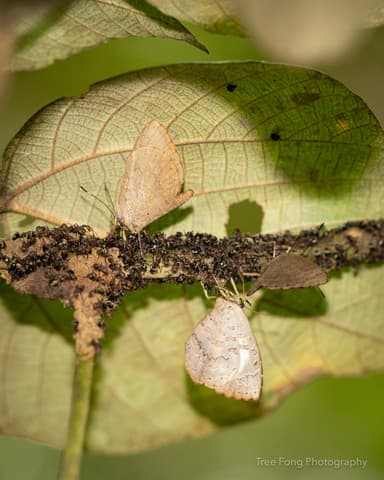
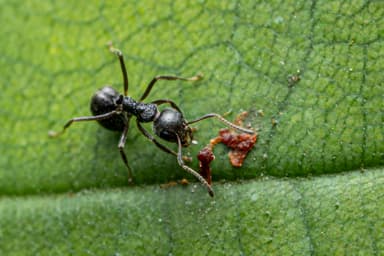
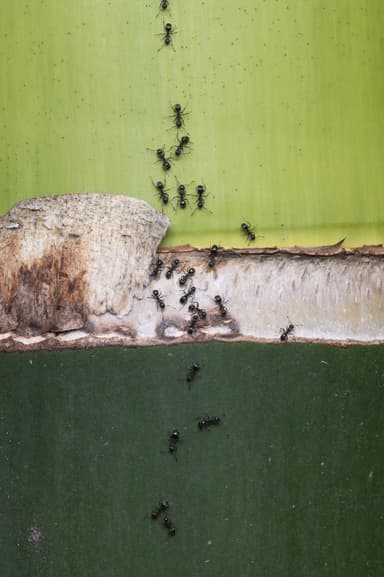
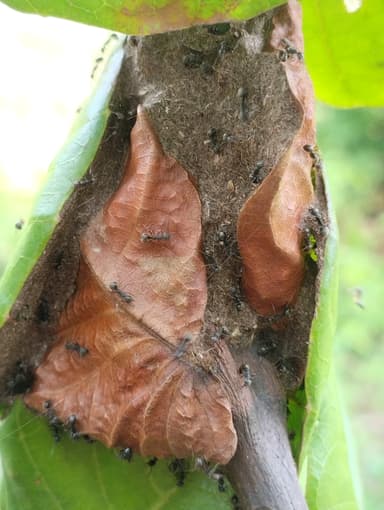
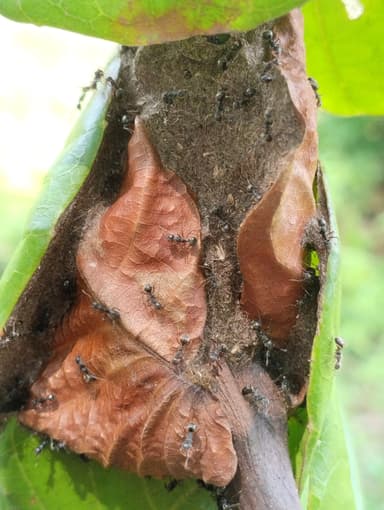
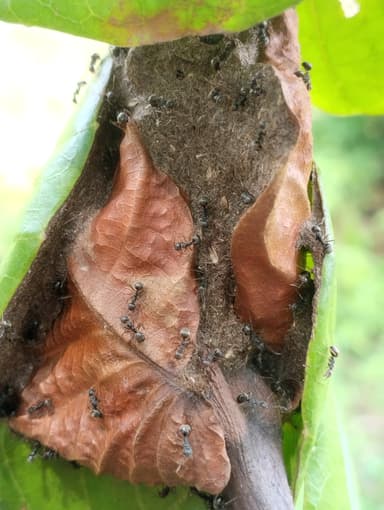
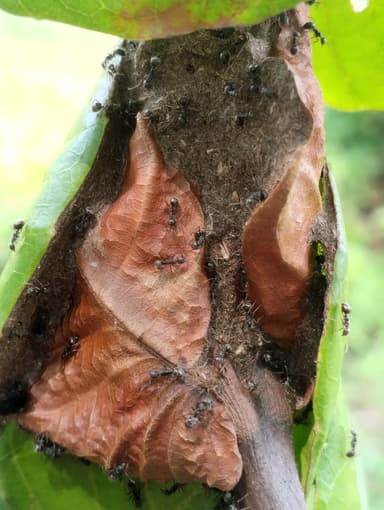
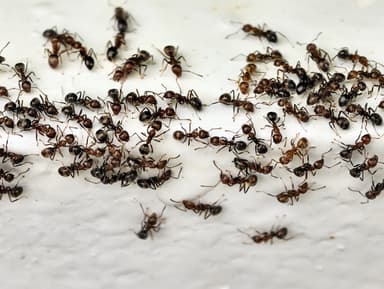
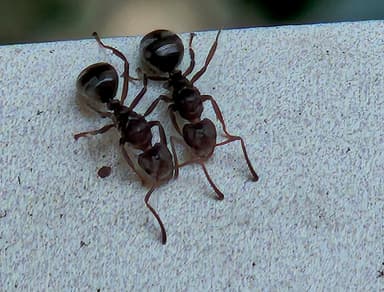
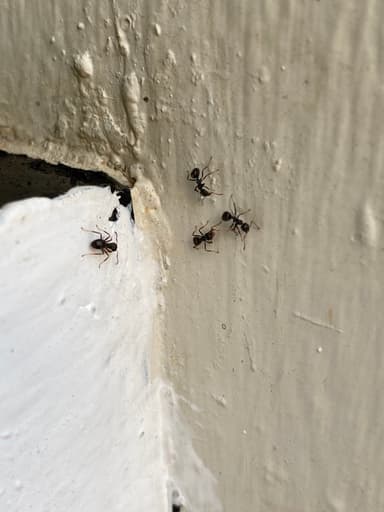
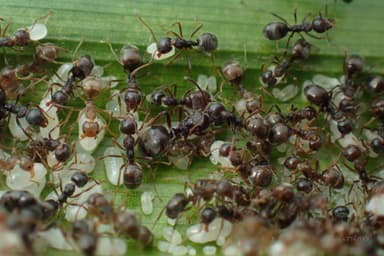
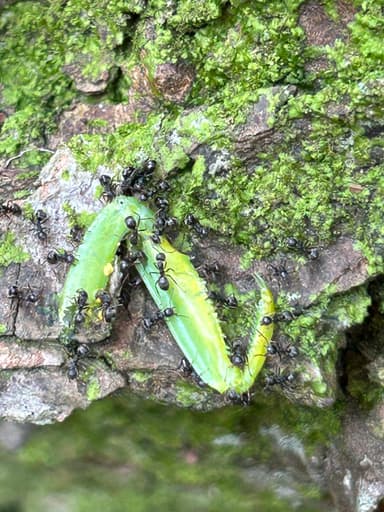
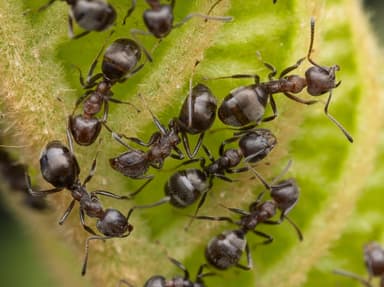
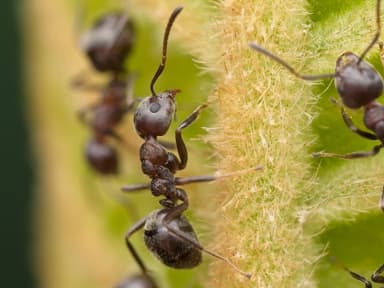
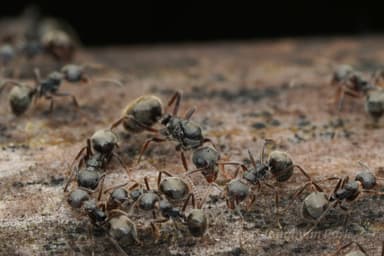
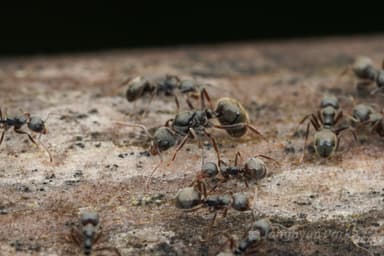
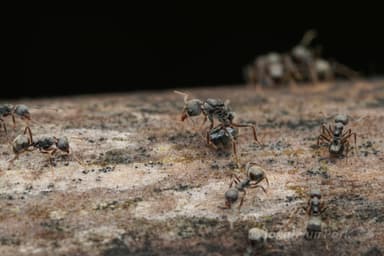
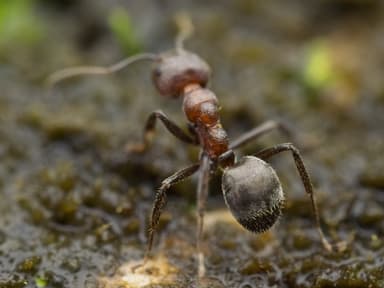
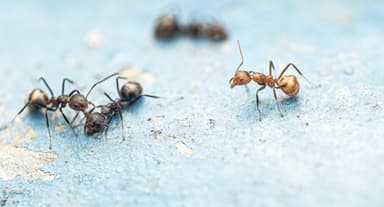
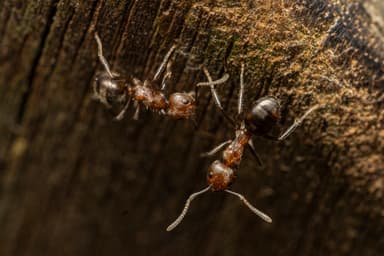
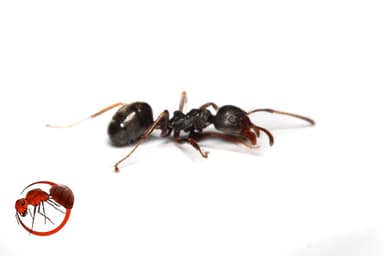
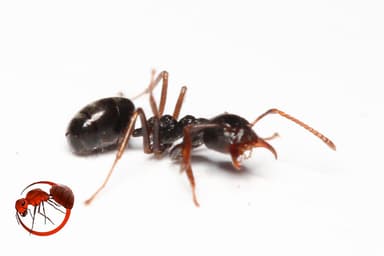
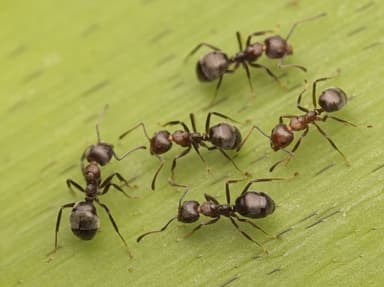
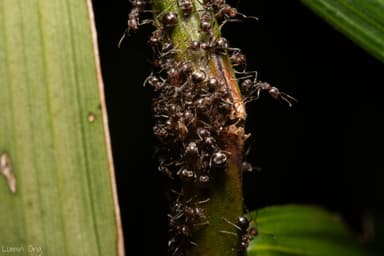
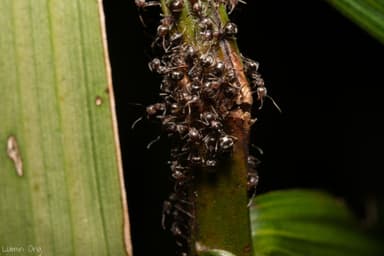
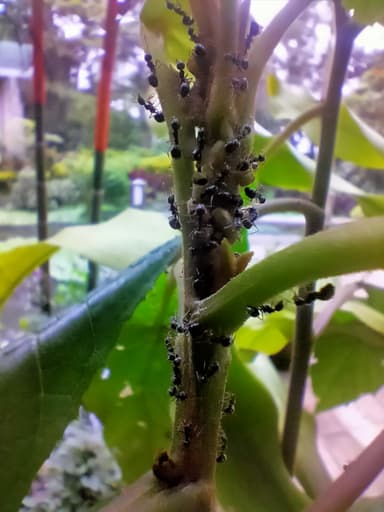
Dolichoderus thoracicus, commonly known as the black cocoa ant, is a wonderfully adaptable species that thrives in tropical and subtropical environments. These ants are medium-sized, with queens measuring 7–9 mm and workers ranging from 2.5 to 4 mm. One of the most charming traits of this species is the faint, sweet coconut-like scent they produce from their anal glands — a completely harmless but delightful feature that sets them apart from many other ants. Colonies can grow to between 2,000 and 10,000 workers, developing into energetic and highly organized societies. In the wild, they are famous for their mutualistic relationship with scale insects and aphids, tending them for honeydew, and in captivity they will eagerly accept sugar water as a substitute. Their natural foraging style is fast and confident, making them a joy to watch as they explore their surroundings.

Care difficulty

Keeping Dolichoderus thoracicus is an excellent choice for beginners. Their claustral founding method means a newly mated queen seals herself in a chamber and raises her first batch of workers entirely on her own fat reserves, requiring no feeding during this initial phase. Once the first workers arrive, the colony becomes very easy to maintain. They are not picky eaters: a diet of small insects such as fruit flies or mealworms, combined with regular offerings of sugar water, keeps them healthy and active. No hibernation is ever needed, so they can be kept active all year round at room temperature.

Housing

A typical formicarium with a nesting area and an outworld works well for this species. They appreciate warmth — aim for 24–28°C — and relatively high humidity between 60 and 80%. The nesting space should have a moisture gradient, with a moistened section for brood and a drier area for resting. Because these ants are fast and curious, ensure the outworld has a secure lid with good ventilation. They are not particularly sensitive to light disturbances once established, but like all ant colonies, they do best when placed in a quiet spot away from heavy vibrations.

First days after purchase

When your colony arrives, transfer it gently into the prepared formicarium. Place the setup in a calm, dimly lit location and let the ants settle undisturbed for at least 24 hours. Provide a drop of sugar water and a small piece of insect protein near the nest entrance. Observe from a distance — you may notice the ants immediately beginning to explore and organize their new home. Over the first week, gradually increase your interaction as the colony becomes comfortable. With their forgiving nature and entertaining activity, Dolichoderus thoracicus will quickly become a favorite in any ant collection.
Photos86

Dolichoderus thoracicus photo 1
Dolichoderus thoracicus photo 2
Dolichoderus thoracicus photo 3
Dolichoderus thoracicus photo 4
Dolichoderus thoracicus photo 5
Dolichoderus thoracicus photo 6
Dolichoderus thoracicus photo 7
Dolichoderus thoracicus photo 8
Dolichoderus thoracicus photo 9
Dolichoderus thoracicus photo 10
Dolichoderus thoracicus photo 11
Dolichoderus thoracicus photo 12
Dolichoderus thoracicus photo 13
Dolichoderus thoracicus photo 14
Dolichoderus thoracicus photo 15
Dolichoderus thoracicus photo 16
Dolichoderus thoracicus photo 17
Dolichoderus thoracicus photo 18
Dolichoderus thoracicus photo 19
Dolichoderus thoracicus photo 20
Dolichoderus thoracicus photo 21
Dolichoderus thoracicus photo 22
Dolichoderus thoracicus photo 23
Dolichoderus thoracicus photo 24
Dolichoderus thoracicus photo 25
Dolichoderus thoracicus photo 26
Dolichoderus thoracicus photo 27
Dolichoderus thoracicus photo 28
Dolichoderus thoracicus photo 29
Dolichoderus thoracicus photo 30
Dolichoderus thoracicus photo 31
Dolichoderus thoracicus photo 32
Dolichoderus thoracicus photo 33
Dolichoderus thoracicus photo 34
Dolichoderus thoracicus photo 35
Dolichoderus thoracicus photo 36
Dolichoderus thoracicus photo 37
Dolichoderus thoracicus — colony photo 38
Dolichoderus thoracicus — colony photo 39
Dolichoderus thoracicus — colony photo 40
Dolichoderus thoracicus — colony photo 41
Dolichoderus thoracicus — colony photo 42
Dolichoderus thoracicus photo 43
Dolichoderus thoracicus photo 44
Dolichoderus thoracicus photo 45
Dolichoderus thoracicus photo 46
Dolichoderus thoracicus photo 47
Dolichoderus thoracicus photo 48
Dolichoderus thoracicus photo 49
Dolichoderus thoracicus photo 50
Dolichoderus thoracicus photo 51
Dolichoderus thoracicus photo 52
Dolichoderus thoracicus photo 53
Dolichoderus thoracicus photo 54
Dolichoderus thoracicus photo 55
Dolichoderus thoracicus photo 56
Dolichoderus thoracicus photo 57
Dolichoderus thoracicus photo 58
Dolichoderus thoracicus photo 59
Dolichoderus thoracicus photo 60
Dolichoderus thoracicus photo 61
Dolichoderus thoracicus photo 62
Dolichoderus thoracicus photo 63
Dolichoderus thoracicus photo 64
Dolichoderus thoracicus photo 65
Dolichoderus thoracicus photo 66
Dolichoderus thoracicus photo 67
Dolichoderus thoracicus photo 68
Dolichoderus thoracicus photo 69
Dolichoderus thoracicus photo 70
Dolichoderus thoracicus photo 71
Dolichoderus thoracicus photo 72
Dolichoderus thoracicus photo 73
Dolichoderus thoracicus photo 74
Dolichoderus thoracicus photo 75
Dolichoderus thoracicus photo 76
Dolichoderus thoracicus photo 77
Dolichoderus thoracicus photo 78
Dolichoderus thoracicus photo 79
Dolichoderus thoracicus photo 80
Dolichoderus thoracicus photo 81
Dolichoderus thoracicus photo 82
Dolichoderus thoracicus photo 83
Dolichoderus thoracicus photo 84
Dolichoderus thoracicus photo 85
Dolichoderus thoracicus photo 86

🍪 🍪 تنظیمات Ú©ÙˆÚ©ÛŒ

ما از کوکی‌ها برای سنجش عملکرد استفاده می‌کنیم. سیاست حفظ حریم خصوصی