Dinomyrmex
Dinomyrmex gigas
Care Guide
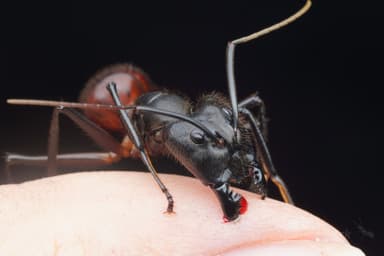
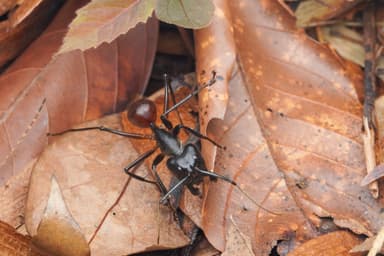
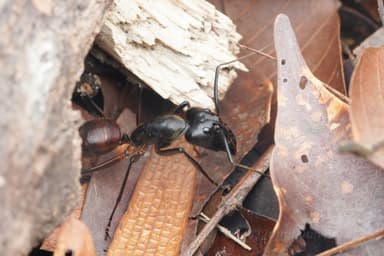
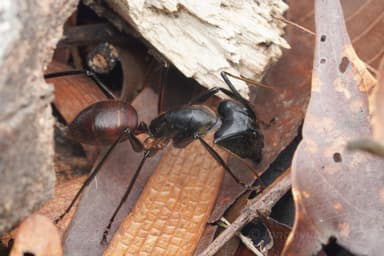
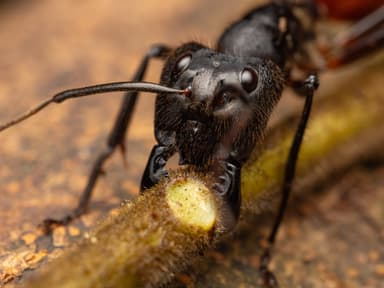
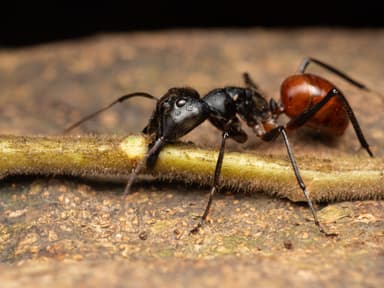
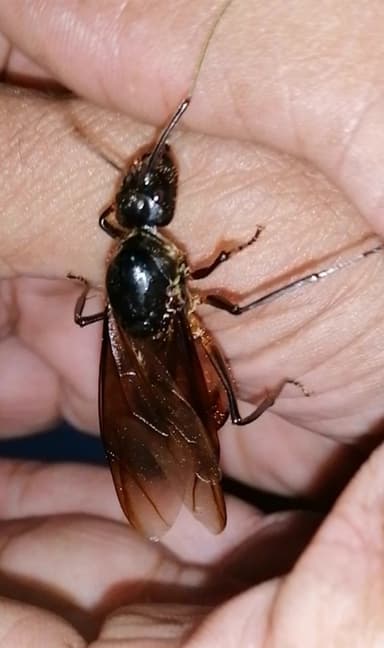
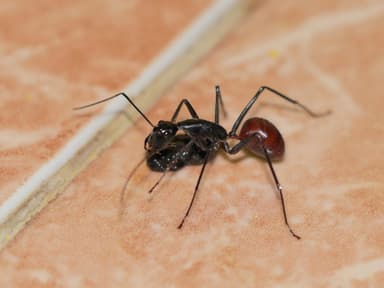
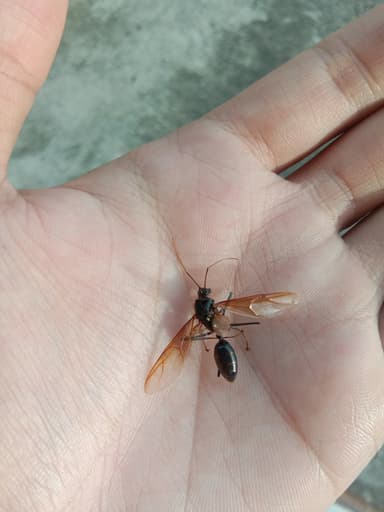
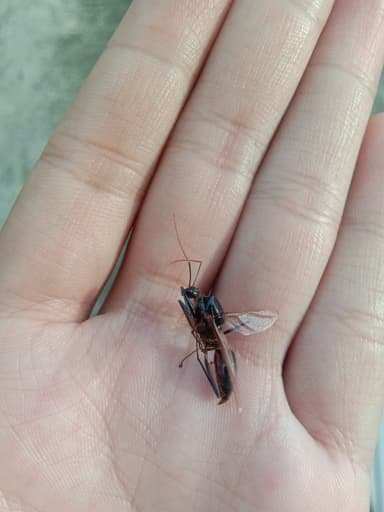
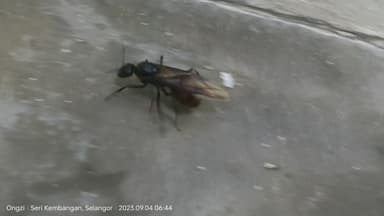
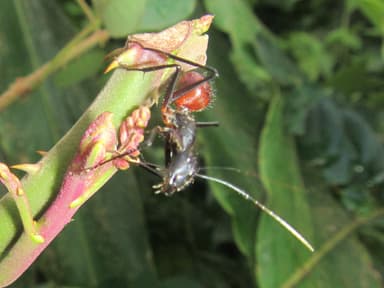
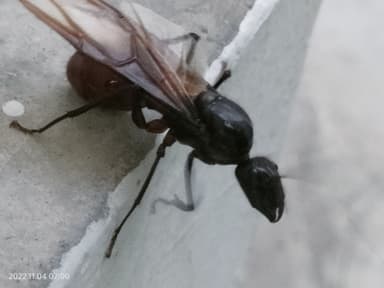
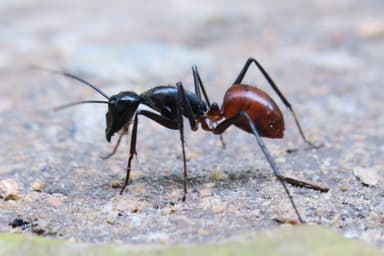
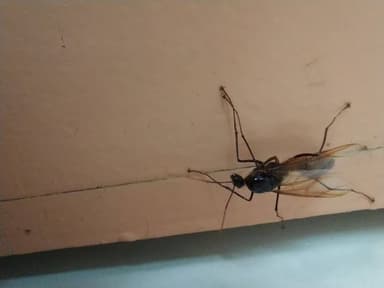
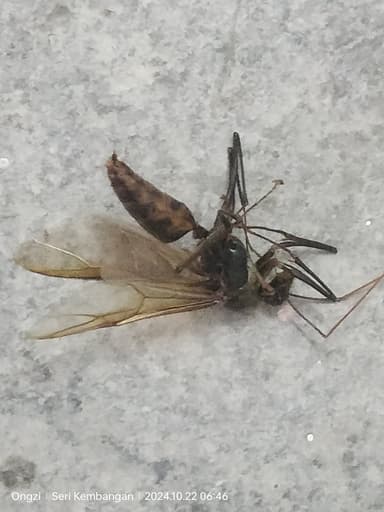
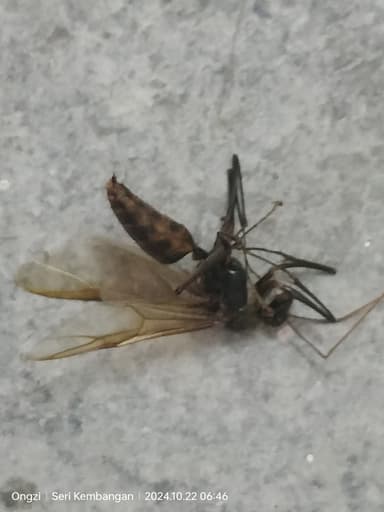
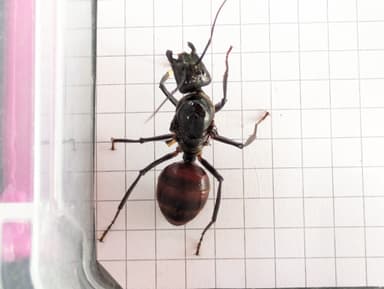
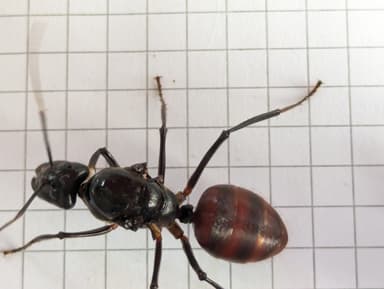
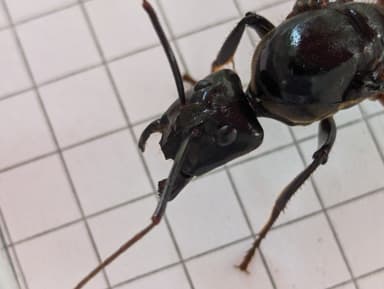
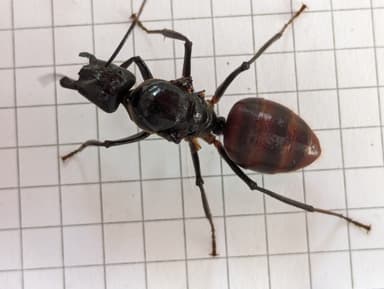
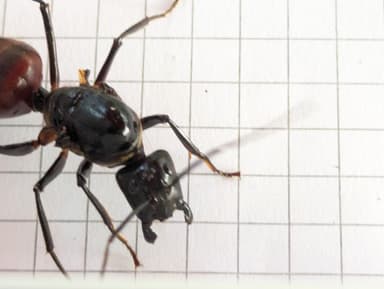
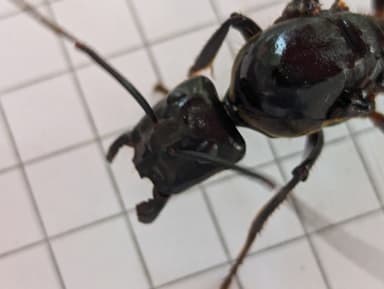
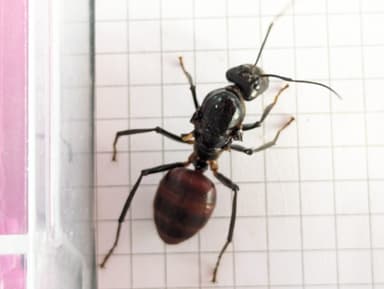
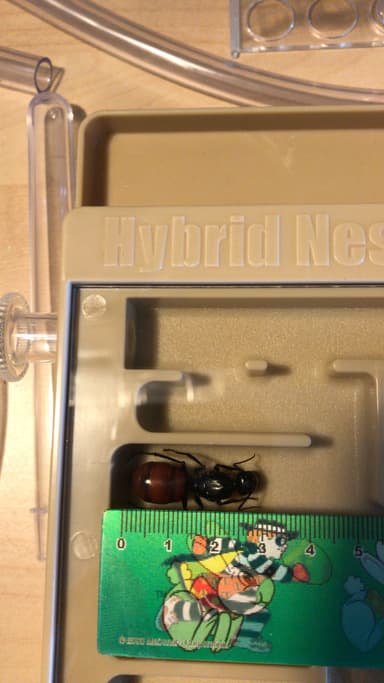
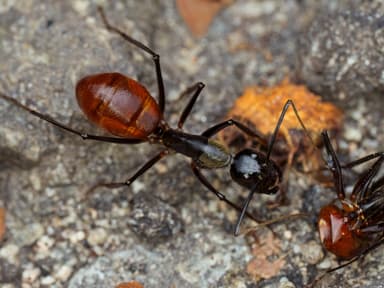
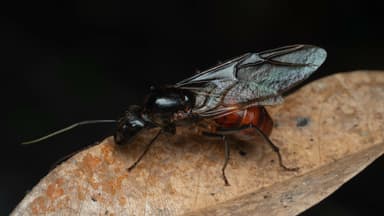
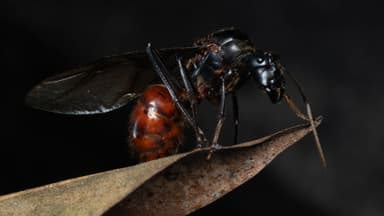
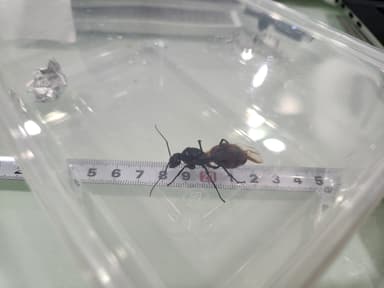
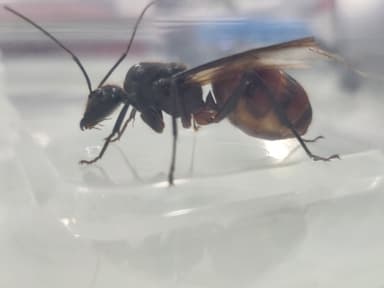
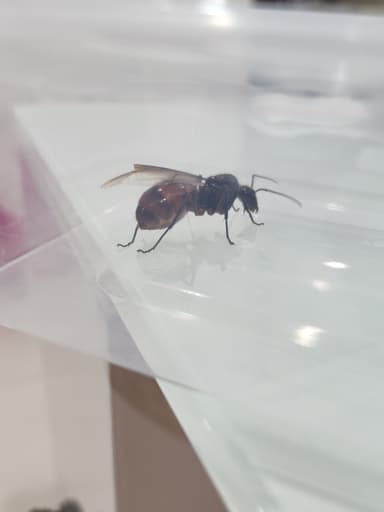
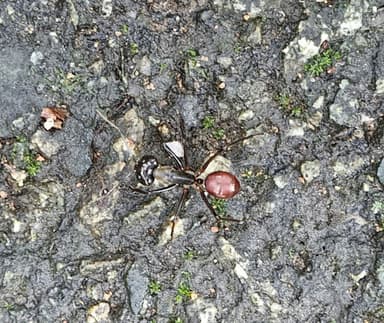
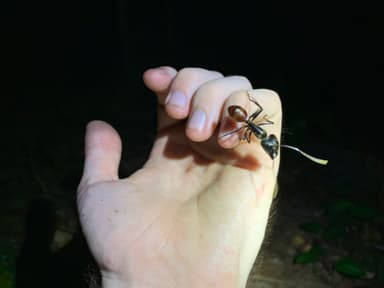
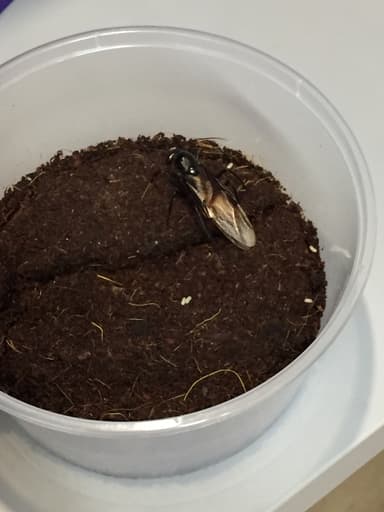
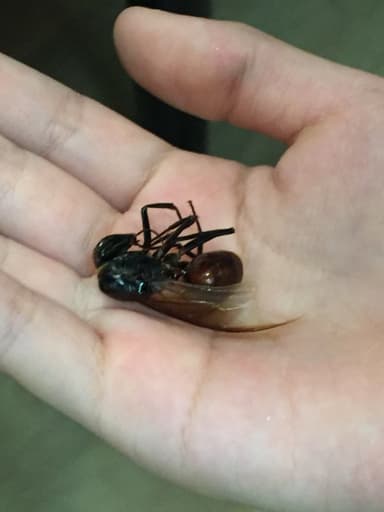
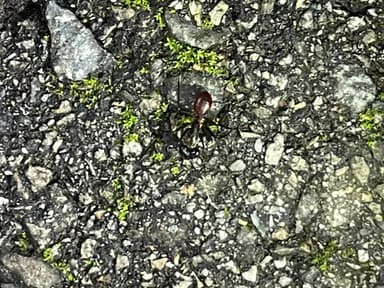
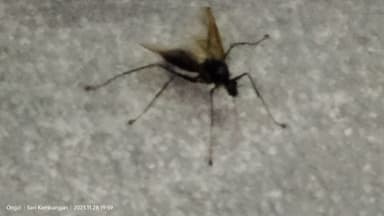
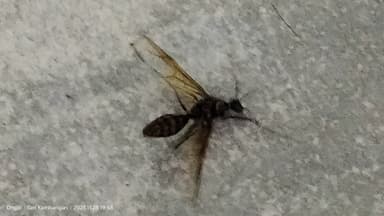
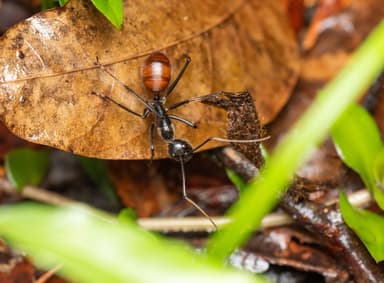
Dinomyrmex gigas, often called the giant forest ant, is one of the largest ant species in the world and a true showpiece for any intermediate keeper. This species displays a remarkable size range within the colony: the queen measures an impressive 20 to 30 mm, while workers can vary from 10 mm up to a formidable 30 mm — a polymorphism that is both practical and visually striking. The largest workers are equipped with powerful mandibles and a strong defensive spray of formic acid, making them formidable hunters and nest defenders.
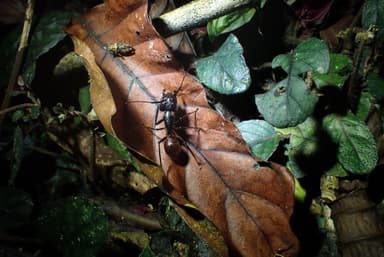
These ants are native to the tropical forests of Southeast Asia, where they thrive in warm, humid conditions. Their diet is highly varied and omnivorous: they eagerly hunt insects of all sizes, but also rely heavily on sweet energy sources. Providing sugar water, honeydew, or ripe fruit alongside regular insect feedings will keep the colony healthy and active. Dinomyrmex gigas is claustral in its founding, meaning the queen seals herself into a founding chamber and raises her first brood on her own reserves — a process that requires patience but is generally reliable.
Care difficulty
Keeping Dinomyrmex gigas is best suited for ant keepers with some experience. While the ants are hardy once established, their large size and high humidity requirements demand careful attention. The colony can grow to several thousand workers, and their aggressive nature means they must be handled with respect — escapes can be dramatic. Regular feeding of both protein and sugars is essential, and the nest must remain very moist.
Housing
A formicarium for Dinomyrmex gigas should offer ample space and high humidity — aim for 70 to 90 percent, which can be achieved with a well-moistened substrate like sand-loam mix or a clay-based nest. Room humidity alone is rarely sufficient; use a hydration system or spray the nest area regularly. Temperature should be kept between 24 and 28 °C year‑round, as these ants do not require hibernation. The outworld should be large enough for foraging and have a secure lid — these ants are strong climbers and can chew through soft plastics. Provide a water source (test tube or waterer) and a feeding area that is easy to clean.
First days after purchase
Upon receiving your Dinomyrmex gigas colony, place the formicarium in a quiet, dark spot and let the ants settle for at least a day. Avoid handling or opening the setup unnecessarily — stress can delay colony growth. Ensure the nest area is properly moistened and that the ants have access to a small amount of sugar water and a single insect (like a cricket piece) to test their appetite. Over the first week, gradually increase feeding as the colony becomes active. Watch for signs of stress such as clustered workers or refusal to forage; if so, reduce disturbances and increase humidity. With patience, these giants will soon reveal their fascinating foraging behaviour and colony dynamics.