Aphaenogaster
Aphaenogaster gibbosa
Care Guide
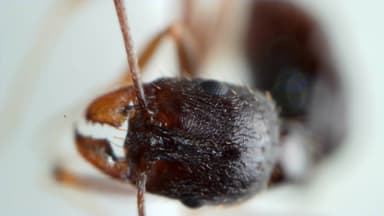
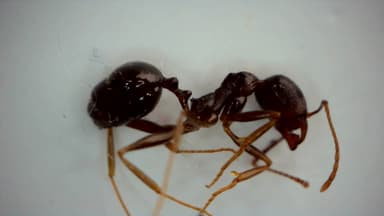
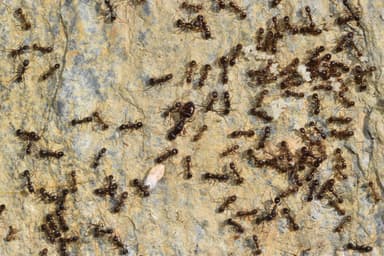
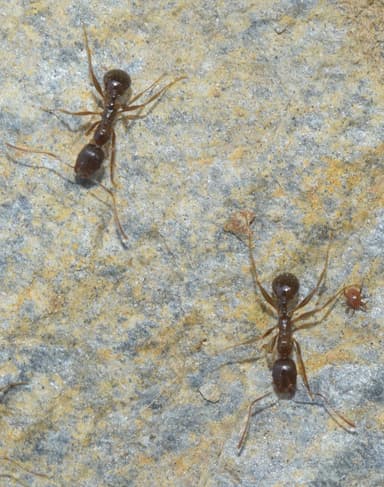
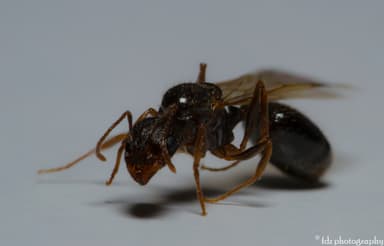
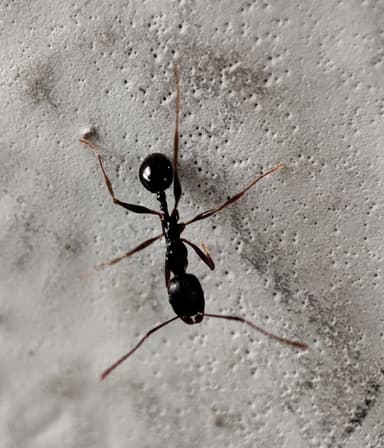
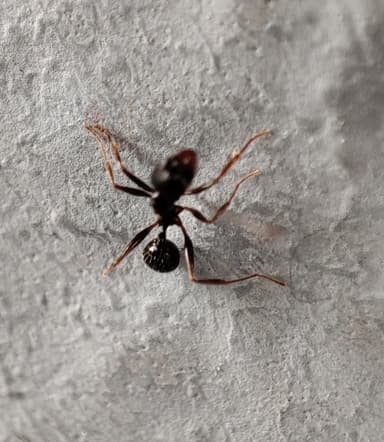
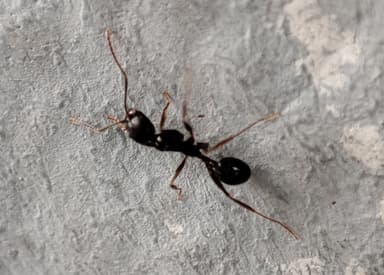
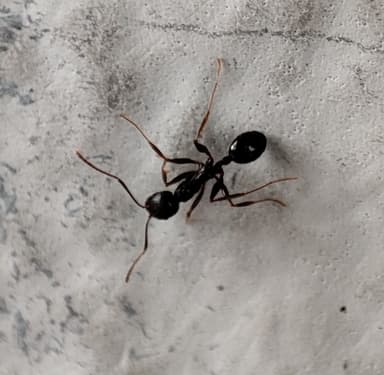
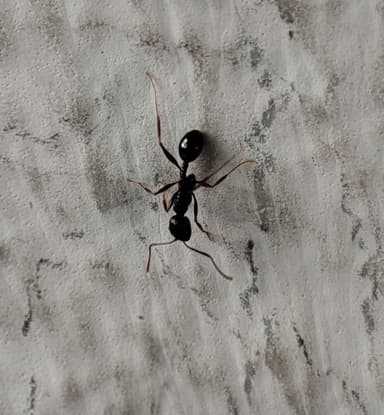
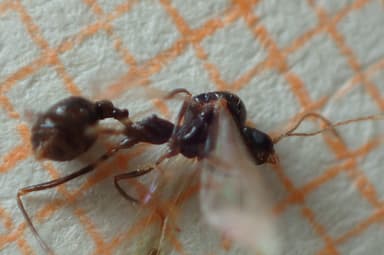
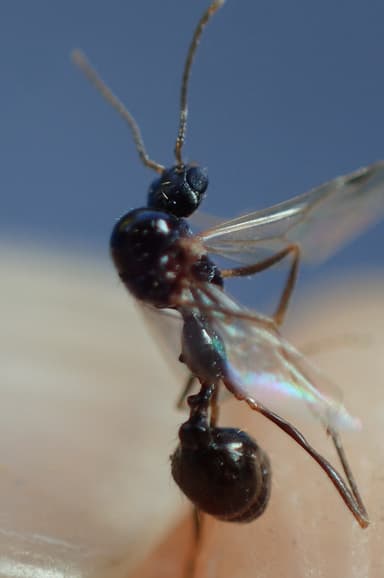
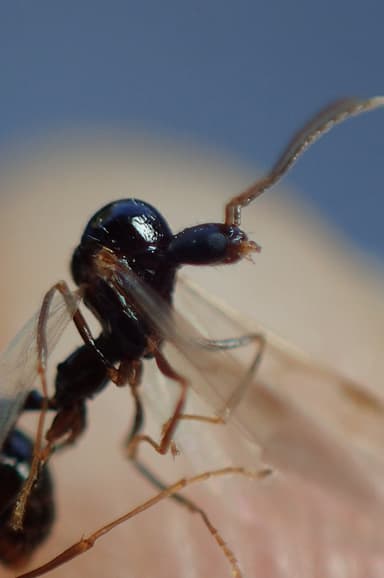
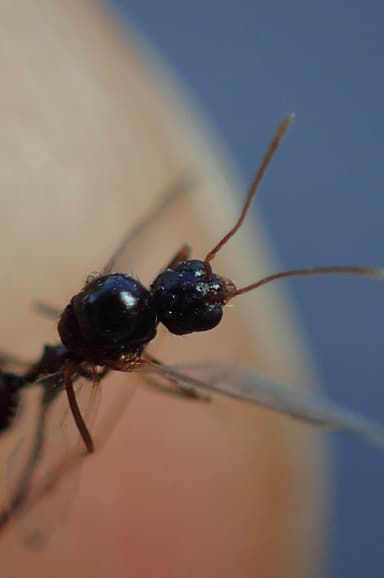
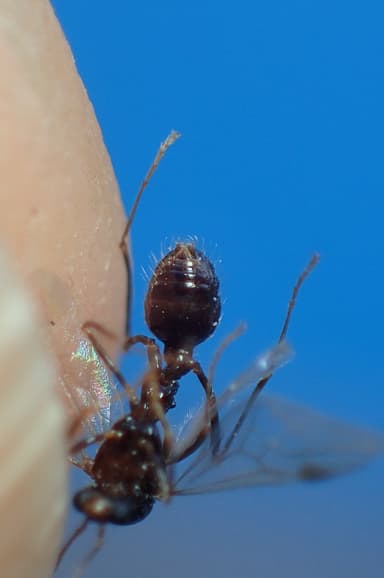
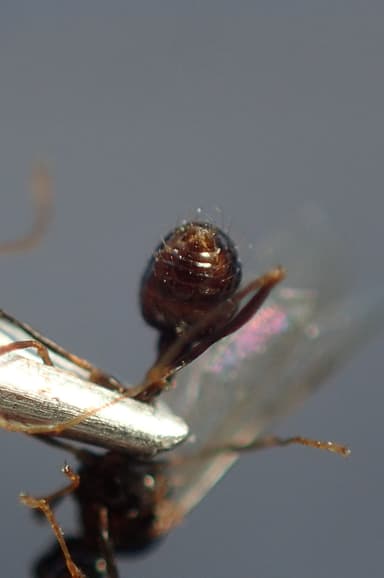
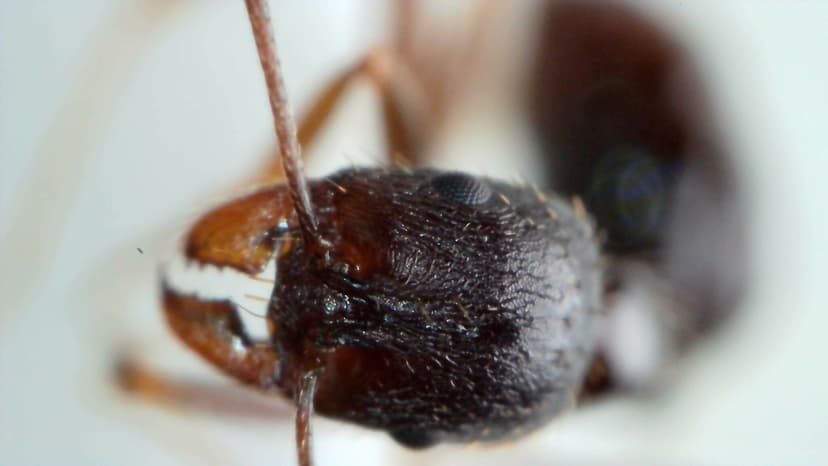
Aphaenogaster gibbosa is a fascinating Mediterranean species that captures the quiet elegance of ant keeping. Workers are uniformly sized between 5 and 8 mm, with the queen noticeably larger at 9–12 mm, though the colony shows no dramatic polymorphism. Their colouration is a warm reddish-brown, and they move with a characteristic slow, deliberate gait that makes them a pleasure to observe. These ants are true generalists, and their foraging behaviour reflects a remarkable adaptability. They will tirelessly collect seeds, hunt small insects, and tend to honeydew sources, and they are equally happy to accept sugar water in captivity. This dietary flexibility makes them one of the more forgiving intermediate species—provided you remember that protein is essential for brood development. In the wild, Aphaenogaster gibbosa also stores seeds in dedicated chambers, a habit that can be seen in the formicarium if you provide a steady supply.
Care difficulty
Keeping Aphaenogaster gibbosa sits comfortably at an intermediate level. While not as demanding as some tropical species, they do require attention to seasonal rhythms and a stable environment. Their claustral founding means a newly mated queen can be left alone during the initial growth phase, which simplifies the early stages. However, colonies can be sensitive to abrupt changes in temperature and humidity, so consistency is key. Once established, they are robust and will reward the keeper with steady growth up to two thousand workers.
Housing
A formicarium with moderate humidity zones is ideal, targeting 50–70% relative humidity. Provide a nesting area with substrate or plaster that retains moisture, but also a drier foraging arena. Aphaenogaster gibbosa benefits from a temperature gradient ranging from 20°C in cooler parts to 28°C near the heat source. During winter, a true hibernation period at around 8°C is essential for long-term health and future brood production. The ants appreciate a quiet, vibration-free location—sudden disturbances can cause stress, especially in smaller colonies. Because they store seeds, ensure the foraging arena has a secure lid; these ants are not escape artists but will explore every gap.
First days after purchase
When your colony arrives, transfer them to their new home with minimal handling. Place the setup in a dimly lit, quiet spot and resist the urge to check on them constantly. Offer small amounts of sugar water and a few protein-rich insects (like crushed fruit flies or tiny mealworms) alongside a tiny pinch of mixed seeds. Observe from a distance—you will soon see the characteristic slow, methodical exploration of their new territory. Within a few days, food acceptance and normal foraging indicate a settled colony. Patience is your best tool with Aphaenogaster gibbosa; they take their time, but every moment spent watching them is rewarding.