Pogonomyrmex
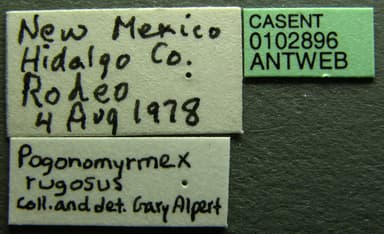
Pogonomyrmex rugosus
Nuptial Flight Calendar
Flight months: Jul, Aug, Sep
Care Guide
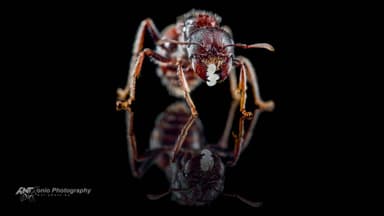
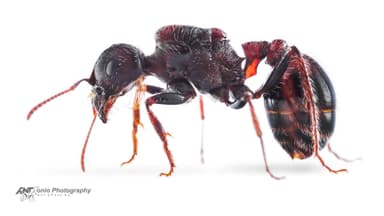
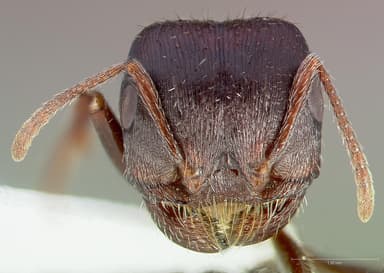
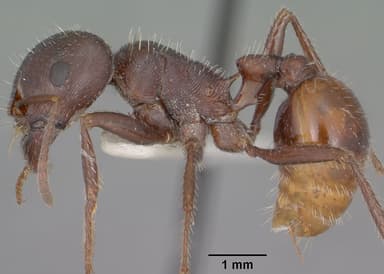
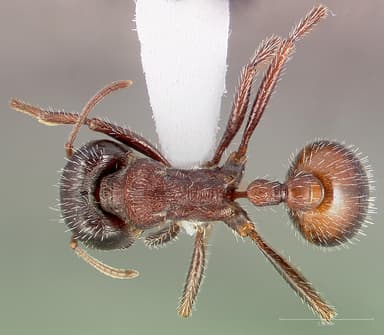
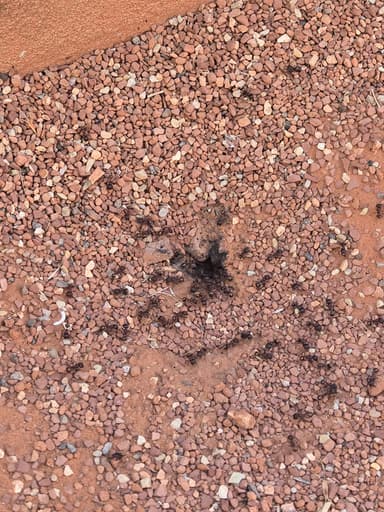
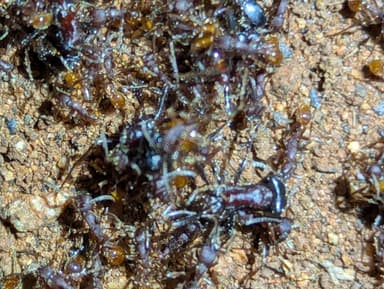
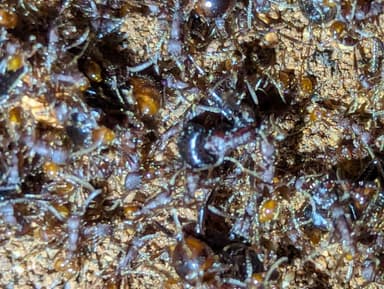
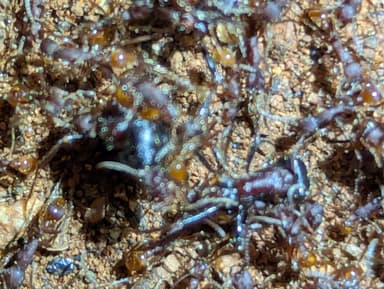
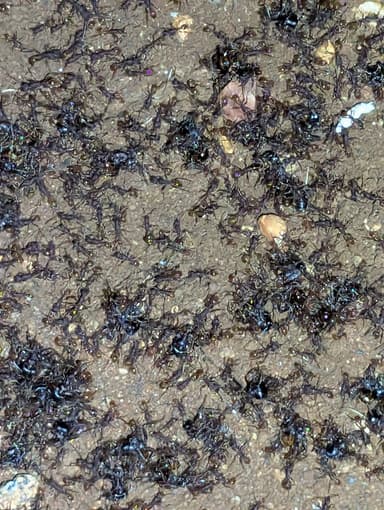
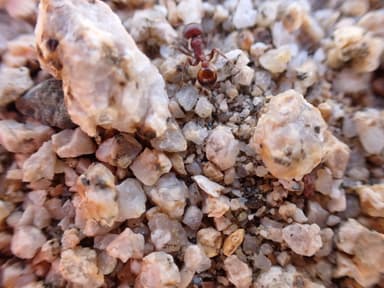
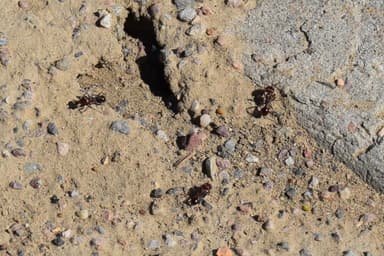
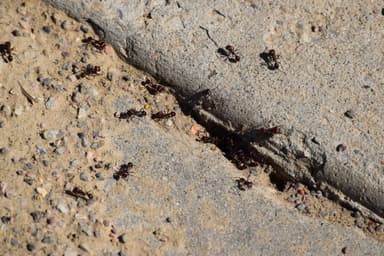
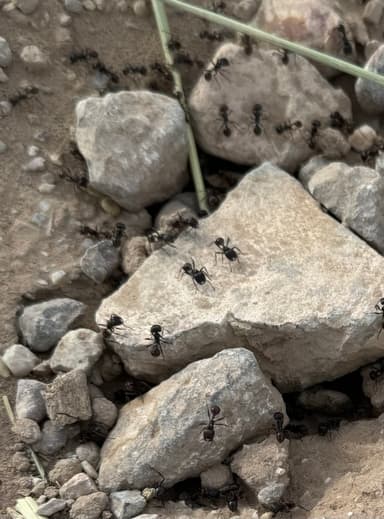
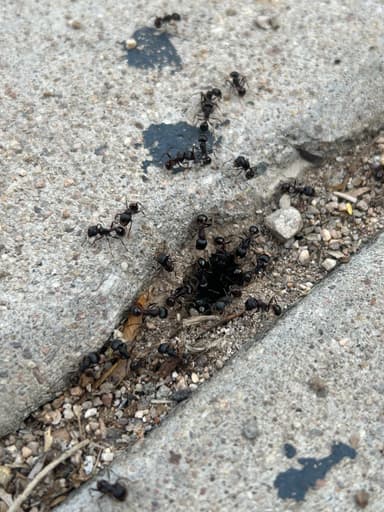
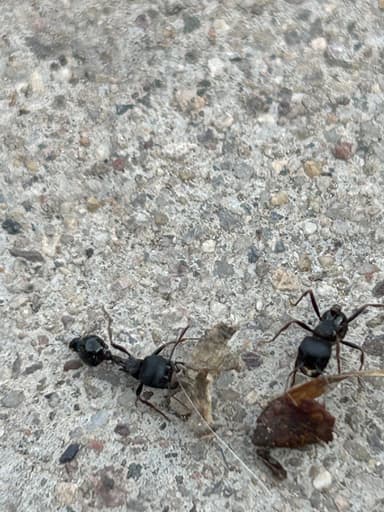
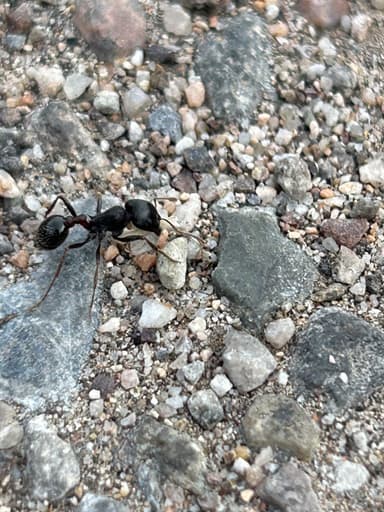
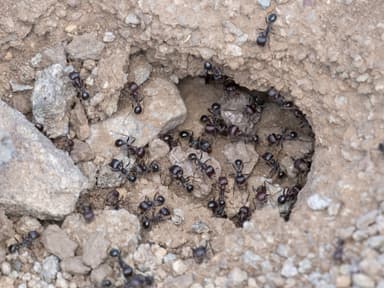
Pogonomyrmex rugosus, commonly known as the rough harvester ant, is a charismatic denizen of the arid landscapes of the southwestern United States and northern Mexico. True to its common name, this species is an industrious seed collector, forming large, conspicuous gravel mounds that can contain upwards of 12,000 workers (Cole, 1968). Queens are robust, measuring 10 to 12 mm, while workers exhibit true polymorphism with a distinct minor and major caste ranging from 6 to 9 mm in length. The majors boast oversized heads packed with powerful mandibular muscles, used both for milling tough seeds and for colony defense, while the more numerous minors focus on foraging and brood care. Their deep reddish-brown to black bodies are coated in a dense rugose sculpture that gives the species its specific epithet. Beyond their aesthetic appeal, these ants are fascinating for their dramatic mating flights, which occur on warm, humid mornings following summer monsoon rains from July through September (Hölldobler, 1976), and for their ecological role as keystone seed dispersers and soil engineers (MacMahon et al., 2000). Newly mated queens found their colonies claustrally, sealing themselves away to rear the first tiny nanitics without ever leaving to forage.
This species is best suited to intermediate keepers who have successfully maintained smaller, less demanding ants and are ready for a more active and defensive colony. While their husbandry is not overly complex, their combination of a potent sting, remarkable escape-artist abilities (they can climb smooth glass and plastic with ease), and strict hibernation requirement places them beyond a beginner’s comfort zone. The keeper must be comfortable with a formicarium that demands meticulous escape prevention and must be prepared for a colony that can deliver a memorably painful sting if provoked. In return, the ant keeper is rewarded with one of the most visually dramatic and behaviorally rich ant species available. The sight of major workers cracking seeds, the steady stream of foragers marching in a column, and the colony’s frenetic but organized activity make P. rugosus a truly captivating exhibit.
Housing for rough harvester ants must mimic their xeric natural habitat as closely as possible. A spacious, well-ventilated nest is essential, as cramping can lead to stress and disease. Given their climbing prowess, a tight-fitting lid with a PTFE or fluon barrier applied as a continuous band is non-negotiable; even a tiny gap or a smudge of vegetable oil can lead to a disastrous breakout. The colony thrives in a temperature range of 24 to 32°C, with a warm side of the nest encouraging brood development and foraging activity. Humidity must be kept low, between 30 and 50 percent, and moisture should be offered only in a localized drinking source, never saturating the nest area, as high humidity can trigger mold and fungal pathogens. Many successful keepers use a dry outworld connected to a nest with a discreet water feeder or a small test tube waterer. A substrate of clean sand or a sandy loam is ideal, and providing at least a small digging area allows the ants to express natural brood chamber construction and midden-piling behavior. A deep layer of substrate also enables the colony to create their own humidity and temperature gradients.
The dietary needs of P. rugosus revolve primarily around a diverse seed mix. They eagerly accept grass seeds like Kentucky bluegrass, millet, and canary seed, as well as oil-rich seeds such as chia, nyjer, and crushed sunflower hearts. A small, dedicated feeding area within the outworld prevents the nest from becoming clogged with husks. While seeds form the carbohydrate and bulk of their adult diet, the colony requires regular insect protein for the queen’s egg production and larval growth. Pinhead crickets, mealworm segments, or fruit flies should be offered weekly, with any uneaten remains removed promptly to prevent decay. Surprisingly, these ants show little interest in sugary liquids; a dilute honey or sugar water feeder can be offered but is not a priority, as they derive sufficient carbohydrates from seeds. Fresh water must always be available via a test tube setup or a small, sponge-free waterer, as desiccation is a constant threat in their dry nest environment.
Hibernation, or a cool diapause period, is an absolute physiological requirement for Pogonomyrmex rugosus, not an optional rest period. In the wild, winter temperatures drop, and the colony must slow down its metabolism to survive the lean months. For captive colonies, a three- to four-month diapause at around 15°C is mandatory. Preparation begins in late autumn: stop feeding protein, offer a final seed harvest, and gradually lower the temperature over a couple of weeks. The ants will huddle in the nest, movement will become sluggish, and the queen will cease egg-laying. This chilling period rests the colony and triggers renewed brood production in spring. Colonies that are not provided with a proper diapause often exhibit dwindling worker numbers, poor queen health, and eventual collapse, typically within their second year. After diapause, slowly rewarm the colony and resume feeding with small portions of seeds and protein as activity returns.
The first days after acquiring your Pogonomyrmex rugosus queen or small colony are a delicate settling-in period. Ideally, the ants will arrive in the test tube or small container they were founded in, and this familiar environment should be preserved untouched for at least 48 hours. Place the tube in a dark, quiet location at a steady 24 to 25°C, without any direct heat gradient initially, and resist the urge to check on them more than once a day. If the colony includes workers, you may introduce a single tiny seed and a minuscule piece of cricket placed directly onto the dry floor of their enclosure, away from the water plug. Do not force them into a new nest; instead, prepare their intended formicarium and connect it to their current tube via a short escape-proof outworld. The colony will naturally migrate once they have acclimatized and the original tube begins to dry out, a process that may take several days. Monitor for signs of stress, such as frantic pacing, persistent escape attempts, or the queen attempting to leave the tube, which may indicate an unsuitable environment. Only after you see calm foraging and a visible midden pile has formed should you consider the colony fully established and ready for their permanent housing.