Neoponera
Neoponera apicalis
Nuptial Flight Calendar
Flight months: Jan, Feb, Oct, Nov, Dec
Care Guide
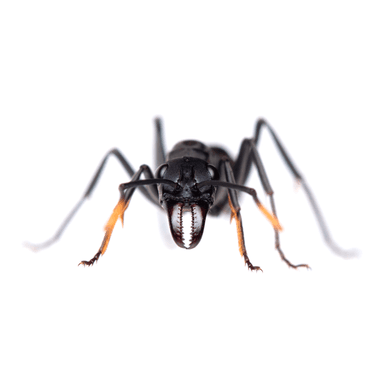
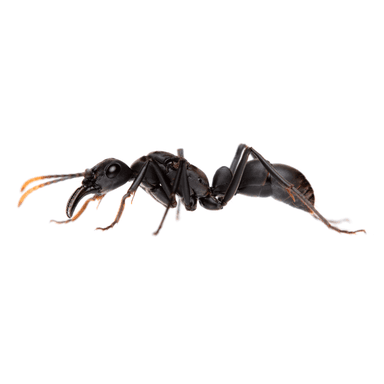
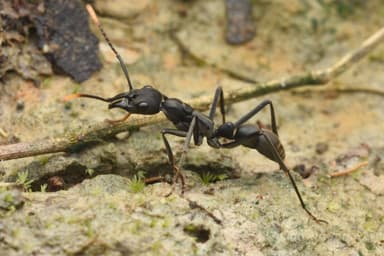
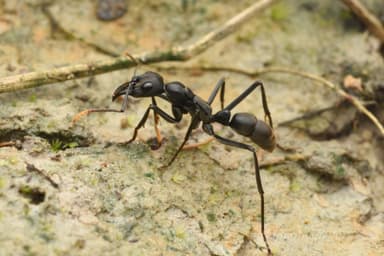
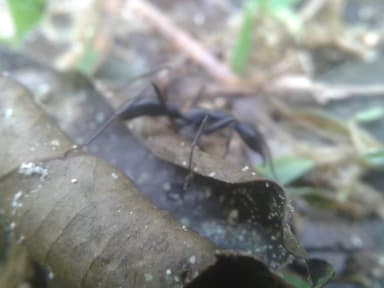
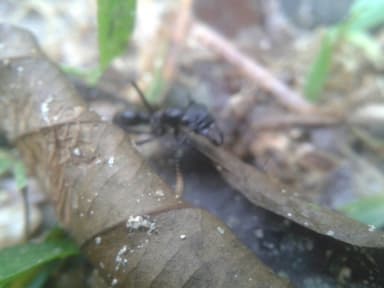
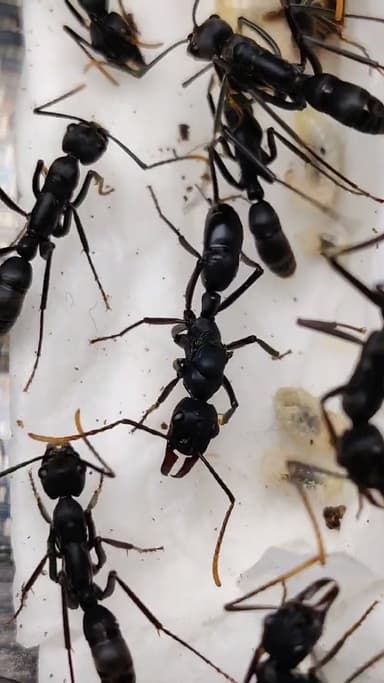
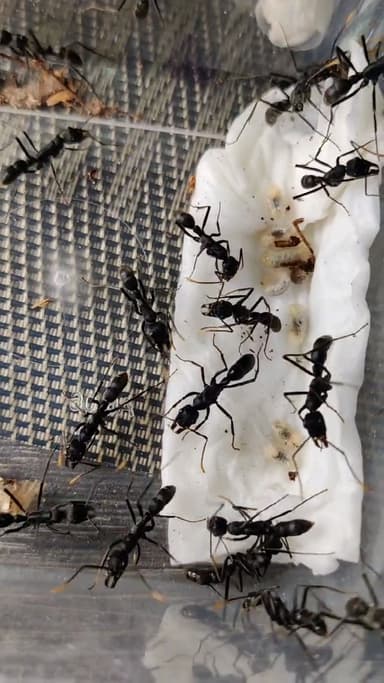
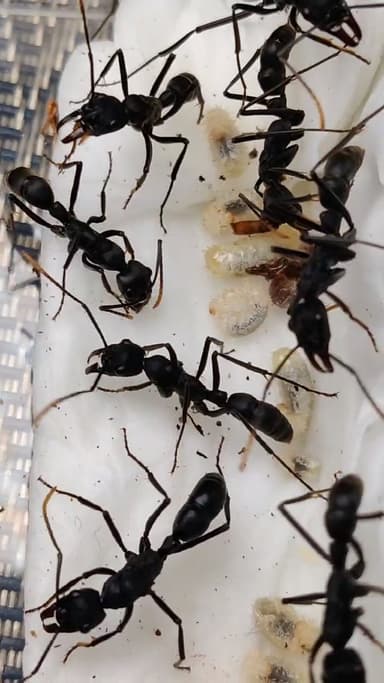
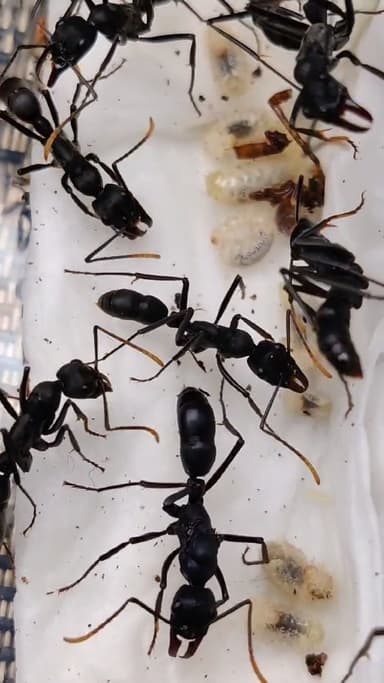
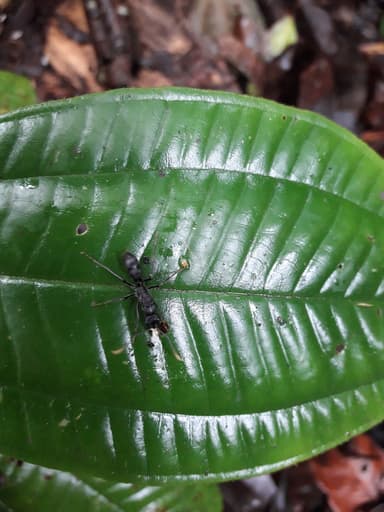
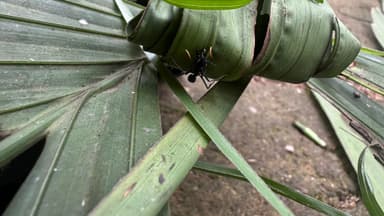
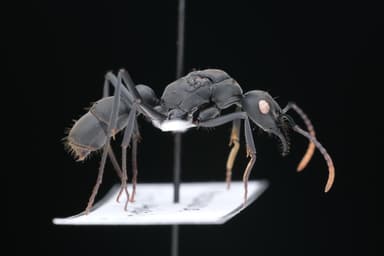
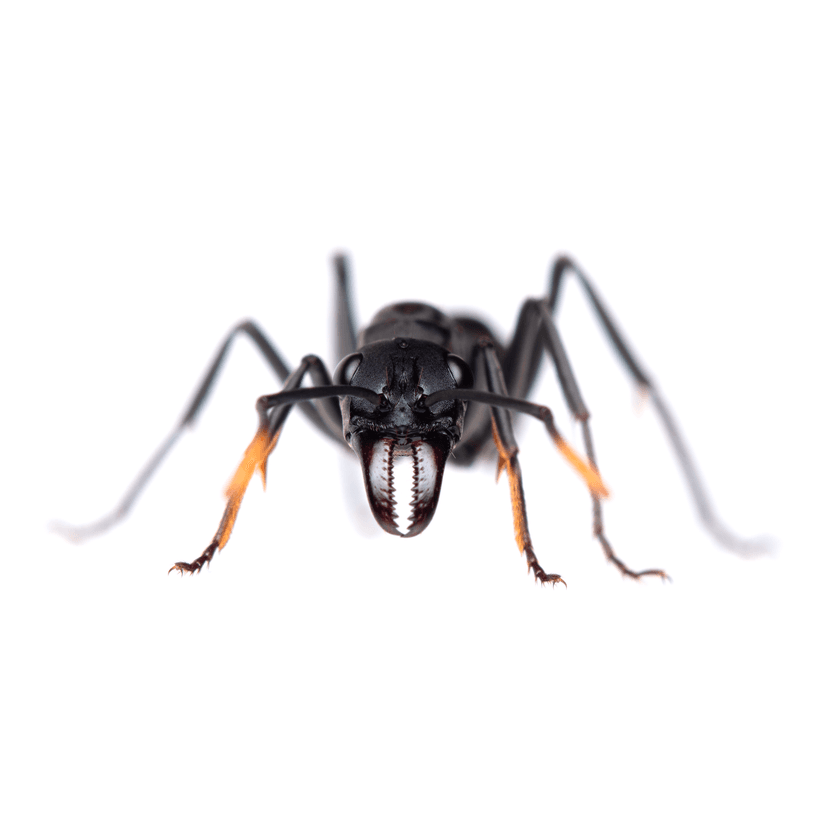
Neoponera apicalis is a robust, striking ponerine ant whose large size and distinct behaviors make it a captivating species for the discerning keeper. Queens measure a stately 13 to 15 millimeters, while their monomorphic workers range from 11 to 14 millimeters, all clad in a glossy, dark exoskeleton that can shimmer faintly under light. Unlike the massive superorganisms of fully claustral species, colonies here are modest, rarely exceeding 200 individuals, and the social structure is elegantly simple with just a single caste of workers supporting a single queen. This small society size belies a fierce predatory nature; these ants are solitary hunters, and classical studies by Fresneau (1985) revealed a remarkable path fidelity, where individual foragers memorize and reuse specific routes through the leaf litter. Their hunting sequence, described in detail by Dejean & Corbara (1990), showcases a precise, calculated attack, using powerful mandibles and a venomous sting to subdue prey. For the hobbyist, N. apicalis is less about watching a teeming mass of workers and more about observing deliberate, almost methodical foragers that behave more like tiny solitary wasps than archetypal ants, offering a unique window into the evolutionary pathways of ant sociality.
Given these traits, N. apicalis is best suited to intermediate keepers who have already mastered the basics of humidity and escape prevention and are ready for a more hands-on predatory species. The semi-claustral founding mode means that a newly mated queen cannot be sealed away and forgotten; she must be offered small live prey throughout her solitary phase, demanding regular, careful attention without excessive disturbance. The colonies’ modest size makes them manageable in captivity, but their powerful sting—typical of ponerines—means a secure, well-designed formicarium is non-negotiable, and any direct handling should be avoided. This species is ideal for keepers fascinated by ant cognition and foraging ecology, as you can literally map their hunting trails in a well-structured terrarium, and they are active year-round, providing constant behavioral interest without the complexities of diapause.
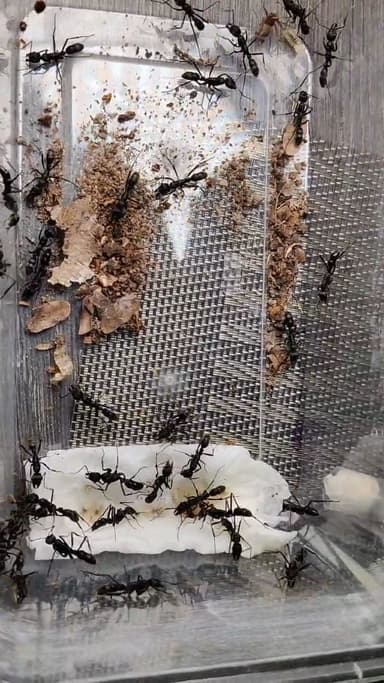
Housing N. apicalis revolves around replicating the warm, humid Neotropical forest floor. Maintain a stable temperature gradient from 22 to 28°C, with high humidity ranging from 70% to 90%, crucial for brood development and adult activity. A naturalistic setup thrives: use a deep layer of moisture-retentive substrate like a mix of coconut coir, fine sand, and crushed leaf litter to allow the ants to dig and maintain their microclimate. Nesting space can be provided by a ytong or plaster nest with a hydration chamber, or even a simple cork tube laid horizontally within the substrate, as these ants prefer snug, enclosed spaces. The foraging area should be spacious enough to allow solitary workers to exhibit their characteristic hunting loops; I recommend adding small twigs, dried leaves, and a clay water feeder. Ventilation must be carefully balanced—too much airflow dries the nest, too little encourages mold—so an array of tiny drill holes or a fine mesh patch on the arena lid works well, especially when combined with a daily light misting of the arena substrate.
Diet is where N. apicalis truly reflects its predatory heritage. These are obligate insectivores, and while they may occasionally sip at a droplet of sugar water, their nutritional needs are met almost exclusively through proteinaceous prey. Provide a steady supply of live, appropriately sized feeder insects: small crickets, freshly molted mealworms, and pinhead roaches are all taken with enthusiasm. Feed founding queens a tiny, freshly killed or stunned insect every two to three days, and for an established colony of workers, offer a few prey items every other day, removing uneaten remains promptly to prevent mites and mold. A constant water source—either through a test tube with cotton or a dedicated water tower—is essential, as the high humidity requirements extend to drinking water availability. The hunting behavior is a spectacle: watch a worker antennate the air, lock onto a cricket with visual and olfactory cues, and then rush in to sting with surgical precision; it’s a display that never gets old and is a living illustration of the findings by Fresneau (1985) and Dejean & Corbara (1990).
As a strictly tropical species distributed from the Amazon basin up through Central America and into southern Mexico (Mackay & Mackay 2010), N. apicalis does not require any hibernation period. There is no cool-temperature dormancy in their annual cycle—colonies remain active throughout the year, with nuptial flights recorded during the warm, humid evenings of the wet season from October to February. This means you’ll maintain the same temperature and humidity parameters all year long, and you can enjoy their behaviors without seasonal interruption. Simply avoid placing the nest near drafty windows or air conditioning units that could cause an artificial and stressful temperature dip.
When your N. apicalis queen or small colony arrives, those first days are critical and should be handled with minimal intrusion. For a founding queen, immediately introduce her into a small founding chamber—a test tube setup with a water reservoir and a narrow entrance that opens into a tiny foraging box works perfectly. Offer a single, very small, live or pre-killed prey item within the first 24 hours to allow her to feed; semi-claustral queens store little energy and will weaken rapidly without nourishment. Keep her in dim light and resist the urge to check more than once a day. Watch for the subtle signs of acceptance: if she calmly drags the prey back into her tube and later begins to groom her gaster and antennae, you’ve succeeded. For a colony with workers, place the entire nest portal into the new setup, let them explore and relocate on their own, and provide a small prey item immediately. Avoid flooding the arena with too many insects—a single cricket is enough to gauge their hunting response. Early signs of stress include persistent, agitated circling in the arena or refusal to take prey; if this occurs, cover the setup completely for two days, maintaining humidity, and then try again. With patience, you’ll soon see a forager emerge deliberately, antennate the ground, and follow her invisible chemical paths, a true testament to the meticulous natural history of this elegant Neotropical ant.