Myrmica
Myrmica rubra
Nuptial Flight Calendar
Flight months: Jul, Aug, Sep
Care Guide
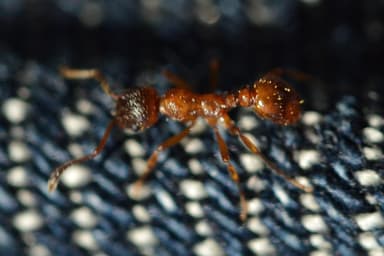
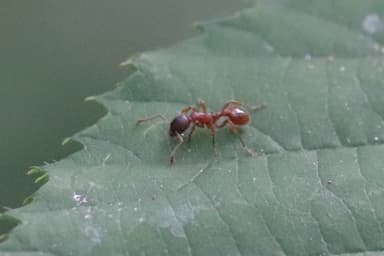
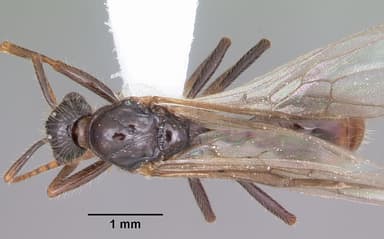
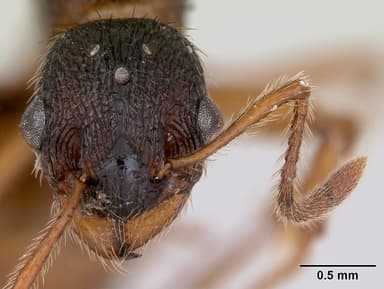
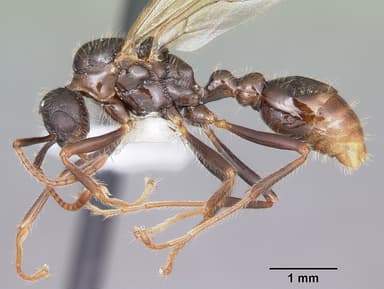
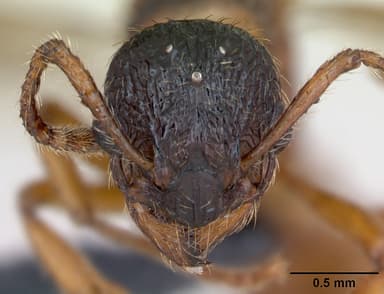
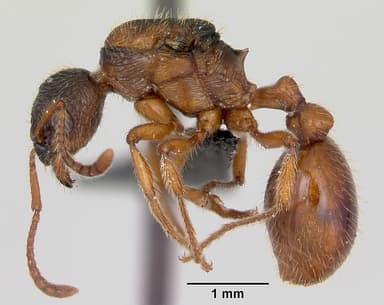
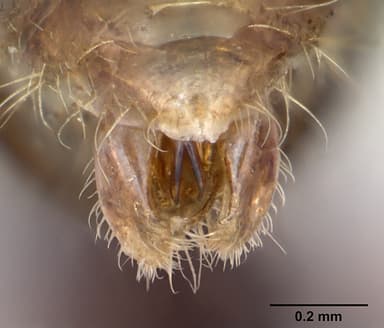
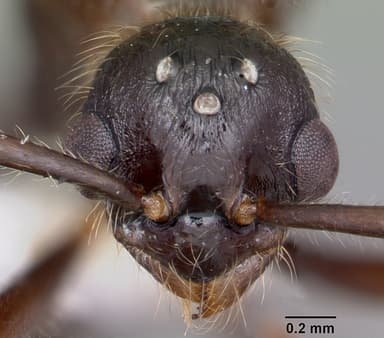
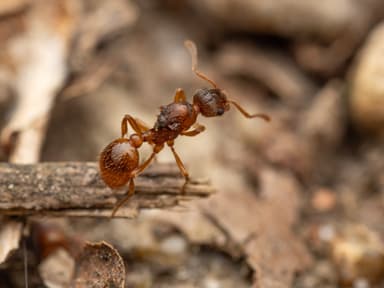
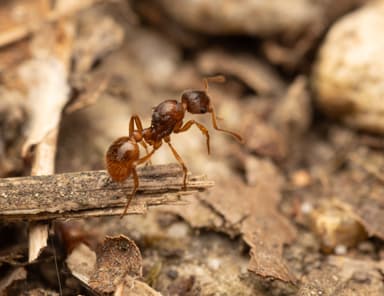
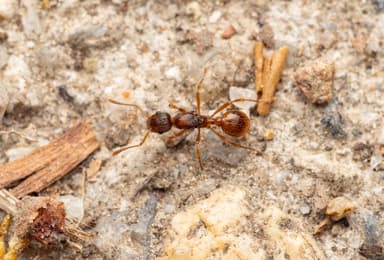
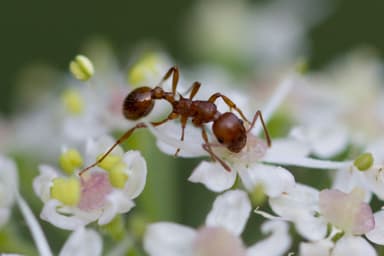
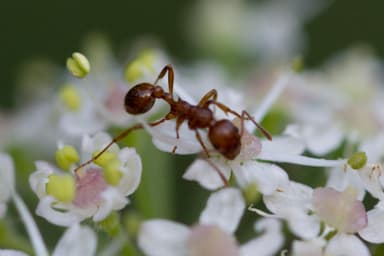
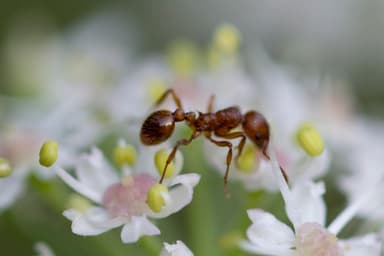
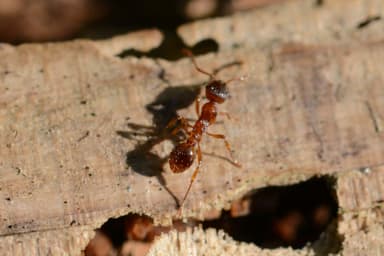
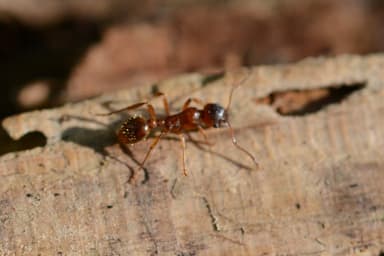
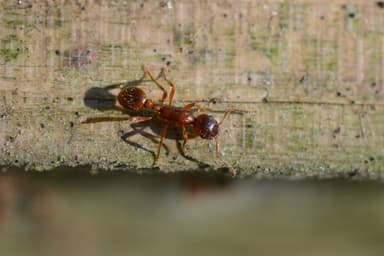
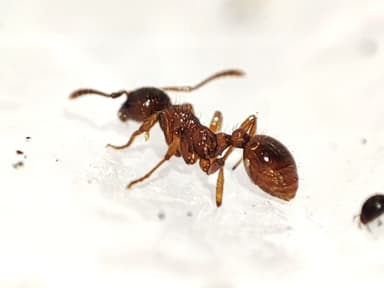
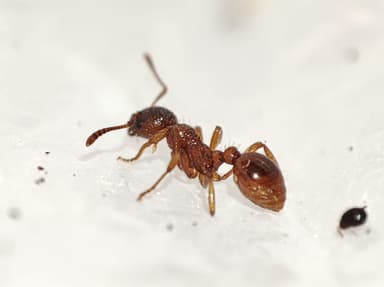
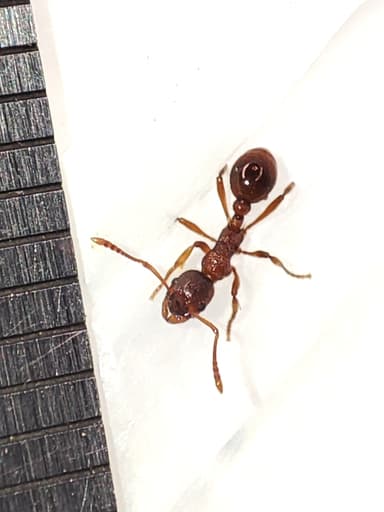
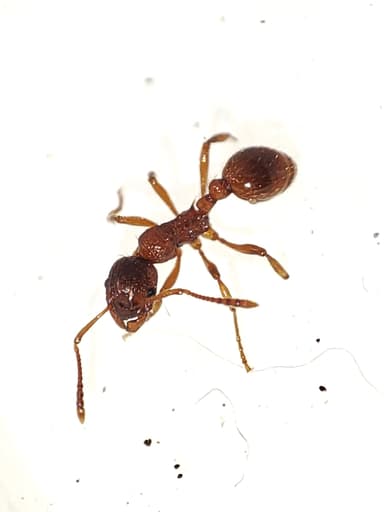
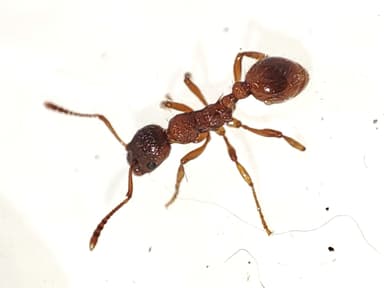
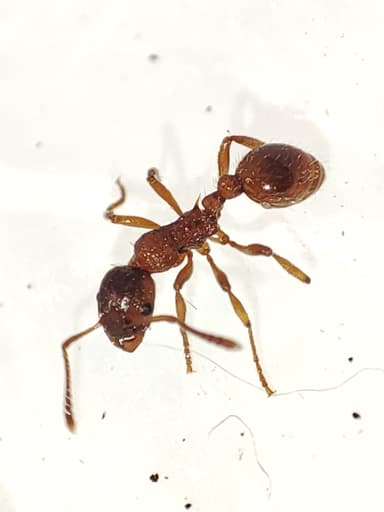
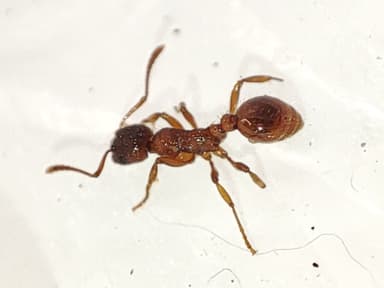
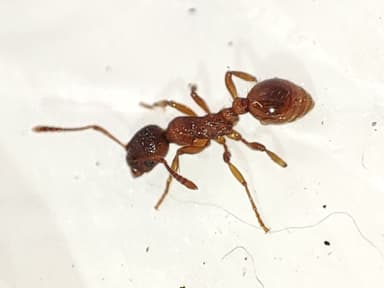
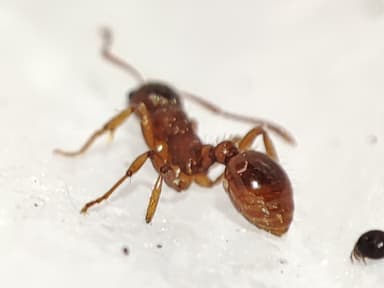
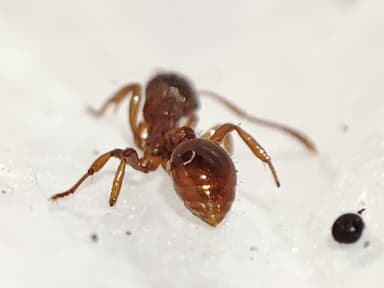
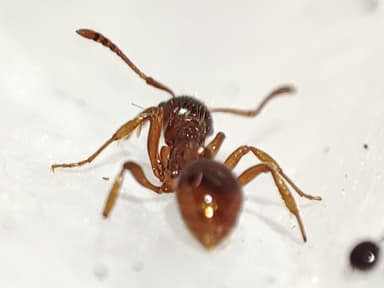
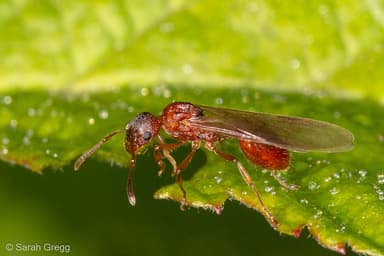
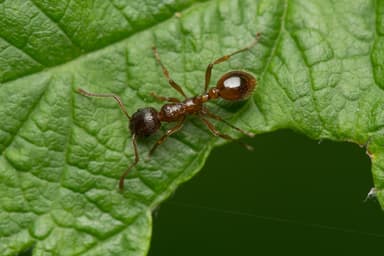
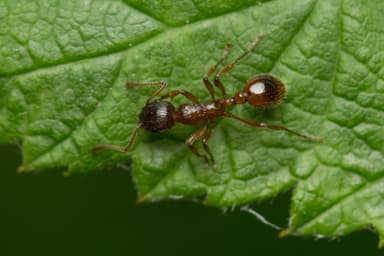
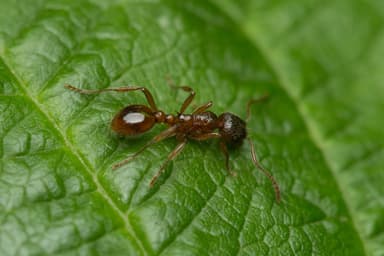
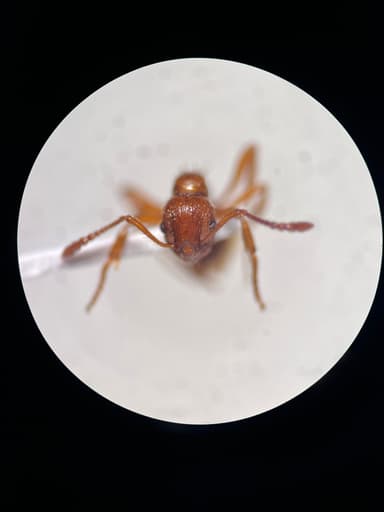
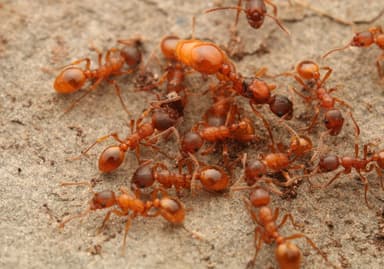
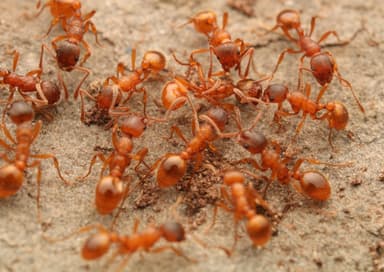
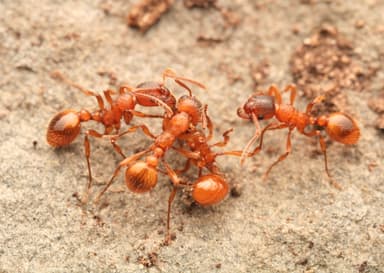
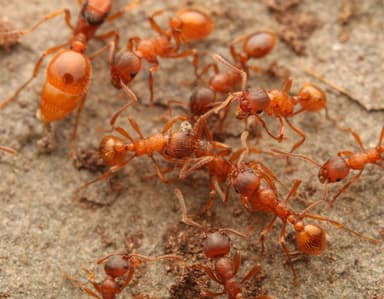
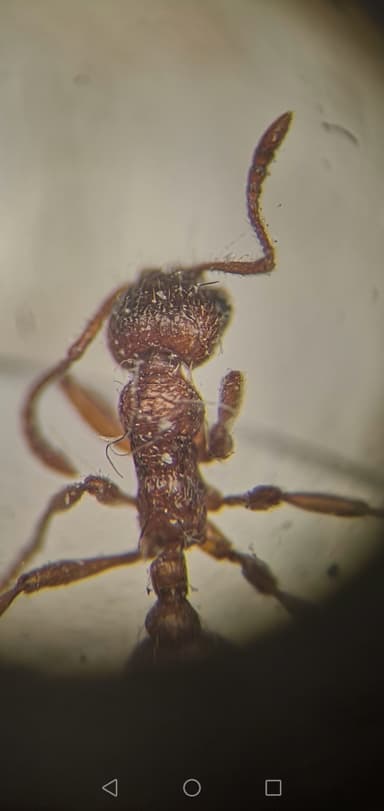
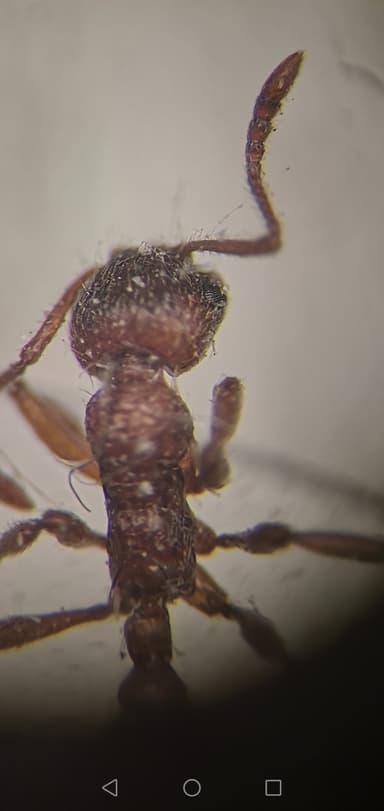
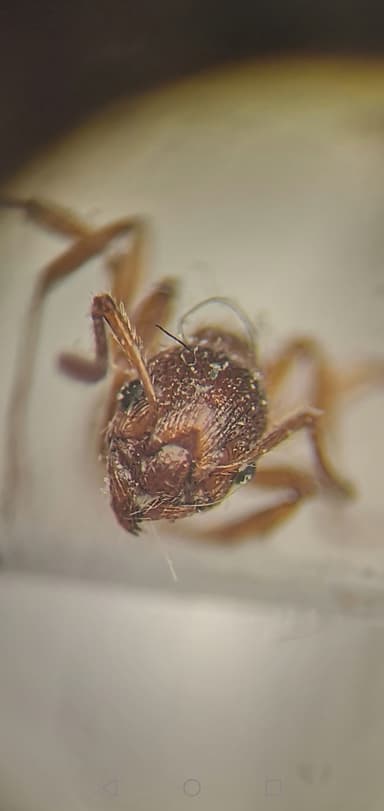
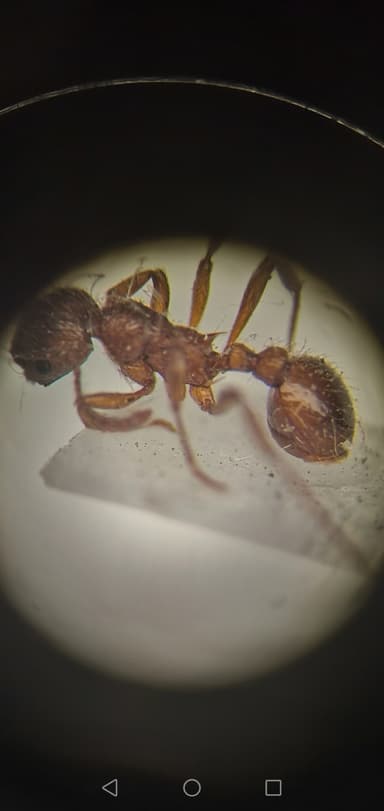
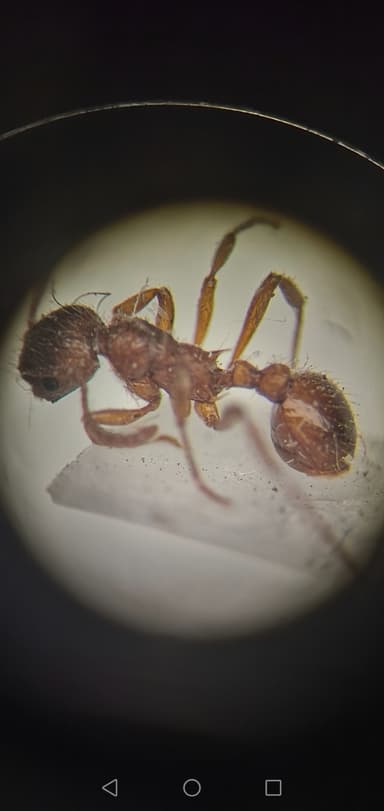
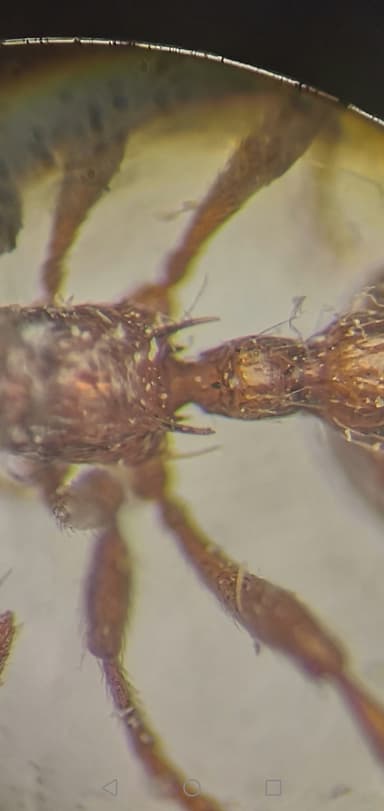
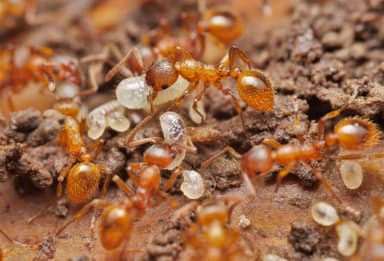
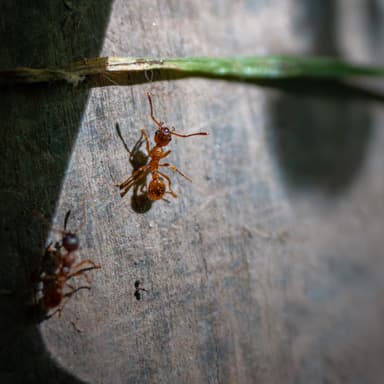
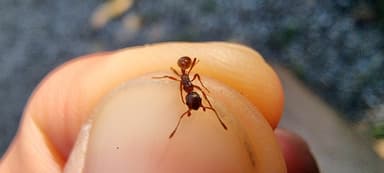
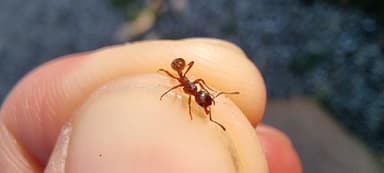
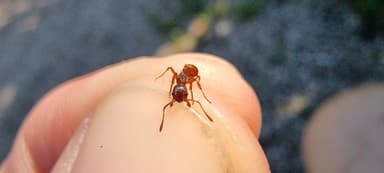
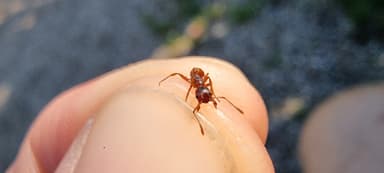
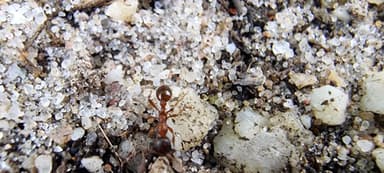
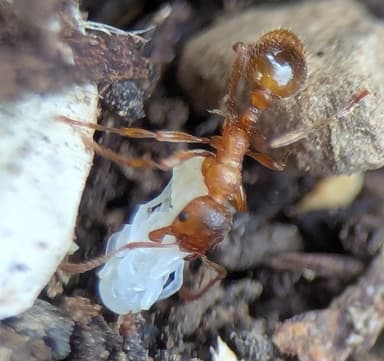
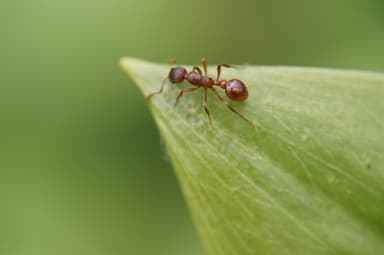
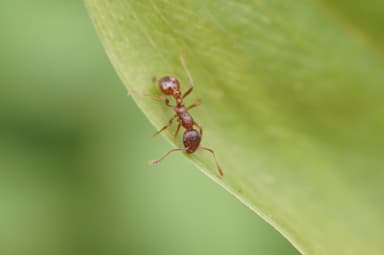
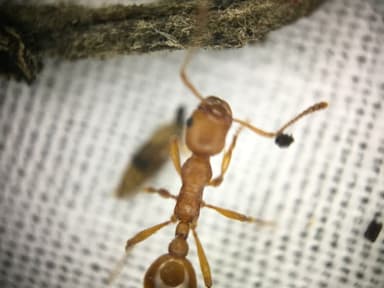
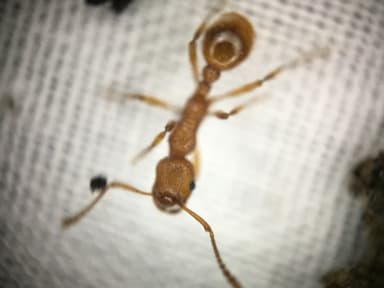
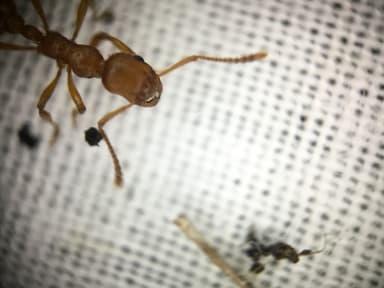
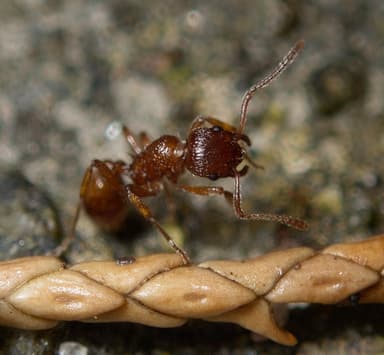
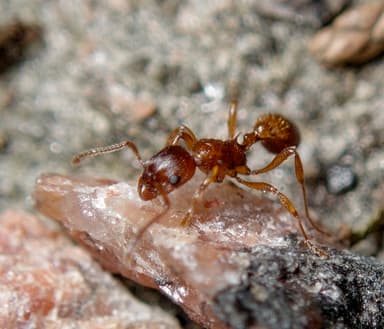
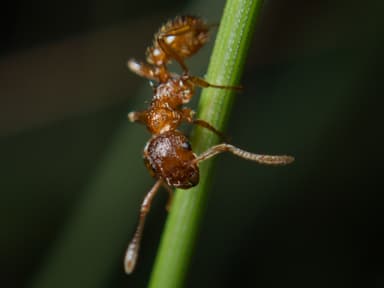
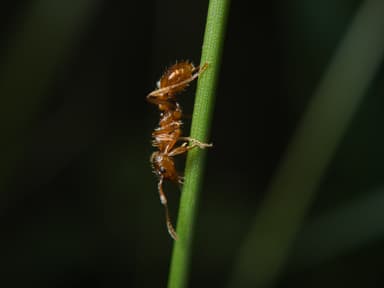
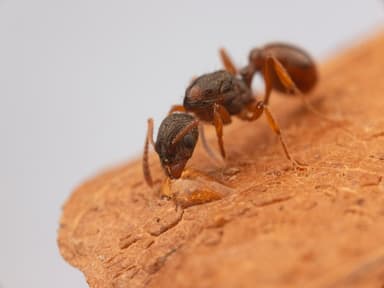
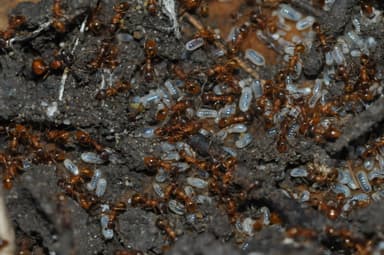
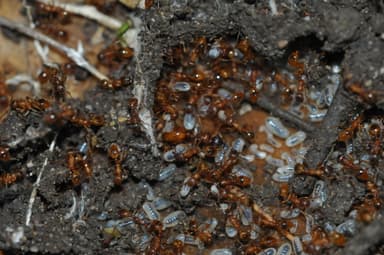
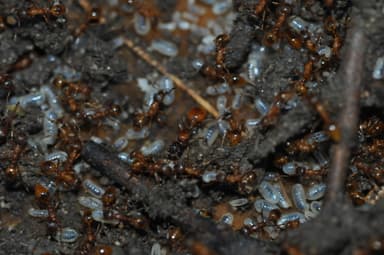
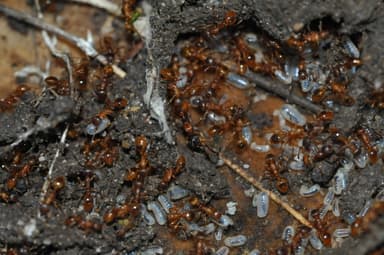
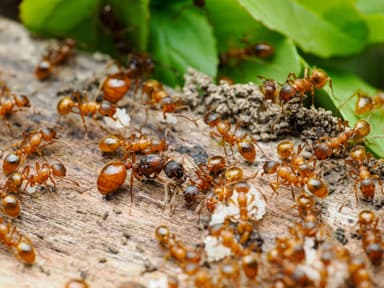
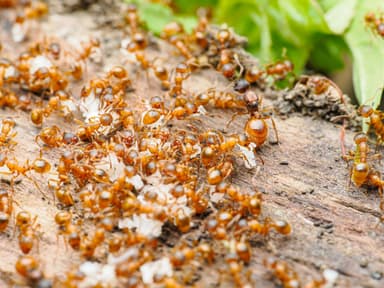
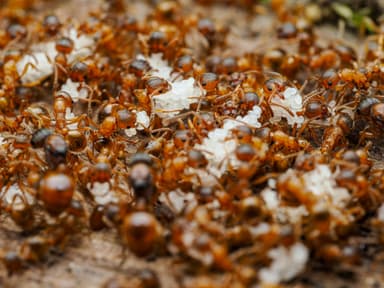
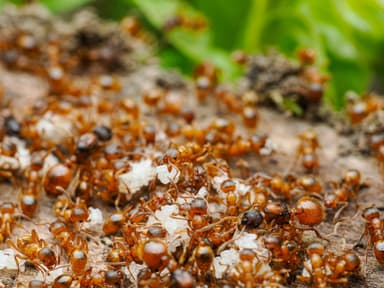
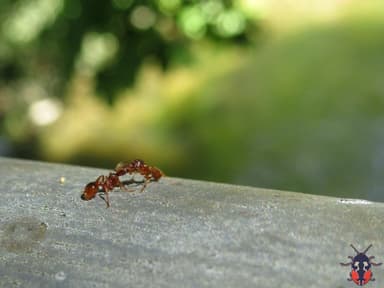
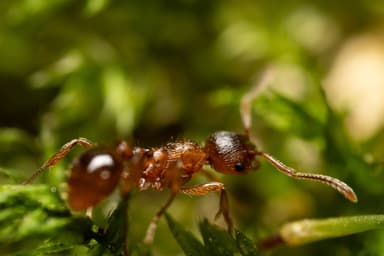
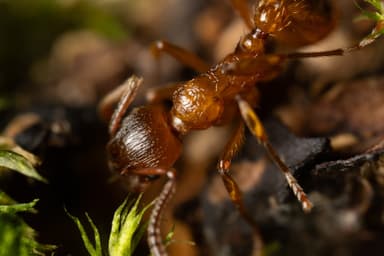
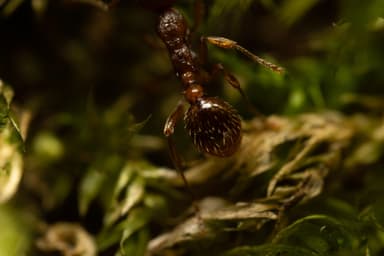
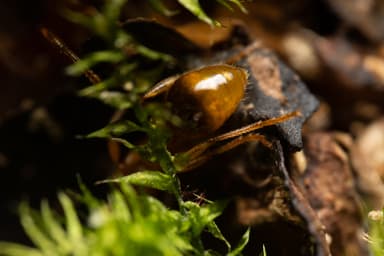
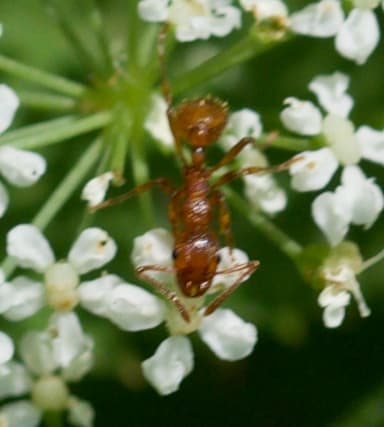
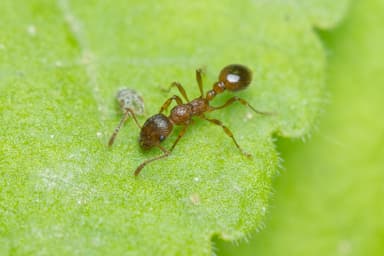
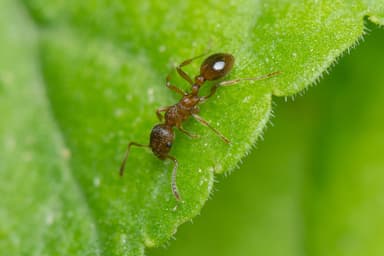
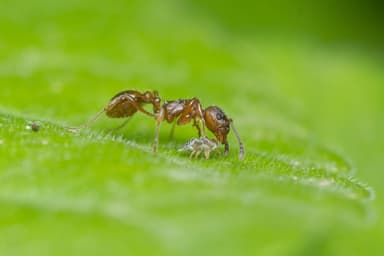
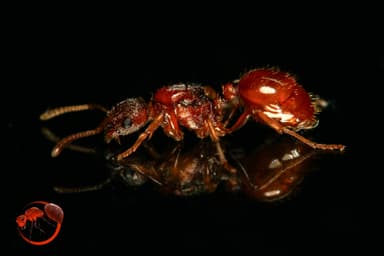
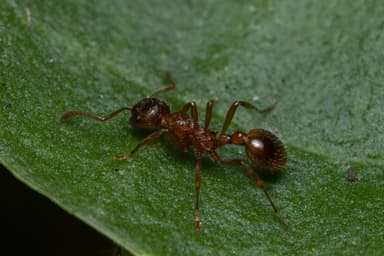
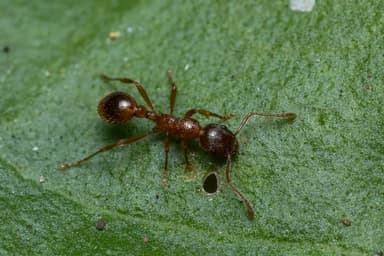
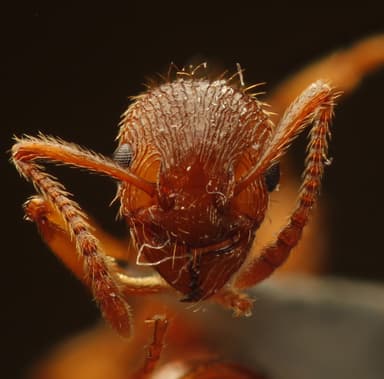
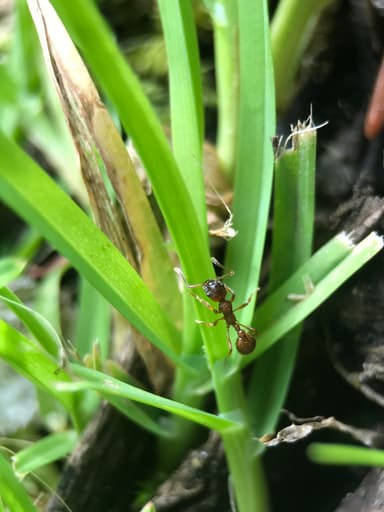
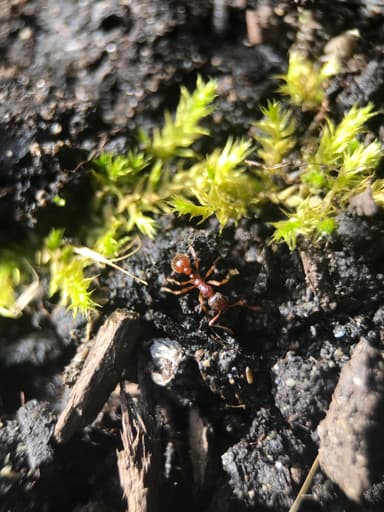
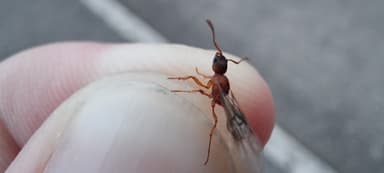
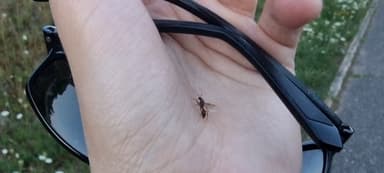
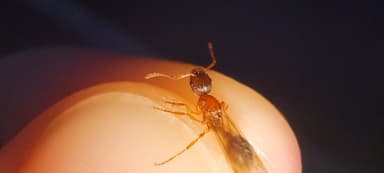
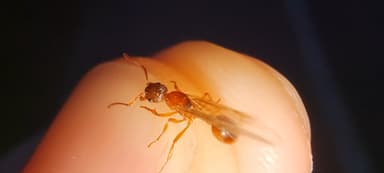
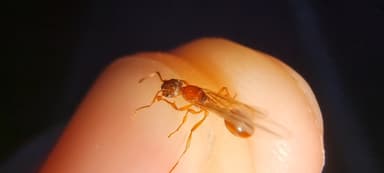
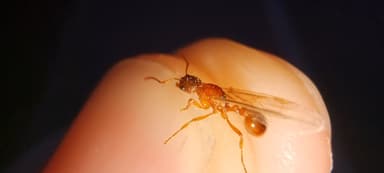
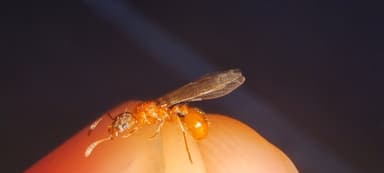
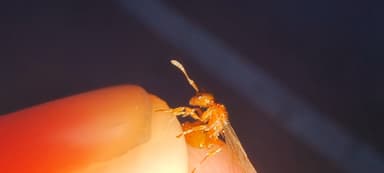
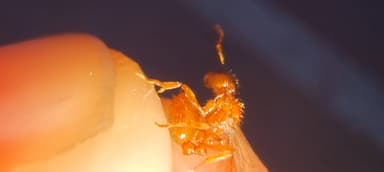
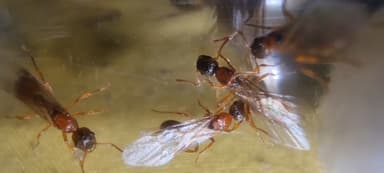
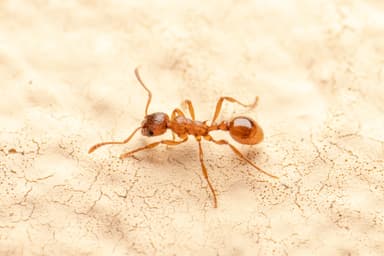
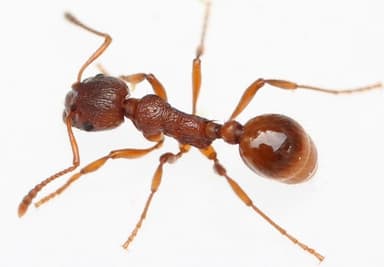
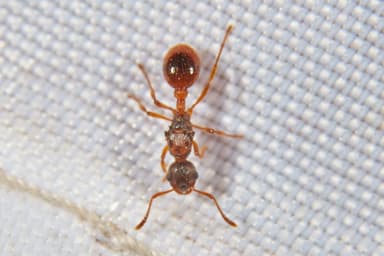
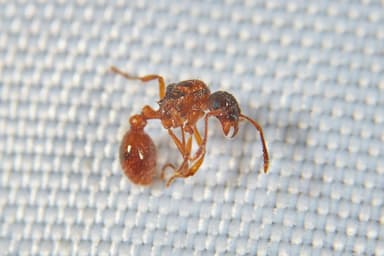
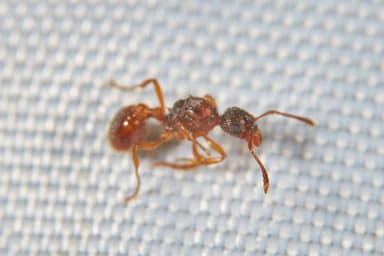
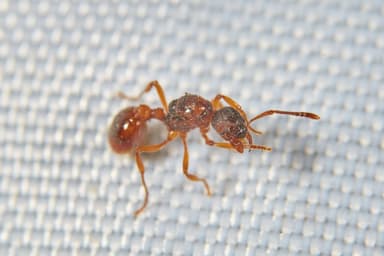
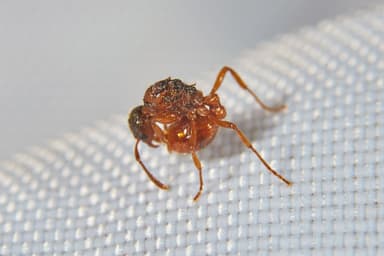
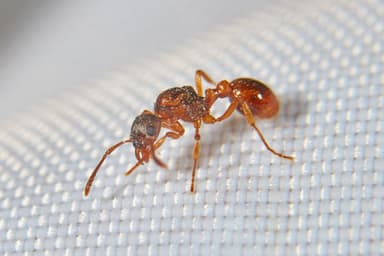
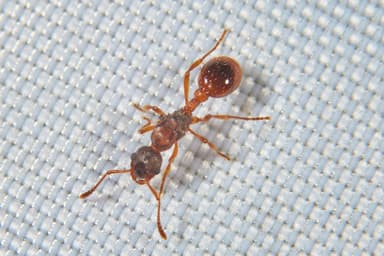
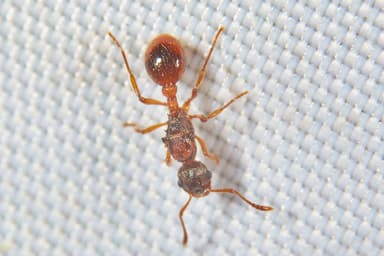
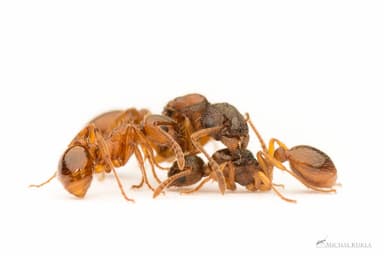
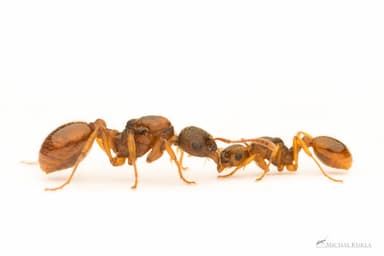
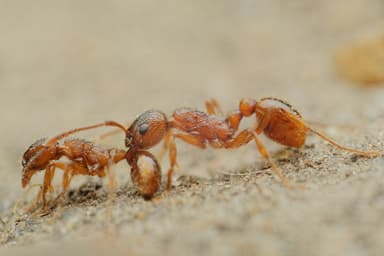
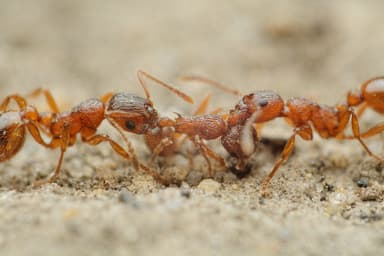
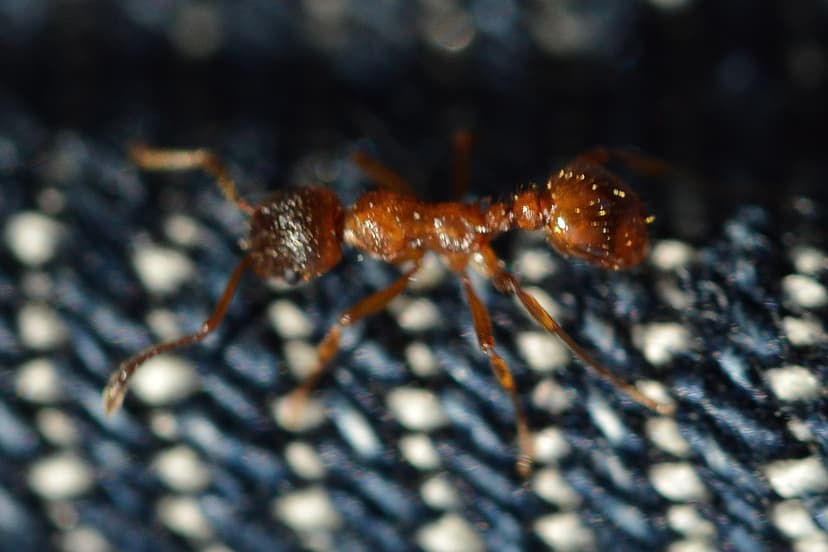
Myrmica rubra, commonly known as the European fire ant, is a small but formidable species that has captured the fascination of ant keepers worldwide. The workers measure a modest 4 to 5 millimeters, while the queens reach 6 to 7 millimeters, both sporting a distinctive reddish-brown hue that hints at their fiery nature. Unlike some ants that rely on sheer worker polymorphism, Myrmica rubra colonies are monomorphic, composed entirely of minor workers, yet they can swell to impressive sizes of up to 15,000 individuals. What truly sets this species apart, however, is its bold, aggressive temperament and its remarkably potent sting — a trait that earned it the "fire ant" moniker despite being unrelated to the Solenopsis genus. Native to a vast swath of the Palearctic, stretching from western Europe to Siberia, it has also established a vigorous invasive foothold in northeastern North America (Groden et al. 2005), demonstrating a resilience that makes it equally robust in captivity. Keepers are drawn to its dynamic foraging, complex colony interactions, and the sheer activity of a large, thriving nest.
In terms of care, Myrmica rubra is delightfully suited to beginners, though it does demand a respectful approach due to its stinging capability. The species is forgiving of minor husbandry mistakes, thanks to its hardy constitution, but the semi-claustral founding strategy of new queens means the keeper must be attentive from the very start. A freshly mated queen cannot simply be sealed away and forgotten — she will need to forage periodically, so providing small food offerings during the founding phase is essential. While the ants themselves are not overly sensitive to environmental fluctuations within a reasonable range, their readiness to sting and their exceptional escape artistry make them a more engaging challenge for hobbyists who enjoy a lively, interactive colony. The care routine is straightforward enough for a novice to master quickly, yet the colony’s vigorous growth and defensive displays offer enduring interest for seasoned keepers as well. Just be prepared: a secure lid and a steady hand are non-negotiable, as these ants will exploit the smallest gap and defend their territory with enthusiasm.
Housing a Myrmica rubra colony requires balancing security, humidity, and a forgiving temperature gradient. The ideal temperature range is 18 to 25°C, with the warmer end promoting faster brood development, while a relative humidity of 50 to 70 percent mimics their moist meadow and forest-edge habitats. A formicarium with a plaster, ytong, or grout nest provides excellent moisture regulation, though many keepers find that a soil-based setup, or at least a soil-filled outworld, encourages natural digging behaviours and helps maintain the necessary humidity. Since these ants are notorious escape artists, a tight-fitting lid coated with a fluon or PTFE barrier is critical; even a thin smear of oil along the upper rim can serve as an added deterrent. The nest itself should offer a dark, cosy interior, with a spacious foraging arena connected by a single, easily monitored tube. A small heat mat placed against one side of the nest can create a subtle thermal gradient, allowing the colony to choose its preferred microclimate. Substrate depth in the outworld should allow for some excavation and waste disposal, as workers will readily bury debris. A simple layer of coconut coir or a sand-loam mix, kept evenly moist but never waterlogged, replicates their natural soil preferences and supports the colony’s hygienic routines.
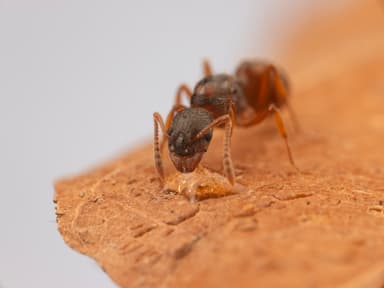
A balanced diet is the engine behind a Myrmica rubra colony’s impressive growth. These ants are omnivorous, eagerly accepting a wide range of protein and carbohydrate sources. Offer freshly killed or live insects such as fruit flies, crickets, mealworms, and small roaches two to three times a week, ensuring they are free of pesticides. The protein is vital for larval development, and workers will rapidly recruit to a freshly introduced insect. On the carbohydrate side, provide a shallow droplet of sugar water, honey water, or a commercial ant nectar; these are greedily consumed and shared among adults for quick energy. A constant supply of fresh water is essential — a test tube waterer plugged with cotton or a small water tower in the outworld works perfectly. During the active season, feeding frequency should increase as the colony expands, but always remove uneaten prey after a day to prevent spoilage. The workers’ aggressive foraging behaviour makes feeding a spectator sport, but use long tweezers to avoid an accidental sting. A colony denied sufficient protein may turn sluggish or cannibalise brood, while sugar-deprived workers will stop foraging, so observe the ants’ appetites and adjust portions accordingly.
Hibernation is not optional for Myrmica rubra; it is a rigid physiological requirement. In their native range, these ants endure long, cold winters, and successful captive husbandry must replicate this dormancy. From late autumn, gradually reduce the temperature over a couple of weeks until the colony settles at around 5°C, though anything between 3 and 8°C is generally safe. They should remain hibernating for a minimum of three to four months — usually from November to February or March in the Northern Hemisphere. A dedicated refrigerator, a cool cellar, or an insulated cold box can all serve this purpose, as long as temperatures remain stable and the nest is protected from disturbance. During hibernation, the colony clusters together in a torpid state; they will not need food, but the nest must retain gentle humidity so they do not desiccate. A small, moist cotton plug in the nest or a periodically dampened plaster chamber will suffice. At the end of the rest period, warm them slowly back to room temperature, and you will soon witness a flurry of activity as the queen resumes egg-laying. Skipping hibernation leads to dwindling colony health and a steady decline in brood production, underlining how vital this cold rest truly is.
The first days after your Myrmica rubra colony arrives set the foundation for its success. If you have received a founding queen alone, place her in a small test tube setup with a water reservoir and a narrow, darkened chamber, and offer her a tiny drop of sugar water immediately, followed by a fruit fly wing or a sliver of mealworm after 24 hours. She will need these energy reserves to start nurturing her first brood, as she is semi-claustral and cannot rely solely on her own metabolic stores. For a small colony with a few workers, connect the tube to a small outworld and provide both sugar and protein; workers will emerge to forage within minutes. Keep the setup in a quiet, dimly lit space, and resist the temptation to check constantly — stress is the greatest enemy of a new colony. Within a week, you should see the queen’s gaster swelling and the first eggs appearing. Watch for any unusual signs like workers abandoning the queen, which can indicate stress or illness, but such problems are rare when conditions are right. Once the colony has settled and begun regular foraging, you can gradually move them into a larger formicarium, confident that you are providing a slice of their wild, vigorous world.