Myrmecia
Myrmecia forficata
Nuptial Flight Calendar
Flight months: Jan, Feb, Mar, Dec
Care Guide
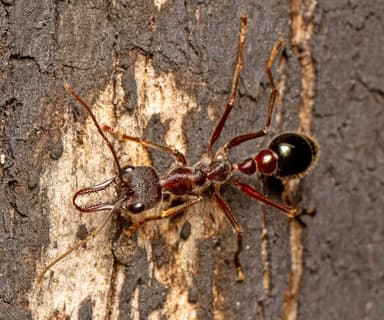
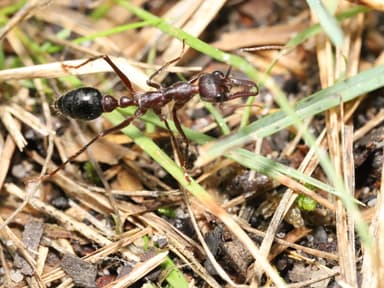
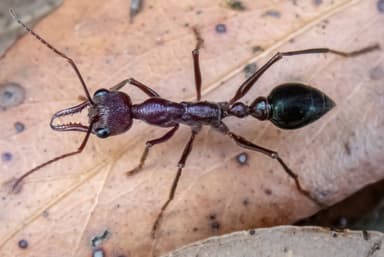
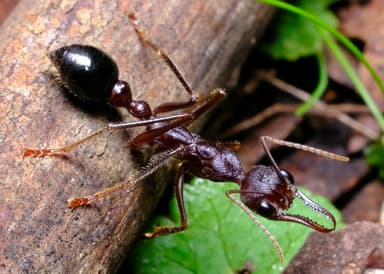
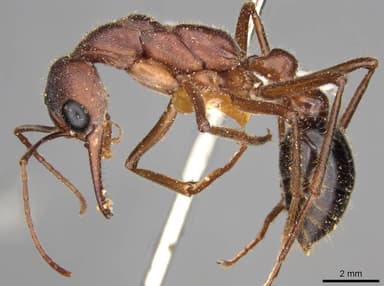
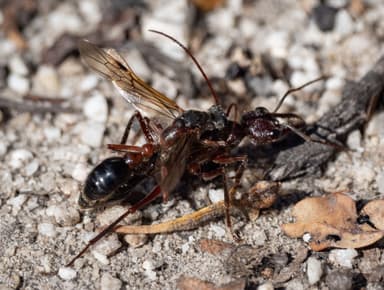
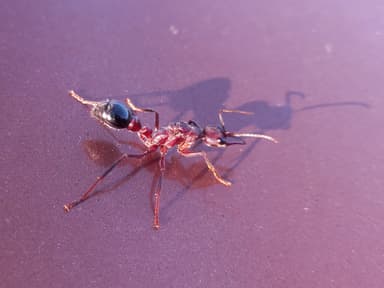
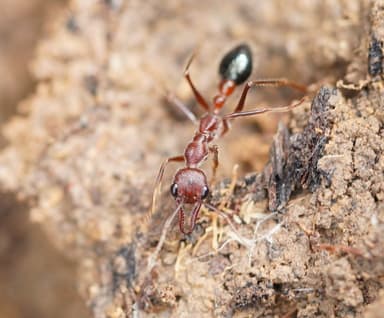
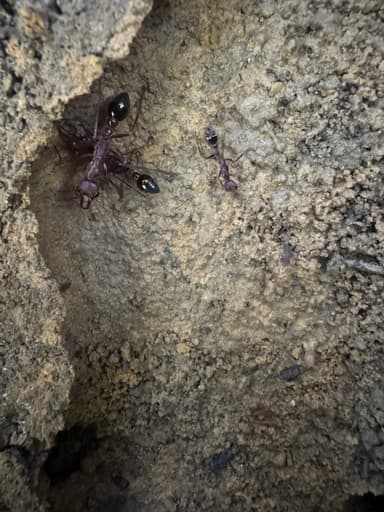
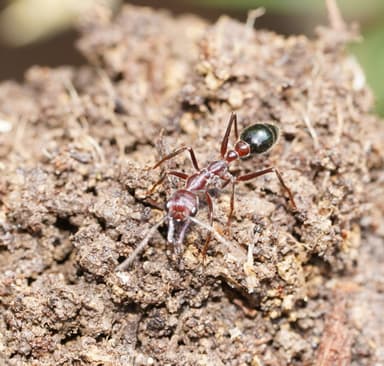
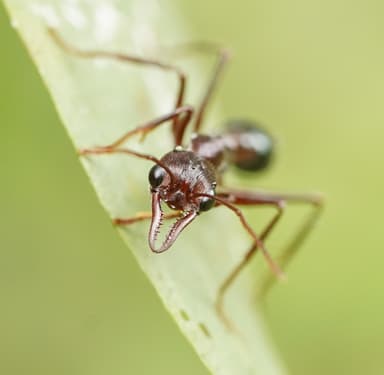
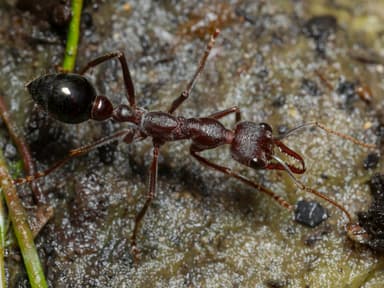
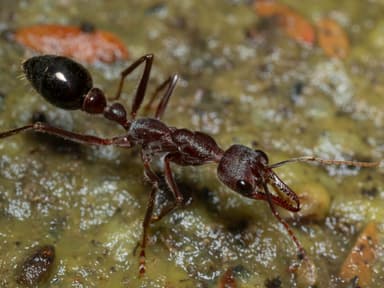
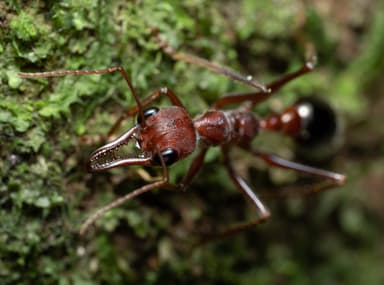
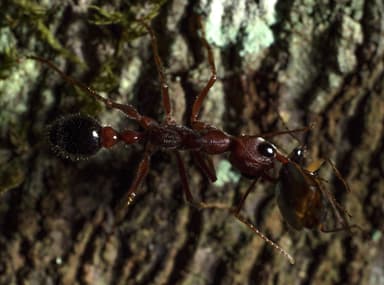
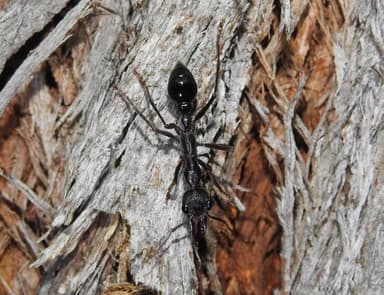
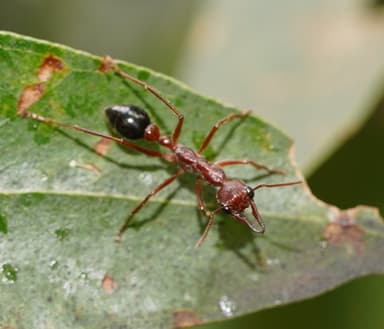
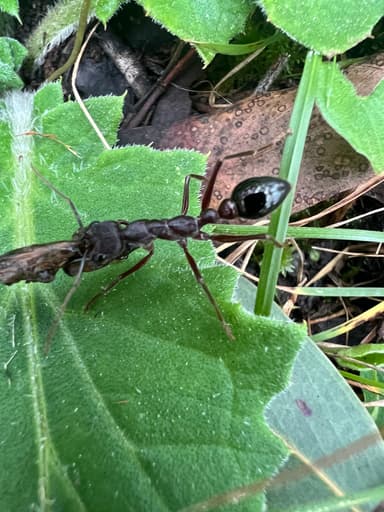
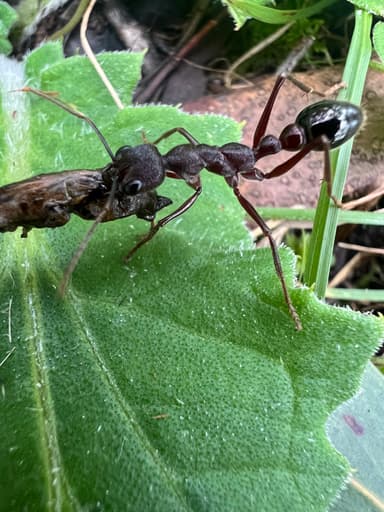
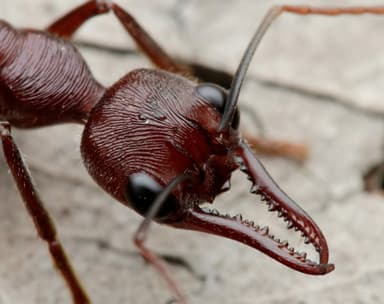
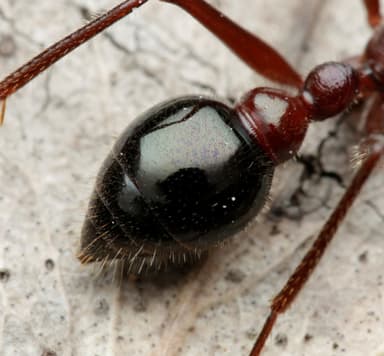
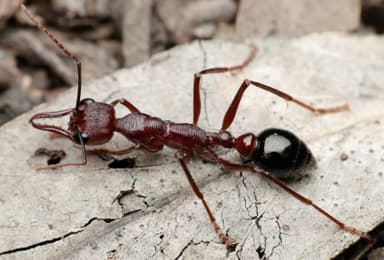
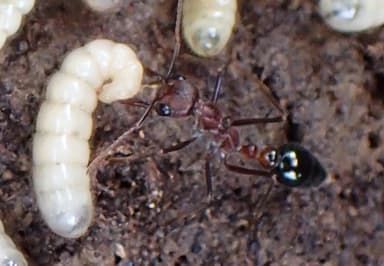
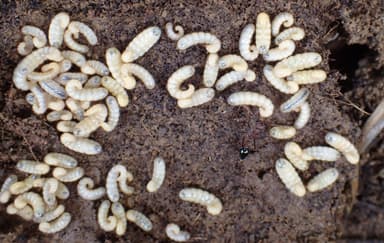
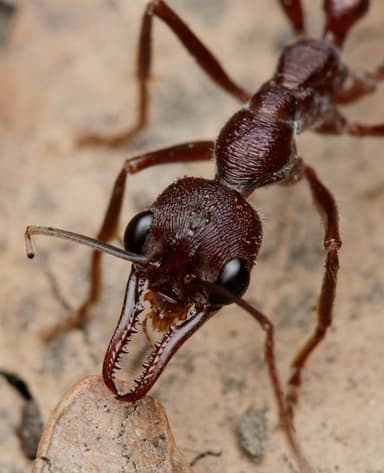
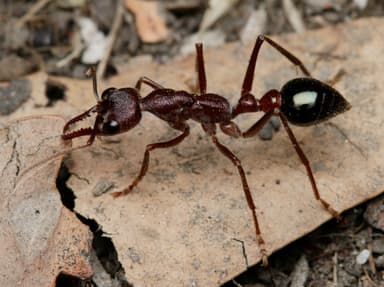
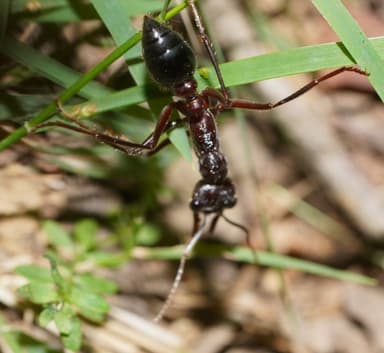
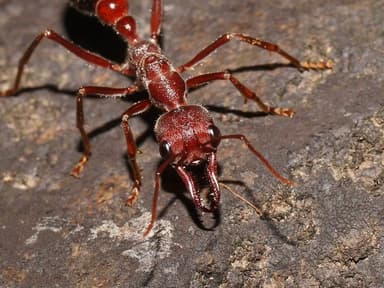
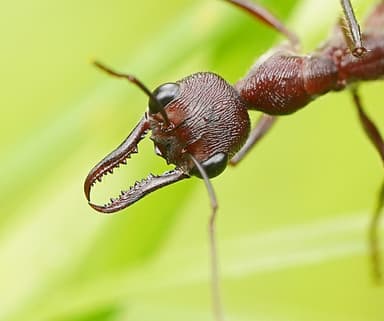
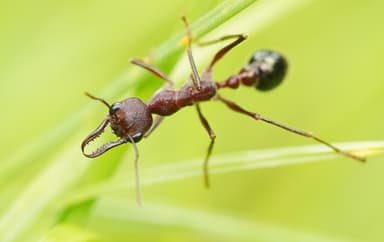
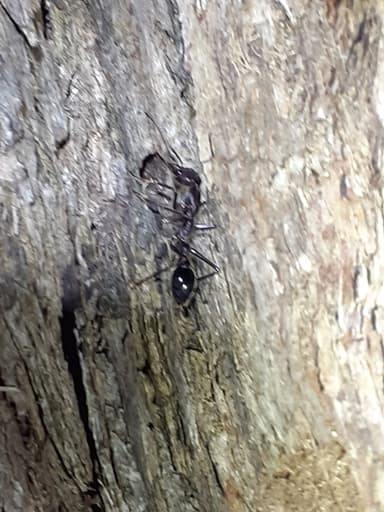
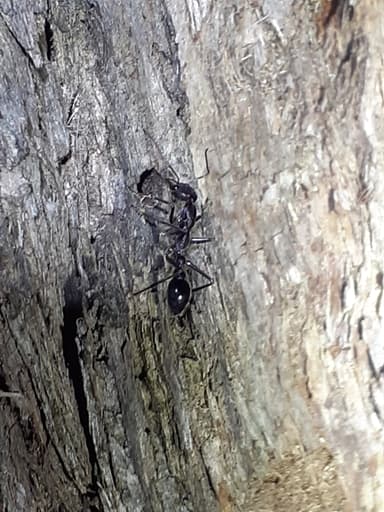
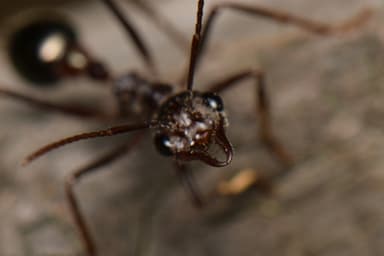
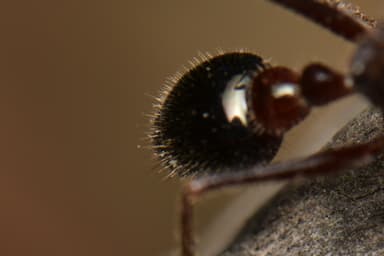
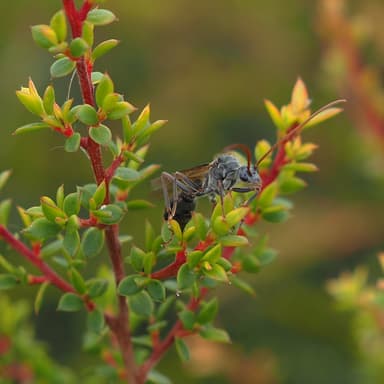
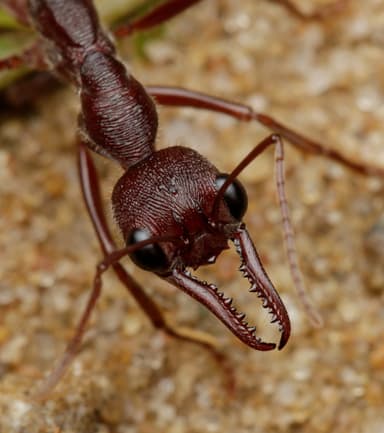
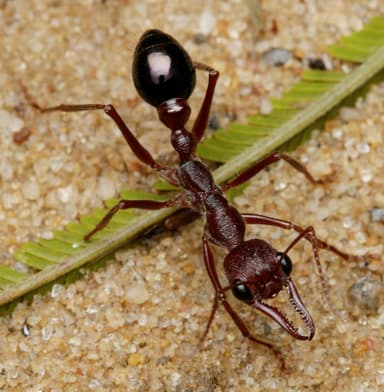
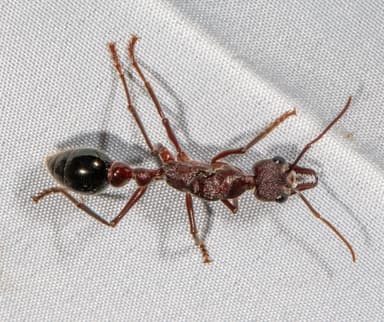
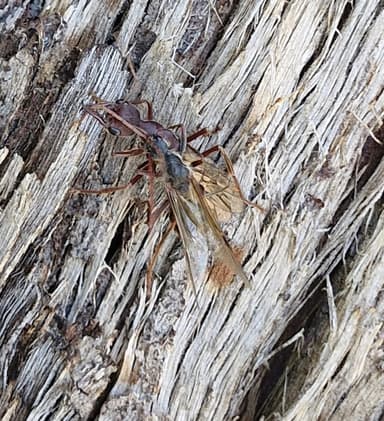
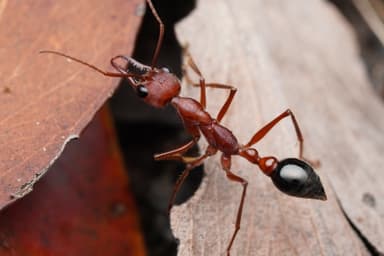
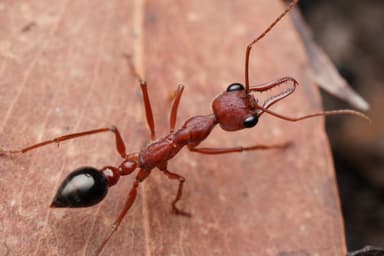
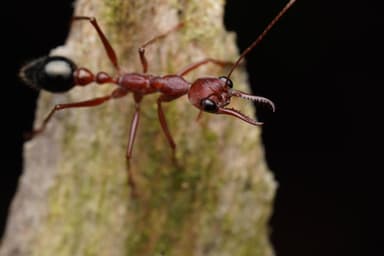
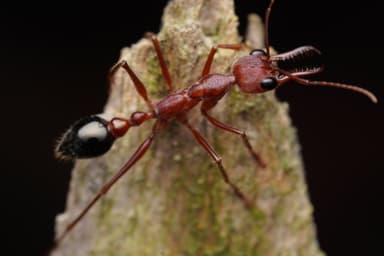
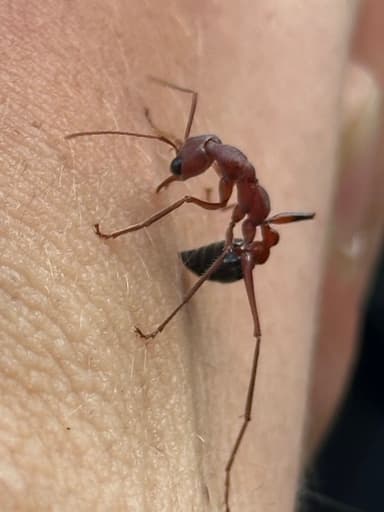
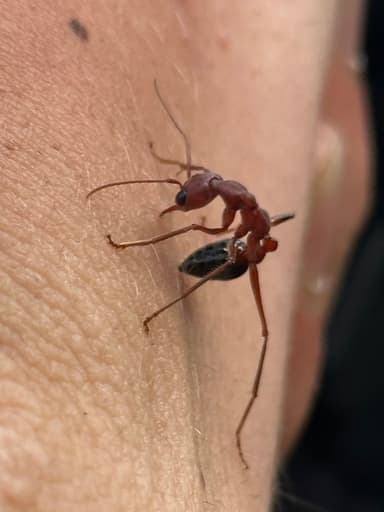
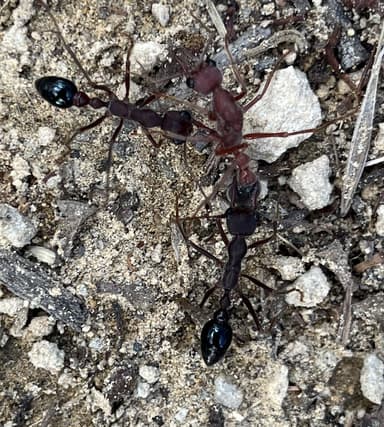
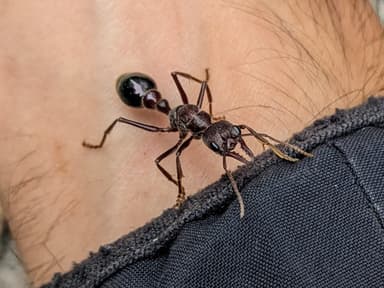
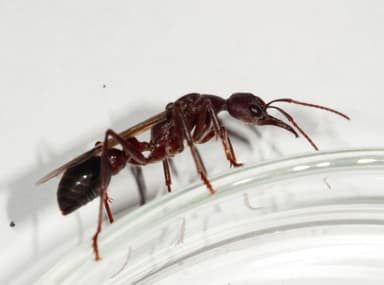
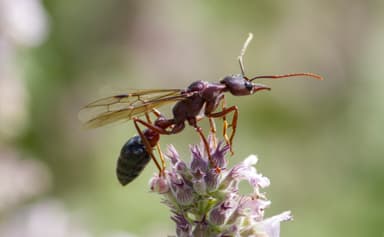
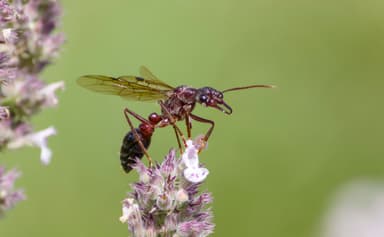
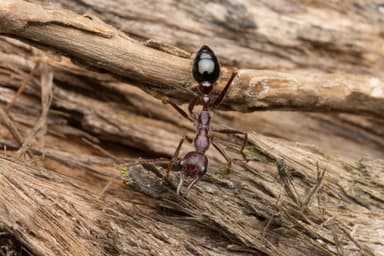
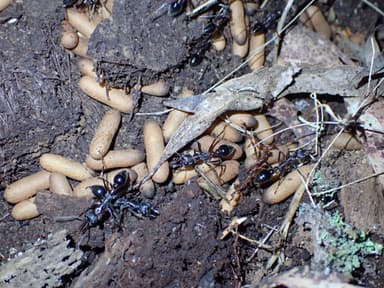
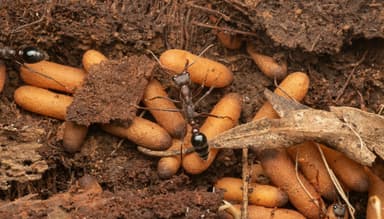
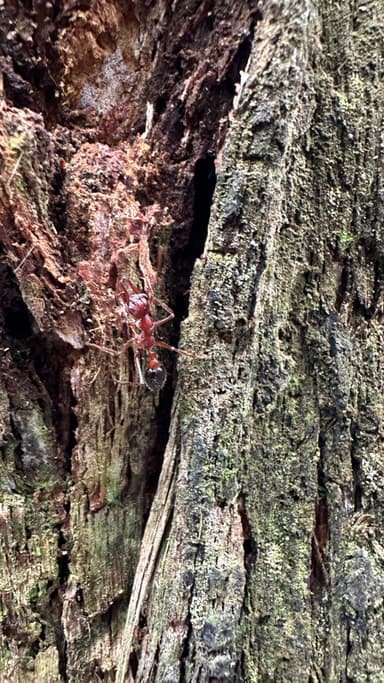
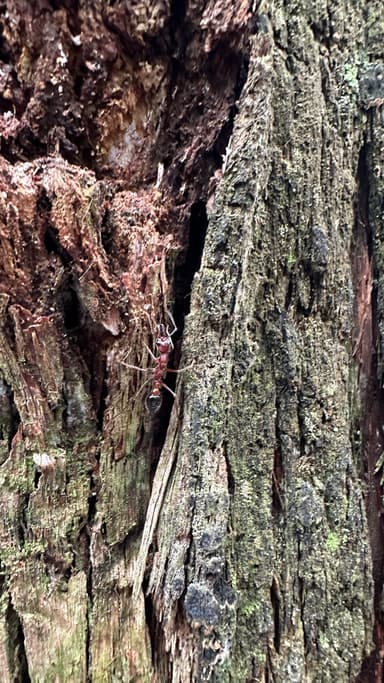
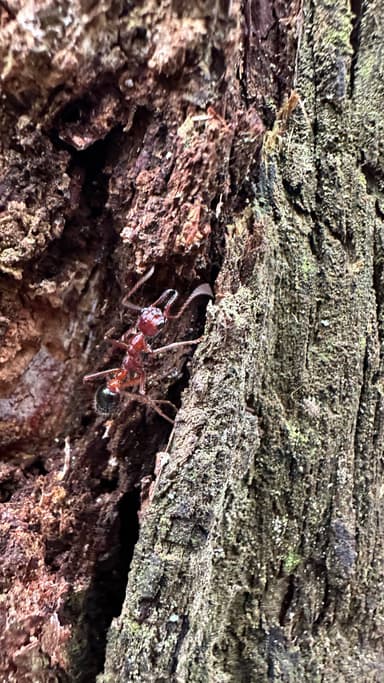
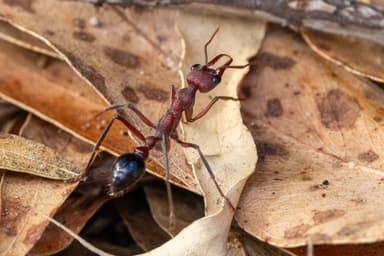
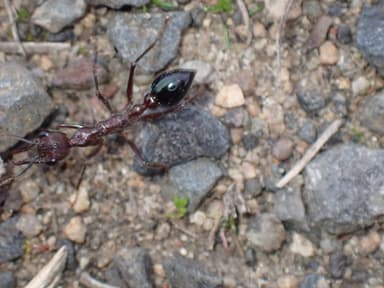
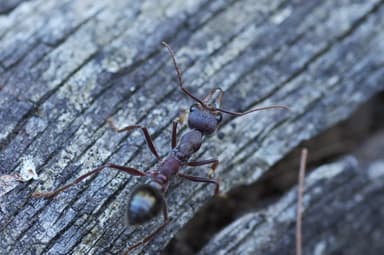
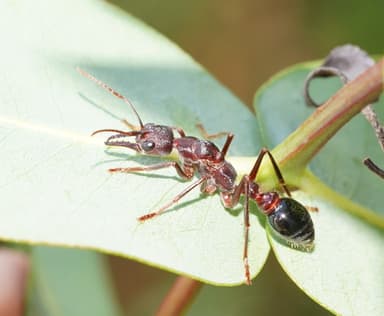
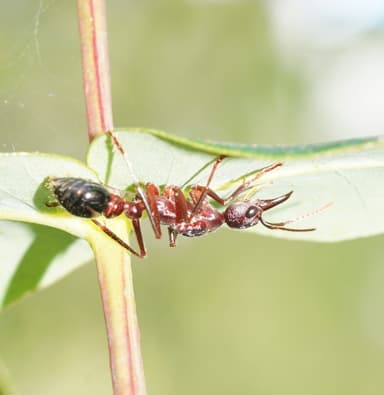
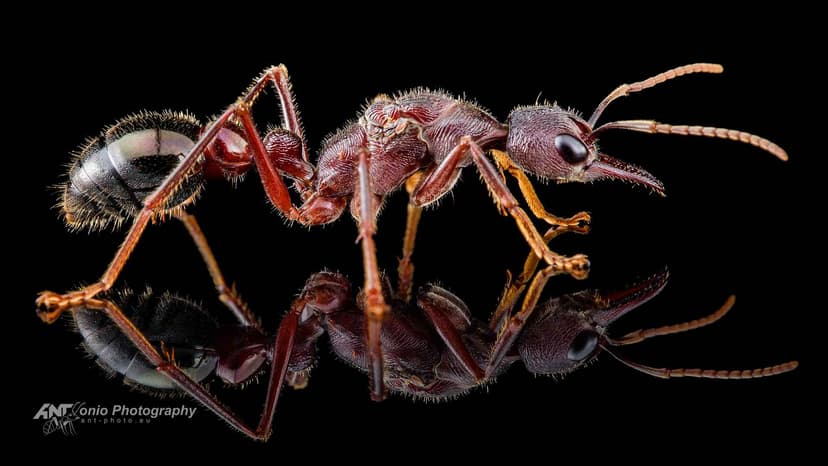
Myrmecia forficata, commonly known as the inchman or jumper ant, is an iconic Australian bull ant that embodies both the beauty and the formidable nature of the primitive ant world. Queens are a stately 20–26 mm, while the monomorphic workers—all belonging to a single caste—range from 16–25 mm, and colonies mature slowly to a maximum of around 1,000 individuals (Clark 1951). This species is at home in the cool temperate forests of Tasmania and the southeastern highlands of the mainland, where it patrols the leaf litter as a solitary, diurnal hunter, relying on exceptionally large eyes and elongated, toothed mandibles to seize live prey. Founding is semi‑claustral, meaning the newly mated queen must repeatedly venture out of her burrow to hunt for her developing larvae, a delicate phase that demands constant feeding. Couple this with a proclivity for jumping when agitated and a sting that ranks among the most painful of any insect, and it becomes plain that Myrmecia forficata is a species reserved for the expert keeper alone. Only those who have mastered completely escape‑proof vivaria, who are comfortable managing a medically significant sting, and who can commit to a strict annual hibernation cycle will find this ant truly rewarding—yet for the advanced enthusiast, watching these visual predators stalk their prey in a carefully crafted microcosm is an experience of unrivaled fascination.
Creating a safe, naturalistic home for this powerful jumper is paramount. A plaster or ytong nest block with a moisture gradient, housed inside a glass terrarium fitted with a tight, fine‑mesh lid, forms the core of the formicarium. Multiple escape barriers—a broad band of fluon or PTFE around the upper rim, plus a secondary contained basin—are non‑negotiable, because these ants leap and climb glass with ease. The outworld should echo the cool, moist forest floor: a deep layer of sand‑clay mix or loam, scattered leaf litter, cork bark, and upright twigs for hunting perches. Temperature must be regulated with a daytime gradient from a cooler 18°C to a basking spot of 28°C, dropping slightly at night, while relative humidity should remain between 50 and 70%, achieved by dampening part of the nest and providing a constant water source via a test tube or a pebble‑filled dish. Adequate ventilation prevents mould, yet the enclosure must not dry out excessively.
Diet for Myrmecia forficata centres squarely on live insect prey. Crickets, wood roaches, mealworms and blowflies form the staple, with larvae requiring a high‑protein intake for proper development. Because the queen is semi‑claustral, she must be provisioned with small, disabled insects—pinhead crickets or fruit flies—every two to three days from the moment she is housed; failure to feed her quickly leads to egg cannibalism. For established colonies, offer protein two to three times per week, removing uneaten remains within 24 hours to maintain hygiene. Workers may sip an occasional droplet of diluted honey or sugar water, but carbohydrates are not essential and should be given sparingly. Fresh water must always be available, preferably from a test tube plugged with cotton so the ants can drink without risk of drowning.
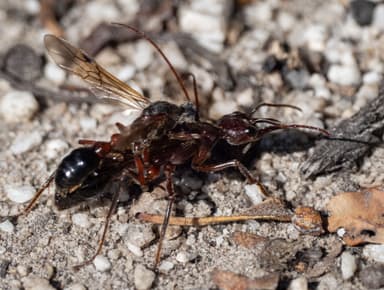
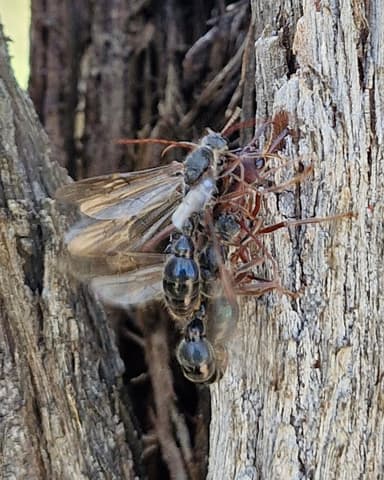
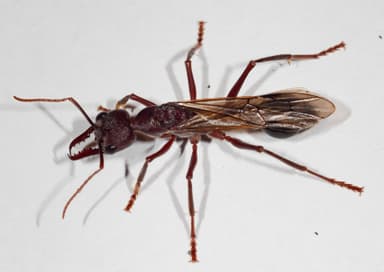
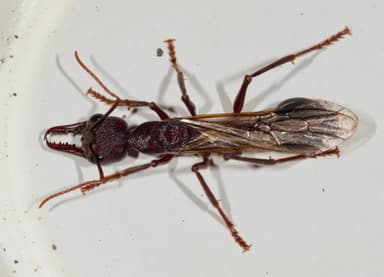
A prolonged winter dormancy at around 12°C is indispensable for the long‑term health and reproductive cycling of this temperate species. In their native range, cool‑season temperatures routinely dip to these levels, and captive colonies deprived of hibernation gradually decline and cease brood production. Begin the cool‑down by gradually lowering temperature and shortening the photoperiod over two to three weeks in late autumn, until the nest stabilises at 10–12°C. Maintain this chill for three to four months in a dark, undisturbed location such as a wine cooler. During diapause the ants become largely quiescent; offer only a tiny smear of sugar water once or twice and check that the nest medium stays slightly damp. This rhythm not only restores colony vigour but is a prerequisite if alates are ever to be produced—in the wild, nuptial flights occur in summer (December to March) on warm, humid afternoons following rain (AntWiki), and Ogata & Taylor (1991) emphasised that seasonal temperature cues are fundamental to the life history of temperate Myrmecia.
When you first receive your queen or small founding colony, transfer them immediately into the prepared setup with minimal disturbance, placing the nest in a dim, quiet spot at around 22°C. For a lone semi‑claustral queen, set a tiny pre‑killed fruit fly and a bead of sugar water just outside her chamber entrance within the first day. Observe from a distance whether she feeds; if the prey goes untouched for 24 hours, remove it and try again with a differently sized insect the following day. Avoid unnecessary vibrations, bright lights, or lid openings, because stress can swiftly provoke egg cannibalism. Should workers already be present, they will often begin foraging soon, allowing prey size to be gradually upgraded. Patience is the golden rule during these early weeks: once the queen feeds regularly and deposits her first egg batches, you have cleared the largest hurdle. Maintain stable humidity and temperature, and resist the urge to peer inside too often—the first home‑grown workers may take several months to emerge, but the sight of a new worker eclosing makes the wait wholly worthwhile.