Messor
Messor pergandei
Nuptial Flight Calendar
Flight months: Jan, Feb, Mar, Nov, Dec
Care Guide
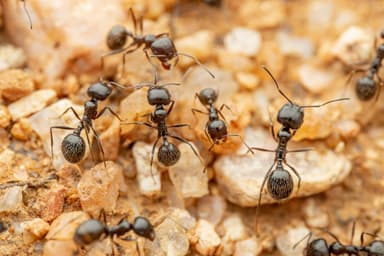
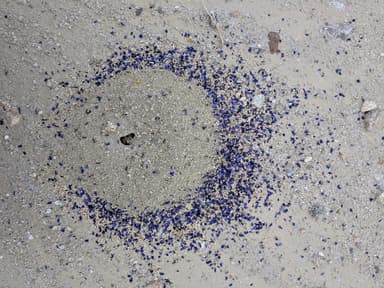
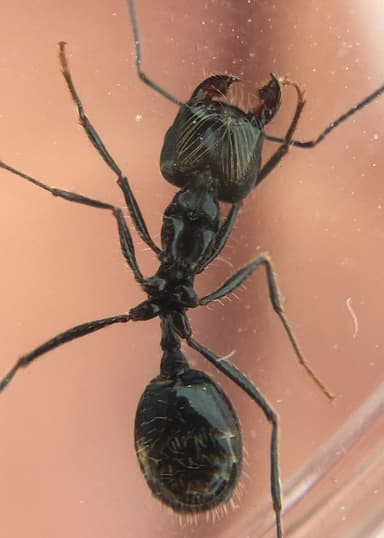
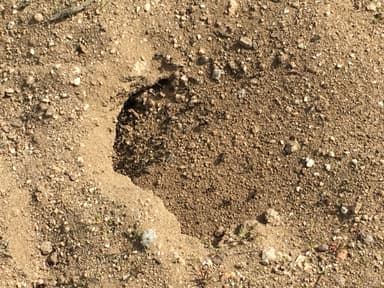
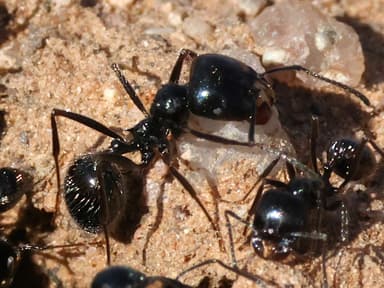
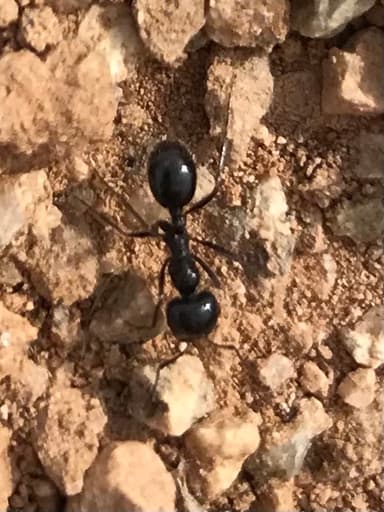
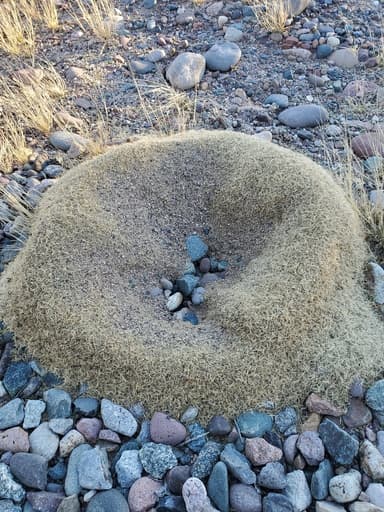
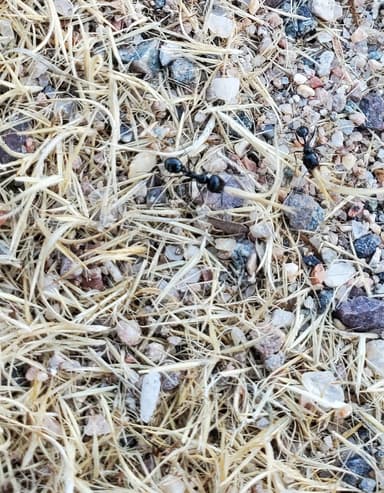
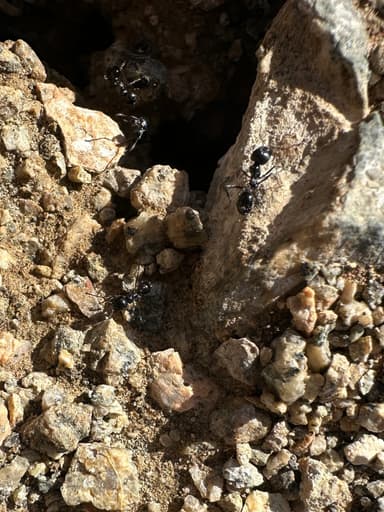
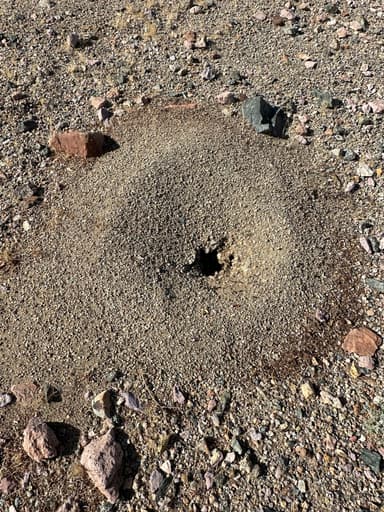
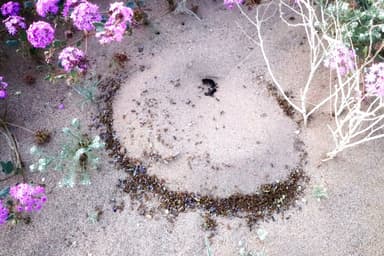
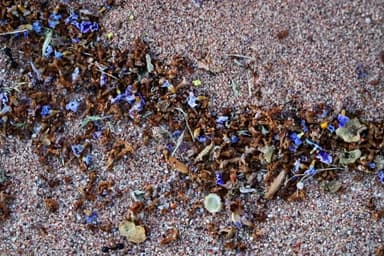
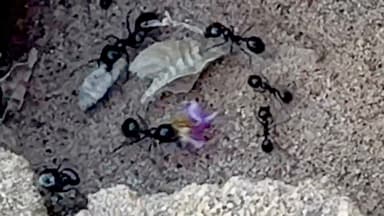
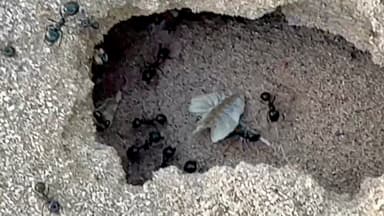
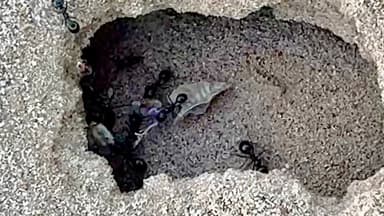
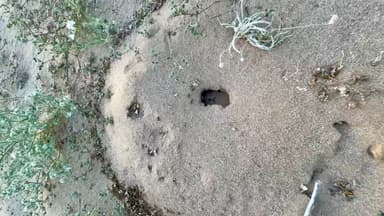
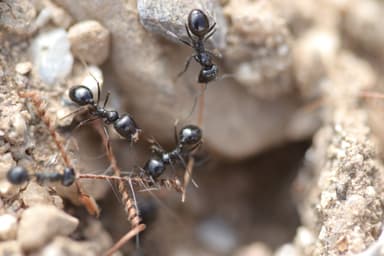
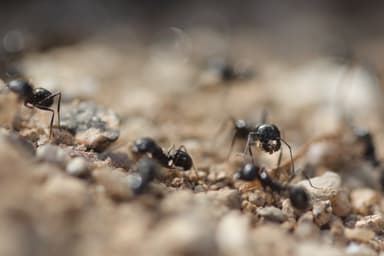
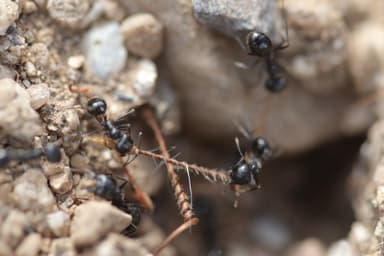
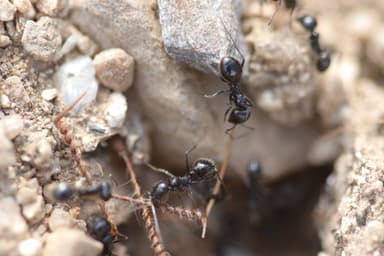
Messor pergandei, a formidable seed-harvesting ant of the arid Southwest, commands attention with its robust queen spanning 9 to 11 millimeters and a striking worker caste that ranges from delicate 4-millimeter minors to hefty 9-millimeter majors with powerful, blocky head capsules (Wheeler & Wheeler 1986). This polymorphism is not just cosmetic; the major workers serve as living seed mills, their enlarged mandibles and strong muscles cracking open the husks that minors cannot manage. Colonies mature into bustling metropolises of up to 30,000 ants, organized into extended foraging columns that radiate from a crater-shaped mound. What truly sets this species apart, however, is its social flexibility. While each queen is capable of independent claustral founding, in nature newly mated queens frequently converge and cooperate in a phenomenon called pleometrosis, sometimes forming lasting polygynous associations that give young colonies a significant boost in worker production (Rissing & Pollock 1988; Johnson 2000). This blend of individual grit and social sophistication makes M. pergandei a captivating subject for those fascinated by the interplay of cooperation and conflict in the insect world.
This species is best suited to the intermediate keeper. While not aggressively defensive, their need for a carefully controlled thermal gradient, mandatory annual hibernation, and potential for explosive population growth under ideal conditions demand a deliberate, well-equipped approach. A beginner may find the hibernation requirement daunting, and the desert environment they require can be intolerant of neglect—stagnant humidity or overly cool temperatures quickly invite mold and stress. However, for a hobbyist who has successfully maintained a simpler species through a full annual cycle and can invest in a quality heating setup, M. pergandei offers a deeply rewarding long-term project. The colony’s elaborate seed-storage behavior and the visual charm of its polymorphic workers patrolling a miniature desert landscape more than compensate for the extra vigilance needed.
Designing an appropriate home hinges on recreating the thermal and moisture profile of the Sonoran and Mojave Deserts. A ytong or plaster nest with a pronounced moisture gradient is ideal: one end kept dry and the other humidified by a reservoir, allowing the ants to move brood and seeds to their preferred microclimate. The nest should remain spacious enough to accommodate granaries—chambers where seeds are stored and processed. The outworld can be decorated with a sand-clay mix to allow for naturalistic foraging, but avoid saturating it; target a humidity range of 30 to 60 percent, mimicking the post-rain periods that trigger surface activity in the wild. Temperature is critical: maintain a gradient from about 22°C in the cooler retreats to a basking spot of up to 32°C under a heat lamp or mat applied to one side of the nest. This thermal spectrum supports brood development and allows adults to self-regulate. Good ventilation is non-negotiable to prevent condensation and fungal outbreaks in the seed stores.
Diet must mirror the seed-centric foraging of a harvester ant, supplemented with animal protein. The staple offering should be a diverse mix of small, dry seeds—grass seeds, amaranth, chia, and dandelion are all excellent choices—scattered in the outworld for foragers to harvest and husk. The energy-rich endosperm provides the colony’s carbohydrate needs, and they will store surplus seeds for lean times. Once or twice a week, provide freshly killed insects such as crickets, fruit flies, or mealworm segments to fuel larval growth. Avoid large live prey that could injure workers. A constant source of fresh water is essential; supply it via a test tube plugged with cotton or a small water feeder placed in the outworld. Do not offer honey or sugar water routinely, as excessive liquid sugars can lead to bacterial issues and are not a natural part of their diet, though an occasional small droplet may be accepted.
A cool winter rest at around 15°C is not optional—it is a physiological imperative ingrained by the North American desert climate, where nuptial flights occur in the wet, mild months from November through March (Johnson 2000). In captivity, a hibernation period of three to four months is recommended. Begin reducing the temperature gradually over a fortnight in late autumn, lowering the heating until the colony settles around the target 15°C mark. During this time, cease protein feeding and remove uneaten seeds; the colony will be largely inactive. Keep the nest slightly moist but never damp, and do not disturb them unnecessarily. When spring arrives, warm them slowly back to the operational range, and offer fresh seeds and insect protein once you see resumption of foraging. Skipping this dormant phase will likely result in a steady decline in queen fecundity and colony vitality.
Receiving your new M. pergandei colony is an anxious moment for both you and the ants. On arrival, allow the transport tube to sit in a quiet, dimly lit room at around 24°C for several hours to let the ants settle from vibration stress. Resist the temptation to feed on the first day; instead, ensure the tube’s water reservoir is full and the cotton plug is secure. After 24 to 48 hours of acclimation, offer a tiny pile of seeds and a single pre-killed fruit fly. Observe gently: if the queen is actively laying and workers are carrying seeds back toward the brood, you’re on the right track. Connection to a larger nest should wait until the colony becomes cramped, which may take several months. If you acquired a pleometrotic group of queens, watch for any sudden signs of aggression between them or from workers—though cooperative founding is typical, instability can occur as the colony matures. Secure all barriers with a fluon or talcum paint; these ants are accomplished climbers and escape artists from their earliest days. With patience and precision, that small tube of pioneers will transform into a thrumming desert society, a living diorama of one of North America’s most charismatic harvester ants.