Formica
Formica obscuripes
Nuptial Flight Calendar
Flight months: Apr, Jun, Jul, Aug
Care Guide
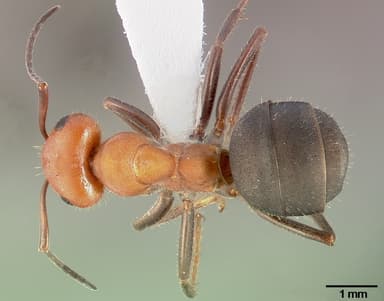
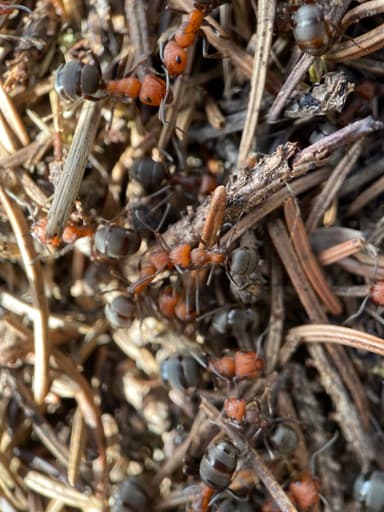
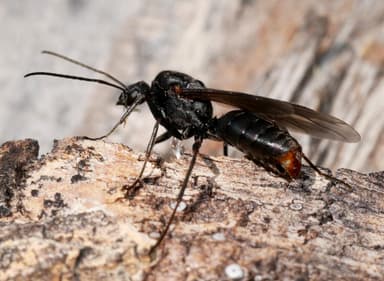
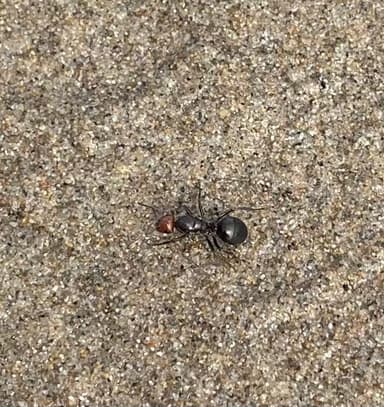
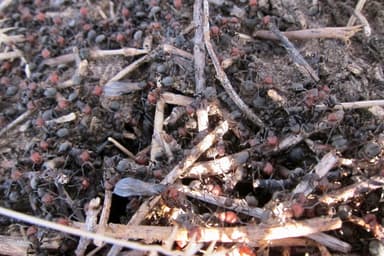
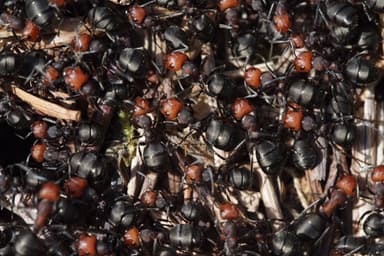
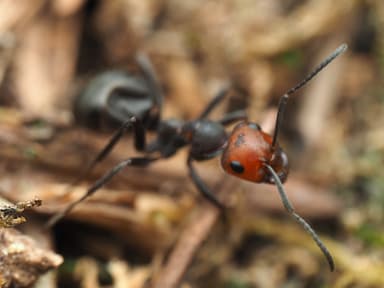
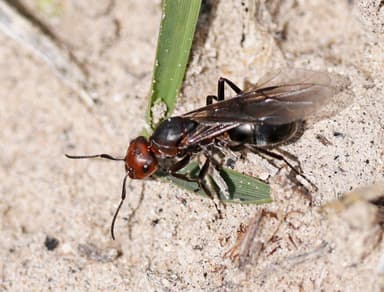
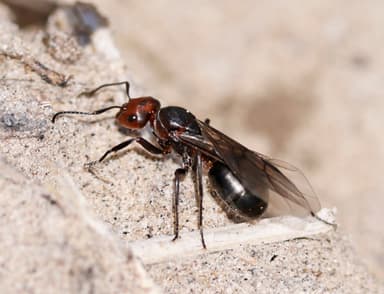
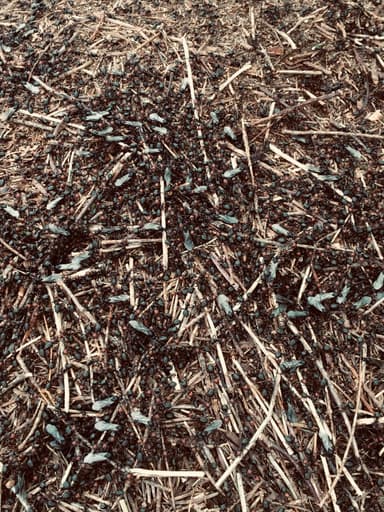
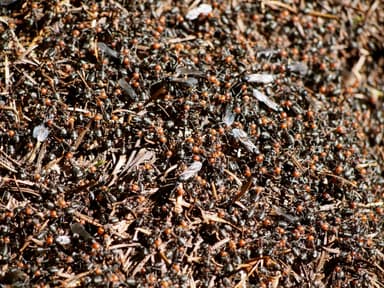
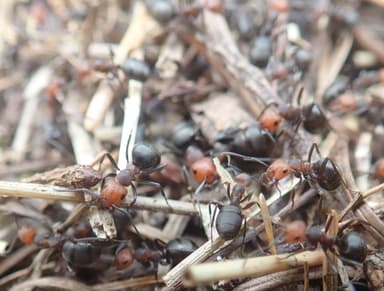
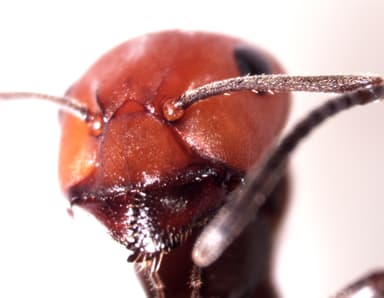
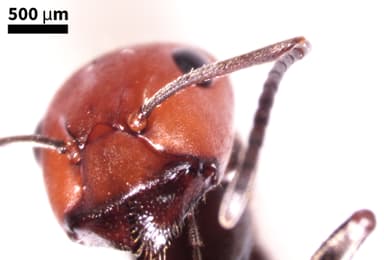
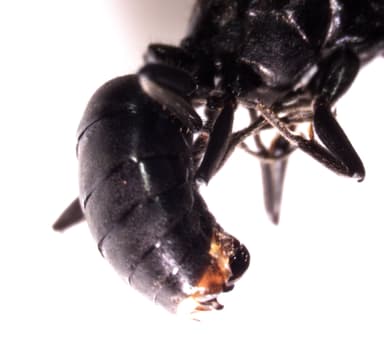
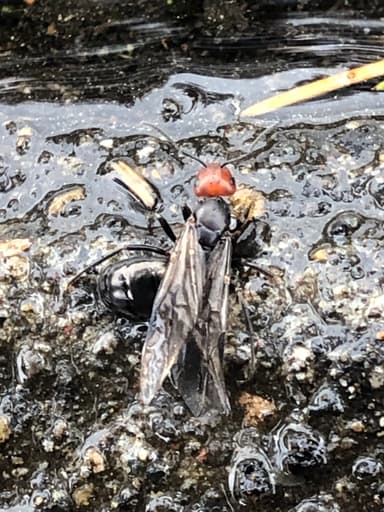
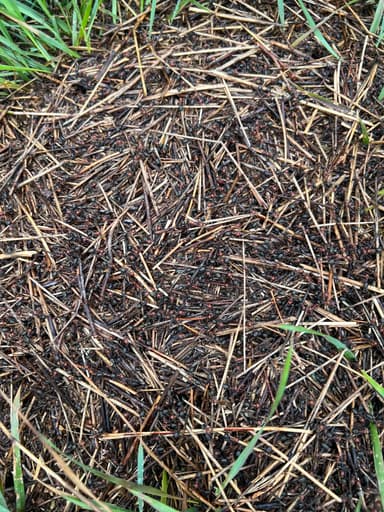
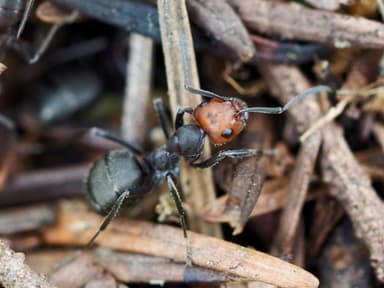
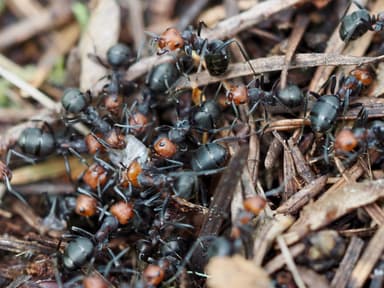
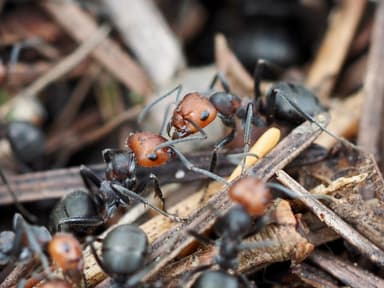
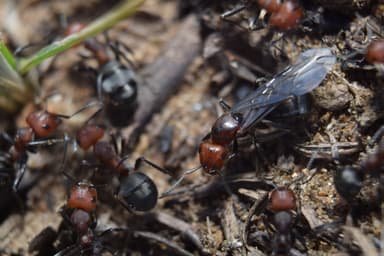
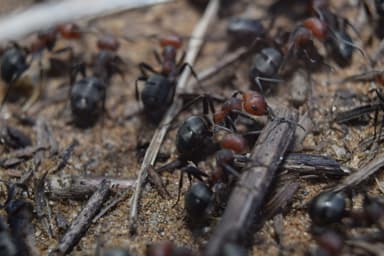
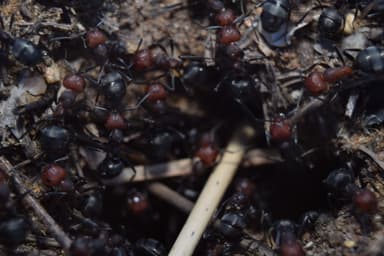
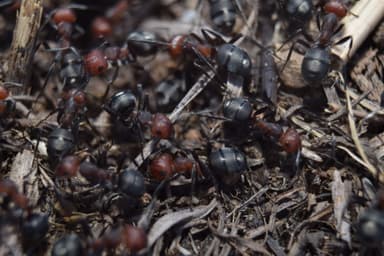
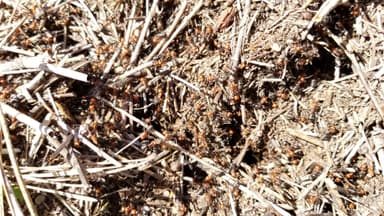
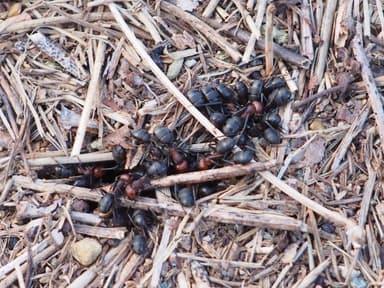
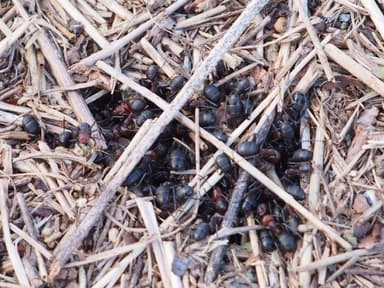
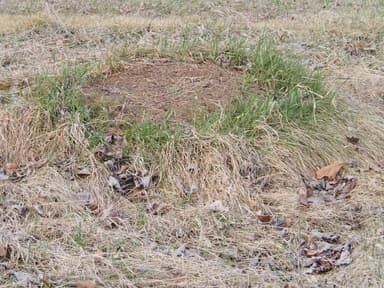
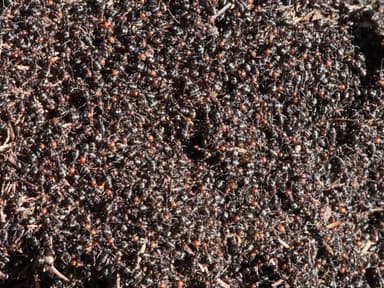
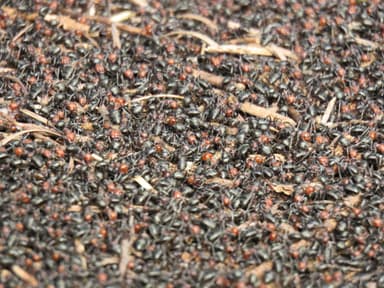
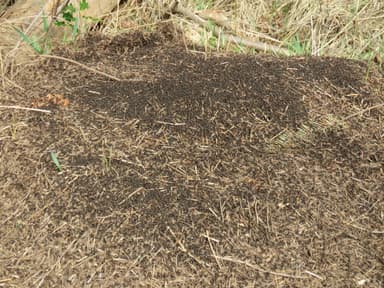
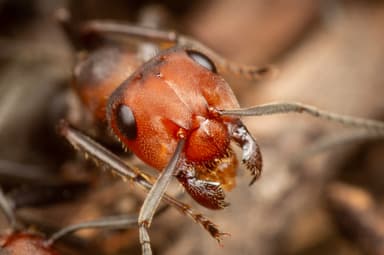
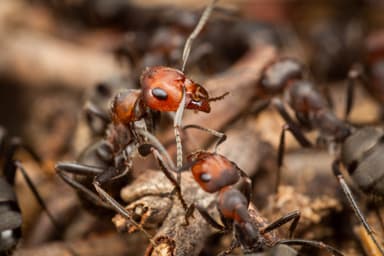
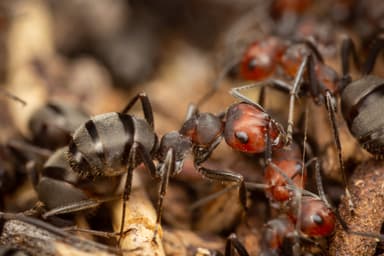
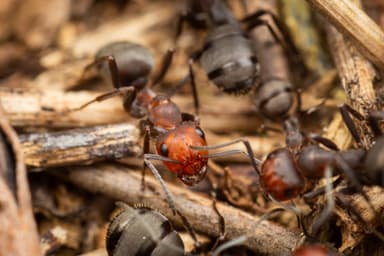
Formica obscuripes, the western thatching ant, is a strikingly robust and ecologically significant species that captivates expert keepers with its elaborate nest architecture and dynamic colony life. Workers exhibit clear caste polymorphism, with minor workers measuring around 4–6 mm and major workers reaching up to 8 mm, while queens are substantially larger at 9–11 mm. Their most famous trait, however, is the construction of enormous thatch mounds — dome-shaped structures built from twigs, pine needles, and plant debris — that can house colonies of up to 40,000 individuals. These mounds, often exceeding a meter in diameter in the wild, are not merely piles of detritus; they are actively engineered to regulate internal temperature and humidity, a thermoregulatory feat documented by Conway (1996) and McIver & Steen (1994). The ants’ range spans western North America from southern British Columbia and Alberta down through the Intermountain West to New Mexico, typically in open coniferous forests, montane meadows, and sagebrush steppes. Their nuptial flights occur on warm, sunny afternoons from June through August, often following rain, when winged reproductives take to the air in a synchronized spectacle. What truly sets F. obscuripes apart for advanced hobbyists, though, is its founding strategy: it is a temporary social parasite, meaning a newly mated queen must infiltrate a colony of a related Formica species, such as those in the fusca group, usurp the host queen, and use the host workers to jump-start her own colony before eventually replacing them with her own offspring.
Given this intricate life history, F. obscuripes is unequivocally an expert-level species. The parasitic founding stage demands precise timing, a deep understanding of host colony dynamics, and often a willingness to sacrifice entire starter colonies if the queen is not accepted. Even after a successful takeover, the young colony remains fragile and requires meticulous monitoring of brood development and worker integration. This ant is not for the casual keeper drawn to easy-to-grow species; rather, it suits those with substantial experience in managing social parasites, a steady supply of appropriate host workers, and the patience to shepherd a colony through its critical first year. The reward, of course, is witnessing the colony transition from a scattered handful of host workers to a thriving metropolis of thousands, busily constructing and tending their thatch. For keepers without prior experience with parasitic Formica or similar genera, it is wise to first master species like Formica fusca or Formica rufibarbis before attempting F. obscuripes.
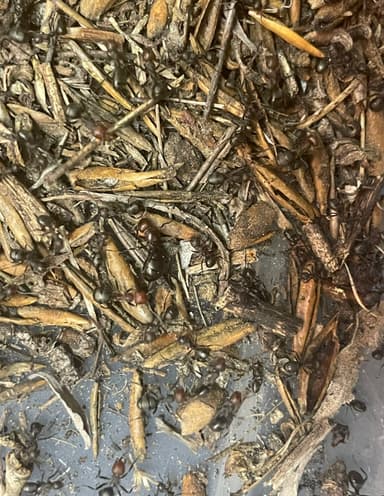
Housing must replicate the environmental conditions of their native subalpine and woodland habitats while accommodating their remarkable nest-building behavior. A temperature gradient between 18°C and 28°C is ideal, with a basking area at the warmer end to promote brood development; ambient room temperature can work well if a heat cable or lamp is used on one side of the setup, always monitored with a precise thermometer. Humidity should be maintained at a moderate 40–60%, which can be achieved through a combination of a water tower or test tube water source and periodic misting of a portion of the foraging area. However, the greatest challenge lies in providing a nest that allows for th aching. Most commercial formicaria are unsuitable, as they lack the depth and substrate needed. A large, well-ventilated terrarium or a custom wooden or acrylic box with a deep layer of a sand and decomposing organic matter mix works best. The ants need a substantial pile of dry grass, pine needles, and small twigs that they can manipulate into a mound. Over time, they will create internal chambers and galleries, and you must ensure the thatch does not become too dry or mouldy — spot-cleaning and occasional replacement of stale material are necessary. A tight-fitting lid coated with a PTFE-based escape barrier is essential, as major workers are strong climbers.
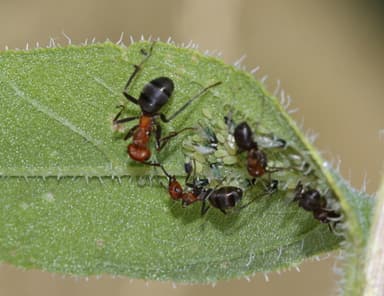
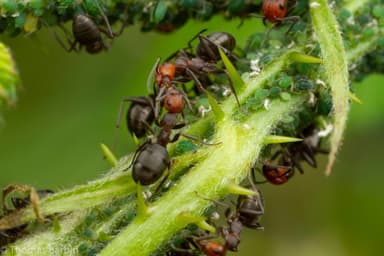
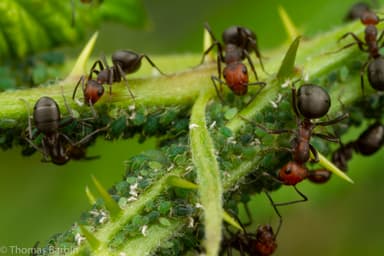
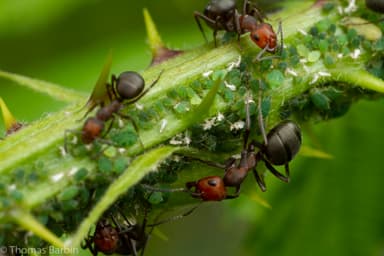
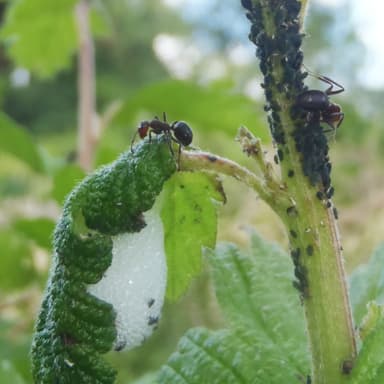
Dietarily, F. obscuripes is an omnivorous forager with a strong leaning toward protein during the brood-rearing season and carbohydrates to fuel worker activity. In the wild, they tend aphids and scale insects for honeydew and hunt a wide array of arthropods, behavior that must be mirrored in captivity. Provide a steady supply of insect prey such as feeder crickets, mealworms, small roaches, or wingless fruit flies, all pre-killed to avoid injury to the ants; in summer months, wild-caught moths and flies (from pesticide-free areas) are highly attractive. For carbohydrates, offer fresh droplets of diluted honey, maple syrup, or a commercial ant nectar, replenished every few days to prevent spoilage. During peak colony growth in late spring and summer, the colony’s consumption can be astonishing, so expect to feed protein every other day and sugar water daily. A constant supply of clean water is critical — a small, sponge-filled water dish or a test tube with a cotton plug placed in the foraging arena will suffice, but it must be checked daily to prevent dehydration.
A prolonged hibernation period is non-negotiable for colony health. In their native range, F. obscuripes endures cold winters beneath snow cover, and without a proper dormancy at around 5°C, queens may cease egg-laying, workers become lethargic and die prematurely, and the colony’s biological clock is utterly disrupted. The colony should be prepared for hibernation by gradually reducing temperature and feeding over two to three weeks in late autumn, then placed in a dedicated refrigerator, wine cooler, or a cold cellar that can maintain a stable 5°C for three to four months. During this time, the ants will cluster together in a state of torpor; check them monthly to ensure the nest does not completely dry out and that condensation is not breeding mould. When spring arrives, reverse the process to slowly warm them back to active temperatures, a period when the queen will resume oviposition and the first new workers of the year will appear.
When you first receive your F. obscuripes queen and any accompanying workers or brood, restraint is the key to success. Unpack the travel container in a dimly lit, quiet room and immediately connect it to the prepared formicarium, allowing the ants to explore at their own pace. Do not attempt to forcibly move them. For the first 24 hours, keep the setup completely dark by draping it with a cloth; this reduces stress and gives the queen time to settle. After one day, provide a tiny droplet of sugar water on a piece of foil in the foraging area, but refrain from offering protein until you see workers calmly foraging and tending brood, which may take two to three days. Closely observe the queen’s behavior — if she is constantly agitated, refusing to stay in the nest, or if workers are aggressively dragging her, this can indicate imperfect host integration, a risk that requires immediate professional advice. Never rush to offer large prey or expose the new colony to bright light or vibration. Patience in those first fragile days lays the foundation for what, years later, will become a spectacular, thatch-building civilization right in your home.