Camponotus
Camponotus mississippiensis
Nuptial Flight Calendar
Flight months: Jun, Jul, Aug
Care Guide
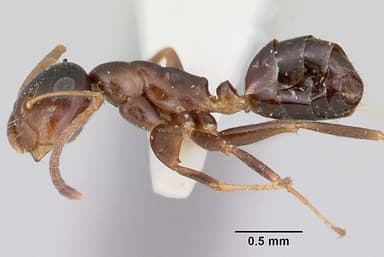
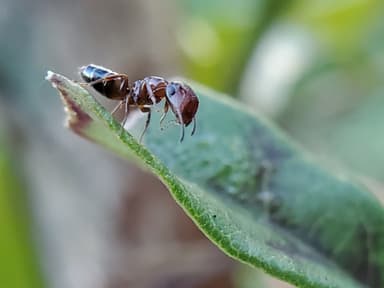
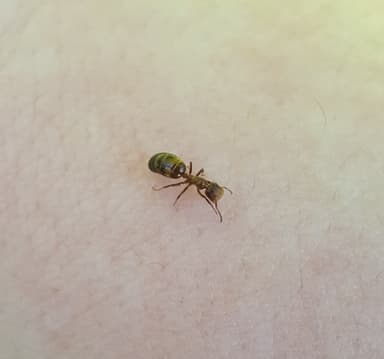
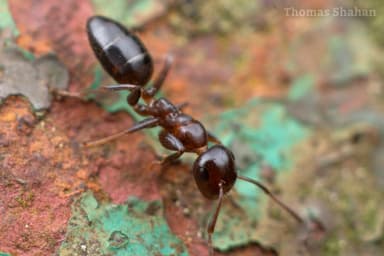
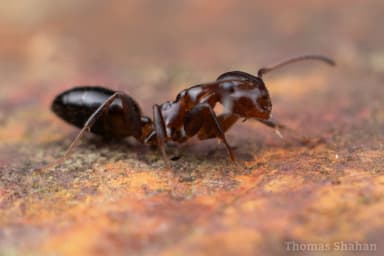
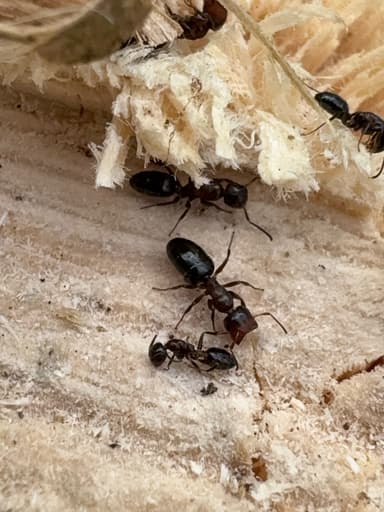
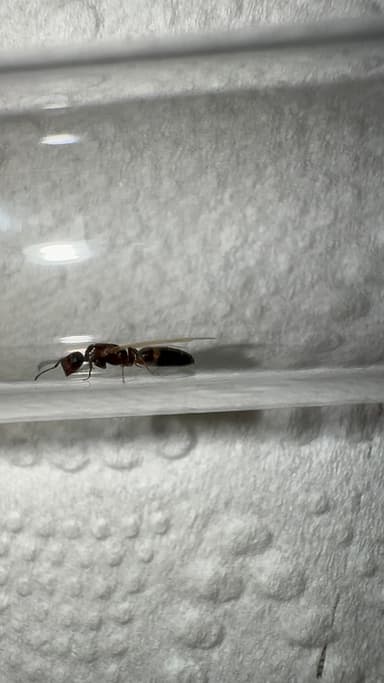
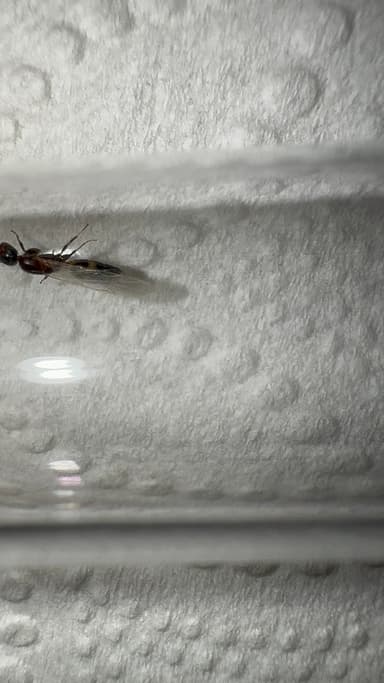
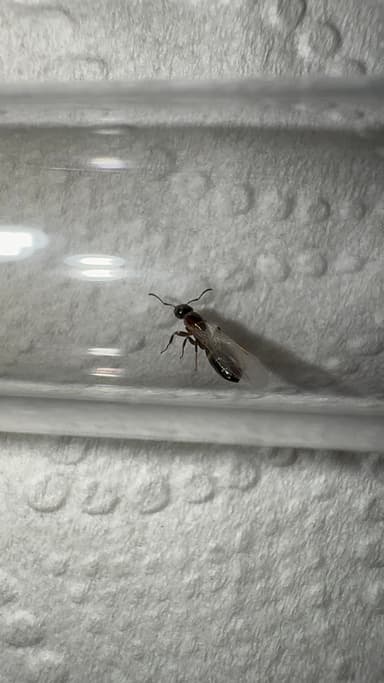
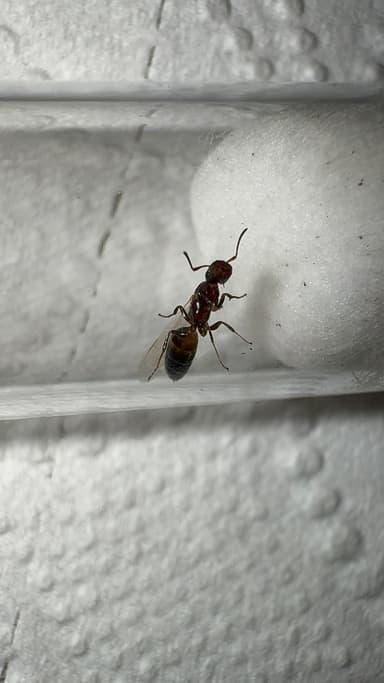
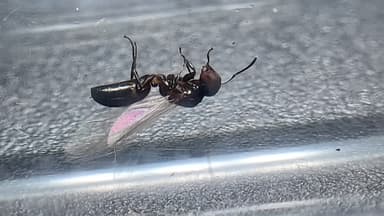
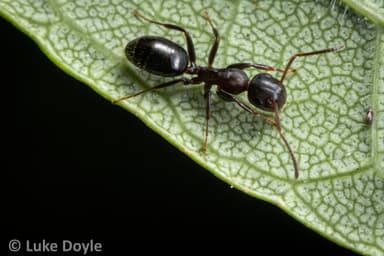
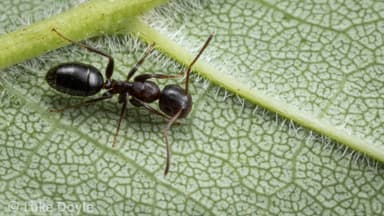
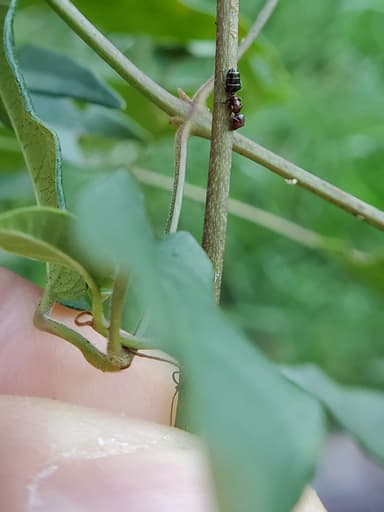
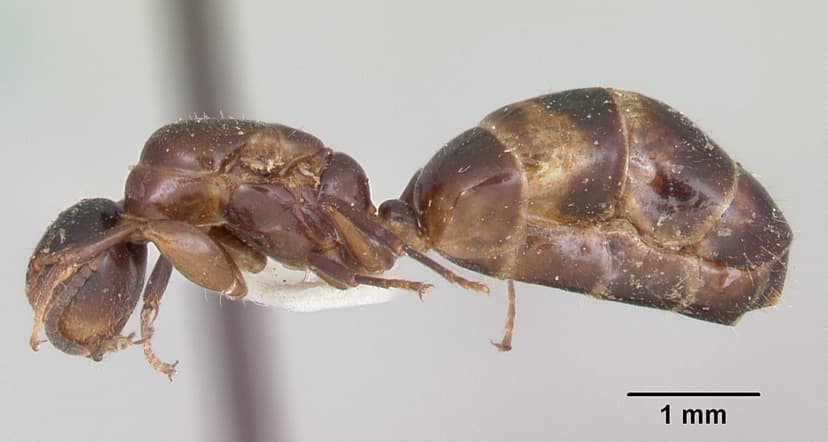
For the hobbyist fascinated by the quieter corners of North American myrmecology, Camponotus mississippiensis is a treasure with a story rooted in the Gulf Coast. First described from Mississippi by Smith (1934), this carpenter ant displays the graceful polymorphism typical of its genus, yet remains modest in scale. Queens measure a solid 10 to 12 mm, while the workers form a continuous yet distinct division between delicate 4.5 mm minors and robust 9 mm majors, each performing roles from brood care to colony defense. Mature colonies can reach around 3,000 individuals, a number large enough to impress but small enough to house comfortably. Their claustral founding means the queen seals herself away to raise her first daughters entirely from her own fat reserves, a quiet miracle of self-sufficiency. What makes C. mississippiensis particularly alluring is its limited native range, hugging the southeastern states from roughly east Texas to Alabama (GBIF records), and the elusive nature of its nuptial flights, which occur on warm, humid summer nights following rainfall—a pattern that remains only partially documented and adds a hint of mystery to an already charming species.
Care is best described as intermediate, placing this ant firmly in the hands of keepers who have already mastered a few beginner colonies and are ready to meet specific environmental needs. The primary demand is a faithful seasonal cycle; skipping the required hibernation will almost certainly lead to colony decline. That aside, these are not aggressive ants and, like most Camponotus, tend to respond to disturbance by retreating rather than stinging or biting fiercely. Their demeanor, combined with a peak colony size that stays manageable, makes them an excellent step up for someone who has kept Lasius or Tetramorium species and now wants to explore a polymorphic carpenter ant without committing to the huge populations and spacious nests of Camponotus pennsylvanicus. If you can provide a reliable cool period and are comfortable maintaining a moderate humidity gradient, C. mississippiensis will reward you with a front-row seat to the subtle dynamics of a dimorphic caste system.
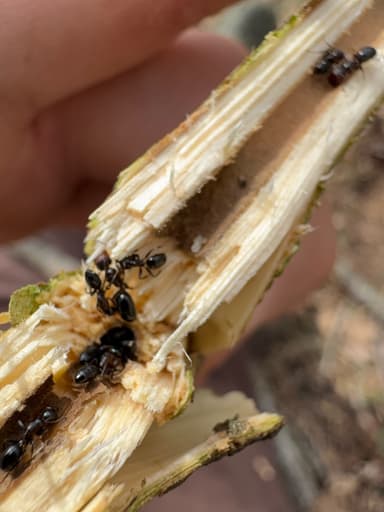
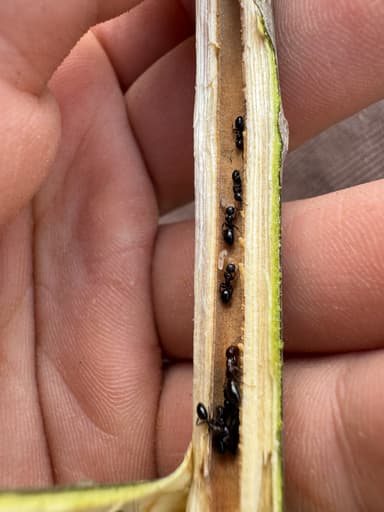
Housing must mirror the humid, woodland microhabitats these ants favor. Provide a formicarium that can hold 50–70% humidity while allowing a temperature range of 20–28 °C, with a gentle gradient so the ants can self-regulate. In the wild, they nest in decaying wood (Mackay & Mackay), so a gypsum or plaster nest with a wood-filled outworld works beautifully; some keepers even offer a block of partially decayed hardwood as a naturalistic option, though be mindful of introducing pests. The foraging area should be escape-proof but well ventilated, because stagnant air invites fungal issues. Too dry a nest and the brood will desiccate; too wet and you risk drowning the colony. A substrate of coconut fiber or soil in the outworld helps maintain ambient moisture. As the colony grows, expand the nest gradually—moving a small founding chamber into a larger setup too soon can stress the ants and stall brooding, so wait until you count at least 20–30 workers before upgrading.
In the kitchen, C. mississippiensis follows the classic carpenter ant template: proteins for larvae, carbohydrates for workers and queens. Feed them small, freshly killed insects such as fruit flies, pinhead crickets, or pieces of mealworm two to three times per week, adjusting for colony size. For sugars, a drop of honey, maple syrup, or sugar water on a small feeding tray will be eagerly lapped up, especially by the major workers who seem to enjoy a sweet sip between bouts of loafing. Always provide a clean water source, like a test tube with a cotton plug or a tiny water tower, and replace it regularly. Remove any uneaten prey after a day to keep mold and mites at bay. The queen, once she has workers, will not forage; they will feed her through trophallaxis, so you need not place food directly into the brood chamber.
A true temperate rhythm is non-negotiable. C. mississippiensis requires a hibernation period at around 12 °C. In its home range, winters are mild but still bring a distinct slowdown, and your colony needs to mirror that. From late autumn through early spring, typically November to February, gradually lower the temperature until they settle at the cool mark. During this time, brood production will cease, and the workers will cluster around the queen, moving sluggishly. Keep the nest slightly humid but not wet, and offer a small water source so they can drink when needed. Remove any protein food a week before cooling to allow their digestive tracts to empty, preventing harmful fermentation. When spring arrives, warm them gradually back to room temperature, and the queen will resume laying—often within days of feeling the heat. Neglecting this dormancy is the fastest route to a weak, short-lived colony.
The first days after acquiring your C. mississippiensis set the stage for success. If you have a newly mated queen in her claustral chamber (usually a test tube with water and a cotton plug), place her in a dark, vibration-free drawer and resist the urge to check more than once a week. She will not need food until her first nanitic workers emerge, which typically takes 6–10 weeks at 24–26 °C. When those tiny workers appear, offer a micro droplet of sugar water on a sliver of paper and, a day later, a freshly killed fruit fly. Watch their behavior: if they immediately forage and then retreat to the tube to feed the queen, you know the foundation is solid. Refrain from moving them into a larger nest until the colony reaches at least 20 workers, and even then, attach the new nest and let them migrate at their own pace. Pay special attention to hydration; a dried-out tube at this stage can be fatal. With patience and a steady hand, those first tentative foragers will gradually build the bustling, polymorphic community that makes this Southern carpenter ant such a captivating species to steward.