Camponotus
Camponotus herculeanus
Nuptial Flight Calendar
Flight months: May, Jun, Jul, Aug
Care Guide
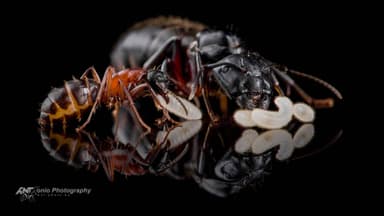
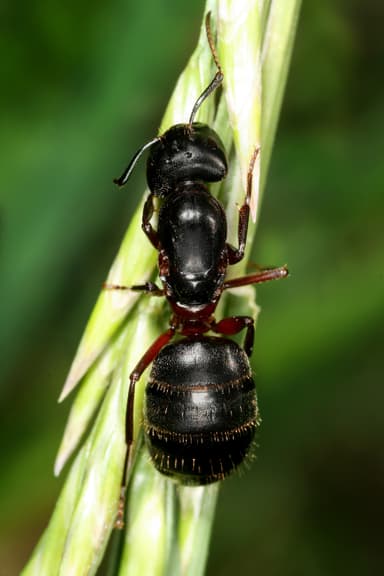
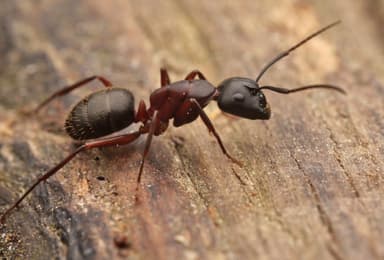
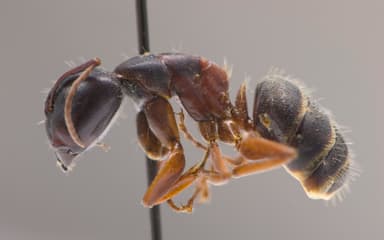
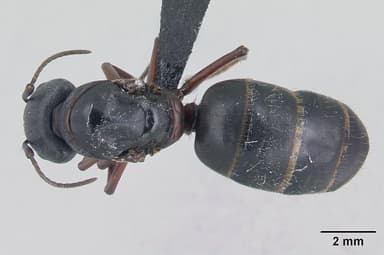
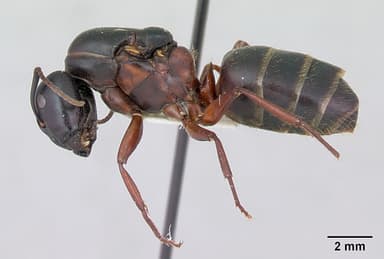
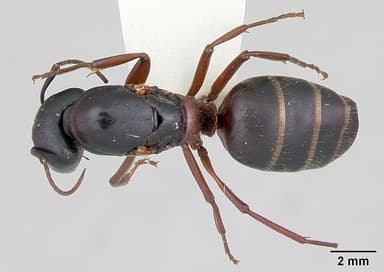
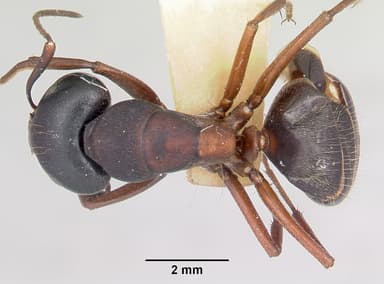
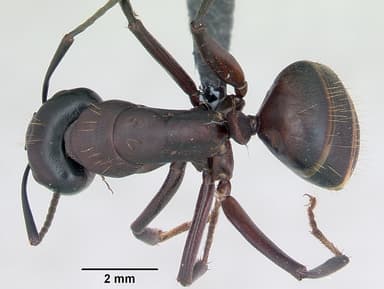
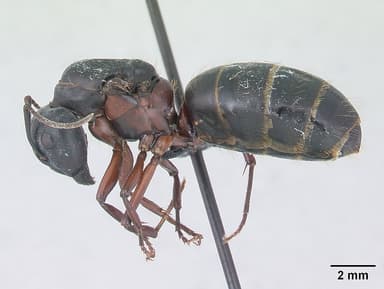
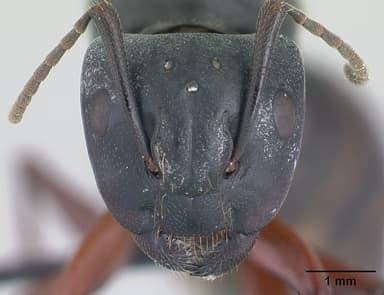
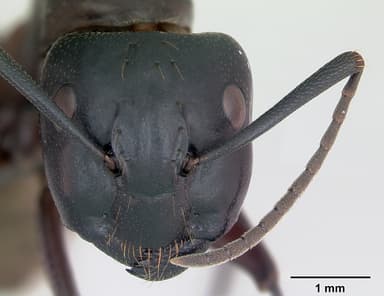
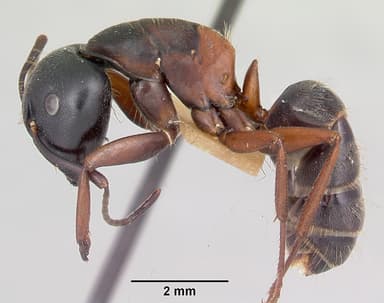
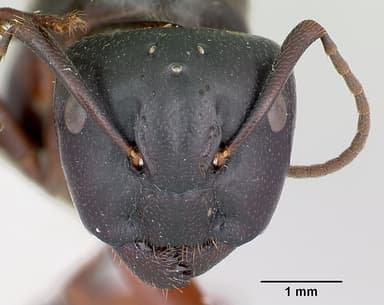
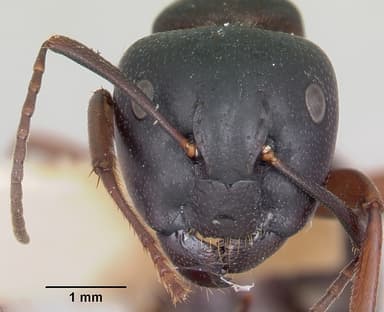
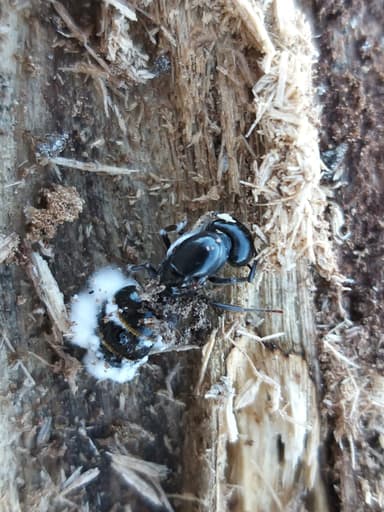
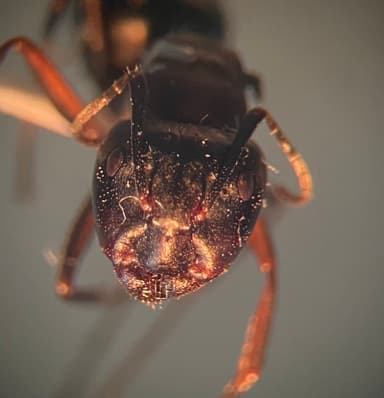
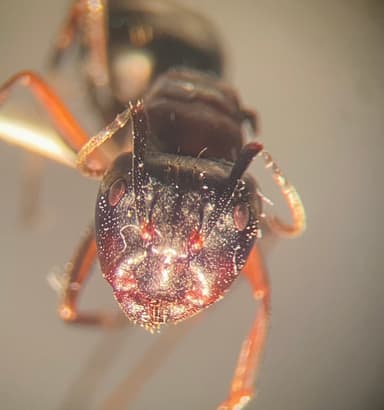
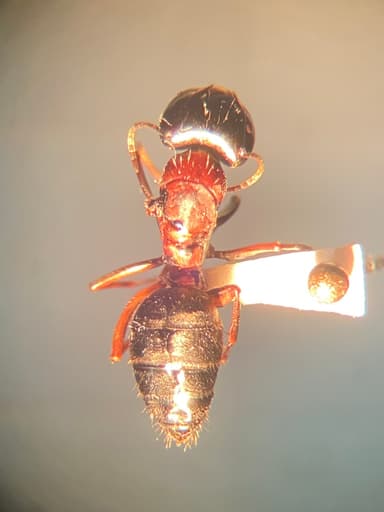
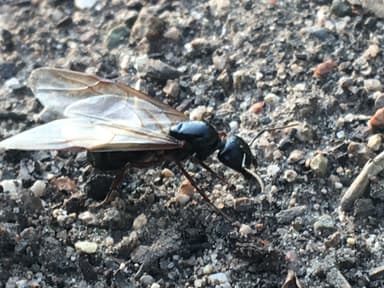
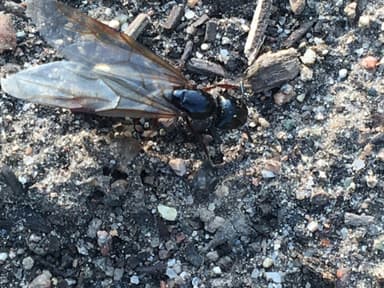
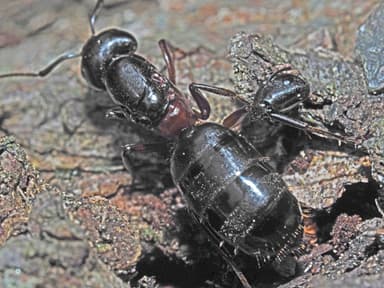
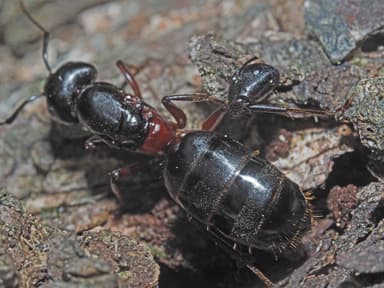
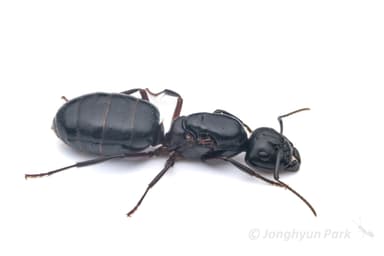
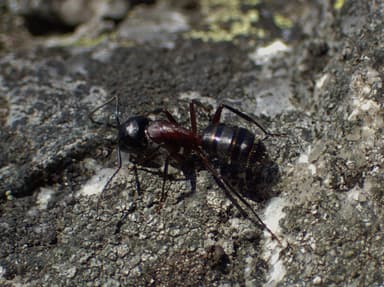
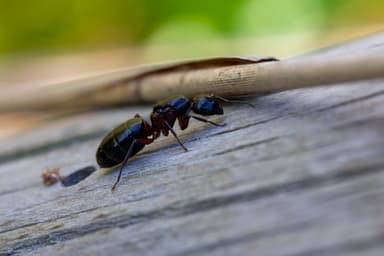
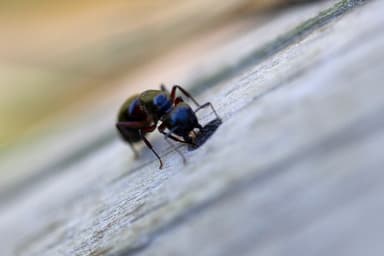
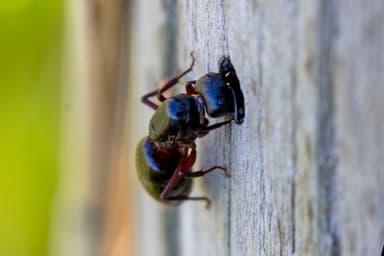
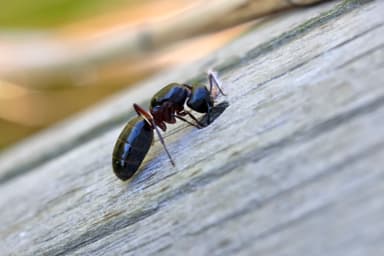
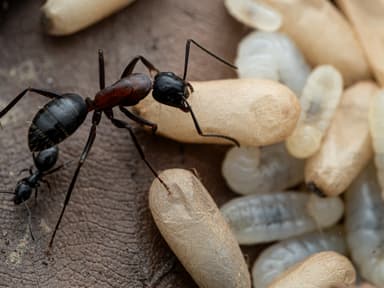
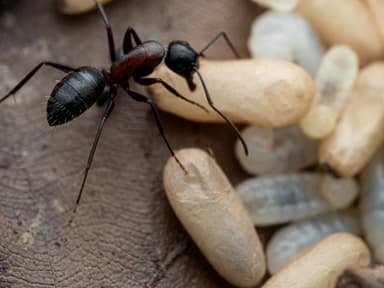
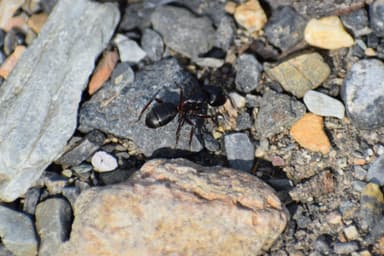
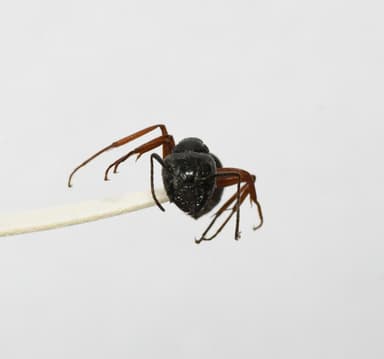
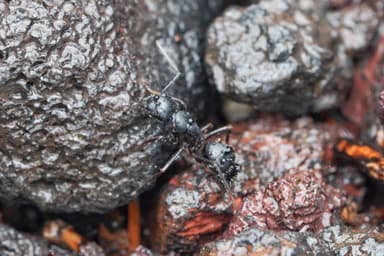
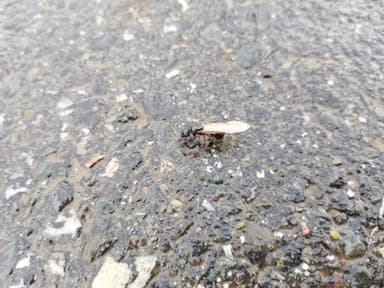
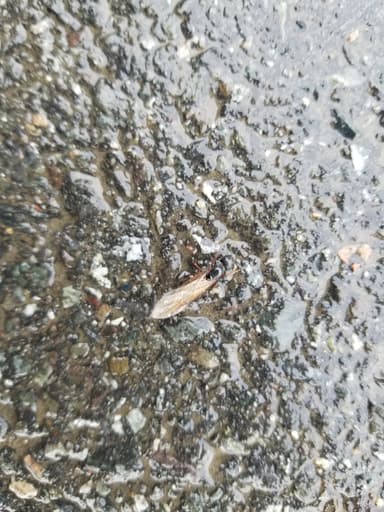
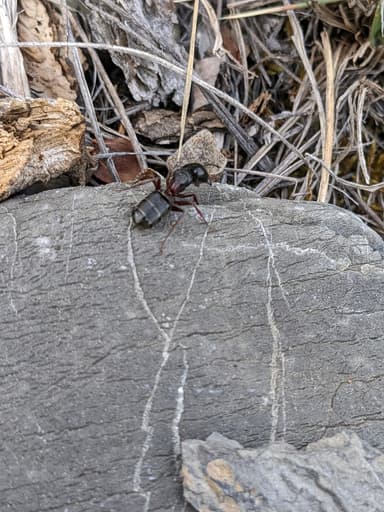
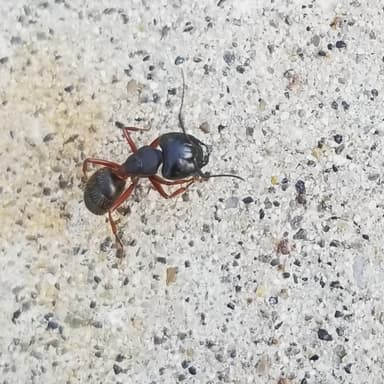
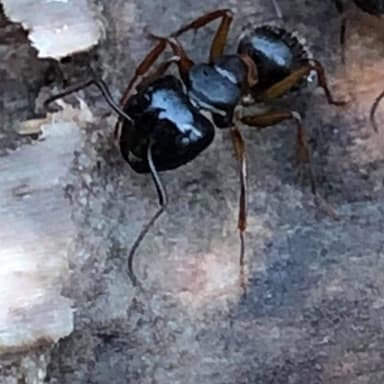
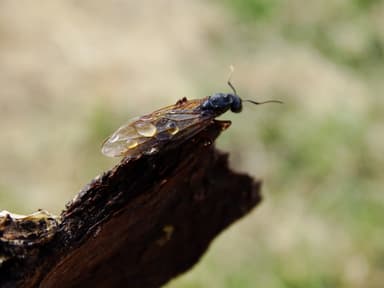
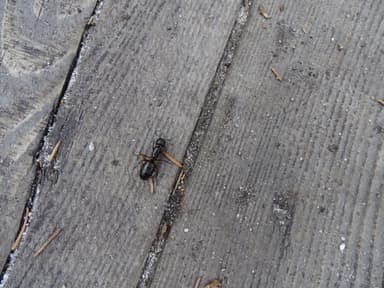
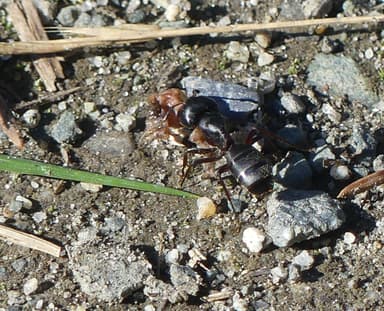
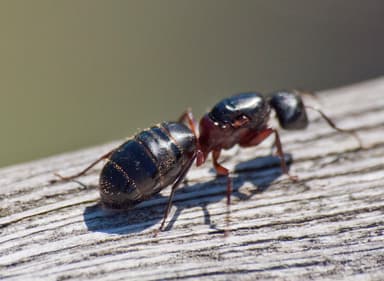
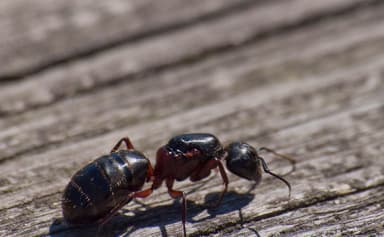
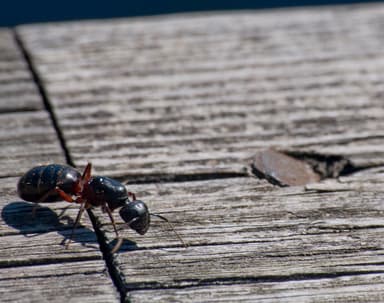
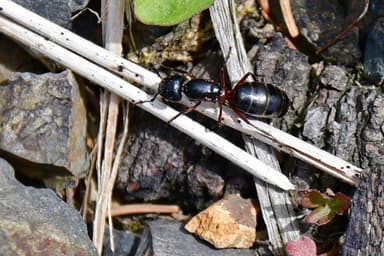
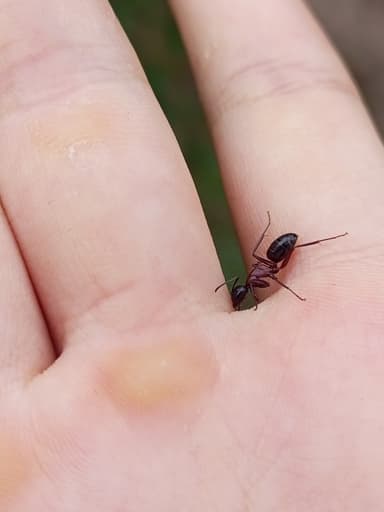
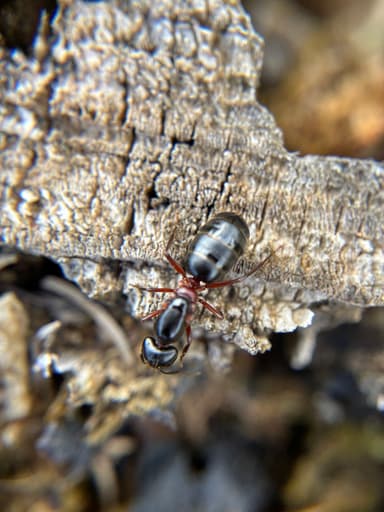
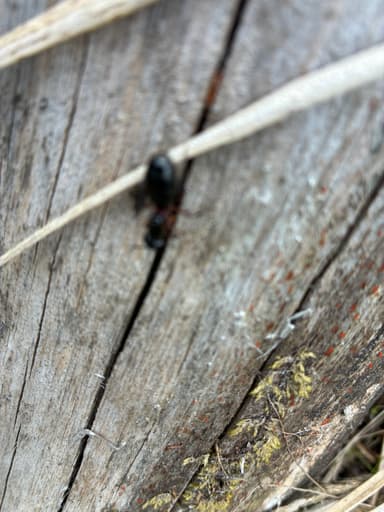
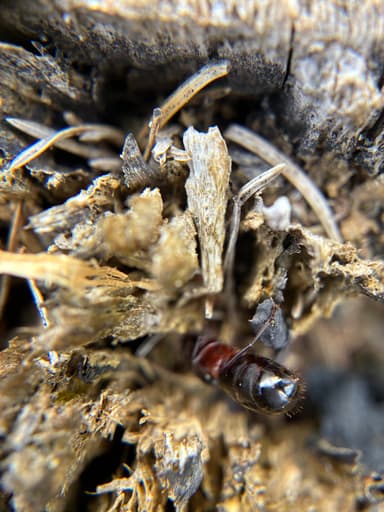
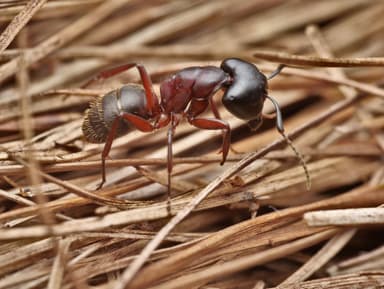
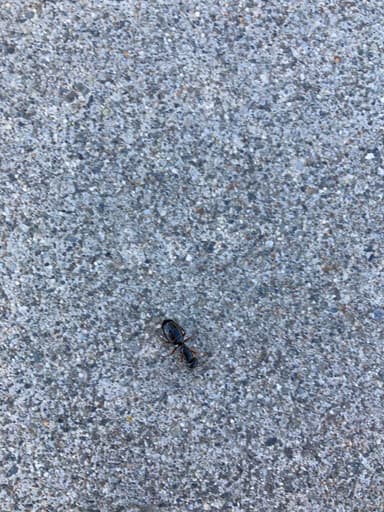
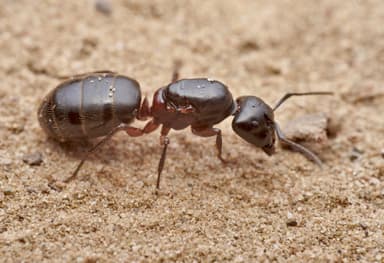
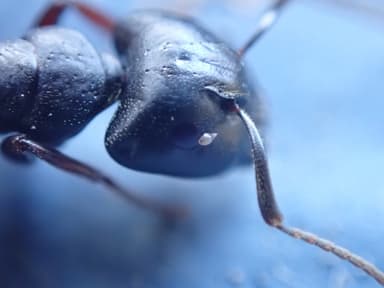
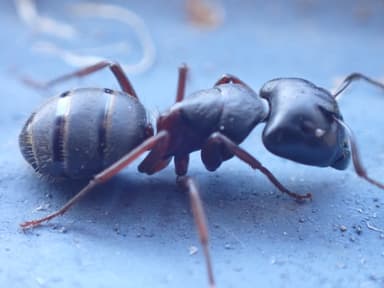
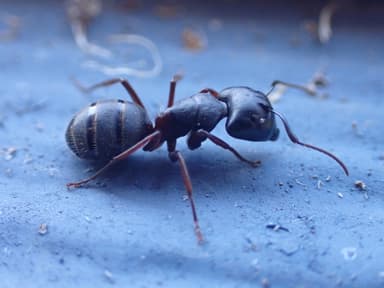
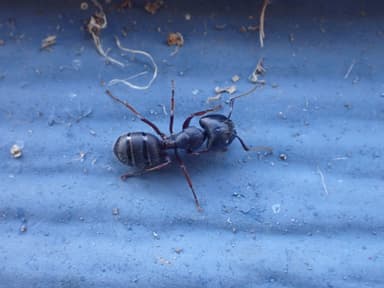
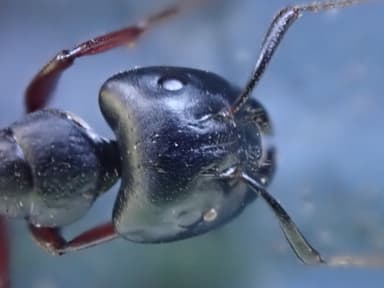
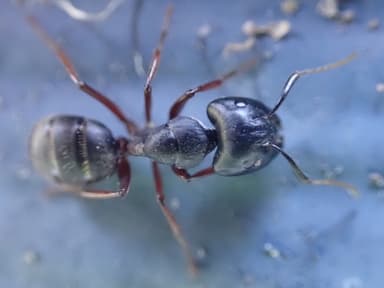
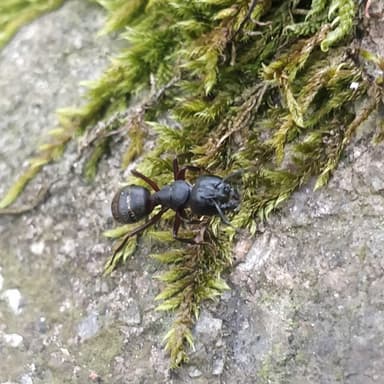
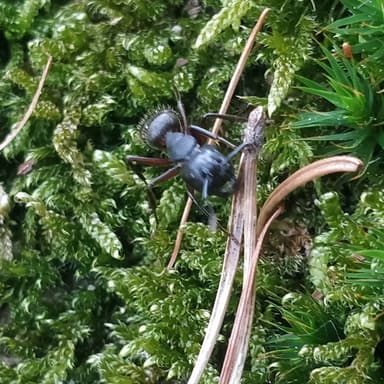
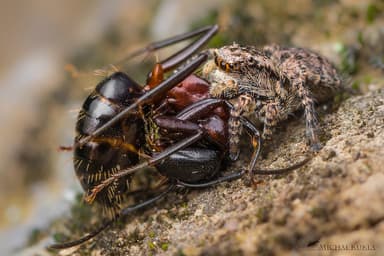
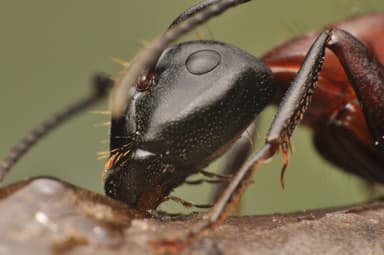
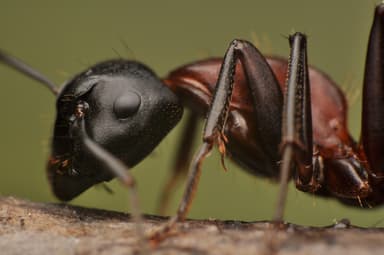
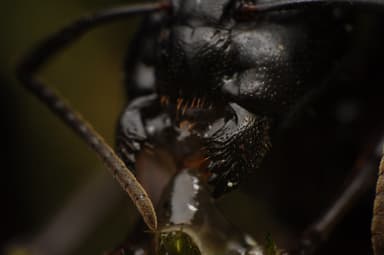
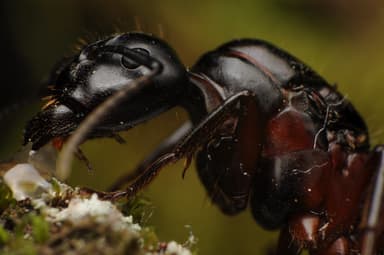
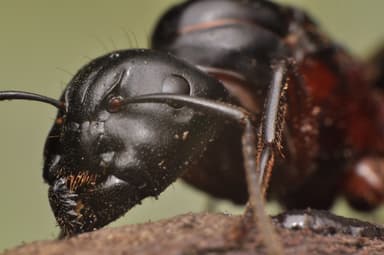
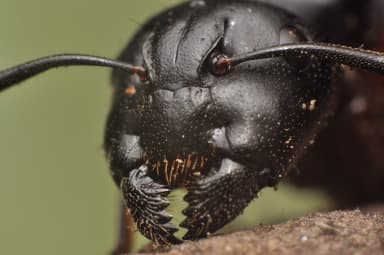
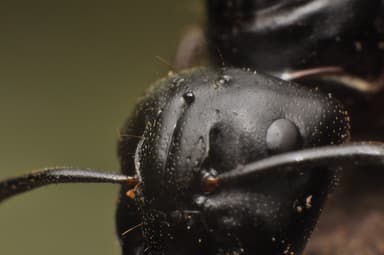
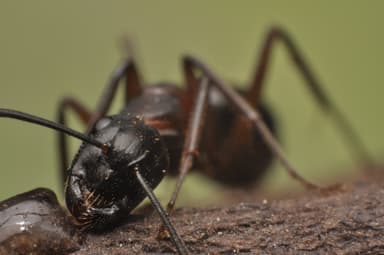
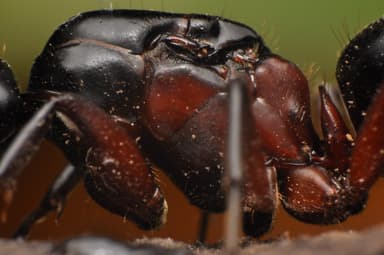
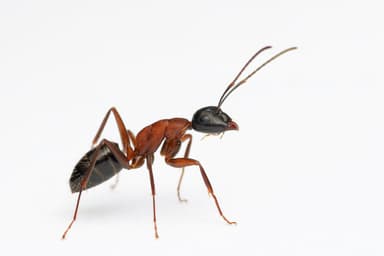
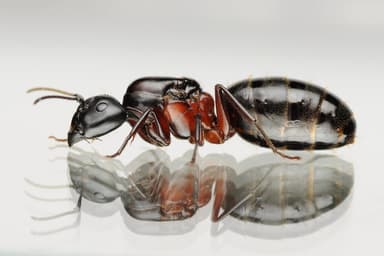
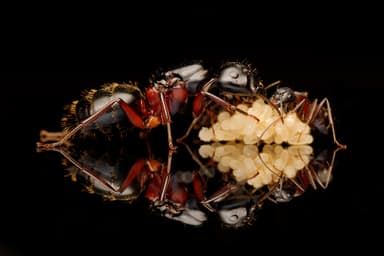
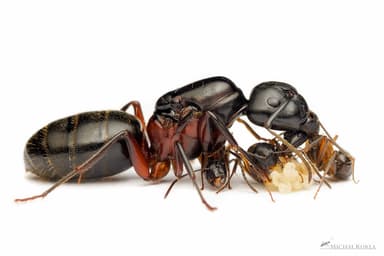
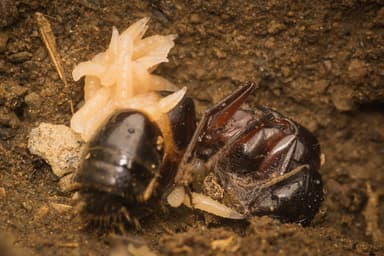
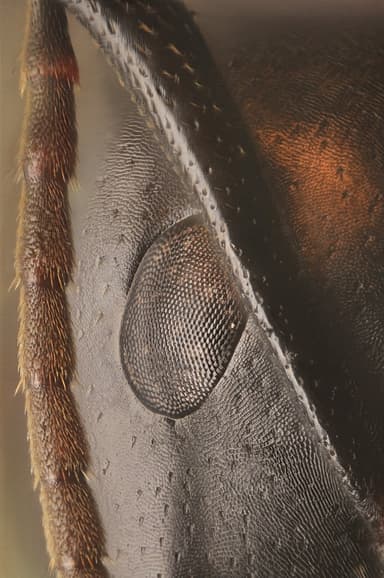
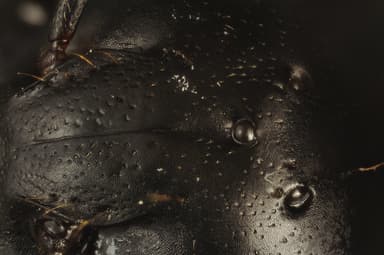
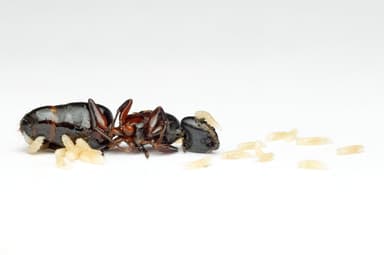
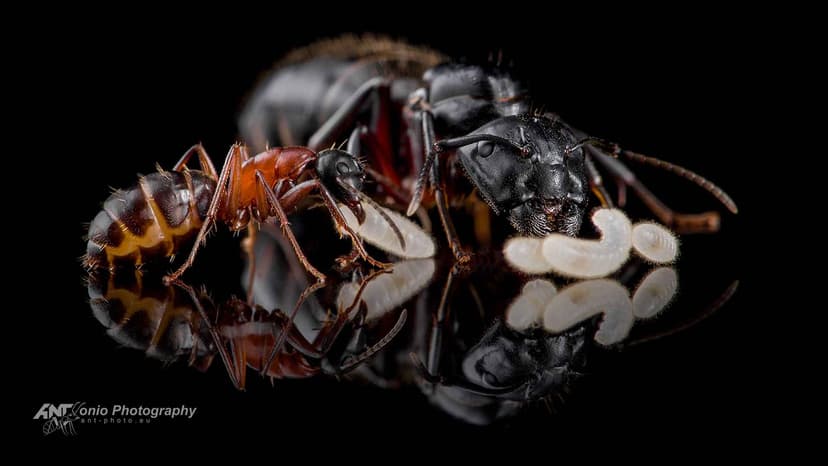
Camponotus herculeanus is a magnificent carpenter ant of the boreal and montane Holarctic, ranging from central Europe across Siberia to North America as far south as the high peaks of the Appalachians and Rockies (GBIF occurrence data). Queens are large, measuring 15–18 mm, while the polymorphic worker force spans a dramatic 6–14 mm, with a distinct division into minor workers and massive, broad-headed majors (Seifert 2018). A mature colony can eventually number up to some 12,000 individuals, though this takes many years to achieve. Their colouration alone makes them a jewel: the body is deep black with a faint bronze shimmer, often contrasted by reddish-brown legs and, in some populations, a rusty patch on the gaster. What truly captivates keepers, however, is the combination of their cold-hardy character, their wood-dwelling habits, and the sight of the formidable majors standing guard with mandibles agape. This species exhibits a claustral founding strategy, with the queen sealing herself away to raise her first workers using only her fat reserves and wing muscle histolysis (Hölldobler & Wilson 1990). The nuptial flights take place on warm, humid afternoons following rain in early summer — June and July across most of Europe, extending into August in North America — a detail worth remembering if you hope to rear your own queen from a wild alate.
Caring for Camponotus herculeanus is an intermediate-level endeavour, best suited to keepers who already have experience maintaining stable microclimates and are prepared for the essential long winter rest. The primary challenge is not their day-to-day husbandry, which is relatively forgiving, but the absolute requirement of a stringent hibernation period at a low temperature. Without it, queens may stop laying, brood development falters, and colony lifespan shortens. That said, for anyone who can provide a secure cooling setup — a wine cooler, a frost-free fridge, or a cold basement that reliably holds around 4°C — these ants are wonderfully robust. They grow slowly, which teaches patience, and they are less prone to sudden collapses than many fast-breeding species. Thus, they reward the disciplined keeper with a decades-long relationship with a fascinating and visually impressive society.
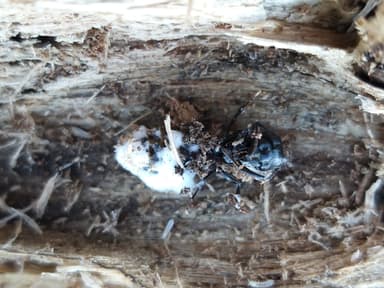
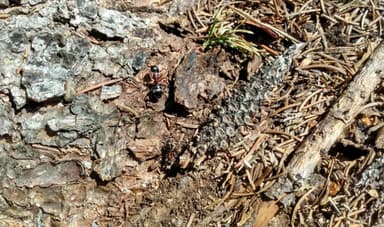
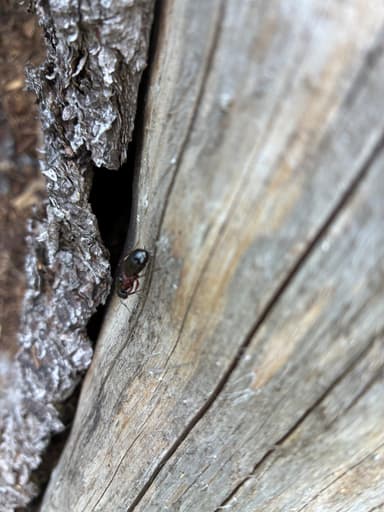
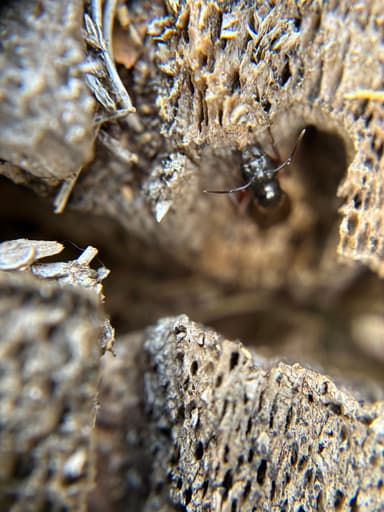
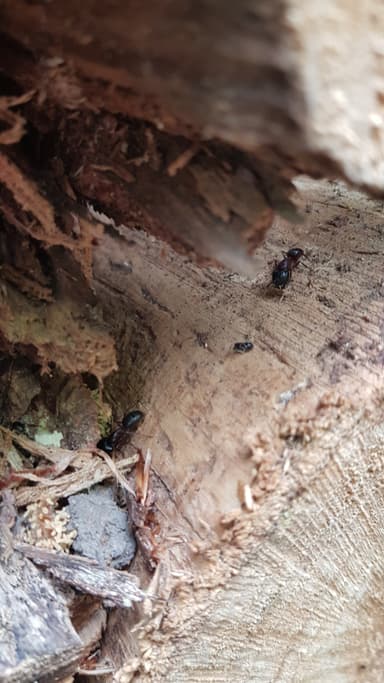
Housing must mimic the damp, cool interior of their natural abode: the rotting heartwood of standing conifer or birch trees, often in the lower trunk. In captivity, a well-ventilated nest made of wood, cork, or plaster, combined with a moisture gradient is ideal. Many keepers achieve excellent results with a wooden nest offering a damp side (where the ants prefer to rear brood) and a drier side for seed storage and refuse. Temperature should be maintained between 18 and 26°C, avoiding prolonged spikes above this range, as the species is adapted to cooler microclimates. Humidity is critical: a gradient of 50–70% inside the nest, with the brood area at the higher end, prevents desiccation of larvae and pupae. A thin layer of sand-loam substrate in the foraging arena gives the workers a familiar surface and aids in moisture retention. Importantly, because these ants naturally excavate wood, any wooden nest parts must be non-toxic and free of resinous splinters; the ants will subtly modify the interior with their mandibles, and ingesting treated timber is lethal. A simple, horizontally-oriented nest of untreated beech or aspen, in contact with a water reservoir via a plaster or stone interface, serves them beautifully.
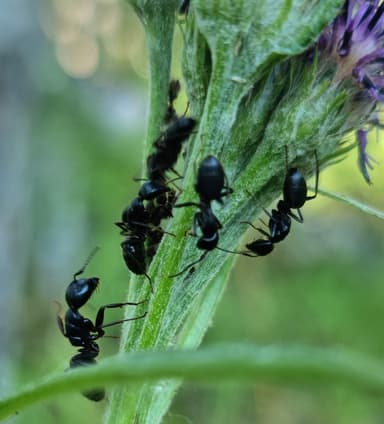
Feeding Camponotus herculeanus follows the standard carpenter ant pattern: they are avid foragers that require a mix of insect protein and liquid sugars. In the wild, they tend aphids for honeydew and actively hunt small arthropods. In captivity, you should offer chopped feeder insects such as crickets, mealworms, or fruit flies at least twice weekly, with the frequency increasing as brood numbers rise. Carbohydrates can be supplied as diluted honey, sugar water, or a commercial ant nectar, always presented on a small dish or soaked cotton to prevent drowning. The majors often act as living storage vessels, their gasters swelling to hold communal resources; do not be alarmed if you see a distended major — it is a sign of good nutrition. Fresh water must be permanently available, either through a test-tube setup attached to the arena or via a water-filled cotton plug. As with all ants, remove uneaten insect remains after a day to prevent mould and mite outbreaks.
The single most non-negotiable aspect of keeping this species is hibernation. In their native range, colonies endure months of freezing temperatures, and they have evolved an obligate diapause. Around October, when you notice reduced activity and brood production stops, gradually lower the temperature over a couple of weeks to a steady 3–5°C, with 4°C being optimal. They should be kept dark and cool for a minimum of three to four months — typically November through to February or early March. During this time, check monthly that water is still available; the ants will cluster immobile, metabolising fat reserves. A common mistake is to keep them too warm during hibernation, which dangerously increases metabolic rate without feeding, or to skip the cold period entirely, leading to queen mortality and a dwindling colony. A dedicated ant-fridge with a thermostat is a sound investment for the serious keeper.
When your colony arrives by post, the queen and her small brood will likely be stressed and dehydrated. Immediately place the test tube in a quiet, darkened room at around 20–22°C and allow them to settle for a full day without disturbance. On the second day, offer a tiny drop of sugar water on a sliver of wax paper just outside the tube’s entrance; do not force them into an arena until the worker count exceeds roughly ten individuals. For the first feeding, provide a freshly killed and halved small cricket or fruit fly, as the colony needs protein to build up its first generation. Observe from a distance: healthy workers will eagerly collect the sugars and begin tearing at the insect. Watch for signs of stress such as incessant trying to escape, excessive antennal grooming, or refusing food for more than two days. As the colony grows, you can attach the tube to a small arena, but resist the temptation to upgrade the nest until the tube becomes crowded — premature moves often cause colony failure. With calm, steady care from the start, your Camponotus herculeanus will soon reveal the quiet, unhurried rhythm of a true boreal giant.