Dolichoderus
Dolichoderus attelaboides
Care Guide
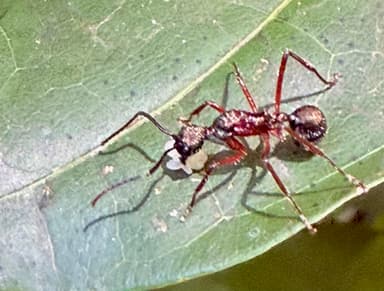
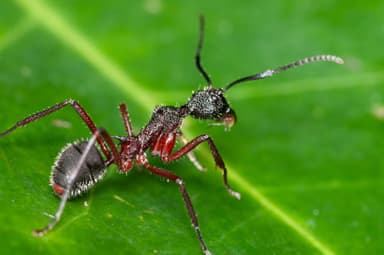
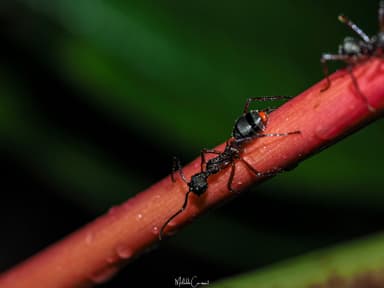
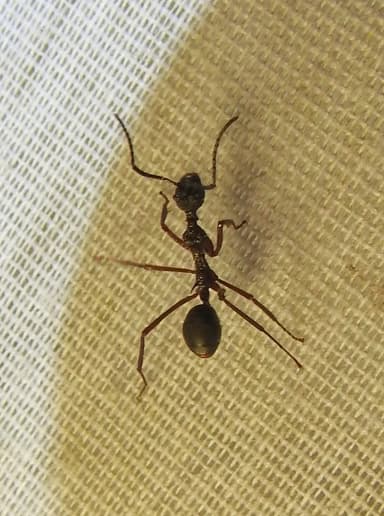
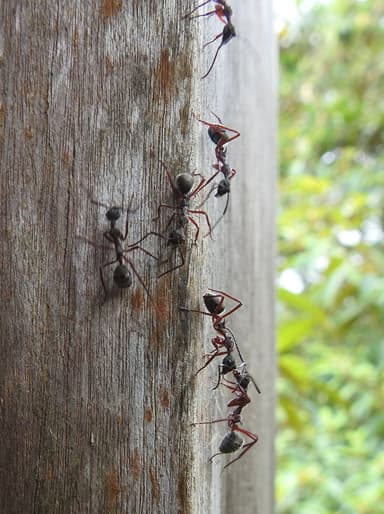
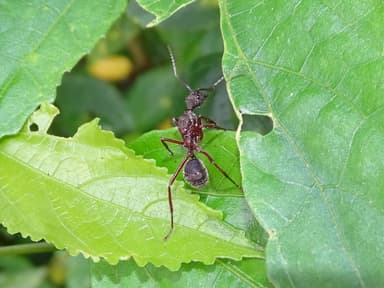
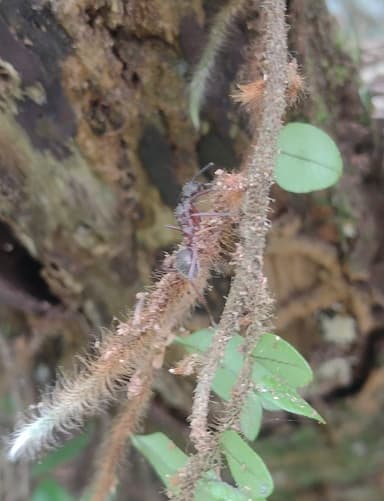
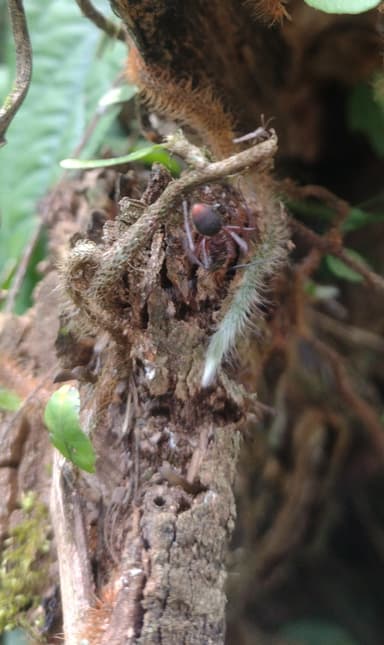
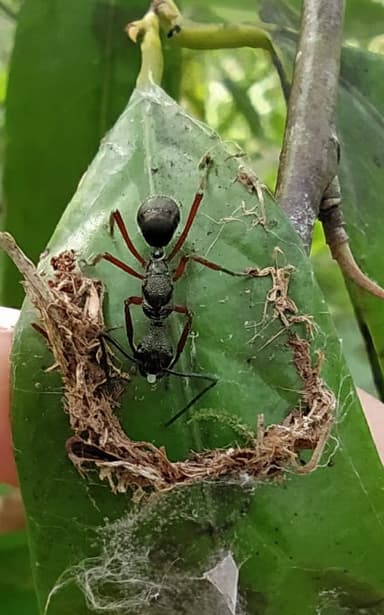
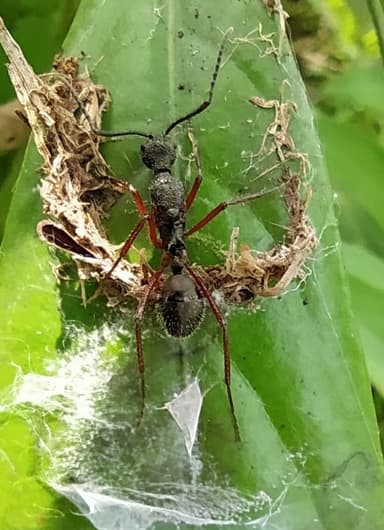
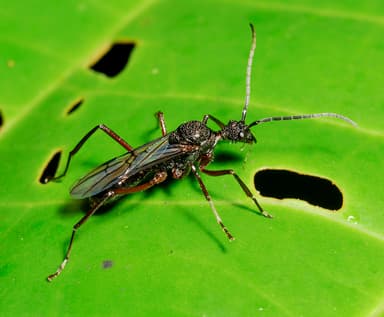
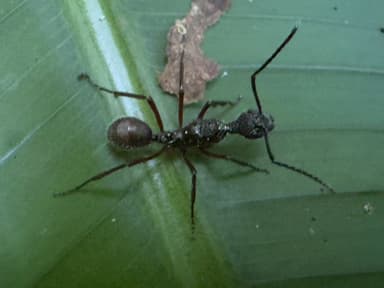
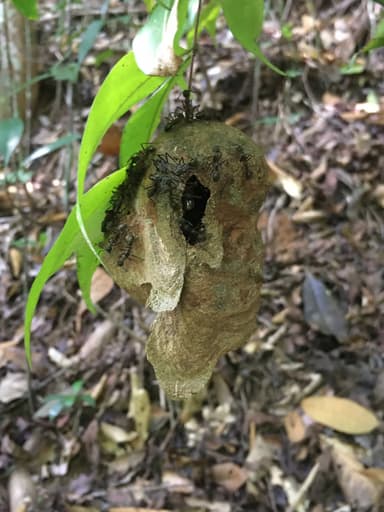
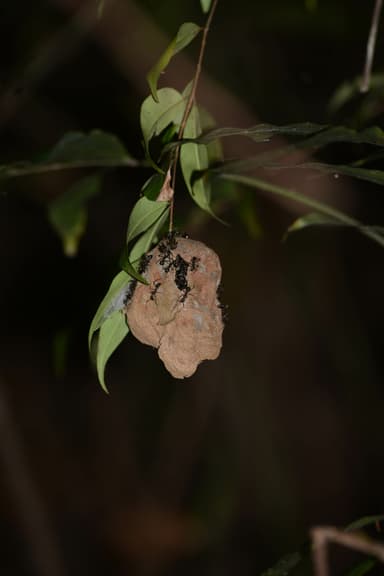
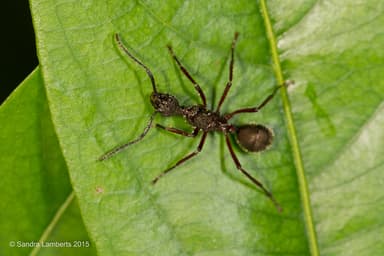
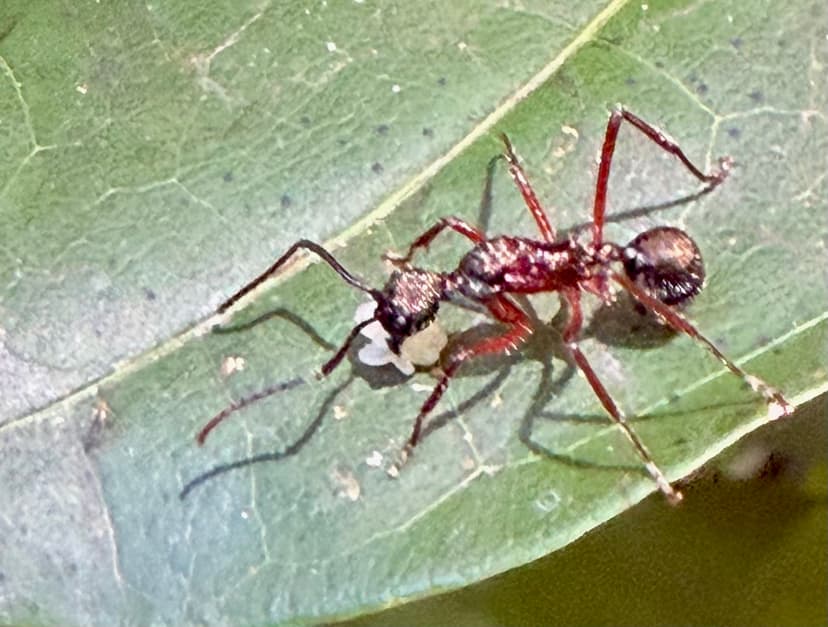
Dolichoderus attelaboides is a striking arboreal species known for its sleek, shiny black exoskeleton and characteristically arched, shield-shaped gaster, which gives it a distinct weevil-like silhouette. This ant is a fast, agile climber and builds its nests in hollow twigs, bamboo, or pre-formed cavities, often high above the ground in tropical forests. The queen is moderately sized at 6–7 mm, while workers measure 4–5 mm, and colonies typically reach a comfortable 200–500 individuals, making them a manageable yet visually impressive species for the intermediate keeper.
One of the most fascinating aspects of D. attelaboides is their reliance on honeydew as a major dietary component. In nature, they form close mutualisms with sap-feeding insects, “farming” aphids or scale insects for their sugary secretions. This means a well-balanced diet in captivity should include not only protein-rich insects such as fruit flies or crickets but also a steady supply of sugar water or honeydew mimic. They are enthusiastic feeders and will readily take to liquid sugar sources offered in a test tube or feeder. Without hibernation, they remain active year-round, provided the warm, humid conditions they require are maintained.
Care difficulty
Keeping Dolichoderus attelaboides is best suited to keepers with some experience, as the species is sensitive to dry air and sudden temperature swings. Their need for consistent humidity between 60–80% and warmth around 24–28°C demands reliable equipment such as a heating cable and hygrometer. However, they are not fussy eaters and adapt well to a captive diet. The main challenge lies in providing a vertical, structured environment that mimics their natural arboreal habitat—flat, open nests will not encourage their natural climbing and nesting behavior.
Housing
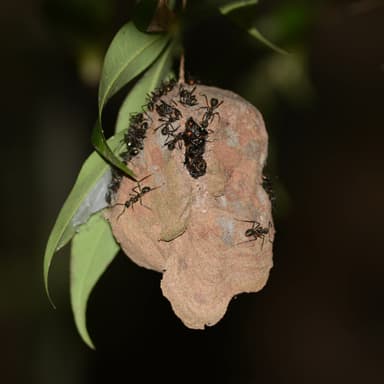
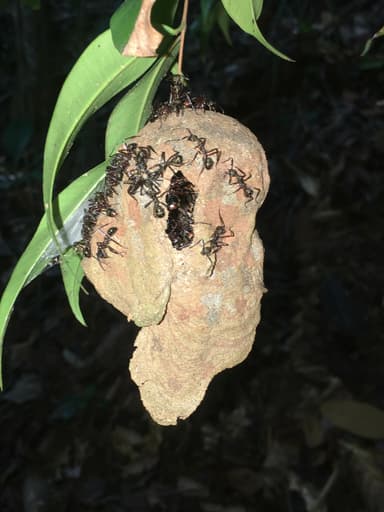
A formicarium for Dolichoderus attelaboides should include plenty of vertical climbing surfaces: cork bark, twigs, or wooden inserts that allow them to move and nest at different heights. A tube setup or small chamber with a moist substrate works well during founding, but as the colony grows, consider an outworld with a mesh lid and a nest that can be humidified without flooding. These ants prefer to nest in enclosed spaces with small entrances, so a cork block with drilled tunnels or a 3D-printed vertical nest is ideal. Ensure the outworld has a good water source and that sugar feeders are placed where they can be easily accessed without disturbing the brood.
First days after purchase
Upon receiving your Dolichoderus attelaboides colony, place the setup in a quiet, dimly lit location where temperature and humidity are stable. Do not handle or open the nest unnecessarily for the first few days—let the ants explore their new surroundings at their own pace. Provide a small drop of sugar water and a tiny piece of insect protein near the entrance. Monitor the moisture level closely; if the substrate dries out, the colony may retreat or suffer brood loss. With patience and steady conditions, you will soon see them begin foraging and expanding their nest, revealing the lively, purposeful energy of this beautiful arboreal ant.