Camponotus
Camponotus maculatus
Nuptial Flight Calendar
Care Guide
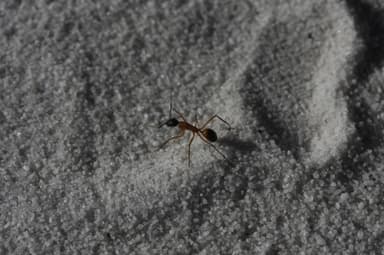
Camponotus maculatus is a striking and moderately polymorphic species, with workers spanning a considerable size range that reflects their division of labor. The queen, a stately figure measuring 15–20 mm, is the heart of the colony, while the worker force consists of minors as small as 6 mm and majors reaching up to 14 mm. These larger workers are often called soldiers, with proportionally bigger heads and stronger mandibles used for defense and processing tougher food items. The contrast between the smallest and largest workers is visually impressive, and the entire colony displays a warm, amber-brown coloration that makes them a favorite among enthusiasts.
As members of the carpenter ant genus, Camponotus maculatus are skilled excavators, but in captivity they adapt well to a variety of formicarium designs. Their diet is omnivorous and easy to manage: they readily accept insect protein such as crickets, mealworms, or roaches, and also thrive on sugar water, honeydew, or commercial ant nectar. A balanced diet with both protein and carbohydrates is essential for brood development and colony growth. These ants are active foragers, and watching a major worker defend the nest entrance or carry a large prey item is a rewarding experience.
Care difficulty
Keeping Camponotus maculatus is best suited for keepers with some prior experience. Their intermediate difficulty stems from their sensitivity to environmental conditions and the need for consistent humidity and temperature. They do not hibernate, making them ideal for year-round observation, but they demand stable warmth (24–28°C) and moderate humidity (40–60%). In the early stages, the colony grows slowly, and patience is required. Once established, they become more robust and can reach colony sizes of 500 to 2,000 workers.
Housing
A formicarium with a separate outworld works well. Provide a nest area with controlled moisture—one side slightly damp, the other dry—so the ants can regulate their own microclimate. Camponotus maculatus appreciate some substrate or soft wood for tunneling, though many keepers use plaster, grout, or ytong blocks. The outworld should offer a feeding area and a source of hydration. These ants are not particularly aggressive but can be nervous during disturbances, so place the setup in a quiet spot away from direct sunlight and strong vibrations. A heating cable or mat under part of the nest can help maintain the required temperature gradient.
First days after purchase
Upon arrival, transfer your Camponotus maculatus colony into its prepared formicarium and place it in a calm, dimly lit location. Do not disturb them for at least 24–48 hours; allow the ants to explore and settle. Provide a droplet of sugar water on a small piece of cotton and a tiny insect piece if workers are present. Check that the nest has adequate moisture. Avoid opening the setup frequently during the first week. The queen will naturally begin laying eggs once she feels secure. With patience and consistent care, your colony will soon reveal the fascinating dynamics of these beautiful carpenter ants.