Pheidole
Pheidole bicarinata
Nuptial Flight Calendar
Flight months: Jun, Jul, Aug
Care Guide
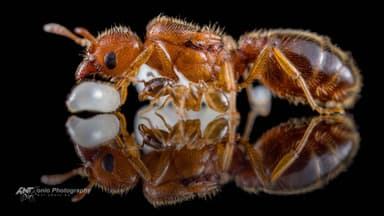
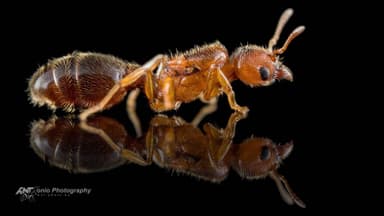
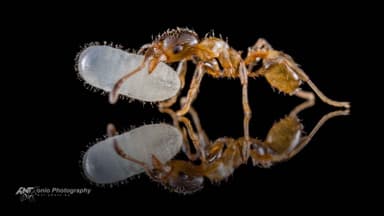
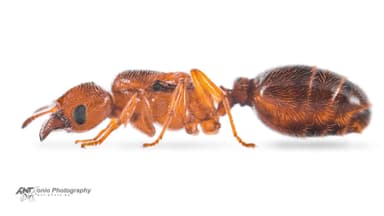
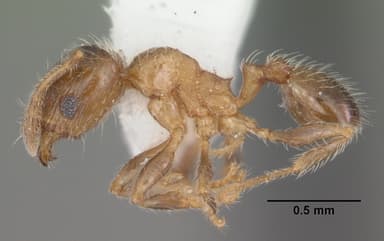
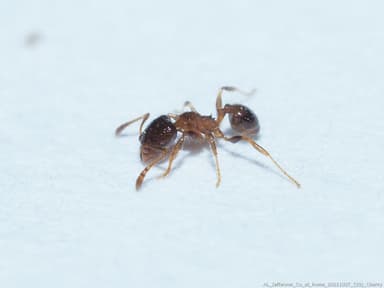
Few ants embody the dramatic potential of worker polymorphism quite so accessibly as Pheidole bicarinata. This species, spanning the Eastern and Central United States from the Great Plains to the Atlantic coast, presents a classic dimorphic colony with a sleek minor caste measuring just 1.8 to 3.5 millimeters and a robust, big-headed major caste. Queens are notably larger, averaging 5.5 to 7 millimeters, and found new colonies claustrally, sealing themselves away to raise their first brood. Mature colonies can swell to around 3,000 workers, a bustling society built on an elegant division of labor: the quick, numerous minors handle foraging, brood care, and nest maintenance, while the majors—sometimes called soldiers—use their powerful mandibles and blocky heads to crack seeds, defend the nest, and process larger prey. Their nuptial flights, occurring on warm, humid afternoons following summer rains from June through August, offer a seasonal spectacle for field observers and a reliable window for acquiring new queens (Wilson, 2003; AntWiki).
For the aspiring ant keeper, Pheidole bicarinata is often described as a beginner-friendly species, and it earns that reputation. The ants are hardy, fast-growing, and remarkably forgiving of minor husbandry mistakes, thriving within a comfortable temperature range of 22 to 28°C and a moderate humidity of 40 to 60 percent. Their small size, however, demands respect: these are adept escape artists, so a tight-fitting lid and a barrier of fluon or talcum powder are non-negotiable. What makes them particularly rewarding is the speed at which they develop. A newly founded queen can produce a visible cohort of minor workers within weeks, and the first major workers often appear once the colony reaches a few dozen individuals, giving the keeper an early glimpse of the caste system that defines the genus. They suit anyone who wants to witness the full arc of colony growth without the high stakes of more sensitive species, though their rapid expansion does mean you should have a plan to upgrade their living space as numbers climb.
Housing for Pheidole bicarinata should prioritize security, stable humidity, and ample room for their granivorous habits. A formicarium made of ytong, plaster, or a sand-clay mixture works well because these materials retain the moderate moisture they prefer while allowing the ants to sculpt and modify their chambers. Avoid overly wet setups; saturating the nest will drive the ants into the outworld. A temperature gradient is ideal—placing a small heat mat under one corner or side of the nest lets the colony self-regulate, with the warm end hovering around 28°C and cooler areas dipping toward 22°C. The outworld should be dry and escape-proof, furnished with a thin layer of sand or soil that the ants can rearrange and that helps maintain humidity. Since these ants naturally nest in open, sandy soils across their range, a substrate that permits shallow digging will satisfy their instinct to excavate and store seeds (Creighton, 1950). Always provide a water tube or a small, shallow water dish stuffed with cotton to prevent drowning.
Diet is where Pheidole bicarinata truly shines, as they are enthusiastic seed harvesters in addition to being generalist predators. A staple offering of small seeds—dandelion, chia, amaranth, or a commercial ant seed mix—should be available at all times, and you will soon see minors dragging seeds into the nest and majors busily cracking them open. Protein is equally important for brood development: feed them freshly killed insects such as fruit flies, small crickets, or mealworm pieces approximately twice a week, adjusting frequency based on how quickly they consume and discard leftovers. Carbohydrates can be provided via a small drop of honey-water or sugar water, renewed every few days and placed on a piece of foil or a dedicated feeding dish to simplify cleanup. A tiny pinch of some hobbyists also offer a powdered protein supplement or pollen, but live insects remain the best source. Remove any uneaten protein after 24–48 hours to prevent mold, and ensure the colony always has access to fresh water.
Hibernation is a biological imperative for this temperate species, not an optional period of dormancy. In the wild, the colony retreats deep into the soil as temperatures drop, and in captivity, a consistent 10°C (50°F) cool period of three to four months is necessary to reset their annual cycle and maintain queen longevity. Begin the process around late autumn by gradually reducing the temperature and light hours over a week or two, then place the colony in a dark, stable location—a wine cooler, an unheated basement that reliably stays cool, or a dedicated hibernation chamber. The ants will cluster and cease foraging; check them only occasionally to ensure the nest does not dry out completely. When spring arrives, slowly bring them back up to room temperature, and within days you will see the queen resume laying and the workers returning to their routines.
Those first days after bringing home a new queen or small colony are a delicate settling-in period. Keep the test tube or starter nest in a dark, vibration-free spot, and resist the urge to feed immediately. After 24 hours, offer a tiny dab of sugar water on a sliver of foil right at the tube entrance, and watch for several hours to see if the queen or workers accept it. If they show no interest, remove it and try again the next day; a starved queen will feed readily, but a stressed one may ignore food. A first protein meal—a pre-killed fruit fly or a few crushed seeds—can be introduced two or three days later, only after the colony has calmed and the queen has begun laying. Watch for the telltale signs of a healthy start: the queen sitting calmly atop a small pile of eggs, and workers that explore but do not panic. Avoid moving the tube or jostling the colony for the first week, and you will soon be rewarded with a growing brood pile and the first tiny minors marching out to explore their new world.