Nylanderia
Nylanderia vividula
Nuptial Flight Calendar
Flight months: Mar, Apr, May, Jun, Jul, Aug, Sep
Care Guide
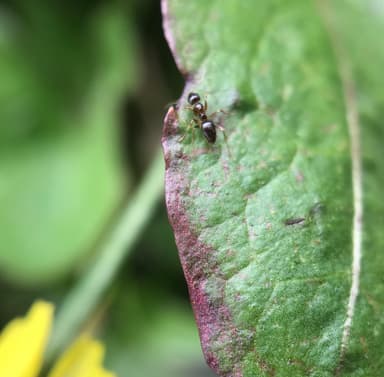
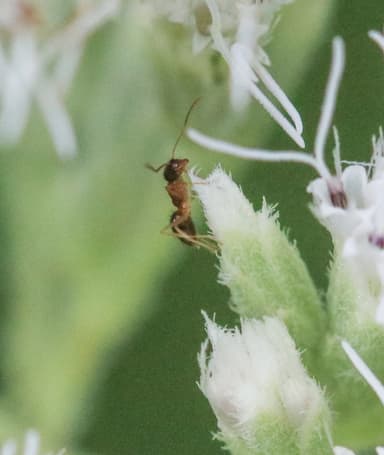
Nylanderia vividula is a small, fast-moving ant that often goes unnoticed in the wild yet has earned a quiet fascination among keepers who appreciate its rapid, almost frenetic energy. Workers measure just 1.5 to 2 mm in length and are monomorphic, clothed in a pale yellowish to amber-tinted cuticle that can appear almost translucent under strong light. Queens are considerably larger at 4 to 4.5 mm and bear a darker, more robust profile. A mature colony can house up to 3000 individuals, founded claustrally by a single queen. Originally native to tropical and subtropical parts of the Americas — its range stretches from southern South America to the southern United States, with established indoor populations far beyond — N. vividula belongs to the Prenolepis genus-group as clarified by LaPolla et al. (2010) and was treated in detail by Trager (1984) during his revision of the Paratrechina of the United States. One of the species’ most captivating quirks is its ability to exploit heated buildings and greenhouses, allowing nuptial flights to occur not just on warm, humid evenings from May through September in the southern U.S., but potentially year-round wherever a stable indoor environment replaces the seasons. This indoor-adapted trait, combined with its minute size, makes it a classic “tramp” ant that has quietly spread across the globe.
Caring for this species sits at an intermediate difficulty level, primarily because its tiny stature and lightning speed demand meticulous escape prevention. A beginner with a well-sealed formicarium and respect for its needs can succeed, but the species rewards a keeper who has already mastered basic hydration, feeding, and containment with slower ants. N. vividula does not sting and its mandibles are too small to pinch human skin, so handling concerns are minimal. The real challenge is ensuring that ventilation holes and gaps never exceed a fraction of a millimetre — a PTFE or fluon barrier applied carefully to the foraging area rim is non-negotiable. Observing a thriving colony move in their characteristic erratic, jittery manner, however, is a delight for those who enjoy high-speed activity and colony dynamics on a miniature scale.
For housing, the ants thrive in a formicarium that balances moisture with cleanliness, mimicking the damp, decayed wood or soil pockets they favour in the wild. A plaster or ytong nest with a slight moisture gradient works well, as does a soil-based setup for a more naturalistic display, provided a sand–loam mix is used. Temperature should be kept between 22 and 28°C, a range that sustains brood development and worker activity without causing stress; if possible, offer a gentle heat gradient so the ants can self-regulate. Humidity is best maintained at 50 to 70 percent, with one end of the nest kept slightly more humid to serve as a brood chamber. Because workers are so diminutive, a foraging arena with a tight-fitting lid and ultrafine stainless steel mesh for ventilation is essential. A standard test tube with water and a cotton plug makes an ideal founding chamber, and the colony can remain there until the first few dozen workers emerge, at which point they can be moved to a larger, escape-proof nest.
Nylanderia vividula is an aggressive forager with a broad omnivorous diet. In natural settings they eagerly tend aphids and scale insects for honeydew and scavenge dead invertebrates (AntWiki), so a captive diet should include both liquid carbohydrates and protein. Offer a small drop of sugar water, honey water, or a diluted maple syrup solution on a foil or waxed paper square to prevent drowning. For protein, provide freshly killed or pre-frozen small insects: flightless fruit flies are ideal, while small pieces of mealworm or cricket are taken readily. Because the colony has a rapid metabolism and workers are constantly on the move, expect to offer small meals daily or every other day, removing uneaten food before it spoils. A clean water source, either from a test tube reservoir or a tiny water feeder, must always be available, as these ants can dehydrate quickly in dry air.
Unlike many temperate ants, N. vividula does not undergo a winter dormancy period, nor does it require an artificial hibernation phase. In fact, exposing the colony to temperatures below 22°C for prolonged stretches can slow brood production and make the ants lethargic, though they are unlikely to perish unless chilled severely. A steady, year-round warmth that mimics the heated indoor environments or subtropical climates they prefer is the best approach, and keepers who maintain a small, heated ant room or use a reliable heat cable will see uninterrupted colony growth.
The first days after acquiring a colony are a delicate settling-in period. If you receive a queen with a few workers in a test tube, place the tube in a dark, quiet place within the target temperature range and resist the urge to check more than once a day. Provide a minute drop of sugar water near the cotton plug — not so much that it floods the tube — and, if workers are eagerly foraging, offer a single, pinhead-sized insect fragment. Avoid connecting a foraging area immediately; let the colony acclimate for at least three to five days so the queen’s pheromones can bind the little society to its new home. During this time, watch for workers frantically pacing at the cotton, which can indicate stress or inadequate humidity, and adjust by slightly moistening the cotton if needed. Once the colony has settled, you can introduce the nest to a foraging arena with careful attention to escape barriers, and gradually increase feeding frequency. With patience, the colony will establish a rhythm, and before long its numbers will swell, revealing the industrious, ceaseless motion that makes Nylanderia vividula such an engaging ant to steward.