Myrmecia
Myrmecia regularis
Nuptial Flight Calendar
Flight months: Jan, Feb, Mar, Apr, Oct, Nov, Dec
Care Guide
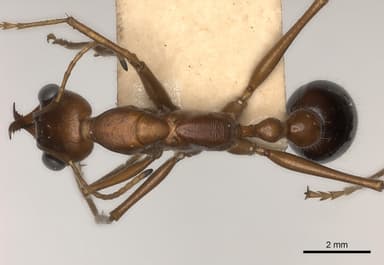
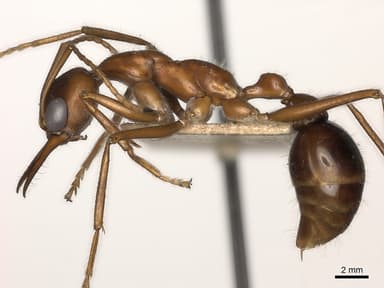
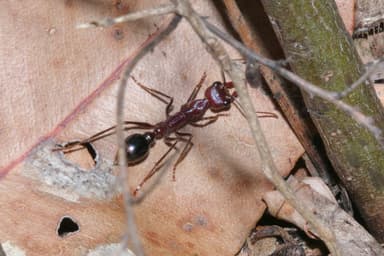
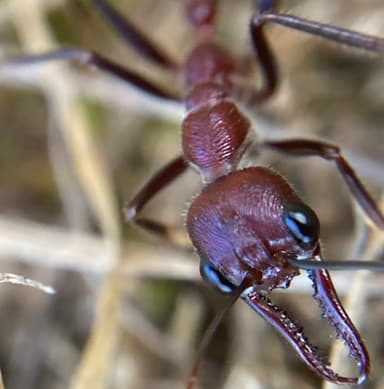
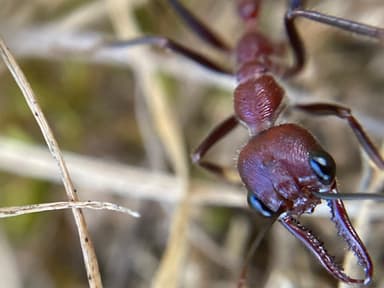
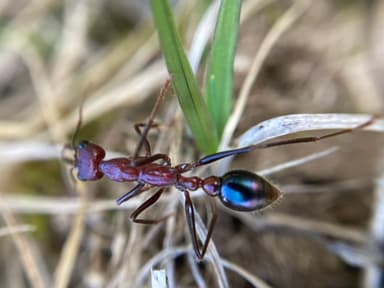
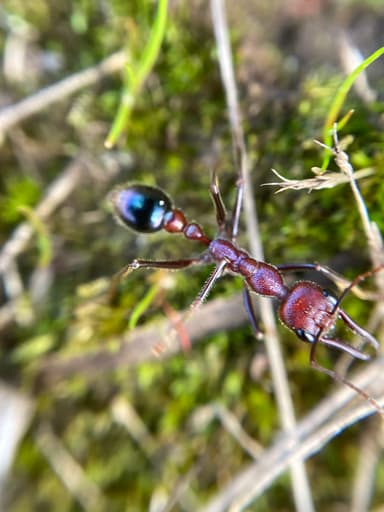
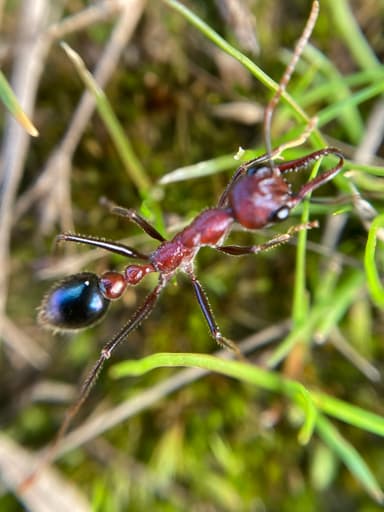
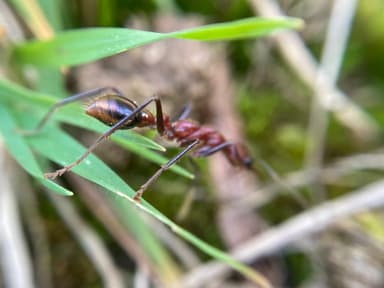
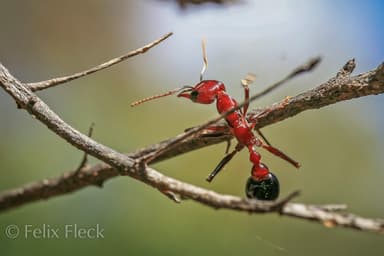
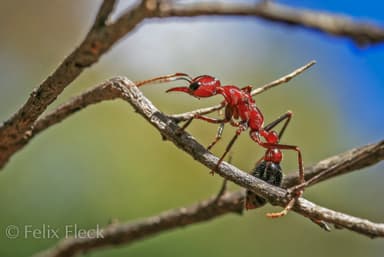
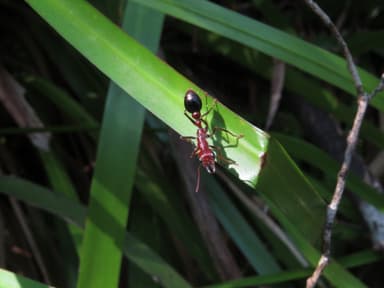
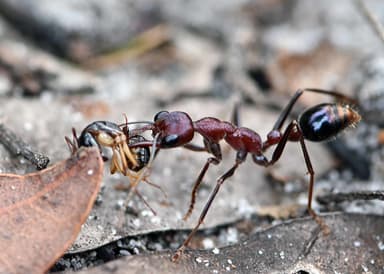
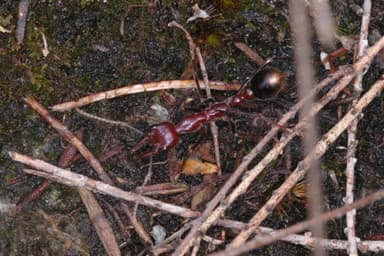
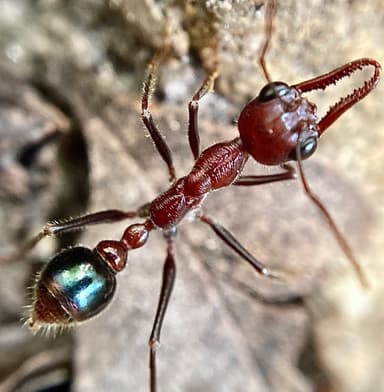
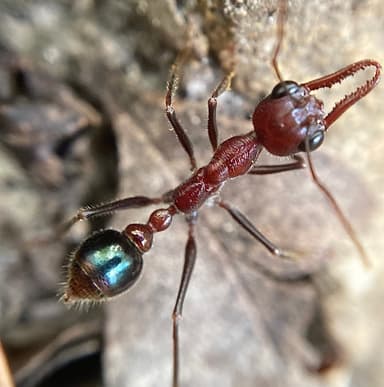
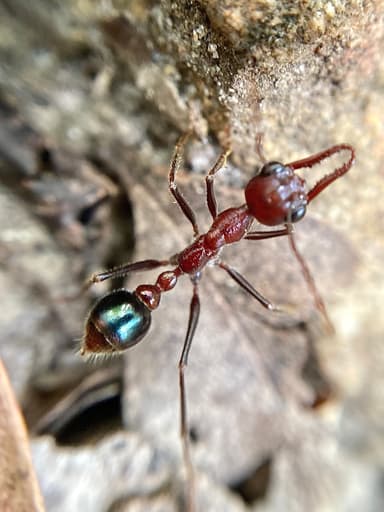
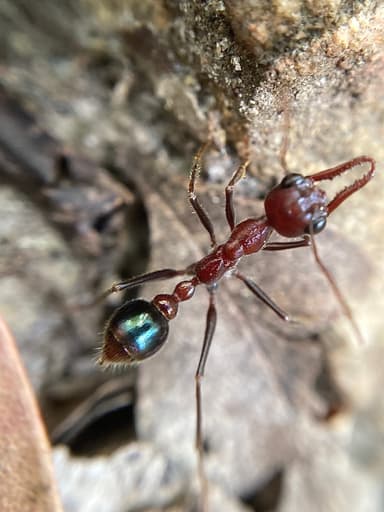
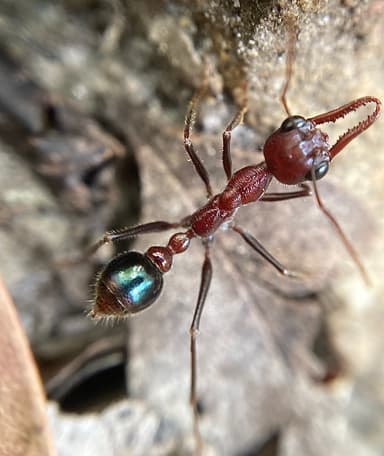
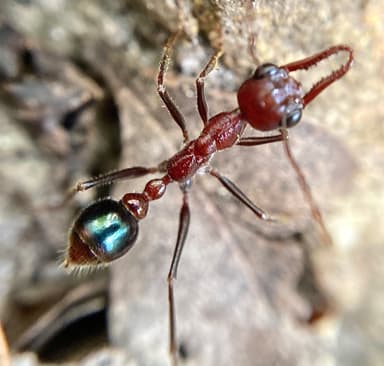
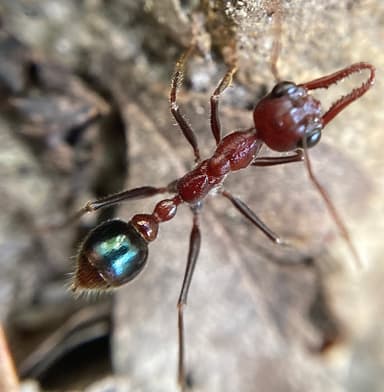
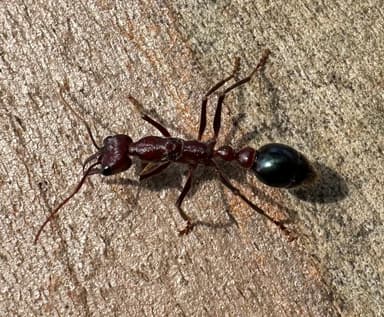
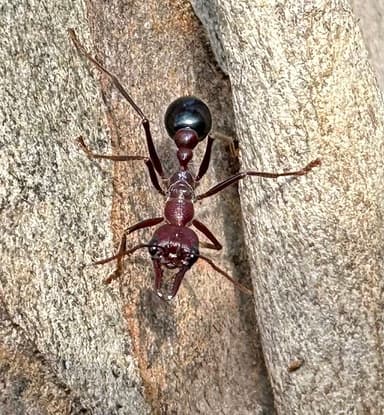
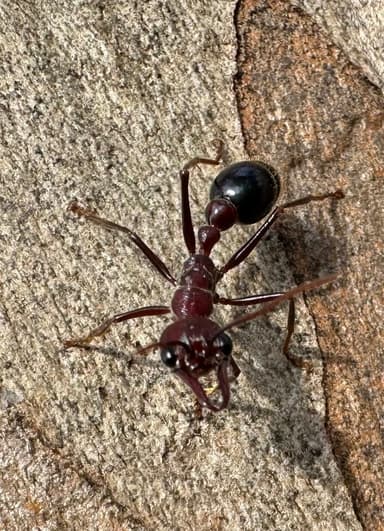
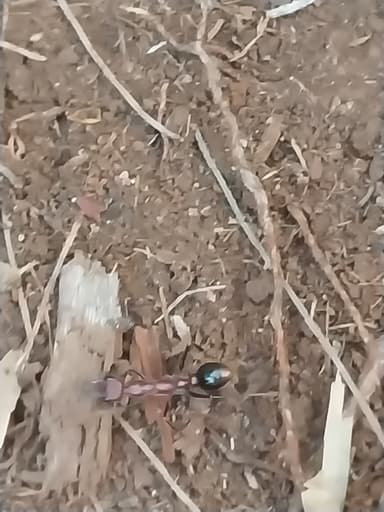
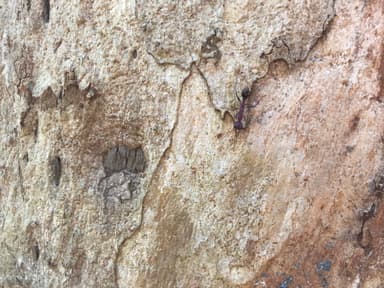
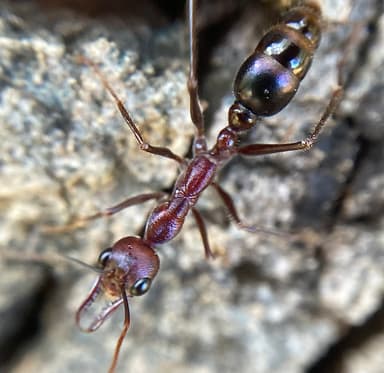
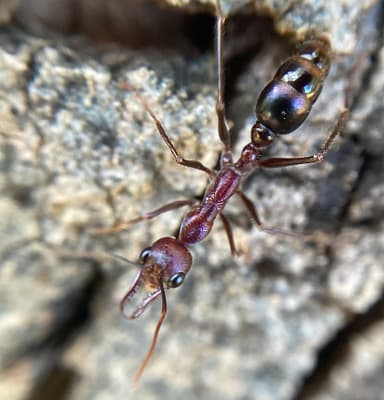
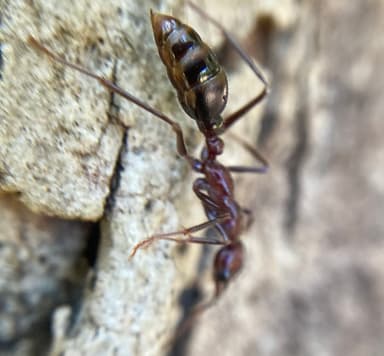
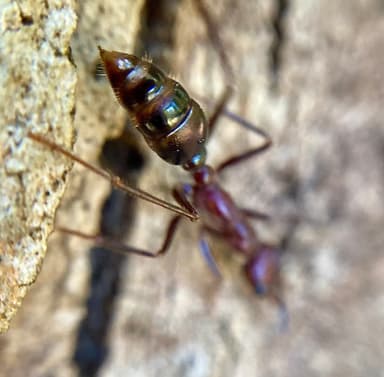
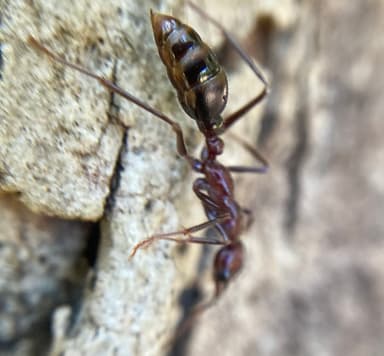
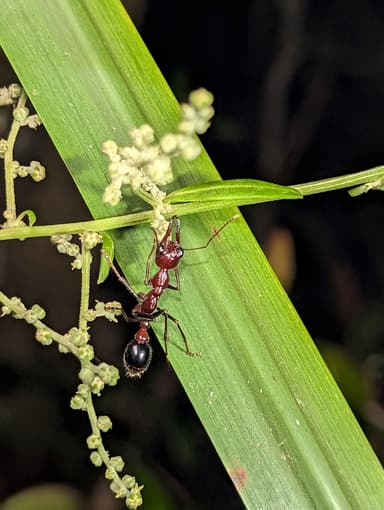
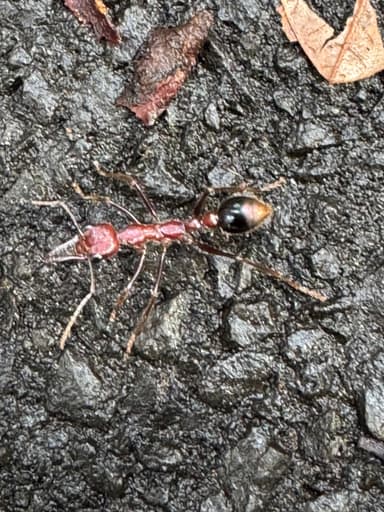
Myrmecia regularis is a spectacular bull ant endemic to the southwestern corner of Western Australia, where it inhabits open woodlands and heathlands stretching from around Perth inland to the wheatbelt. Queens are formidable at 18 to 22 millimetres, while workers range from 14 to 20 millimetres, all sharing the same basic body plan without distinct castes. The ants are typically dark with strikingly elongated mandibles and exceptionally large eyes that give them keen vision, a trait that underpins their remarkable hunting behaviour. Colonies are modest by bull ant standards, topping out at around a thousand workers, and the founding process is semi‑claustral: the queen must leave her incipient nest chamber to forage until her first workers emerge. This solo hunting phase, combined with a potent, painful sting and a nervous, visually oriented temperament, makes M. regularis a fascinating subject that reveals the ancient behavioural toolkit of the Myrmecia lineage (Ogata & Taylor 1991).
Care difficulty is best described as intermediate, and this species suits keepers who already have experience maintaining stable temperature and humidity gradients and who appreciate a more hands‑off animal. The semi‑claustral founding means you will need to feed a solitary queen regularly, monitoring her progress without excessive disturbance. While the ants are not unpredictably aggressive, they are highly responsive to movement and vibration; escape prevention and a cautious approach are essential. Their need for a genuine cool‑season dormancy also raises the bar above beginner ant species. If you have successfully kept and hibernated temperate Camponotus or other bull ants, you are likely well prepared. The sheer visual drama of watching a large, big‑eyed ant scan its surroundings before leaping on prey makes the extra effort deeply rewarding.
Housing must replicate the warm, dry summers and cool, damp winters of their Mediterranean‑climate home. A temperature gradient across the setup is ideal: allow a warm zone around 26 to 30°C for activity and brood rearing, while the nest itself fares best at a steady 22 to 25°C, with a nighttime drop toward 18°C. Humidity inside the nest should be kept between 50 and 70 percent, while the foraging outworld can be drier, between 40 and 60 percent, with good ventilation to prevent stagnation. A deep, loamy substrate of sand and clay, kept lightly moist, satisfies their urge to dig and helps regulate microclimate; many keepers provide a vertical plaster or Ytong nest block with a soil‑filled outworld. Always supply a water source, such as a test‑tube drinker, and include climbing twigs or branches, as these ants are adept vertical hunters. Underplanting the outworld with hardy, drought‑tolerant grasses or small succulents adds humidity and visual cover, which in turn reduces stress.
Diet should be varied and abundant in protein. Myrmecia regularis are enthusiastic predators: live crickets, small roaches, flies, and mealworms are all accepted, and movement is the prime feeding trigger. Dusting prey occasionally with a quality reptile vitamin powder can boost larval development. Carbohydrates are equally important; offer diluted honey, sugar water, or a slice of ripe fruit on a tray. A founding queen benefits from a tiny drop of honey water and a pre‑killed insect offered every two to three days. Once workers are present, feed the colony twice a week, removing uneaten remains promptly to avoid mould. These ants are not granivores, so seeds and grains have no place in their diet. Fresh water must always be available, as dehydration rapidly compromises the colony.
A true hibernation is non‑negotiable for long‑term health. In the wild, M. regularis experiences several months of cool, wet winter, and captive colonies require a rest period at approximately 12°C for eight to twelve weeks. Begin gradually cooling the setup in early autumn, stop protein feeding a week before the target temperature is reached, and ensure the nest medium is moist but not sodden. Keep the ants in darkness throughout dormancy, checking only to confirm that water remains available. When spring arrives, warm them slowly over a fortnight and offer a small sugar meal on the first active day. Skipping or shortening hibernation very often results in a queen that stops laying or workers that fail to thrive, a pattern consistent with other high‑latitude Myrmecia species (Ogata & Taylor 1991; GBIF occurrence data).
When your ants first arrive, whether it is a founding queen or an established colony, restraint is your most important tool. Unpack them in dim light and place the container in a quiet room. For a semi‑claustral queen, introduce her to a small, secure outworld attached to a test‑tube nest or a starter burrow within a day; she must forage. Offer a minute smear of honey water on a tiny piece of wax paper and a freshly killed, appropriately sized insect. She may ignore food for the first 24 hours while she calms down. Watch for steady, deliberate exploration rather than frantic pacing. Disturb her as little as possible during the first week, and once eggs appear, reduce intrusions to essential feeding only. If you have a colony, connect the nest to an outworld and allow the workers to discover it on their own, resisting the temptation to prod them forward. A soft paintbrush and a secure lid are your best handling aids, and always keep a barrier such as fluon or olive oil around the outworld rim, because a startled bull ant can move with startling speed. With patience and respect for their wild rhythms, a colony of Myrmecia regularis will reward you with one of the most vivid windows into the world of solitary‑cum‑social hunting ants.