Harpegnathos
Harpegnathos venator
Nuptial Flight Calendar
Flight months: May, Jun, Jul, Aug
Care Guide
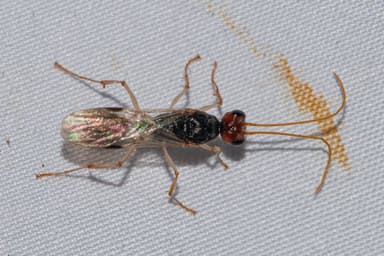
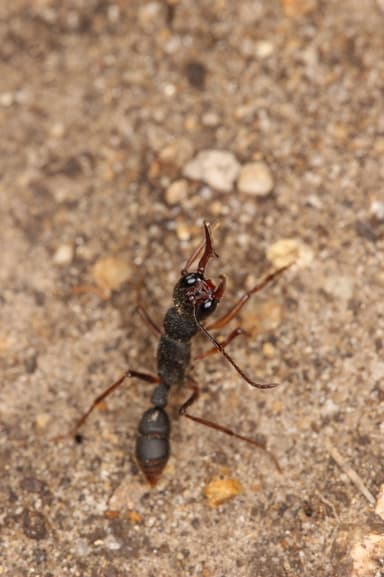
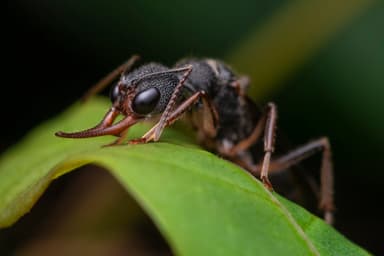
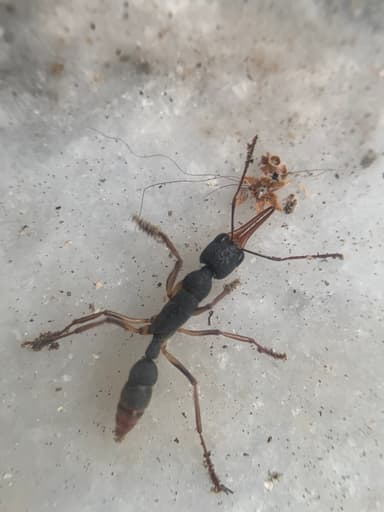
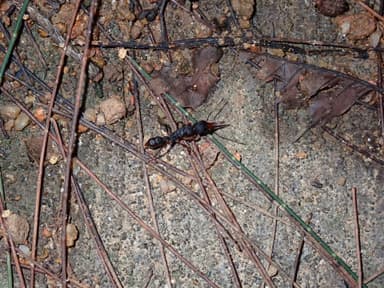
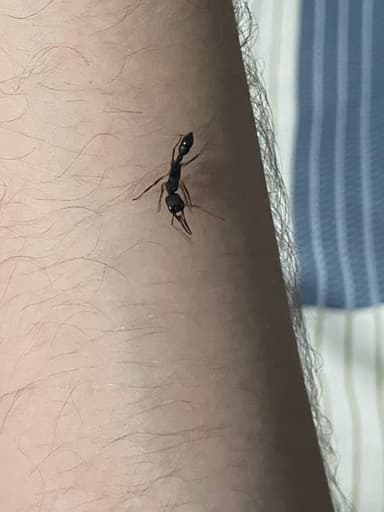
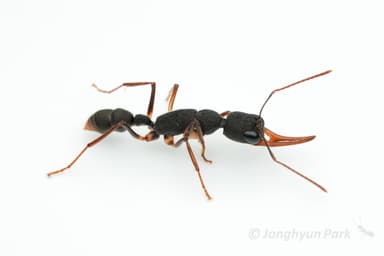
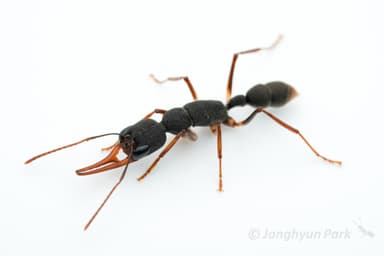
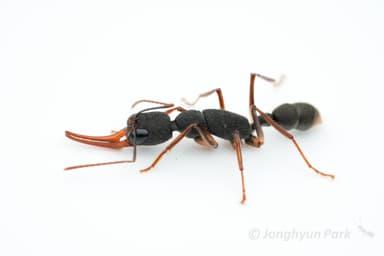
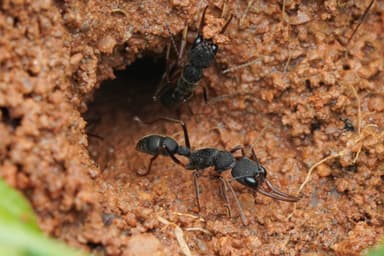
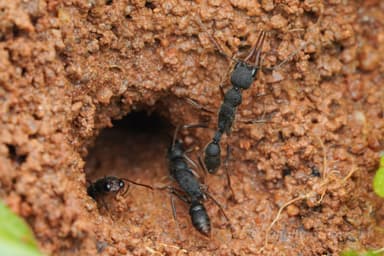
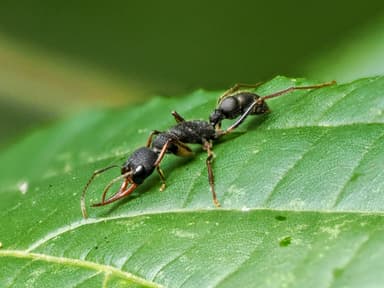
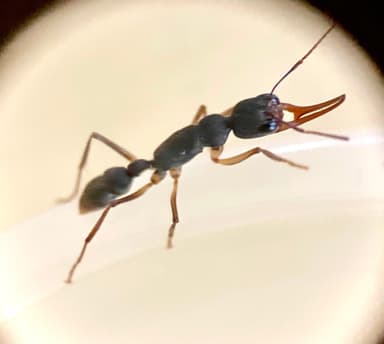
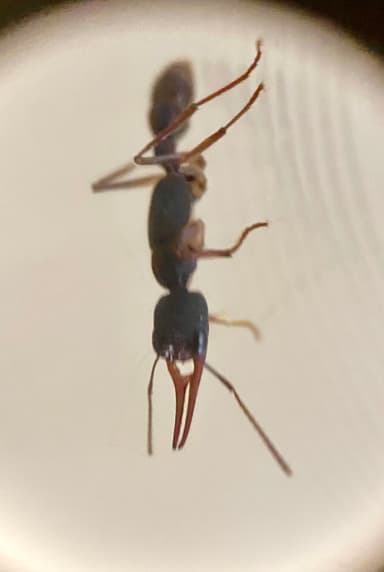
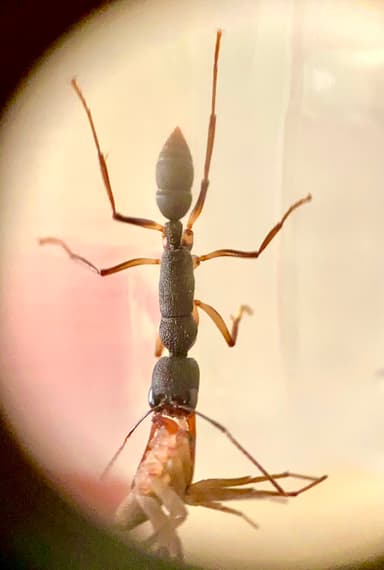
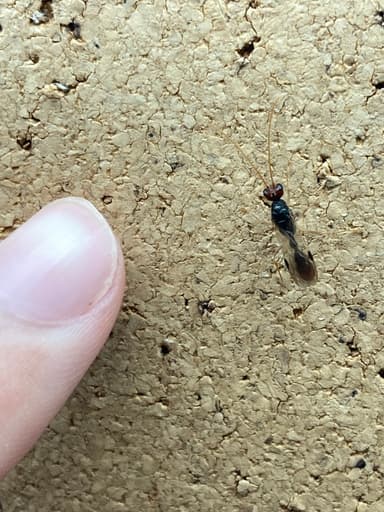
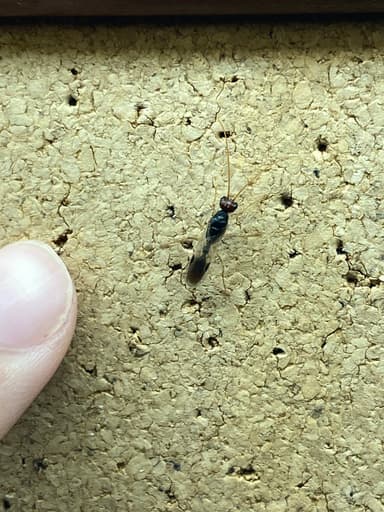
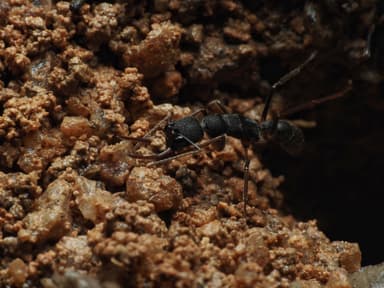
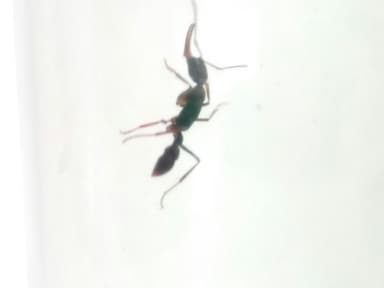
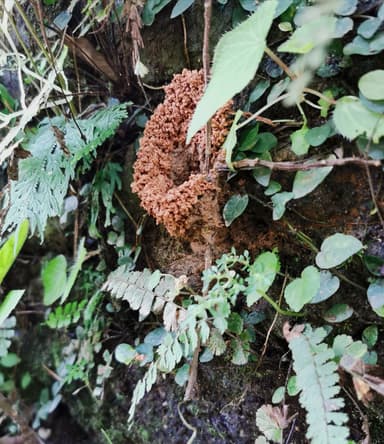
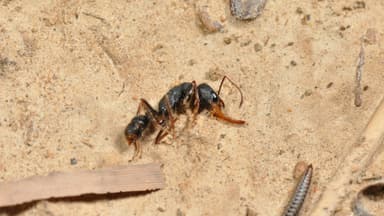
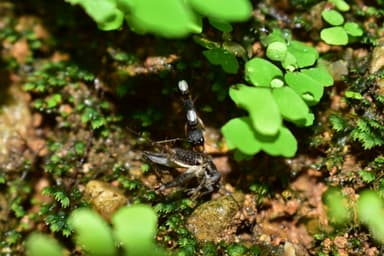
Harpegnathos venator is a strikingly elegant ant that captivates even seasoned myrmecologists with its elongated body, enormous eyes, and formidable trap-jaw mandibles. Queens measure 18 to 22 millimetres, while workers range from 16 to 20 millimetres, making them one of the larger ponerine species kept in captivity. Their native distribution stretches from eastern India across mainland Southeast Asia to the Philippines and Indonesia, a broad arc of warm, humid lowland forests. What truly sets this species apart is its unusual reproductive strategy: colonies, which may grow to around 200 individuals, are headed by a single queen but also contain mated, reproductive workers known as ergatoids. These ergatoids can lay diploid eggs after mating, providing a backup reproductive system that ensures colony survival even after the queen’s death (Peeters & Hölldobler 1995). The ants are active visual hunters, using their huge compound eyes to stalk and leap upon prey—a behaviour that is endlessly fascinating to observe but demands extremely secure housing. New colonies are founded semi-claustrally, meaning the queen must leave the nest to forage while she raises her first brood, a key consideration for anyone attempting to establish a young colony.
This is an expert-level species, wholly unsuited to beginners or those without experience raising finicky, fast-moving ponerines. Semi-claustral founding alone is a steep challenge: the queen requires a constant, small supply of live prey during the founding stage, and she is easily stressed by disturbance. Even established colonies test a keeper’s patience; workers are escape artists with keen eyesight, capable of leaping several centimetres and delivering a painful sting. The ants are monomorphic beyond the ergatoid caste, so the workforce is uniform in size but no less demanding. Hobbyists who thrive with Harpegnathos venator typically have prior success with other semi-claustral species such as Harpegnathos saltator or Myrmecia, and they are prepared to maintain precise environmental parameters without seasonal breaks. If you relish a high-risk, high-reward display animal and can commit to frequent live feeding, this ant is a jewel in any collection. Anyone else is advised to admire this species from afar or through the lens of scientific literature.
Housing must replicate the warm, moist forest floor conditions of the ant’s native range. Maintain a steady temperature between 22 and 28 degrees Celsius; a gradient within this range is beneficial, allowing the ants to thermoregulate. Humidity is equally critical and should stay within 60 to 80 percent, never dropping lower for extended periods, as desiccation quickly proves fatal. A naturalistic terrarium with a deep substrate of coconut coir, sand, and clay, kept damp but not waterlogged, works beautifully, especially when combined with a plaster or ytong nest block that offers stable humidity chambers. The nest entrance must lead into a spacious foraging arena, because these ants are active runners and leapers; the arena should be coated with a reliable fluon or olive-oil barrier and have a tight-fitting mesh lid. Provide plenty of visual cover—leaf litter, cork bark, and small branches—to reduce stress and mimic the dappled light of the forest understory. For founding queens, a simpler setup suffices: a small, well-ventilated container with a moist cotton pad, a tiny piece of sponge for water, and a hide. She will need to emerge to hunt, so the container must be easy to open without causing escapees.
Diet is predatorily straightforward but requires live, moving prey to trigger the ants’ hunting instinct. Offer small crickets, fruit flies (both Drosophila melanogaster and larger D. hydei), mealworm segments, and roach nymphs, all appropriately sized to the colony’s current strength. Protein is the cornerstone, but workers will also benefit from occasional carbohydrate sources; a tiny dab of honey or diluted maple syrup presented on a piece of wax paper is readily accepted and provides quick energy. Crucially, all prey must be live and wriggling, as Harpegnathos venator ignores dead or immobile food. Water should be available at all times, either through a test-tube waterer with a cotton plug or a shallow, escape-proof water dish filled with pebbles. A founding queen will consume the same live prey, and it is vital to provide her with a steady trickle of tiny insects starting a day or two after she settles in, otherwise she will not produce enough eggs to build her first worker generation.
No hibernation period is required, nor should one be simulated. Harpegnathos venator comes from tropical environments where seasonal temperature swings are minimal. Keeping the colony at a consistent year-round warmth and humidity mimics the monsoonal regime under which nuptial flights occur—typically between May and August during warm, humid conditions (AntWiki). Attempting to cool the colony for a dormant phase will cause stress and probable collapse. Instead, plan for continuous care with no winter slowdown, which means you must maintain regular live prey supply and hydration even through holiday periods.
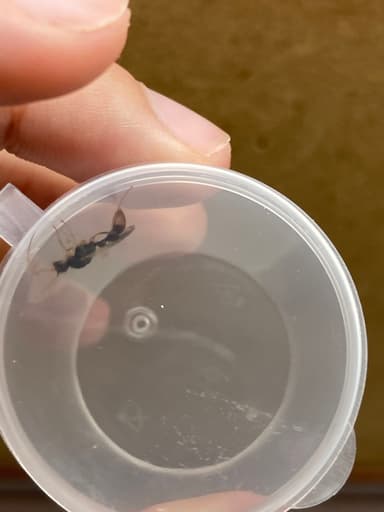
The first days after your Harpegnathos venator queen or colony arrives are a critical acclimation window. Upon unpacking, immediately house her in the prepared founding container or, for an established colony, the intended formicarium, and place it in a quiet, dimly lit location. Allow at least 24 hours without disturbance to let her recover from shipping stress. After this settling period, offer a single small live cricket or a few fruit flies; watch to see that she hunts and captures one. If she ignores the prey, remove it after a few hours and try again the next day, as prolonged presence of live insects can stress her. Do not overfeed—one insect every two to three days is ample for a queen. Check that the humidity remains high, and resist the urge to peek repeatedly. In the following weeks, you should see the queen laying eggs, which she will meticulously tend. Any sign of lethargy, refusal to eat, or constant escape attempts warrants immediate environmental adjustment. With patience and precision, you will witness one of the ant world’s most extraordinary behaviours: the emergence of the first ergatoid workers, ready to share reproductive duties and build a self-sustaining colony.