Formica
Formica subpolita
Nuptial Flight Calendar
Flight months: Jun, Jul, Aug, Sep
Care Guide
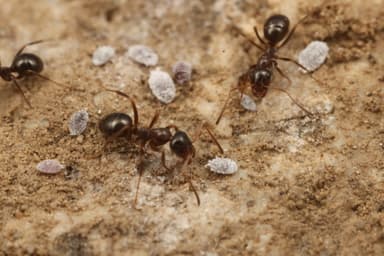
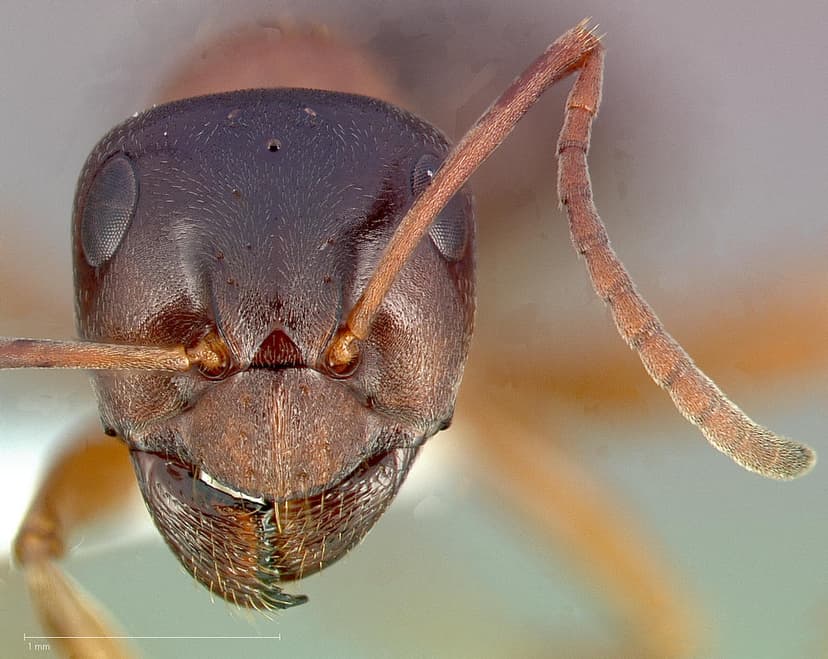
Formica subpolita is a robust and rewarding species for the attentive keeper, offering a fascinating window into the world of polymorphic wood ants. Queens are substantial, measuring between 8 and 10 millimeters, with a striking black or dark brown, heavily sculptured exoskeleton that gleams under light. Workers display a clear dimorphism — minor workers range from 4 to 5 millimeters, while the broad-headed, muscular major workers can reach up to 7 millimeters. This two-caste system, a stepping stone to the full polymorphism seen in the related Formica rufa group, allows the colony to partition tasks efficiently; majors often handle defense and heavy cutting, while minors tend brood and forage. A mature colony can swell to a bustling 10,000 individuals, creating a dynamic, ever-active display. Their native range stretches across the arid and semiarid regions of the Western United States, from the Great Basin to the eastern slopes of the Rockies, where they nest in sandy soils under rocks or decaying wood (Creighton 1950; Wheeler & Wheeler 1986). This background shapes their specific needs in captivity.
This species is classed as intermediate in care difficulty, making it an excellent challenge for ant keepers who have successfully maintained a beginner species and are ready for the rhythm of a seasonal cycle. The primary demand that elevates them beyond a simple-care ant is their strict requirement for a cold hibernation (ideally around 5°C) lasting 3 to 4 months. Without this, colonies languish and brood production crashes. Additionally, their vigorous growth rate and eventual large colony size demand proactive space management; a small founding nest can be rapidly outgrown. If you are able to provide a reliable cooling method — a dedicated wine fridge, a cold basement, or a balcony that doesn’t freeze — and enjoy the spectacle of a large, polymorphic work force, F. subpolita will be a deeply satisfying companion. They are generally not recommended for children or those seeking a set-and-forget desktop pet, but for the intermediate hobbyist, they are a classic North American native that bridges the gap between the docile and the demanding.
Providing the right nest environment is crucial, and it must reflect their wild preference for well-drained, warm microhabitats. They thrive at temperatures between 18°C and 28°C, with a gentle gradient recommended across the nest so workers can self-regulate. Humidity is often misunderstood for this xerophilic species: aim for a moderate 40% to 60% range, never the saturated, condensation-heavy conditions that suit tropical ants. A well-ventilated ytong, gypsum, or 3D-printed nest with a small external water tower is ideal; naturalistic setups using a mixture of sand and loam can also excel, provided they are allowed to dry out partially. Overly moist nests invite mold and mites. The outworld, where foraging occurs, can be kept dry with a small water test tube always available. A generous layer of sand or fine gravel not only mimics their habitat but also gives workers material for tidying the nest surface, a constant quirk that reveals their fastidious nature.
*Formica subpolita* are enthusiastic hunters and avid collectors of sugary liquids. Their diet should mirror the diversity of their natural foraging. Offer freshly killed or live insects — crickets, Dubia roaches, mealworms — cut into manageable pieces for smaller colonies. Older colonies will enthusiastically pin and dismember larger prey. Protein intake directly drives the production of major workers, so consistent feeding during the growth season is key. Carbohydrates are taken with equal vigor; a small wick of sugar water, honey diluted with water, or a slice of apple will be rapidly consumed. Avoid pure honey directly in the nest to prevent drowning. Water is essential, but they need only a small, clean source — a stoppered test tube with fresh water works perfectly. Remove uneaten insect parts within a day to prevent spoilage, especially in the dry warmth of their preferred environment.
The hibernation requirement is non-negotiable for long-term colony health. As autumn approaches, typically in October, gradually lower the ambient temperature of their space over a week or two until they reach their target of around 5°C. They should be prepared with a full social stomach, having been well-fed with sugars in the weeks prior. A reliable method is to move the entire formicarium into a temperature-controlled refrigerator, ensuring ventilation and that the temperature does not dip below 2°C, which can be lethal. They will cluster in a tight, stationary ball, ceasing foraging entirely. Check them every few weeks for any sign of excessive moisture or mold, and offer a tiny drop of water if the nest seems critically dry, though they rarely drink during diapause. In late February or March, reverse the process, warming them gradually back to room temperature. When the first workers venture out, a tiny drop of honey water marks the start of a new season. Skipping hibernation often leads to a dwindling population and a queen that stops laying, so this cold rest is truly the heartbeat of their annual cycle.
Upon receiving a newly founded queen or a small colony, the first days are a delicate settling-in period. Because F. subpolita is fully claustral, a founding queen needs nothing but darkness and peace. Place her test tube setup in a quiet, dim area and resist the urge to check on her more than once a week. She will use her stored wing muscle reserves to rear her first nanitic workers, a process that can take 6–8 weeks. For a young colony with a few workers already present, offer the tiniest speck of crushed insect protein and a micro-drop of sugar water after 48 hours of them settling in. Watch for immediate recruitment: workers will eagerly drink and transport the sweet liquid. If they ignore the food, remove it and try again in a few days, as stress can suppress appetite. Minimize vibrations and light, and never force them into a larger nest before they have at least 20 workers crowded into their tube; premature moves can collapse a fragile young colony. With patience, you’ll witness the steady rise of a miniature empire that captures the rugged spirit of the American West.