Formica
Formica lemani
Nuptial Flight Calendar
Flight months: Jun, Jul, Aug, Sep
Care Guide
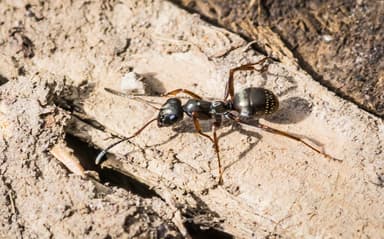
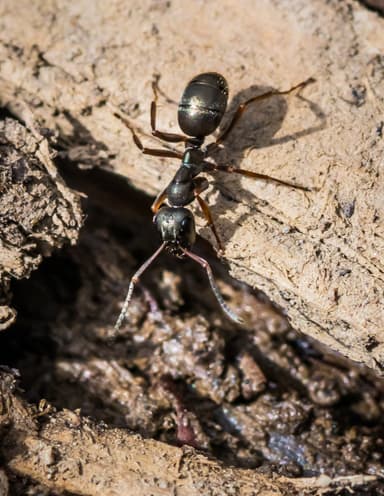
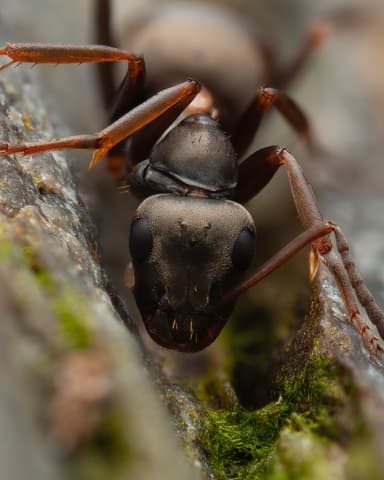
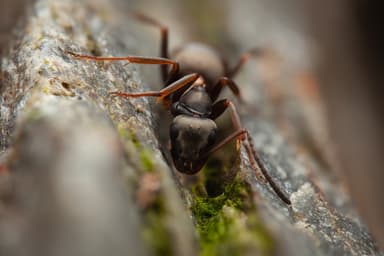
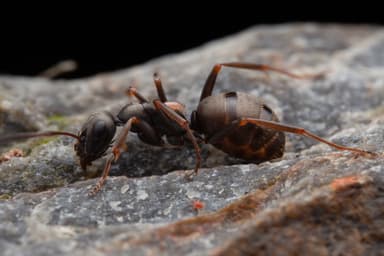
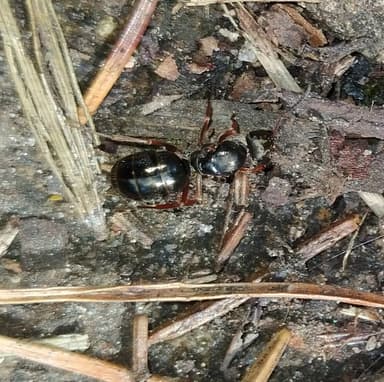
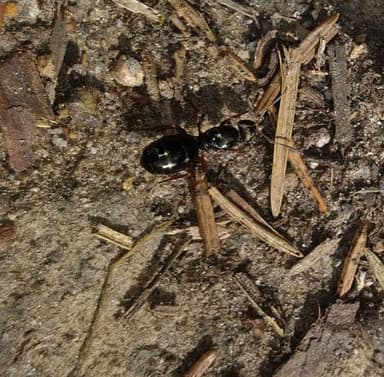
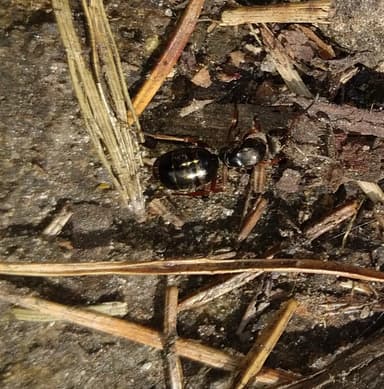
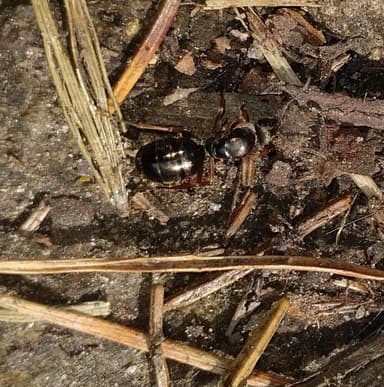
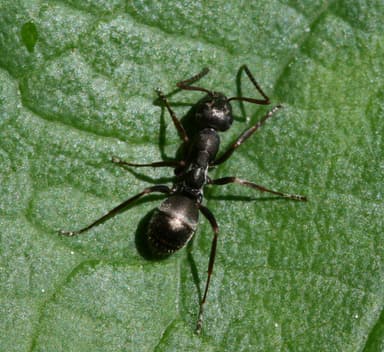
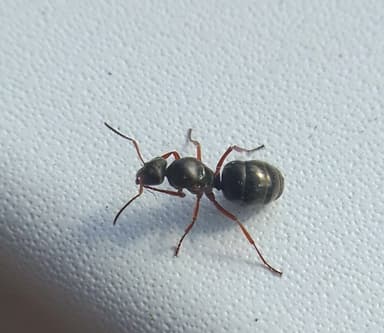
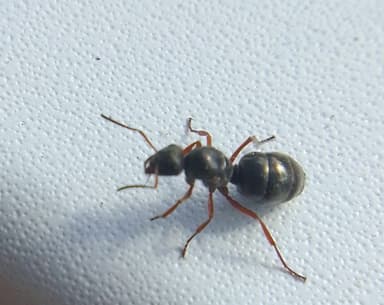
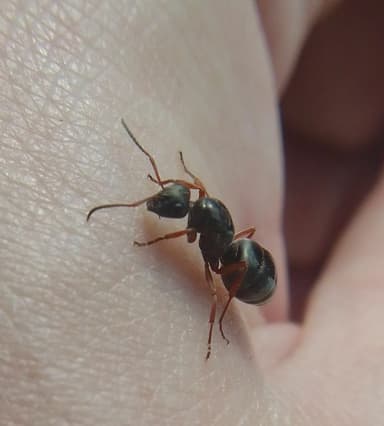
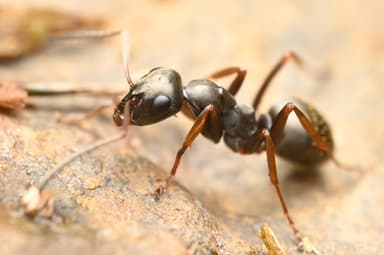
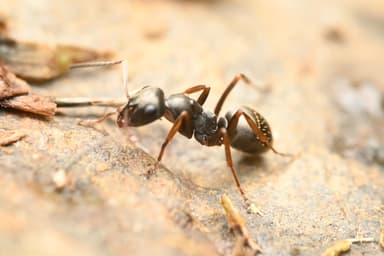
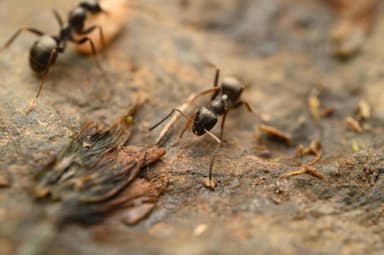
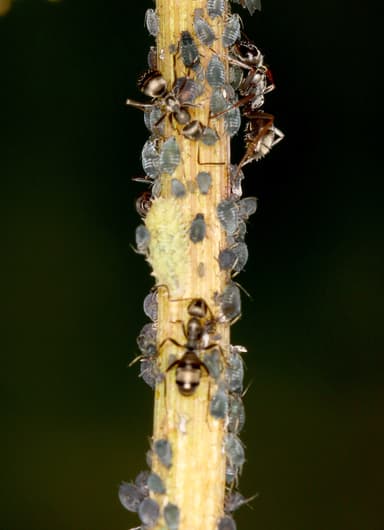
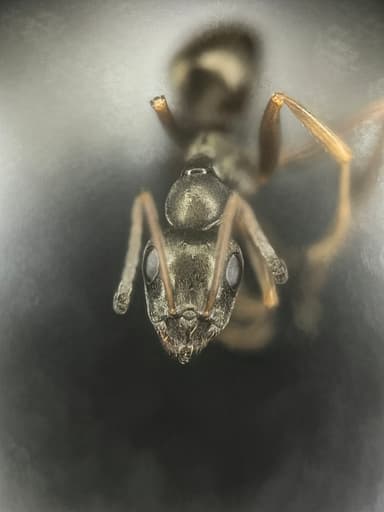
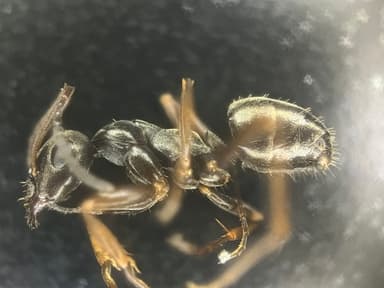
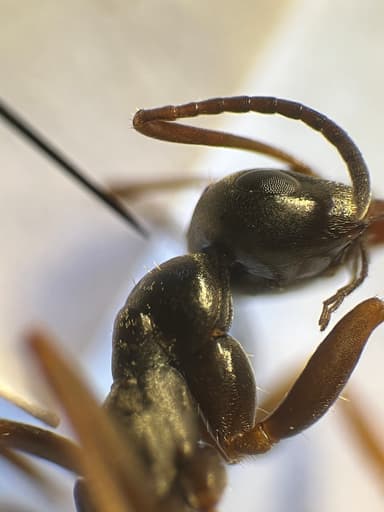
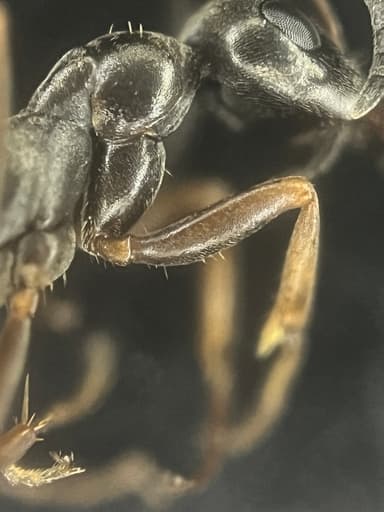
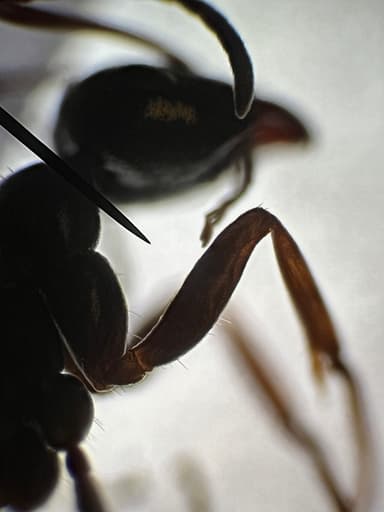
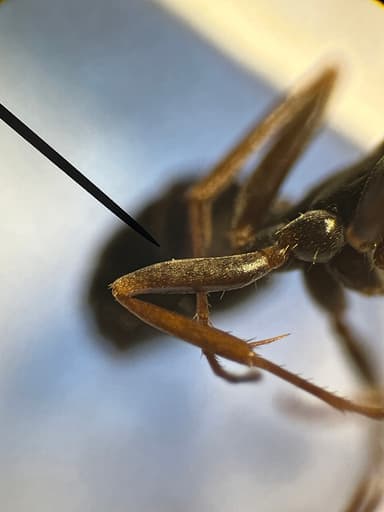
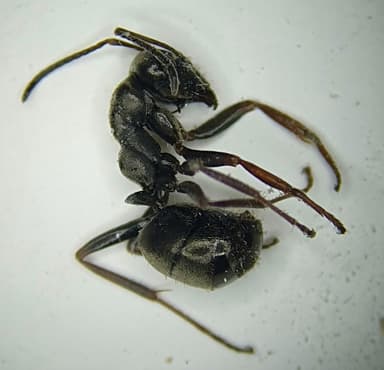
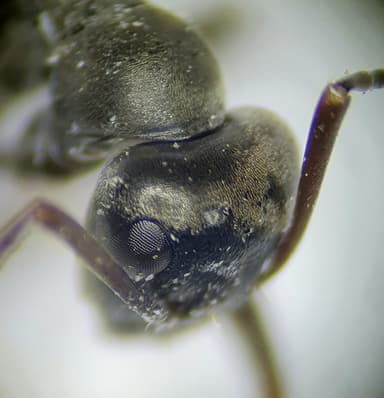
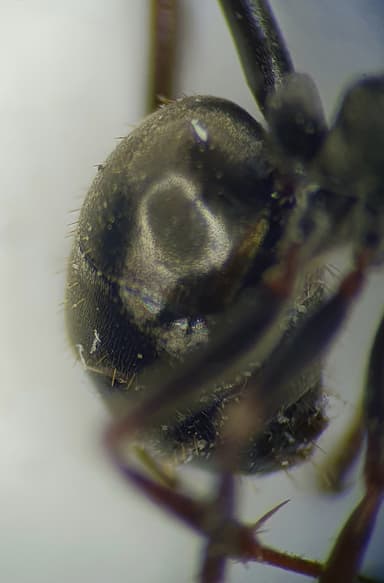
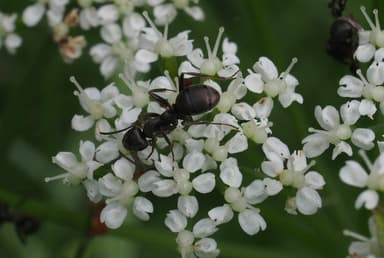
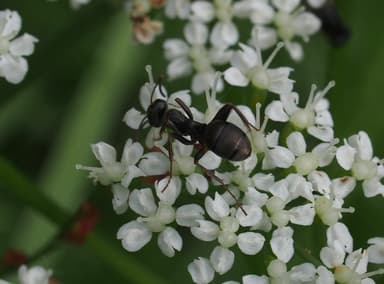
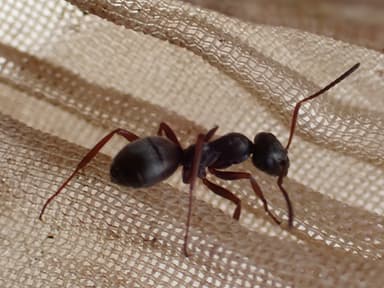
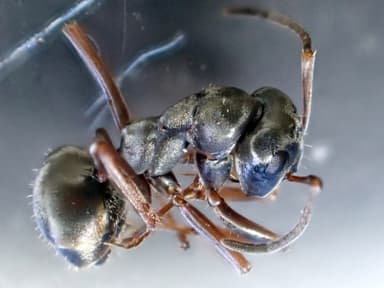
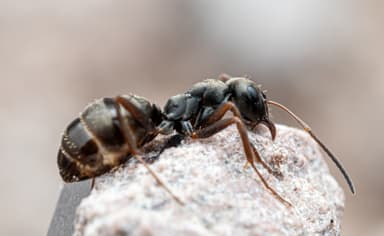
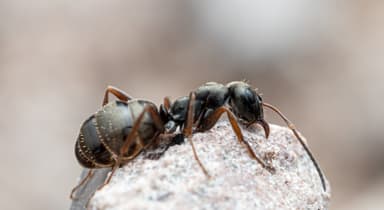
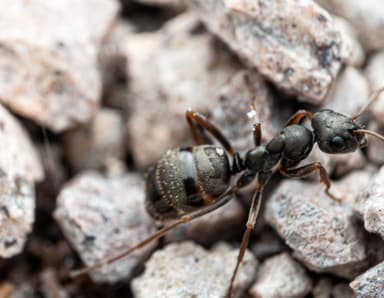
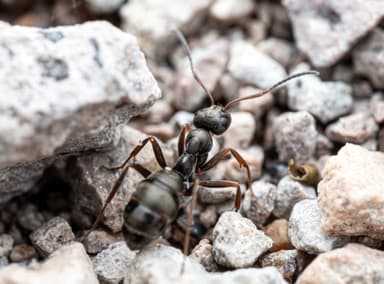
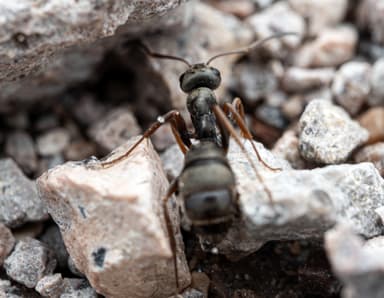
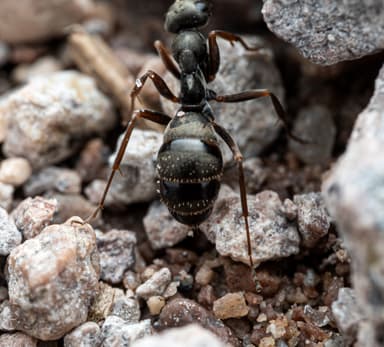
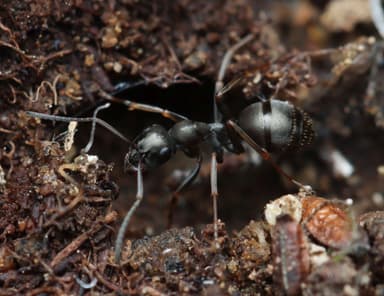
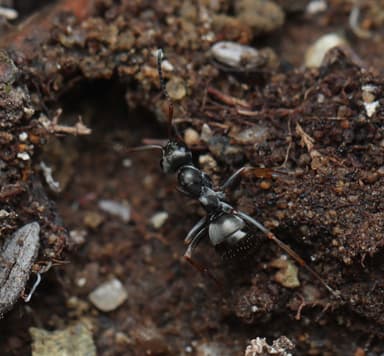
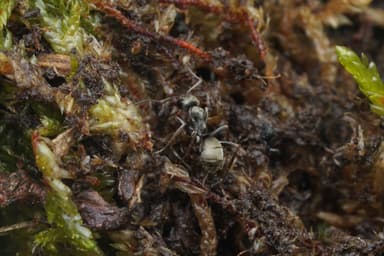
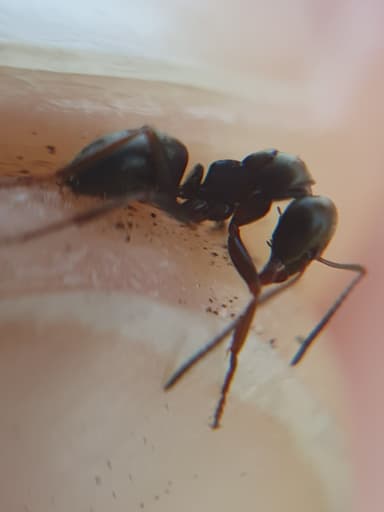
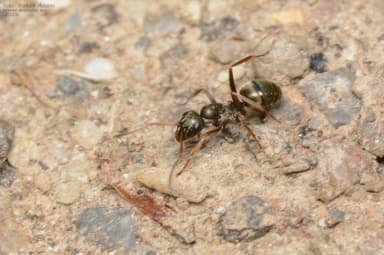
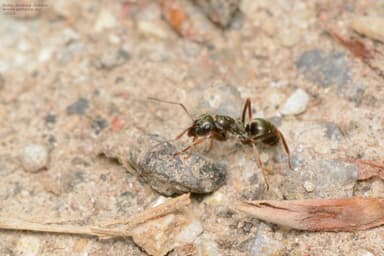
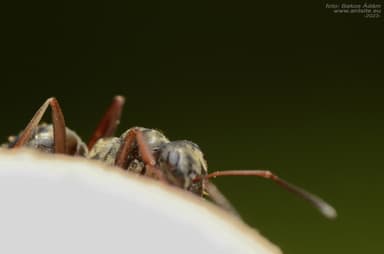
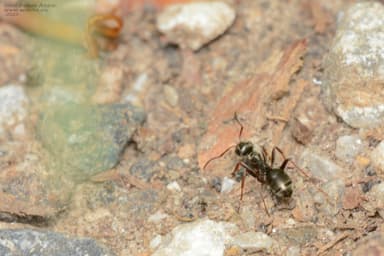
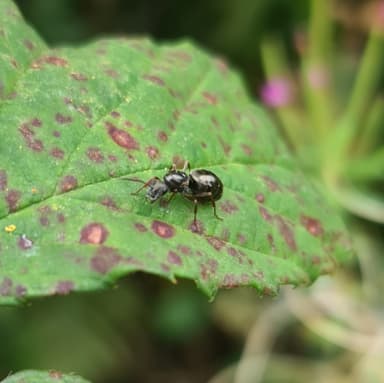
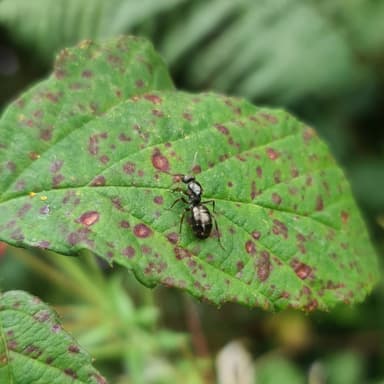
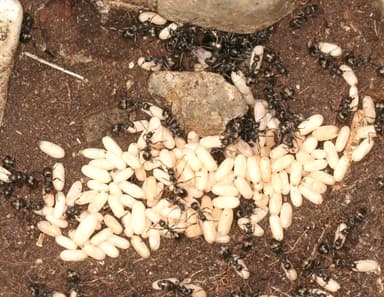
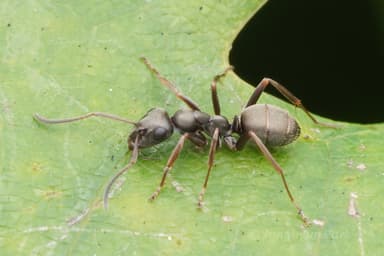
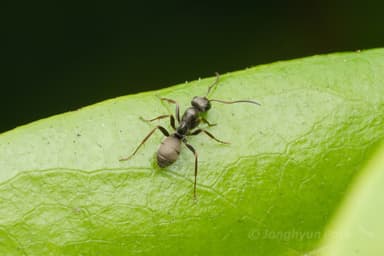
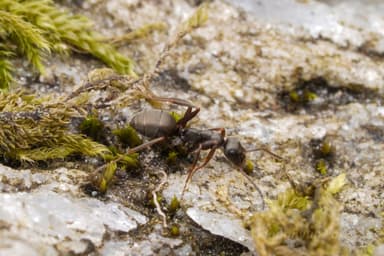
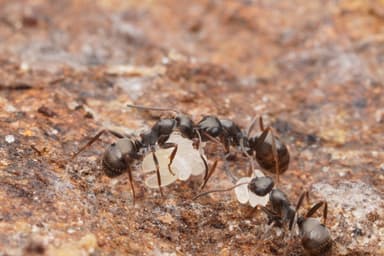
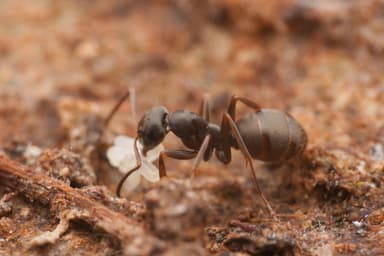
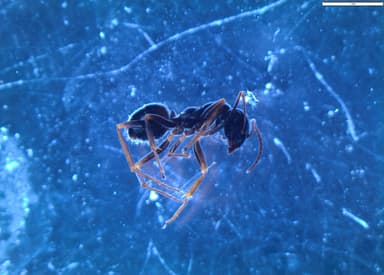
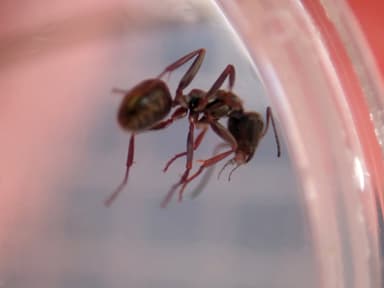
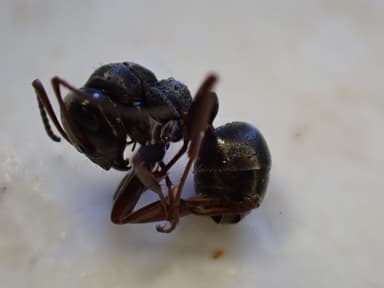
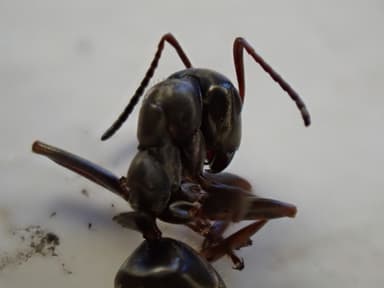
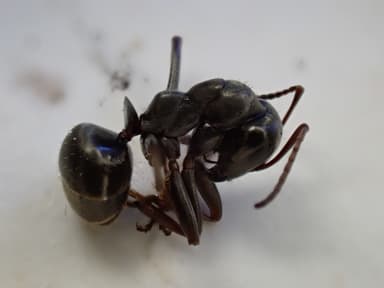
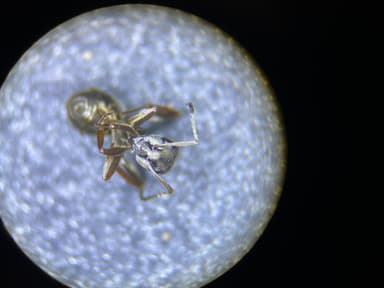
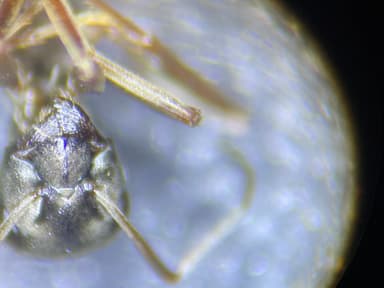
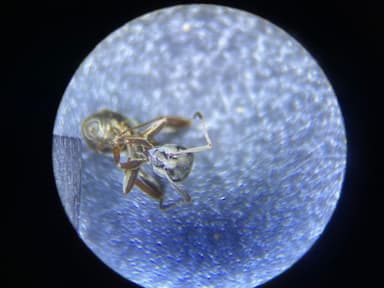
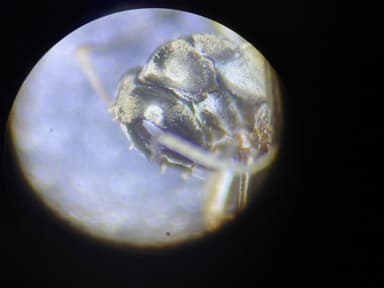
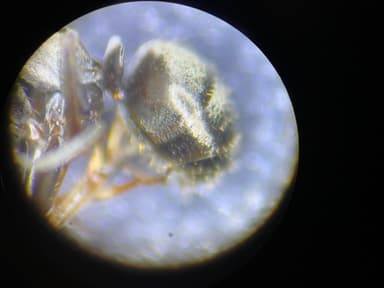
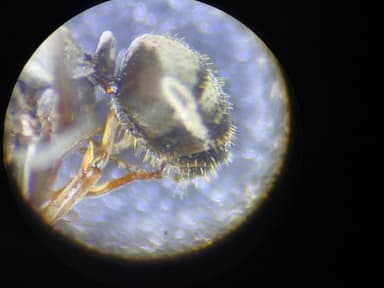
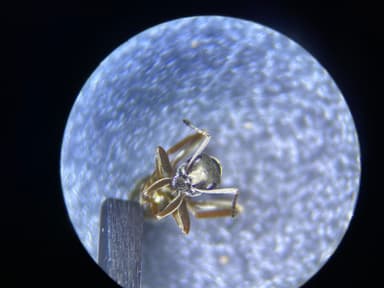
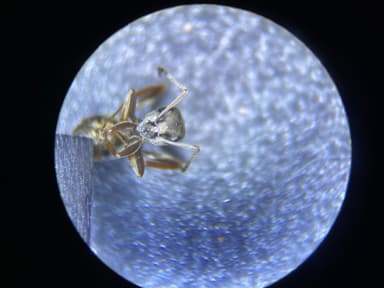
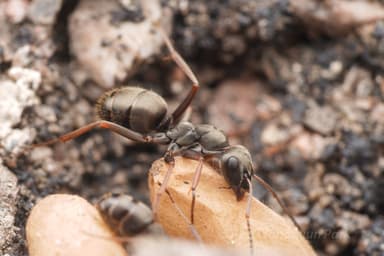
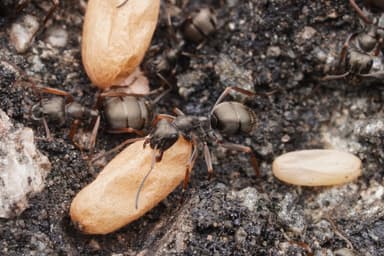
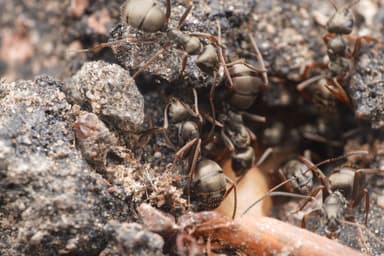
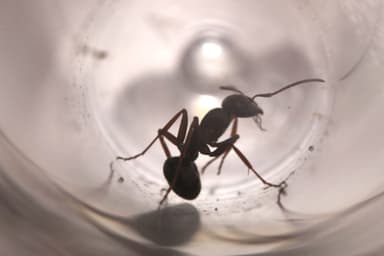
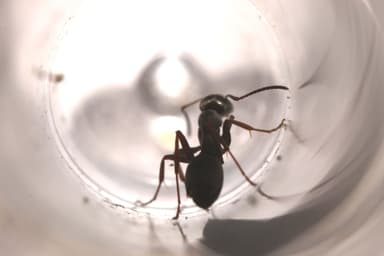
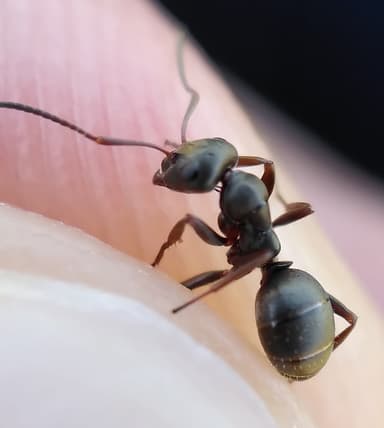
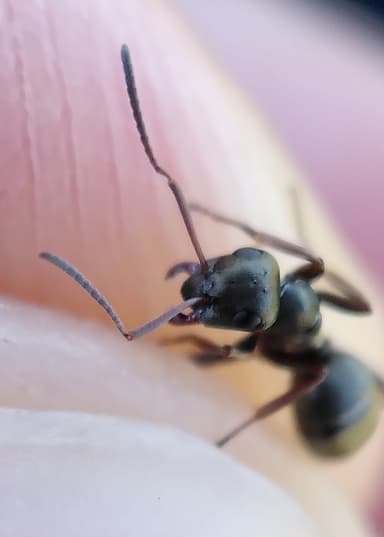
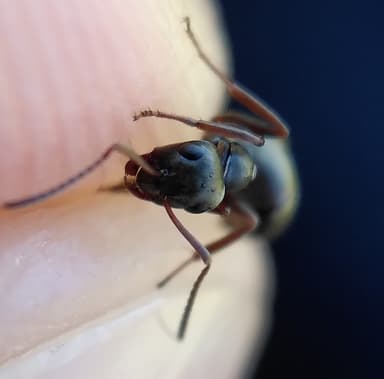
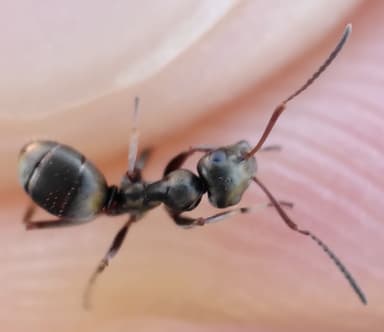
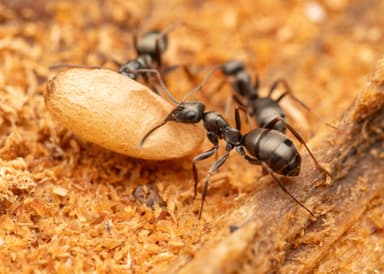
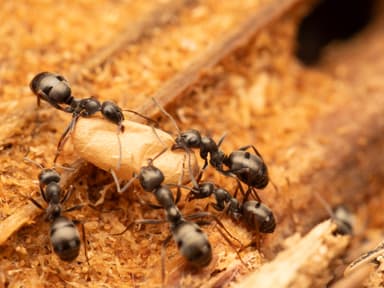
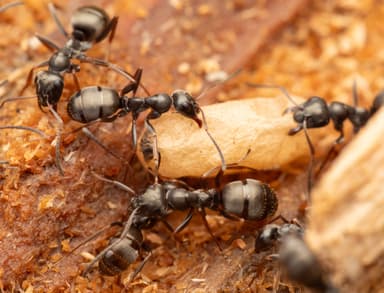
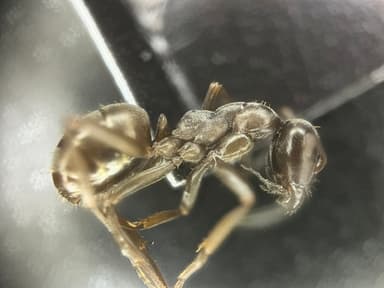
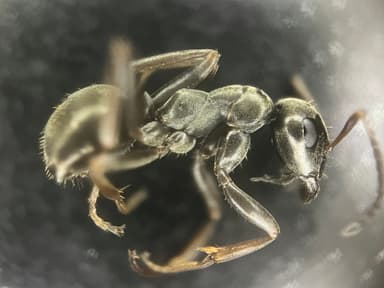
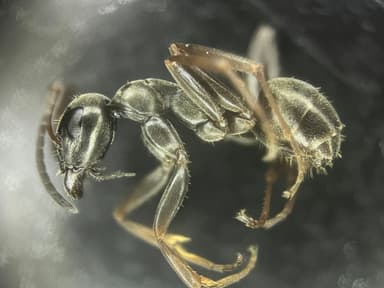
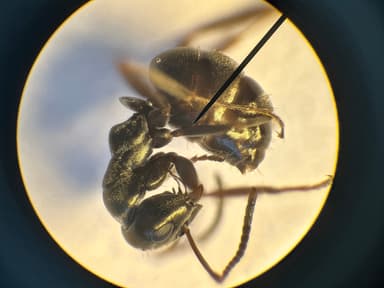
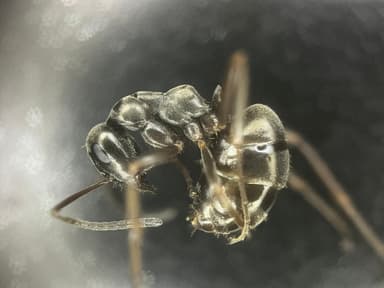
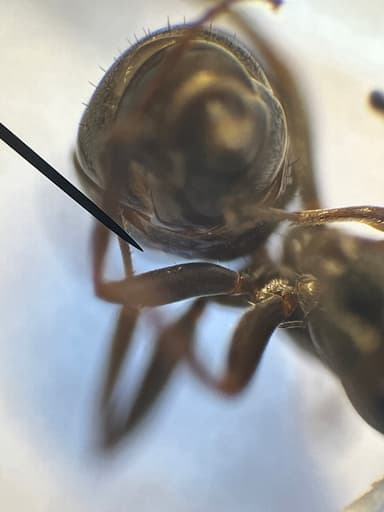
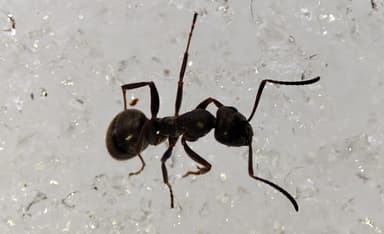
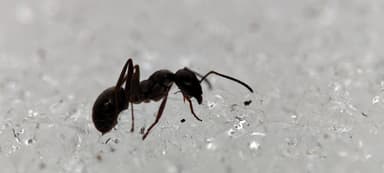
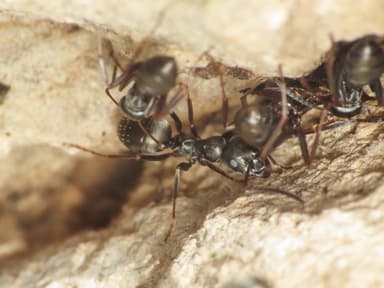
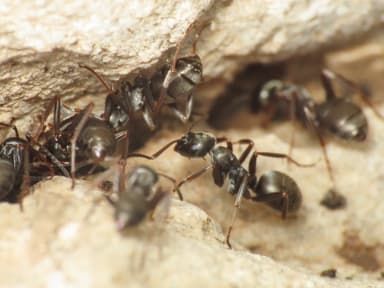
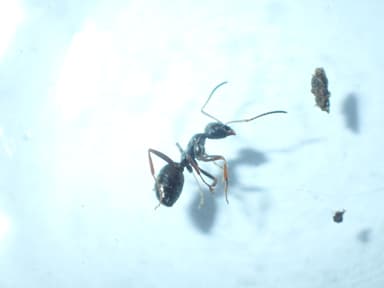
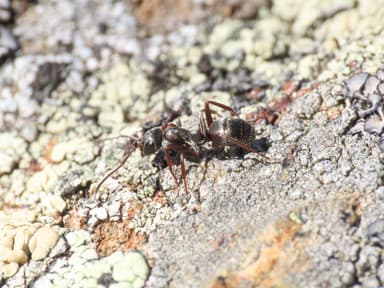
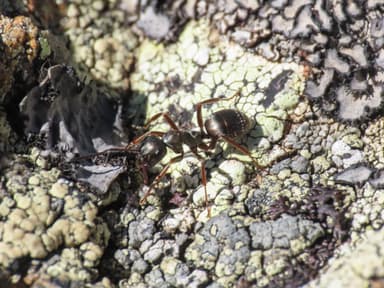
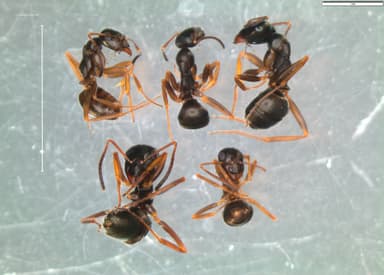
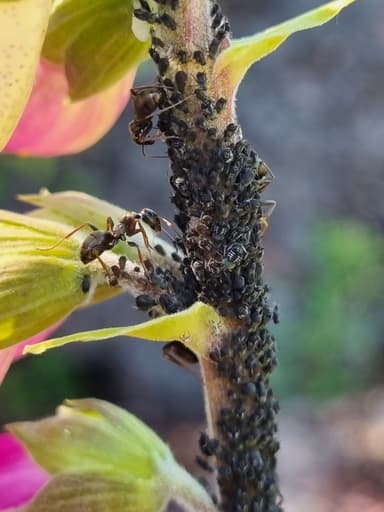
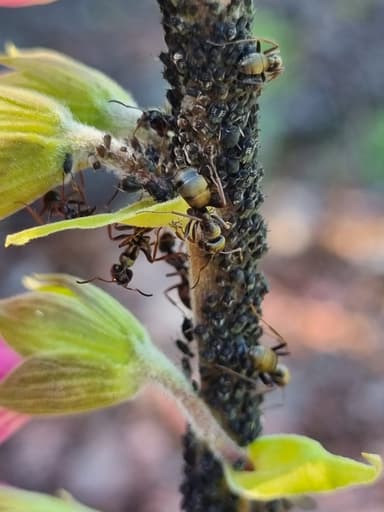
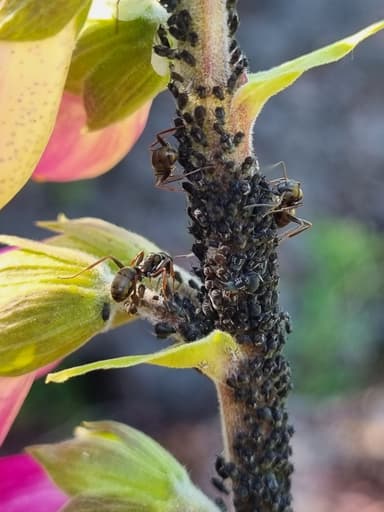
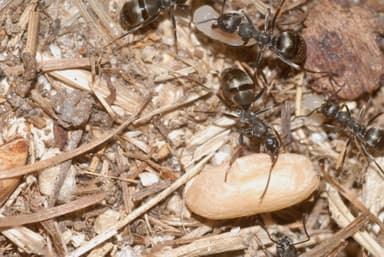
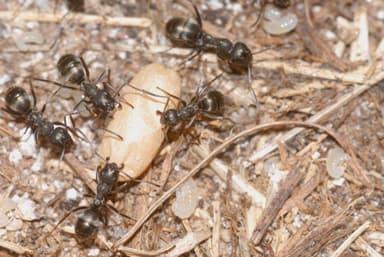
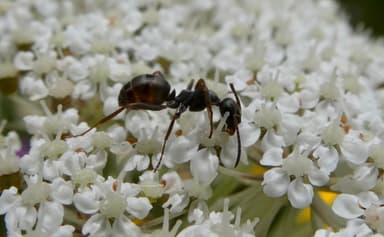
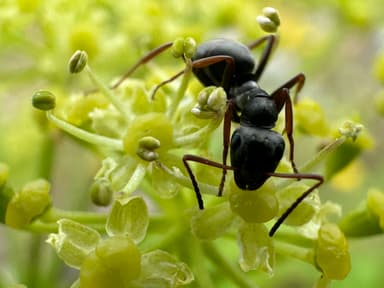
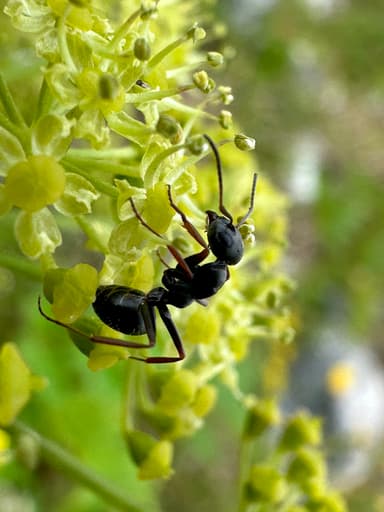
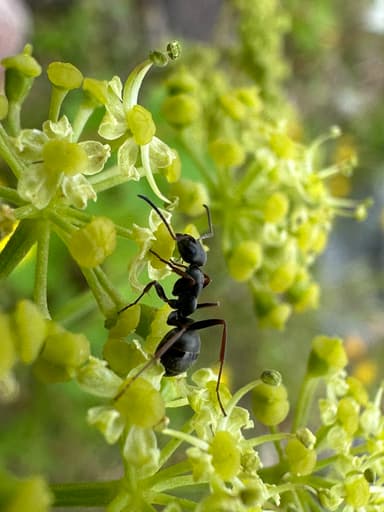
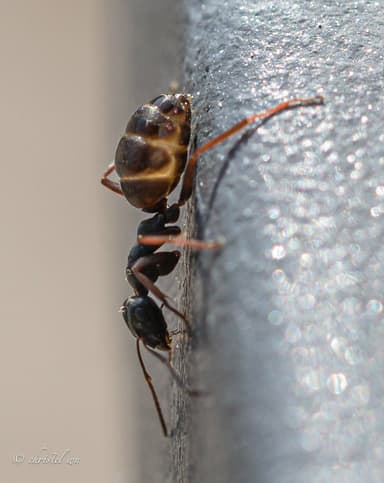
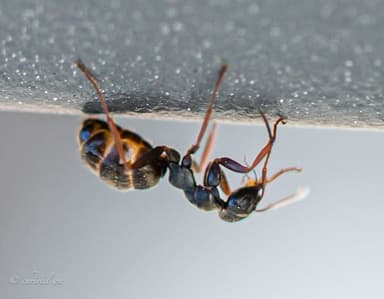
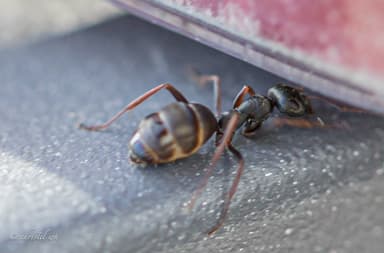
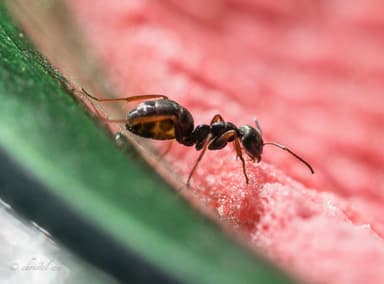
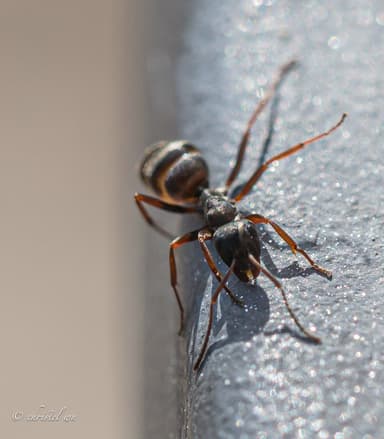
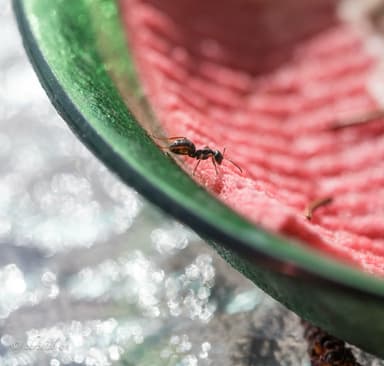
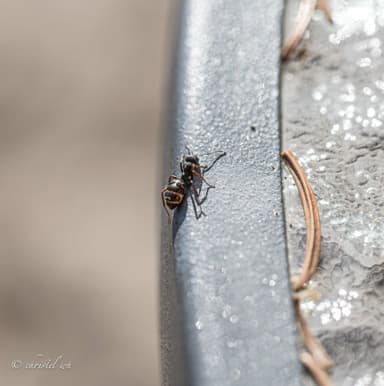
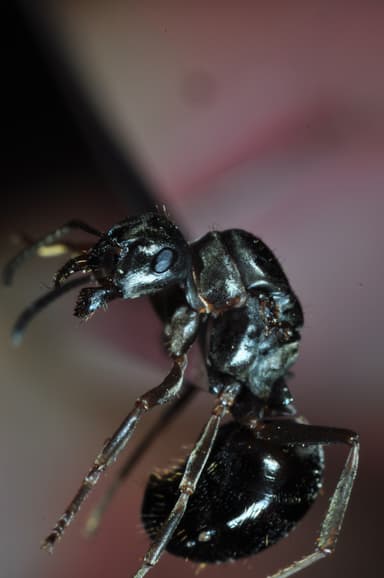
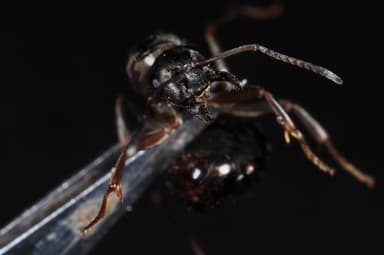
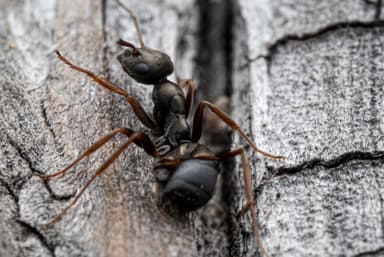
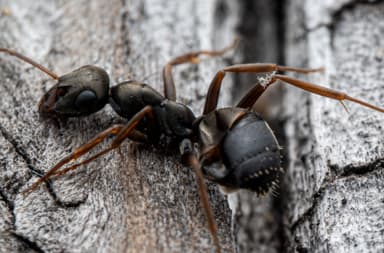
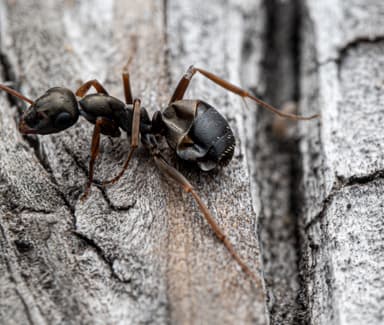
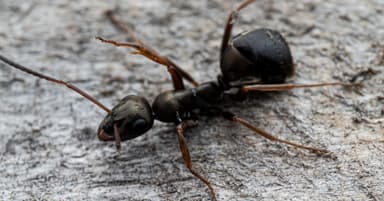
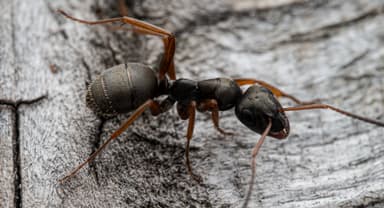
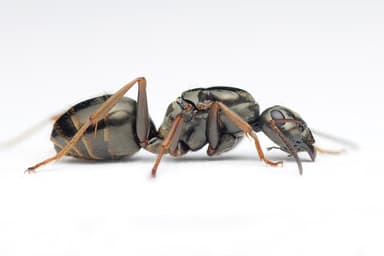
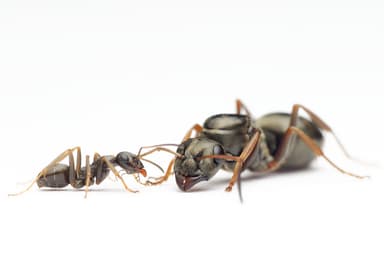
Formica lemani is a resilient and engaging member of the Formica fusca group, widespread across cool and temperate regions of Europe, from the British Isles eastwards through Scandinavia and well into Siberia, with records extending as far north as 71°N latitude (GBIF occurrence data). Queens are a robust 8–10 mm in length, distinctly larger than the 4–7 mm workers, which show a subtle but noticeable polymorphism – the colony produces a continuous size range of minor and media workers, though no true major caste is present (Seifert, 2018). Their colouration is a deep, dark brown to blackish, often with a faint silken sheen on the gaster, and they move with a characteristic alert swiftness. In the wild, colonies are typically monogynous and, while modest in size by Formica standards, they may eventually house up to around 2,000 individuals. The species is of particular interest to the hobbyist because it is a true northern specialist, admirably adapted to a cool climate, and because its semi-claustral founding behaviour gives keepers a window into the intimate early life of a queen as she hunts to provision her first brood.
This ant is firmly in the beginner-friendly category, yet it offers enough biological intrigue to satisfy more experienced keepers. Its hardiness in the face of temperature fluctuations and its modest humidity needs make it forgiving of minor husbandry errors, while its requirement for a genuine hibernation provides a satisfying seasonal rhythm to the keeping experience. The semi-claustral founding stage, however, does demand a little extra attention initially: a newly mated queen must be housed in a setup that permits her to forage, and she requires regular feeding of both protein and sugars until her first workers emerge. Once the colony is established with a few dozen workers, maintenance straightforwardly mirrors that of any small, active ant colony. The ants are swift and alert, so escape prevention is paramount, but their busy foraging and open brood-tending habits reward observation. They are especially suitable for keepers who can offer a consistently cool winter environment and who enjoy watching a colony that remains dynamic even at modest room temperatures.
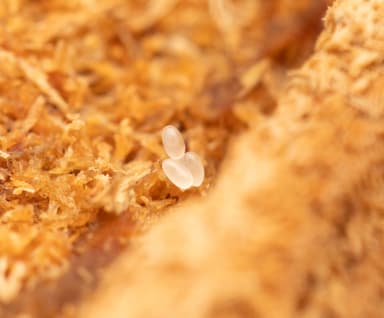
In captivity, F. lemani thrives in a variety of nest types as long as a stable temperature range of 18–26°C and a relative humidity of around 50–70% are maintained. A well-ventilated formicarium is essential to prevent the growth of mould, yet the ants also require a moisture gradient so that brood can be moved to the preferred humidity. Nests made of plaster, ytong, or a sand-clay mixture all work well; these ants commonly excavate a little, so a thin layer of a sandy-loam substrate within the nest area is appreciated, and it is particularly valuable during pupation, as the larvae require particulate material to spin their cocoons successfully (Collingwood, 1979). An outworld of generous floor space is needed to accommodate their foraging activity, and a loose substrate here encourages natural digging and hunting behaviours. While room temperature is generally adequate, a localised heat gradient using a small heat mat at one end of the nest can promote brood development, provided the ants can retreat to cooler zones. Humidity can be maintained by lightly misting one part of the nest or by capillary action from a water reservoir, but care should be taken to avoid saturation, as F. lemani is not a swamp-dwelling species and will move brood away from excessive dampness.
Diet is straightforward and reflects their omnivorous, scavenging habits. The colony requires a steady supply of protein in the form of small insects – fruit flies, small crickets, chopped mealworms, or similarly sized prey – which should be offered pre-killed for small colonies to prevent injury to workers. Carbohydrate needs are met with diluted honey, sugar water, or a commercial ant nectar, provided in a shallow dish or on a cotton ball to prevent drowning. A constant, clean water source, ideally via a test tube waterer, is necessary. For a semi-claustral founding queen, feeding begins immediately: she should be offered a tiny droplet of sugar solution and a small, freshly killed insect every two to three days. Once the first workers arrive, they will take over foraging, and the colony can be fed two to three times a week, adjusting quantities as the population grows. Uneaten food should be removed after 24 hours to maintain hygiene.
Hibernation is an absolute physiological requirement for this species, not an optional rest period. In nature, F. lemani experiences long, cold winters, and in captivity it must be kept at a stable temperature of approximately 5°C for three to four months, typically from late November to March. Preparation involves stopping protein feeding a few weeks beforehand and allowing the colony to clear its gut while remaining active; then the temperature is gradually reduced over a week or two. The ants can be hibernated in their formicarium if it retains moisture without flooding, or the colony may be moved to a test tube setup kept in a fridge, cold cellar, or insulated cool box. During hibernation, the ants cluster into a semi-torpid state, and moisture must be monitored to ensure they do not desiccate or become waterlogged. A temperature that fluctuates a few degrees above or below 5°C is tolerated, but prolonged frost should be avoided. A well-hibernated colony resumes vigorous brood production in spring and is more likely to produce alates.
On arrival after purchase, whether the package contains a founding queen in a test tube or a small colony with a few workers, the first days are critical. Place the sealed habitat in a dim, vibration-free location and allow the ants to settle for several hours before any disturbance. For a founding queen, a small foraging arena attached to the test tube should be provided immediately, and within a day the first feeding of a tiny protein source and sugar can be introduced. She may be shy at first, but hunger will draw her out. For a colony with workers, the same initial dark and quiet period applies, after which a small drop of sugar water and a pre-killed fruit fly placed near the nest entrance will be investigated. Watch to ensure that the ants locate the food, and that they remain healthy and coordinated. Rapid, frantic movement or continuous escape attempts may indicate stress from heat or excessive light, so adjust conditions accordingly. Once feeding reliably and exploring the outworld, the colony can be considered settled, and the keeper can begin to enjoy the lively, enduring presence of these remarkable northern ants.