Crematogaster
Crematogaster scutellaris
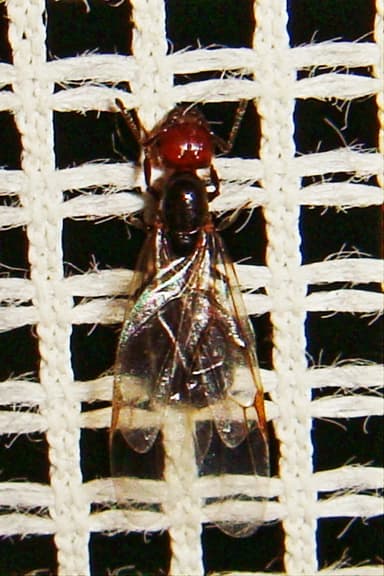
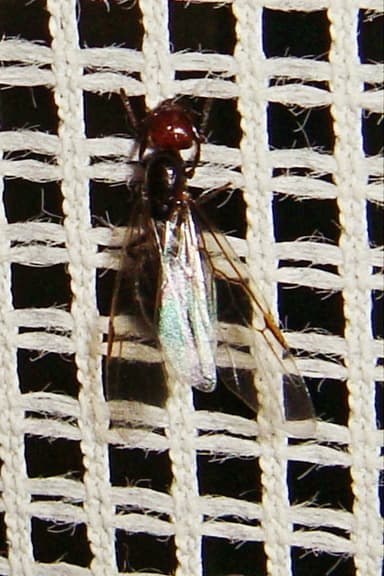
Nuptial Flight Calendar
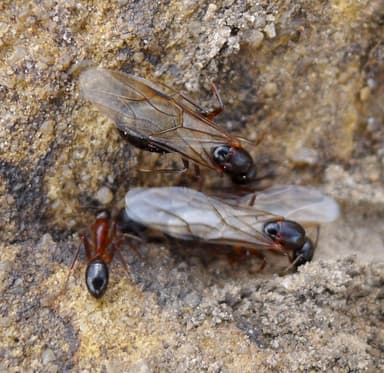
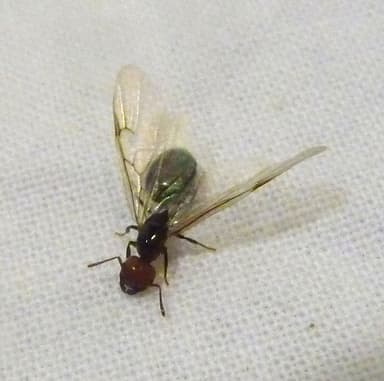
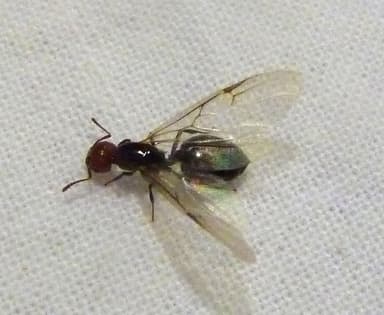
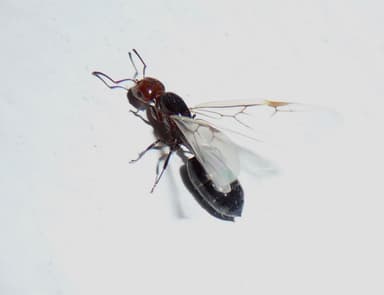
Flight months: Jun, Jul, Aug, Sep, Oct
Care Guide
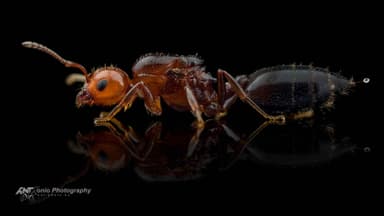
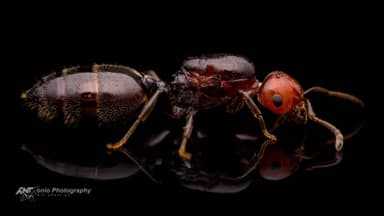
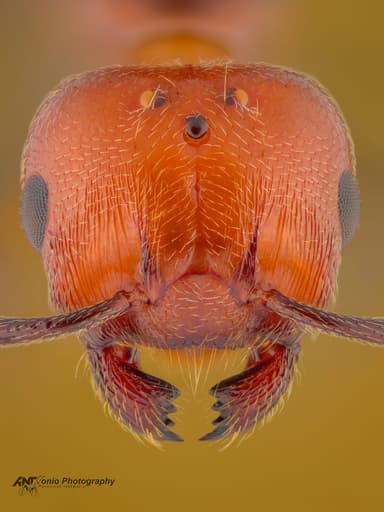
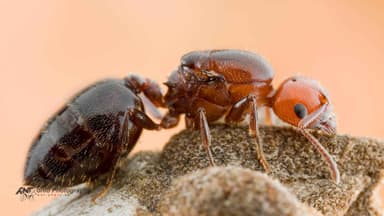
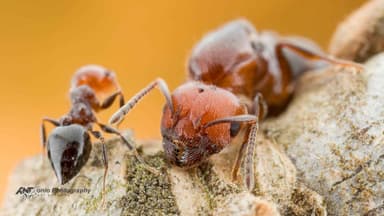
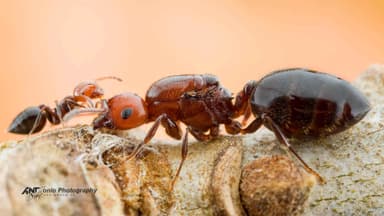
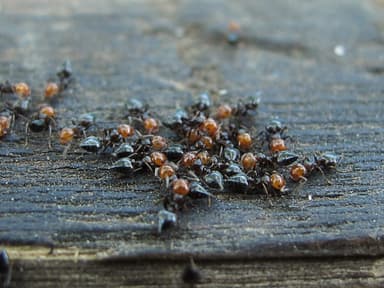
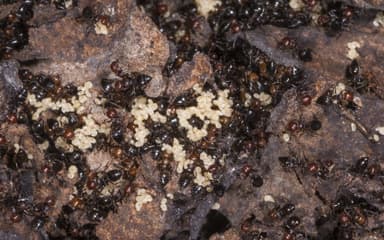
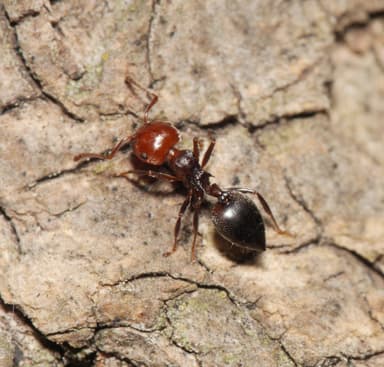
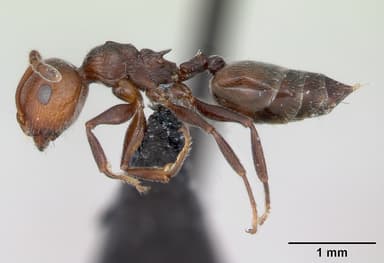
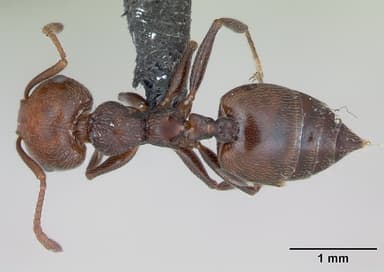
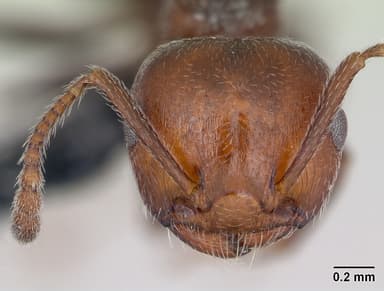
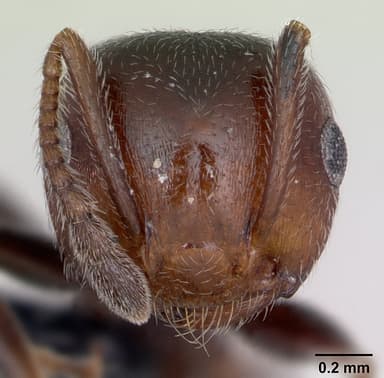
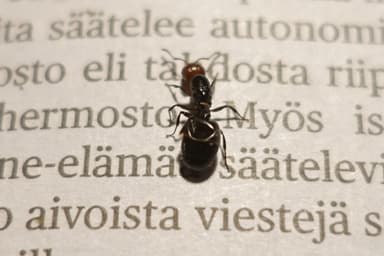
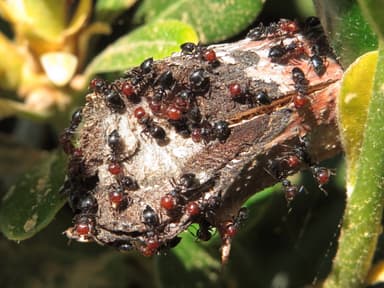
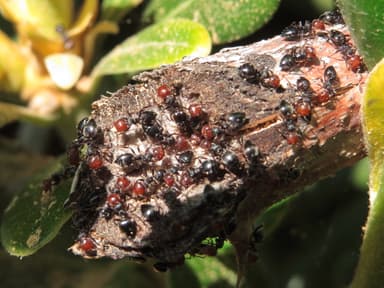
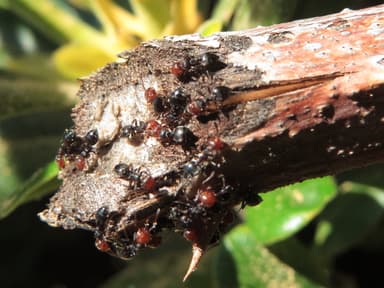
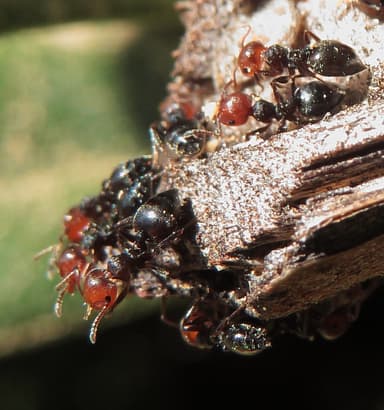
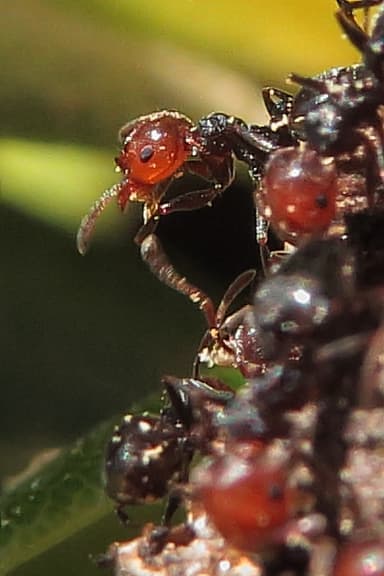
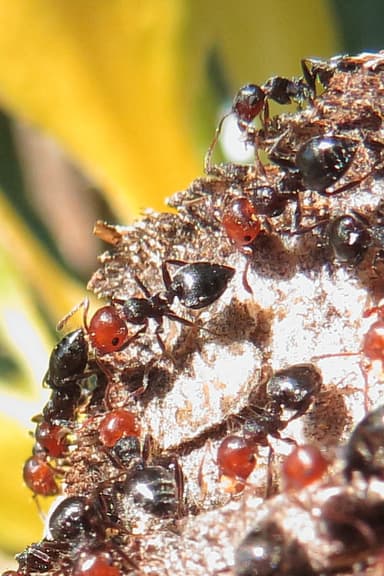
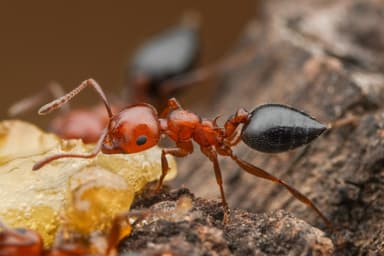
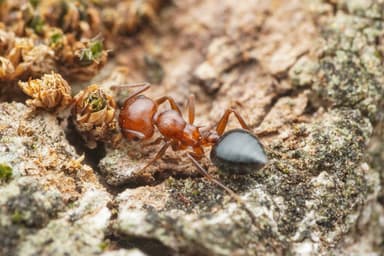
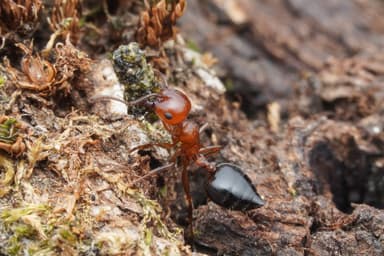
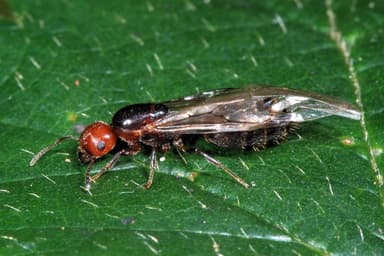
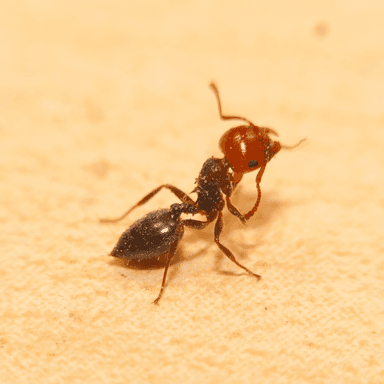
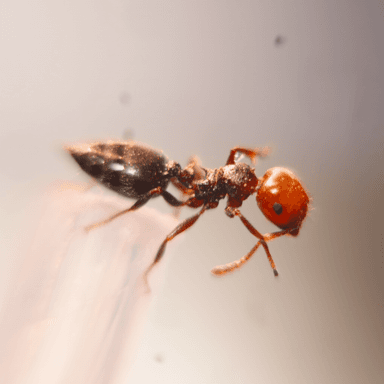
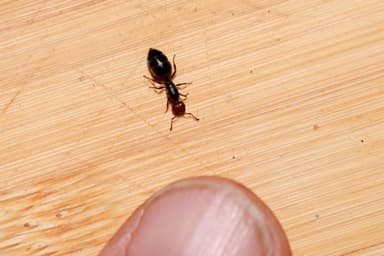
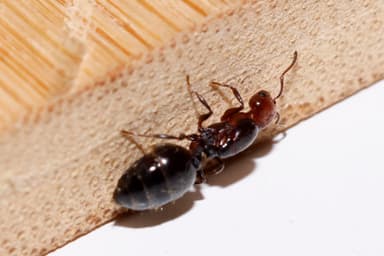
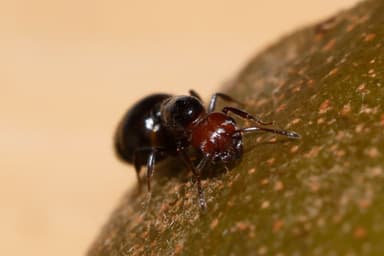
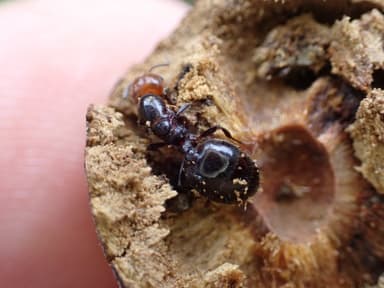
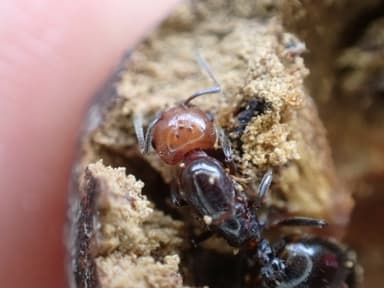
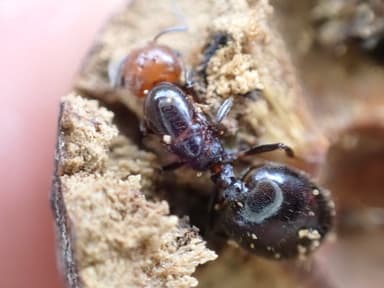
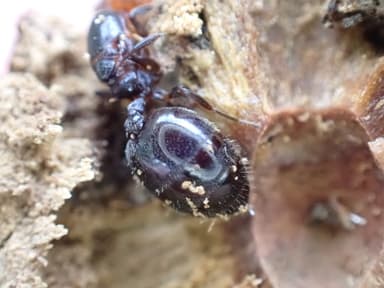
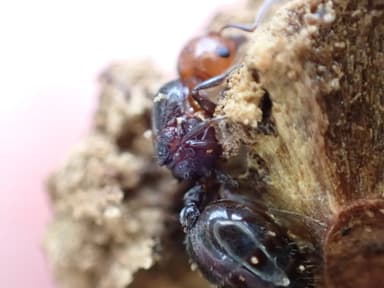
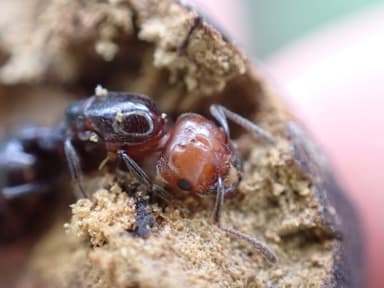
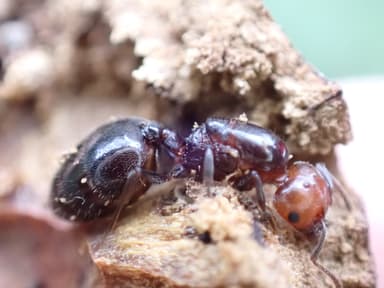
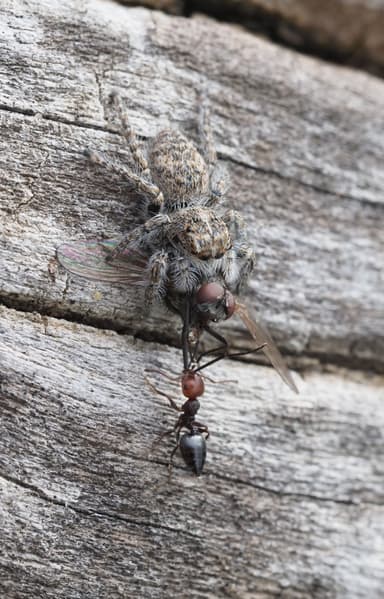
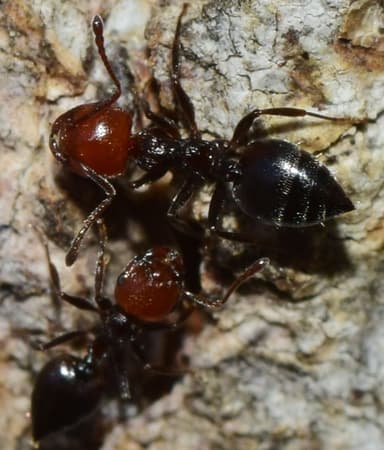
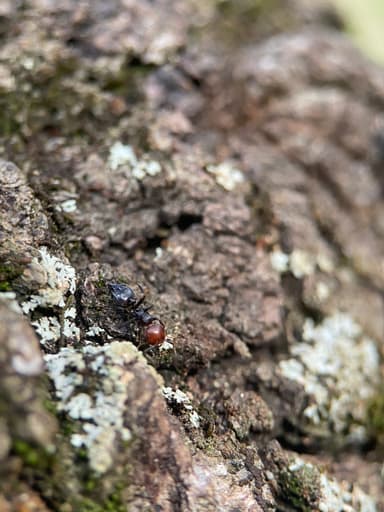
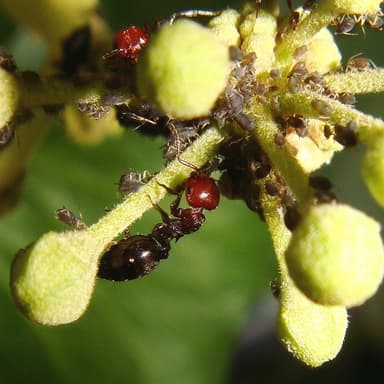
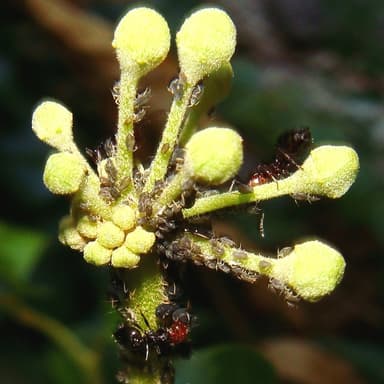
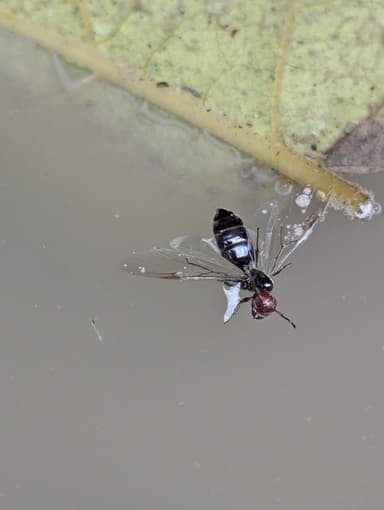
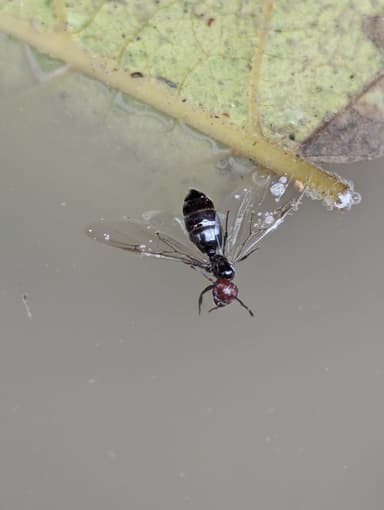
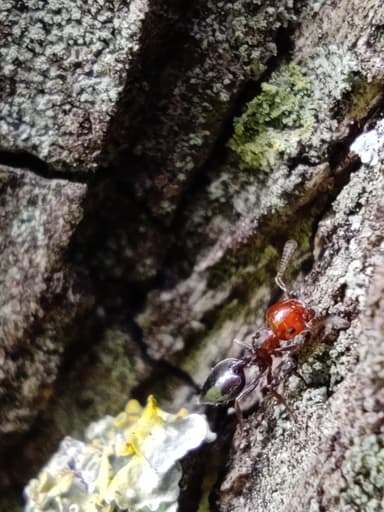
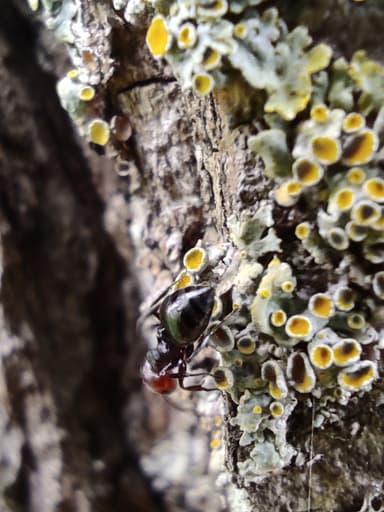
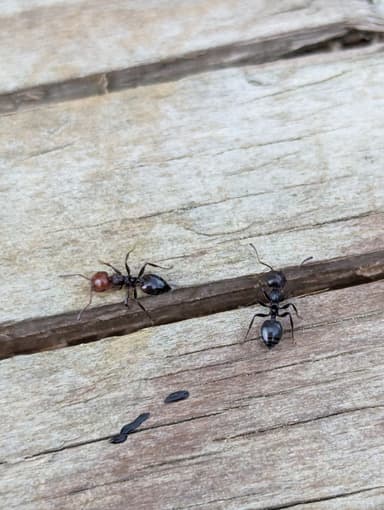
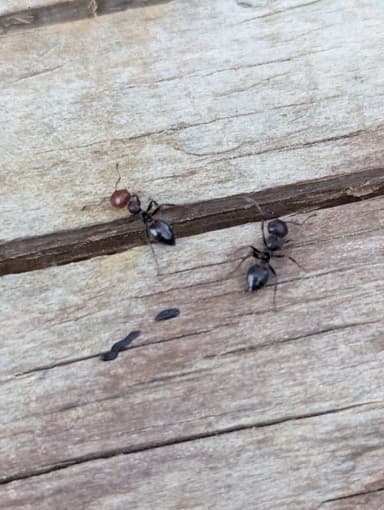
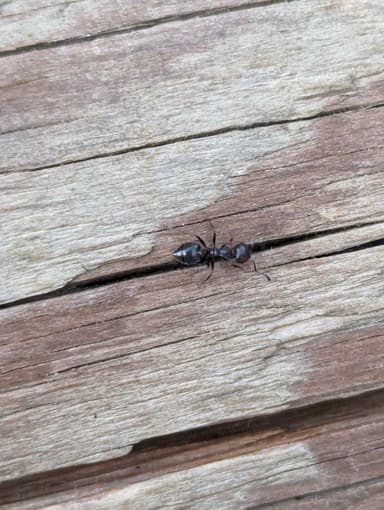
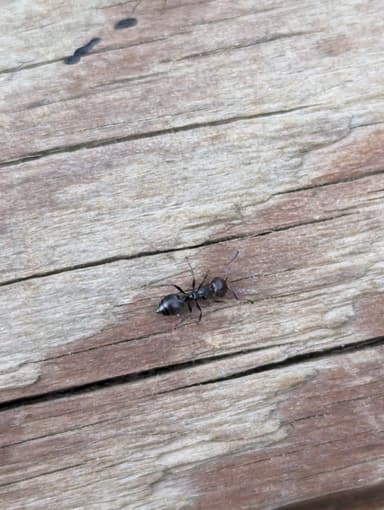
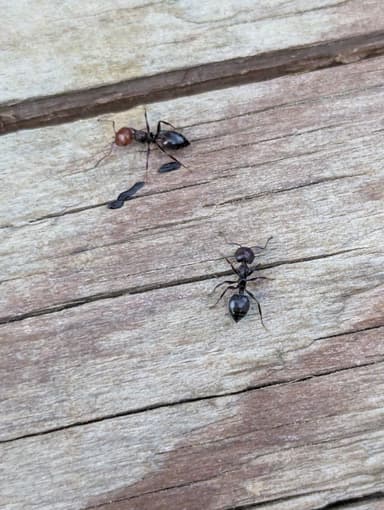
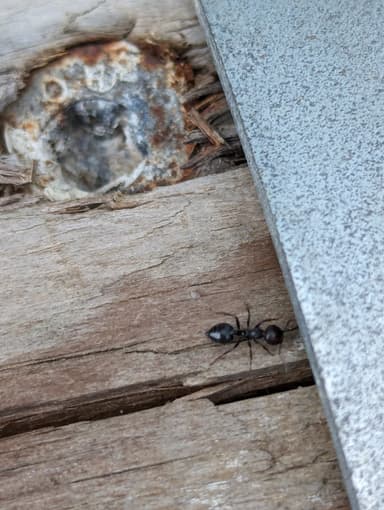
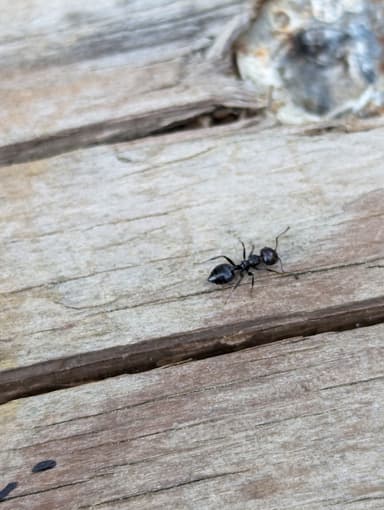
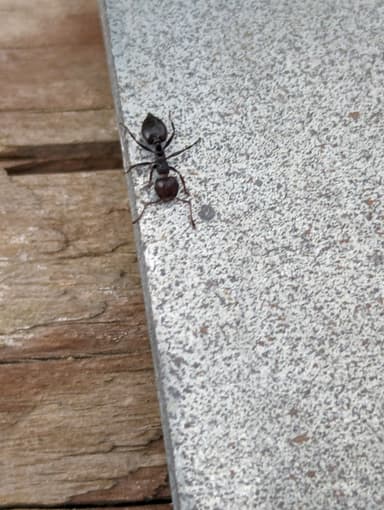
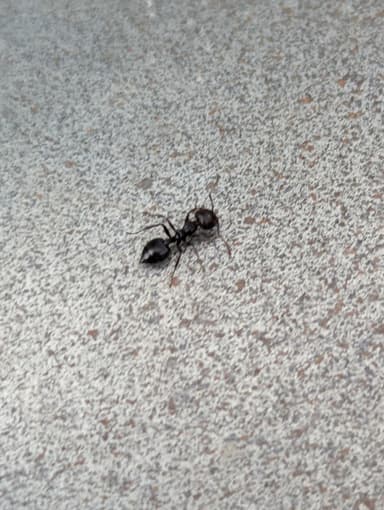
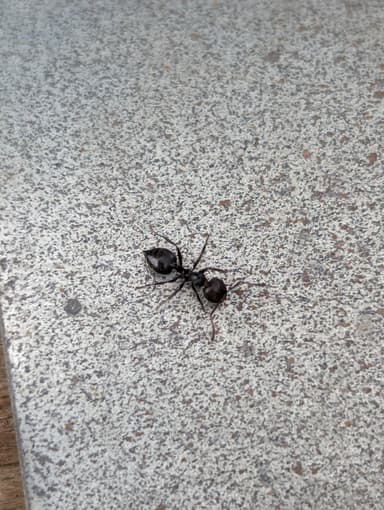
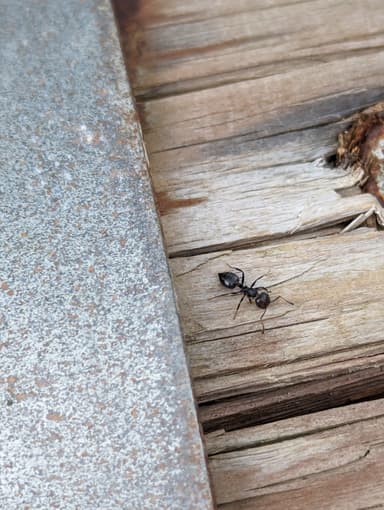
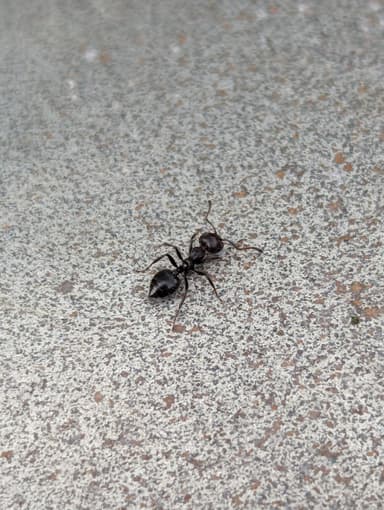
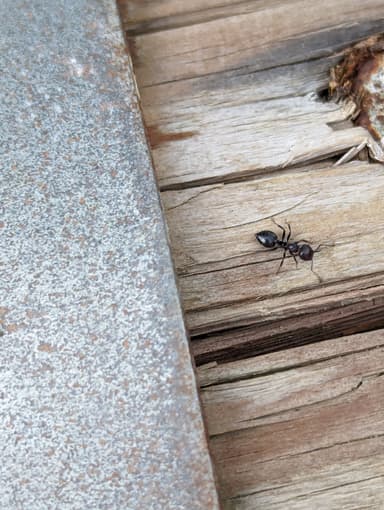
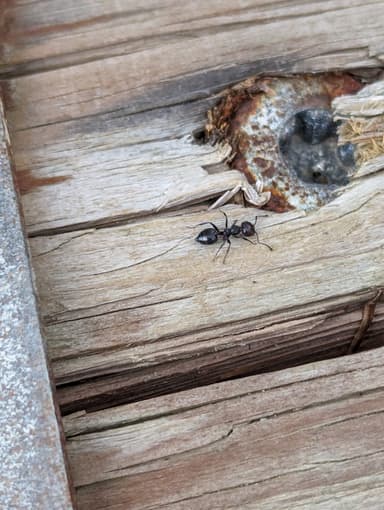
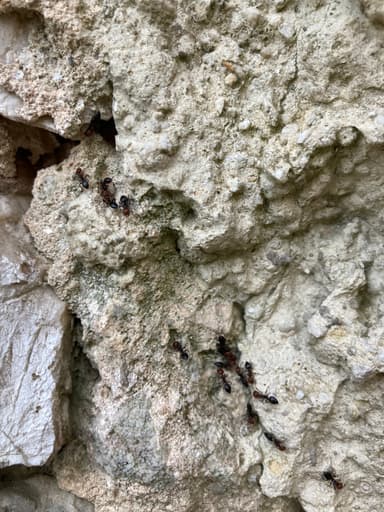
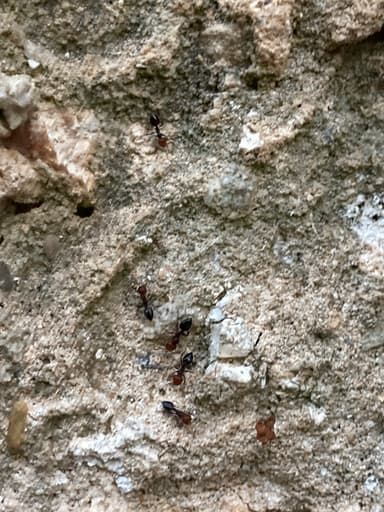
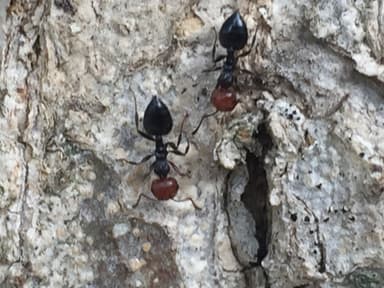
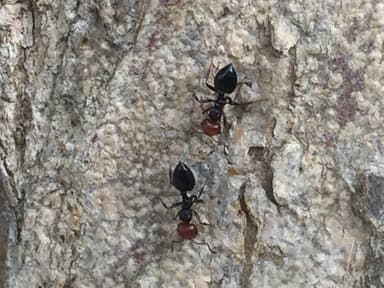
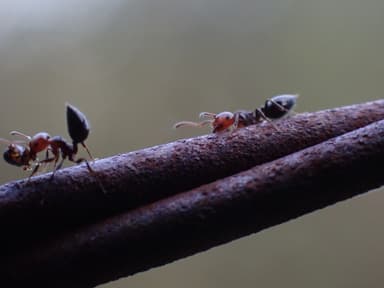
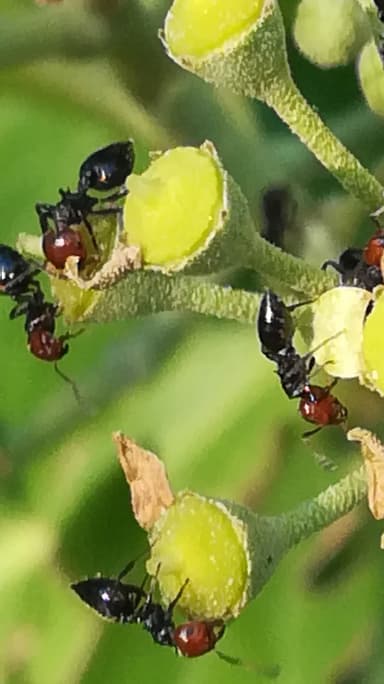
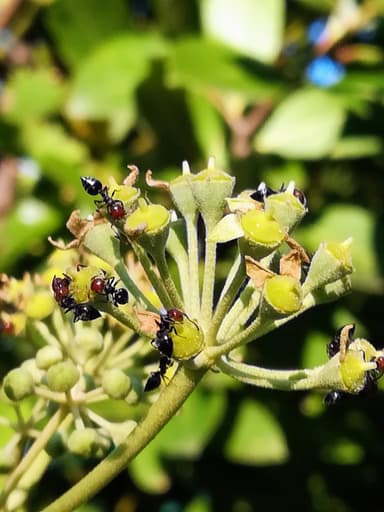
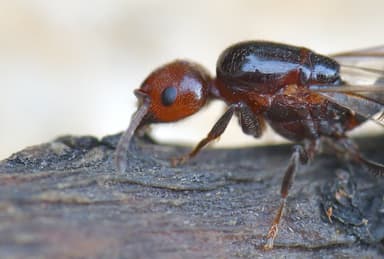
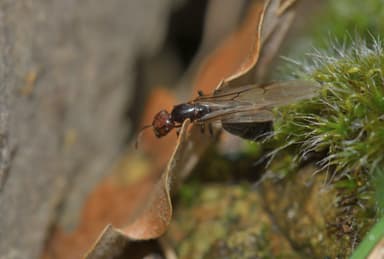
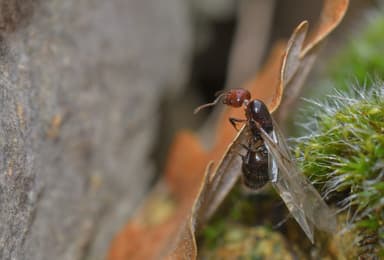
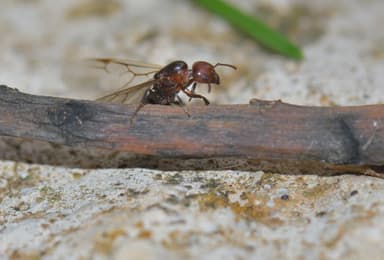
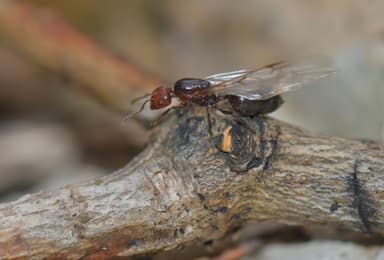
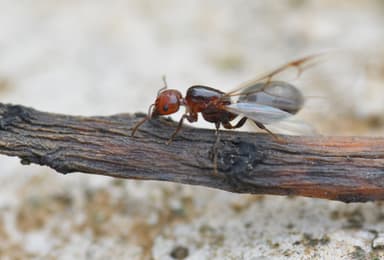
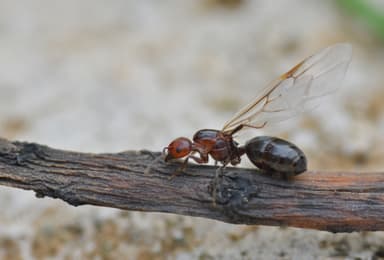
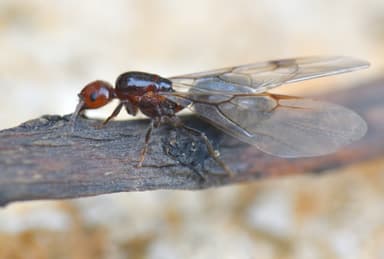
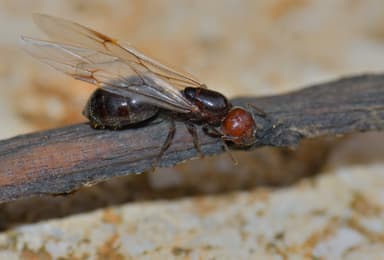
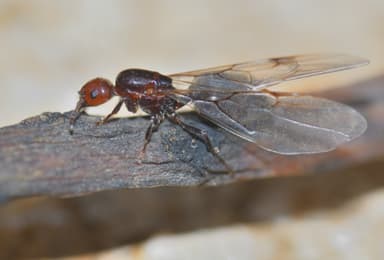
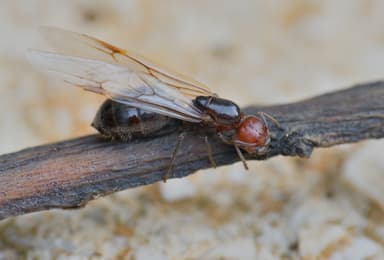
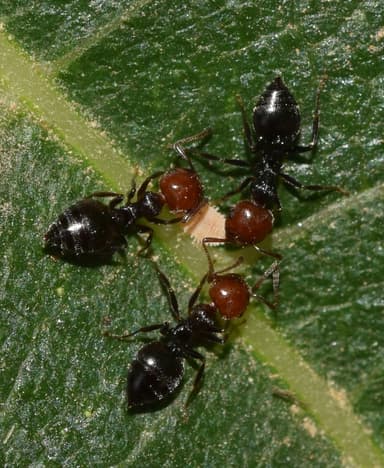
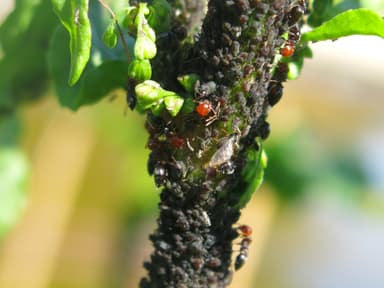
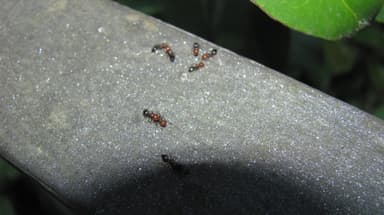
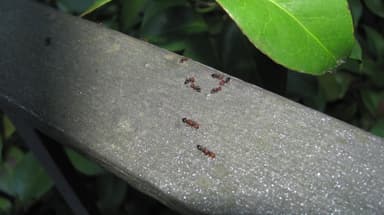
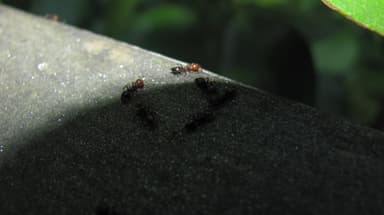
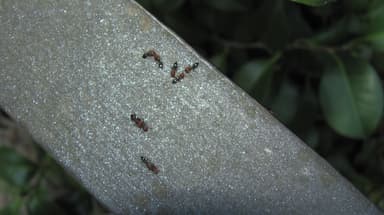
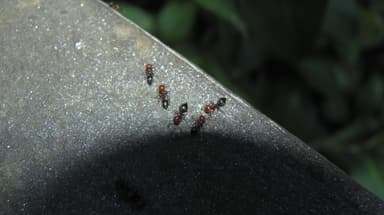
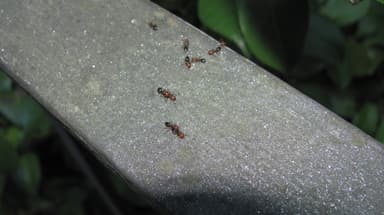
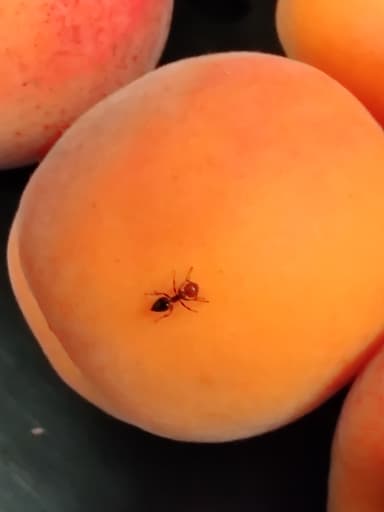
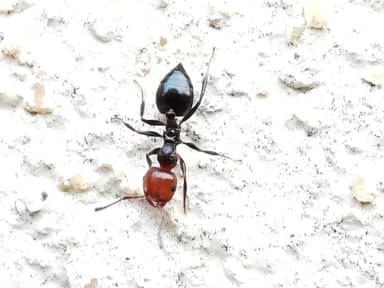
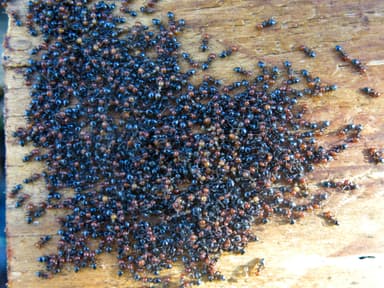
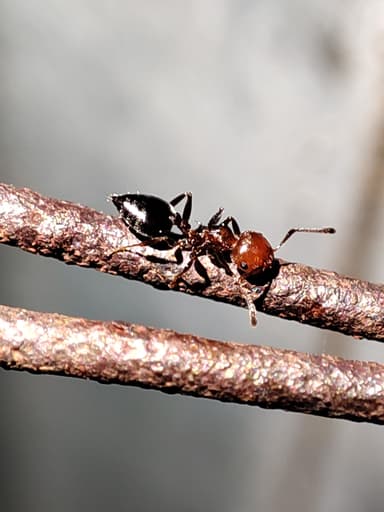
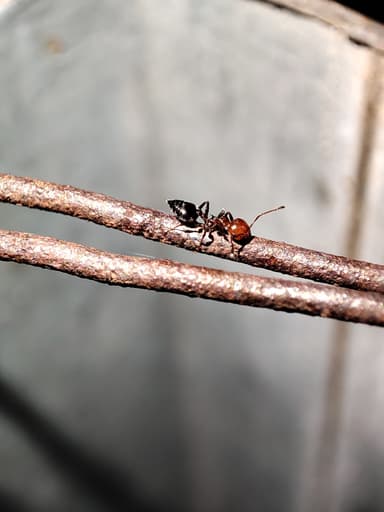
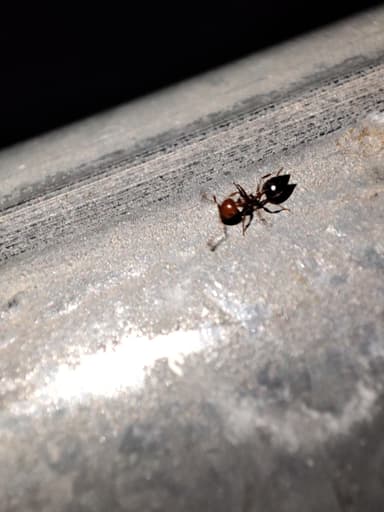
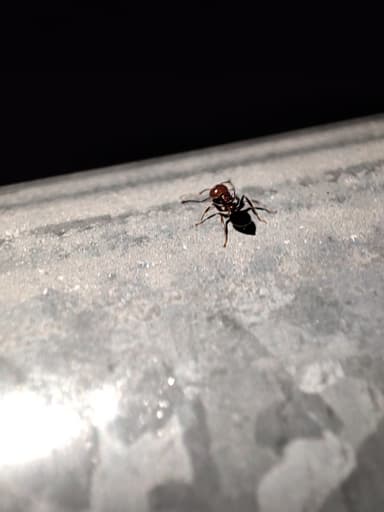
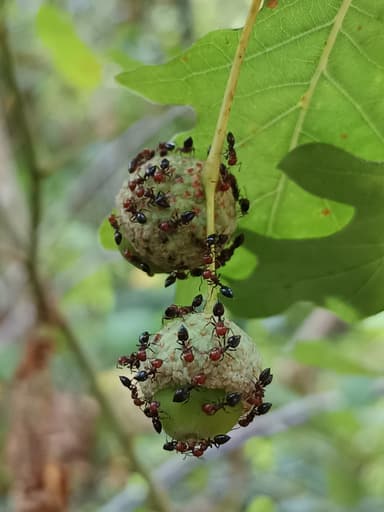
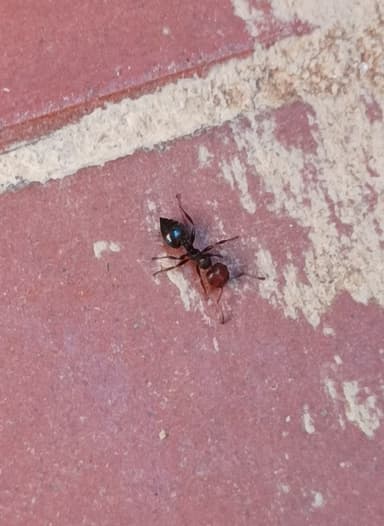
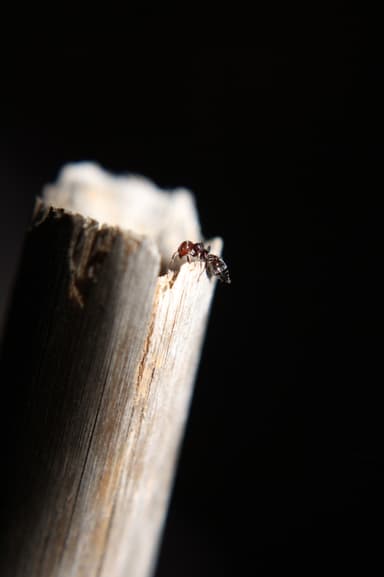
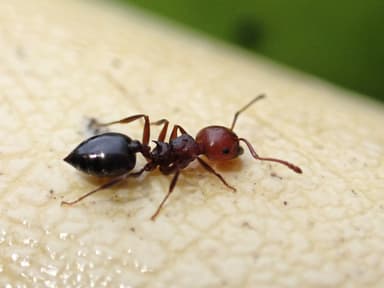
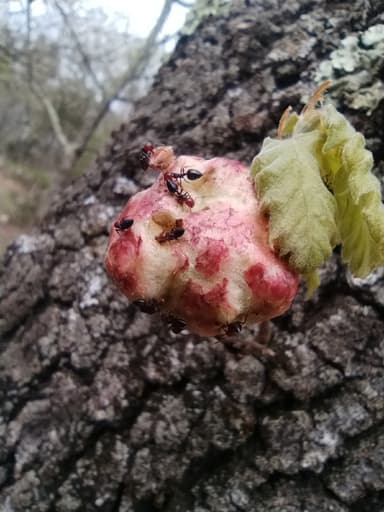
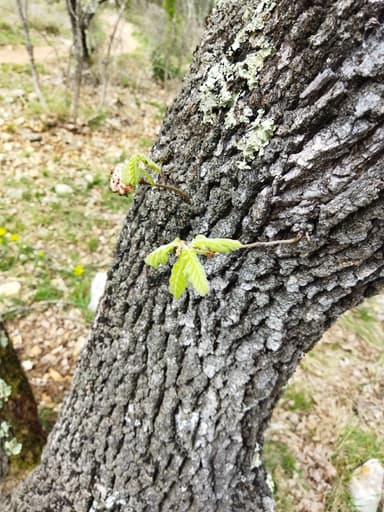
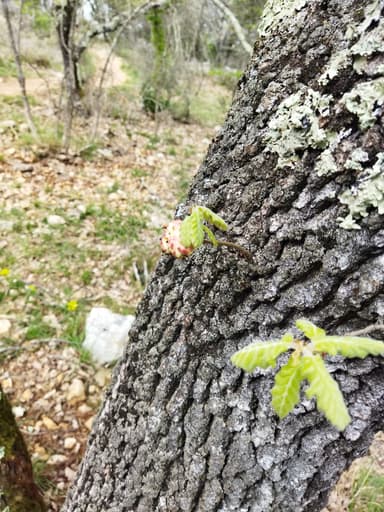
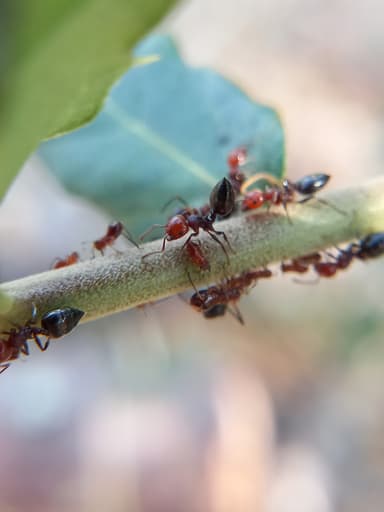
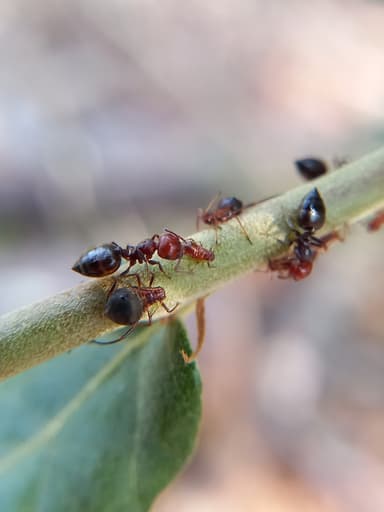
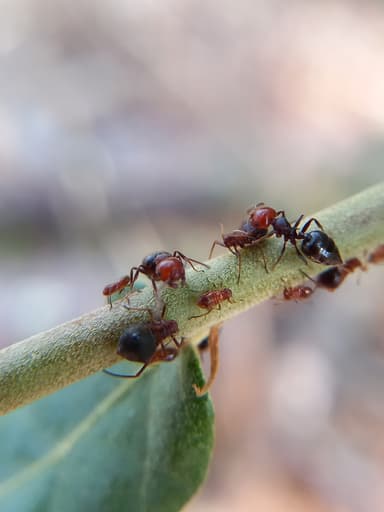
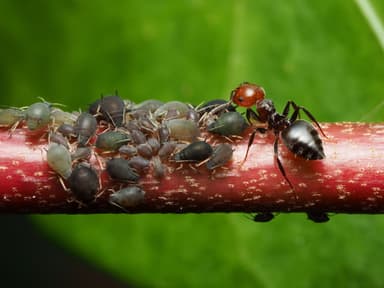
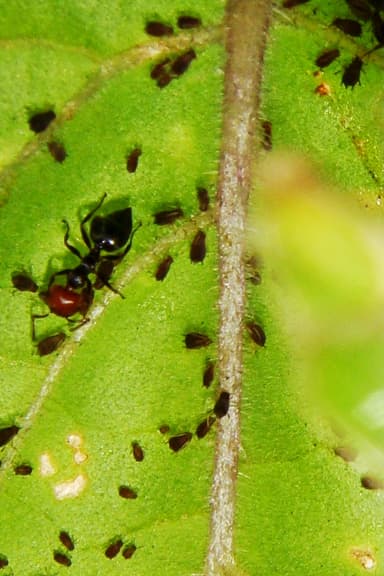
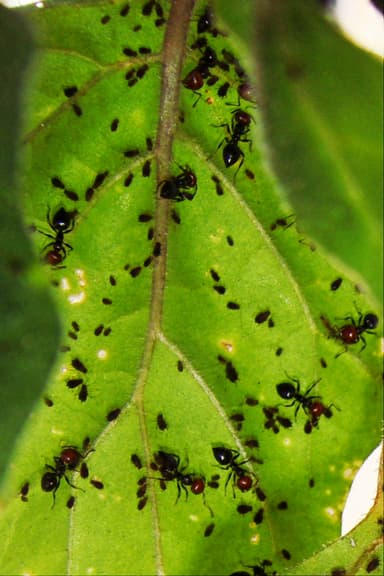
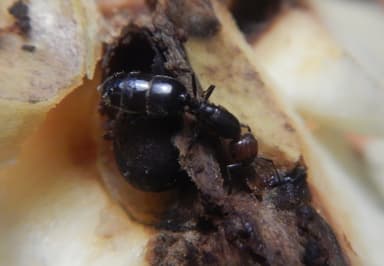
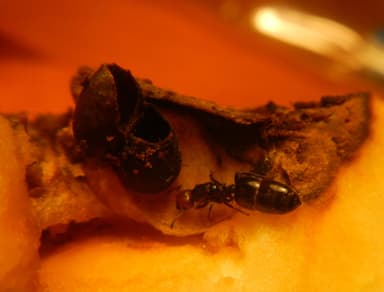
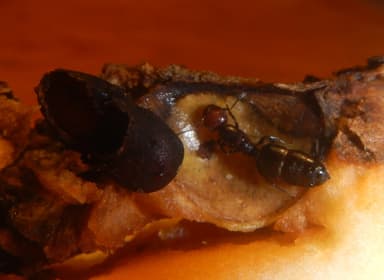
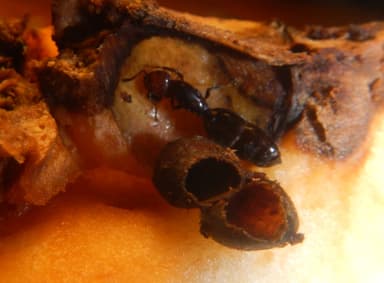
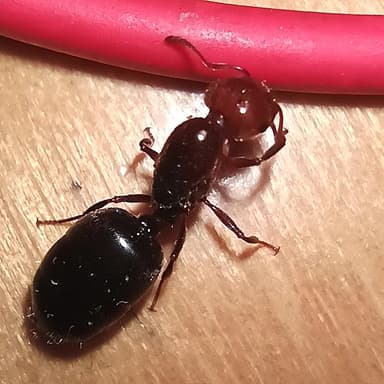
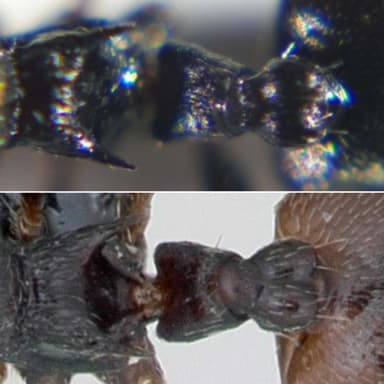
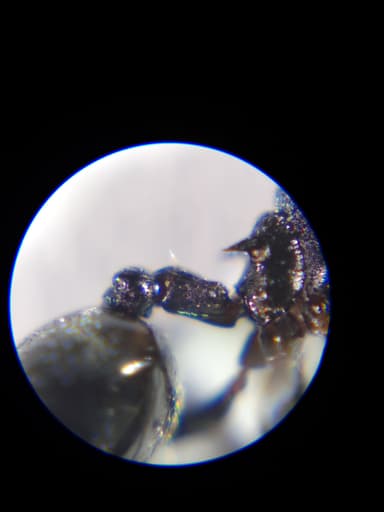
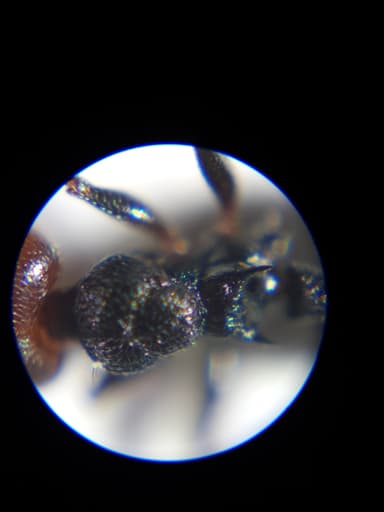
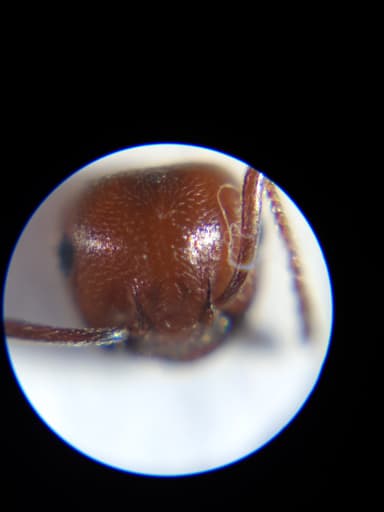
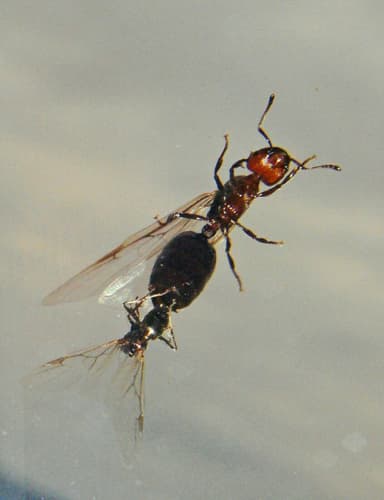
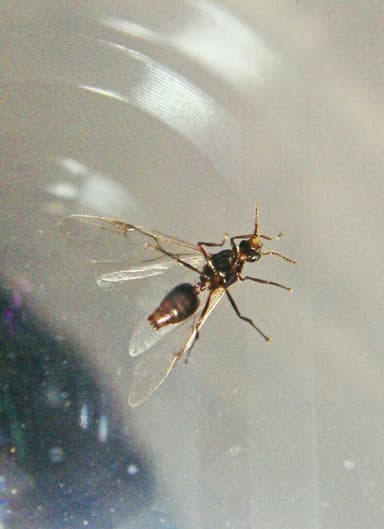
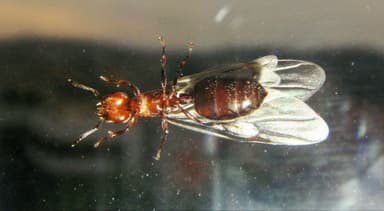
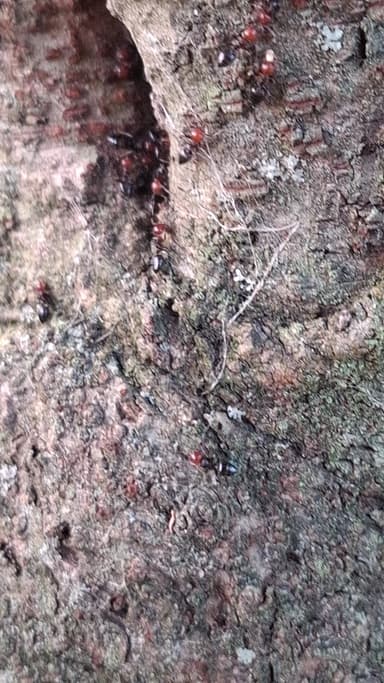
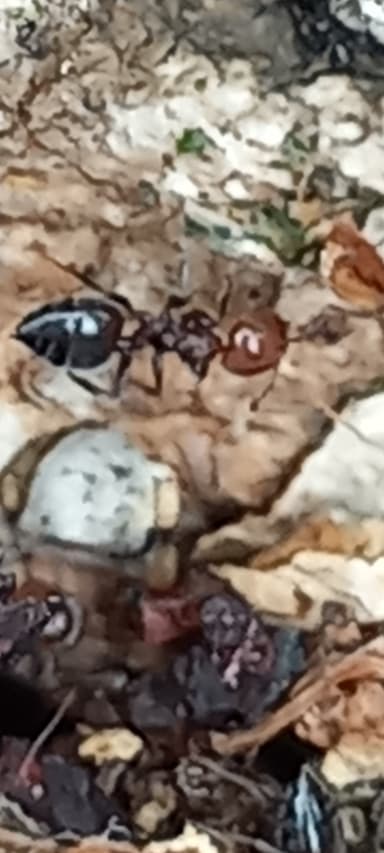
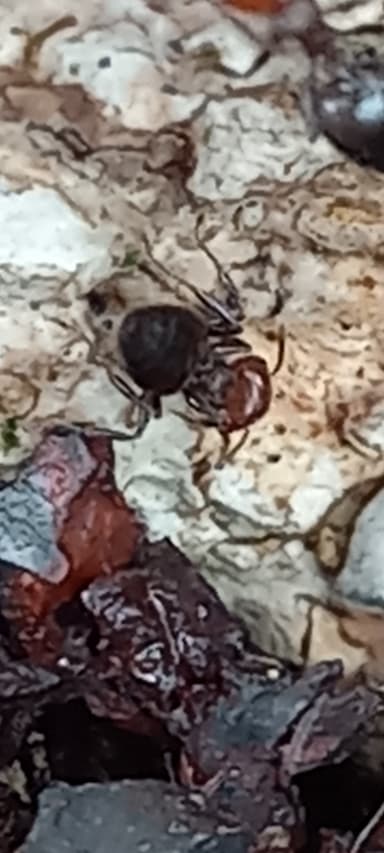
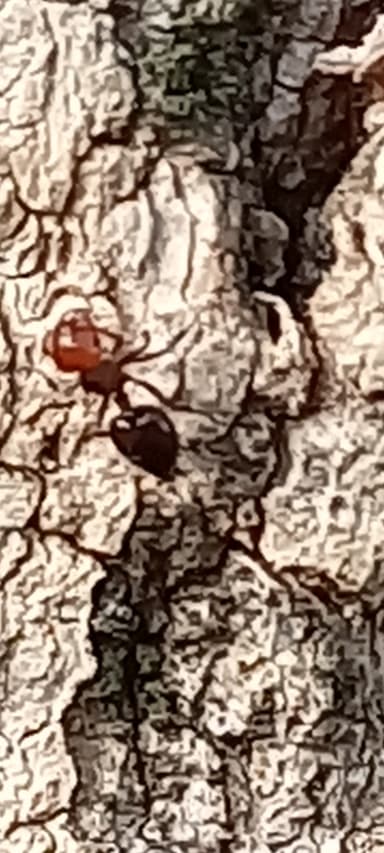
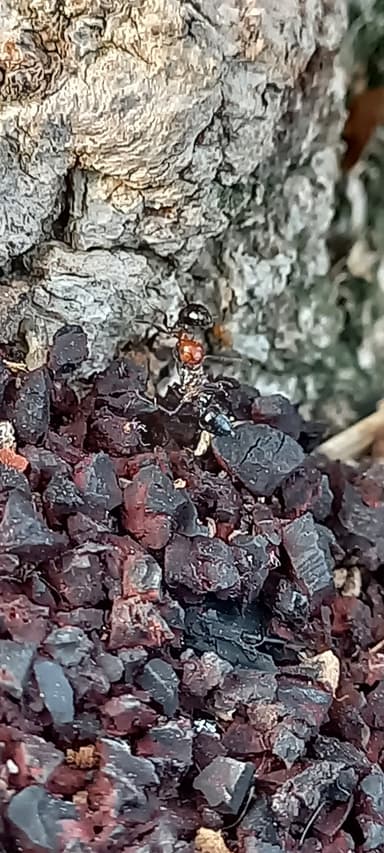
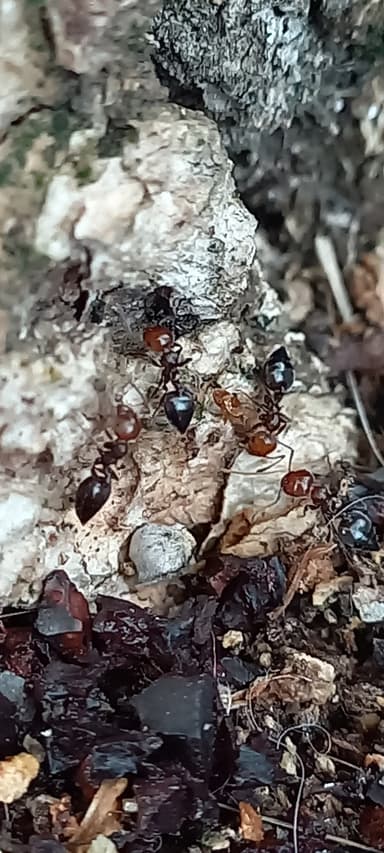
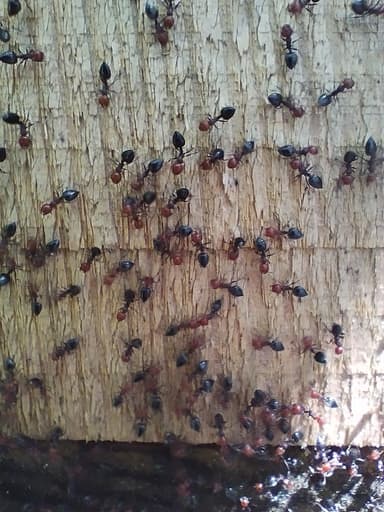
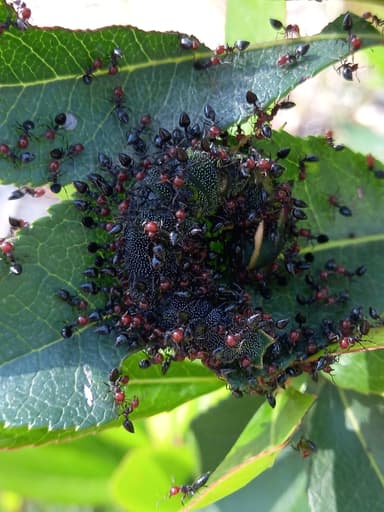
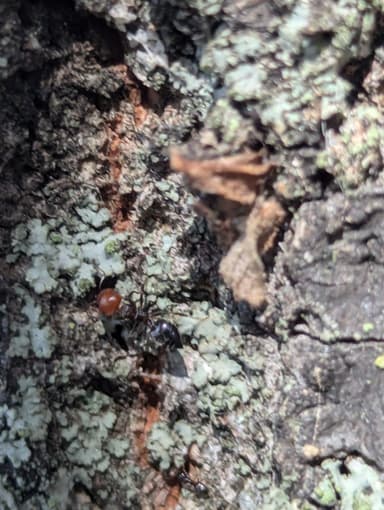
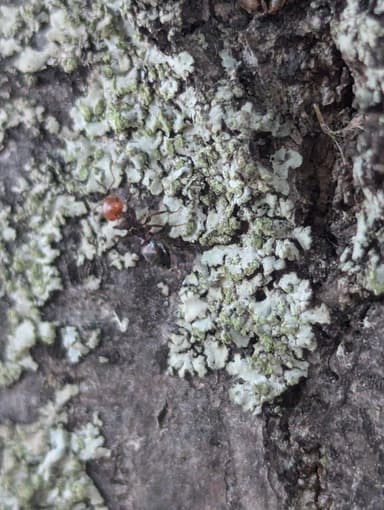
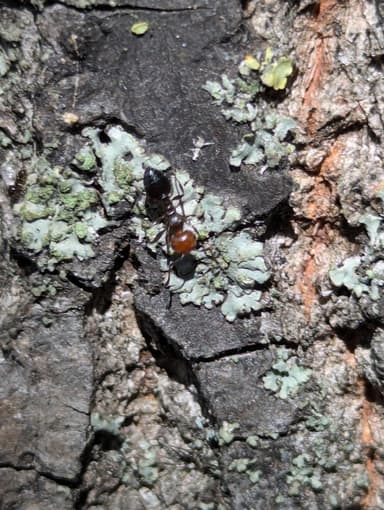
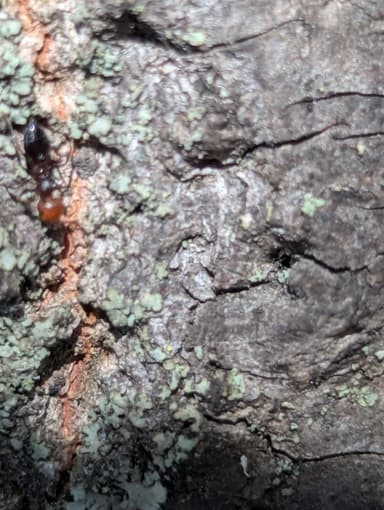
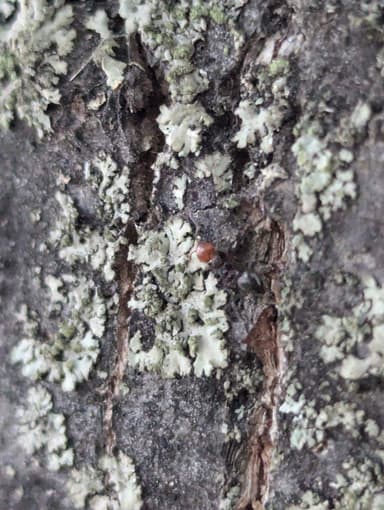
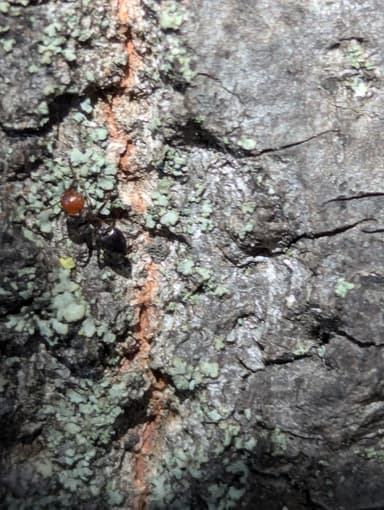
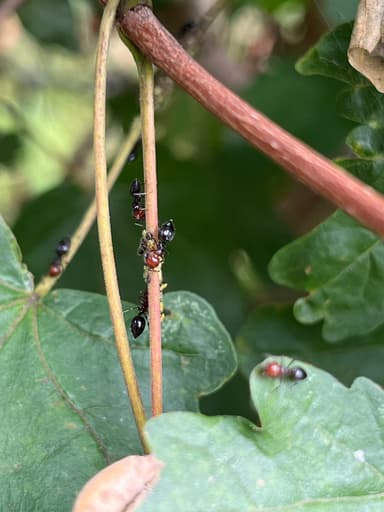
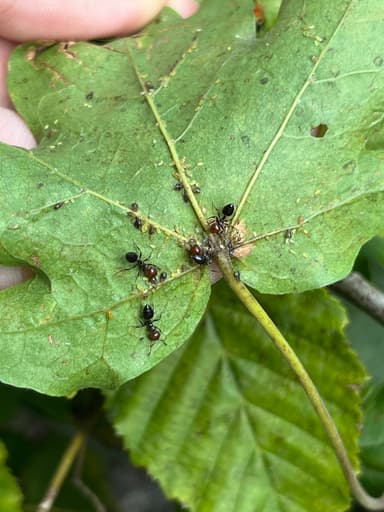
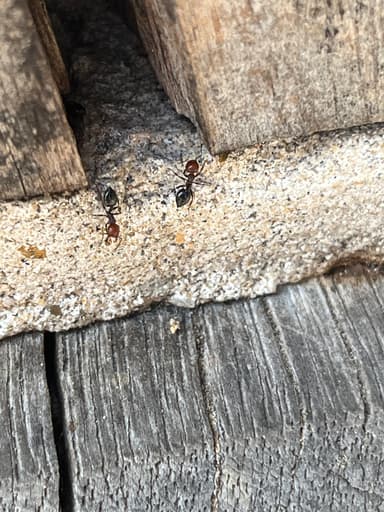
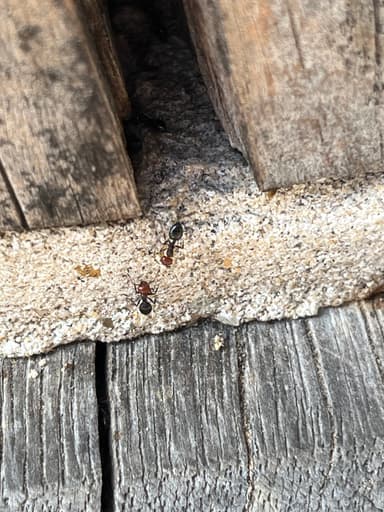
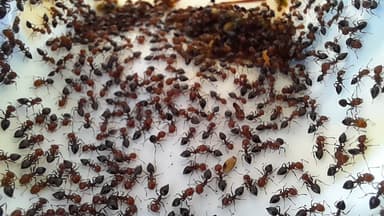
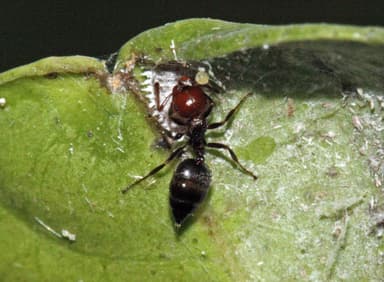
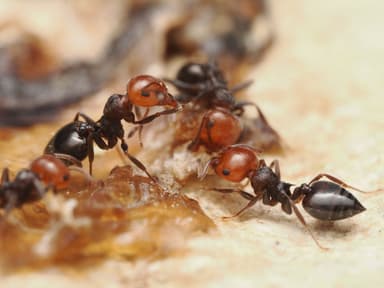
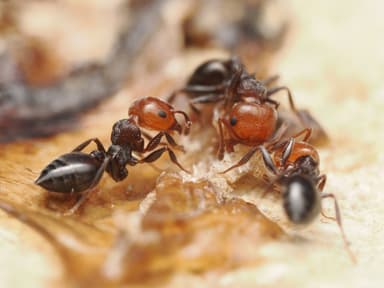
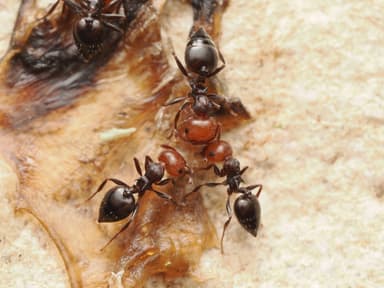
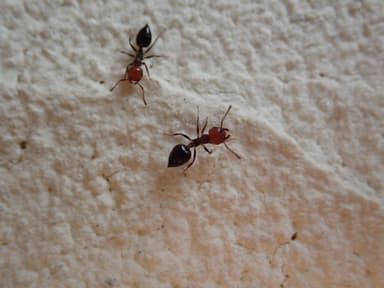
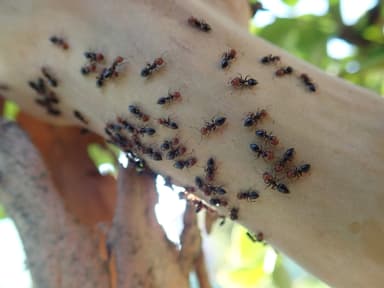
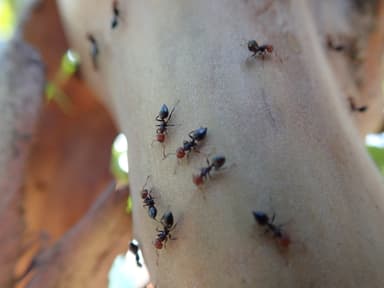
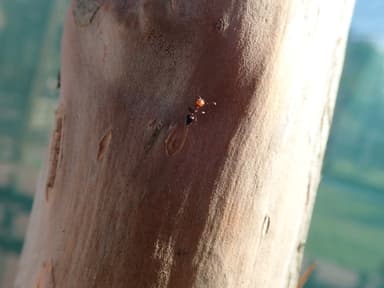
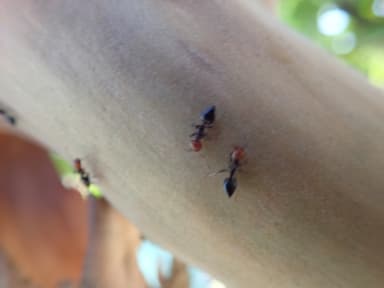
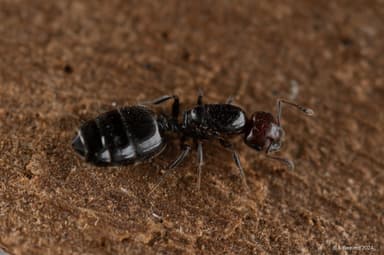
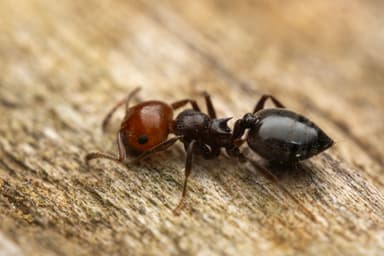
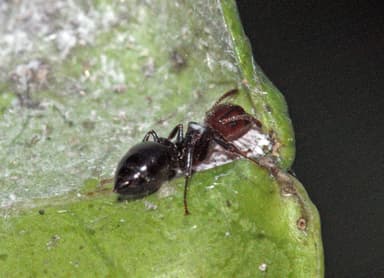
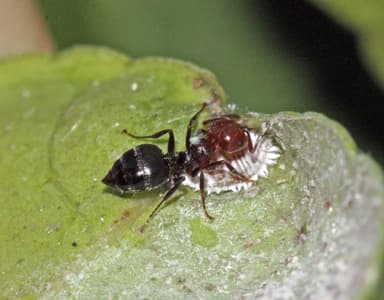
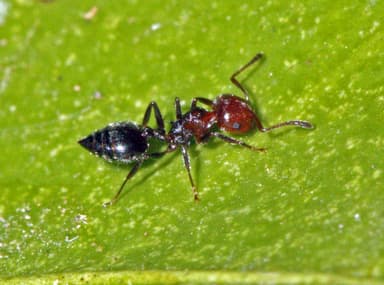
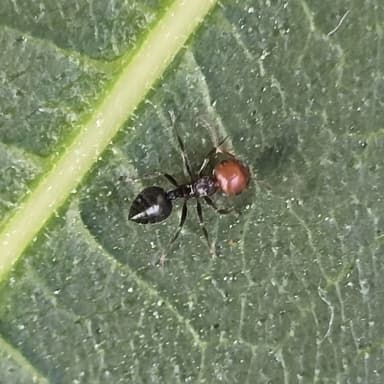
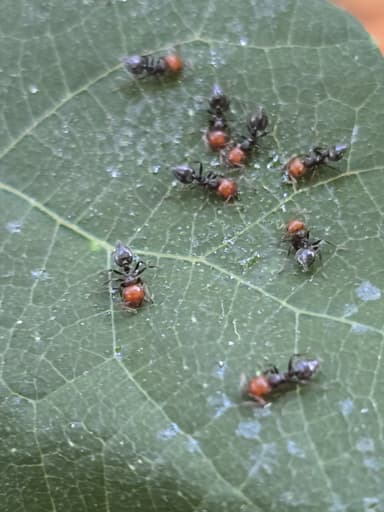
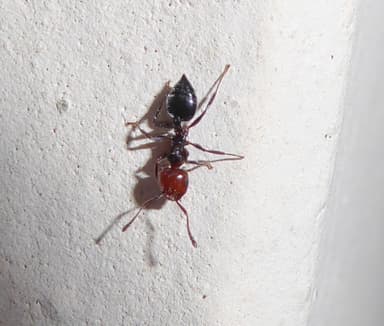
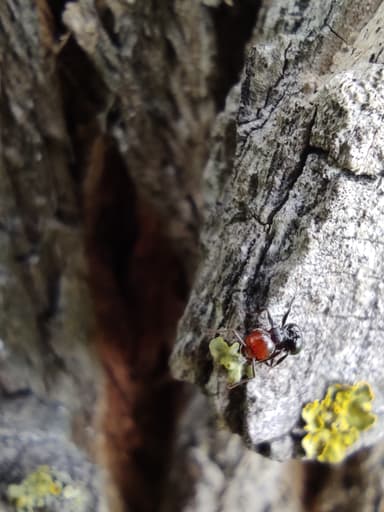
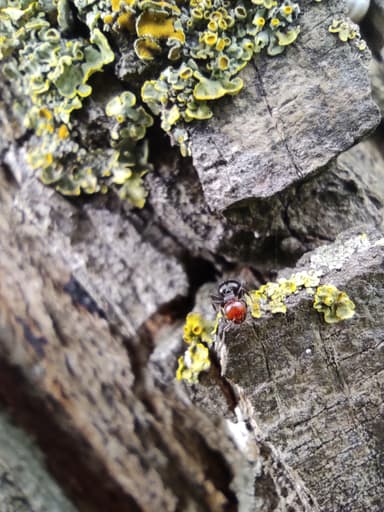
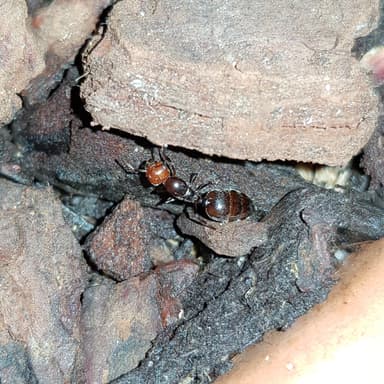
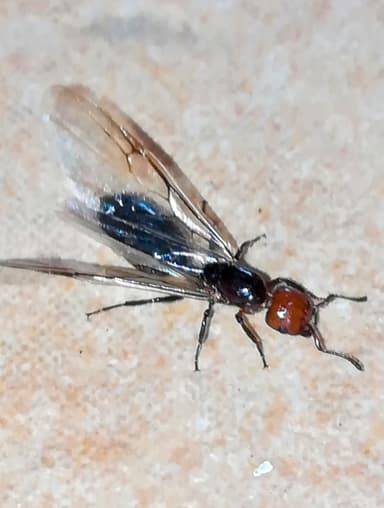
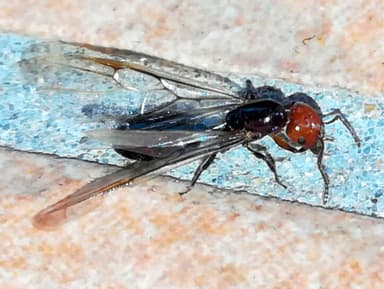
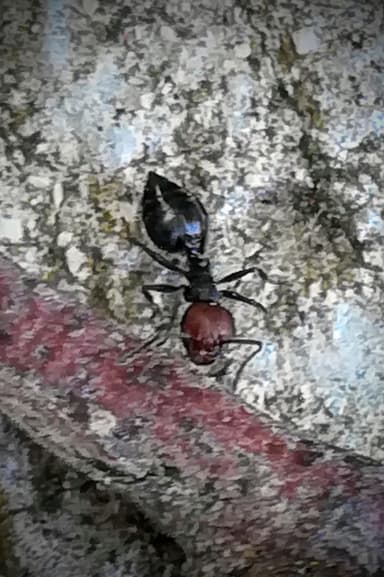
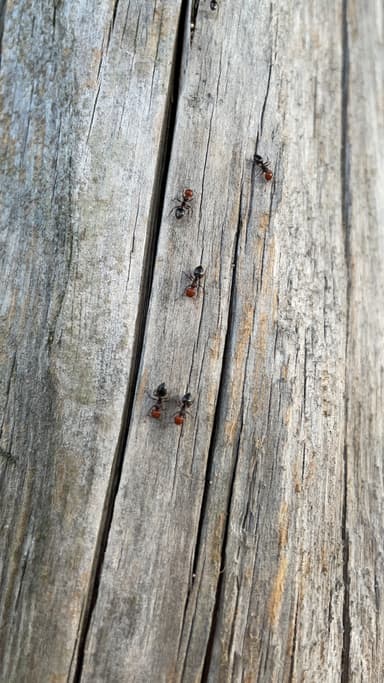
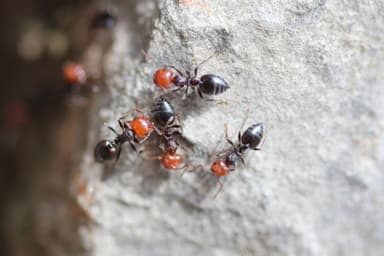
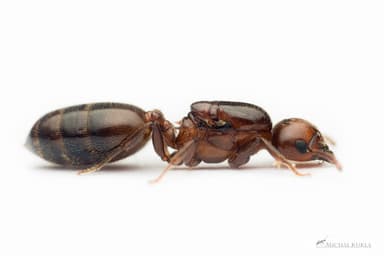
Few ants command attention quite like Crematogaster scutellaris, the European acrobat ant. Its striking two-toned body — a vivid reddish head and thorax contrasting with a deep brown to black gaster — makes it instantly recognizable, but its most endearing party trick is the way workers raise their heart-shaped gasters high over their bodies when alarmed, a posture that signals readiness to repel intruders with a dab of sticky, repellent venom. Queens measure a robust 8–10 mm, while monomorphic workers range from 3.5–5.5 mm, all sharing that distinctive silhouette. Colonies, which mature to a bustling 10,000 individuals, are strictly monogynous and founded claustrally by a single queen. In the wild, these ants are masters of dead wood, cork, and hollow bark, ranging across the Mediterranean basin from Iberia to the Balkans and north into the warmer valleys of central Europe (Seifert 2018, AntWiki). Their ability to thrive in both natural and urban settings, combined with a feisty, confident temperament, makes them a perennial favorite among keepers seeking a species with visible character.
For the aspiring ant keeper, C. scutellaris is a superb beginner choice. Its care demands are refreshingly straightforward: a claustral founding queen needs nothing more than a quiet test tube to raise her first workers, and the whole colony flourishes within a forgiving thermal and humidity window. This species does not require complicated seasonal adjustments beyond a proper hibernation, and it lacks the complexity of polymorphic castes — all workers are the same size, simplifying feeding and housing. That said, novices should be prepared for their legendary escape artistry; these ants can climb smooth surfaces and squeeze through minuscule gaps, so a secure formicarium with a tight-fitting lid and a reliable barrier of PTFE or oil is essential. Anyone who enjoys watching bold, industrious ants that freely explore their outworld will find C. scutellaris immensely rewarding.
Housing should mimic the species’ natural preference for cavities in wood or bark. Cork-lined nests, gypsum formicaria, or a block of hollowed-out wooden branches all work beautifully, providing the dark, slightly humid environment they crave. Maintain a temperature gradient between 22–28°C, with a warm end stimulating brood development and a cooler retreat allowing workers to thermoregulate. Humidity should sit steadily between 50–70%; a plaster or ytong nest can be lightly watered to achieve this, while a small external water source ensures drinking water is always available. For substrate, a thin layer of sand or sandy loam in the outworld gives foragers a natural ground texture and helps with grip, though the nest itself is best kept substrate-free to monitor hygiene. Lighting is not critical, but a soft day–night cycle will keep the colony’s rhythms in tune. Add vertical structures — twigs, cork bark pieces — and they will readily use them as patrol routes, displaying that signature gaster-up alertness.
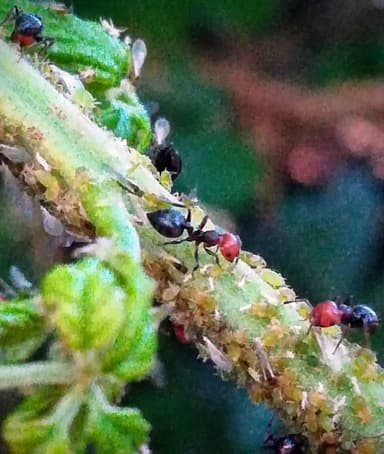
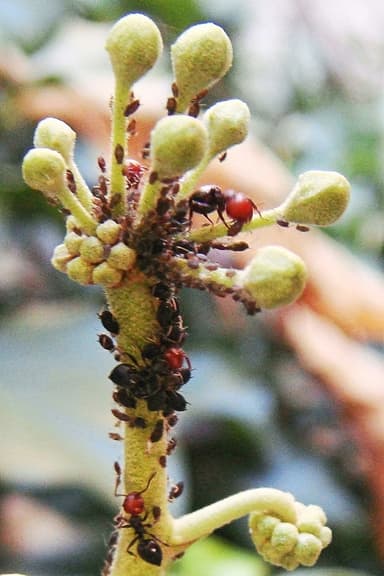
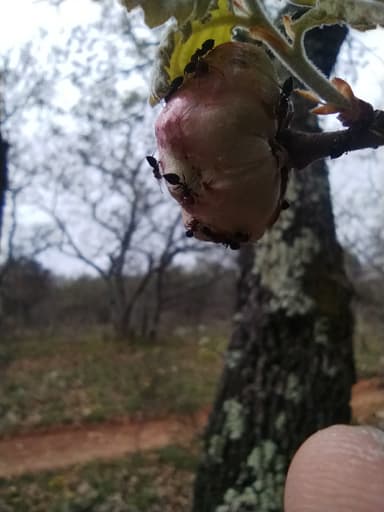
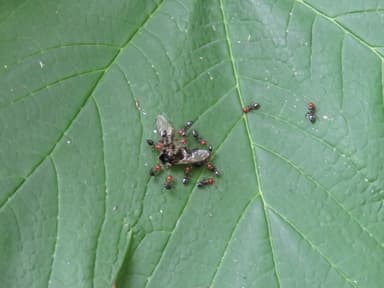
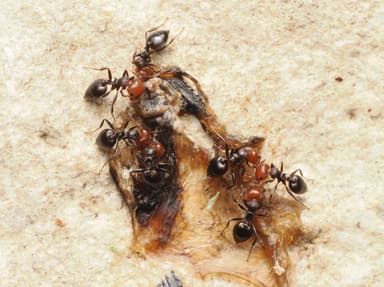
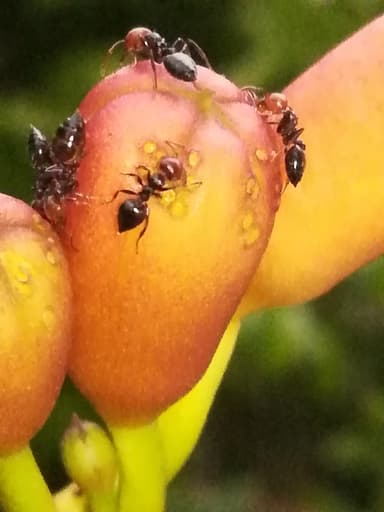
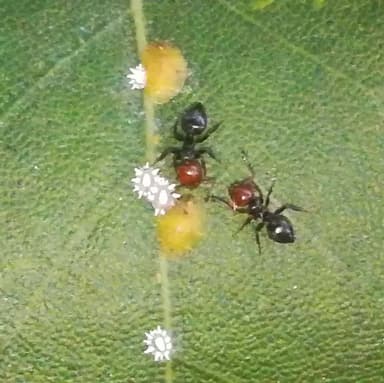
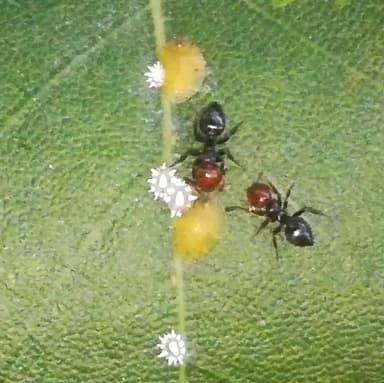
The diet of Crematogaster scutellaris is a simple balance of protein and sugars. In the wild, they avidly tend aphids and scale insects for honeydew, while scavenging small arthropods (Seifert 2018). In captivity, offer a steady supply of freshly killed or pre-frozen fruit flies, small crickets, and chopped mealworms for protein — provide these twice weekly for a young colony, increasing to daily offerings once brood piles are heavy. Carbohydrates are where this species truly shines: they will greedily lap up a dilute honey solution (roughly 1:1 with water), maple syrup, or commercial ant nectar, and they appreciate a source of sugar water on a regular basis. Always offer these liquids on a small dish or cotton pad to prevent drowning. A test tube waterer with a sponge wick, refreshed weekly, completes the hydration needs. Avoid leaving protein remains for more than a day to prevent mold, and you’ll be rewarded with a vigorous, fast-growing colony.
Hibernation is not optional for the long-term health of C. scutellaris. Across their range, winter temperatures drop markedly, so a controlled diapause at around 12°C for three to four months (typically November through late February) is mandatory. As autumn approaches, stop feeding protein and allow the colony to clear its social stomach; reduce heating gradually over two weeks until they reach the target temperature. A wine cooler, a cool basement, or a dedicated refrigerator set to 12°C works well — never let temperatures dip below 5°C. During hibernation the ants will cluster tightly and move sluggishly; this is normal. Small colonies in test tubes can be over‑wintered directly, while larger setups should be monitored to ensure the nest does not dry out completely. When spring arrives, warm them gradually back to 22°C and resume feeding immediately, and the queen will soon ramp up egg production.
When your new Crematogaster scutellaris colony or queen arrives, a gentle settling‑in period is crucial. Place the sealed container in a dim, vibration‑free spot at room temperature for several hours, then introduce it to the intended nest. If you’ve received a lone founding queen, her test tube setup will need no intervention — simply check for a small cotton‑plug water supply and leave her in peace. For a young colony with workers, connect the test tube to an outworld and offer a minuscule drop of honey on a scrap of foil and a moist cotton bud for water. Resist the urge to check on them more than once a day for the first week; stress can cause the queen to cease laying or even cannibalize brood. Within 48–72 hours, you should see the first workers exploring and feeding, a signal that the colony has accepted its new home. Watch for consistent egg‑laying, tidy nest maintenance, and a calm, unified huddle around the queen — all signs of a healthy start. With patience and a light touch, this charismatic little acrobat will soon reward you with a thriving, endlessly fascinating microcosm.