Camponotus
Camponotus sericeiventris
Nuptial Flight Calendar
Flight months: Apr, May, Jun, Oct, Nov
Care Guide
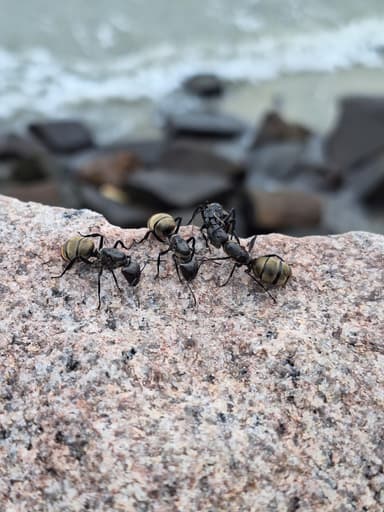
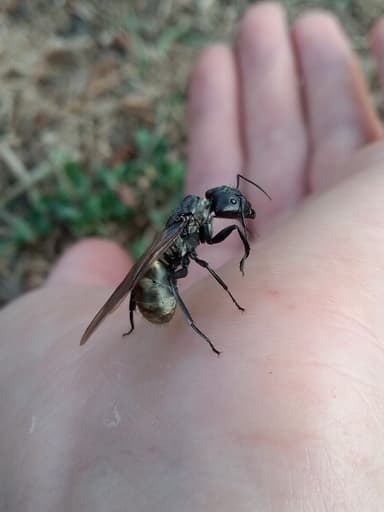
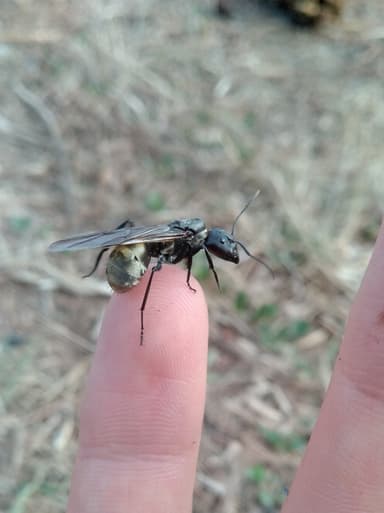
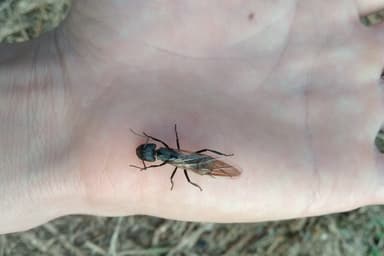
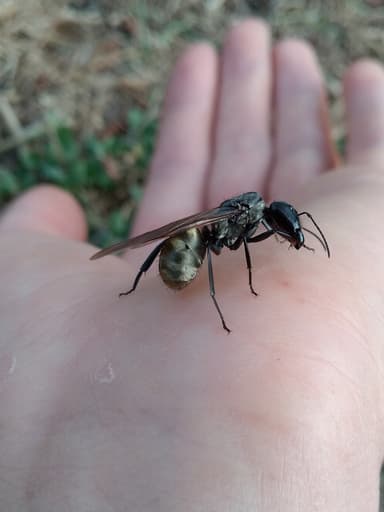
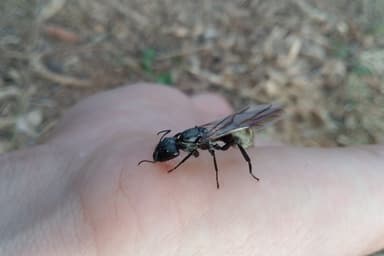
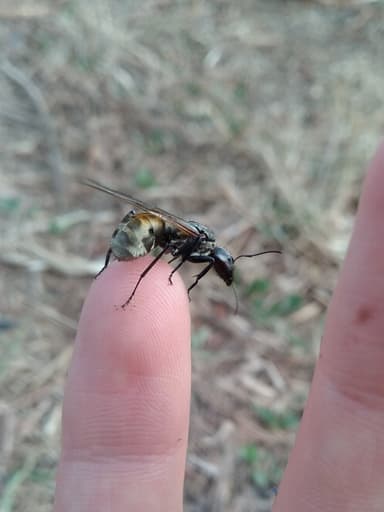
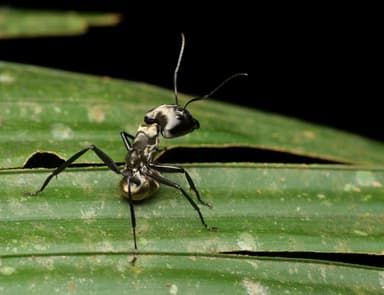
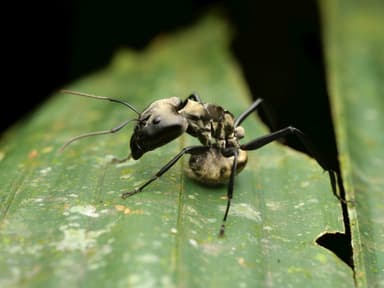
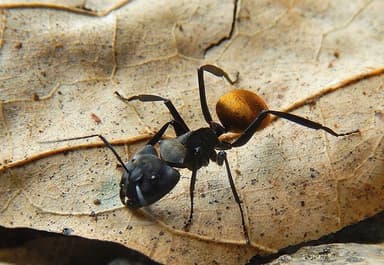
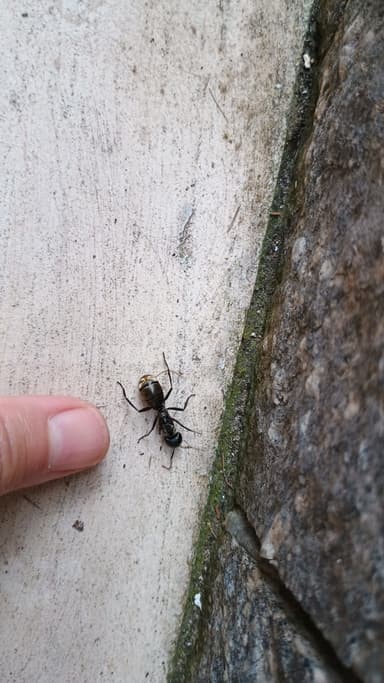
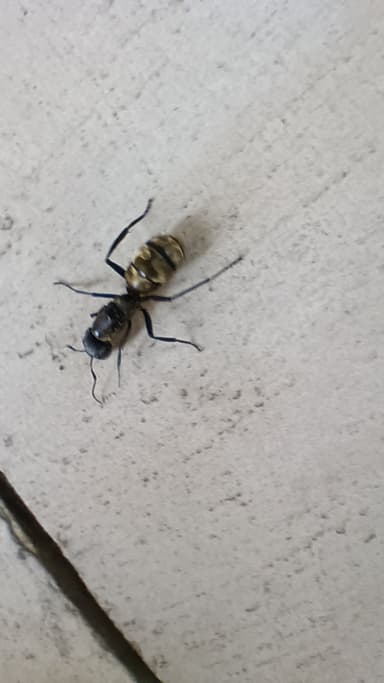
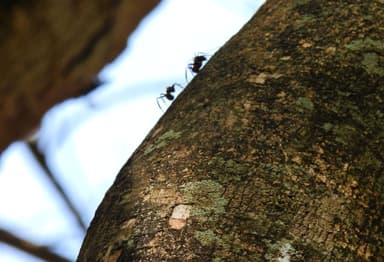
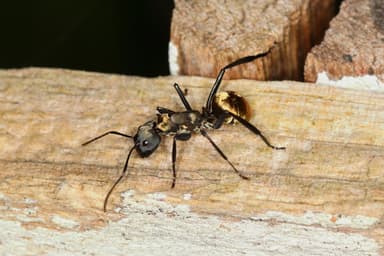
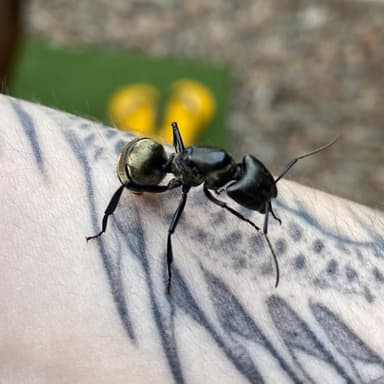
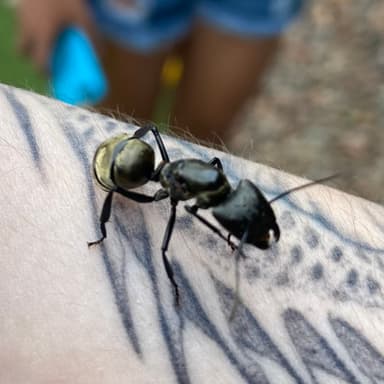
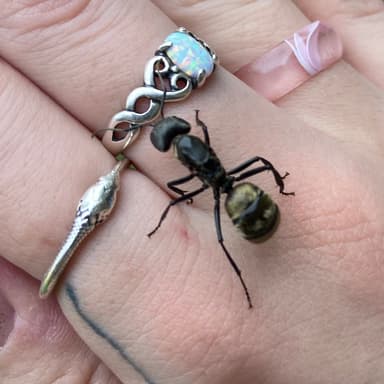
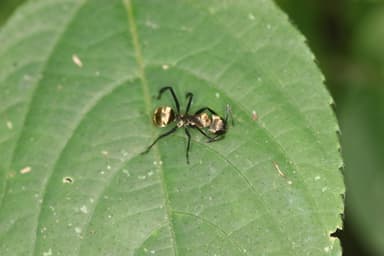
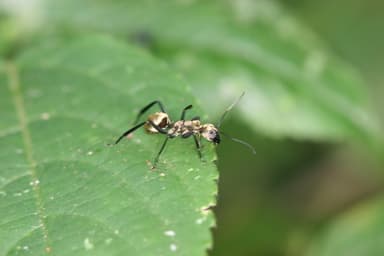
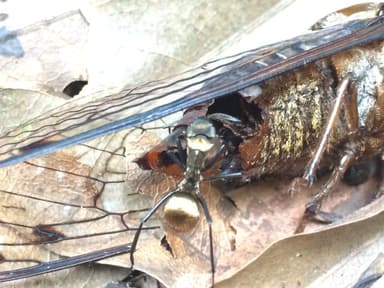
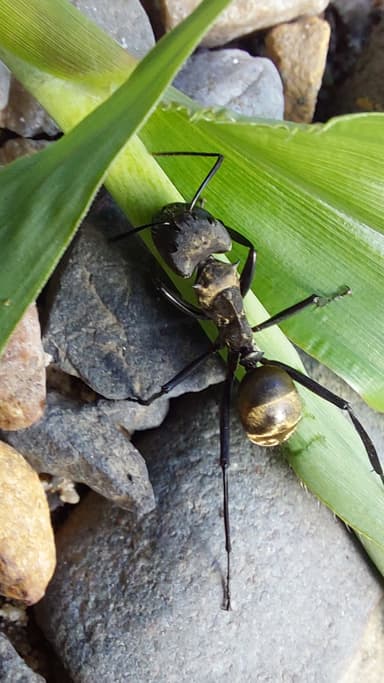
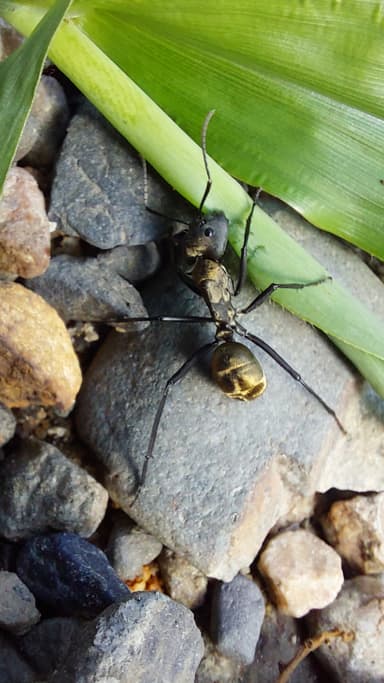
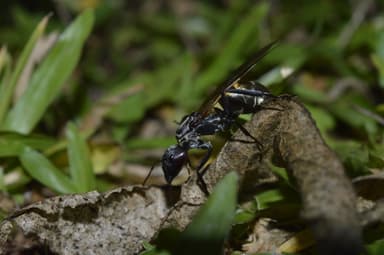
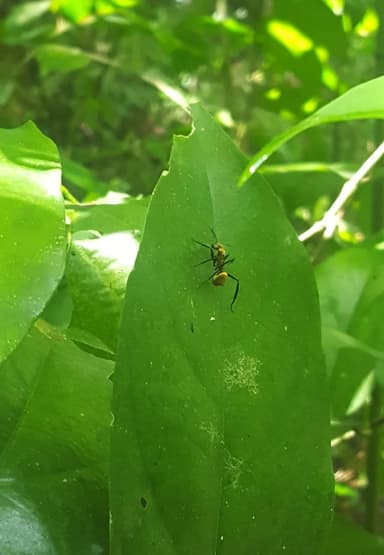
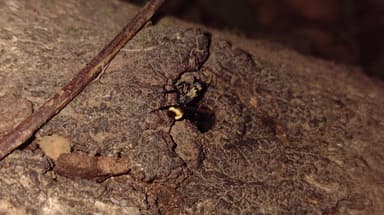
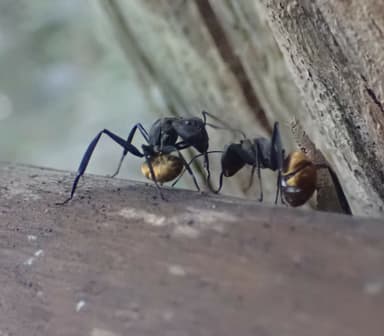
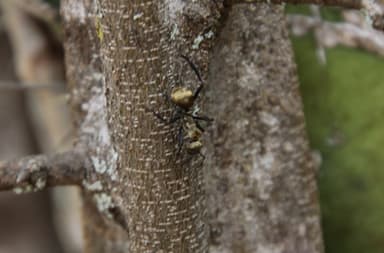
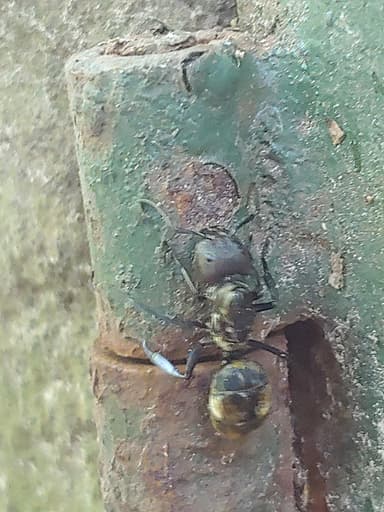
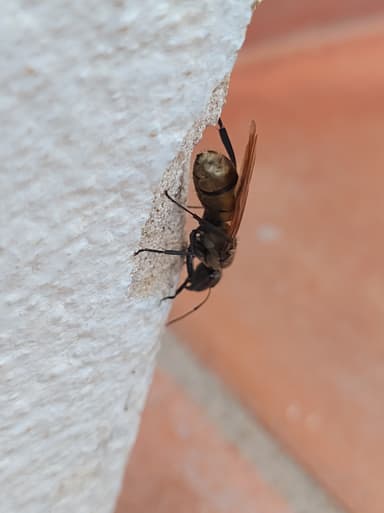
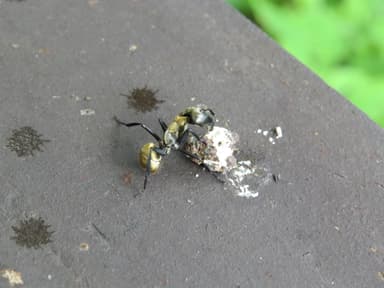
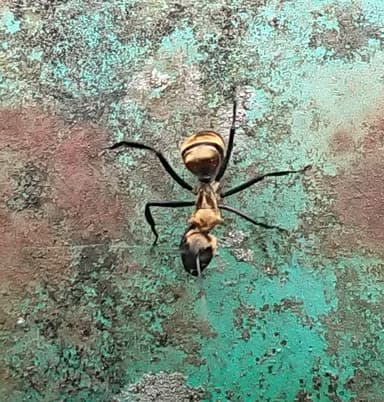
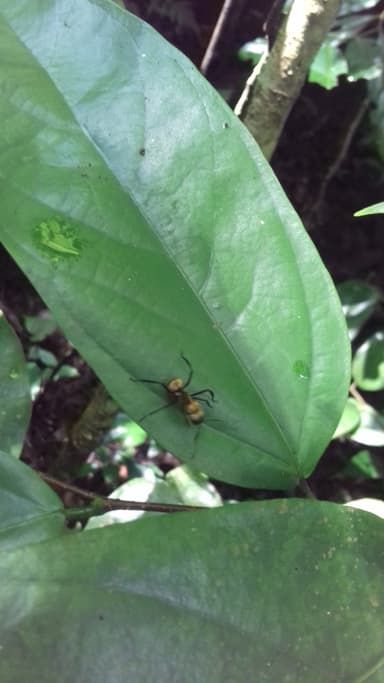
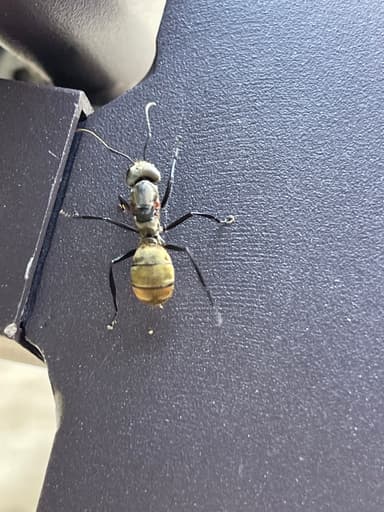
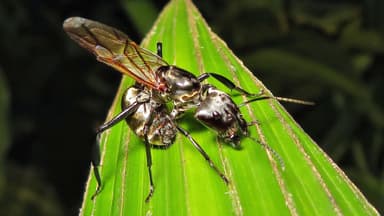
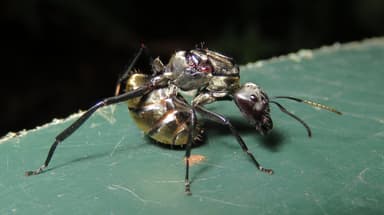
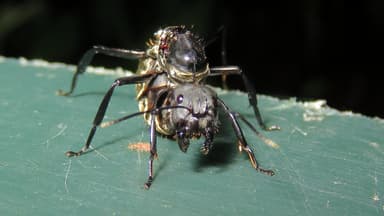
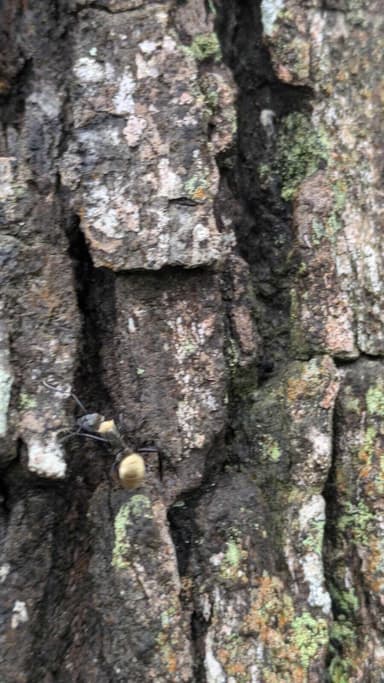
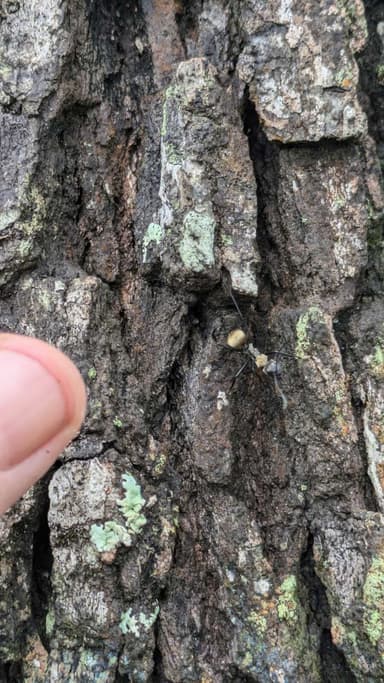
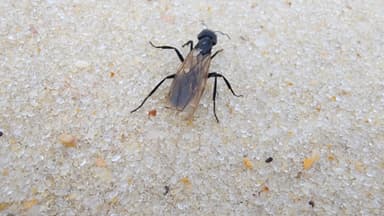
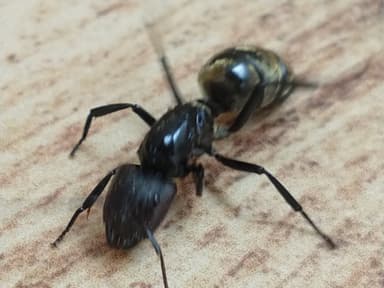
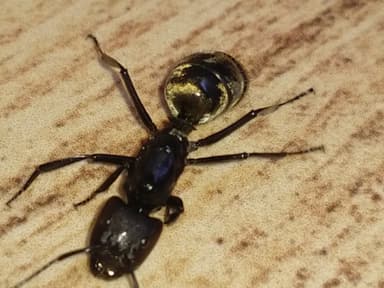
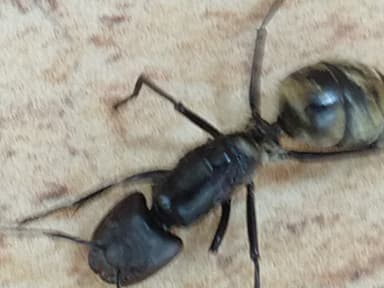
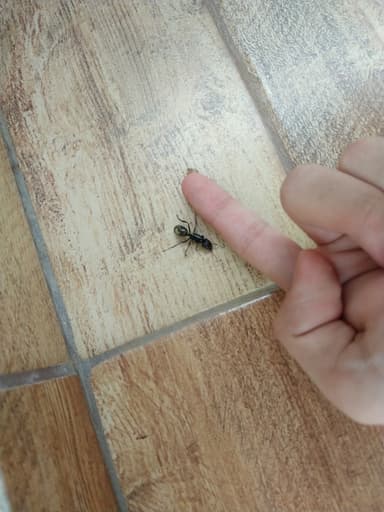
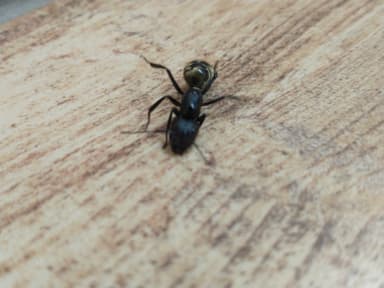
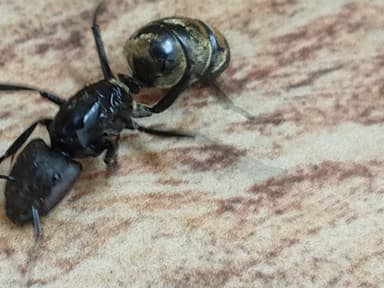
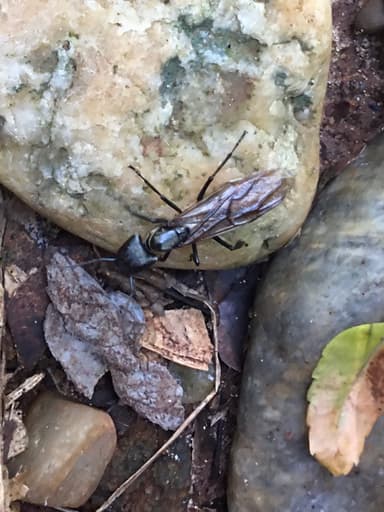
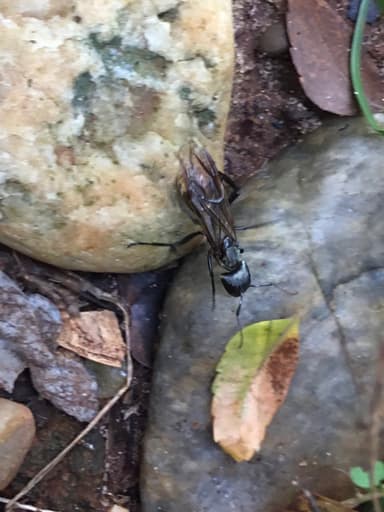
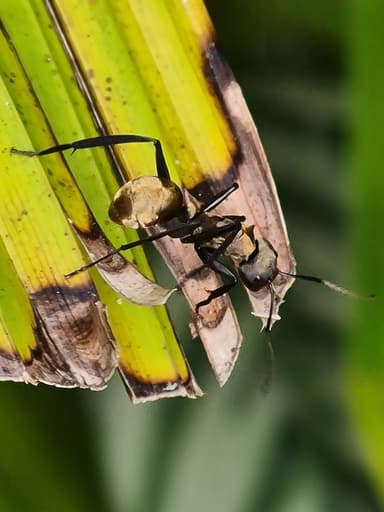
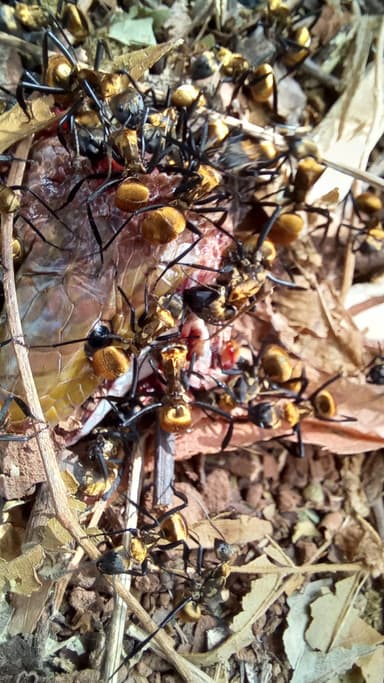
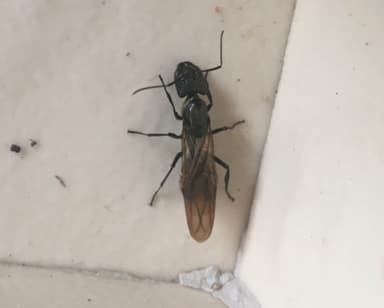
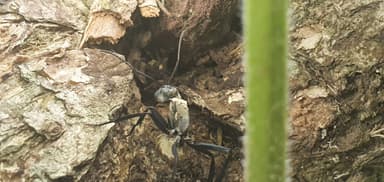
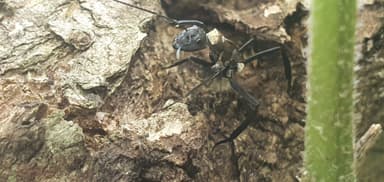
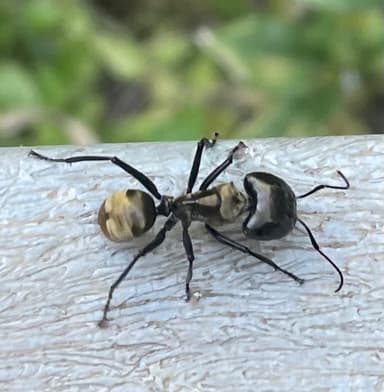
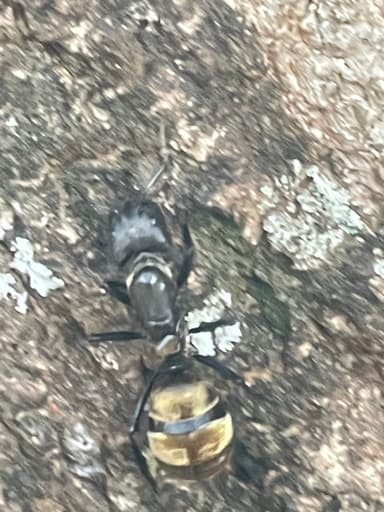
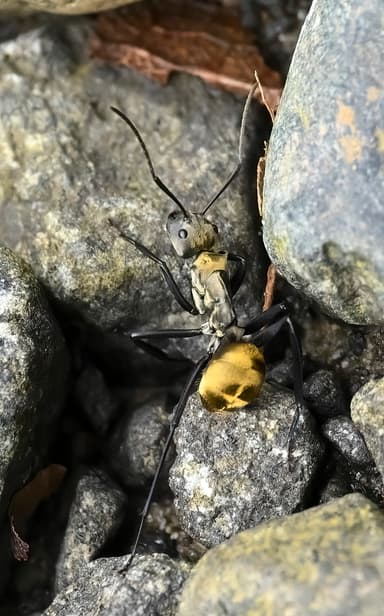
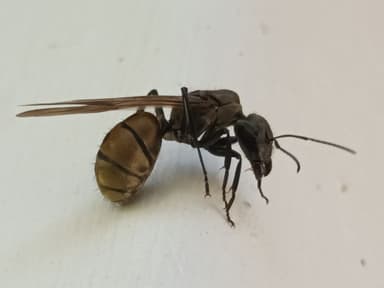
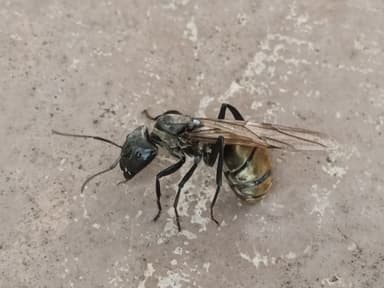
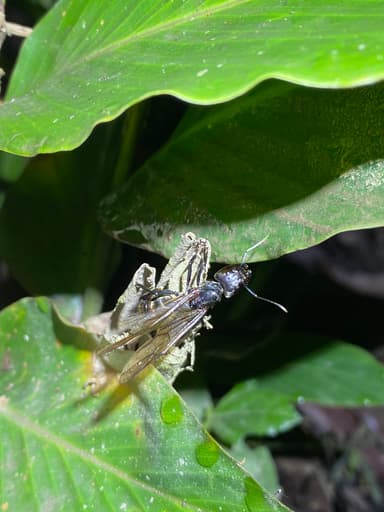
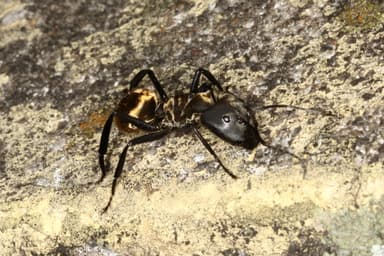
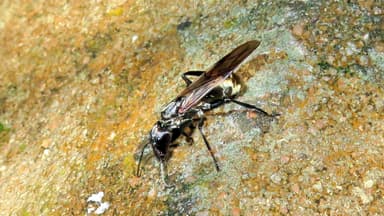
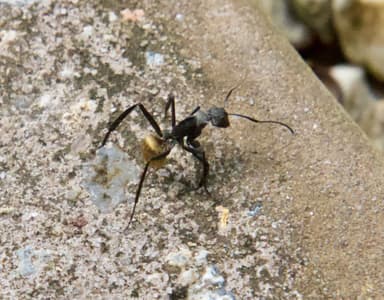
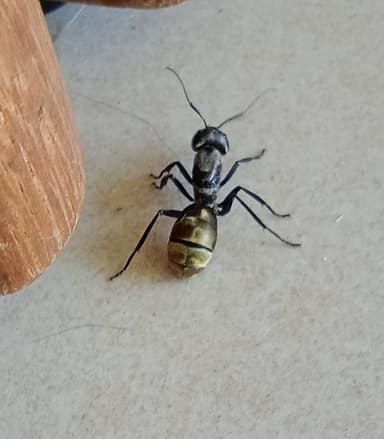
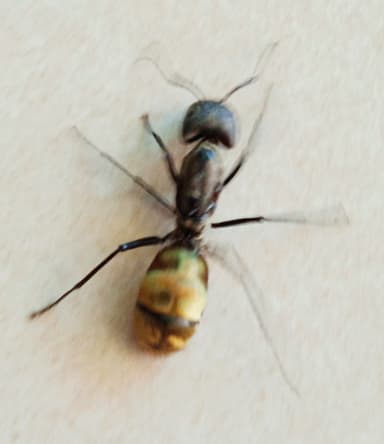
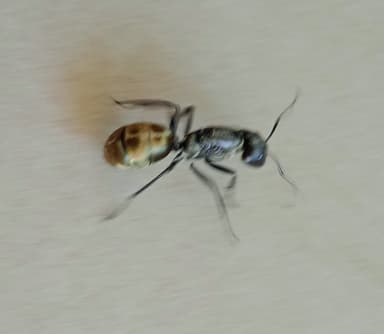
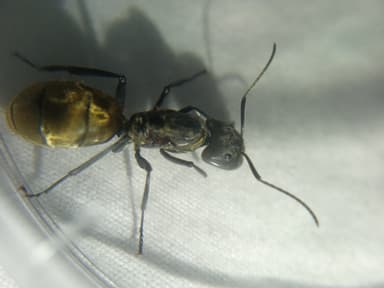
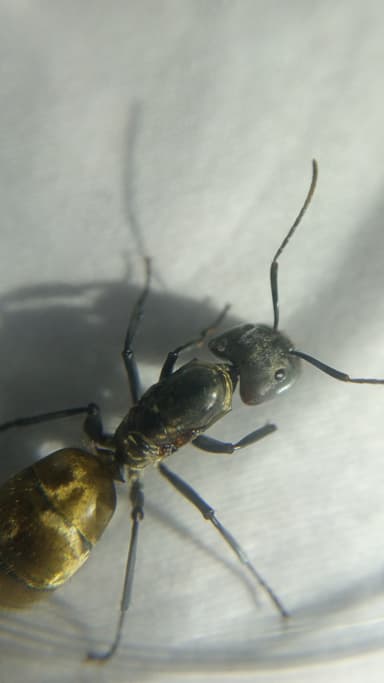
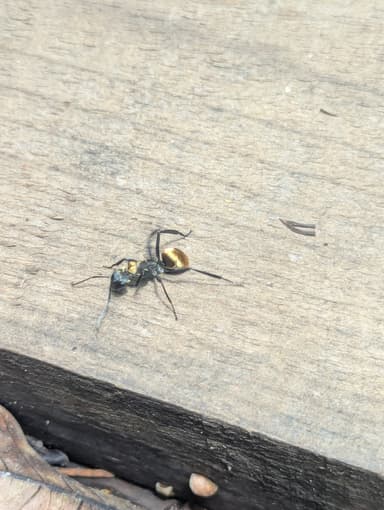
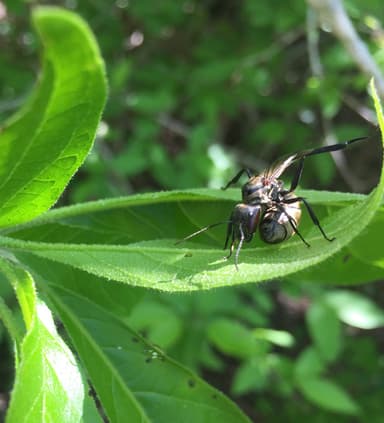
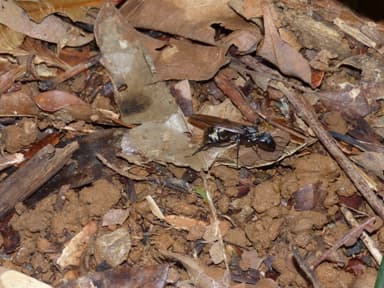
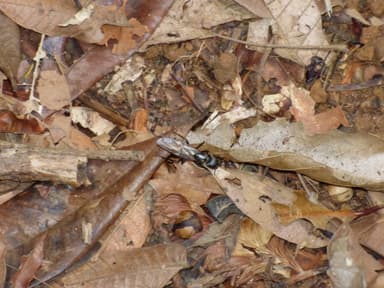
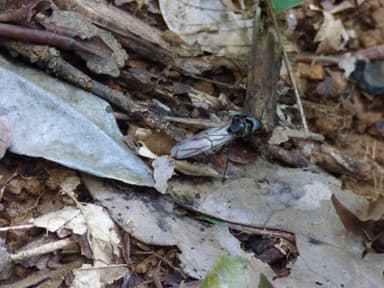
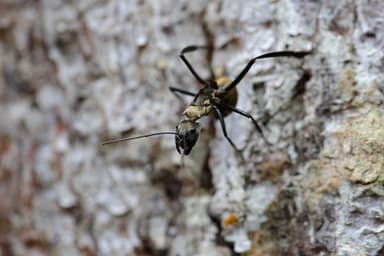
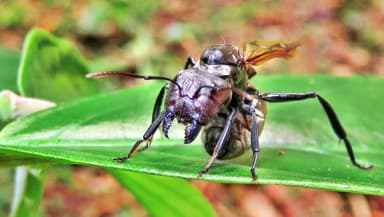
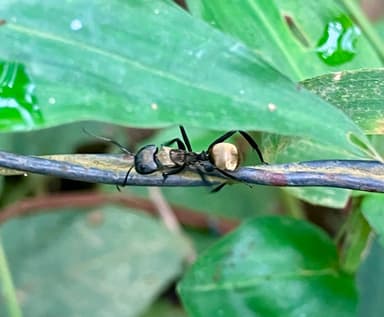
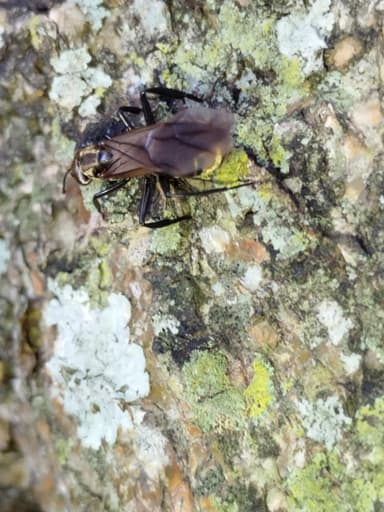
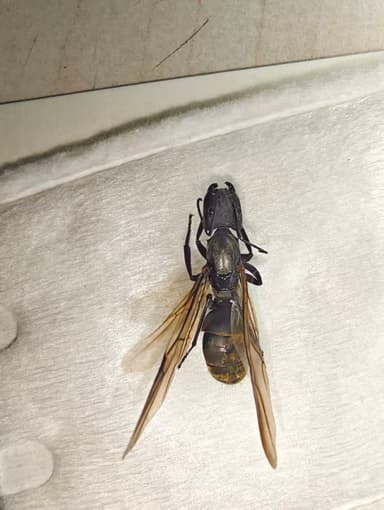
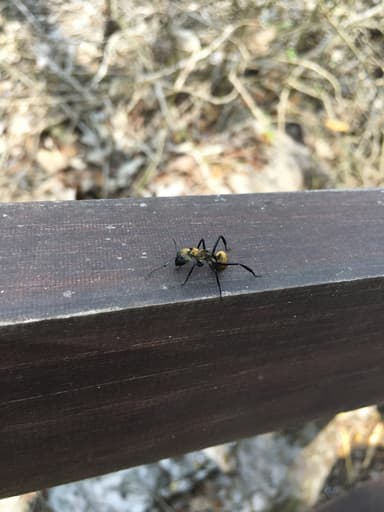
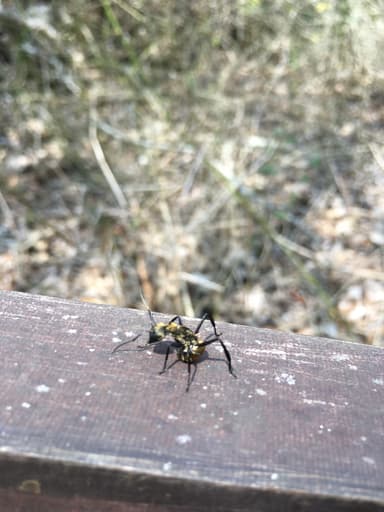
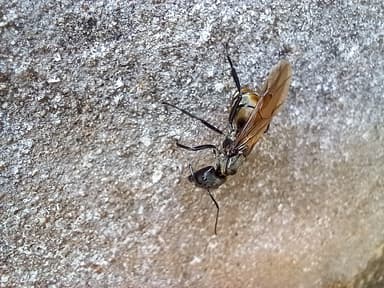
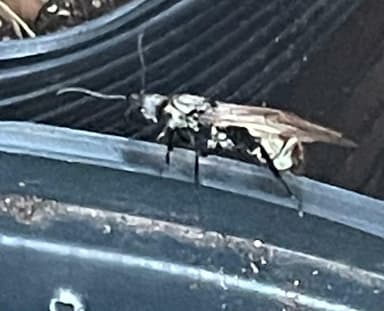
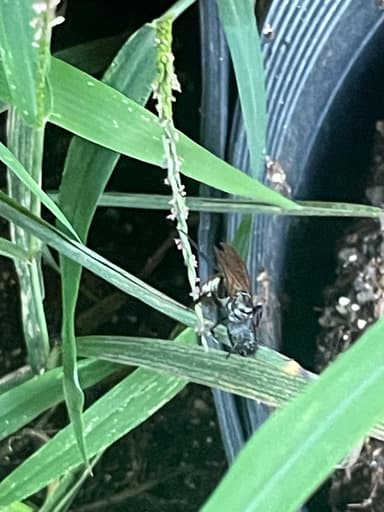
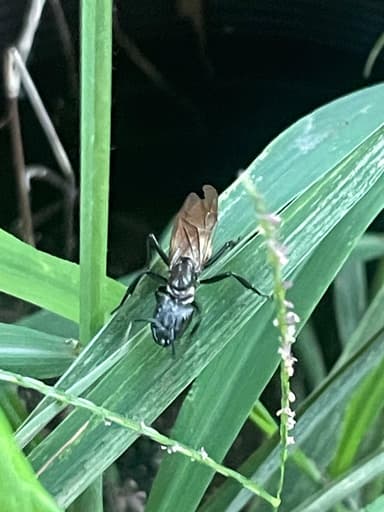
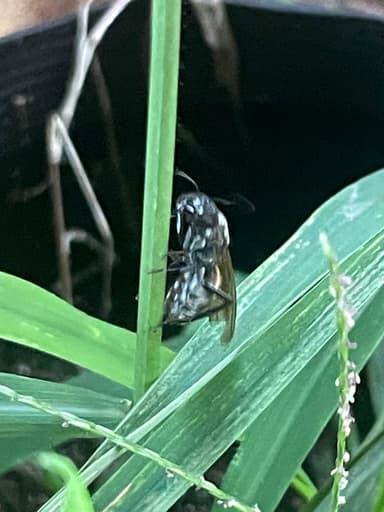
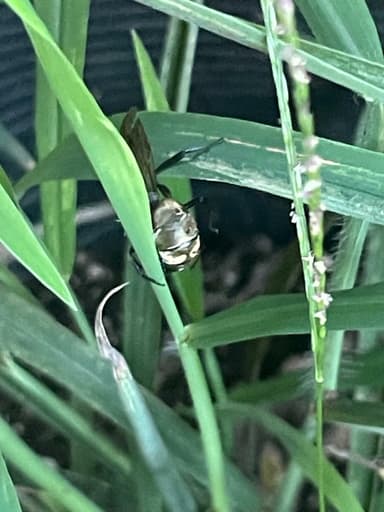
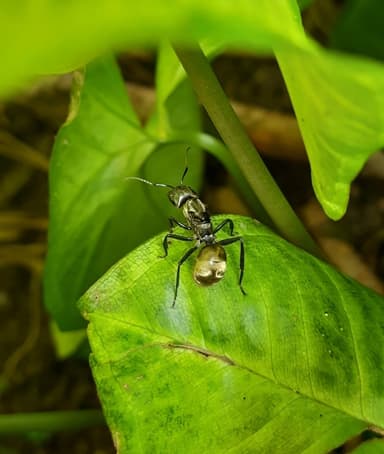
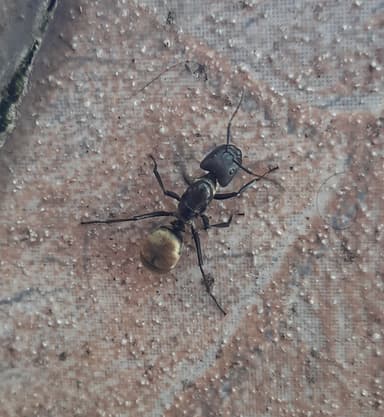
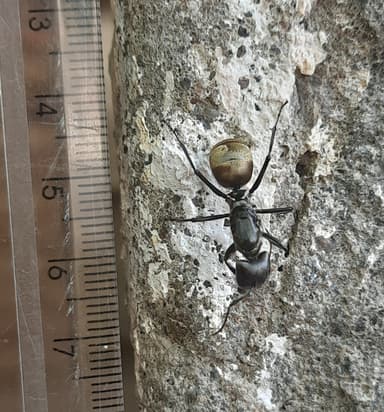
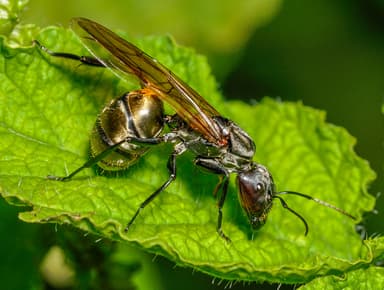
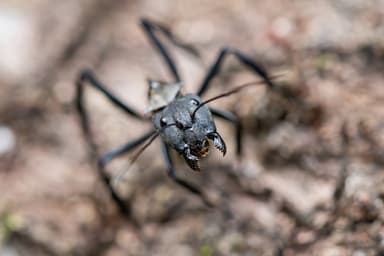
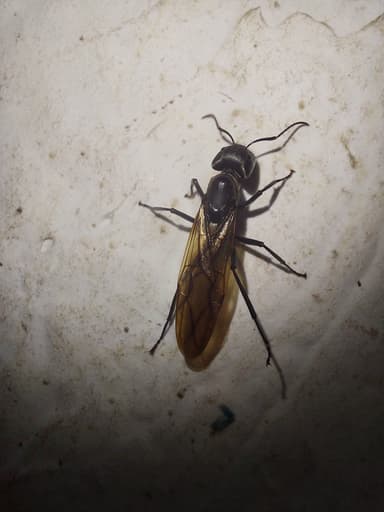
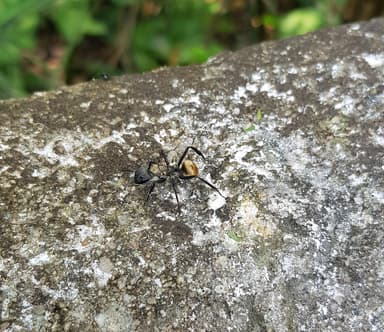
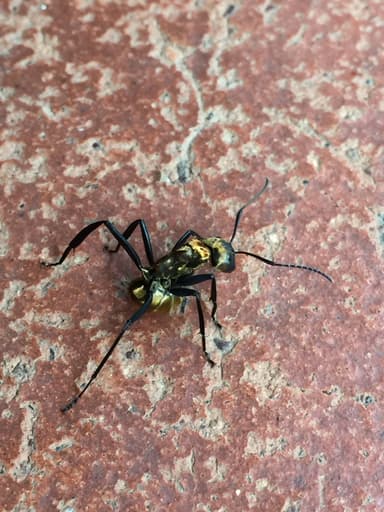
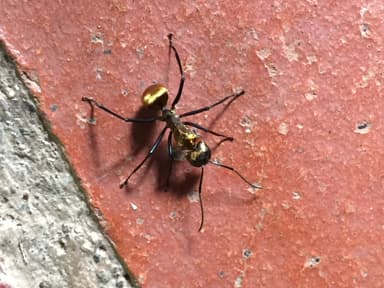
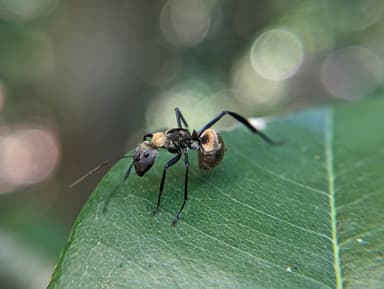
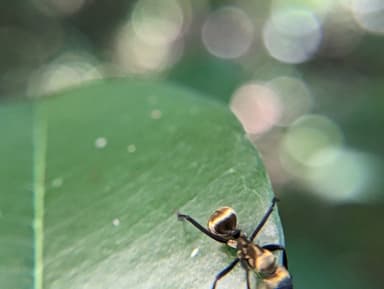
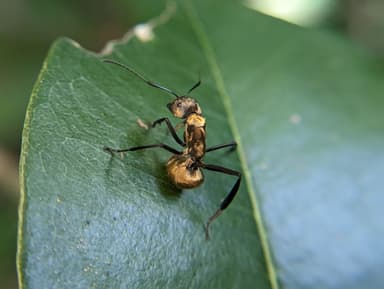
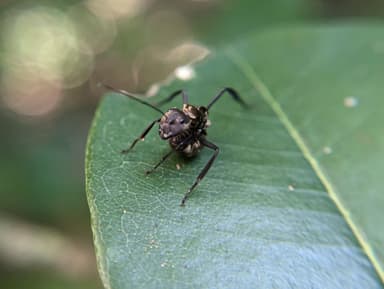
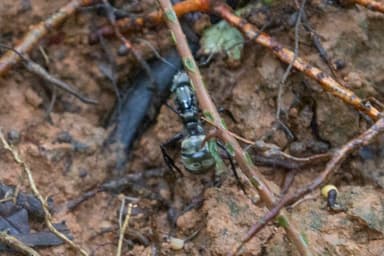
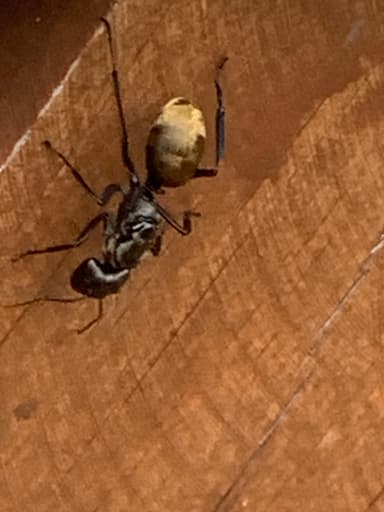
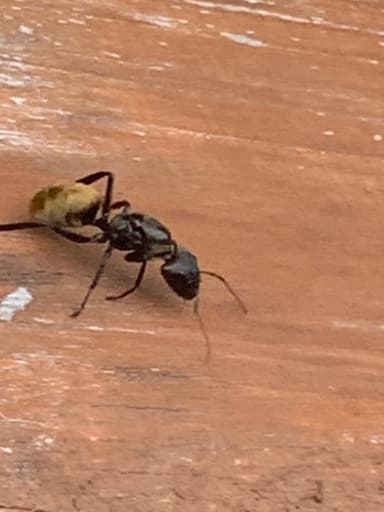
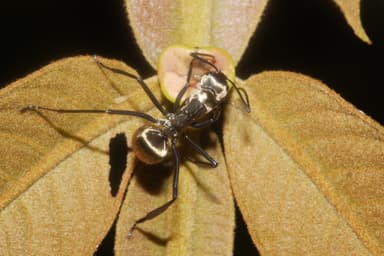
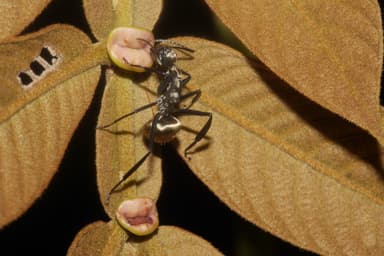
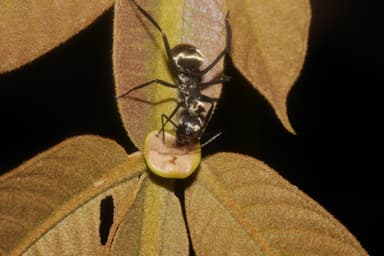
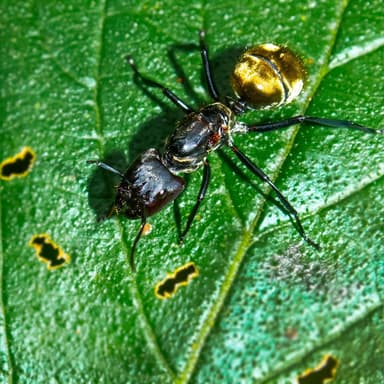
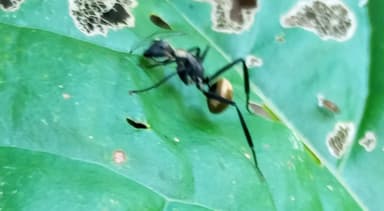
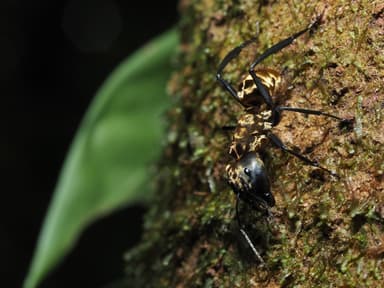
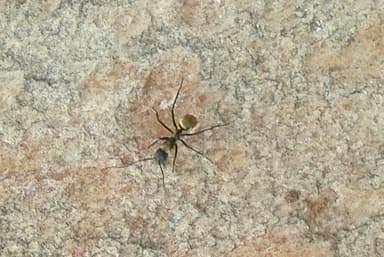
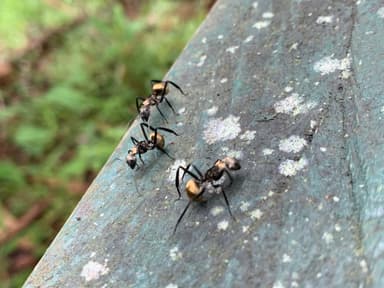
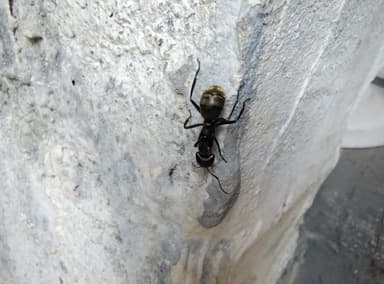
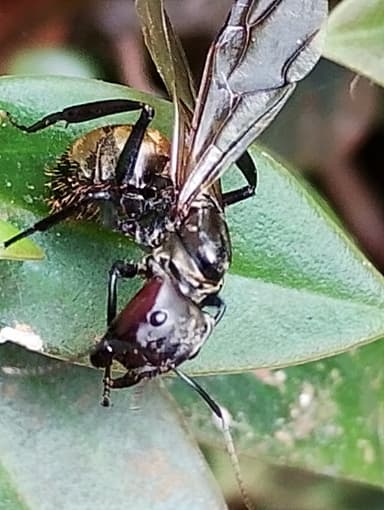
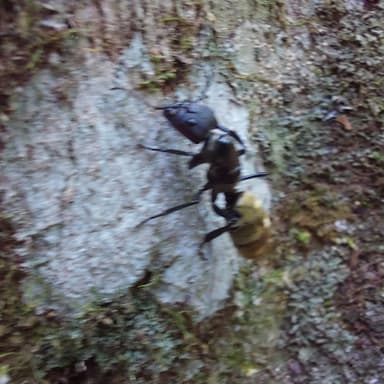
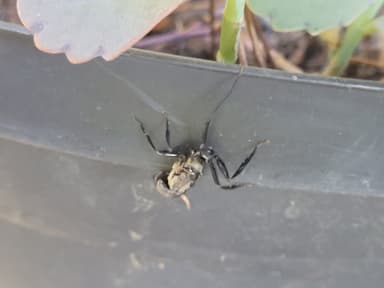
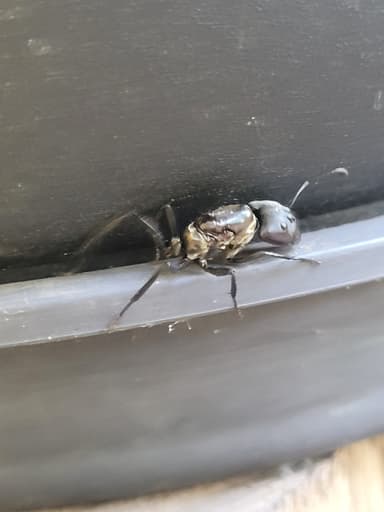
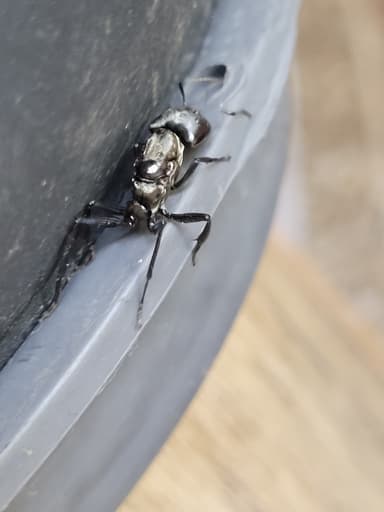
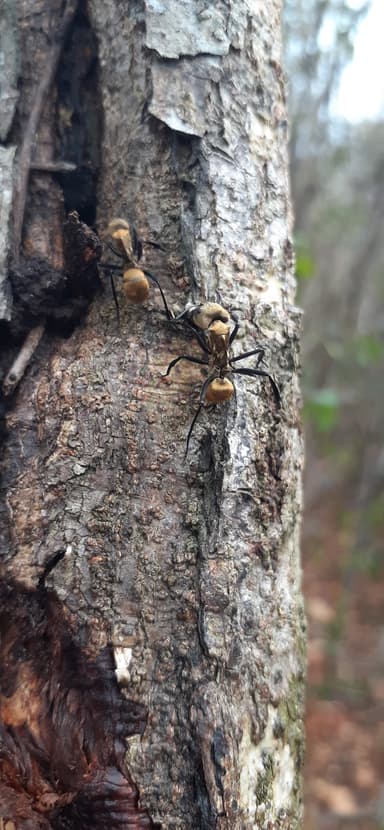
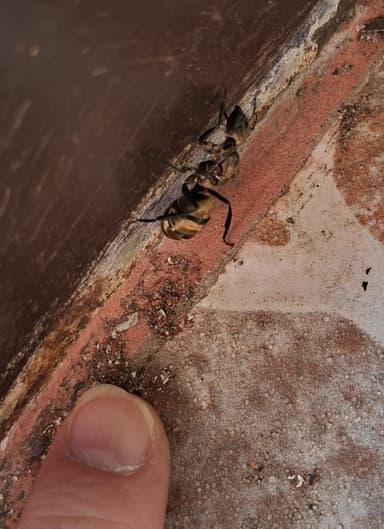
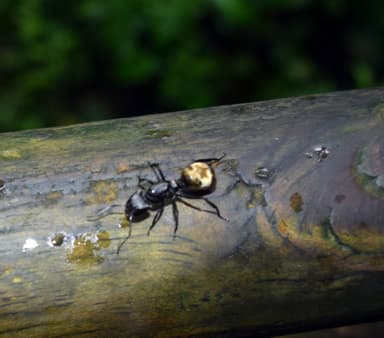
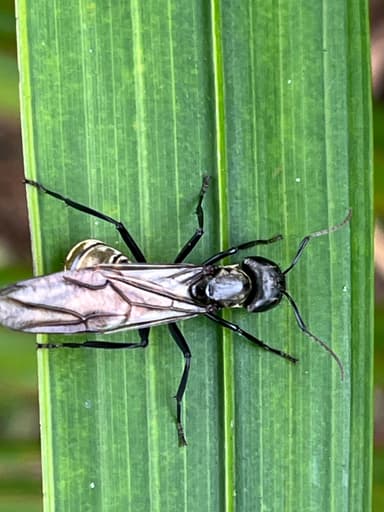
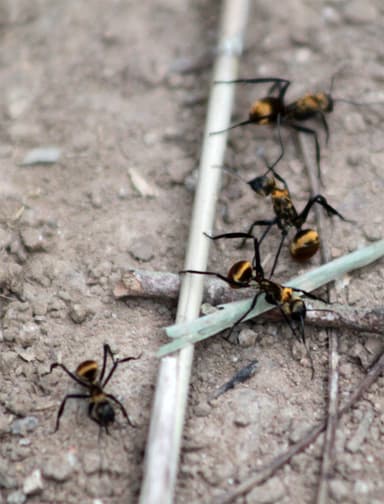
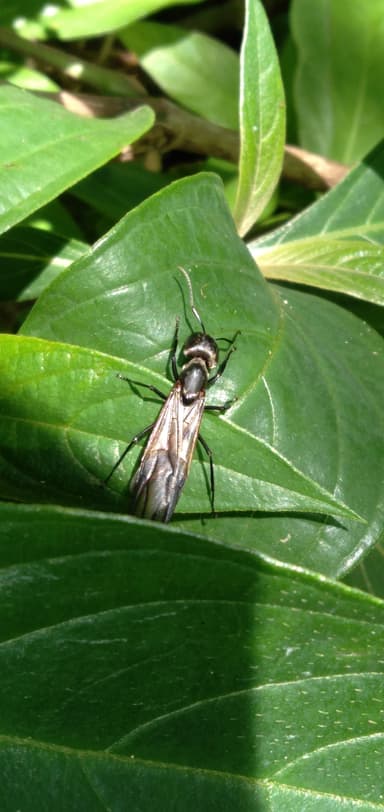
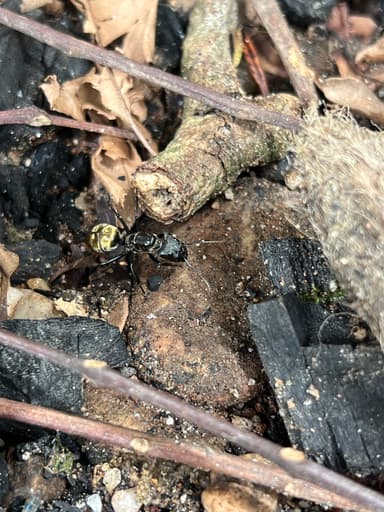
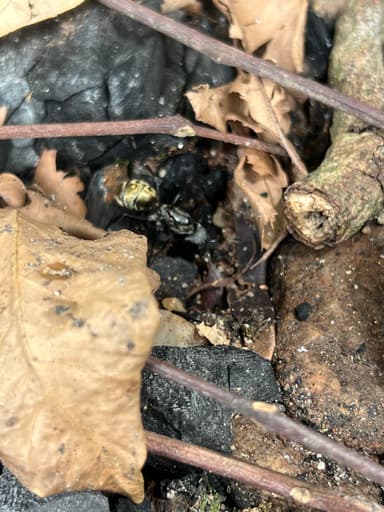
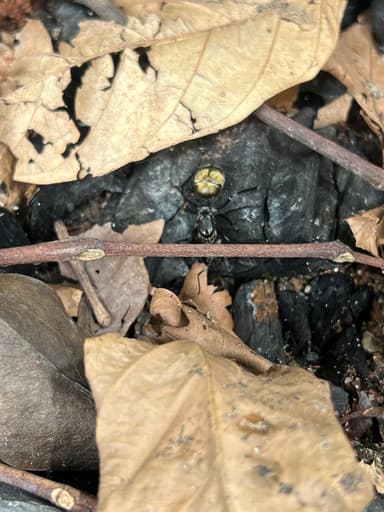
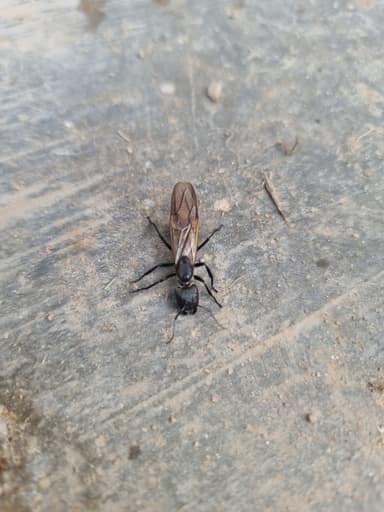
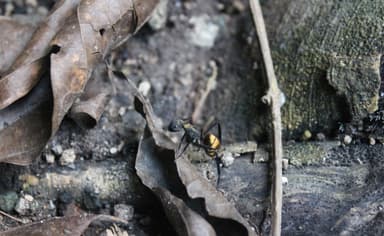
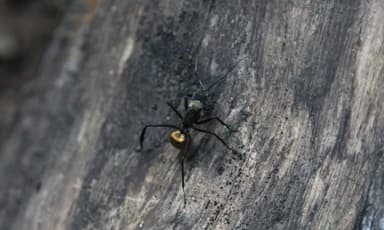
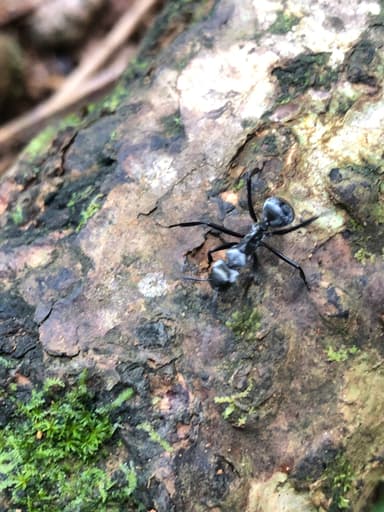
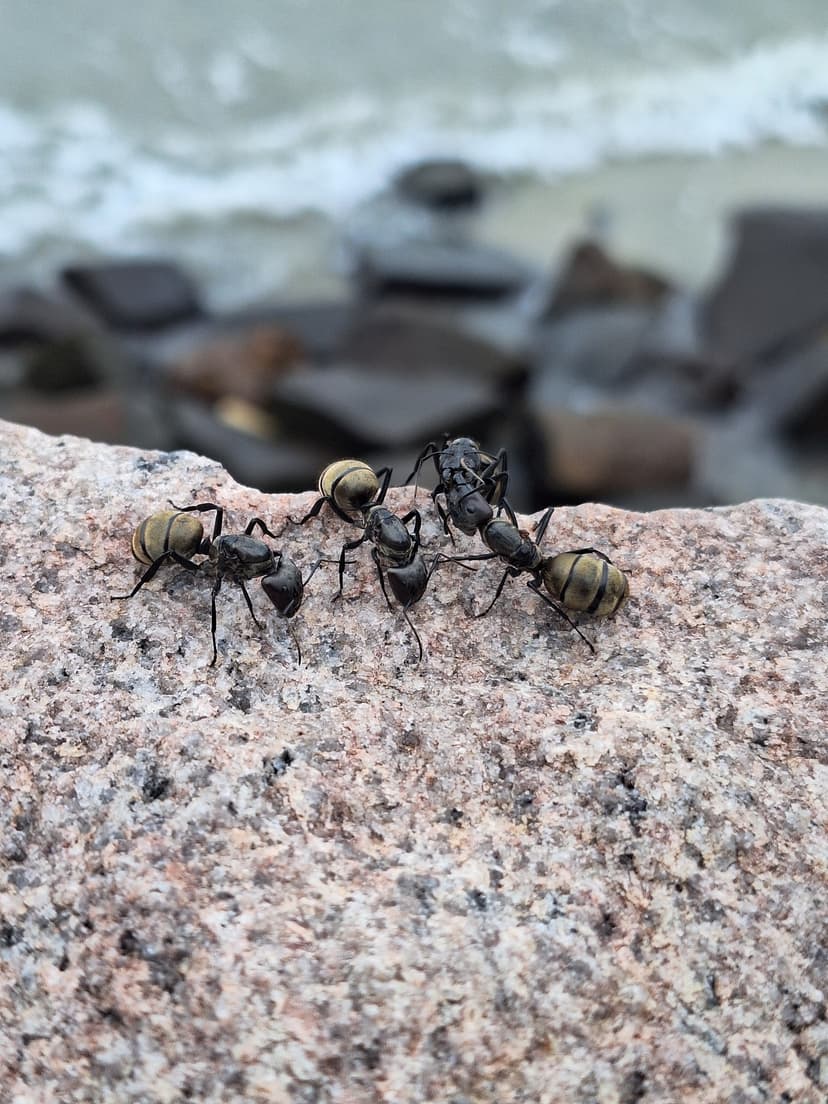
The golden shimmer of Camponotus sericeiventris is unlike anything else in the ant world, making this large and charismatic carpenter ant a true showpiece for the seasoned hobbyist. Queens are robust, measuring a substantial 18 to 22 millimeters, while the polymorphic workforce displays a dramatic size range, from 8-millimeter minor workers to hulking 18-millimeter majors with blocky heads. This species earns its Latin name — “silky belly” — from the dense coat of reflective silver or golden hairs that blankets the entire body, creating a metallic sheen as they move (Mackay & Mackay 2019). Colonies can swell to an impressive 10,000 individuals over time, with distinct minor, media, and major caste roles visible in the daily flow of foragers and defenders. In the Neotropics, from the humid lowland forests of Costa Rica south to Argentina, they are a familiar sight nesting in dead wood and foraging in the canopy (Longino, Ants of Costa Rica). Their nuptial flights occur on warm, humid evenings during the wet season, typically across two windows: April to June and October to November, though exact timing in the wild remains poorly documented.
This is an intermediate-care species best suited to keepers who have already successfully raised one or two more forgiving genera and are ready to tackle the demands of a large, fast-growing tropical ant. Camponotus sericeiventris is not forgiving of prolonged neglect, particularly around hydration and escape prevention. Because the workers are both large and excellent climbers, even a tiny gap in a lid is an invitation for exploration. The sheer final colony size also means you must be prepared to continually expand their living quarters over several years — a modular formicarium system is almost essential. That said, their diurnal activity, spectacular appearance, and intriguing behavioral repertoire make them deeply rewarding for those who can commit to stable parameters and attentive care.
Housing these ants requires mimicking the warm, humid microclimate of a tropical tree hollow. They are wood-nesters by nature, so while ytong, gypsum, or 3D-printed nests with high moisture-retaining capacity work well, a nest block incorporating cork or untreated softwood can promote more natural tunneling behavior. Temperature should be kept between 22°C and 28°C, with a gentle gradient achieved by attaching a heat mat to one side of the nest, never underneath. Humidity is the real linchpin: maintain 60 to 80 percent relative humidity inside the nest at all times, monitored with a reliable digital probe. A deep substrate of clay-rich soil and sand in the outworld helps buffer ambient humidity, but the nest chambers themselves should have a direct water source, such as a cotton-stoppered test tube or a built-in water tower. Adequate ventilation is critical to prevent mold explosions in this high-moisture environment, so choose a nest with a large air exchange surface covered in fine stainless steel mesh.
A balanced diet is straightforward: they need abundant protein for brood production and near-constant access to carbohydrates for the restless worker force. Offer a rotation of feeder insects — crickets, dubia roach nymphs, and mealworms — all pre-killed and sliced for smaller workers. Twice a week, provide a source of sugar, be it organic honey, diluted maple syrup, or a piece of overripe fruit like mango or banana, always served on a feeding dish to keep the outworld clean. Camponotus sericeiventris are enthusiastic drinkers; a fresh water tube or a small water feeder with a sponge must be available continuously. As the colony grows, expect their appetites to become voracious, and watch for the majors’ endearing habit of hoarding liquid foods in their expanded crops to share later.
Hibernation is a non-issue. Native to regions without a real winter chill, this species has no diapause requirement and remains active year‑round when kept warm. Do not attempt to cool them down; any sustained drop below 20°C will slow brood development and can lead to die‑offs. Keep the temperature steady and the photoperiod neutral, and you will enjoy a bustling colony in every season.
When your new queen or small founding colony arrives, patience is your most valuable tool. Settle the test‑tube setup inside a dark, quiet space — a shoebox with a small ventilation hole or a cupboard — and resist the urge to check for at least 48 hours. The queen will be calmer if she is completely shielded from light. After two days, connect the tube to a tiny outworld and place a minuscule smear of honey and half a fruit fly near the entrance. Watch from a distance: if the queen or workers venture out to feed and carry food back to the brood, you know they are accepting their new home. Early warning signs of stress include frantic pacing, workers dragging brood around, or the queen refusing to settle on the damp cotton — often caused by excessive vibration, light, or low humidity. Keep things tranquil, top up the water tube if needed, and within a couple of weeks you should see the first eggs developing into a new generation of shimmering workers, a signal that your colony is truly underway.