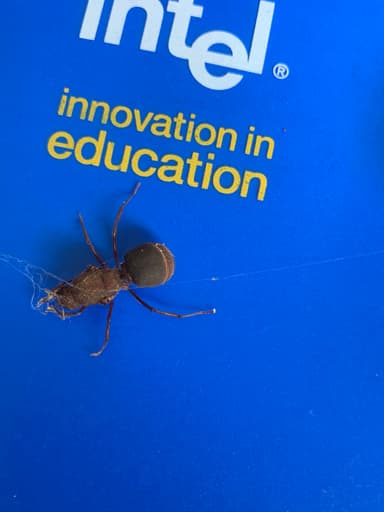
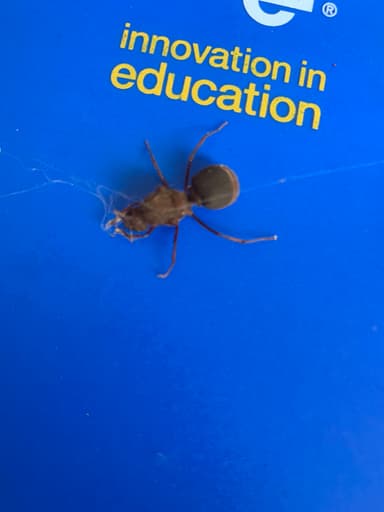
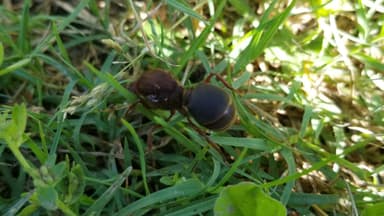
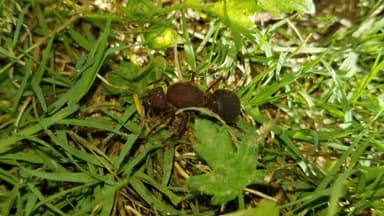
Atta
Atta texana
Nuptial Flight Calendar
Flight months: Apr, May, Jun
Care Guide
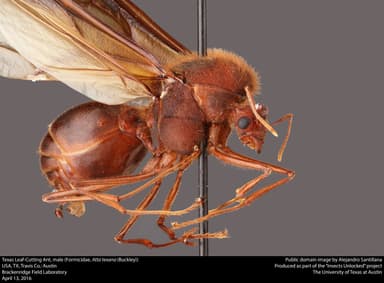
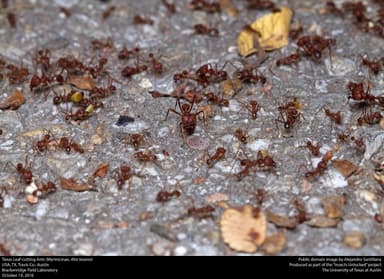
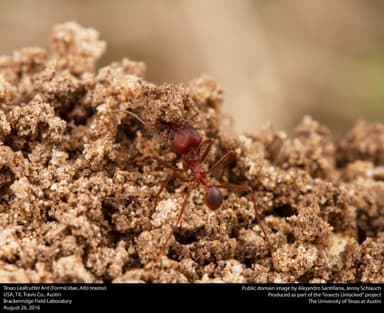
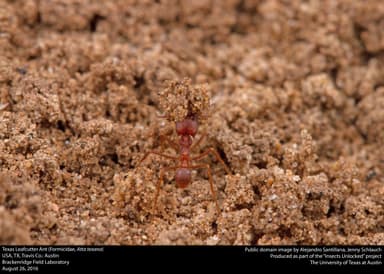
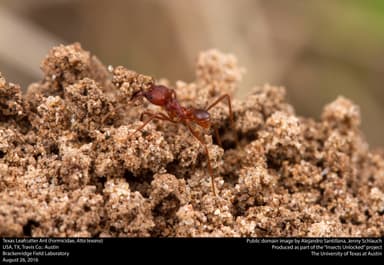
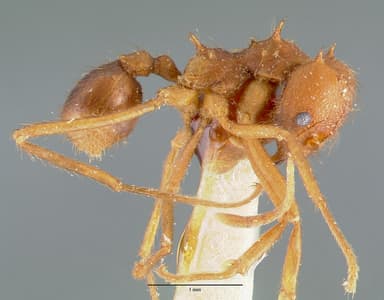
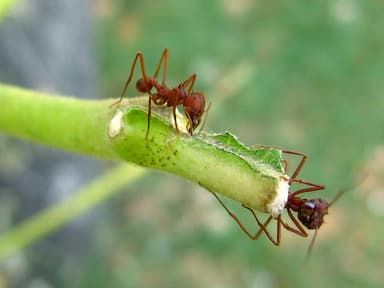
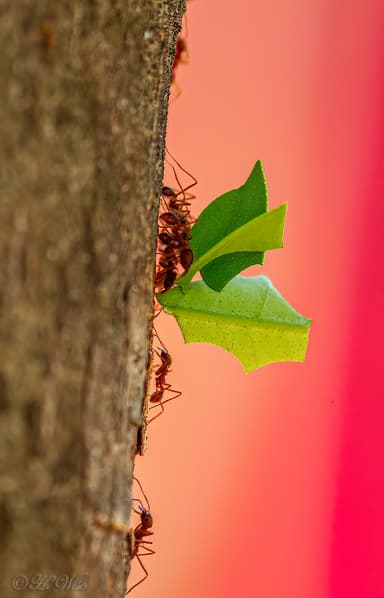
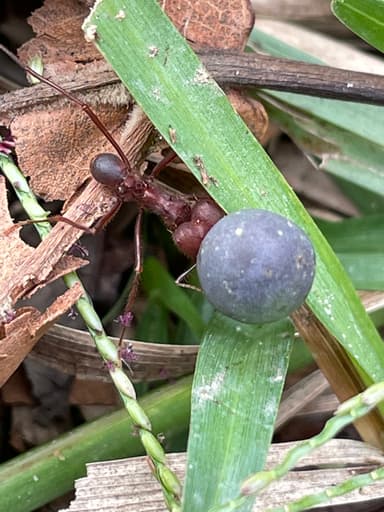
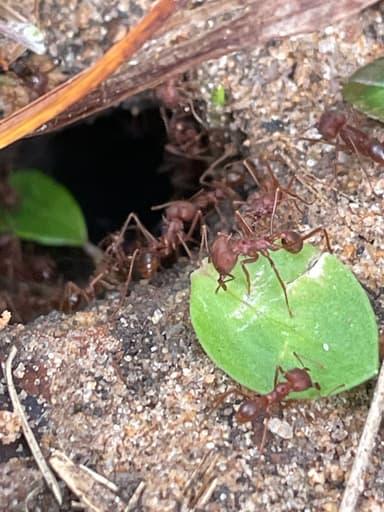
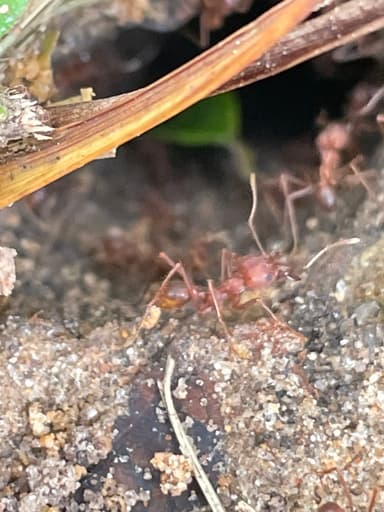
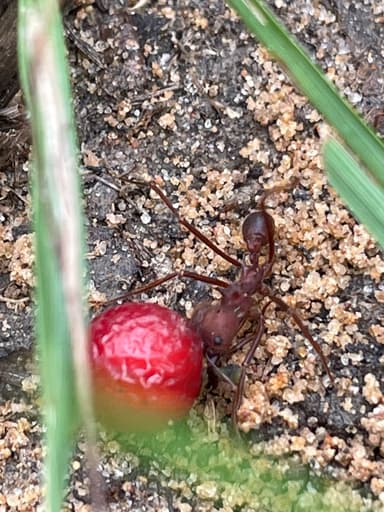
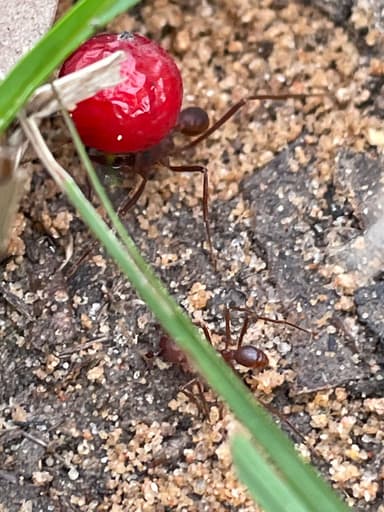
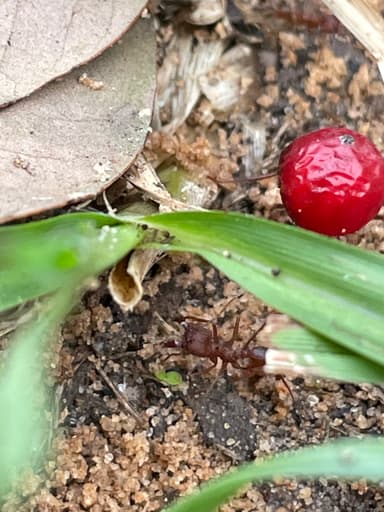
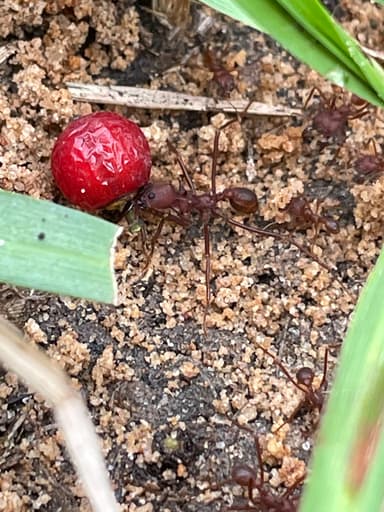
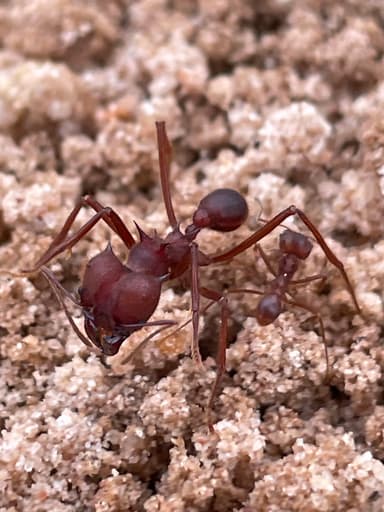
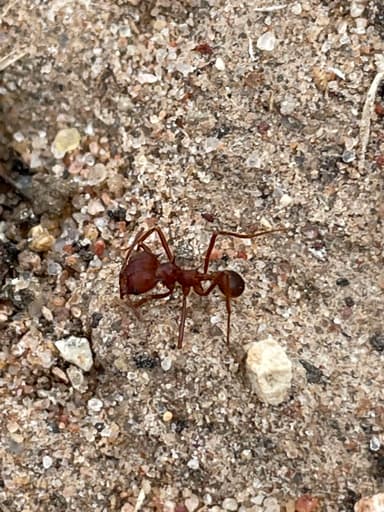
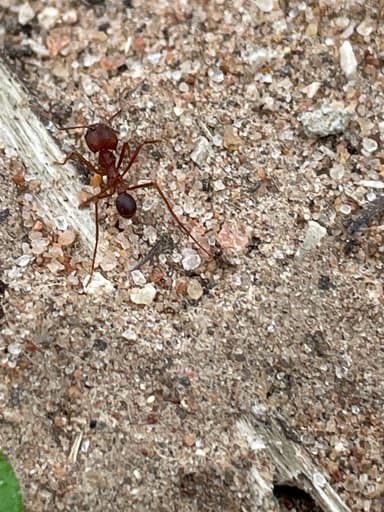
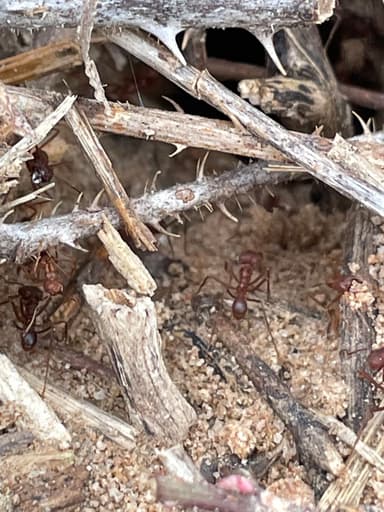
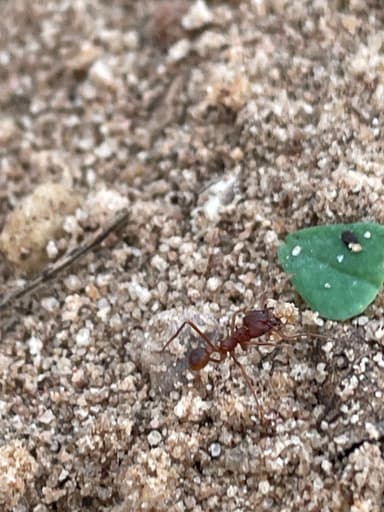
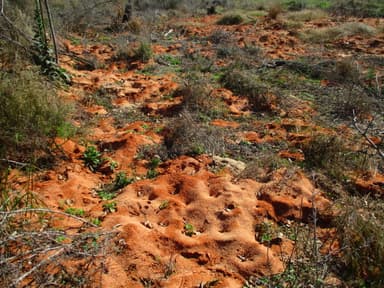
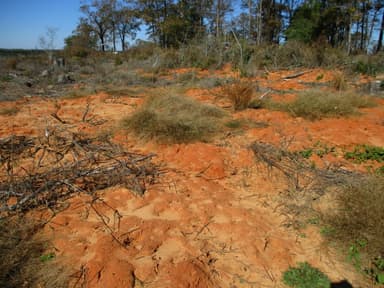
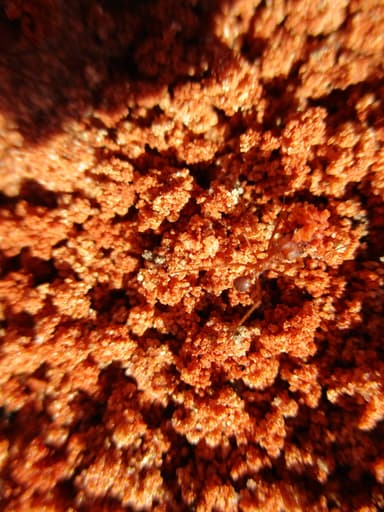
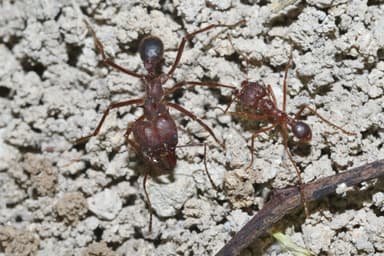
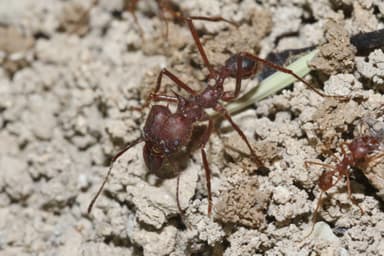
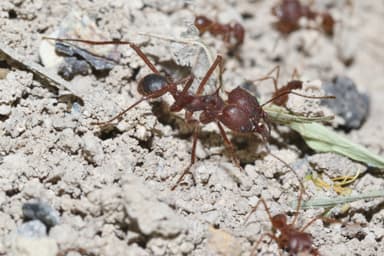
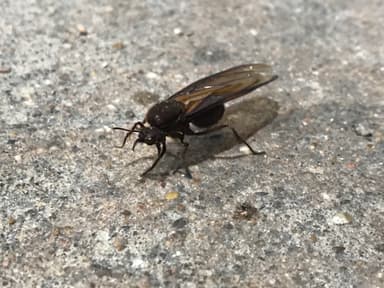
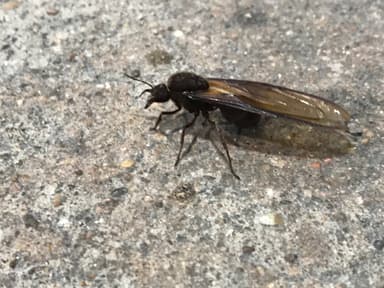
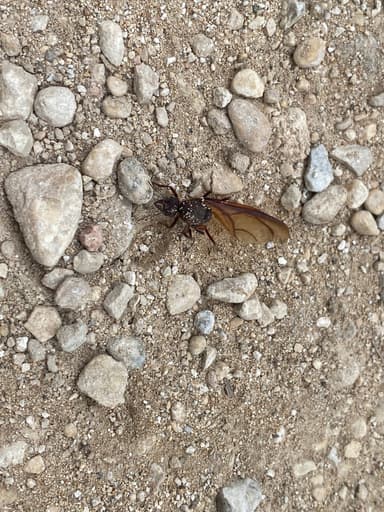
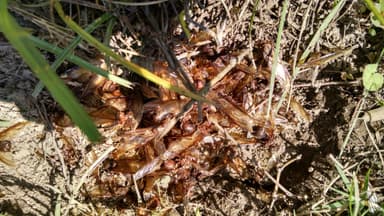
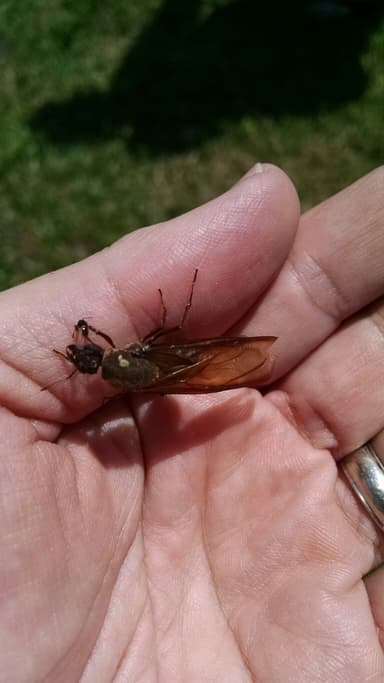
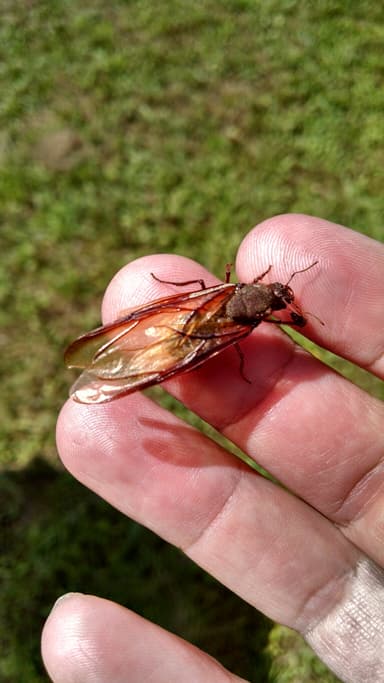
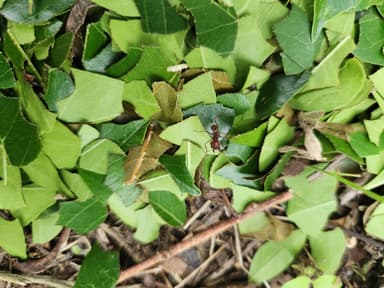
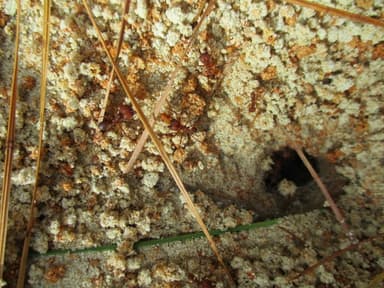
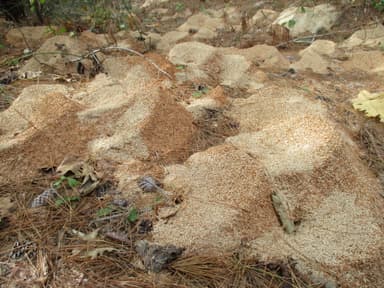
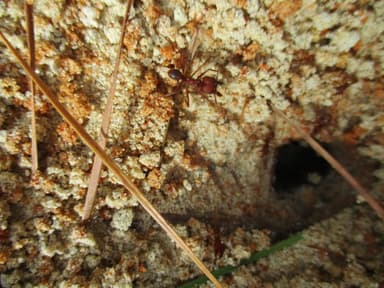
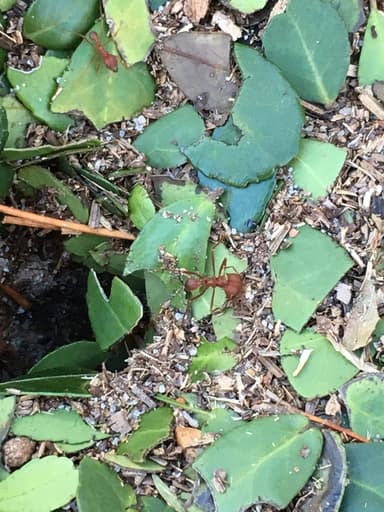
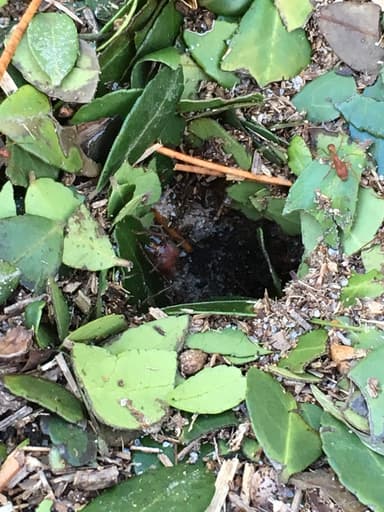
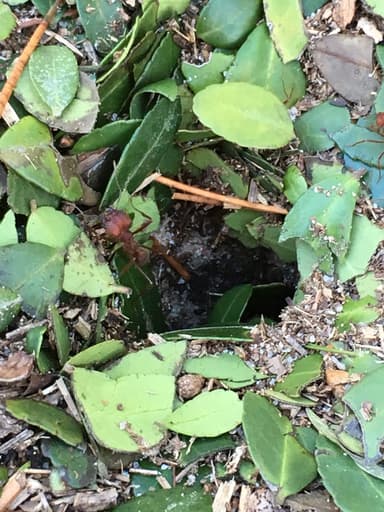
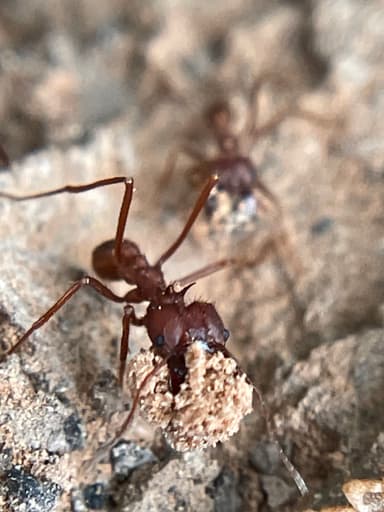
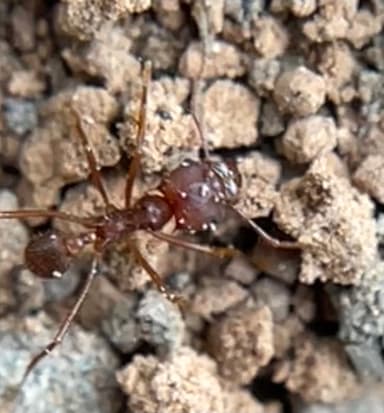
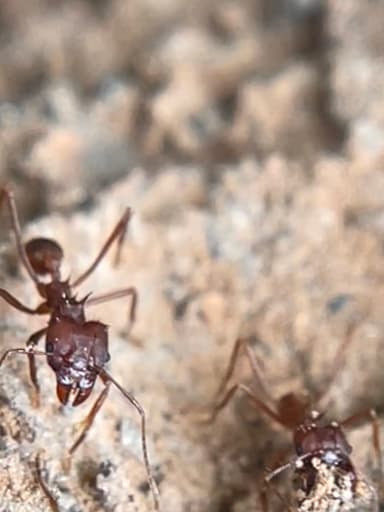
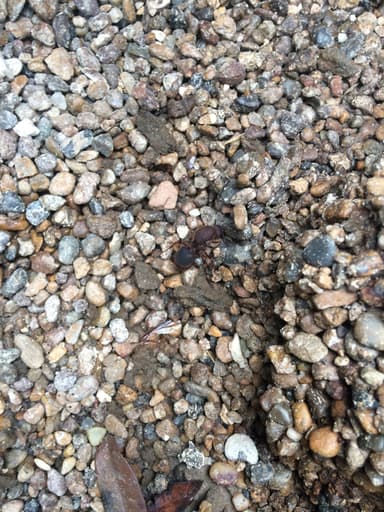
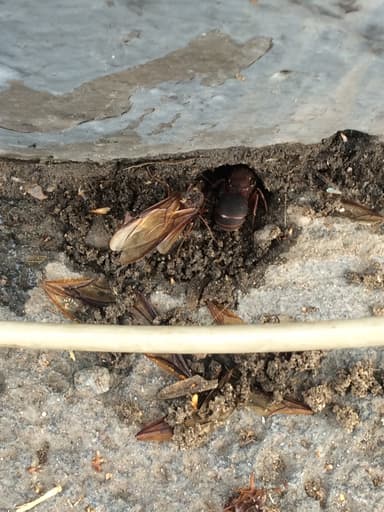
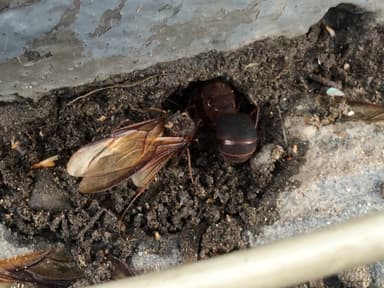
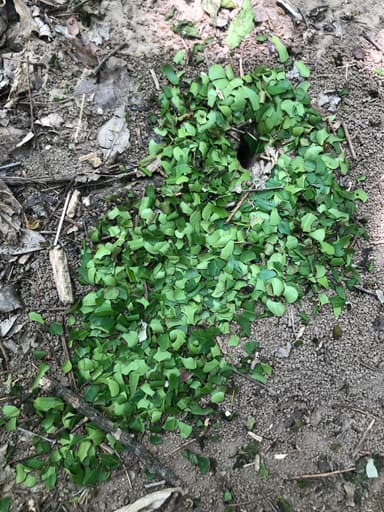
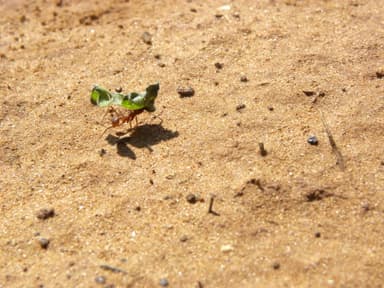
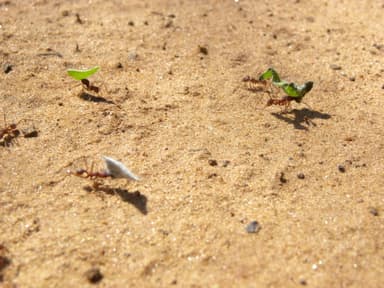
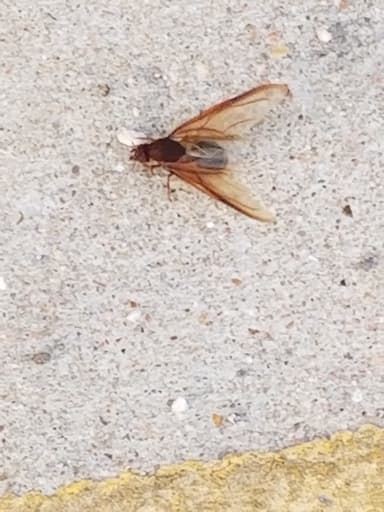
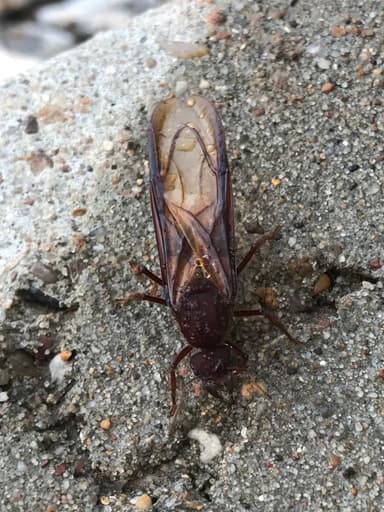
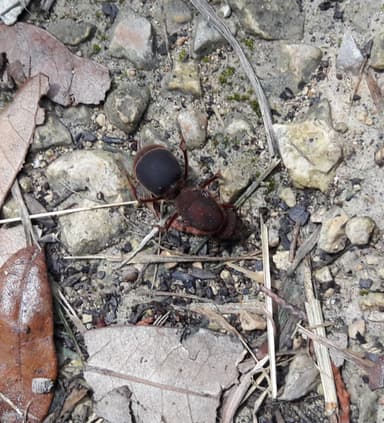
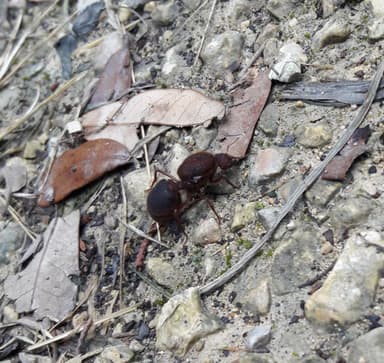
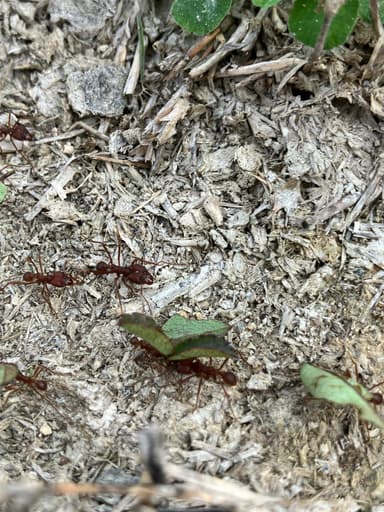
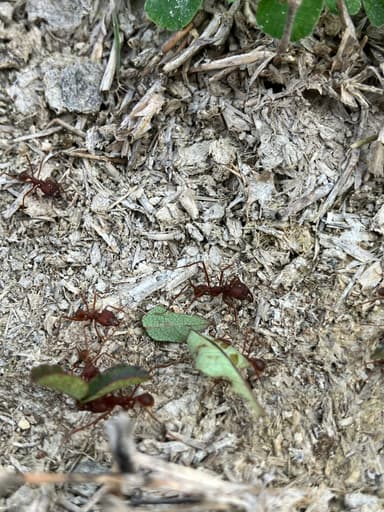
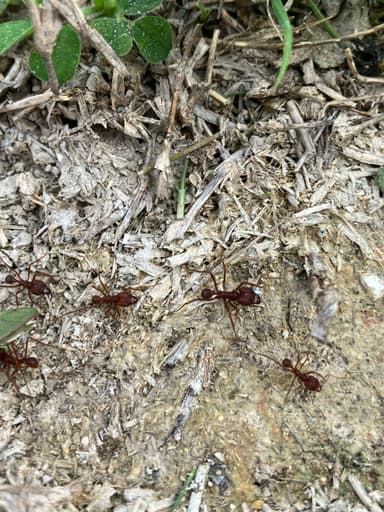
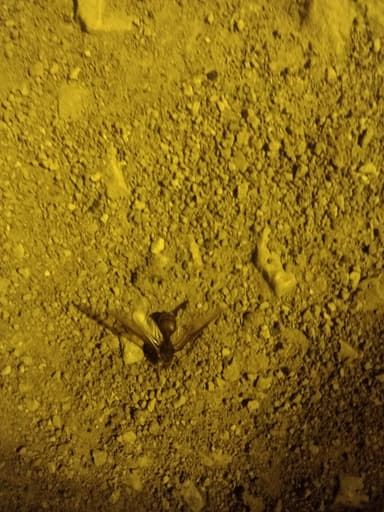
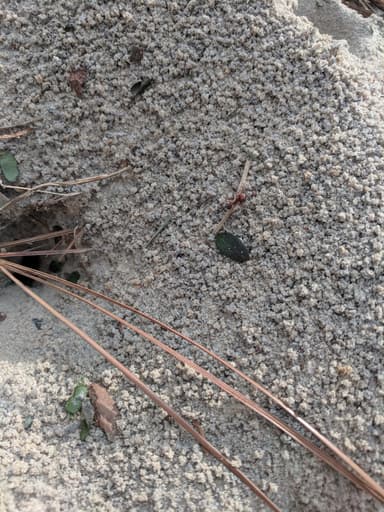
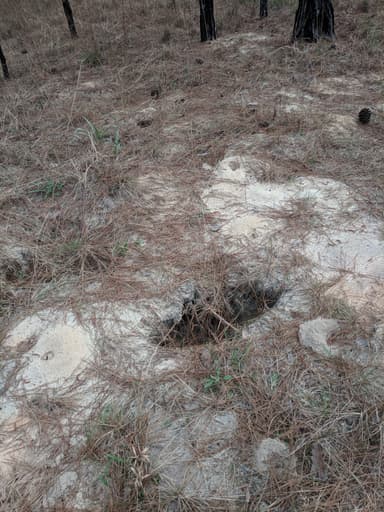
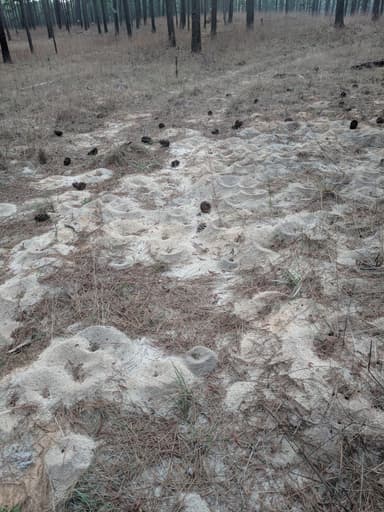
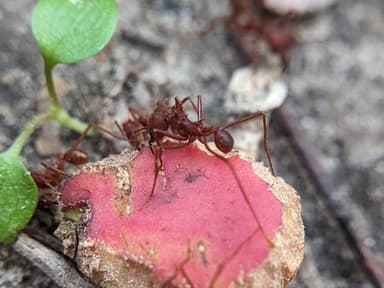
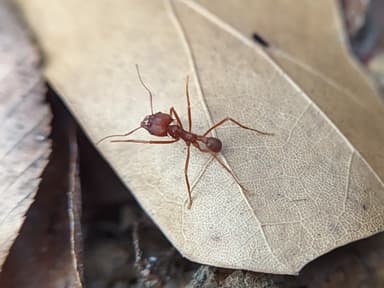
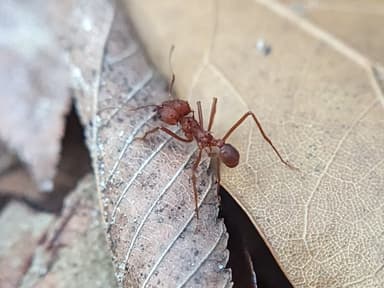
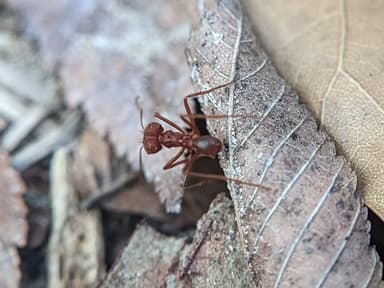
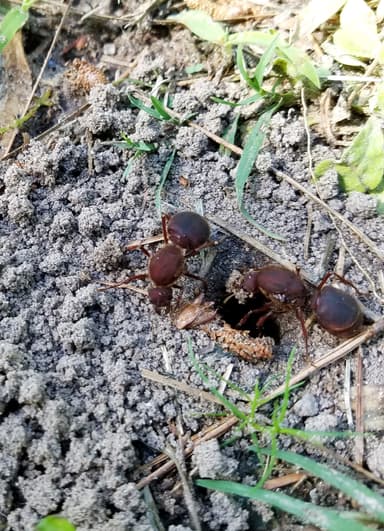
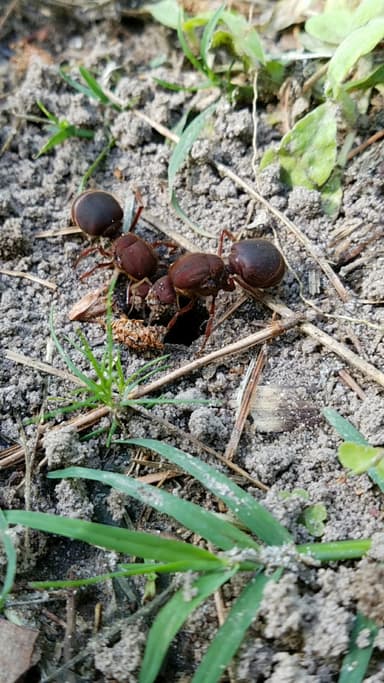
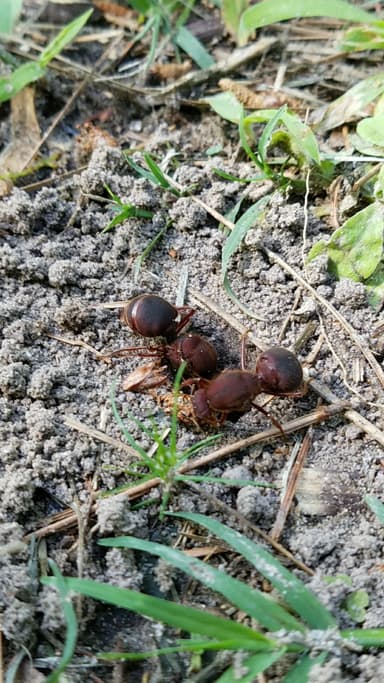
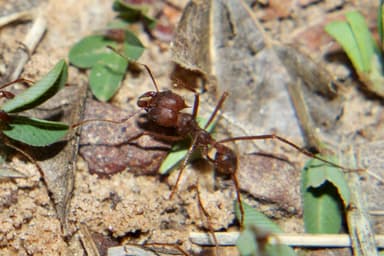
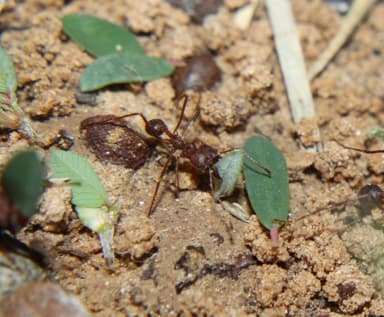
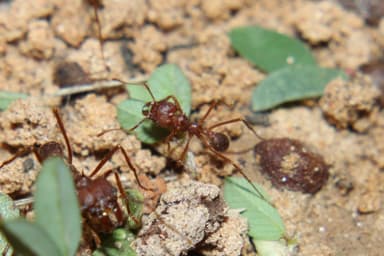
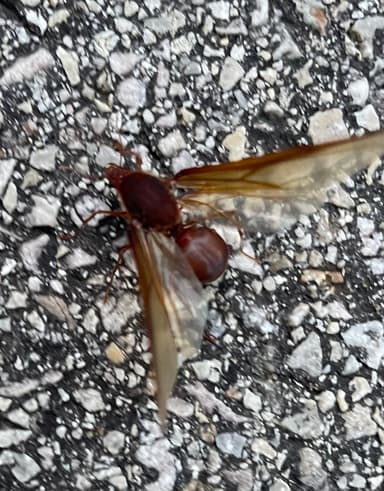
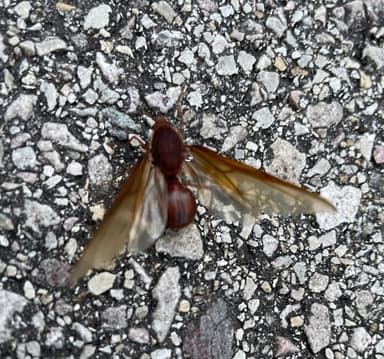
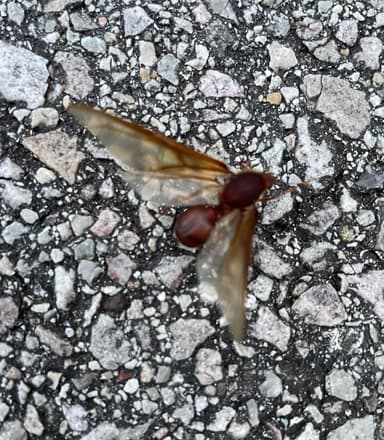
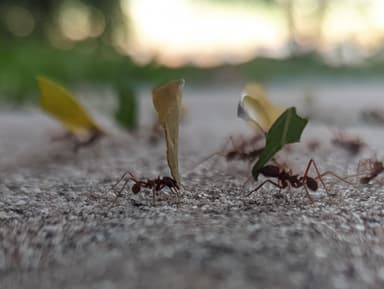
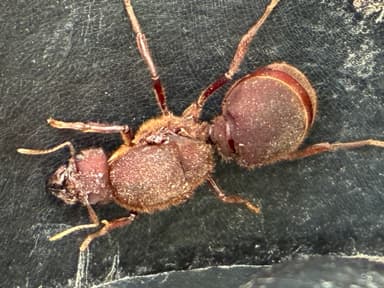
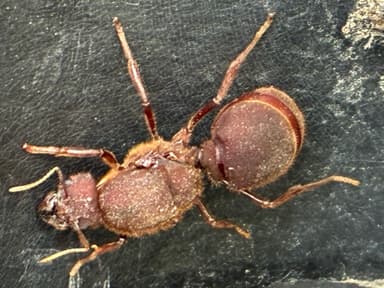
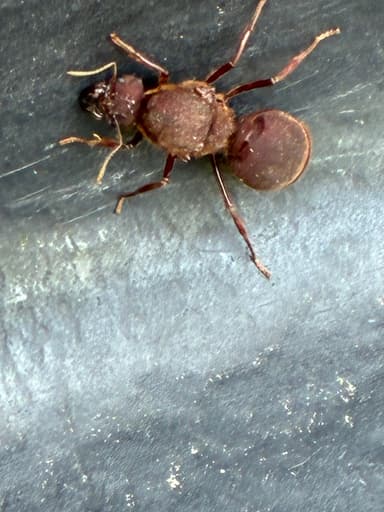
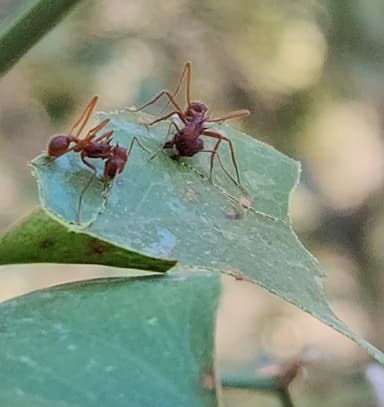
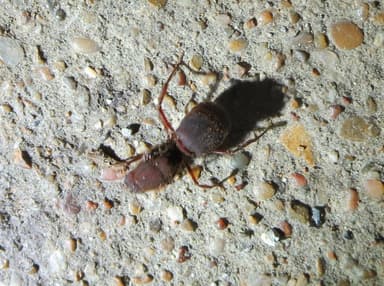
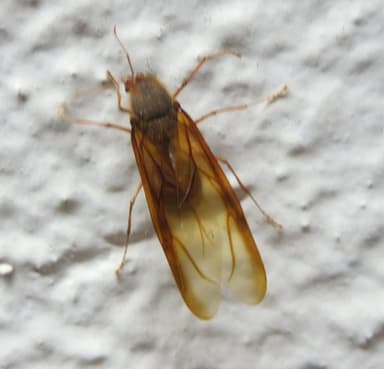
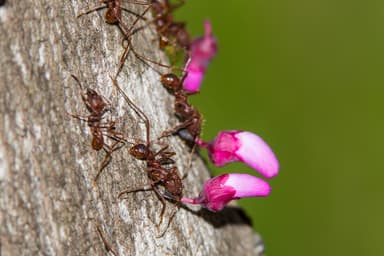
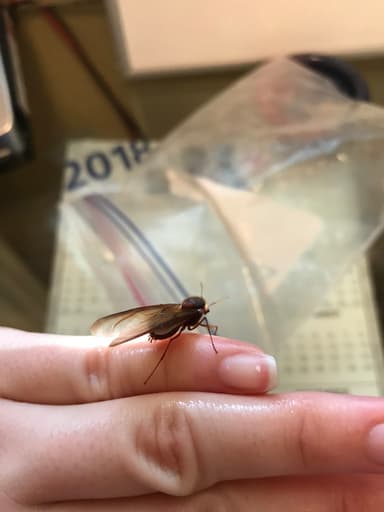
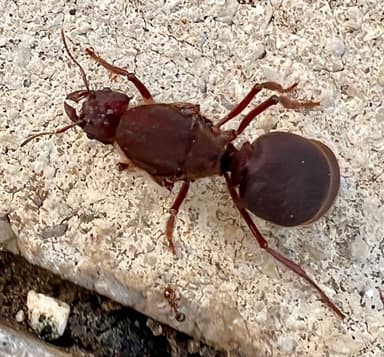
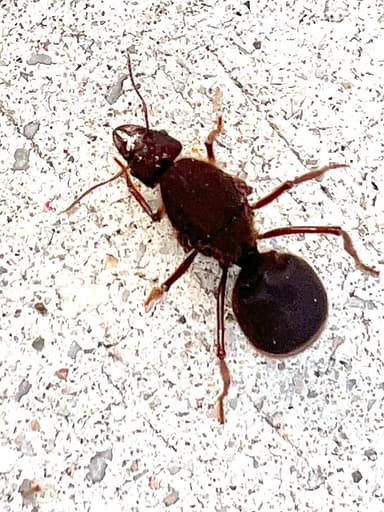
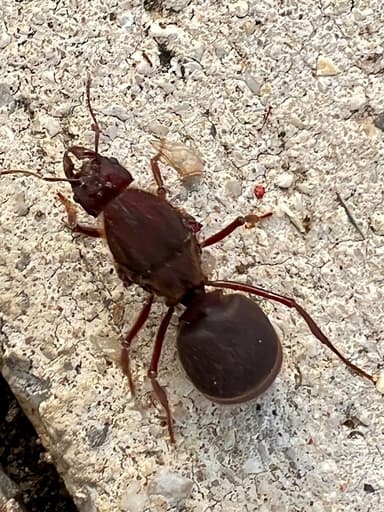
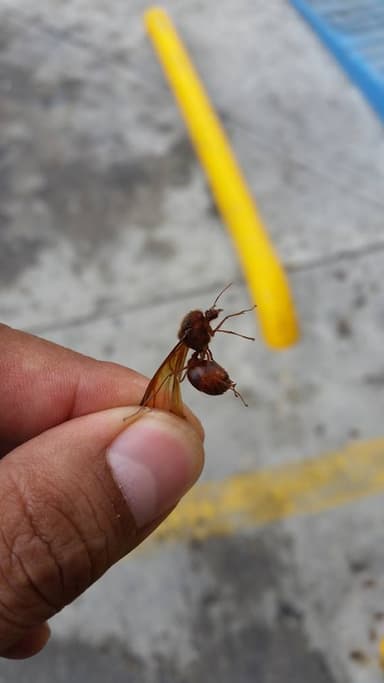
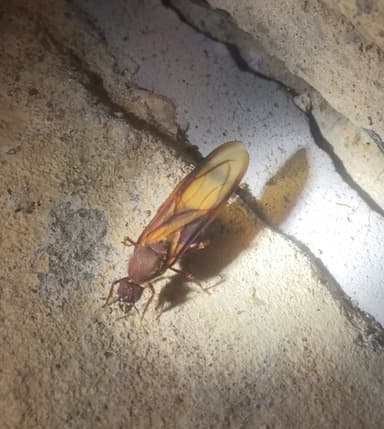
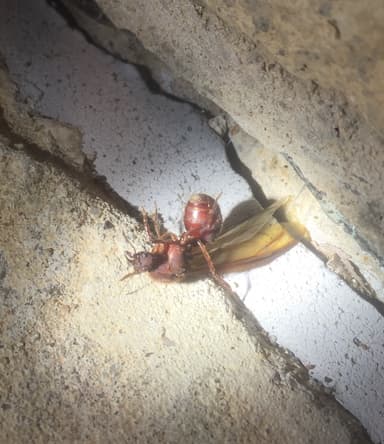
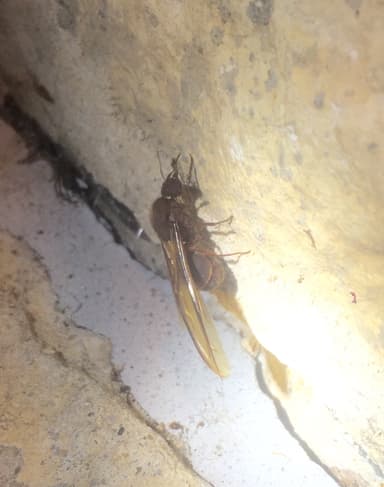
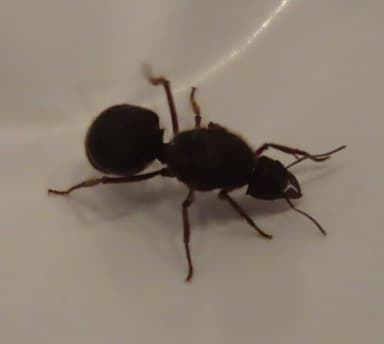
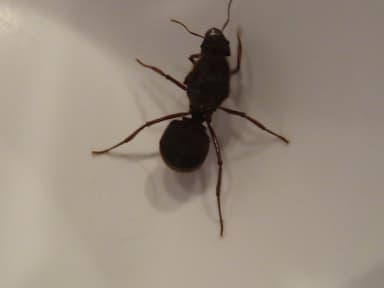
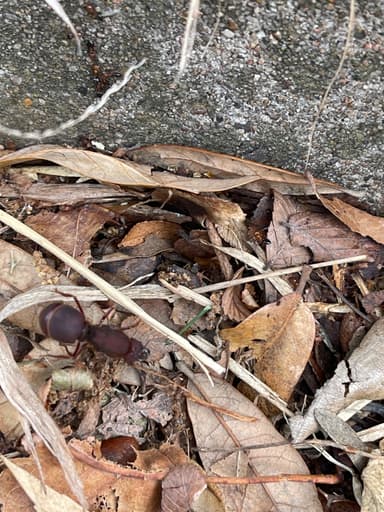
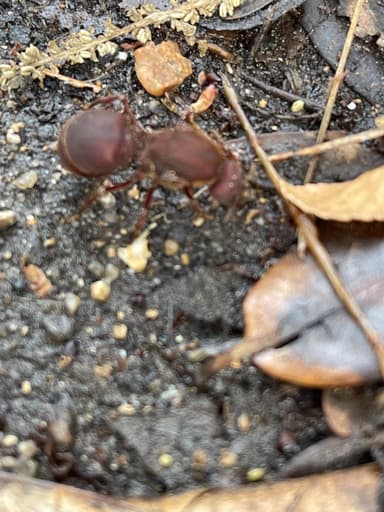
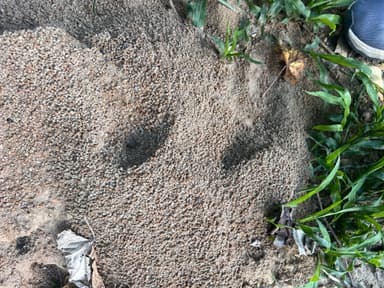
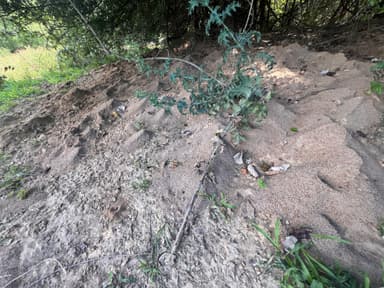
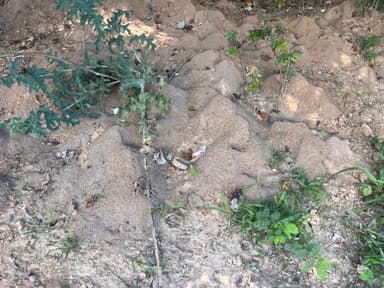
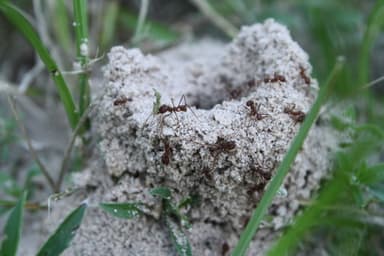
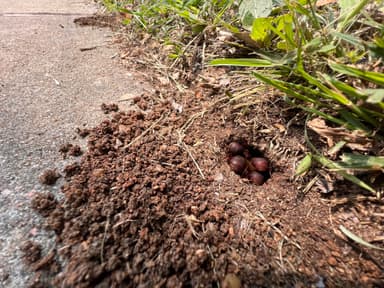
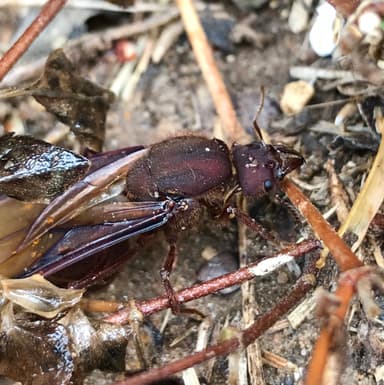
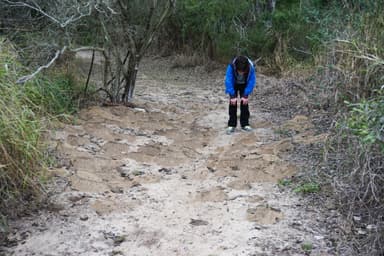
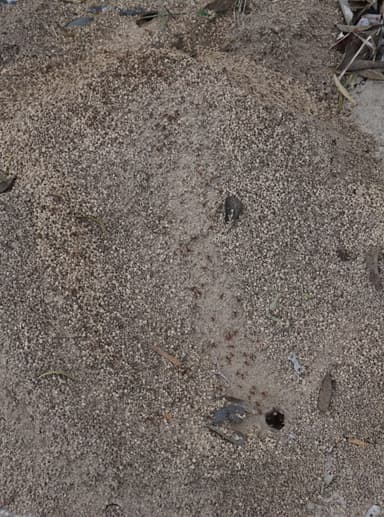
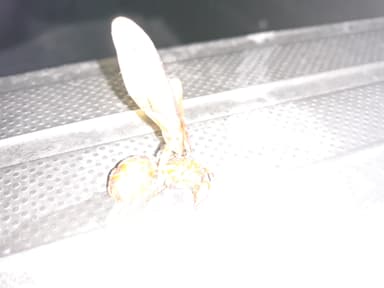
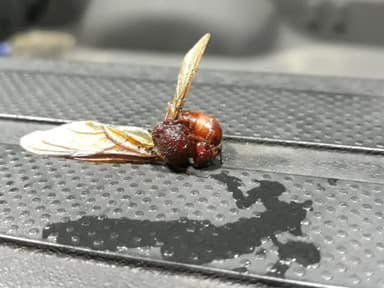
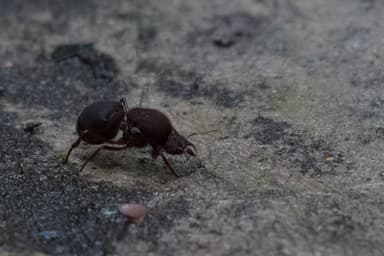
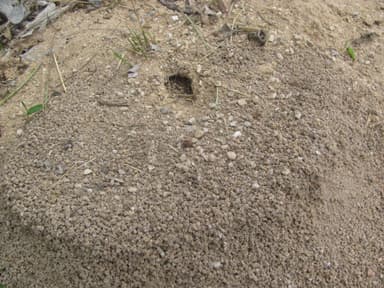
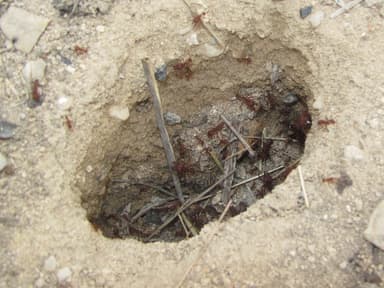
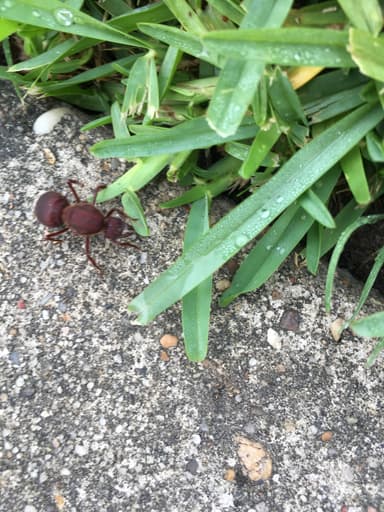
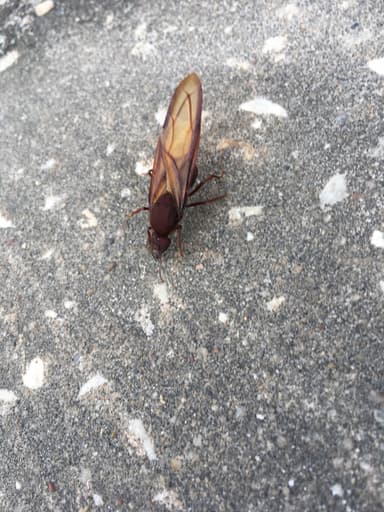
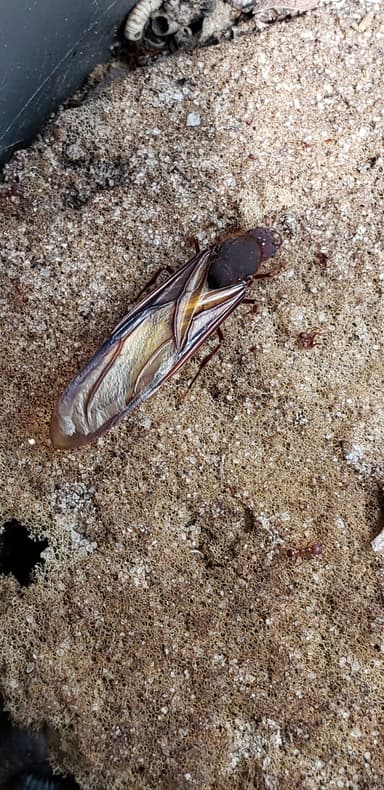
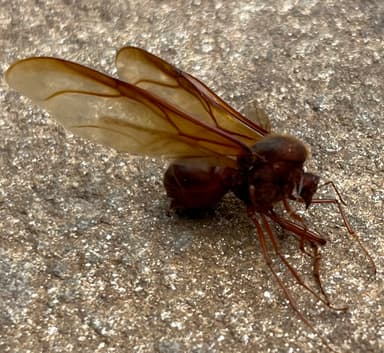
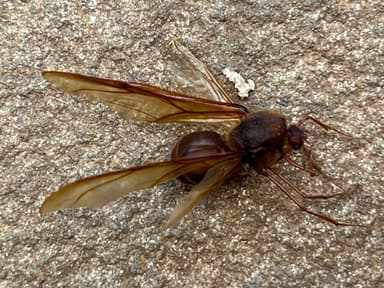
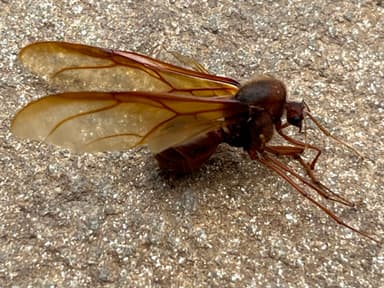
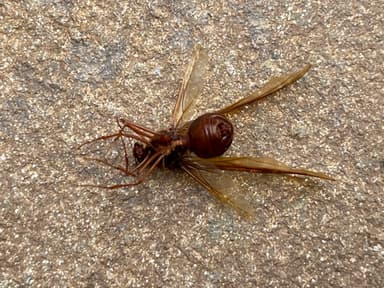
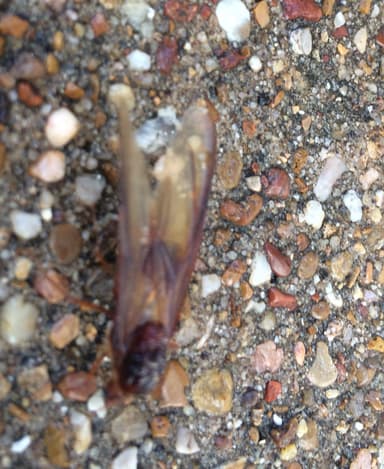
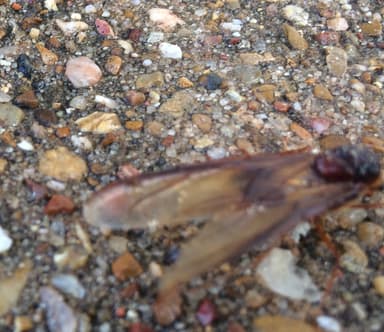
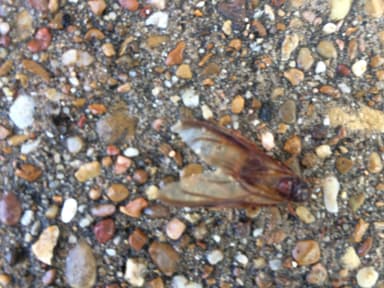
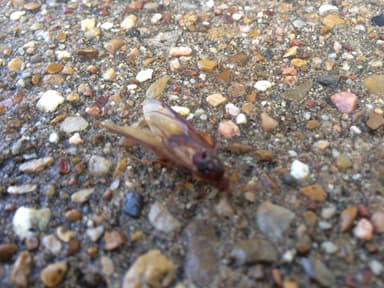
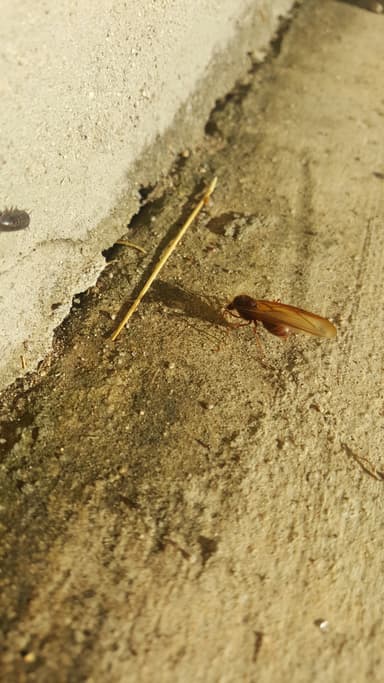
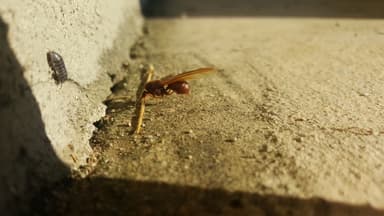
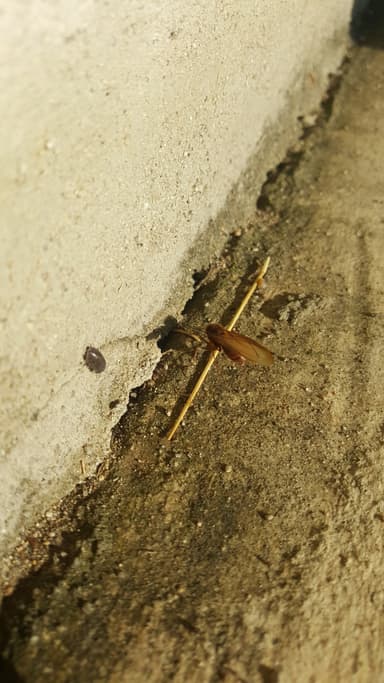
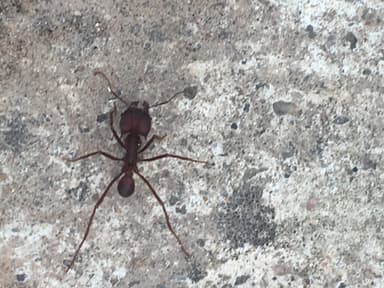
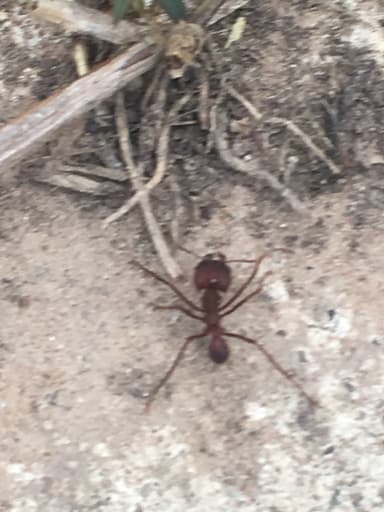
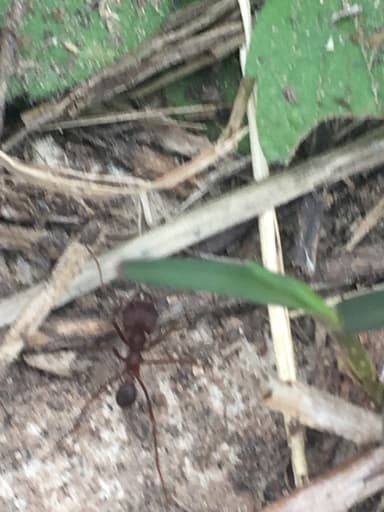
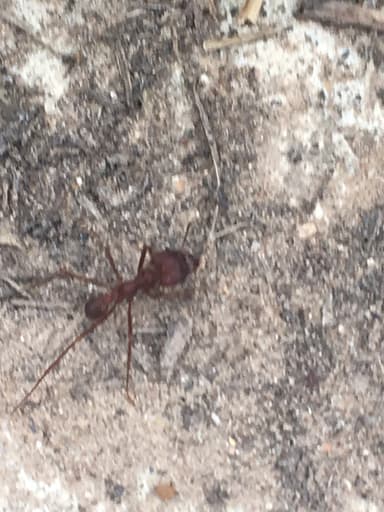
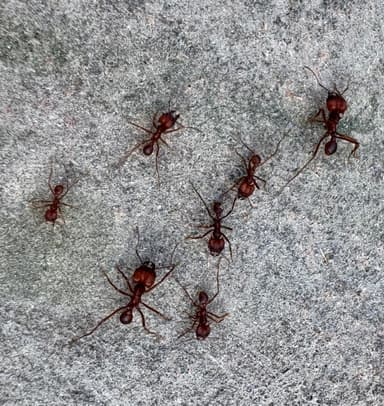
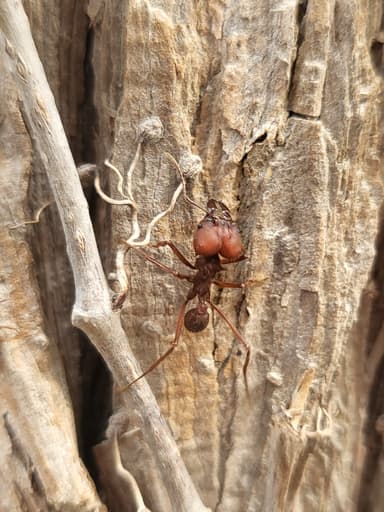
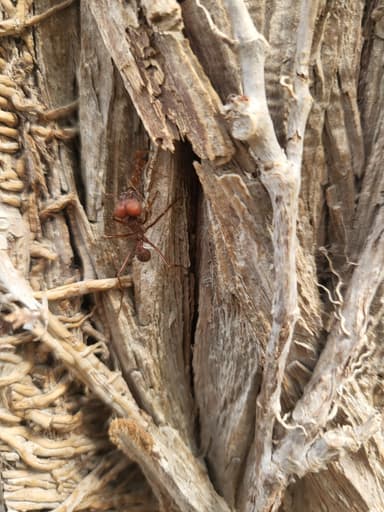
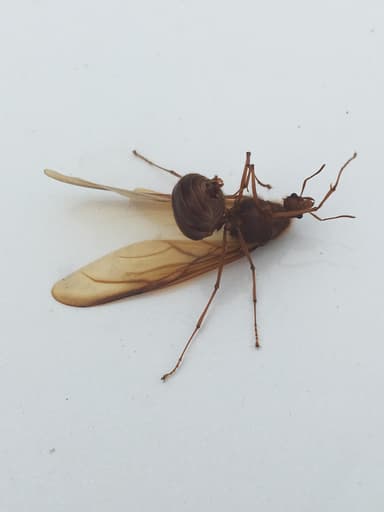
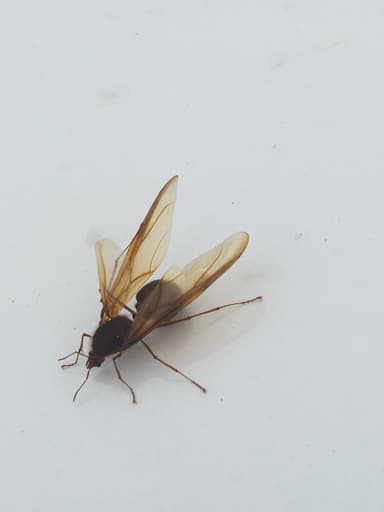
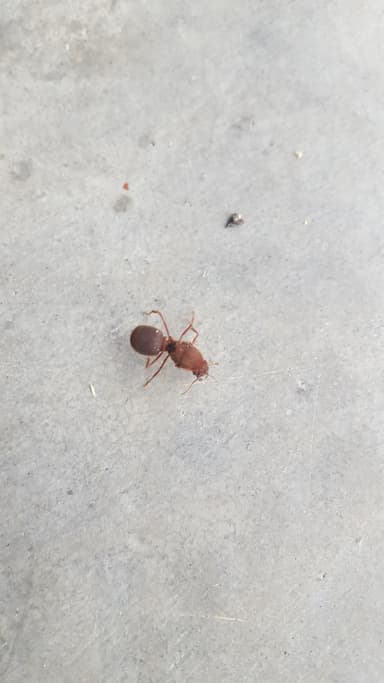
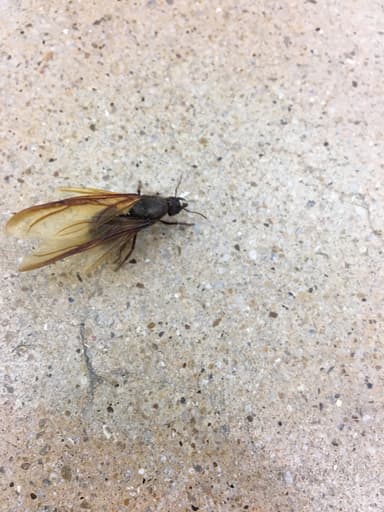
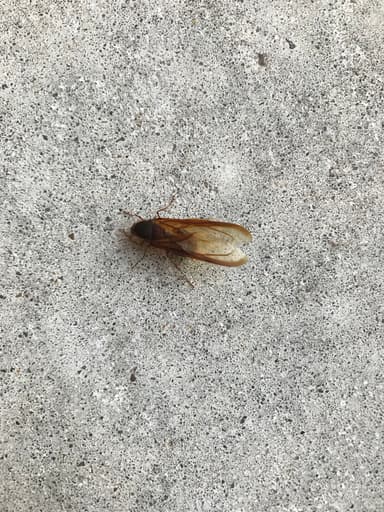
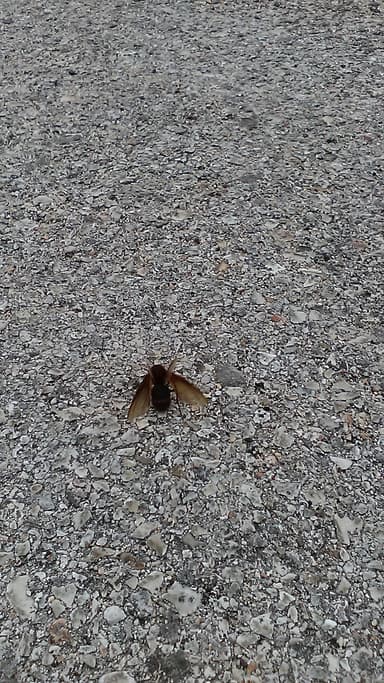
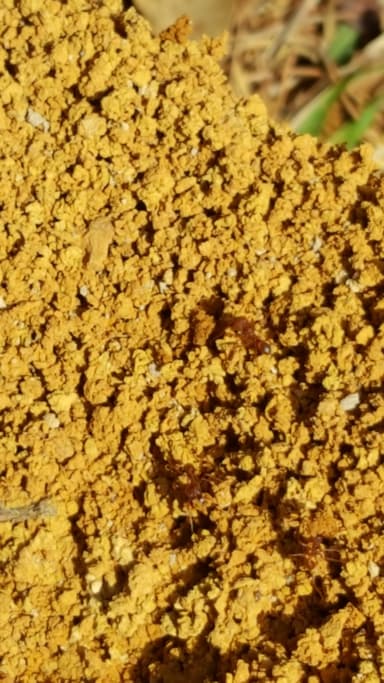
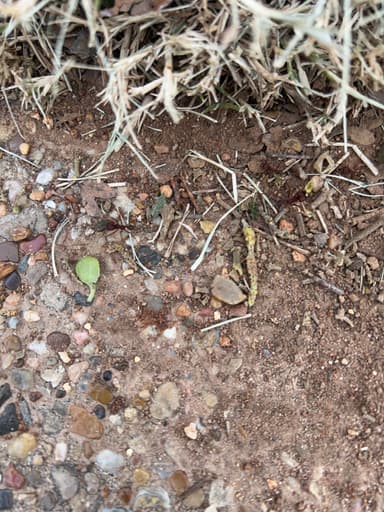
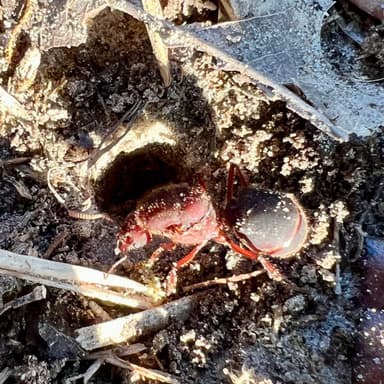
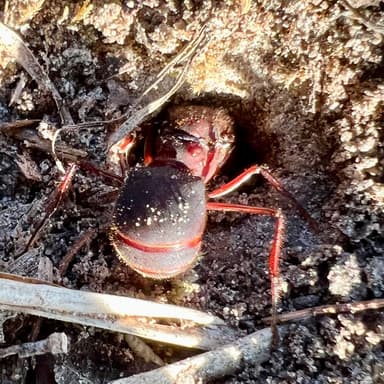
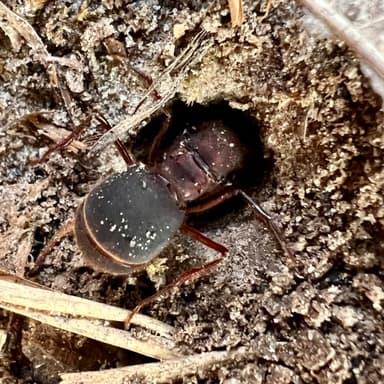
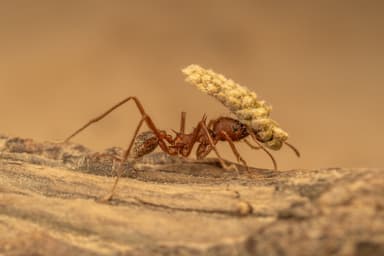
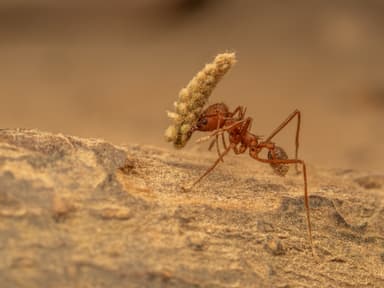
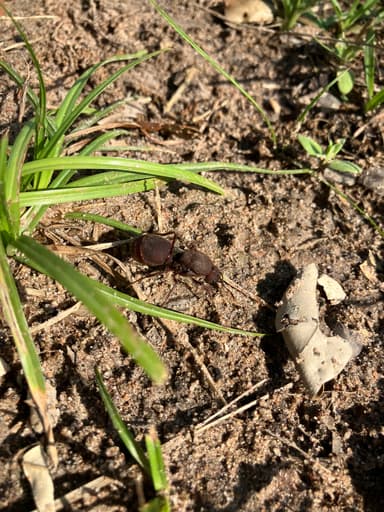
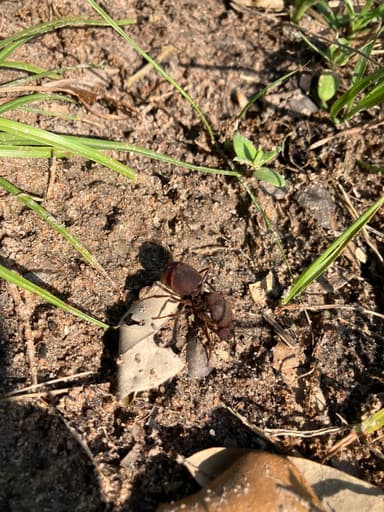
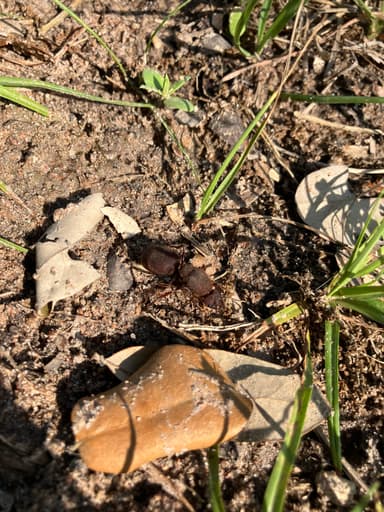
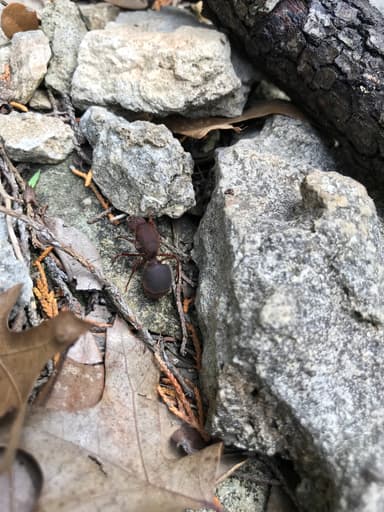
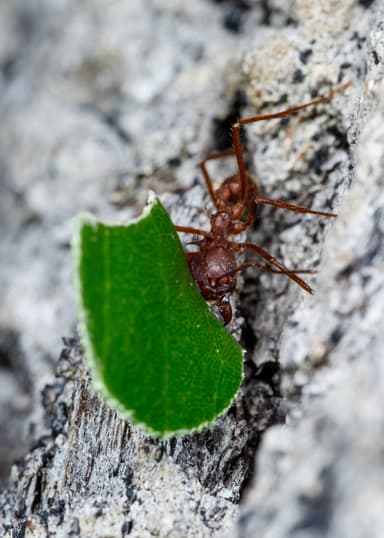
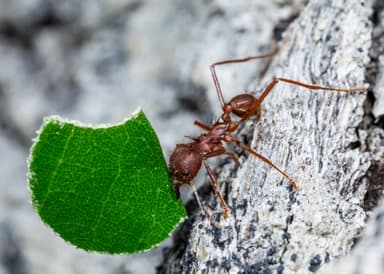
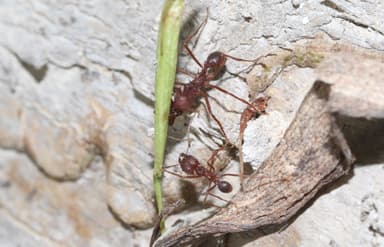
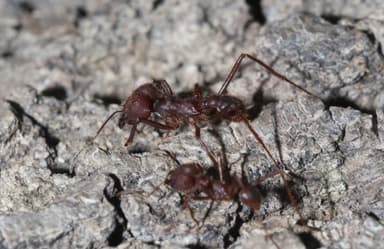
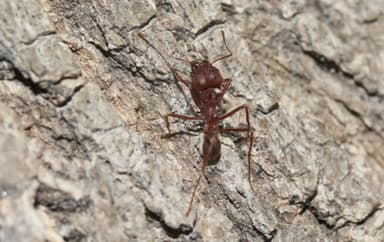
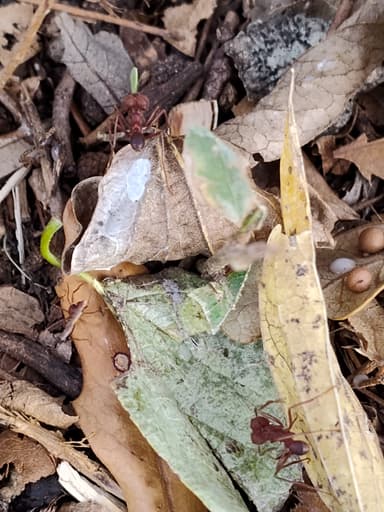
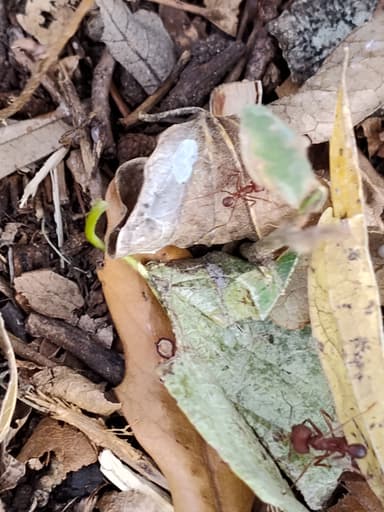
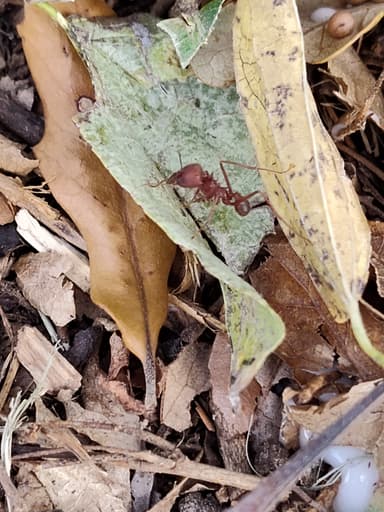
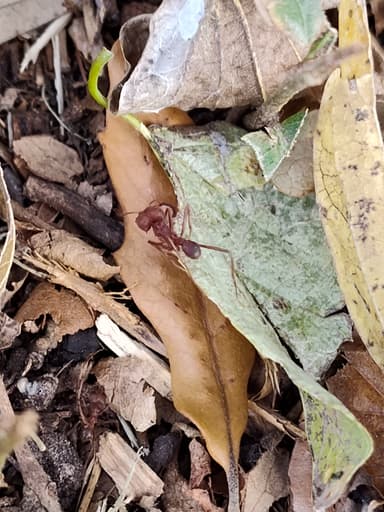
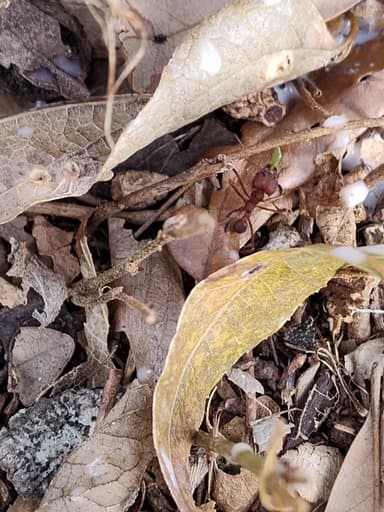
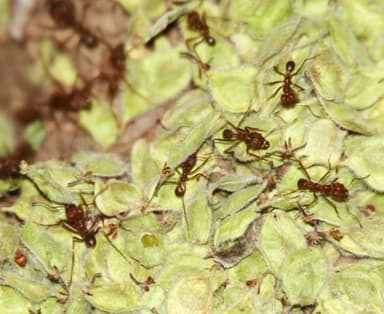
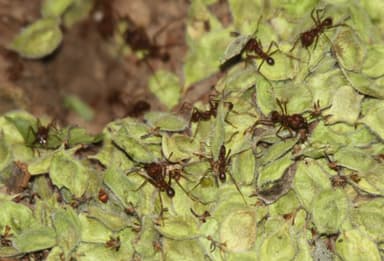
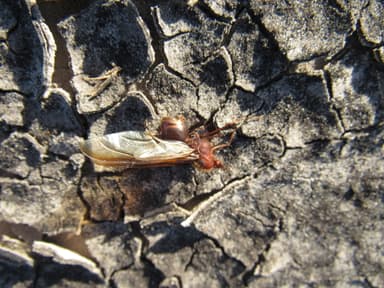
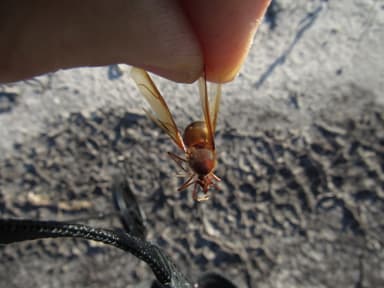
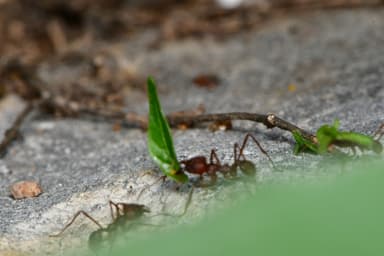
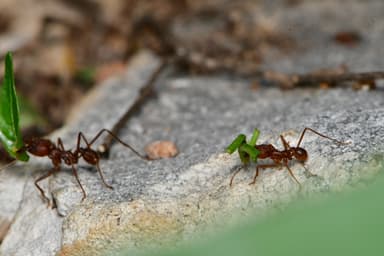
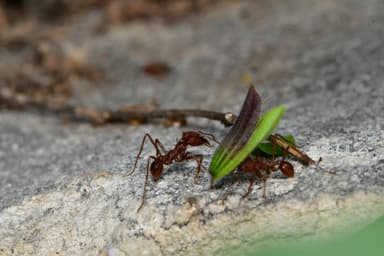
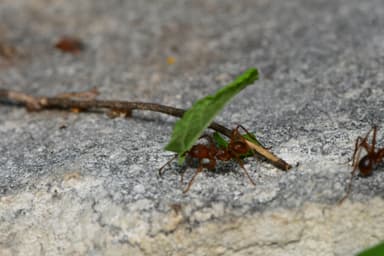
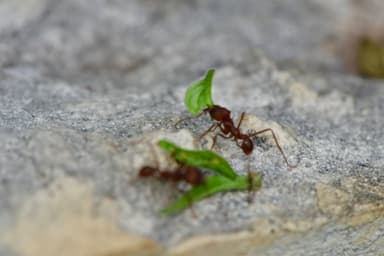
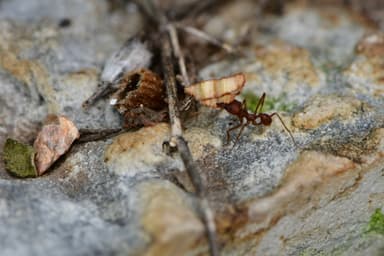
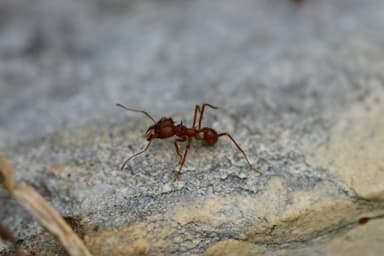
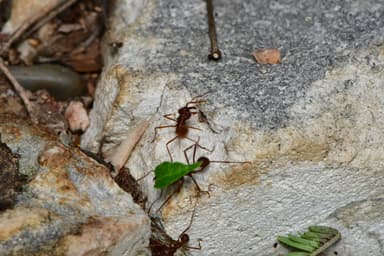
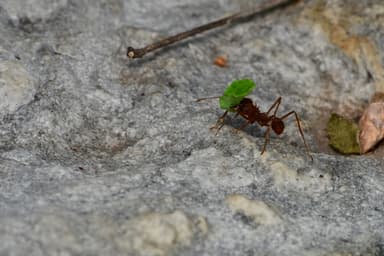
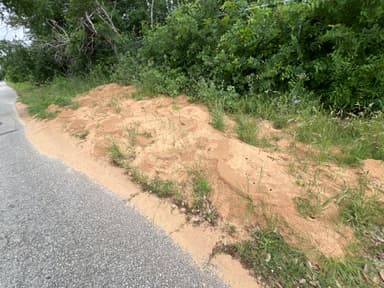
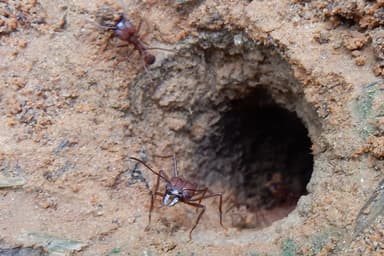
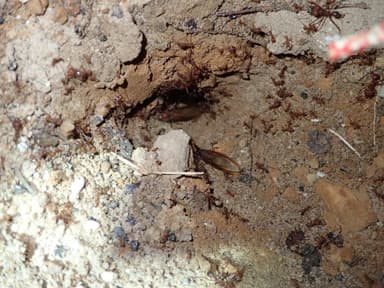
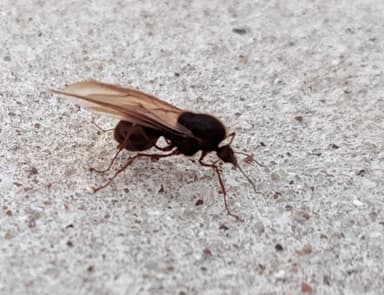
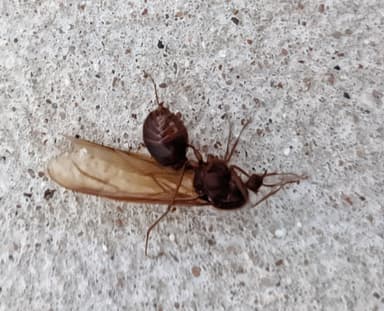
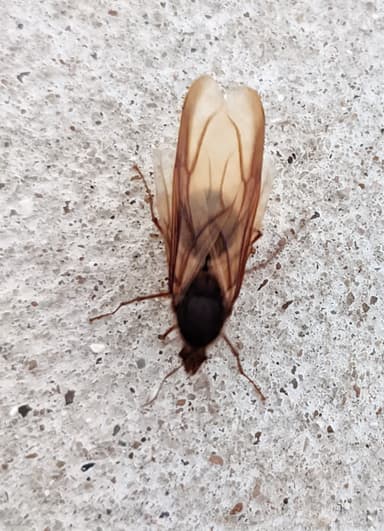
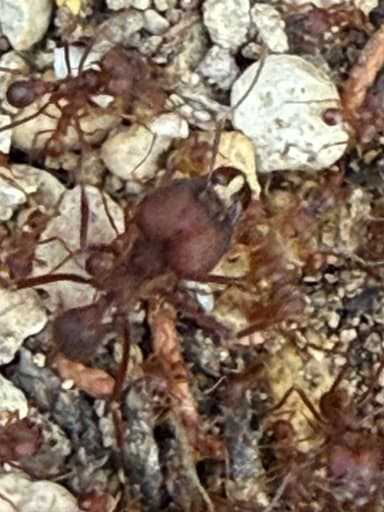
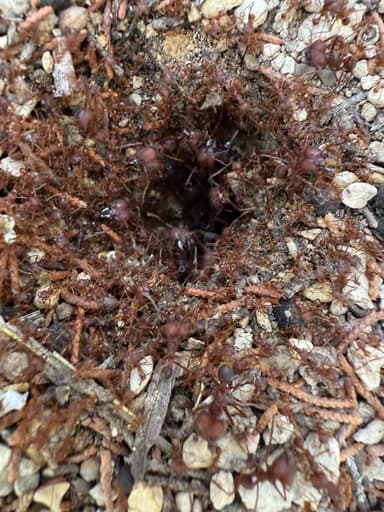
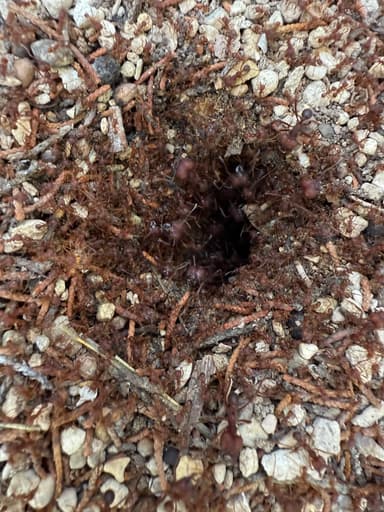
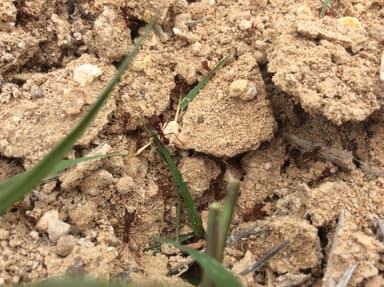
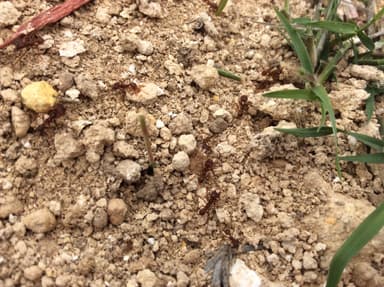
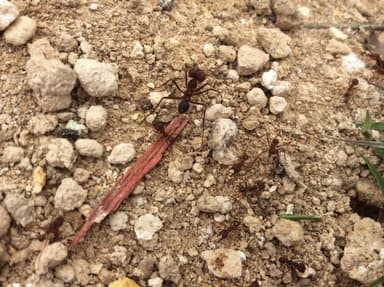
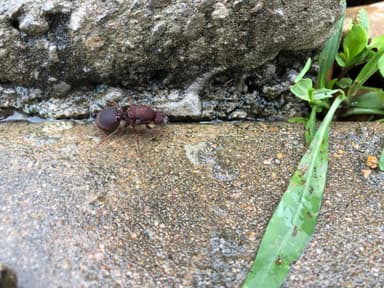
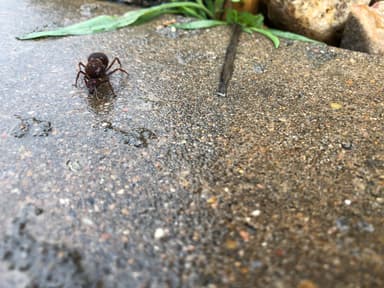
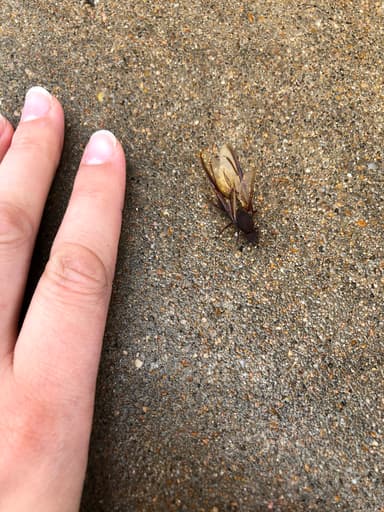
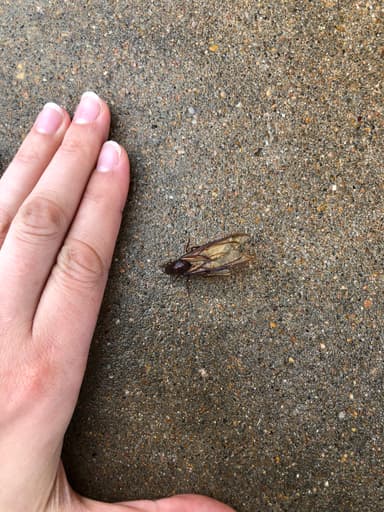
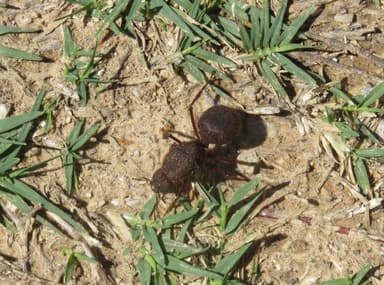
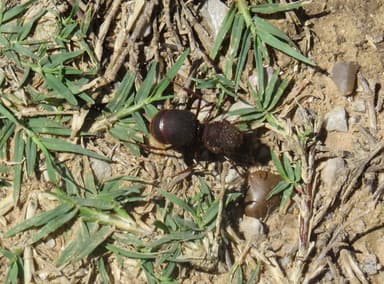
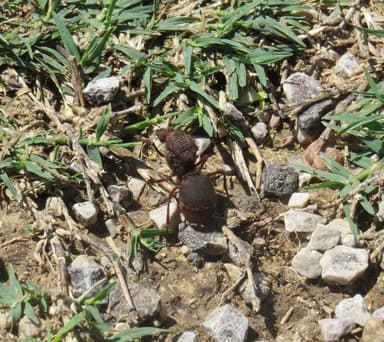
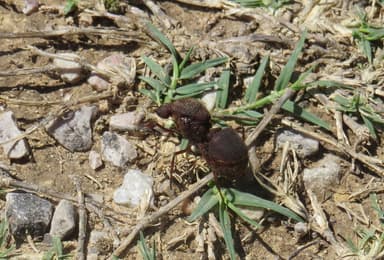
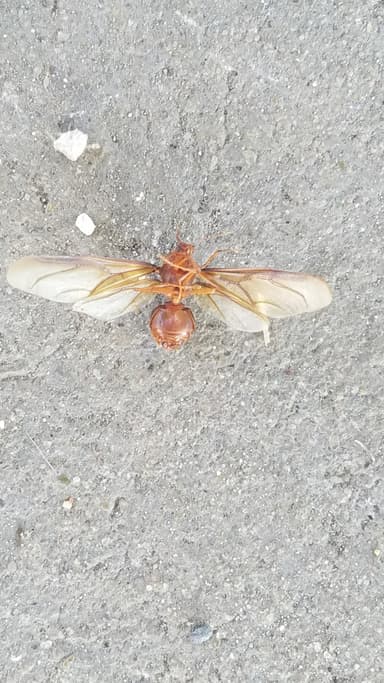
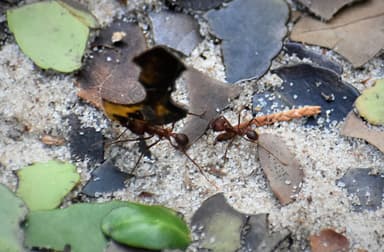
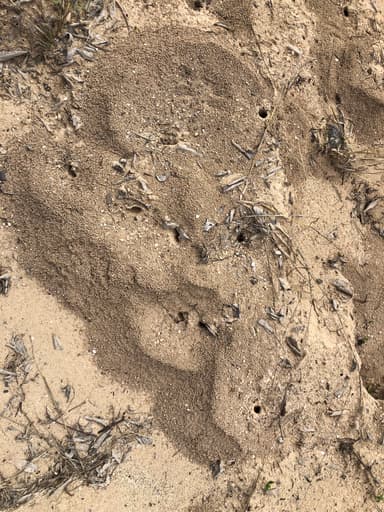
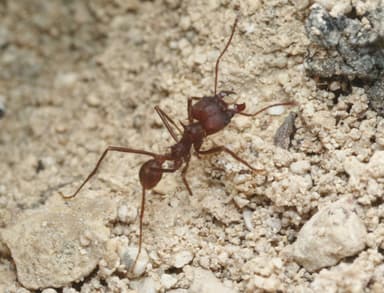
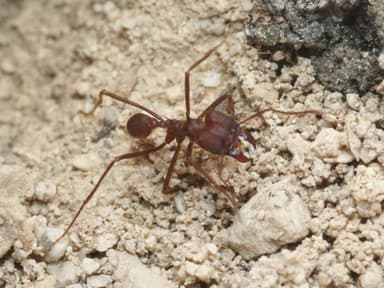
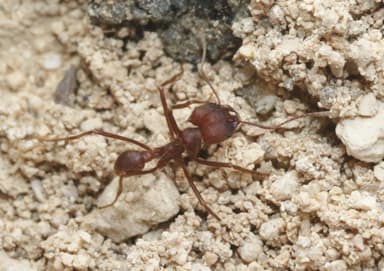
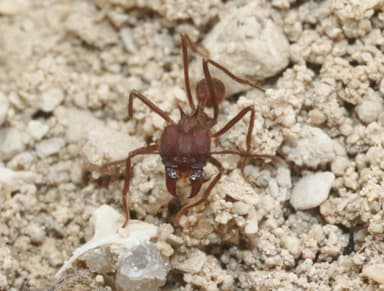
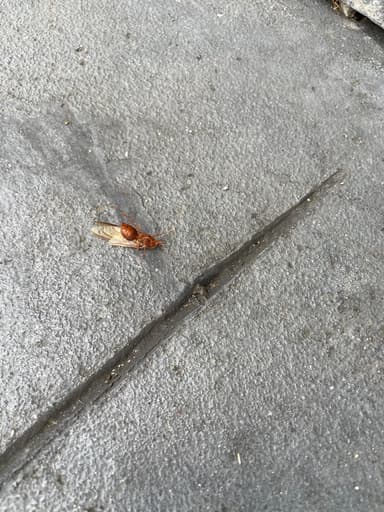
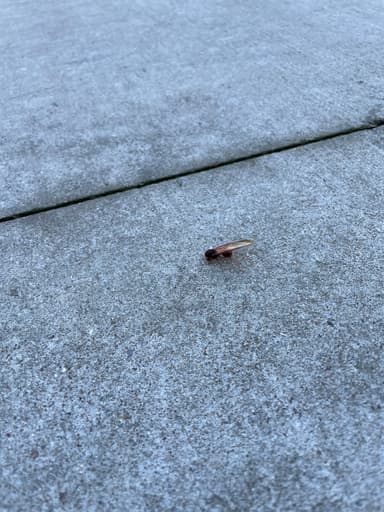
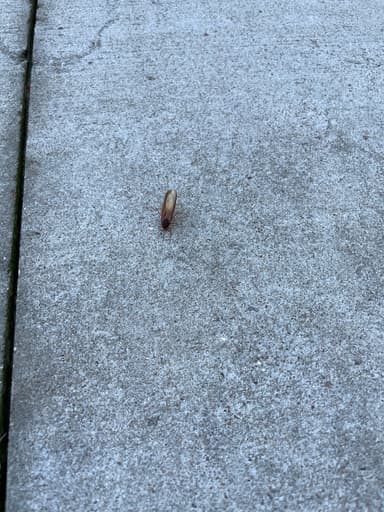
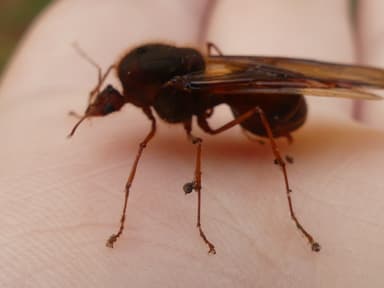
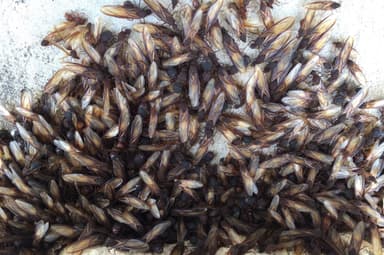
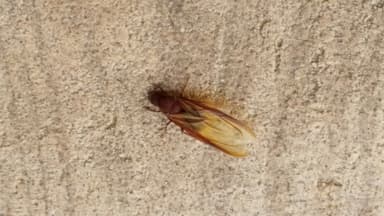
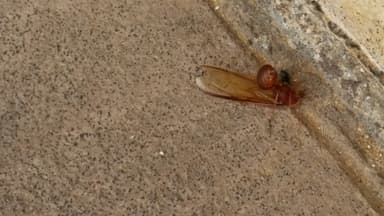
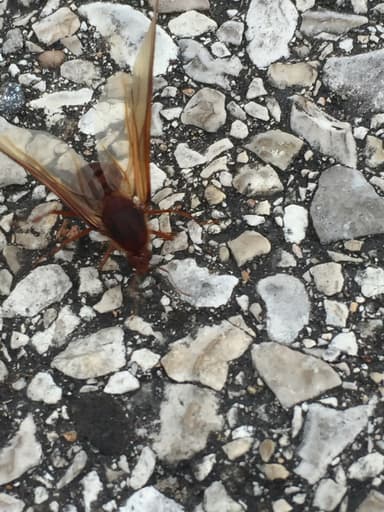
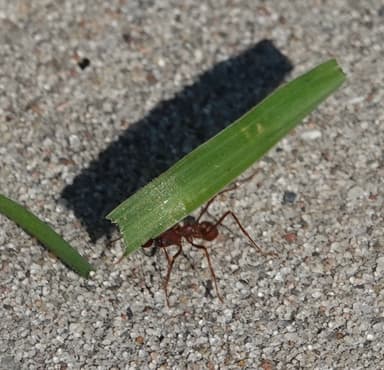
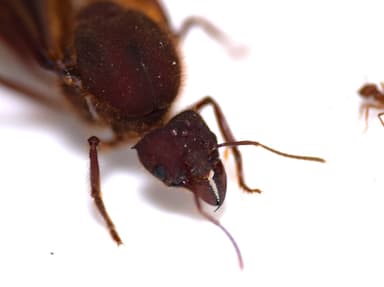
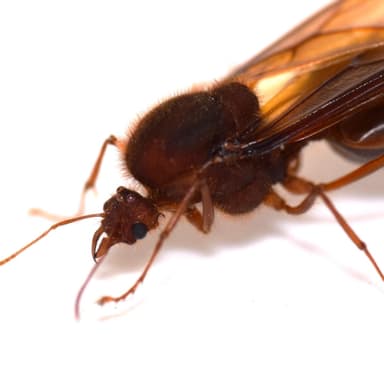
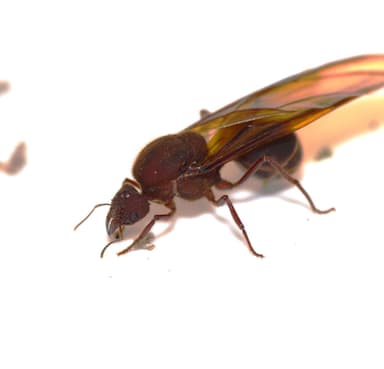
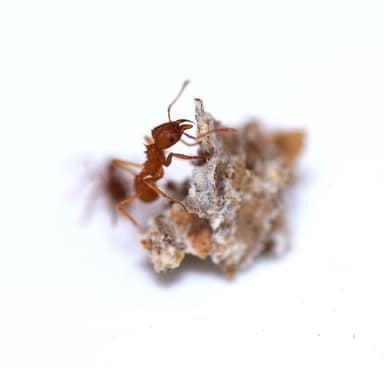
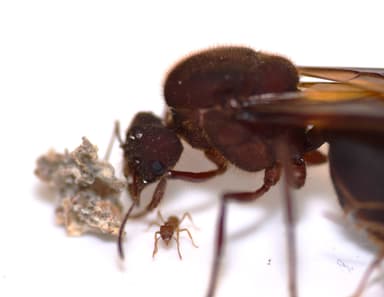
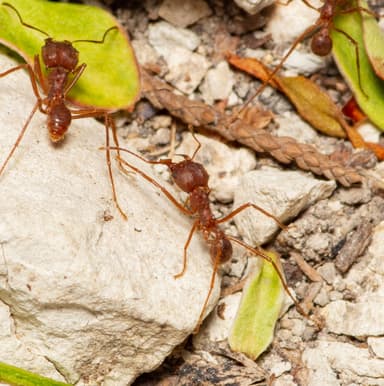
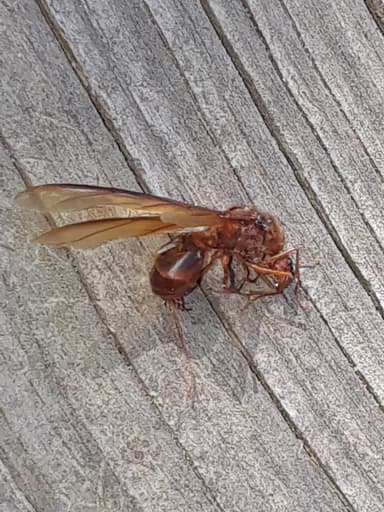
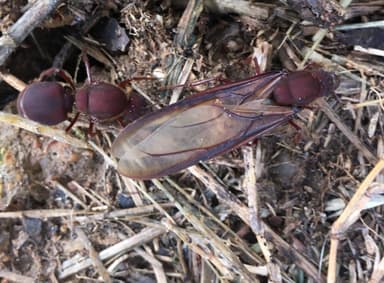
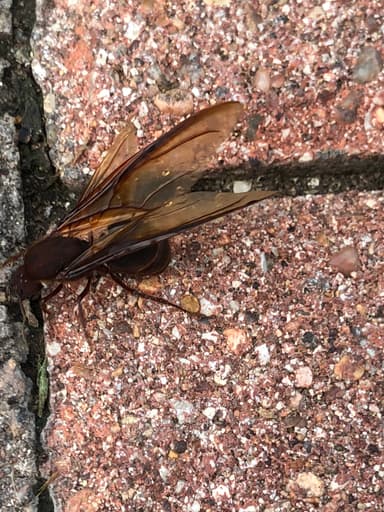
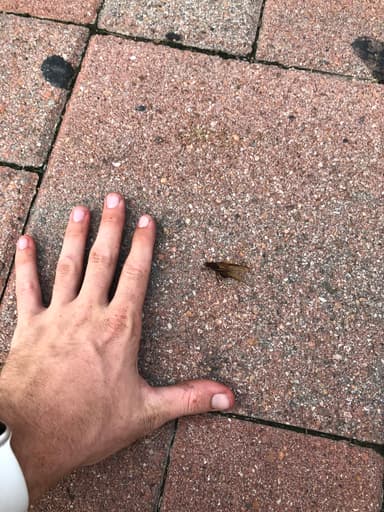
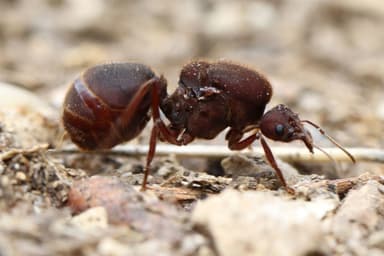
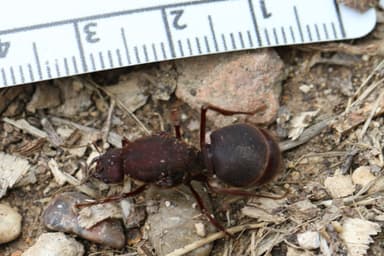
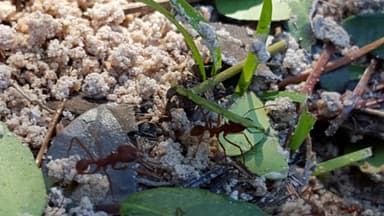
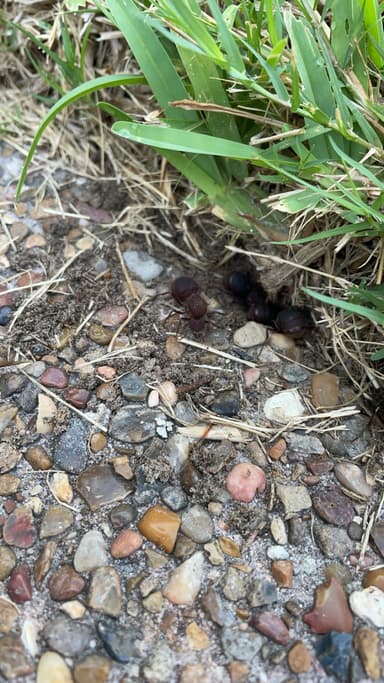
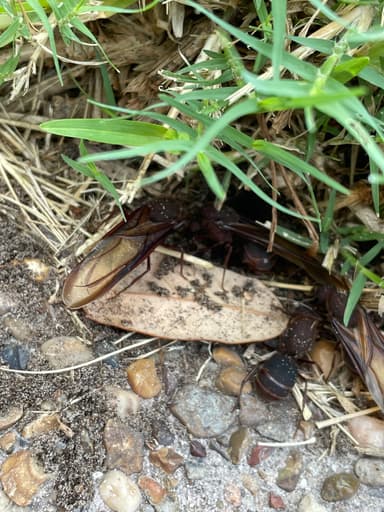
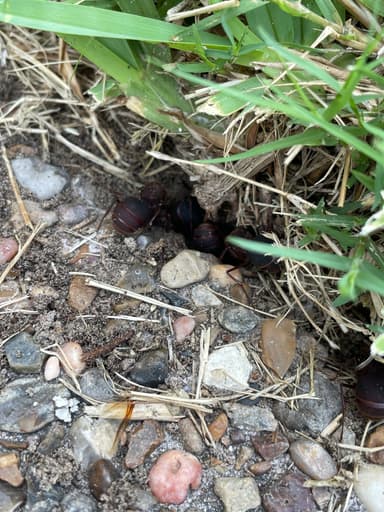
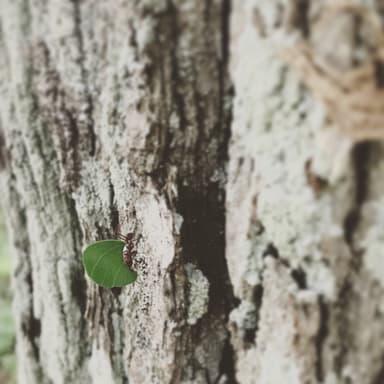
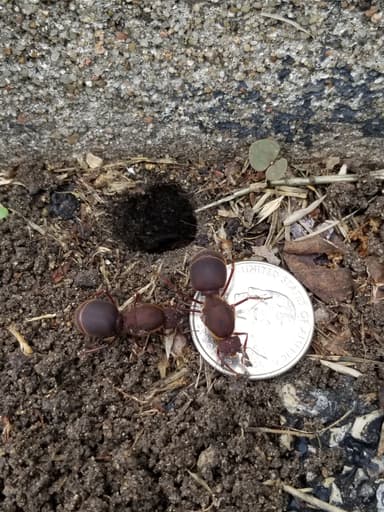
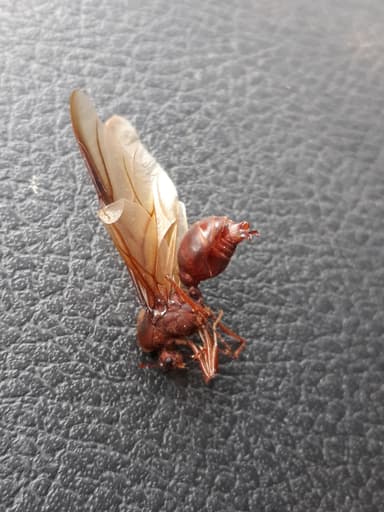
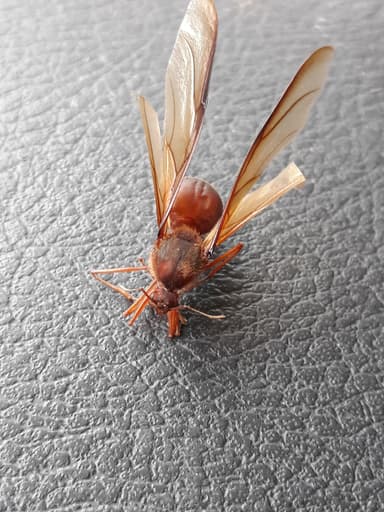
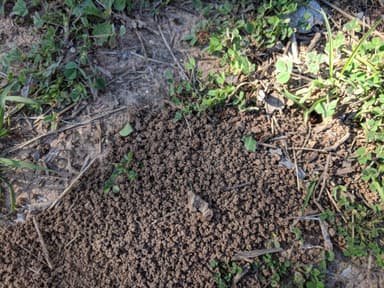
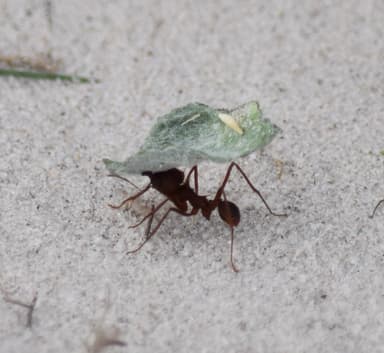
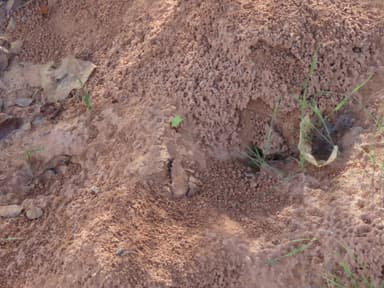
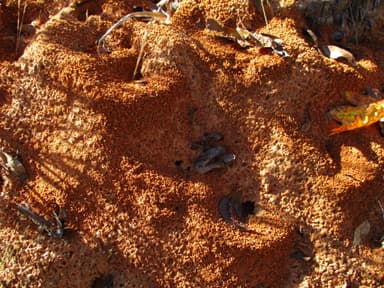
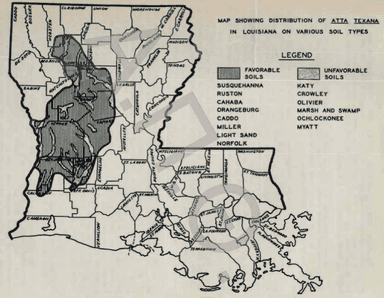
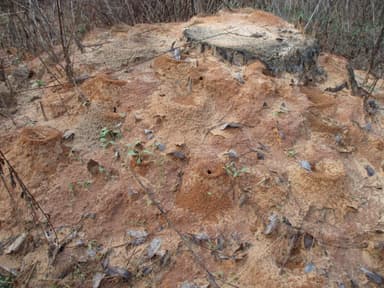
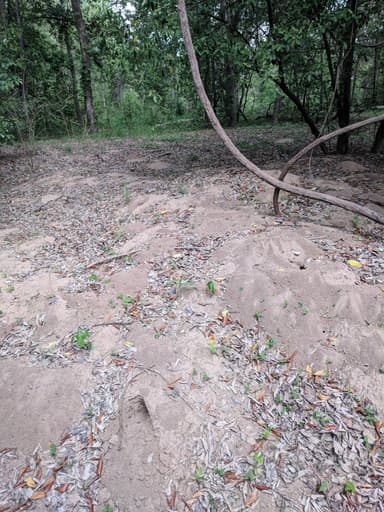
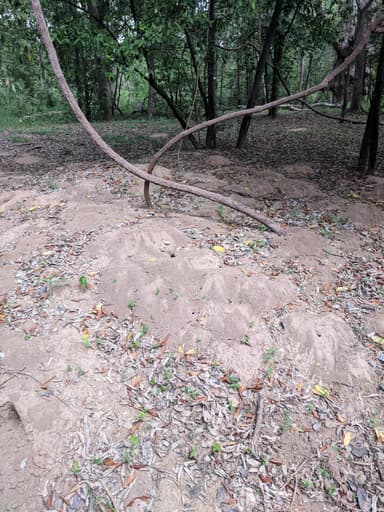
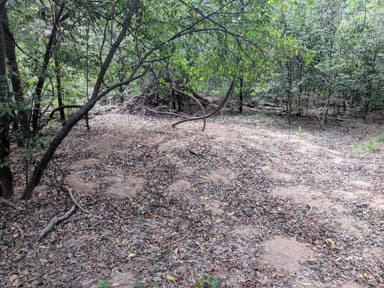
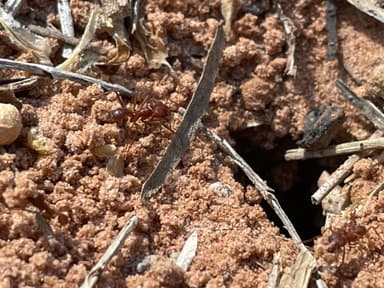
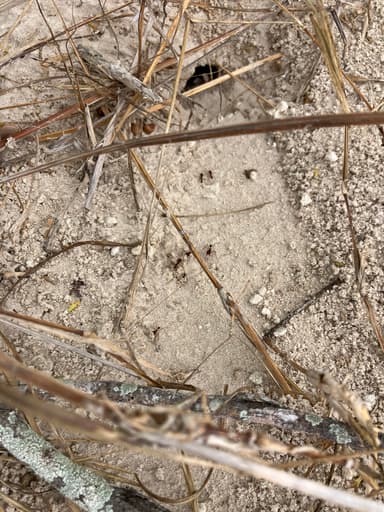
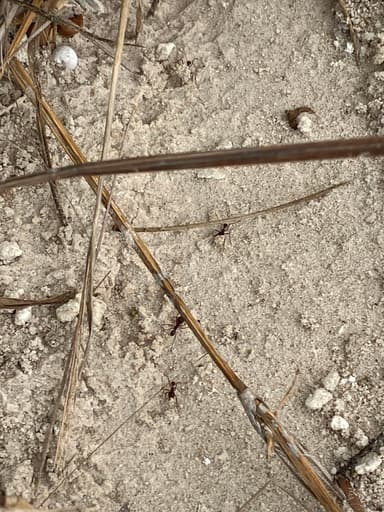
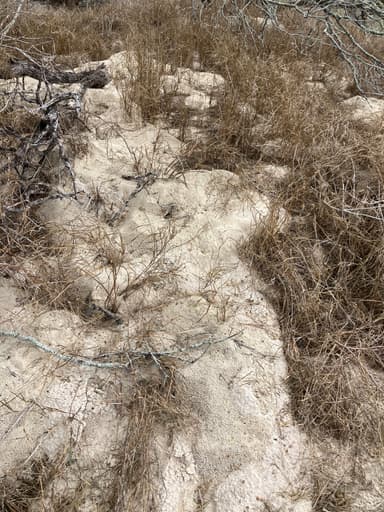
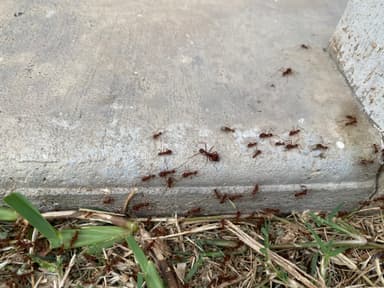
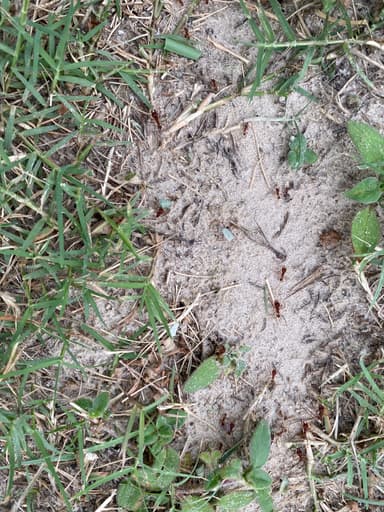
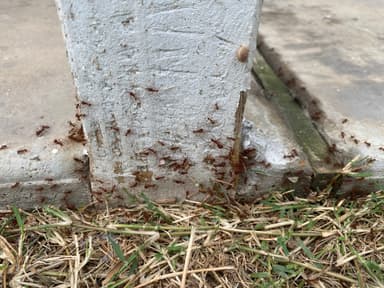
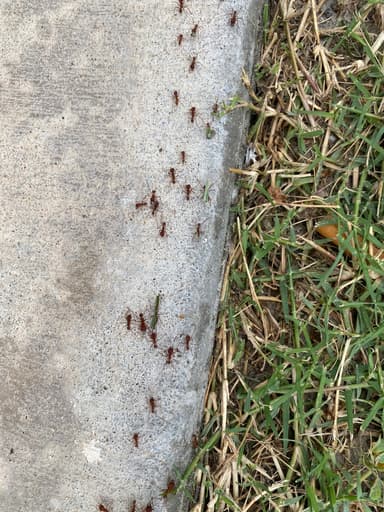
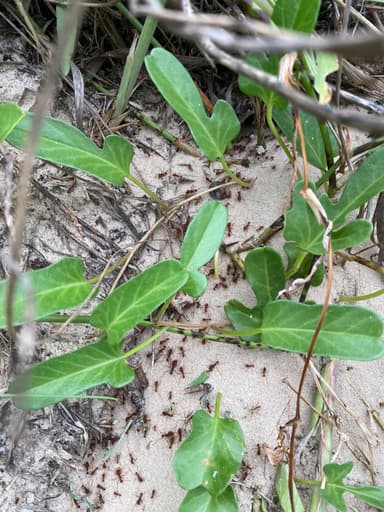
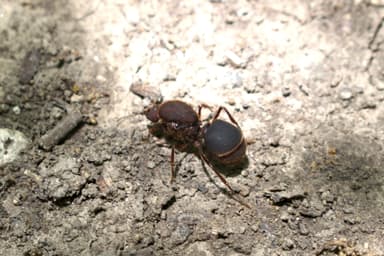
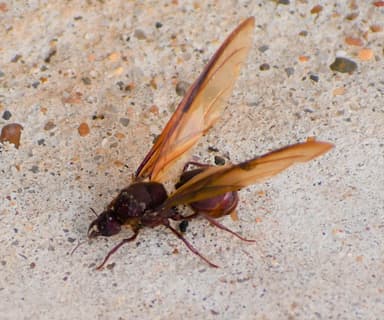
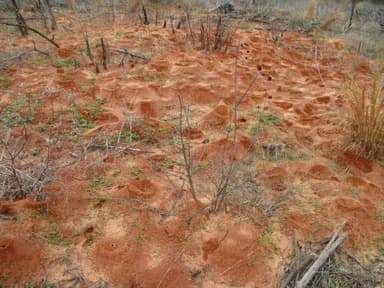
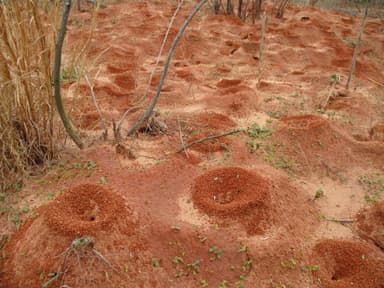
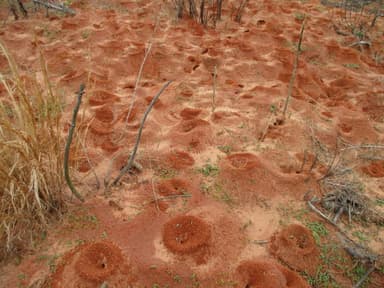
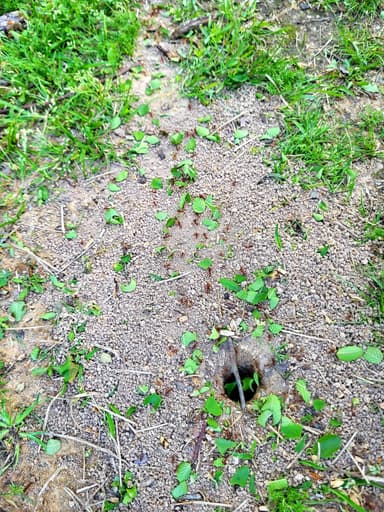
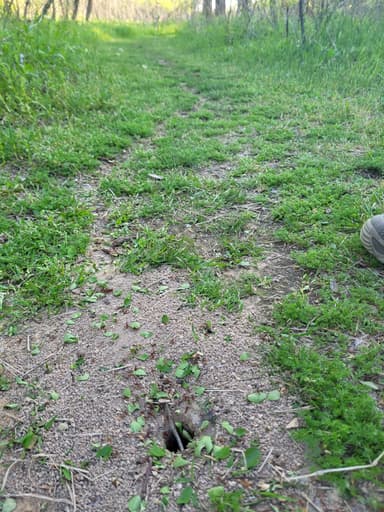
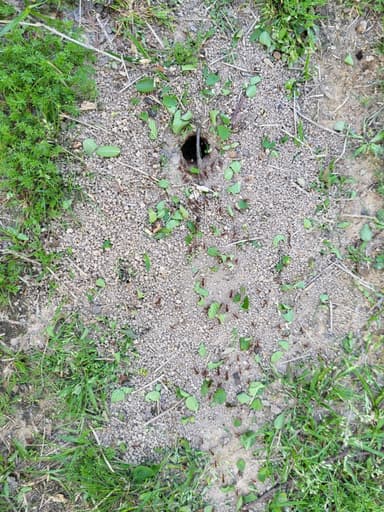
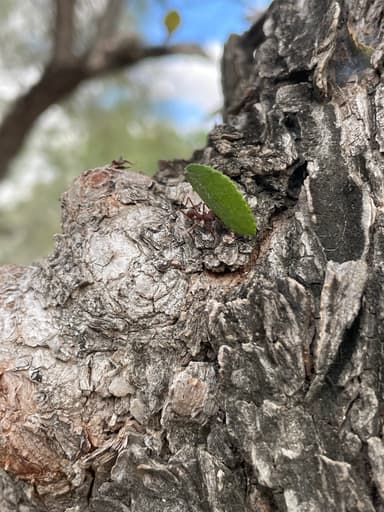
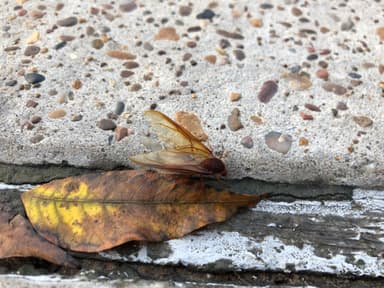
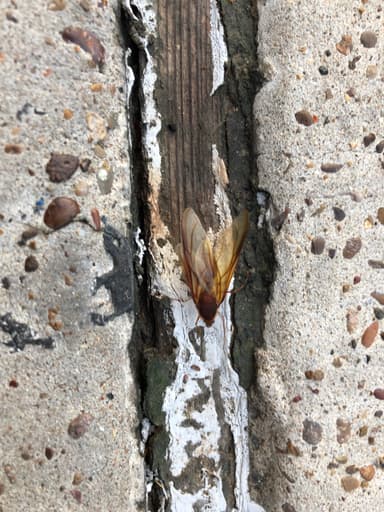
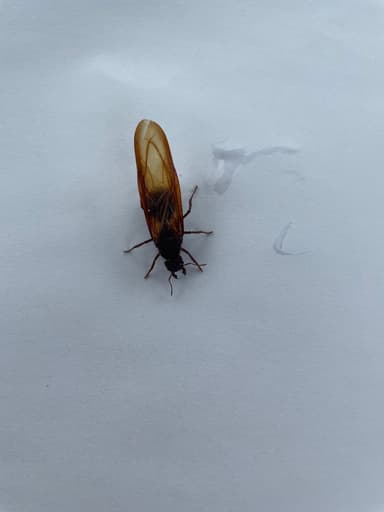
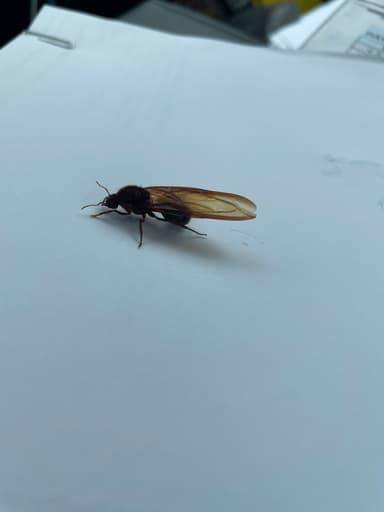
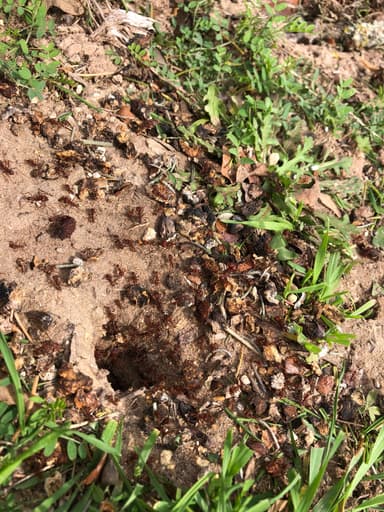
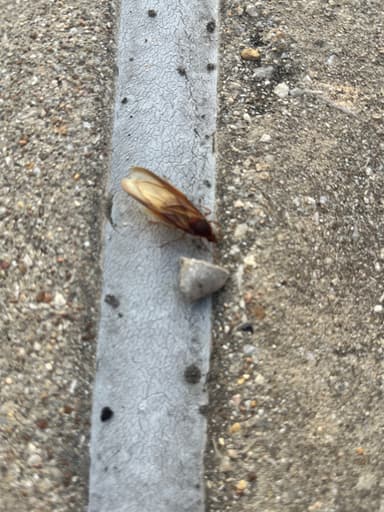
The Texas leafcutter ant, Atta texana, stands as one of the most captivating and challenging species in North American myrmecology. As the continent’s northernmost fungus-growing ant, it crafts subterranean metropolises that can house up to 2 million individuals (Moser 1967). The queen is a titan at 21–25 mm, while the workers display extreme polymorphism across four distinct castes: tiny 1.6 mm minor workers that tend the fungus garden and ride on leaf fragments to fend off parasitic flies, intermediate media workers, robust major workers, and lumbering supermajors reaching 12 mm that defend the nest with bite force rivaling small vertebrates. Nuptial flights unfold on warm, rain-soaked spring nights between April and June in Texas and Louisiana, when winged queens and males pour from massive colony mounds in a spectacle of midnight romance (Moser 1967). This species’ true magic lies underground, where a complex society farms a symbiotic fungus on freshly cut leaves—a partnership that has endured for millions of years and continues to intrigue scientists and keepers alike.
Atta texana is strictly an expert-level species, reserved for keepers with deep experience and dedicated resources. The sheer scale of the colony’s needs separates it from nearly all other ants: a thriving fungus garden must be maintained at precise temperature and humidity, leaf consumption accelerates exponentially as the colony grows, and the apparatus required to contain millions of ants that can chew through plastic, wood, and silicone is formidable. First-time or intermediate keepers should look elsewhere; this ant demands a long-term commitment to environmental control and escape prevention that only well-equipped myrmecologists can provide (Mueller et al. 2011). Those who succeed, however, are rewarded with an unparalleled view into one of nature’s most sophisticated social organizations, with workers expertly dividing the labor of foraging, gardening, waste management, and defense.
Housing must replicate the humid, warm conditions of the Deep South. A custom-built setup is essential—typically a series of interconnected, transparent foraging arenas and humidity-controlled fungus chambers, never a traditional soil nest that would quickly become a soggy, collapsed mess. Maintain temperatures between 22°C and 30°C, ideally with a gradient that allows the ants to self-regulate, and sustain relative humidity between 70% and 95% within the fungus chamber, as the garden is exquisitely sensitive to desiccation. The nest itself should offer a spacious, clean chamber with a textured base on which the ants will deposit their fungal inoculum; many keepers use plaster or gypsum walls kept moist to buffer humidity, paired with external heat mats or cables. Substrate in the foraging area can be a thin layer of sand or simply a bare floor, while the fungus chamber requires no particulate substrate—the ants will build the garden as a single suspended mass. Ensure all lids seal tightly and all ventilation ports are screened with fine stainless steel mesh, because these ants are escape artists armed with powerful mandibles.
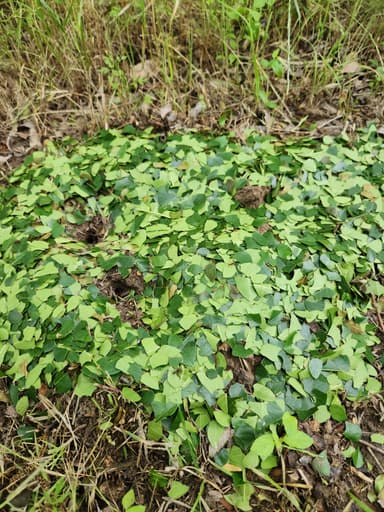
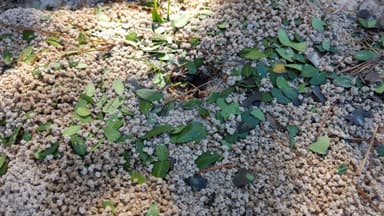
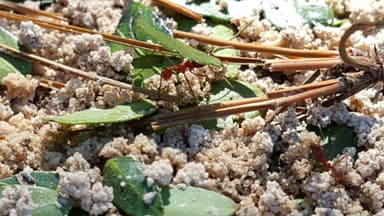
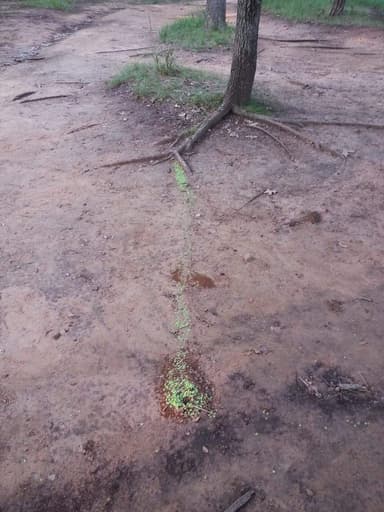
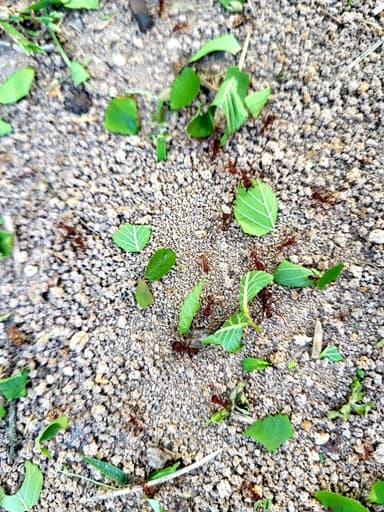
Diet is profoundly different from most ants: the colony does not directly consume sugars. Their primary nutritional need is a steady supply of fresh, pesticide-free leaves to feed the fungus, which in turn produces nutrient-rich gongylidia that the ants harvest. Offer a variety of broadleaf species such as privet, rose, bramble, citrus, or even corn leaves, replacing them before they wilt. The ants will rapidly cut, process, and pulp the foliage to inoculate the garden. Water must always be available in the foraging area, but supplemental sugar water is unnecessary and can even harm the fungus. While the fungus provides the bulk of their nutrition, many keepers offer small pieces of insect protein (like mealworms or crickets) occasionally, which workers may incorporate into the garden as a nitrogen supplement, mimicking the nutrient cycling found in natural mounds (Cameron & Riggs 1985). Monitor the fungus garden’s color and texture: a fluffy, grayish-white mat indicates health; any darkening, sour odor, or collapse signals trouble that requires immediate environmental adjustment.
No hibernation period is required. Atta texana evolved in a subtropical climate and remains active year-round as long as temperatures stay within its preferred range. Attempting to force a winter diapause would almost certainly kill the fungus garden and starve the colony. Instead, maintain steady warmth and humidity through all seasons, and the ants will continue their relentless cycles of leaf harvesting, brood rearing, and garden expansion without pause.
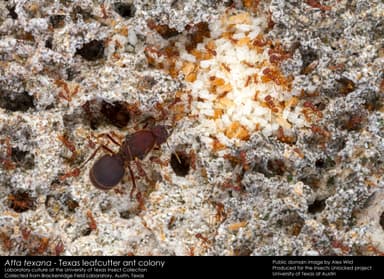
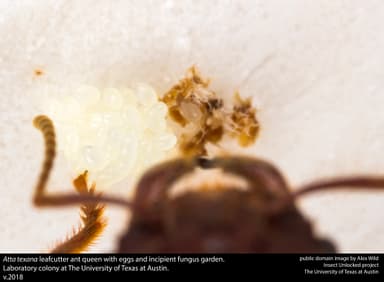
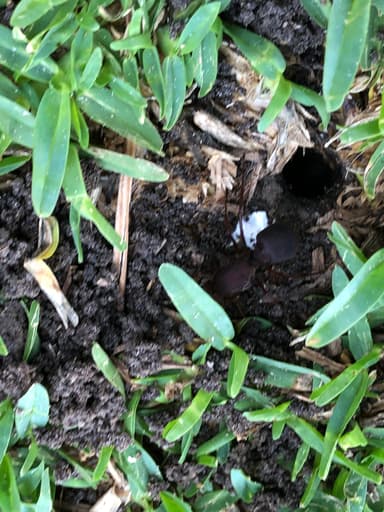
When a new Atta texana colony first arrives, it typically consists of a founder queen, a small brood pile, and a nascent fungus garden the size of a walnut or smaller. Replicate the conditions the queen has experienced by minimizing disturbances for the first 48 hours while you check that humidity holds at 80–95% and temperature stays near 26°C. Place a single small, tender leaf—such as a piece of young rose or privet—at the edge of the fungus chamber and watch from a distance. Cutting may not begin immediately; the colony needs time to settle. Do not flood the setup with foliage, as excess plant material can rot and introduce harmful molds. Over the following weeks, gradually increase the leaf supply as you see the garden expand and more foragers emerge. During this critical establishment phase, inspect daily for signs of fungal stress, moisture droplets on the walls (a good sign), and any escaped ants. A healthy start here sets the trajectory for an explosive growth curve that may ultimately require a dedicated ant room—a challenge that, for the ardent keeper, makes Atta texana one of the most extraordinary ant species ever cultivated.