Tetraponera
Tetraponera allaborans
Care Guide
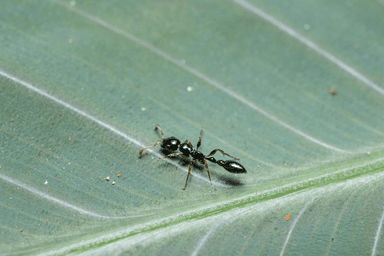
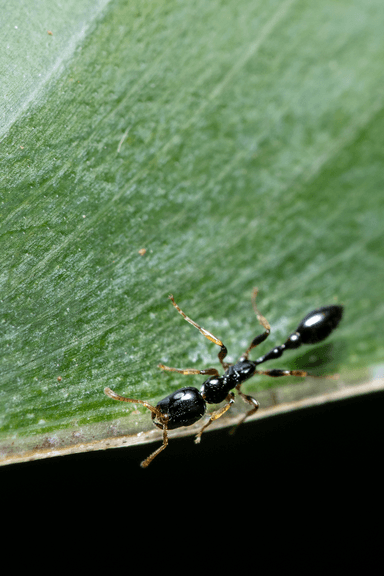
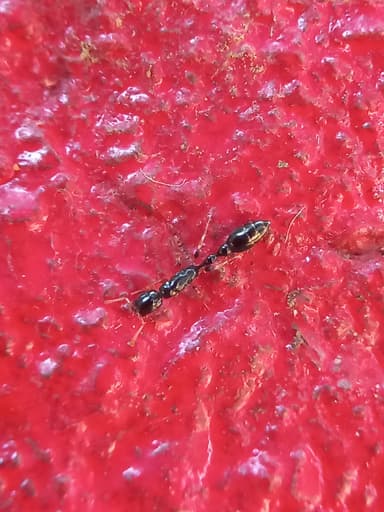
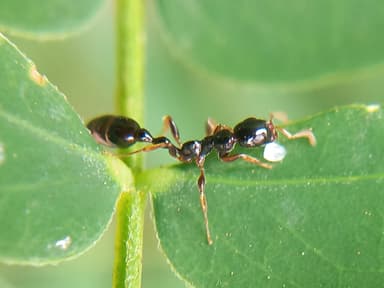
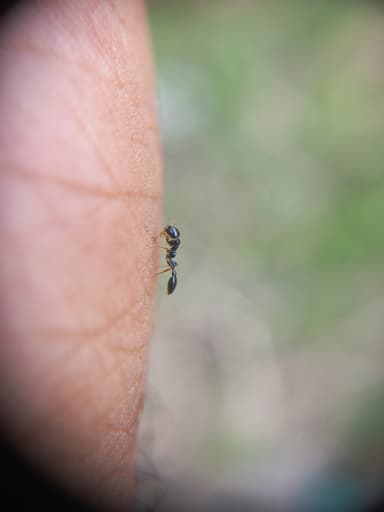
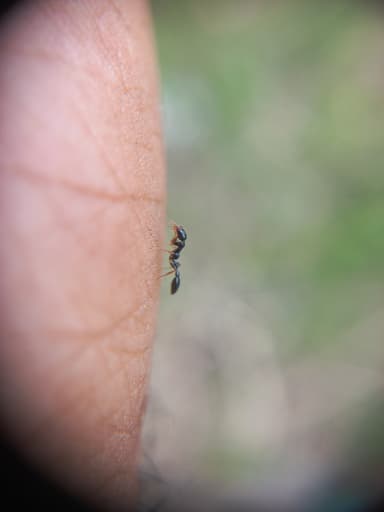
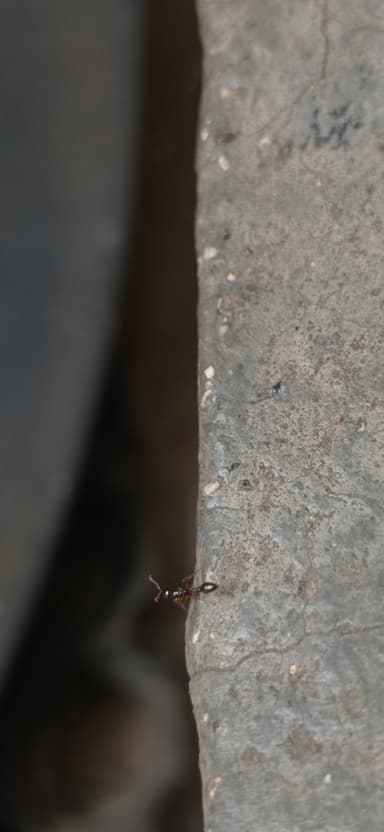
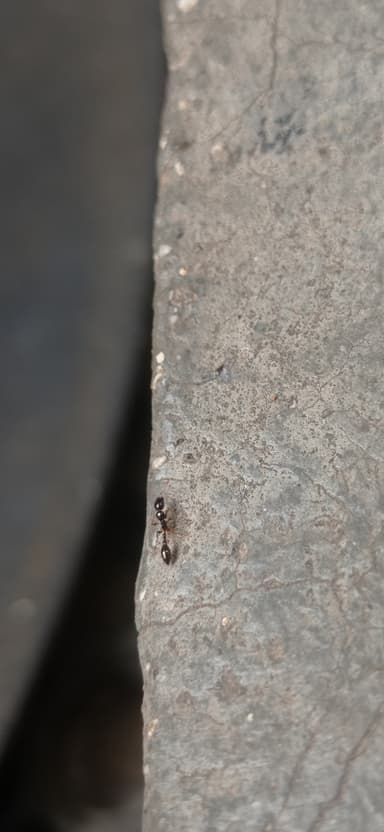
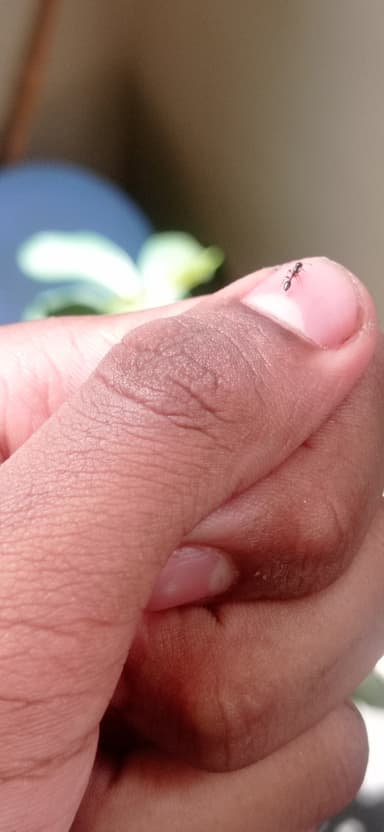
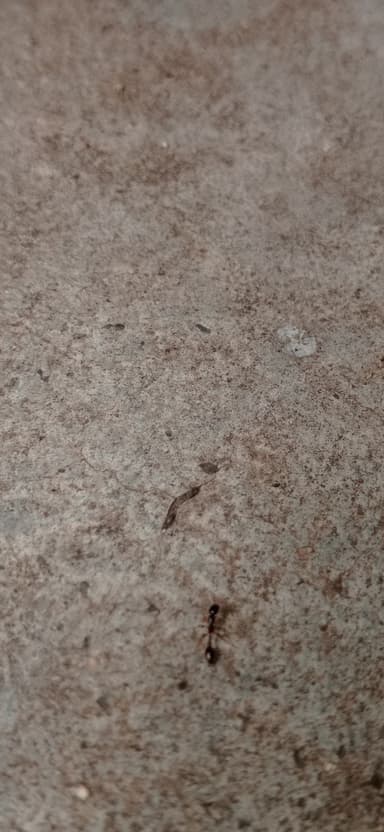
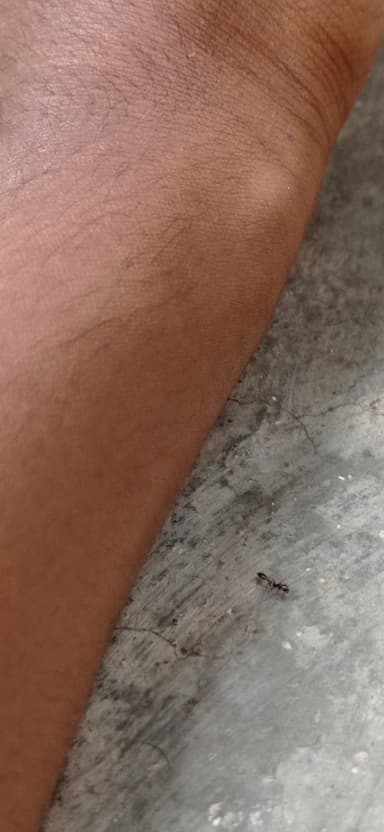
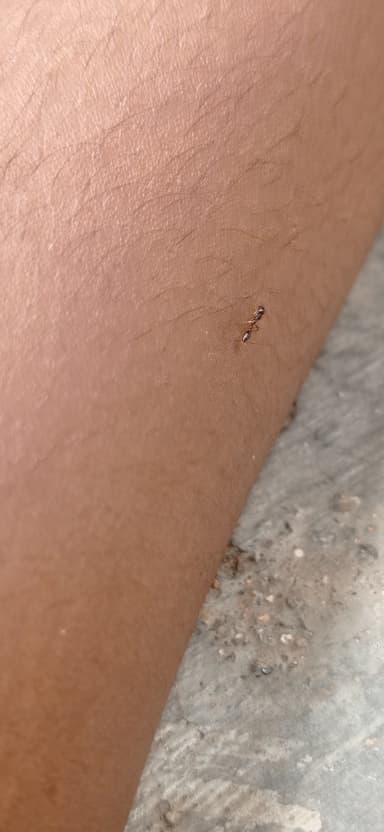
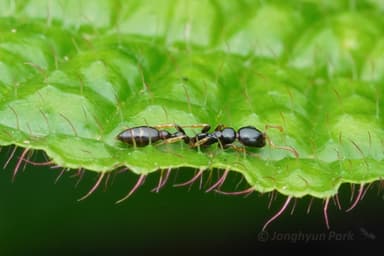
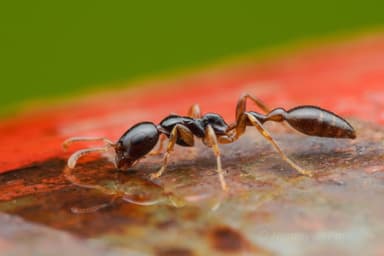
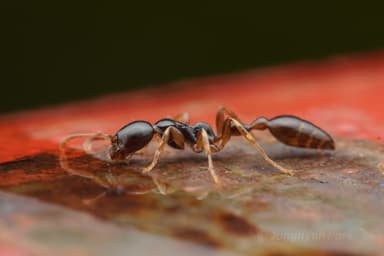
Tetraponera allaborans is a strikingly slender and agile arboreal species native to tropical and subtropical Asia. Workers measure between 3 and 4.5 mm, while the queen reaches 5.5–7.5 mm. The colony is relatively modest, typically numbering 100 to 500 workers, yet their graceful, fast movements and bold foraging behavior make them a captivating species to observe. Unlike seed‑harvesters or fungus‑growers, these ants are true predators and scavengers, relying on a steady supply of insects and sugar water to thrive.
One of the most distinctive features of Tetraponera allaborans is their nesting habit. In the wild, they colonize hollow twigs, stems, or bamboo sections, often high above the ground. This arboreal lifestyle means they are highly sensitive to light and vibration, especially during colony founding. The queen is semi‑claustral, meaning she must leave the nest regularly to forage for food. This makes the early phase more demanding than fully claustral species, as the queen needs a stress‑free environment and a reliable food source to raise her first workers successfully.
Care difficulty
Keeping Tetraponera allaborans is best suited for intermediate keepers who have some experience with founding queens and small colonies. The semi‑claustral founding requires careful attention: the queen must be offered small prey insects (e.g., fruit flies, pinhead crickets) and diluted sugar water at regular intervals. Disturbing her too often can cause stress and nest abandonment, so observation should be done gently and infrequently. Once the first workers emerge, the colony becomes more resilient, but they remain a species that appreciates a quiet, stable setup.
Housing
A formicarium designed for arboreal ants is ideal. Choose a nest with vertical chambers or a structure that mimics hollow twigs or bamboo – cork, softwood, or plaster nests with narrow cavities work well. The outworld should offer climbing surfaces like bark, twigs, or mesh. Temperature should be kept between 24 and 28 °C, with humidity around 60–80 %. Unlike many tropical species, Tetraponera allaborans does not require hibernation, so you can maintain these conditions year‑round. Provide a constant source of clean water – a test tube or small water feeder is best – and keep the nest area slightly moist but not waterlogged. The outworld can be dry, but the nest itself must retain enough humidity for brood development.
First days after purchase
Upon receiving your colony, transfer the queen or small colony into its permanent nest as gently as possible. Place the setup in a quiet, dimly lit location and leave the ants undisturbed for at least 48 hours to acclimate. During this time, ensure a small drop of sugar water is available near the nest entrance, along with a single small insect (e.g., a freshly killed fruit fly). Do not open the outworld to refill food unless absolutely necessary; a small, sealed feeding port can help minimize disturbance. Monitor from a distance – you can use a red filter over a flashlight to observe without startling them. Once the queen begins hunting and the first workers emerge, you can slowly increase feeding frequency. With patience and a calm approach, Tetraponera allaborans will reward you with a lively, elegant colony that brings a piece of the tropical canopy into your home.