Myrmecia
Myrmecia pyriformis
Nuptial Flight Calendar
Care Guide
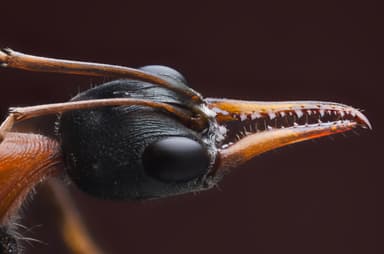
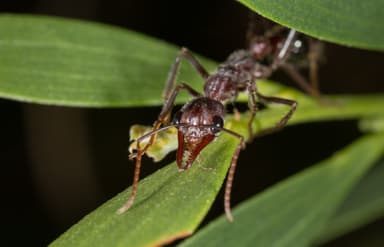
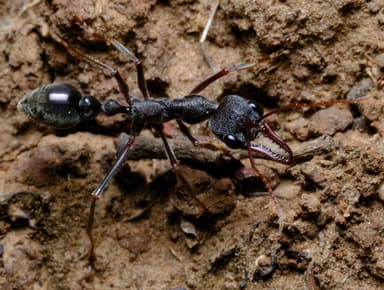
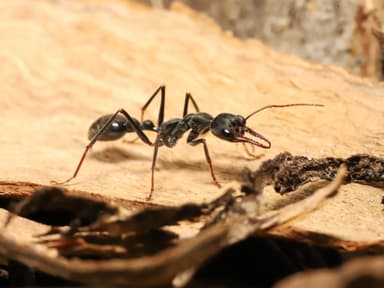
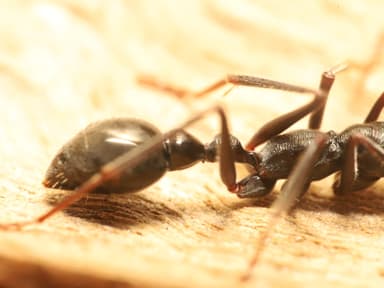
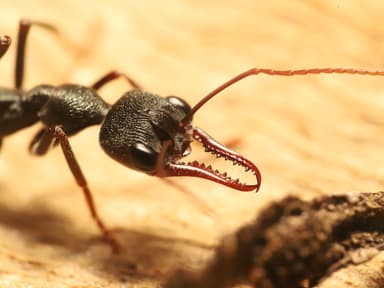
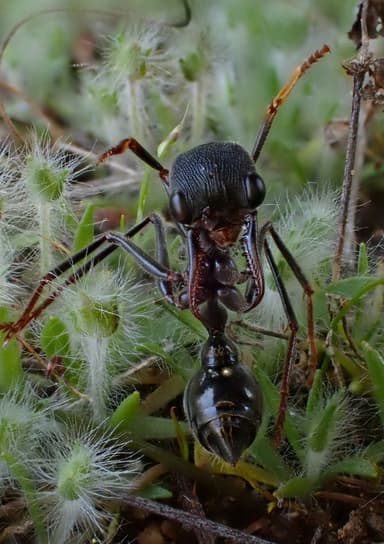
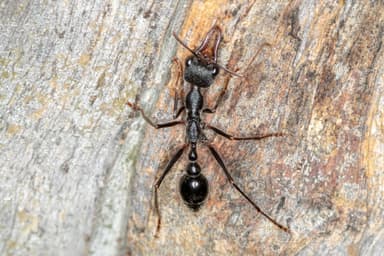
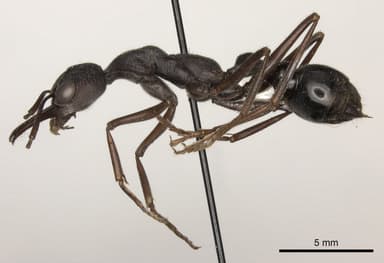
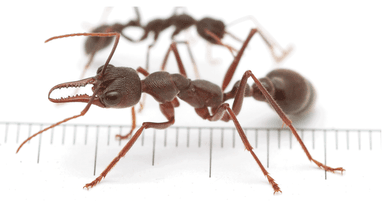
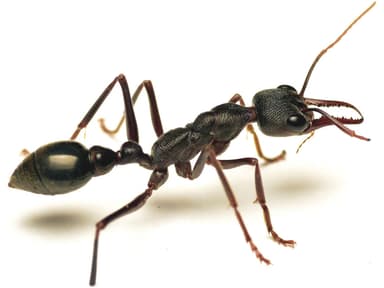
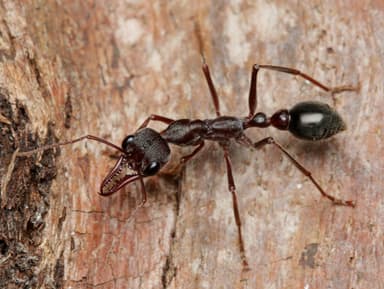
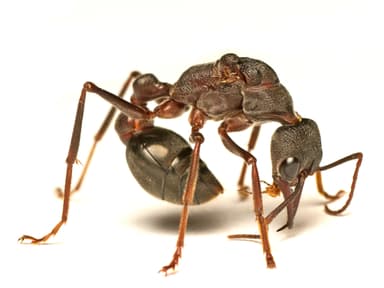
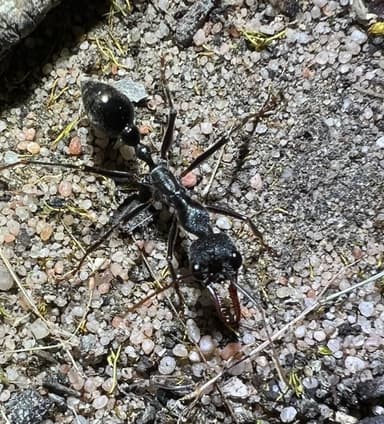
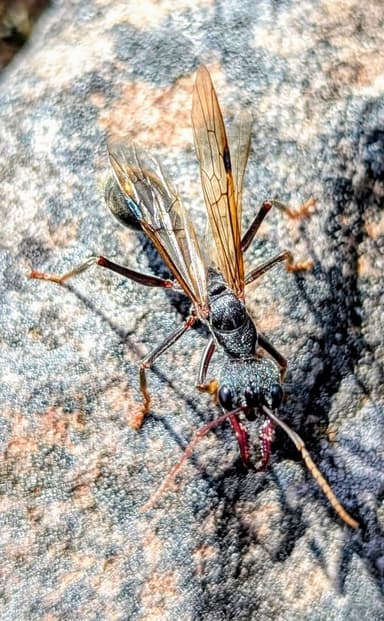
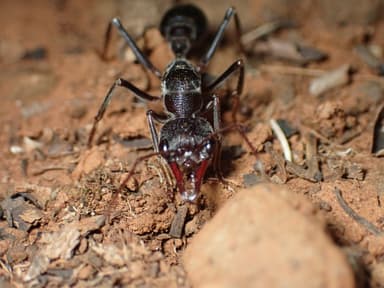
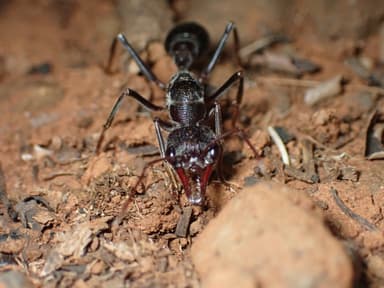
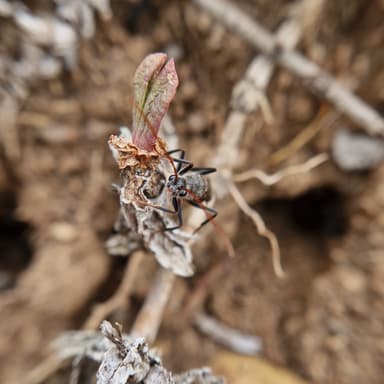
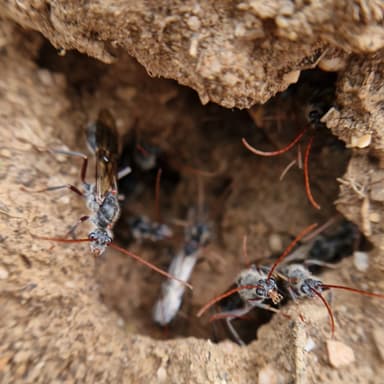
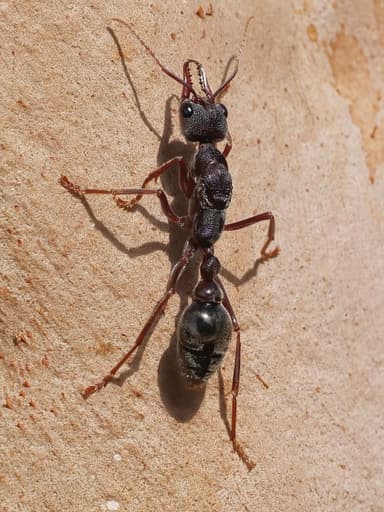
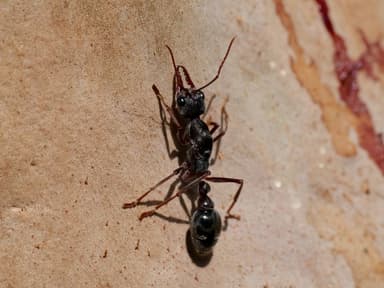
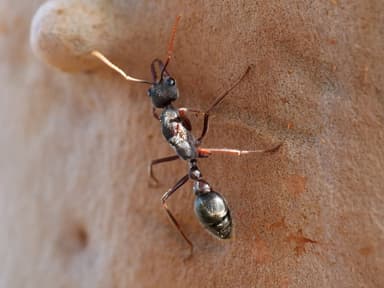
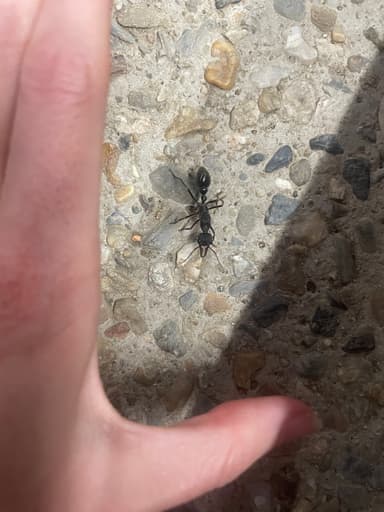
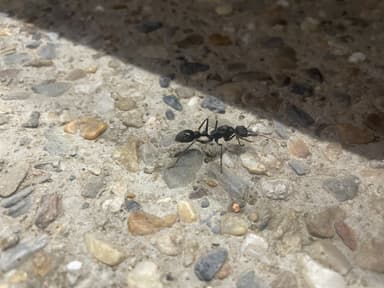
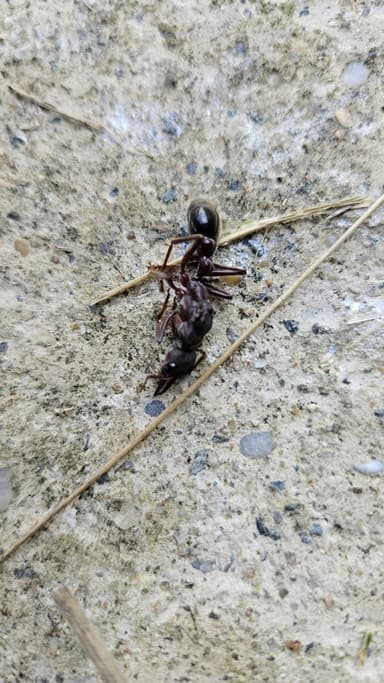
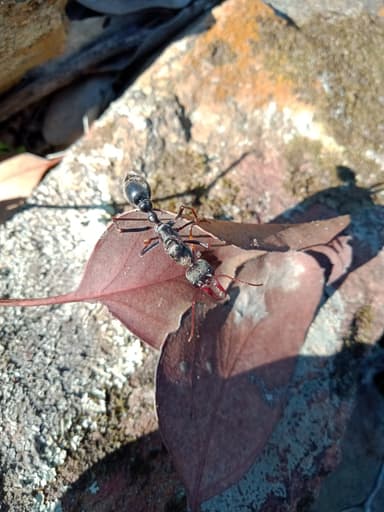
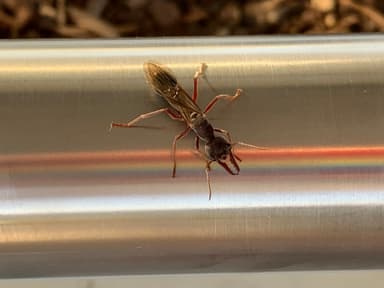
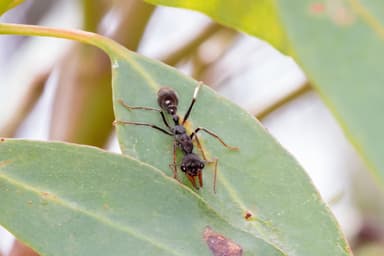
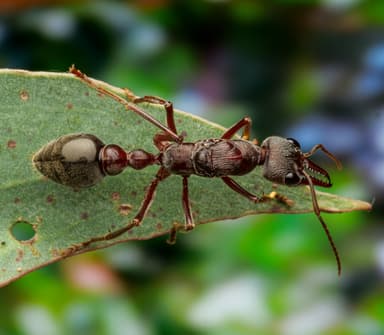
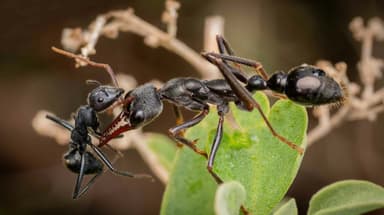
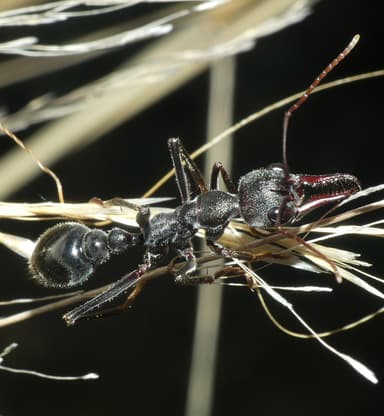
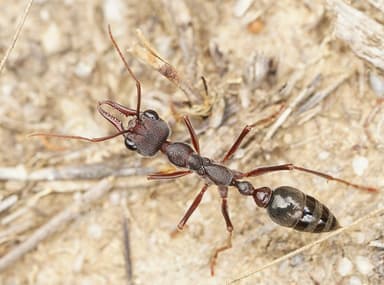
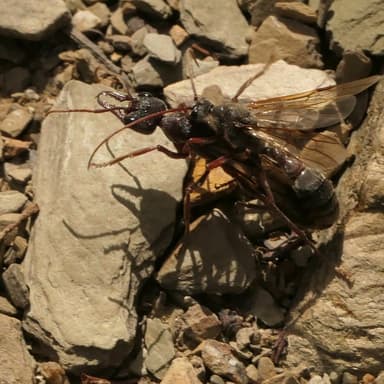
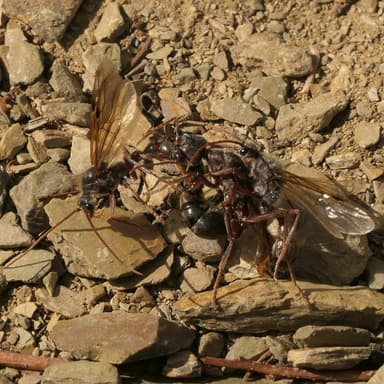
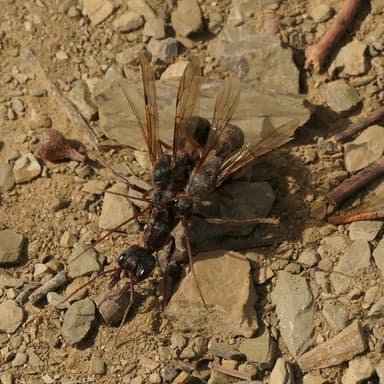
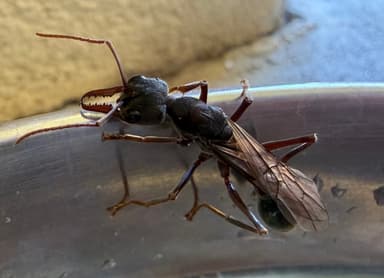
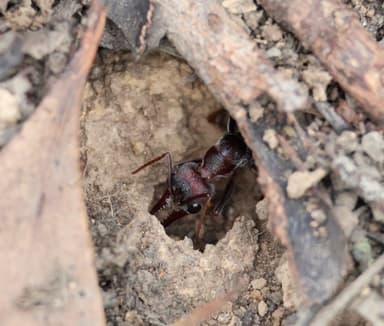
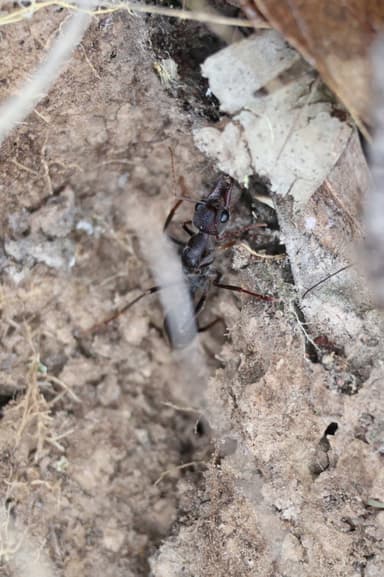
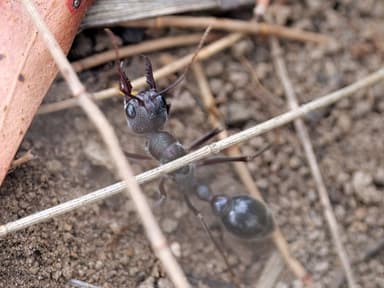
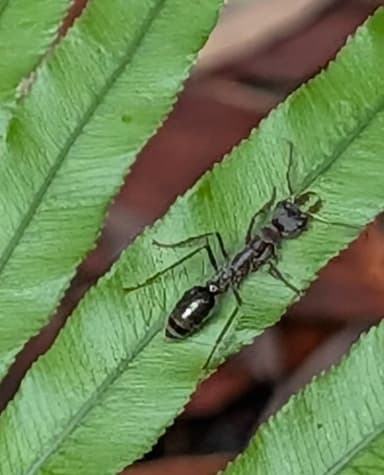
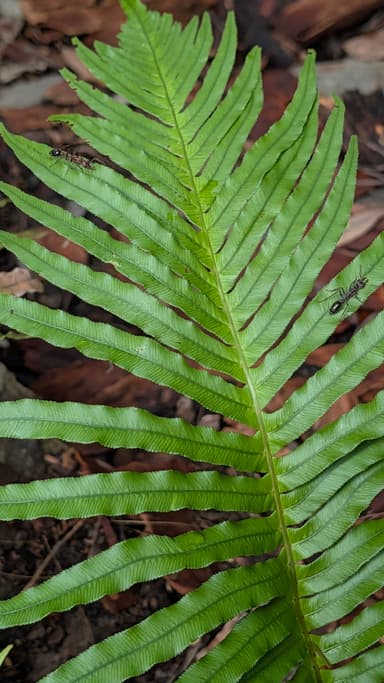
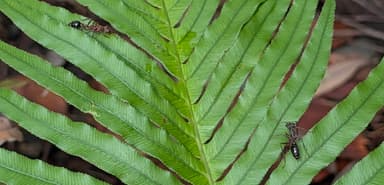
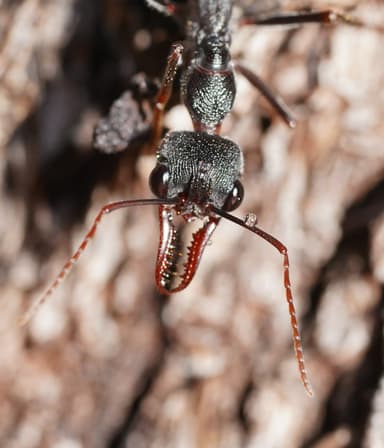
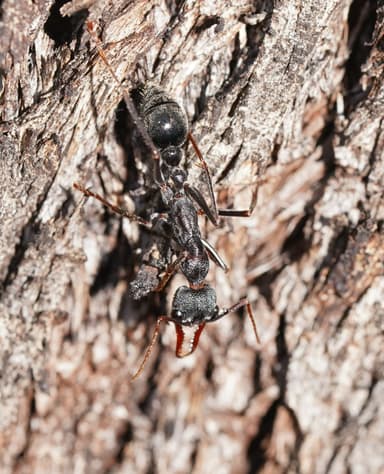
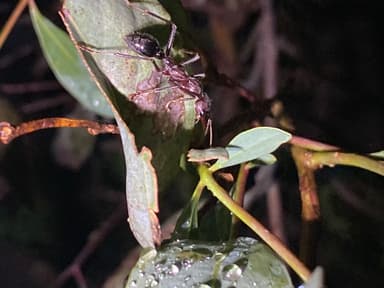
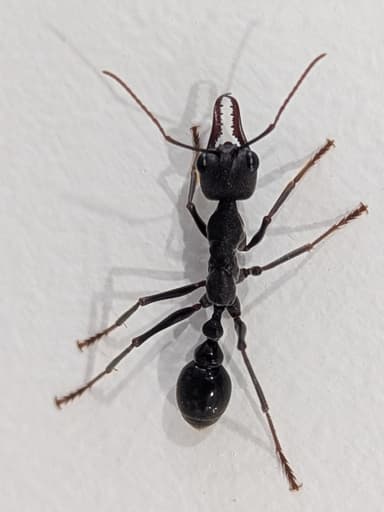
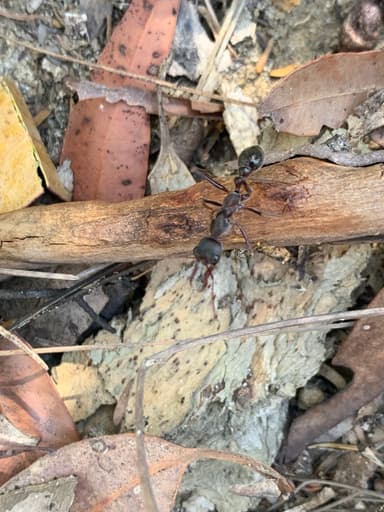
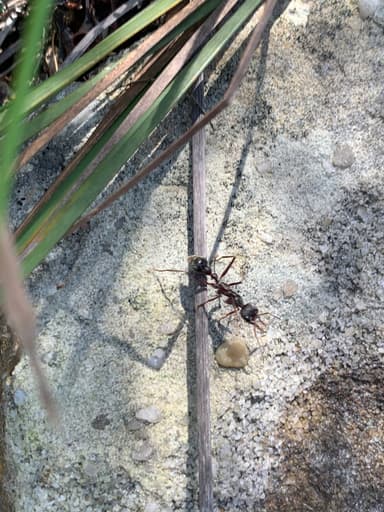
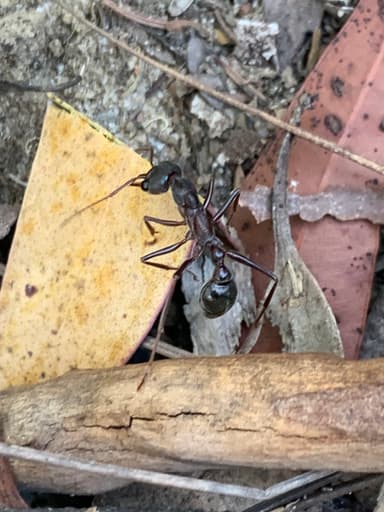
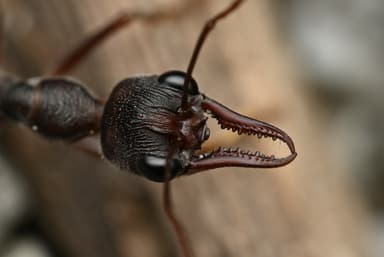
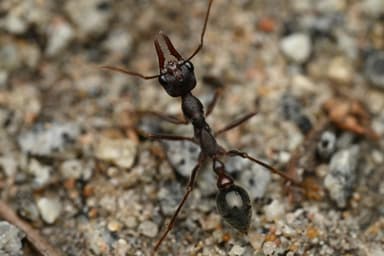
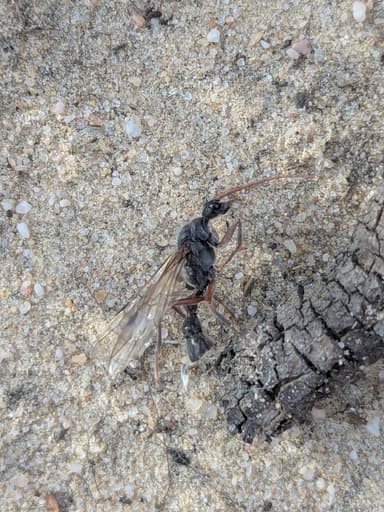
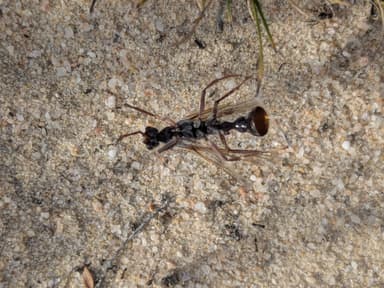
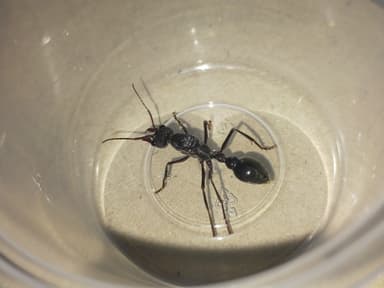
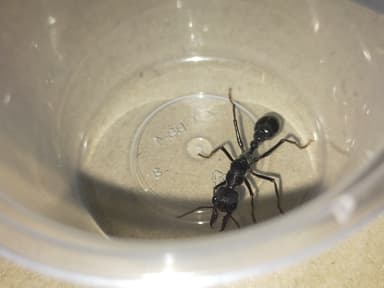
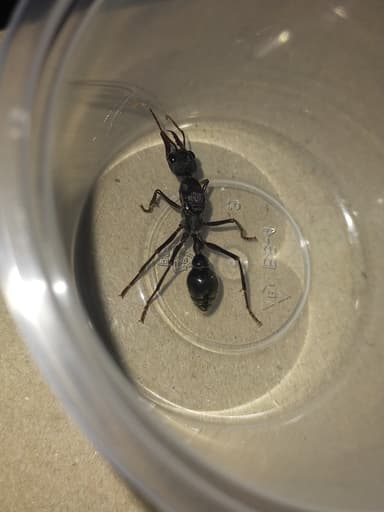
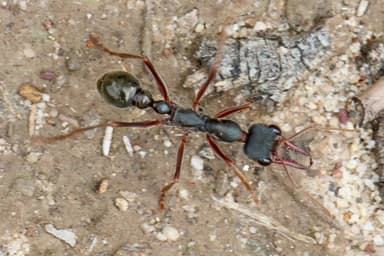
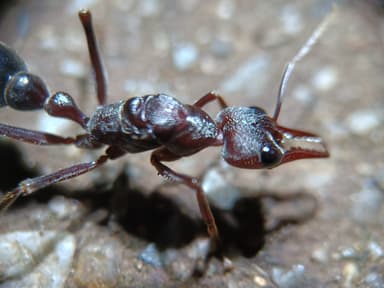
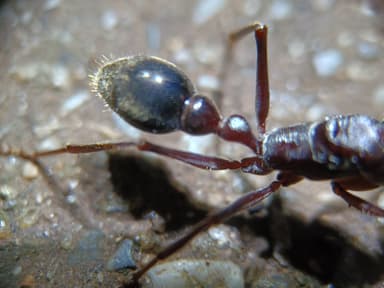
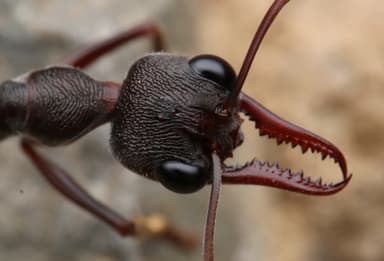
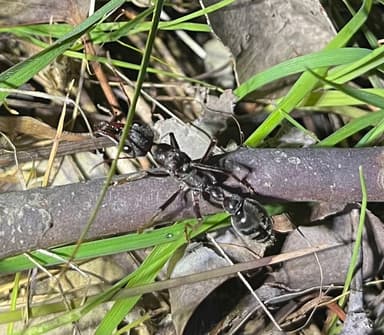
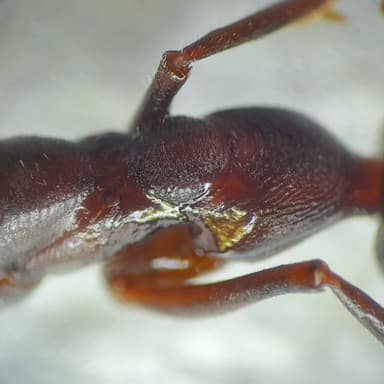
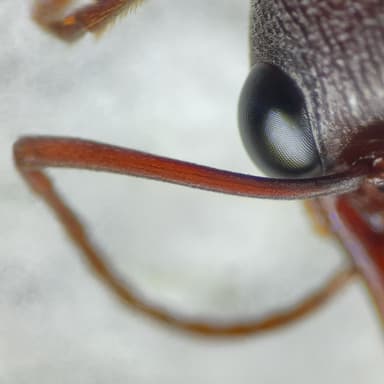
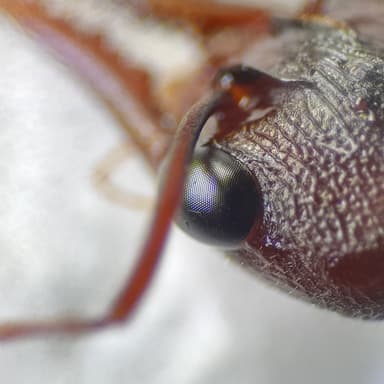
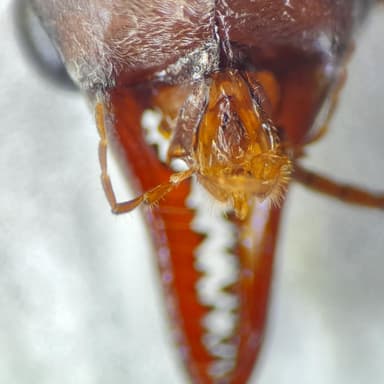
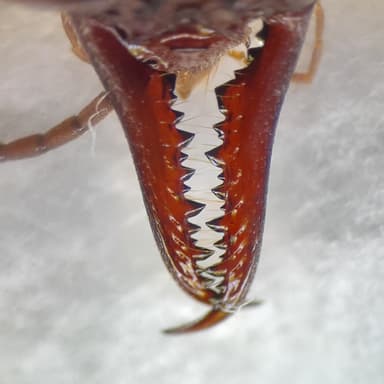
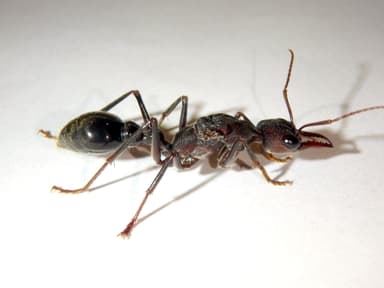
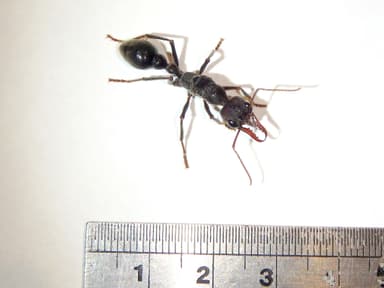
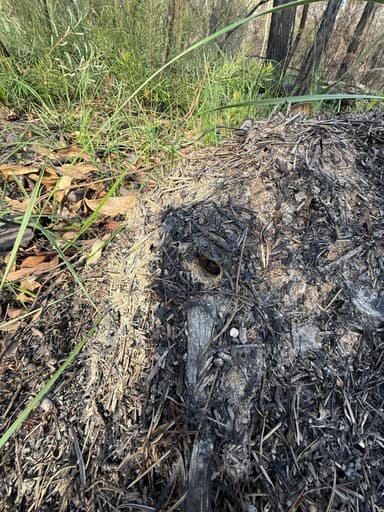
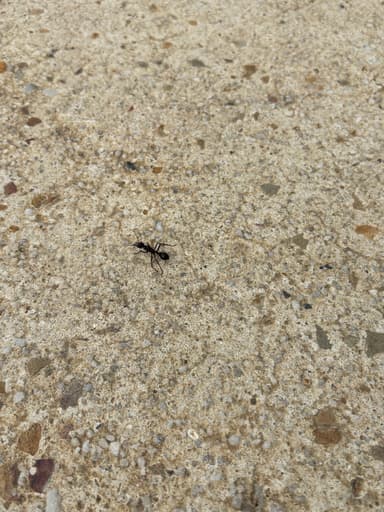
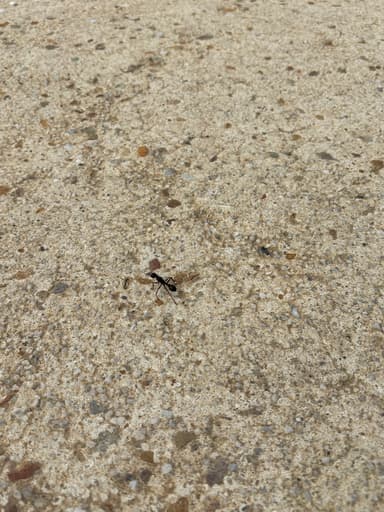
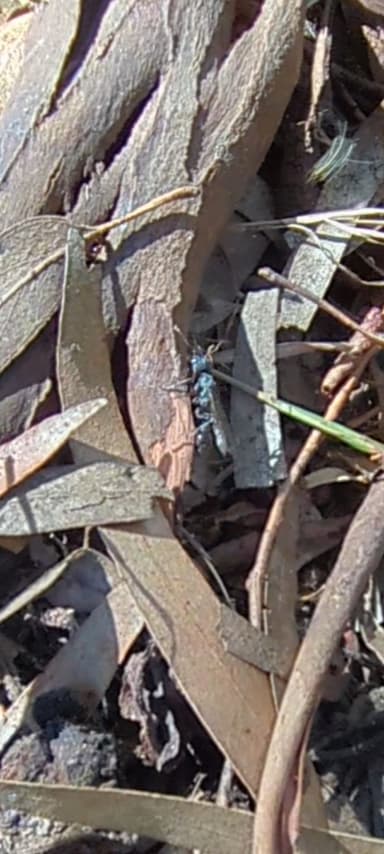
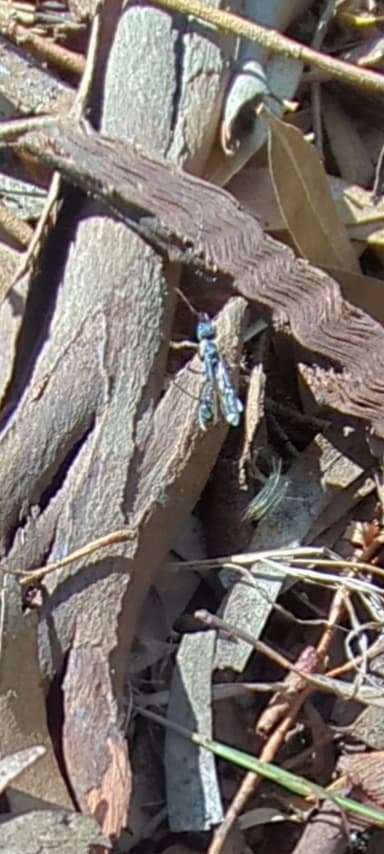
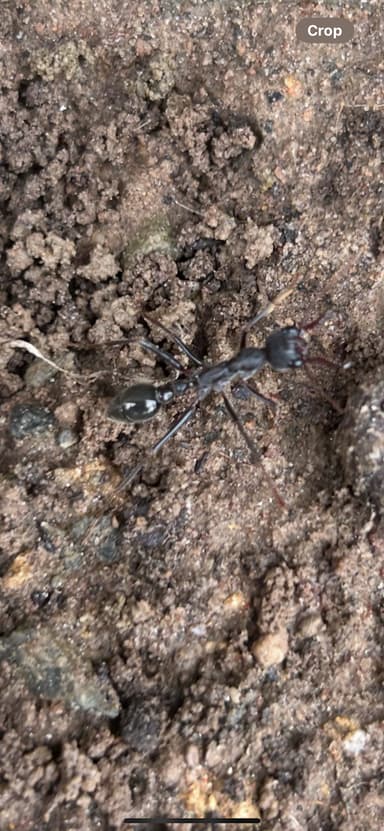
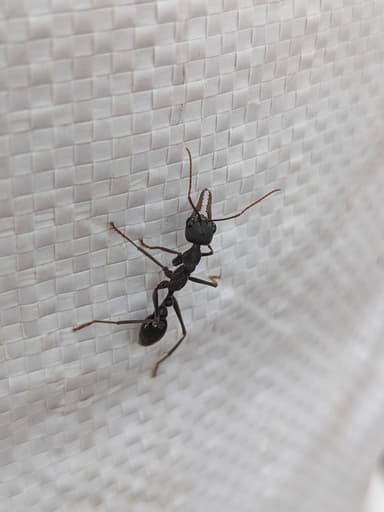
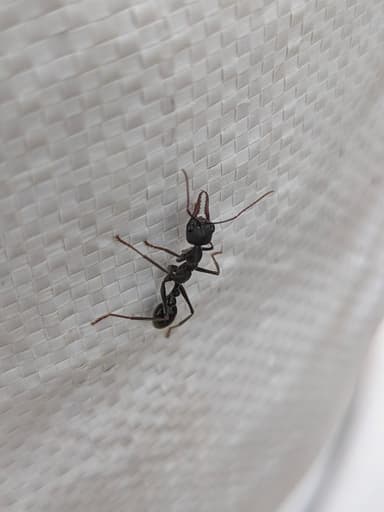
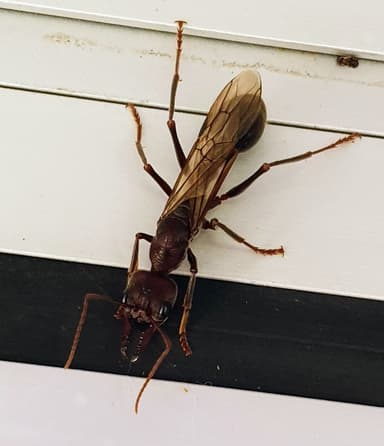
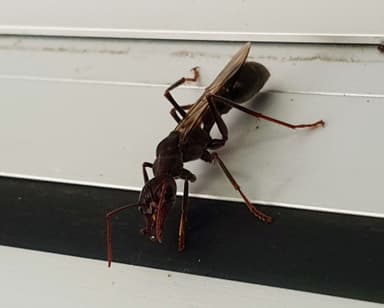
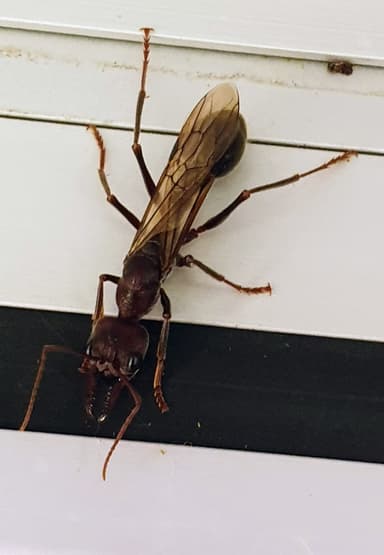
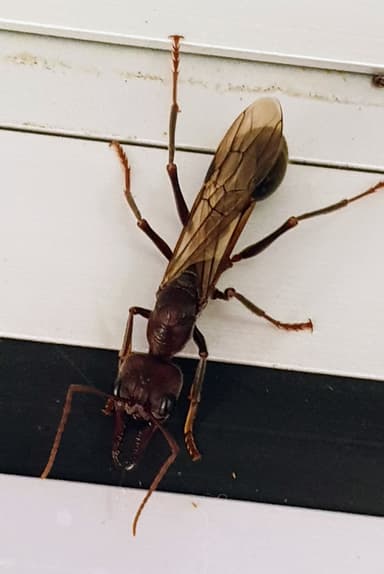
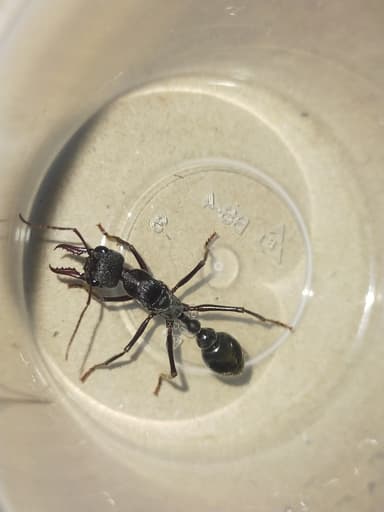
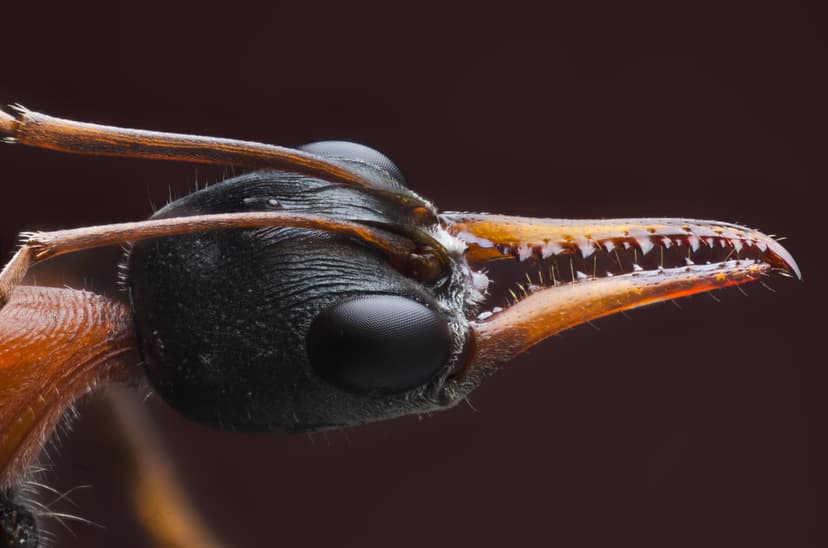
Myrmecia pyriformis, commonly known as the black bull ant or giant bull ant, is a breathtaking species that commands respect. These are among the largest and most formidable ants in the world, with queens reaching an impressive 22–25 mm and workers measuring 15–20 mm. Their powerful mandibles and a potent, painful sting make them an unforgettable presence in any collection. Unlike many ants, bull ants possess exceptional vision thanks to their large eyes, allowing them to actively hunt prey with remarkable precision. Colony size remains modest by ant standards—typically between 100 and 2,000 workers—but each individual is a force of nature. A key feature of their biology is the founding type: Myrmecia pyriformis is semi-claustral. This means the newly mated queen must leave the nest to forage for food while raising her first generation of workers, a challenging and high-risk strategy that requires careful keeper support.
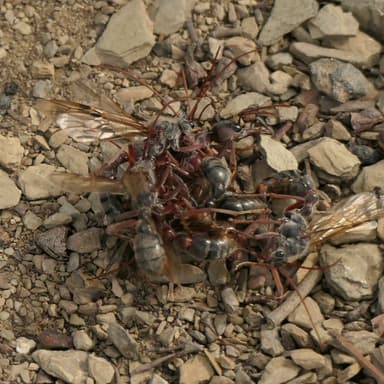
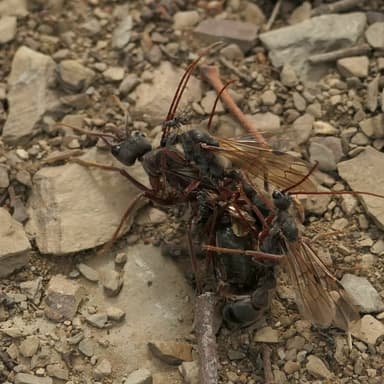
Being expert-level ants, Myrmecia pyriformis are not a species for beginners. Their aggressive temperament and venomous sting demand confidence and caution. The colony should always be handled with appropriate tools and a secure setup. They are active hunters, requiring a diet rich in live insects—crickets, cockroaches, flies, or moths—supplemented with sugar water or honeydew. Protein is essential for brood development, and these ants will readily take down prey much larger than themselves thanks to their coordinated attacks. Maintaining temperatures between 22 and 30°C with humidity levels of 40–60% suits them well. A necessary aspect of their annual cycle is hibernation; from late autumn through winter, they require a cool period at around 10°C, which mimics natural conditions and is vital for colony health and future reproduction.
Care difficulty
Keeping Myrmecia pyriformis is best reserved for experienced keepers who can manage their demanding needs and defensive nature. The semi-claustral founding phase is particularly tricky—the queen must be provided with protein-rich insects and a secure, escape-proof enclosure from day one. Patience is essential, as colony growth is slow and each individual is long-lived. Regular feeding and cleaning are required, but minimal disturbance is key to avoid stress and defensive reactions.
Housing
A formicarium for Myrmecia pyriformis must be built with safety in mind. Bull ants are excellent climbers and can jump, so the setup must include secure lids, fluon barriers, or oil moats. The nest should offer a dry area for the brood and a humid corner for the queen, though overall humidity is moderate. Provide an outworld for foraging—spacious enough for hunting—and ensure the nest remains dark and quiet. These ants are highly sensitive to vibration, so a stable, isolated location is best.
First days after purchase
Upon receiving your colony, transfer them into their new formicarium with care. Place the setup in a calm, dark area and give the ants time to settle without interference. For a semi-claustral queen, offer a single small insect within the first 24 hours, and ensure a constant supply of sugar water in a shallow feeder. Observe from a distance—watch for acceptance of food and nest building. Resist the urge to open the lid frequently; stress can cause the queen to abandon the brood. In the coming weeks, keep a close eye on humidity and temperature, and prepare for an intense but deeply rewarding journey into the world of Australia’s living fossils.