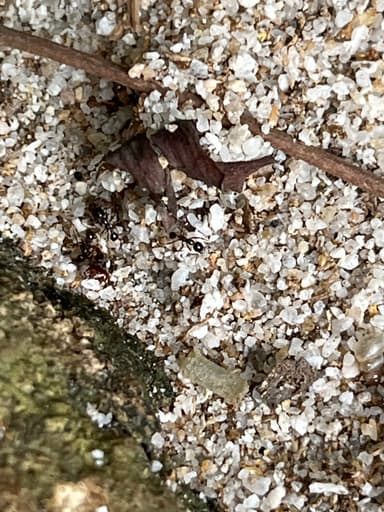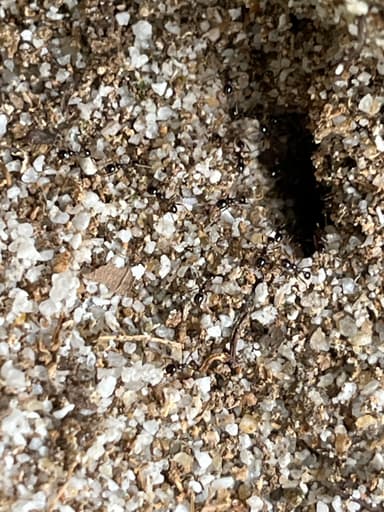
Carebara
Carebara diversa
Care Guide
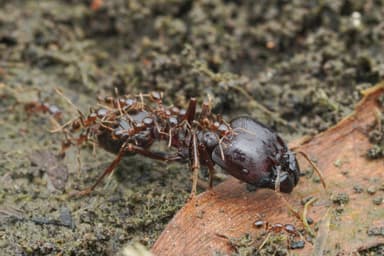
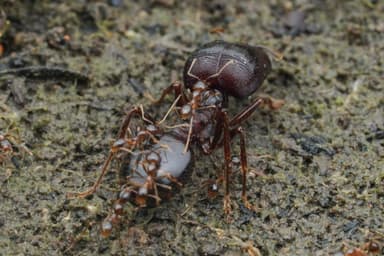
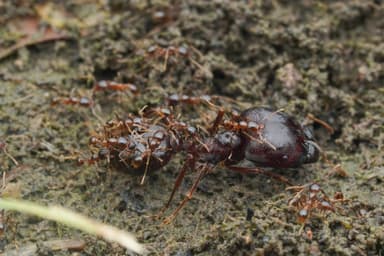
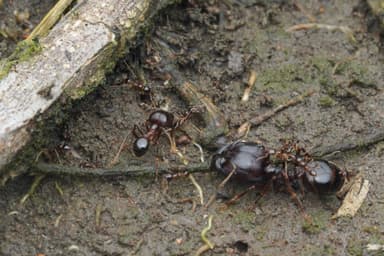
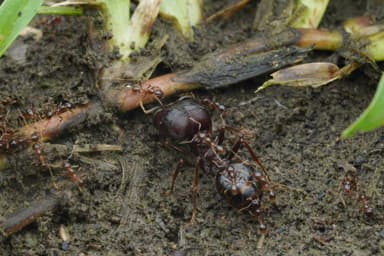
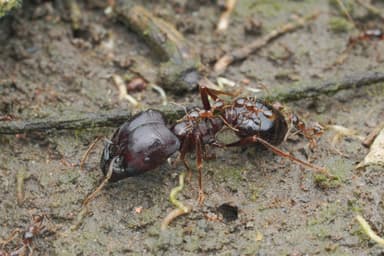
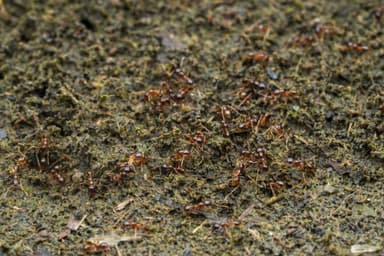
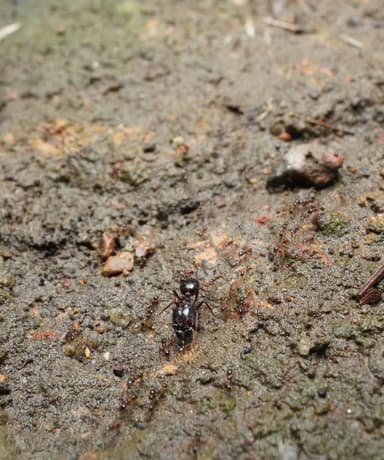
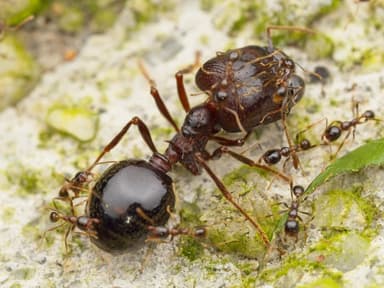
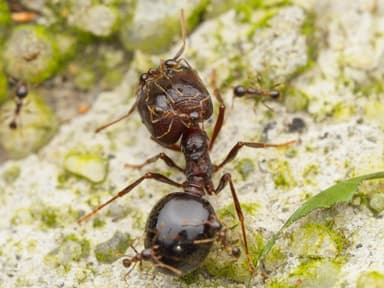
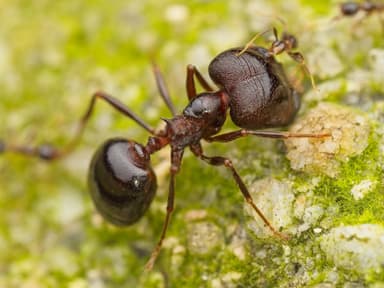
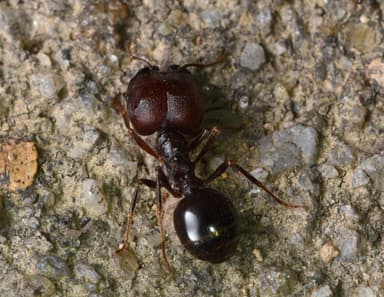
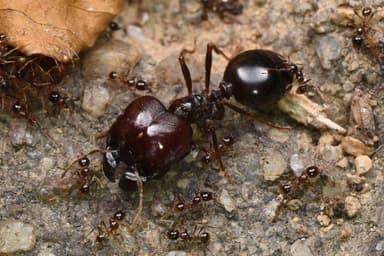
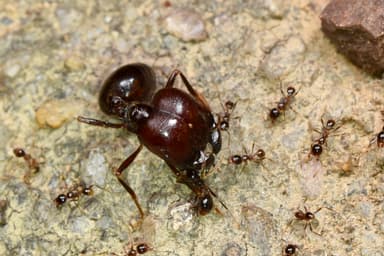
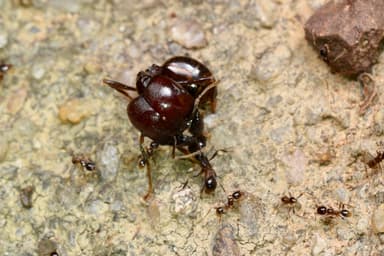
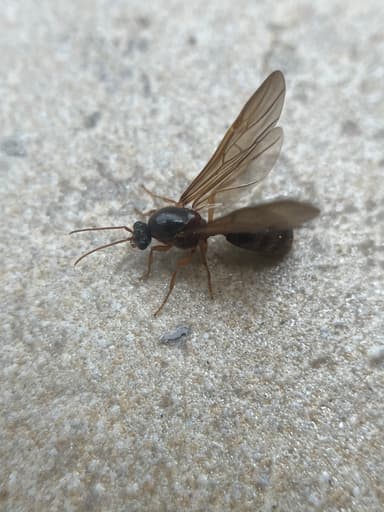
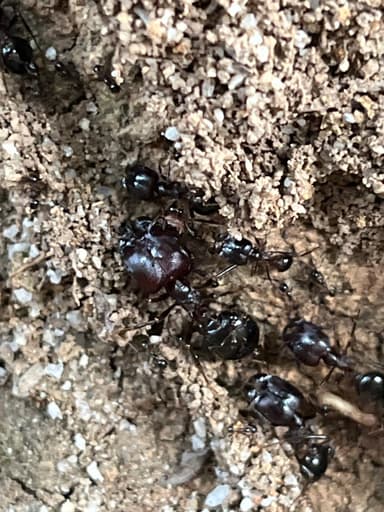
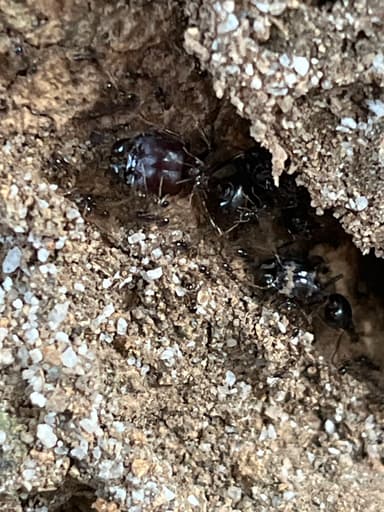
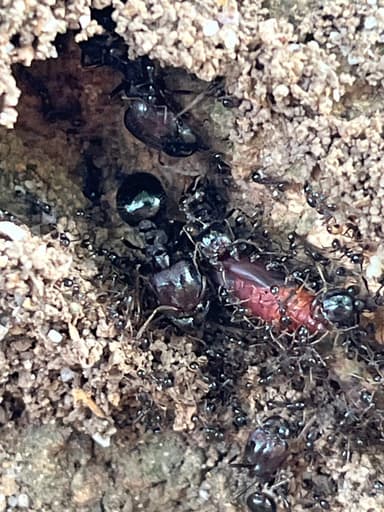
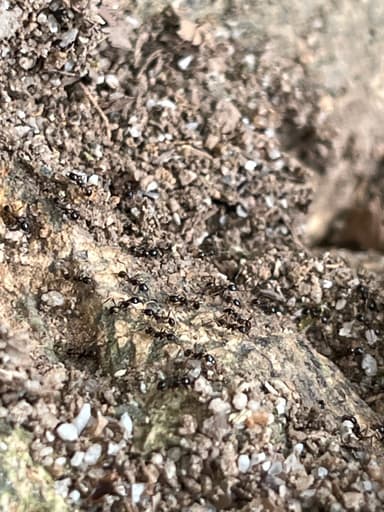
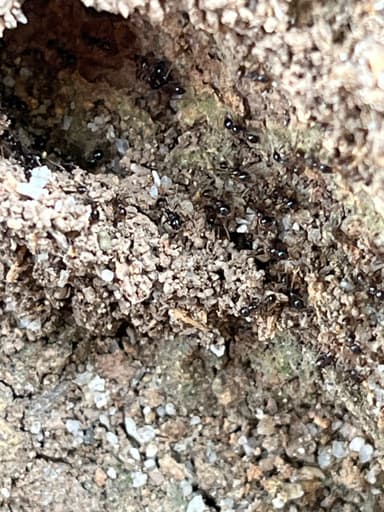
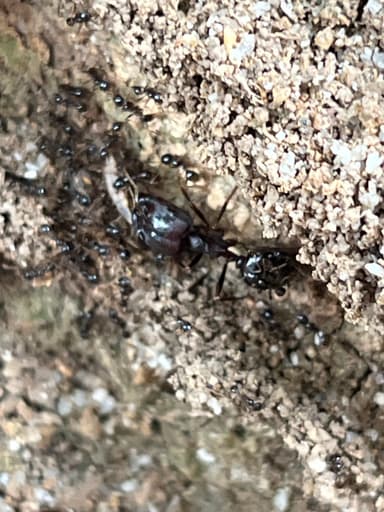
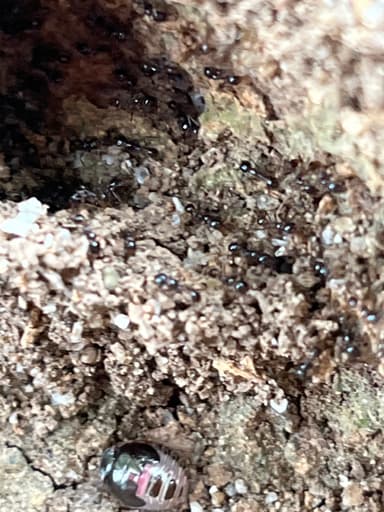
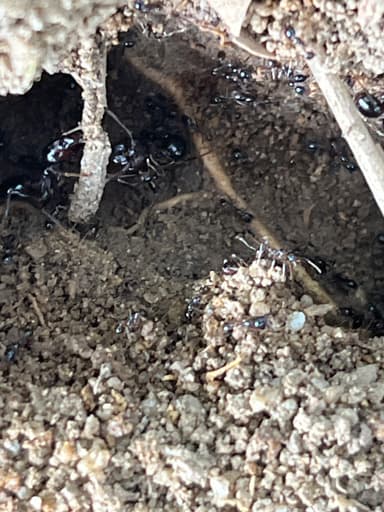
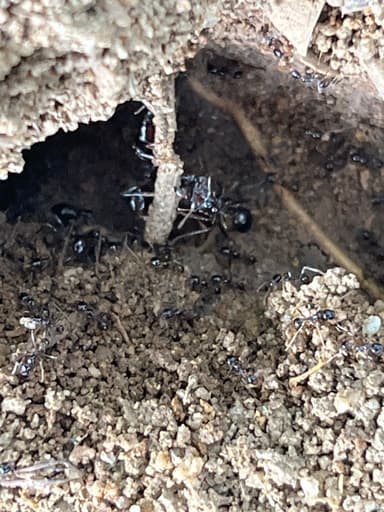
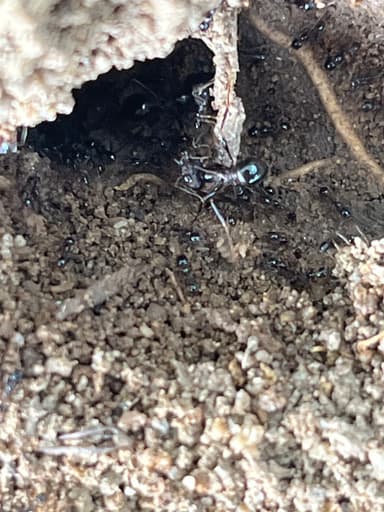
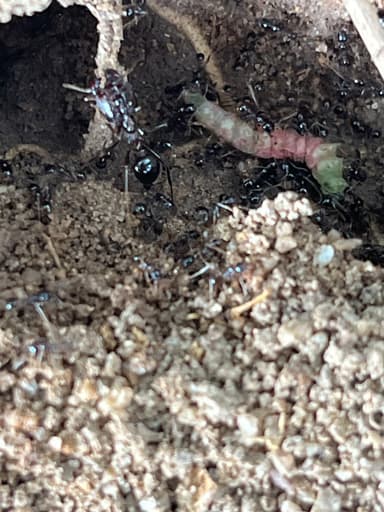
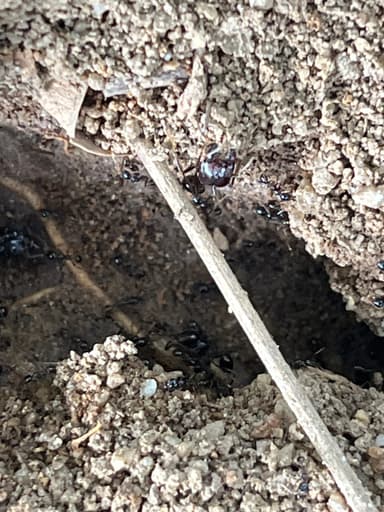
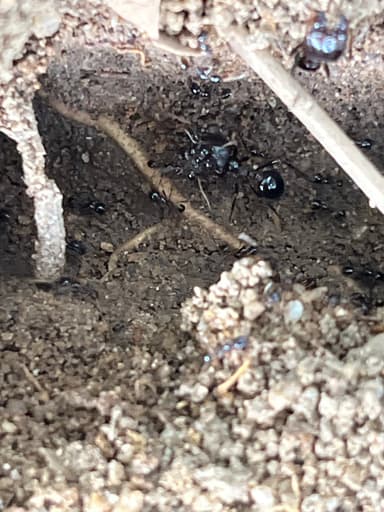
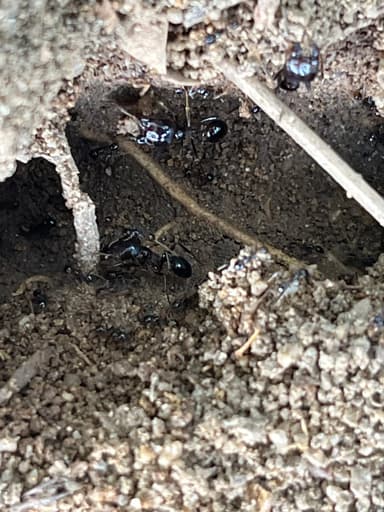
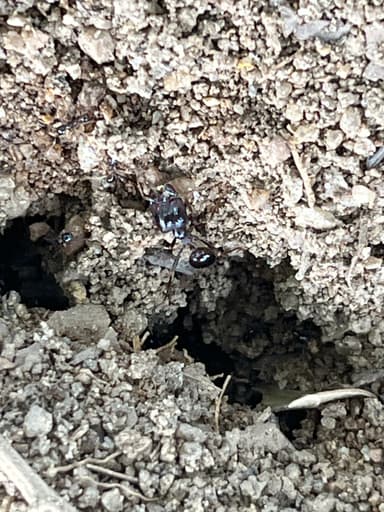
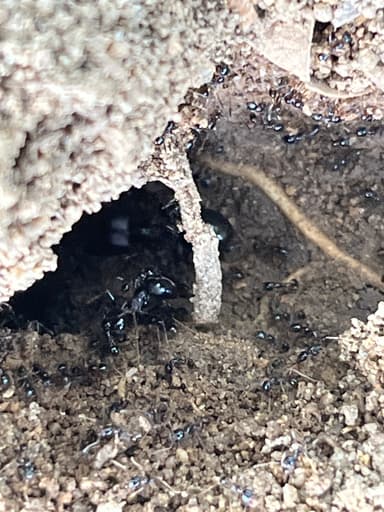
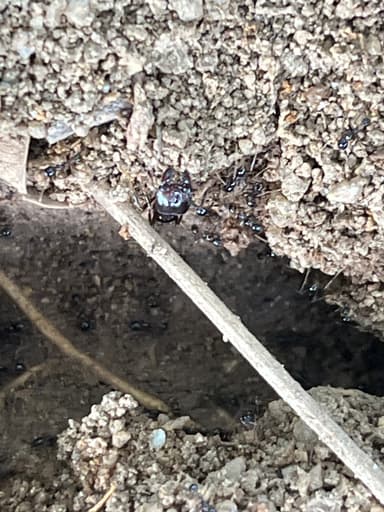
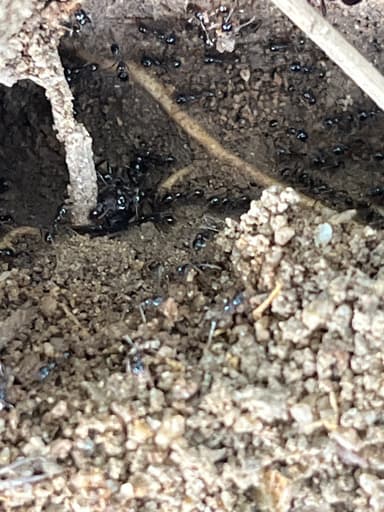
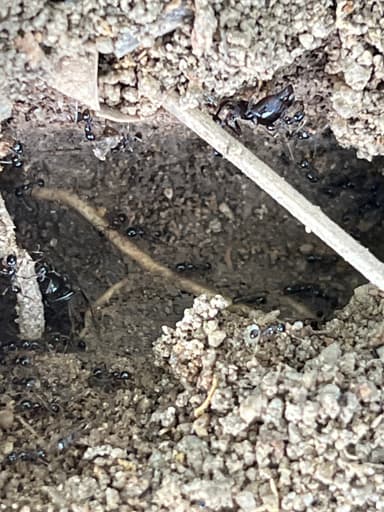
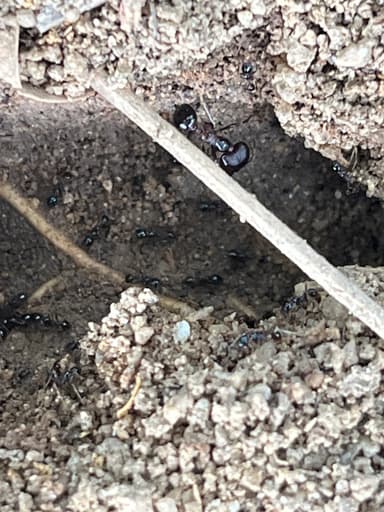
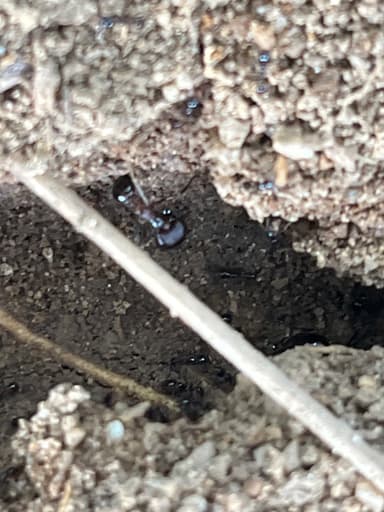
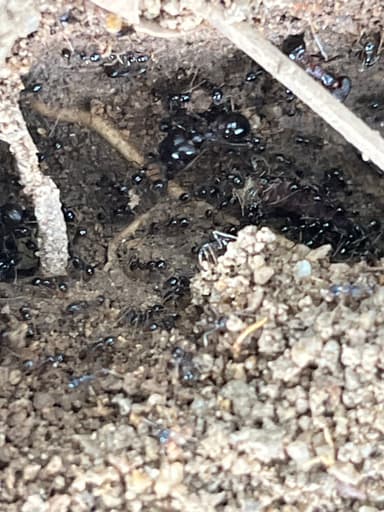
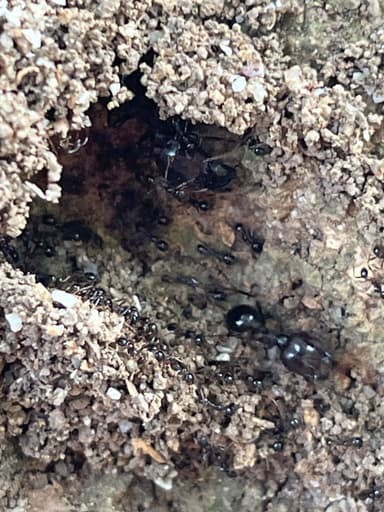
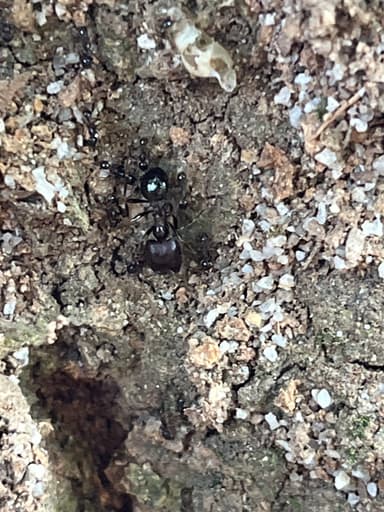
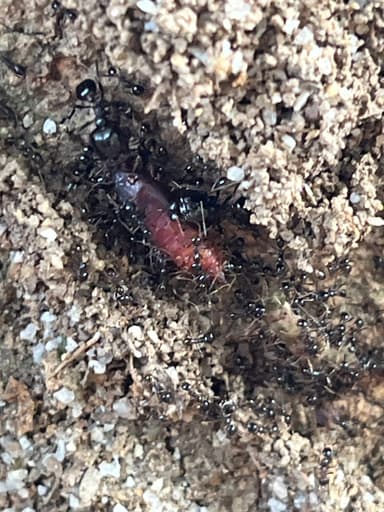
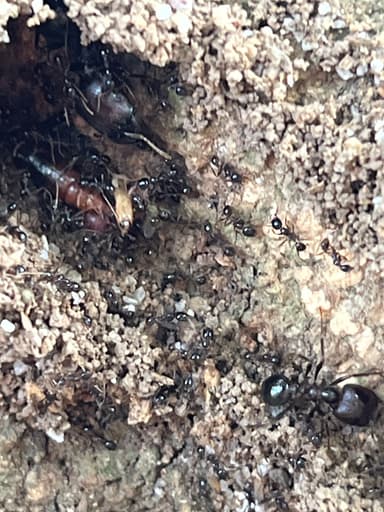
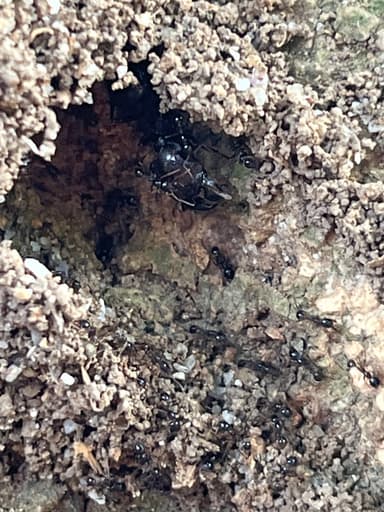
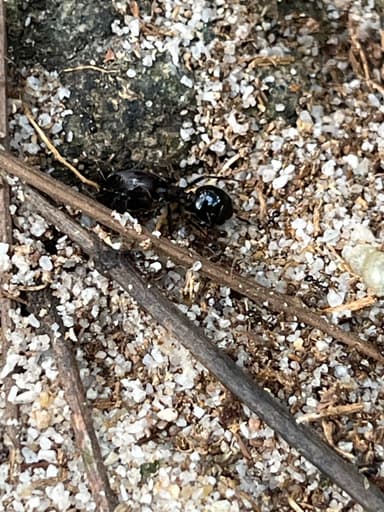
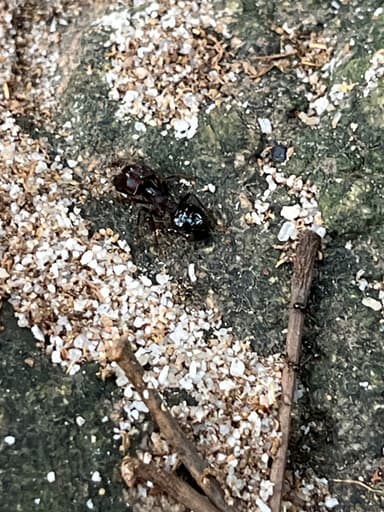
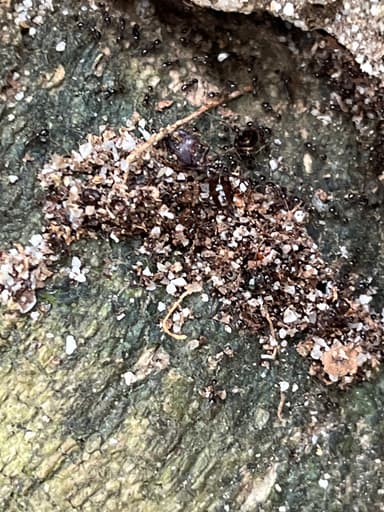
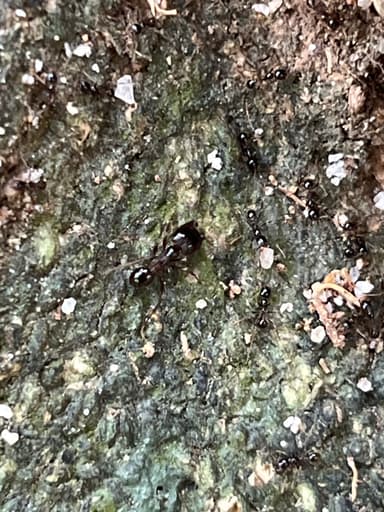
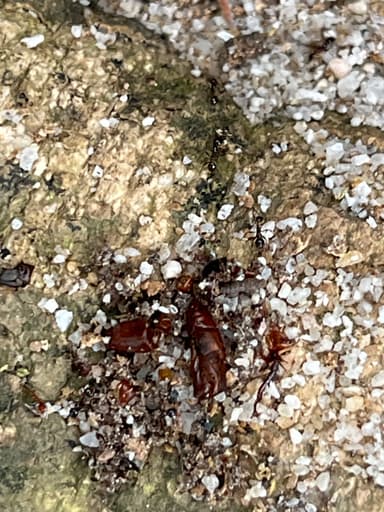
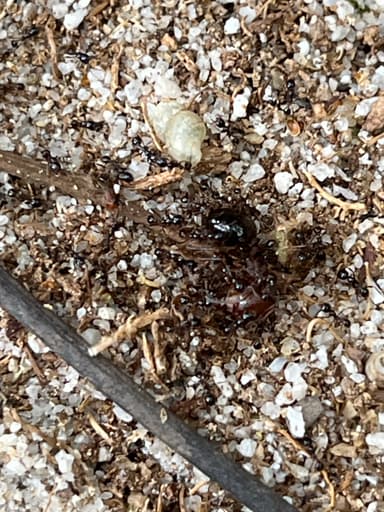
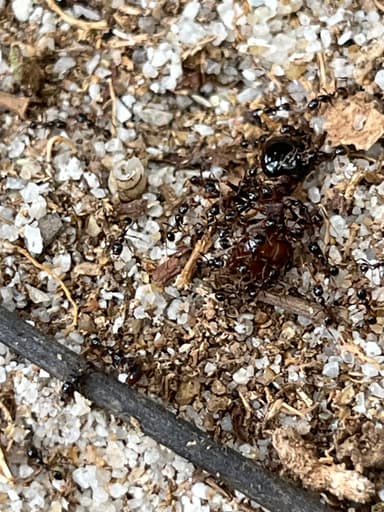
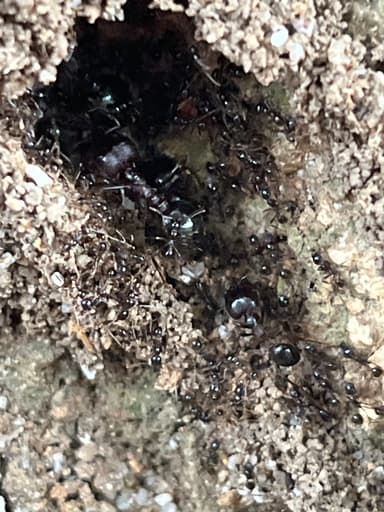
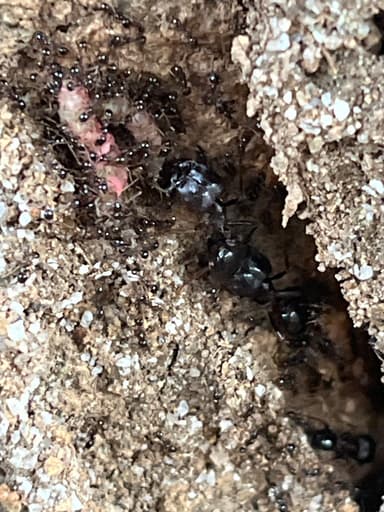
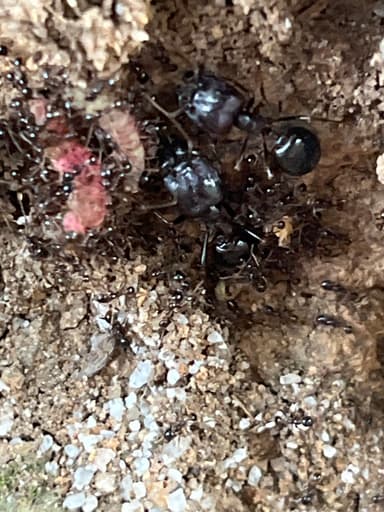
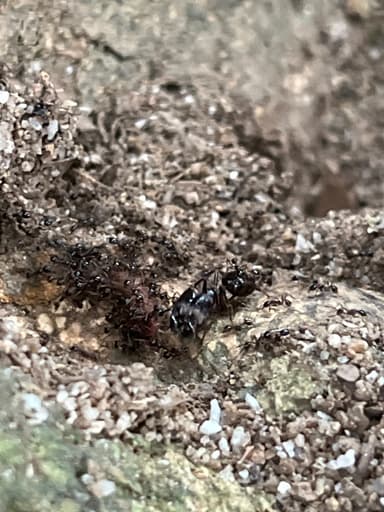
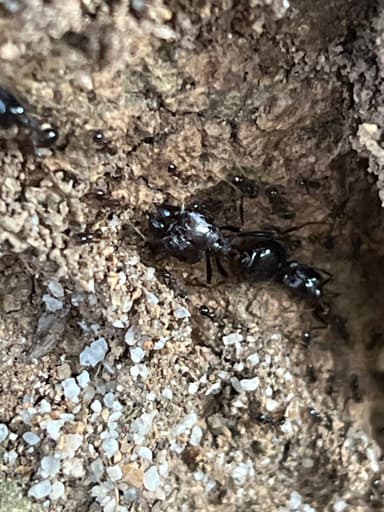
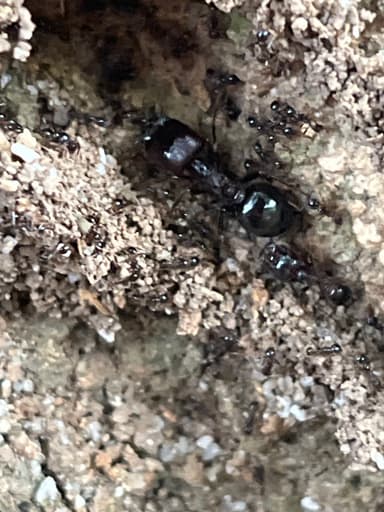
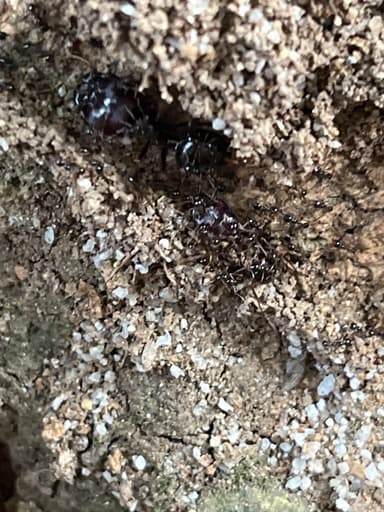
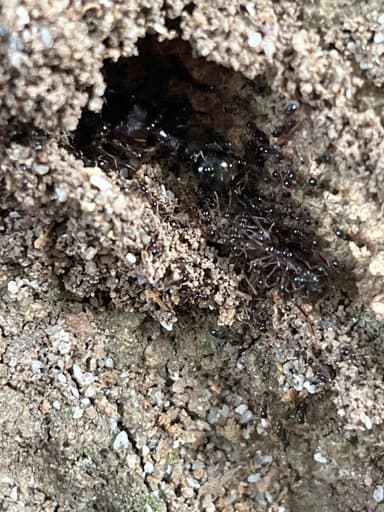
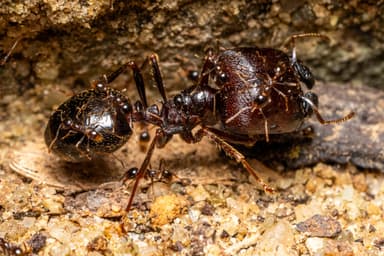
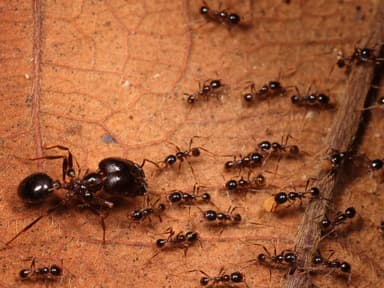
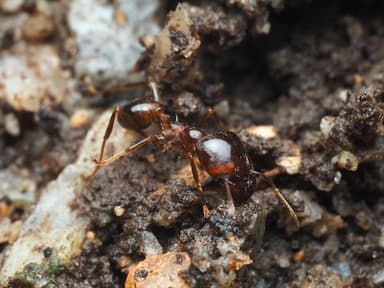
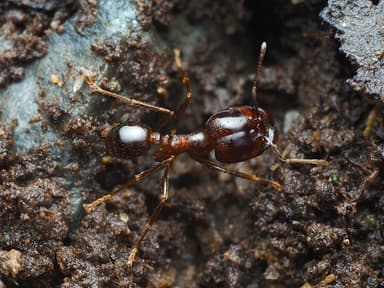
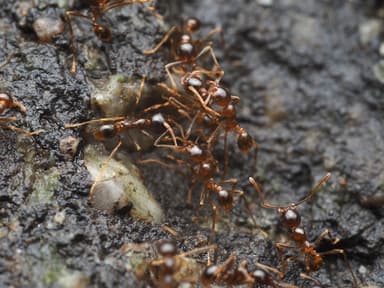
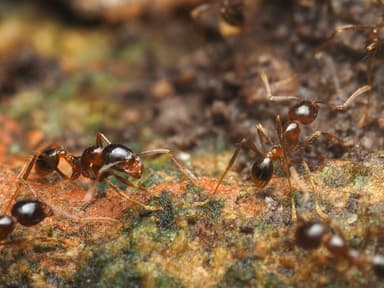
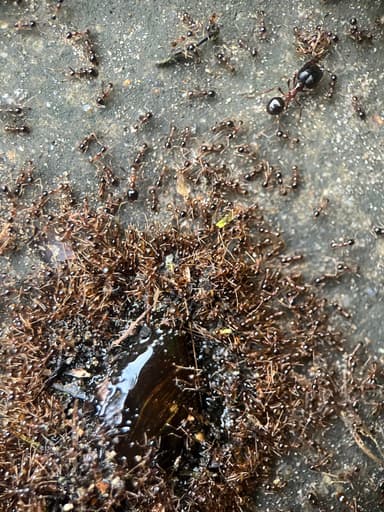
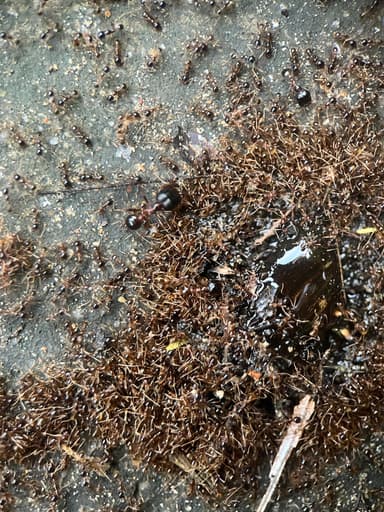
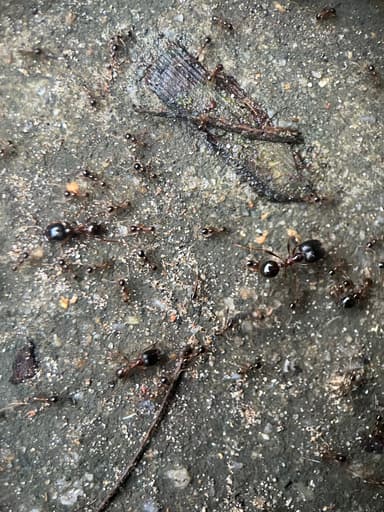
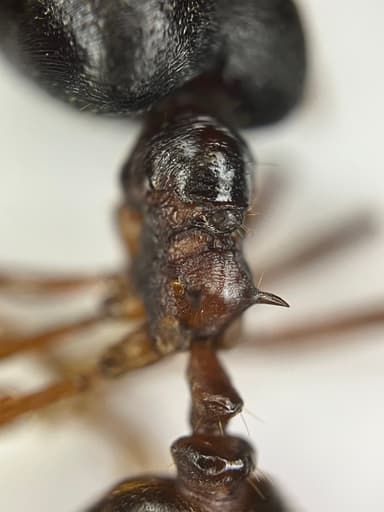
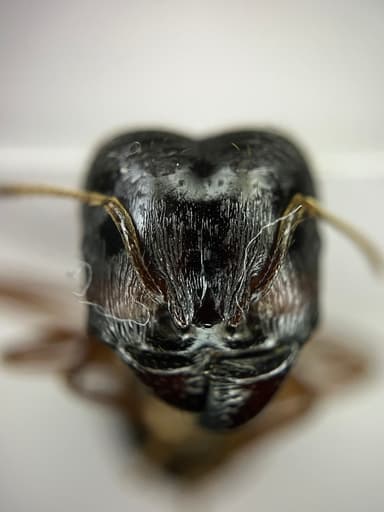
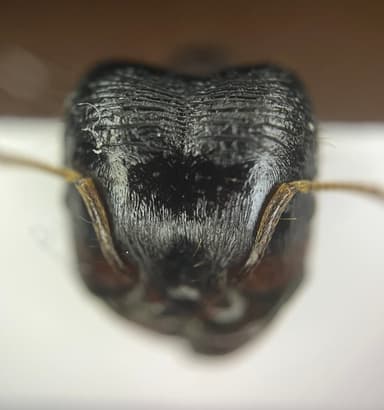
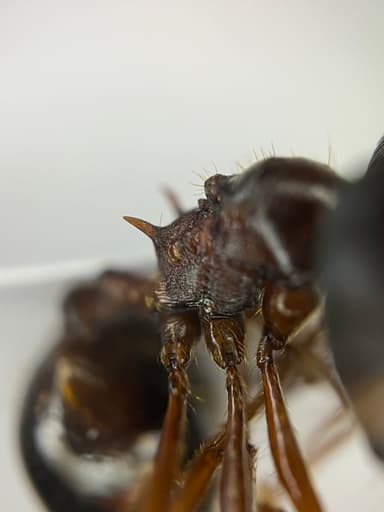
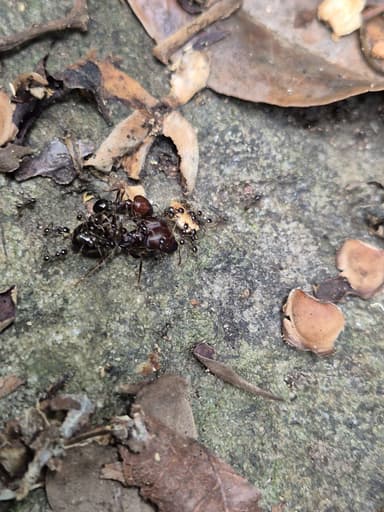
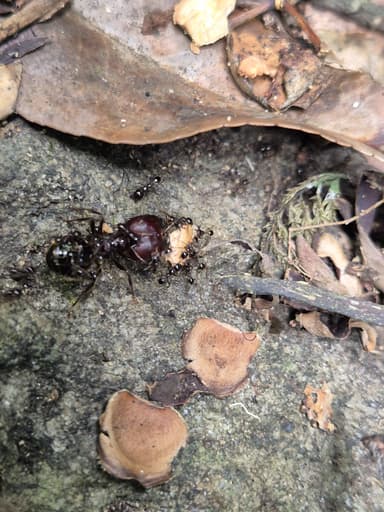
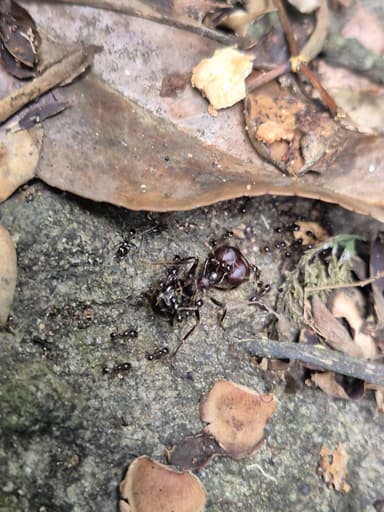
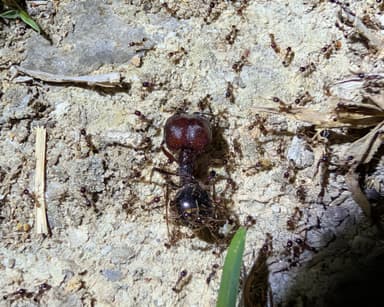
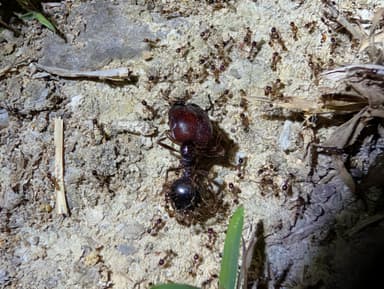
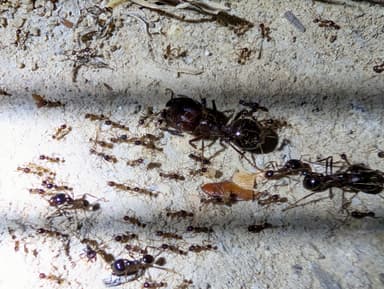
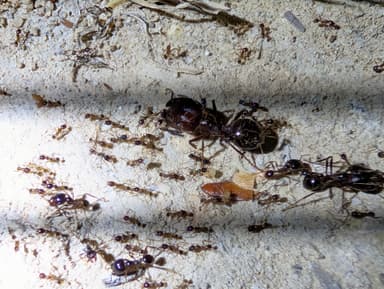
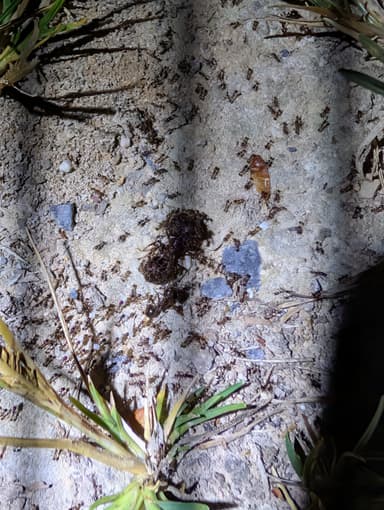
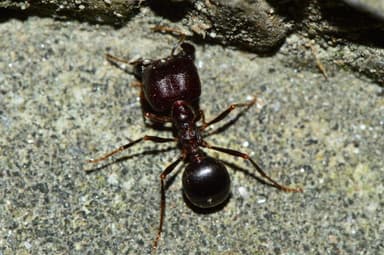
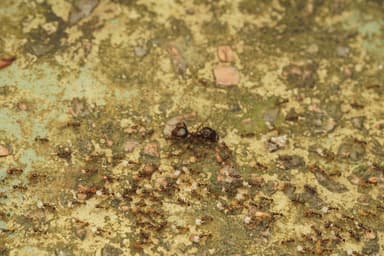
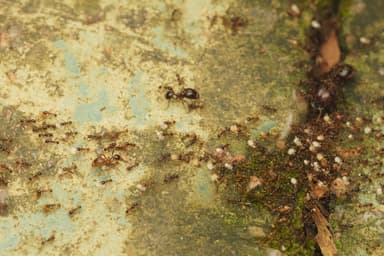
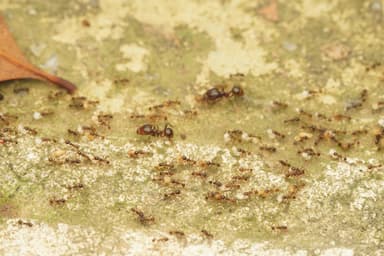
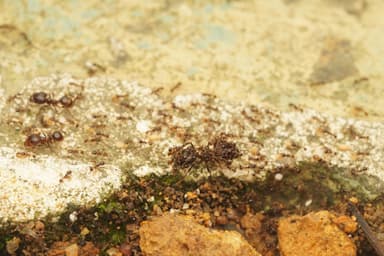
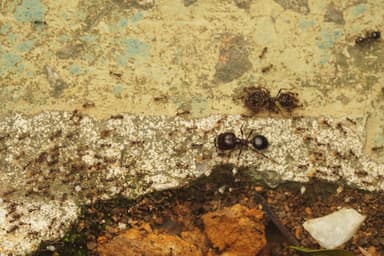
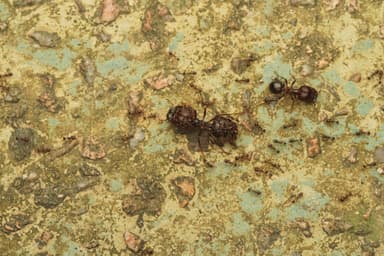
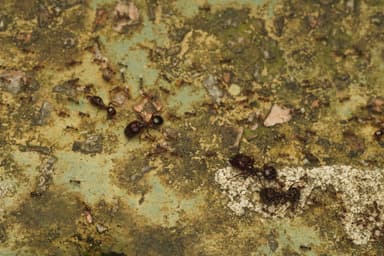
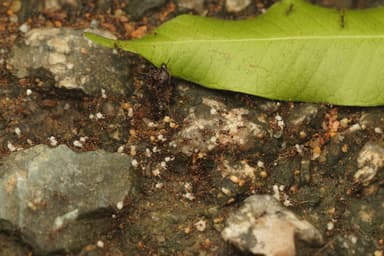
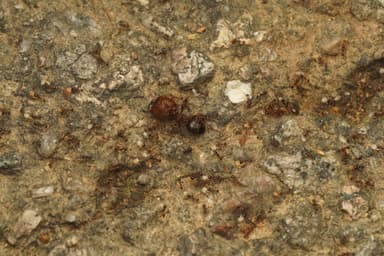
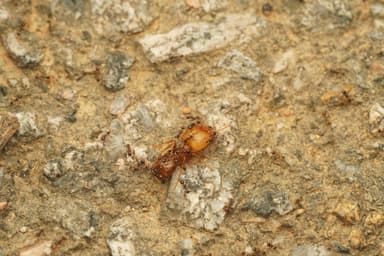
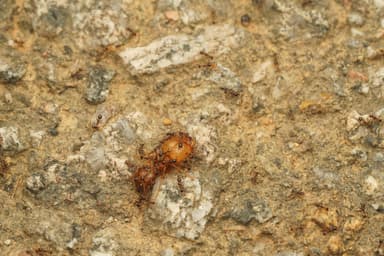
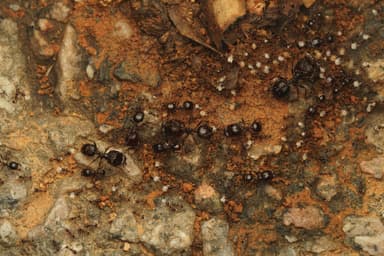
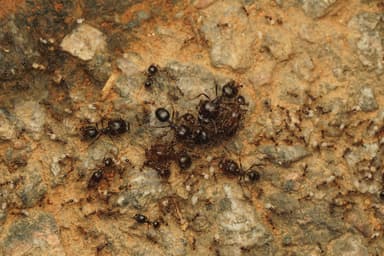
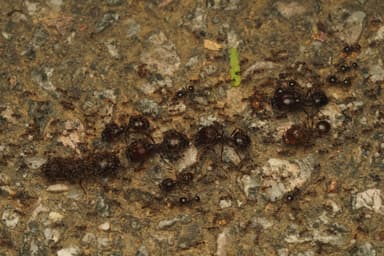
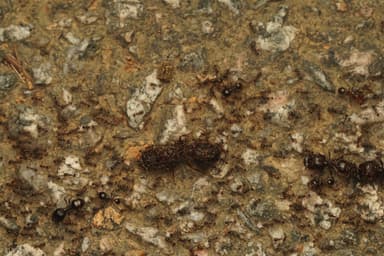
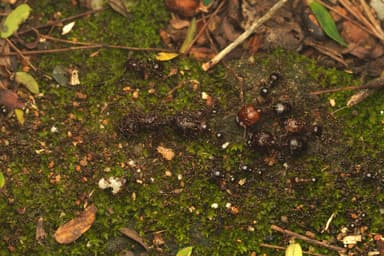
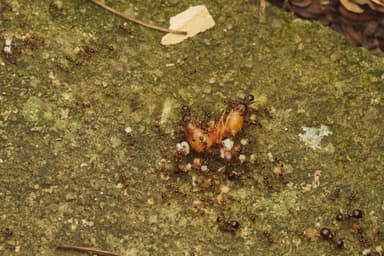
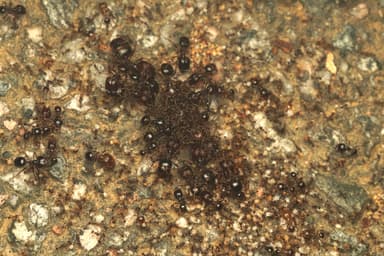
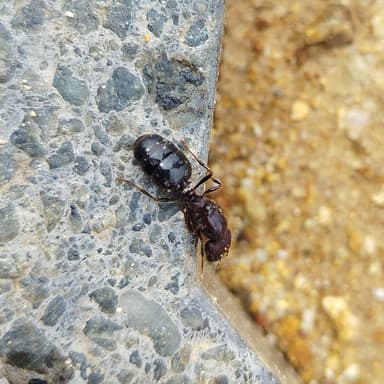
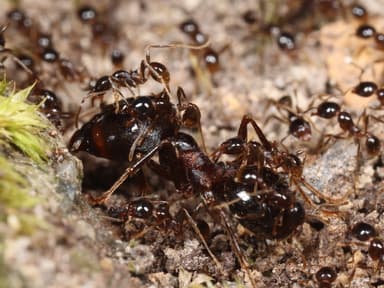
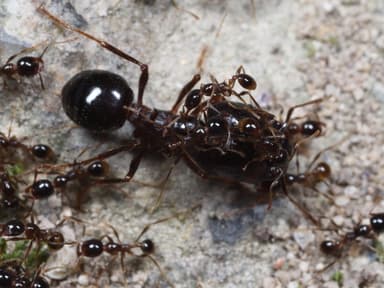
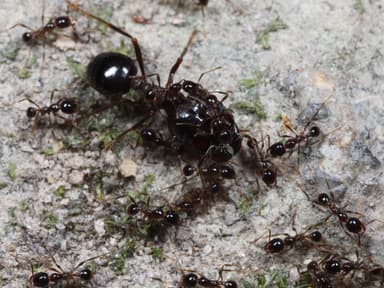
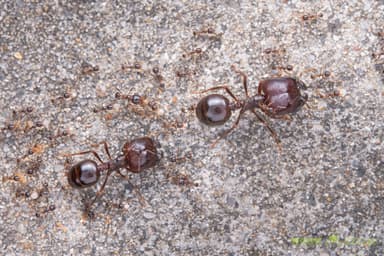
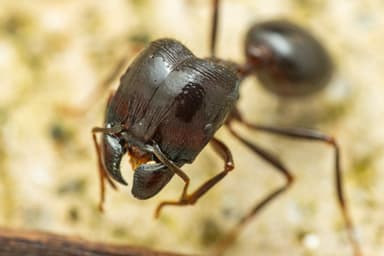
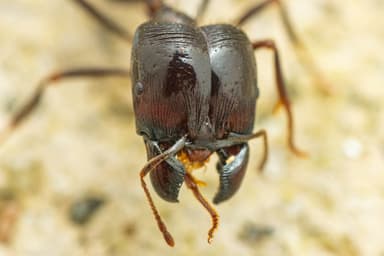
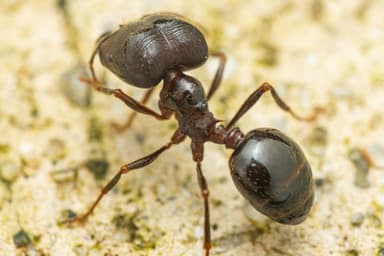
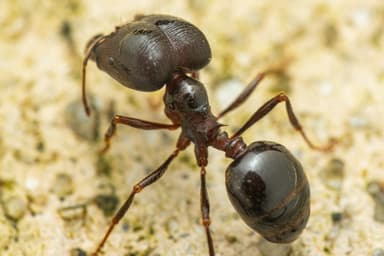
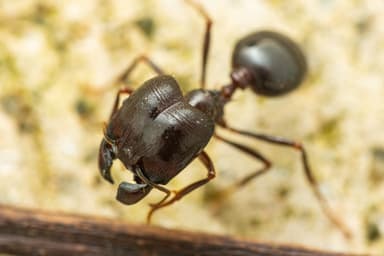
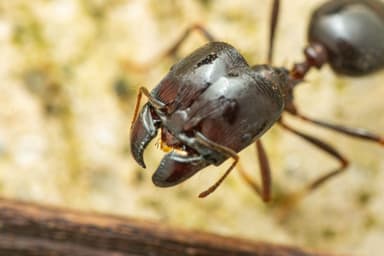
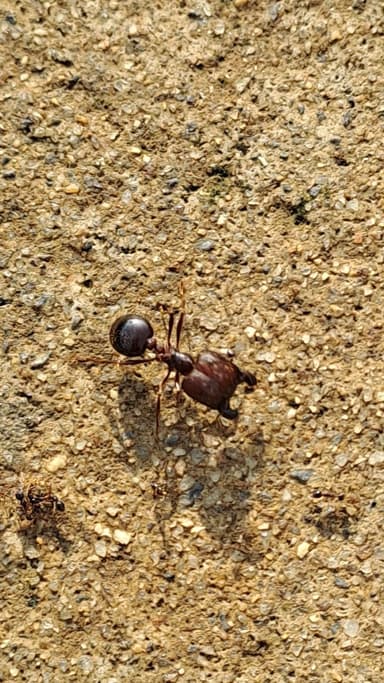
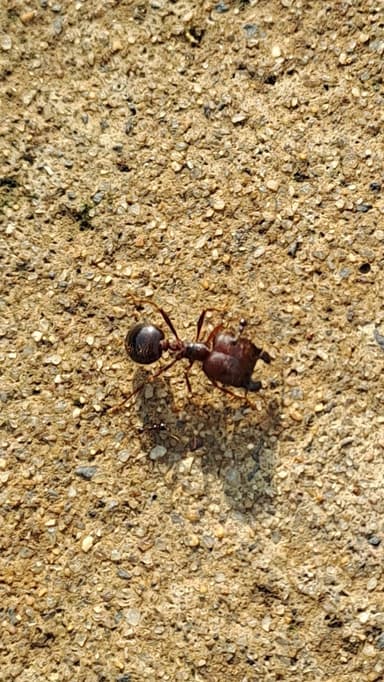
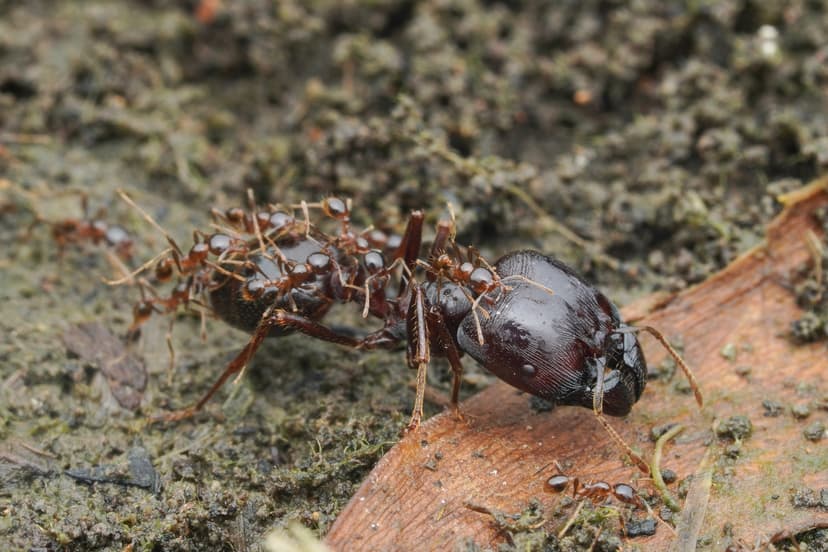
Carebara diversa is a species that showcases one of the most striking examples of polymorphism in the ant world. The queen, measuring 12–15 mm, is the colony’s founder and sole reproductive. Workers, however, span an incredible size range from just 2 mm up to 10 mm, and this variation is not random. Minor workers are tiny, agile, and handle brood care and foraging, while the massive major workers — often called soldiers — possess disproportionately large, powerful heads and strong mandibles. These soldiers act as living shields, blocking nest entrances and repelling intruders with sheer brute force. The contrast between a 2 mm minor scurrying past a 10 mm soldier is a sight that never gets old, and witnessing the colony’s coordinated defense is one of the great joys of keeping this species.
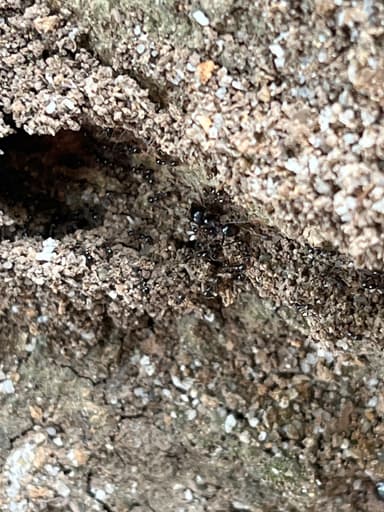
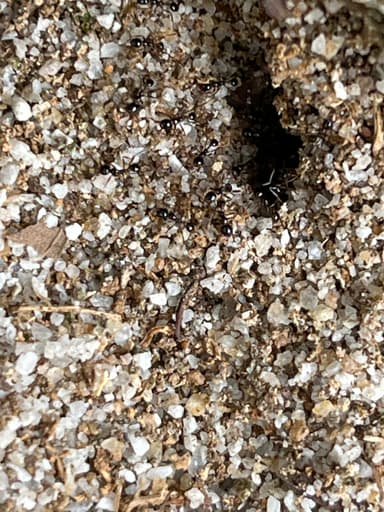
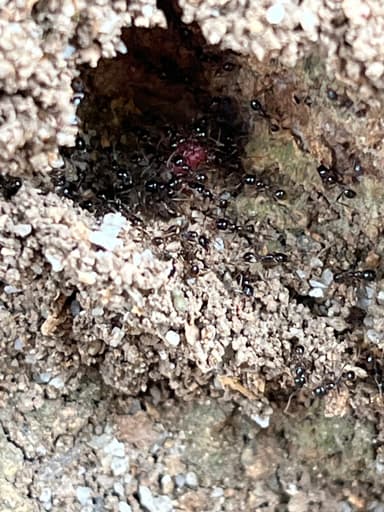
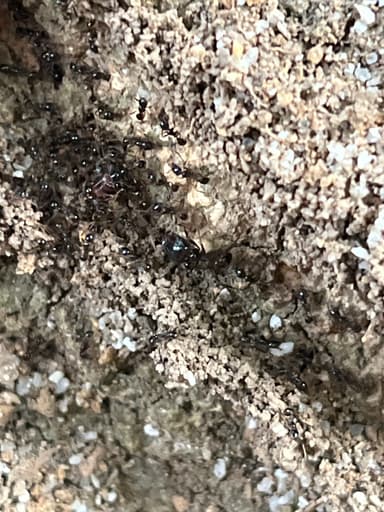
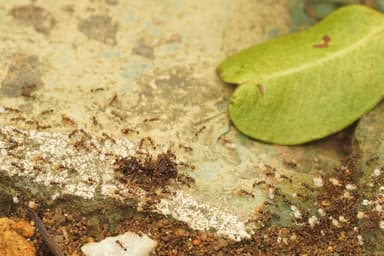
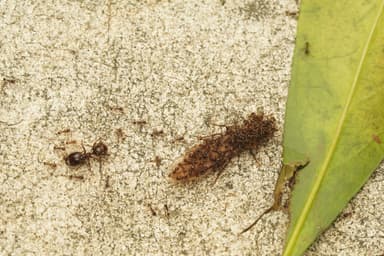
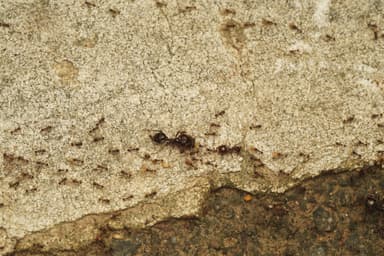
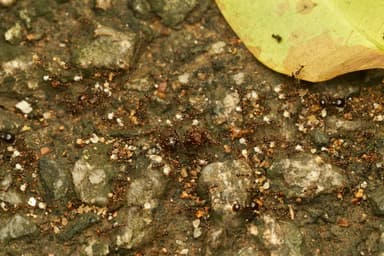
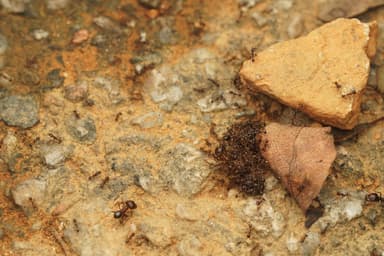
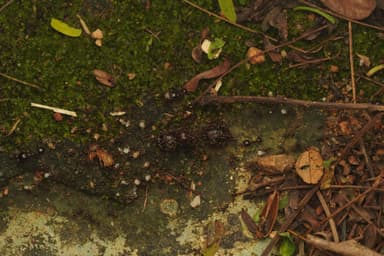
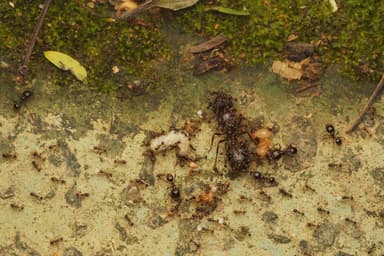
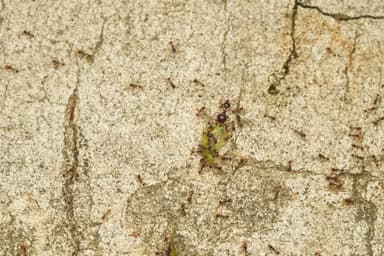
What truly sets Carebara diversa apart is its dynamic foraging behavior. These ants are highly active and aggressive hunters, sending out long, organized columns of workers that sweep across the foraging area in search of insects. They are not picky eaters — their diet includes live and dead insects, sugar water, and honeydew. Protein is essential for their rapid colony growth, so a steady supply of feeder insects is a must. Unlike seed‑based species, Carebara diversa relies entirely on liquid and soft foods, so a clean water source and sugar solution should always be available. Their colonies can swell to tens of thousands of workers, and when a large raiding party gets going, it’s a spectacle of coordinated efficiency.
Care difficulty
Keeping Carebara diversa is best suited for intermediate keepers. While the ants are hardy and adaptable, their sheer numbers and fast growth mean the keeper must be prepared for a colony that expands quickly and demands frequent feeding. The need for a reliable protein source and careful humidity management adds a layer of responsibility beyond beginner‑level species. However, for those with some experience, the payoff is a colony that is endlessly fascinating to watch.
Housing
A formicarium for Carebara diversa must accommodate a large, growing population. Start with a medium‑sized nest and plan to expand as the colony outgrows it. The nest should be kept warm — 22–30°C — with humidity between 60–80%. A moist section in the nest or a hygrometer‑monitored chamber helps larvae develop properly. The foraging area should be spacious and escape‑proof, as these ants are determined explorers. Provide a clean water source and a feeding dish for sugar water and insect pieces. Avoid sudden disturbances; while not as skittish as some species, they will react to strong vibrations by retreating temporarily.
First days after purchase
Upon receiving your Carebara diversa colony, transfer them gently into their new formicarium and place it in a quiet, dimly lit spot. Allow the ants several days to settle in without disturbance. Check that the nest has adequate moisture and that the foraging area is secure. Offer a small amount of sugar water and a tiny piece of insect protein to encourage feeding. Observe from a distance — you may see the smaller workers exploring while the soldiers stand guard. Resist the urge to handle or move the nest; patience now ensures a strong, confident colony in the weeks ahead.