Camponotus
Camponotus compressus
Care Guide
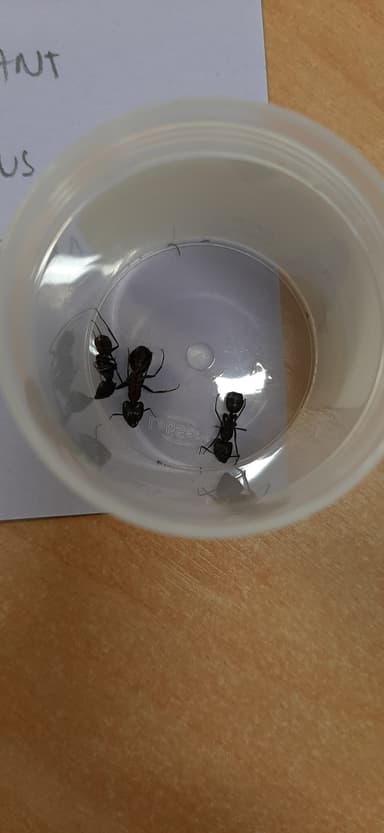
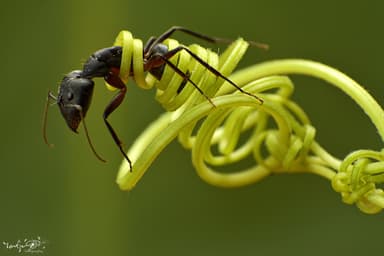
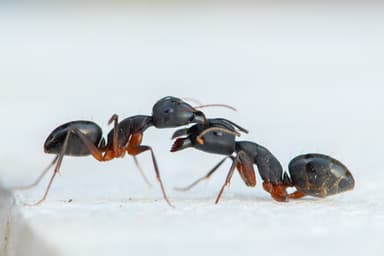
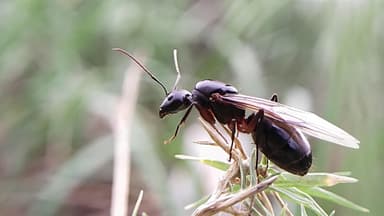
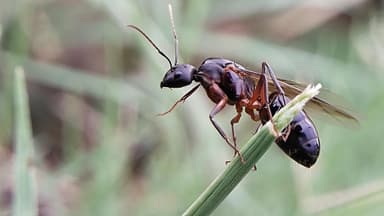
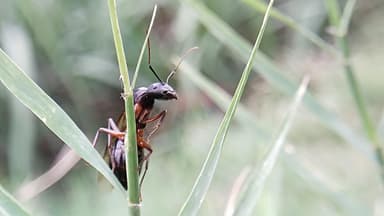
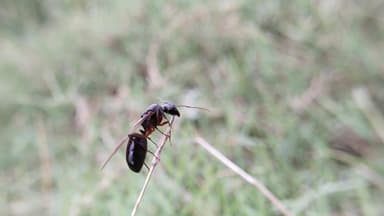
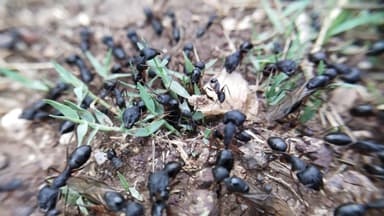
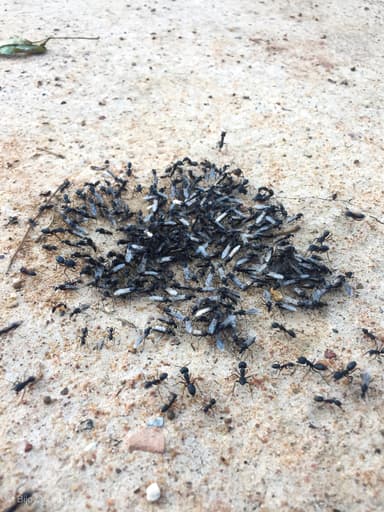
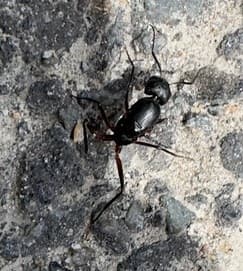
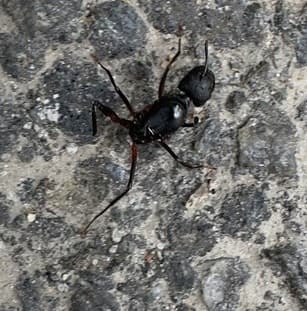
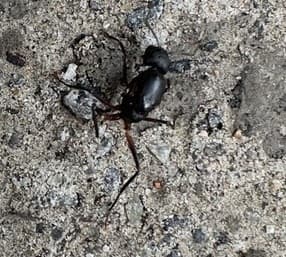
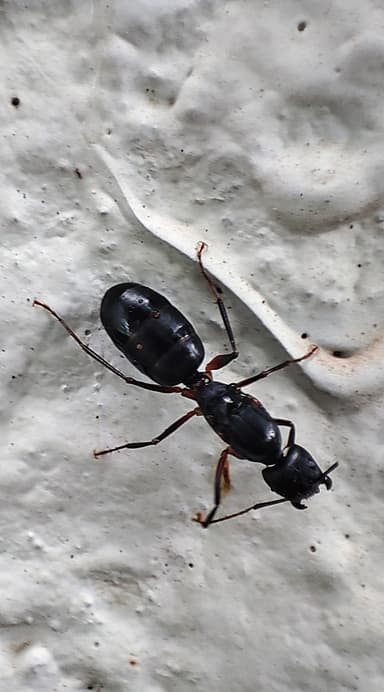
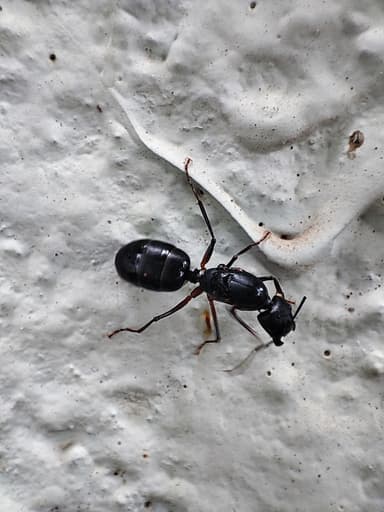
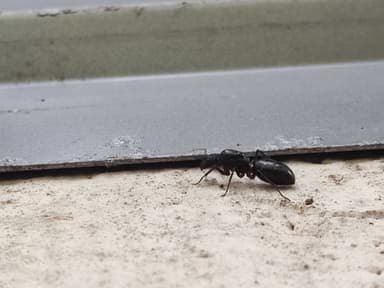
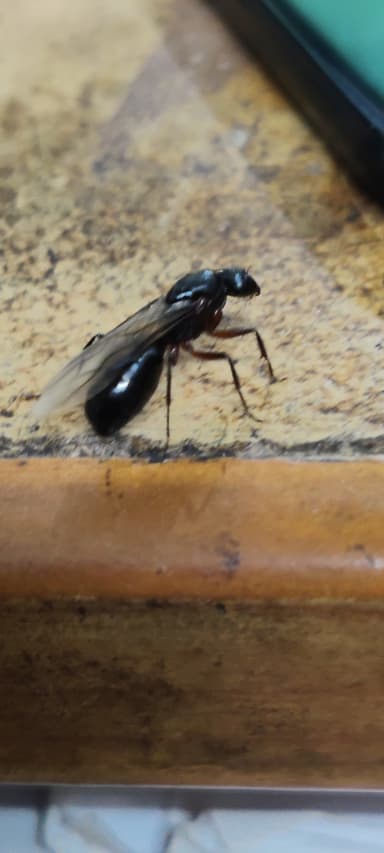
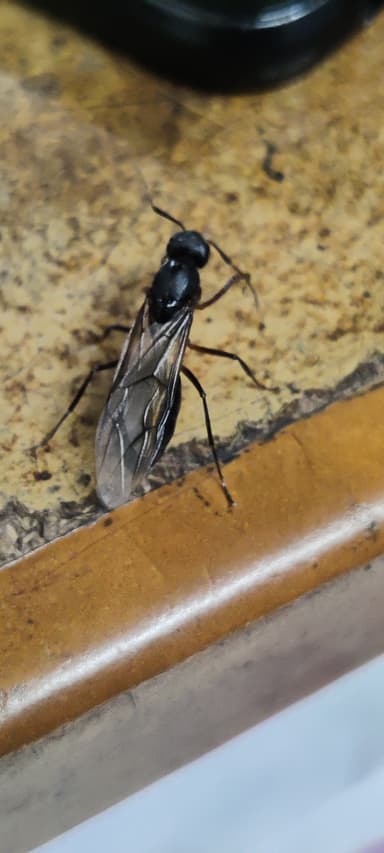
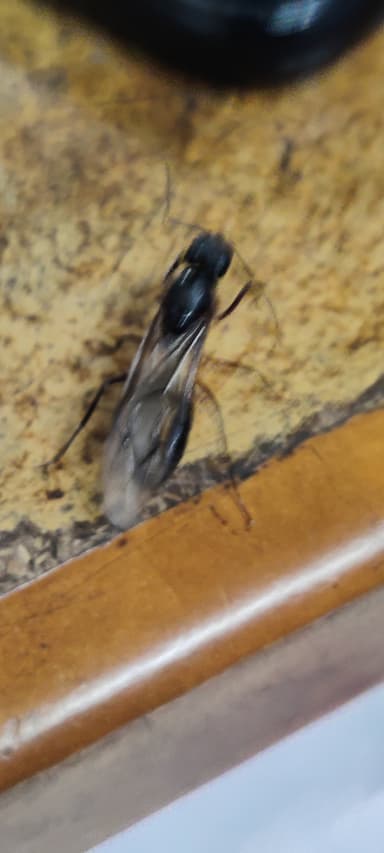
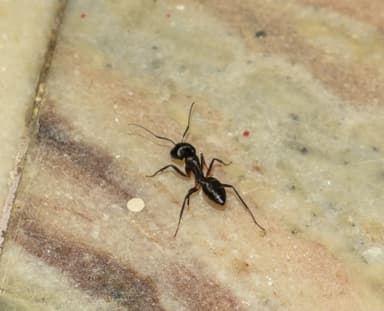
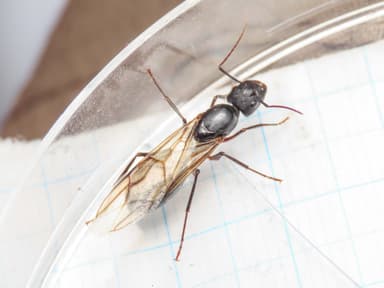
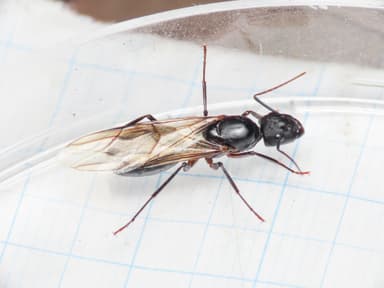
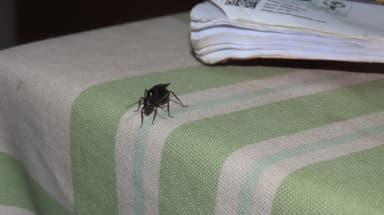
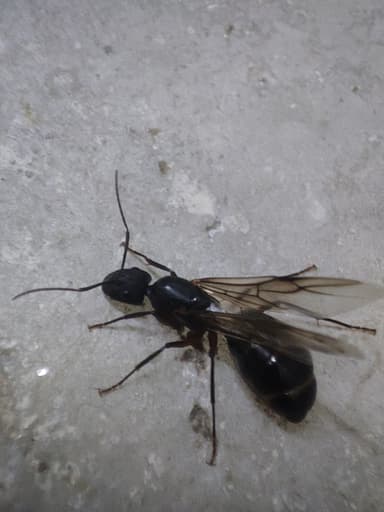
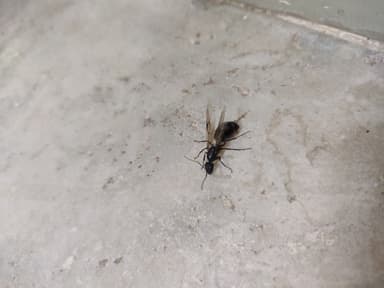
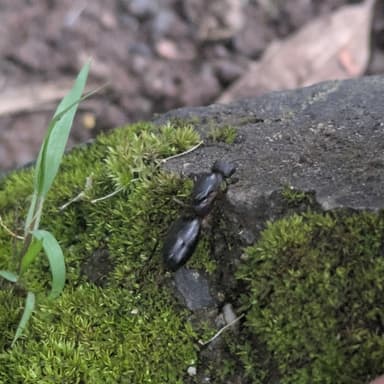
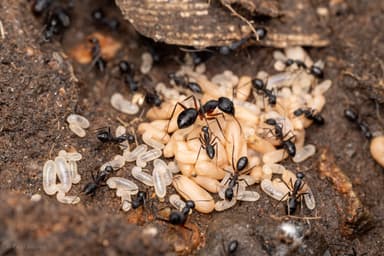
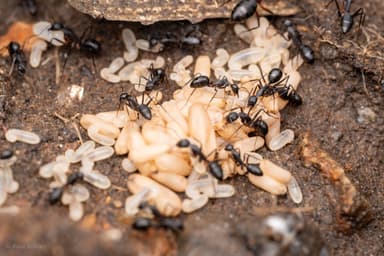
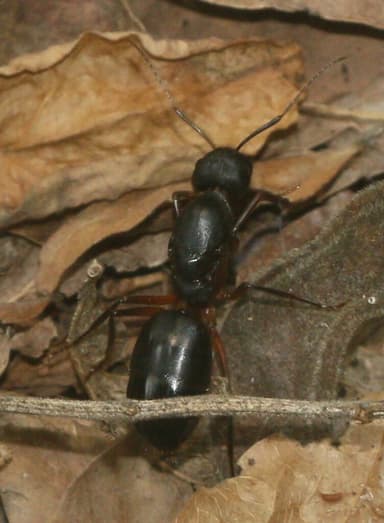
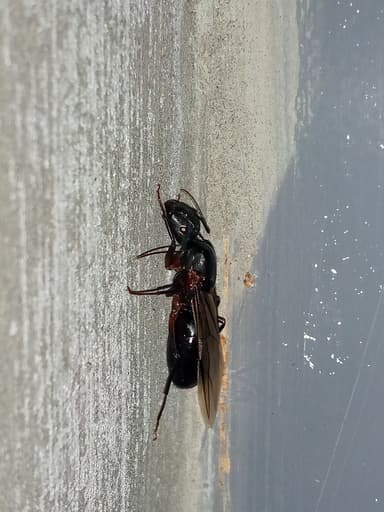
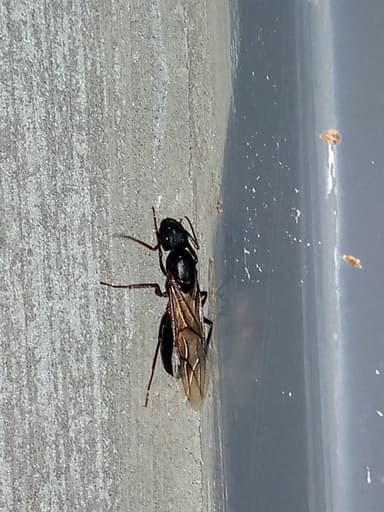
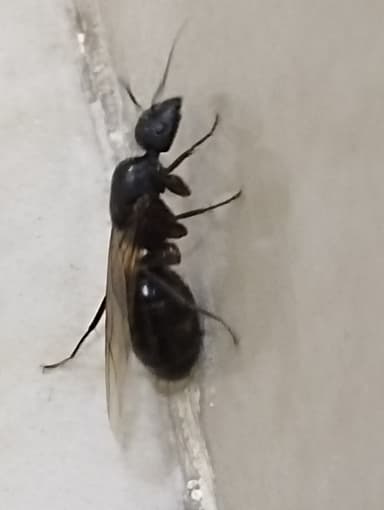
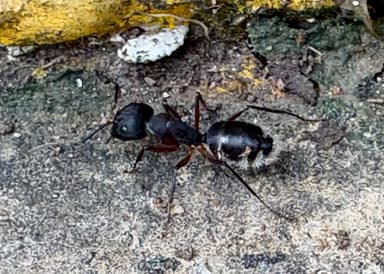
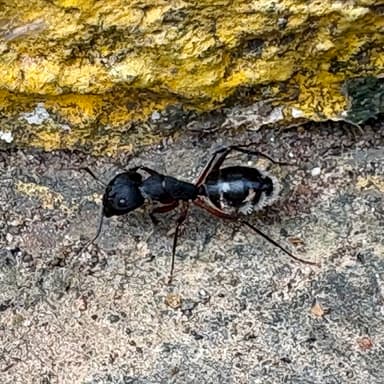
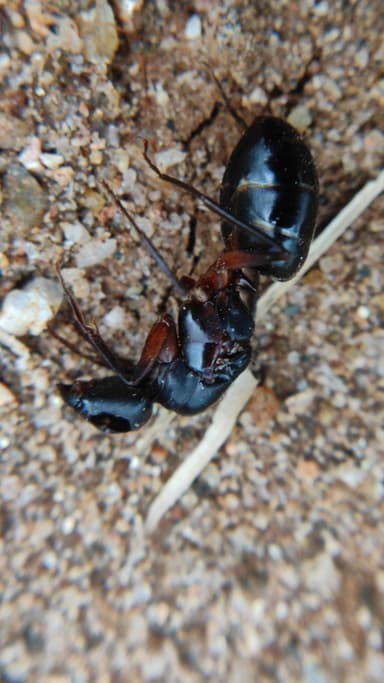
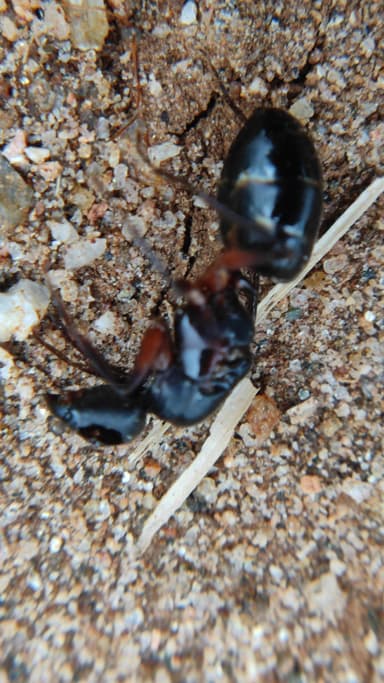
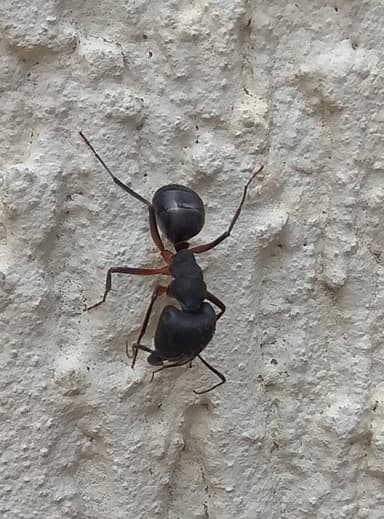
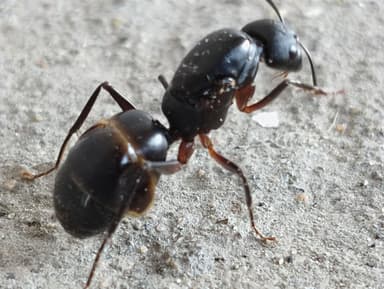
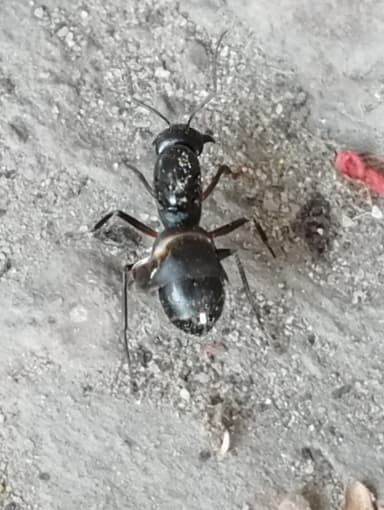
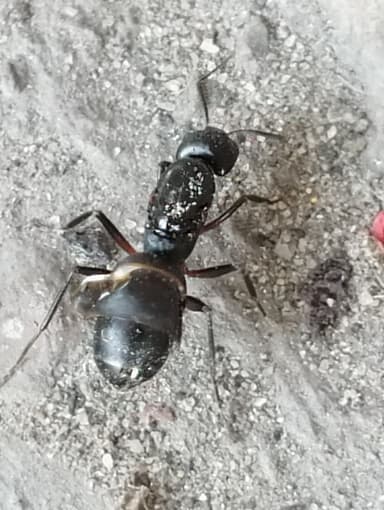
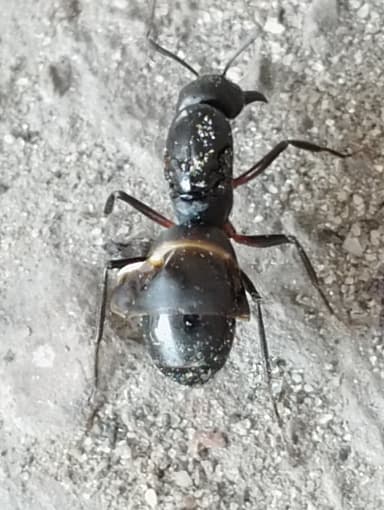
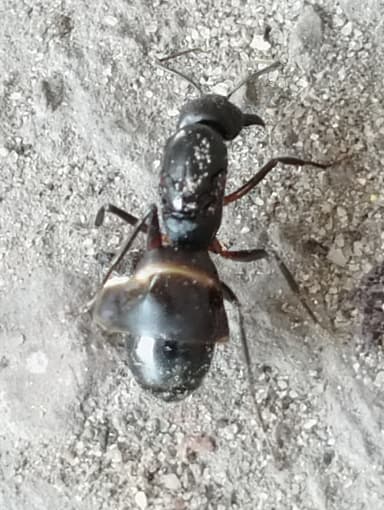
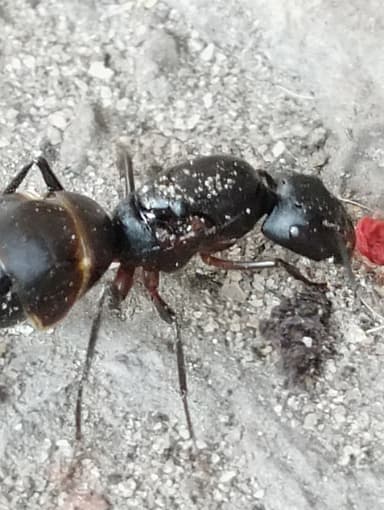
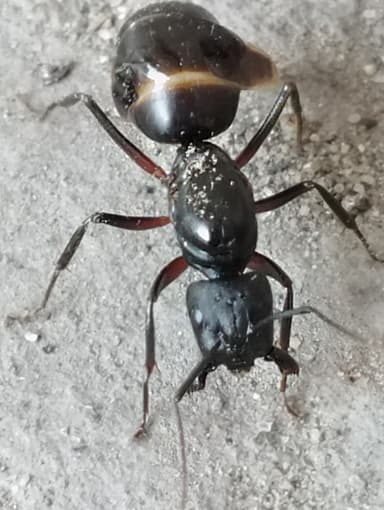
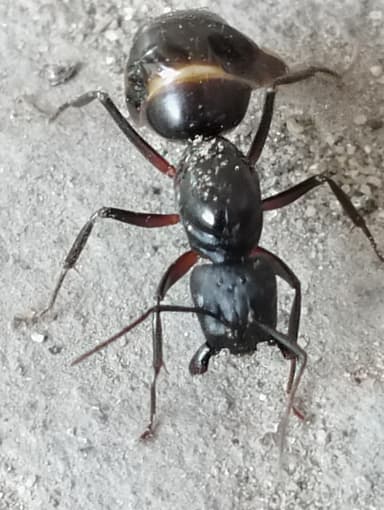
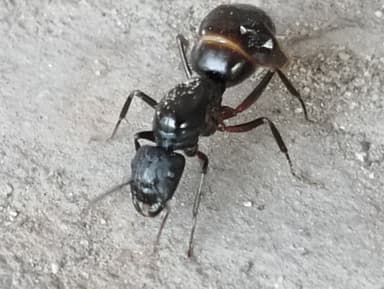
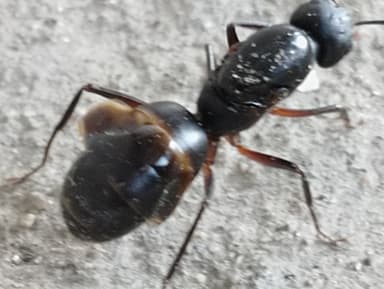
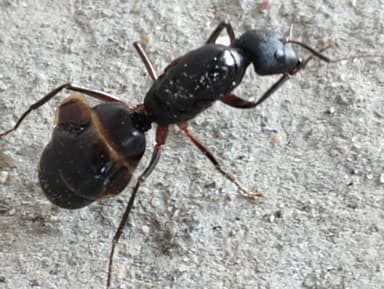
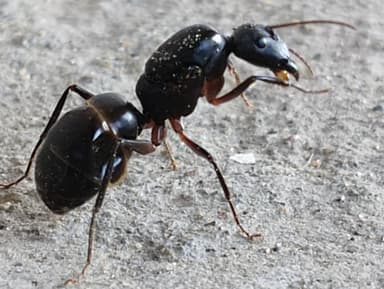
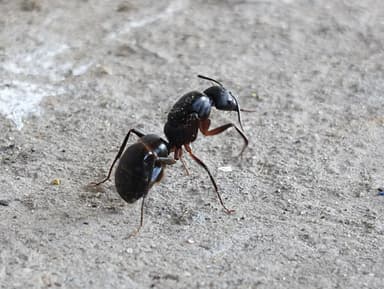
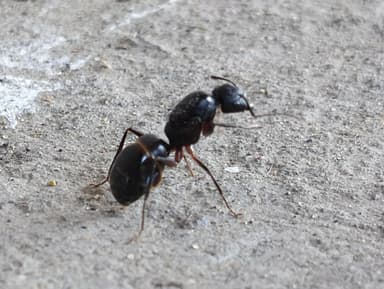
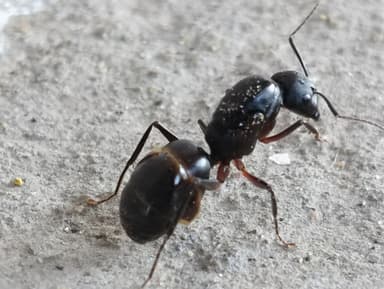
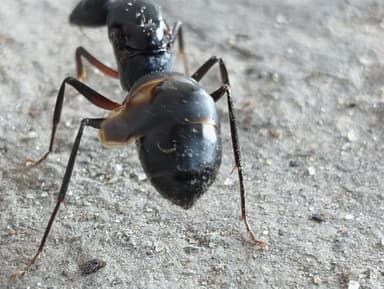
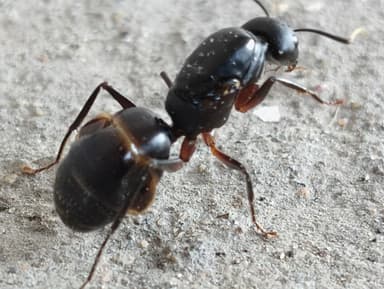
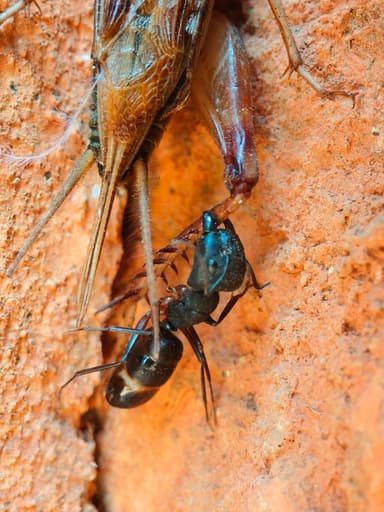
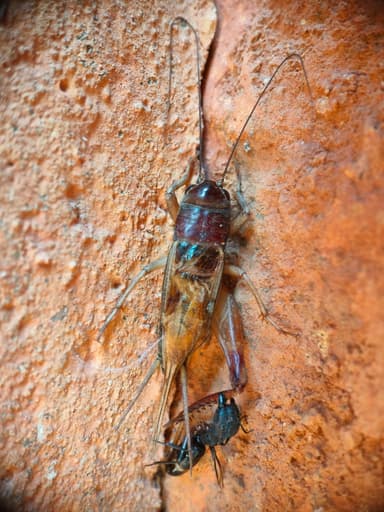
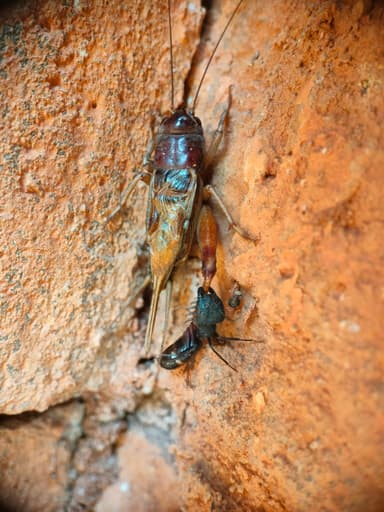
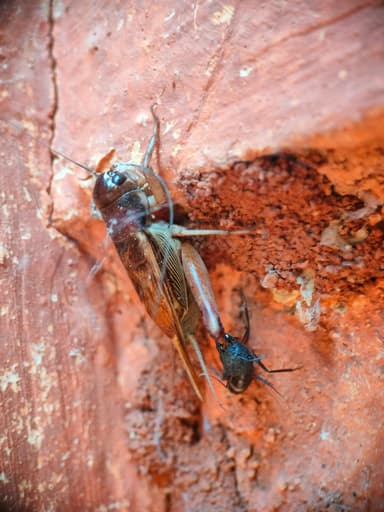
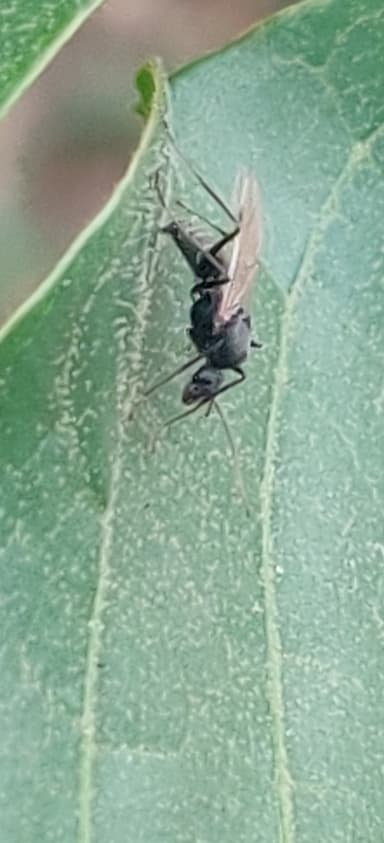
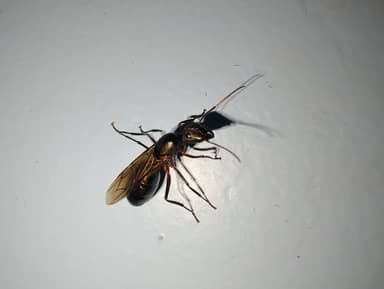
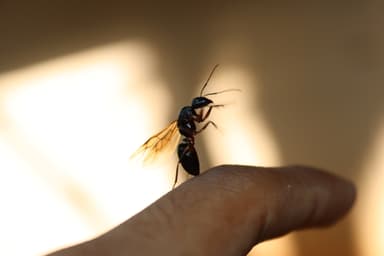
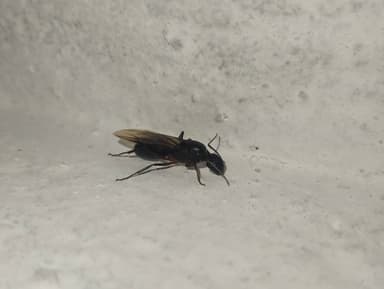
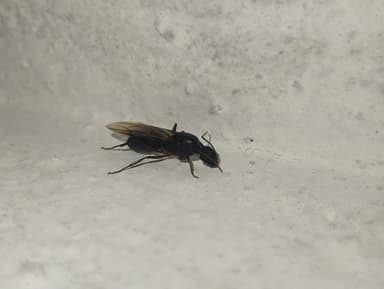
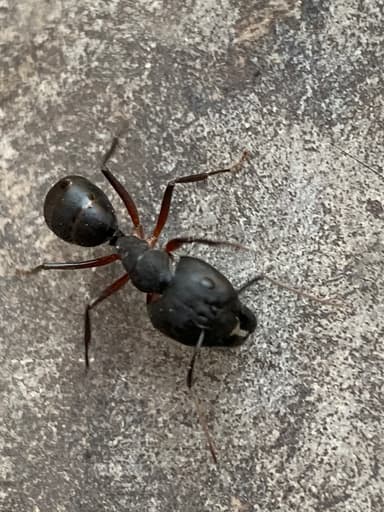
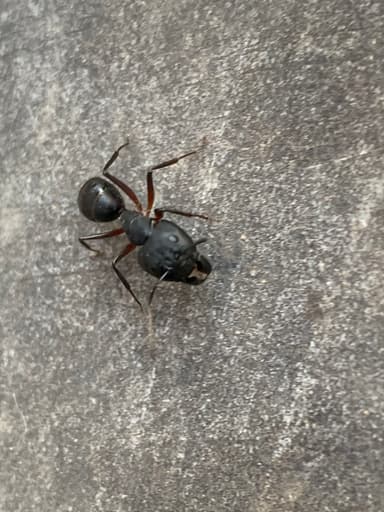
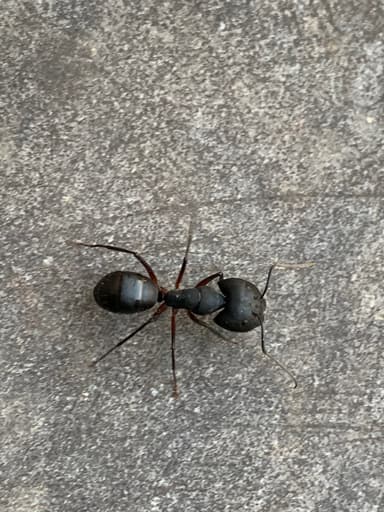
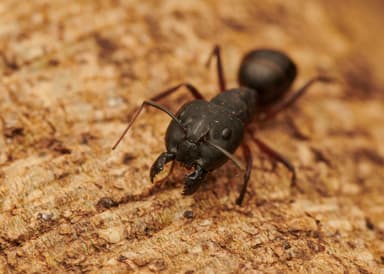
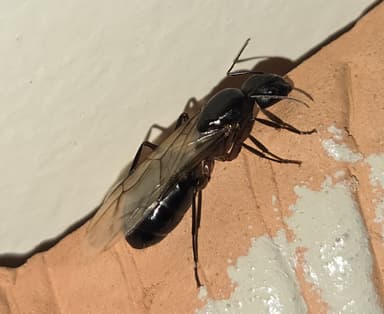
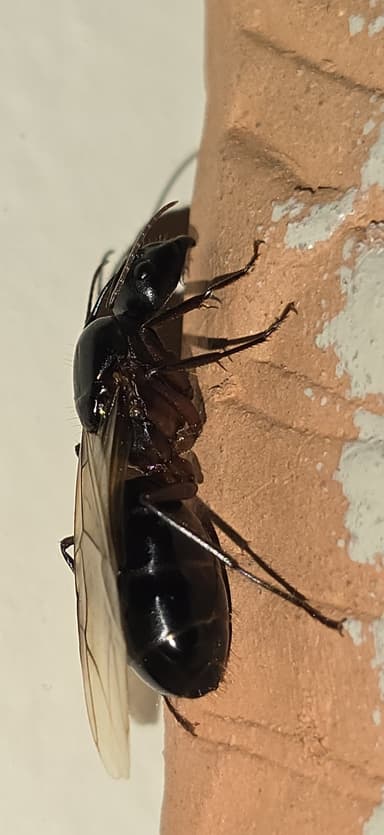
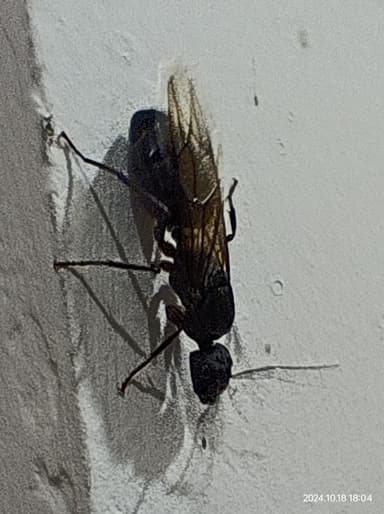
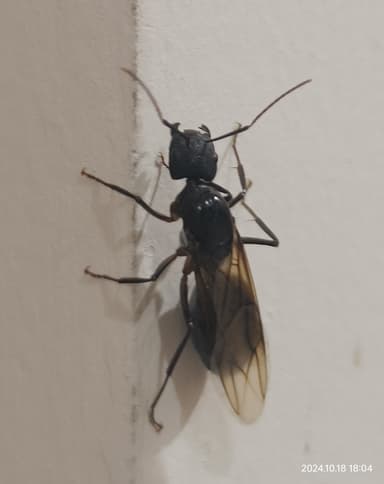
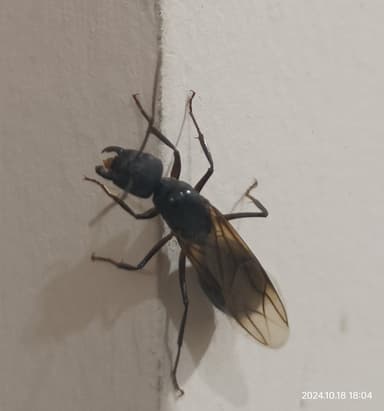
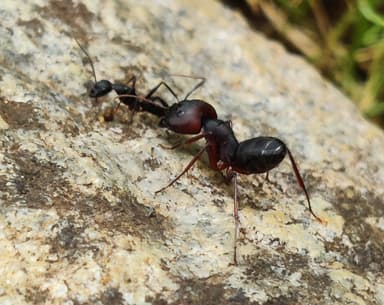
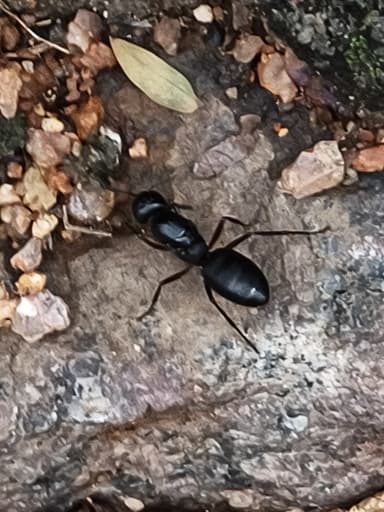
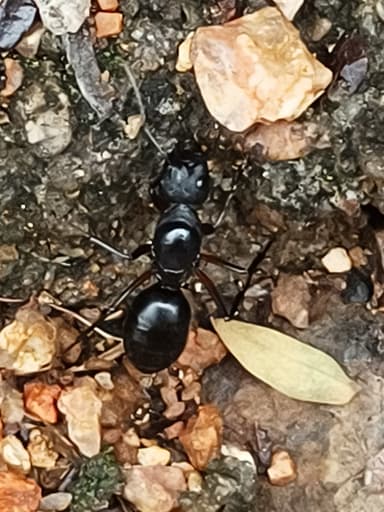
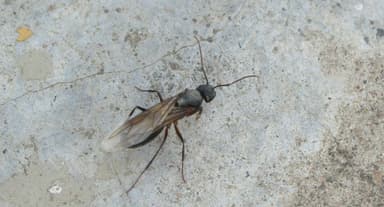
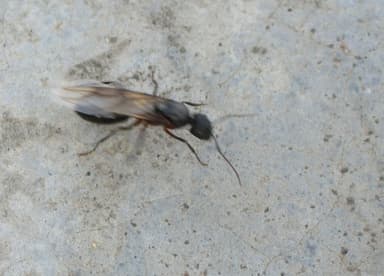
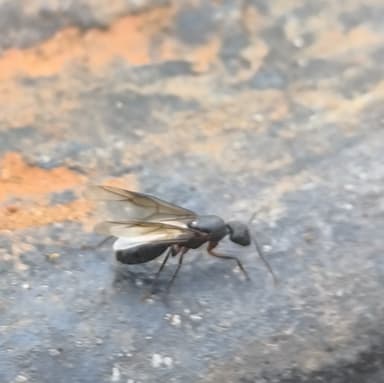
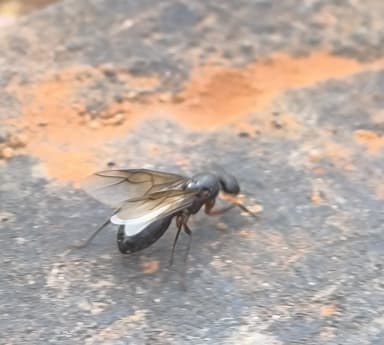
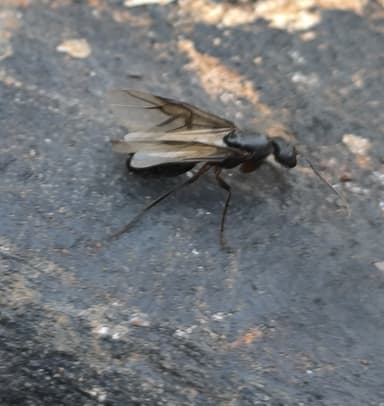
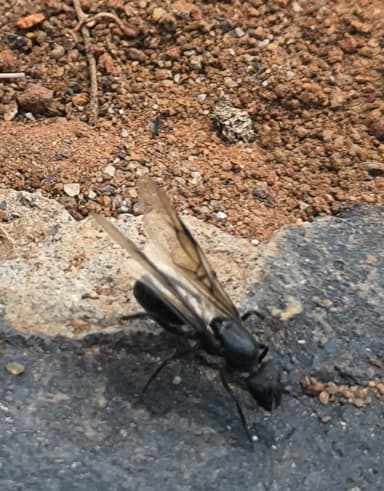
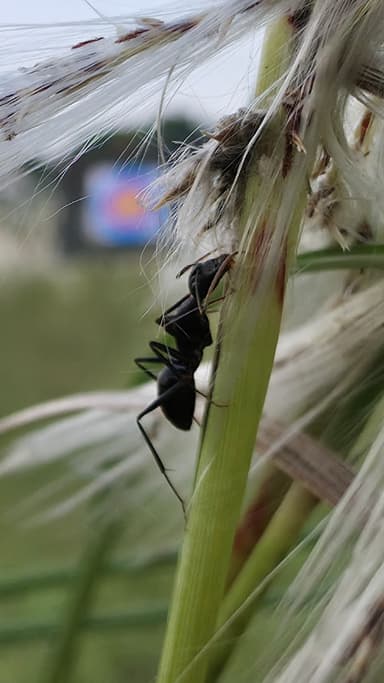
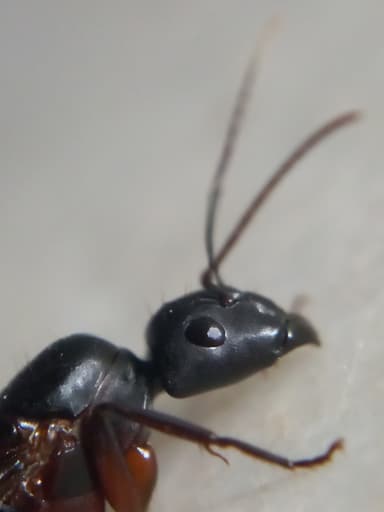
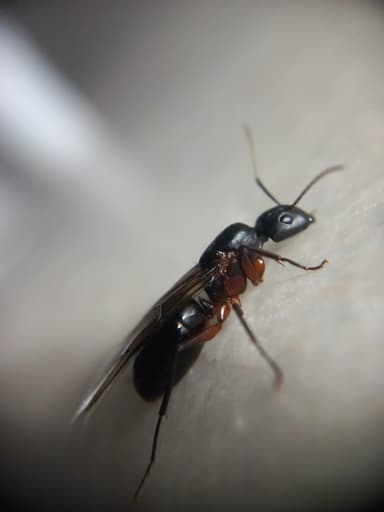
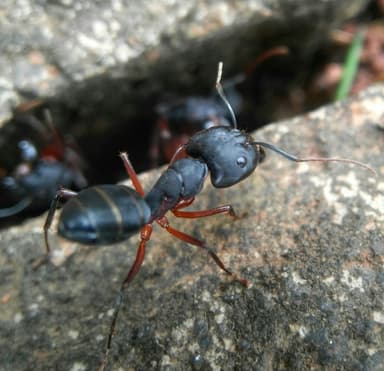
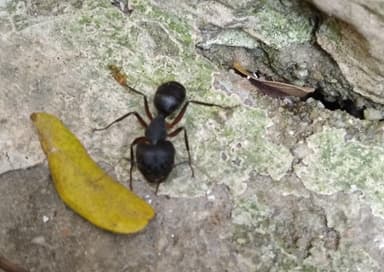
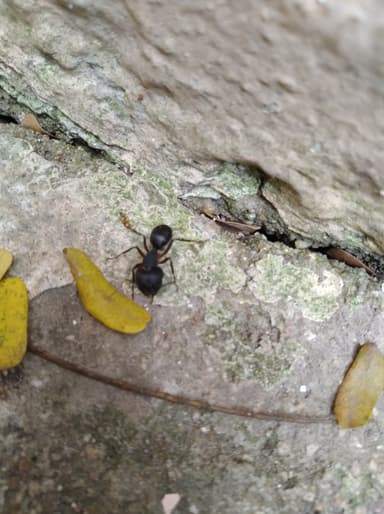
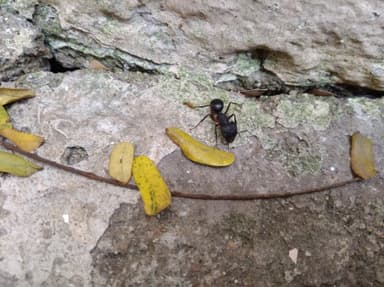
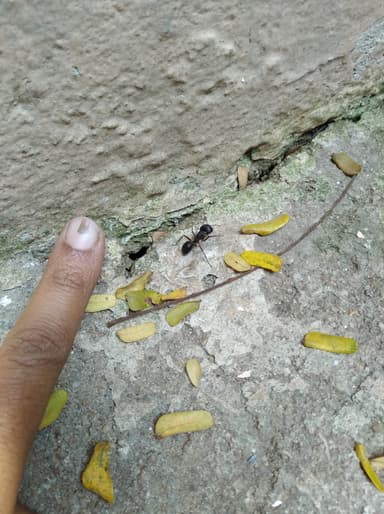
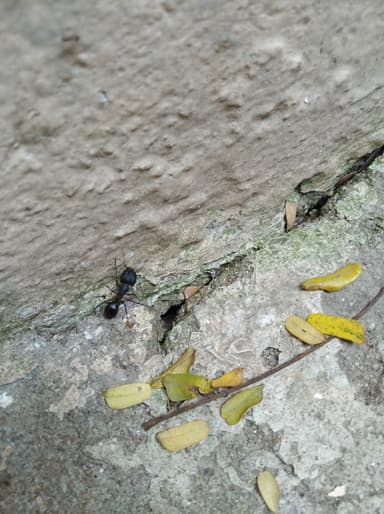
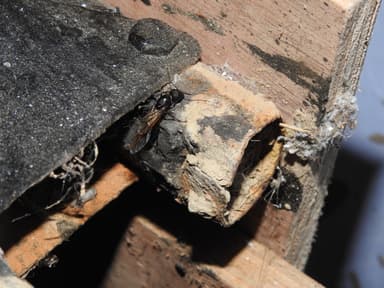
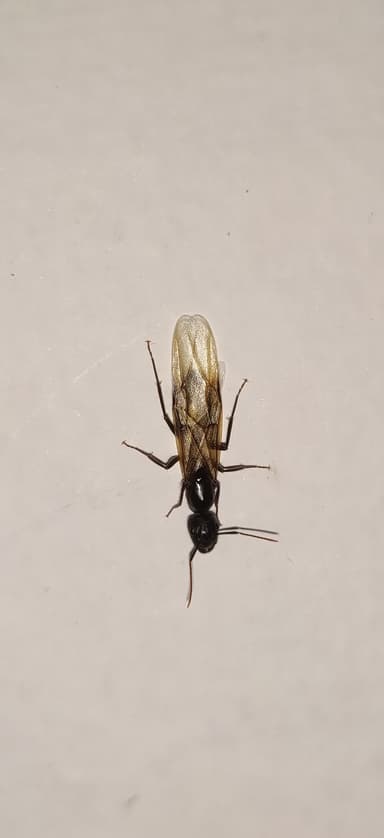
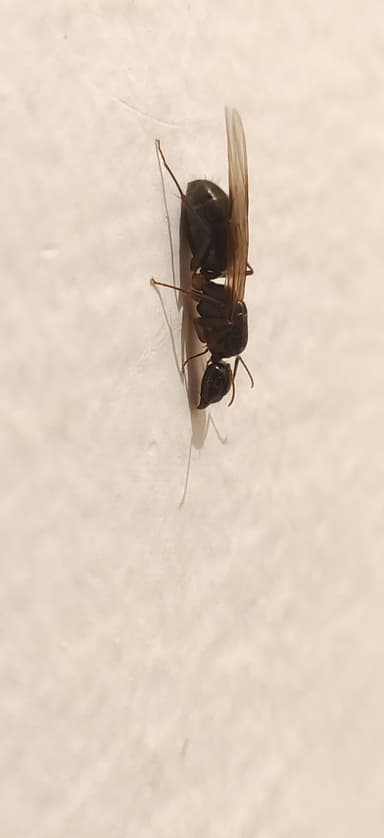
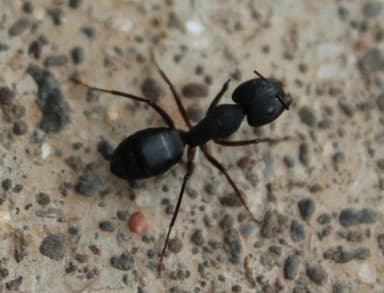
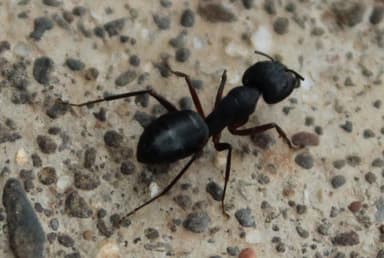
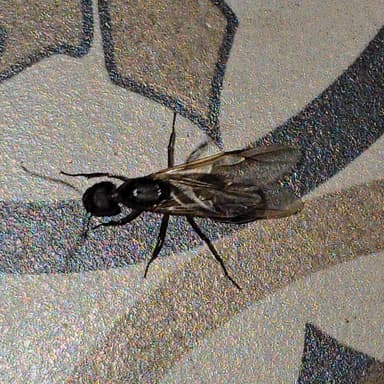
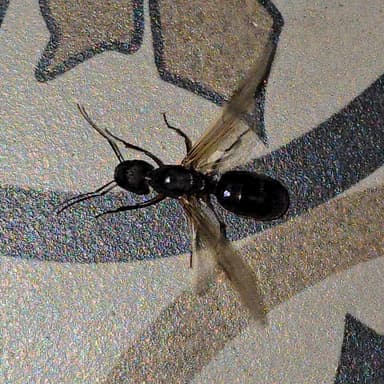
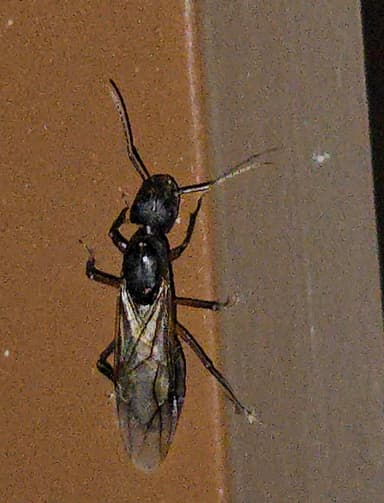
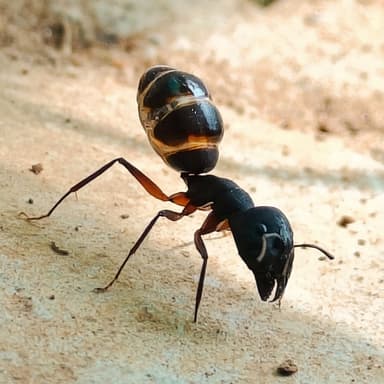
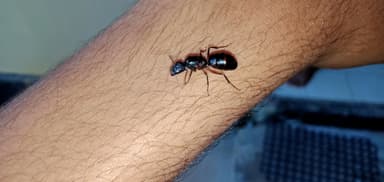
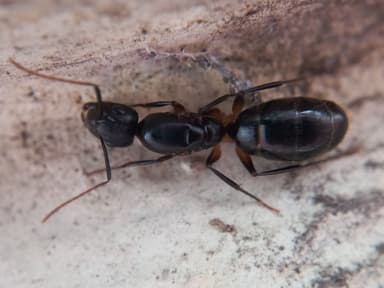
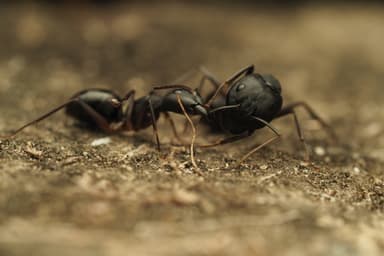
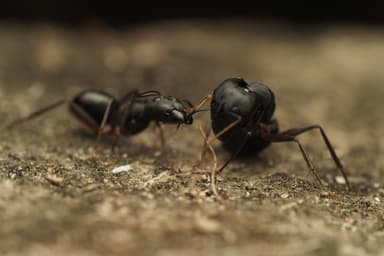
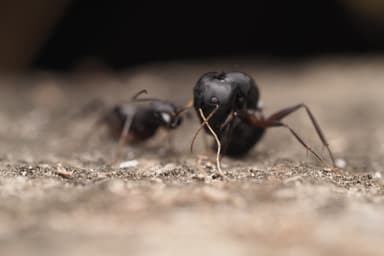
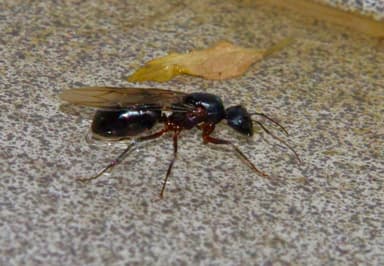
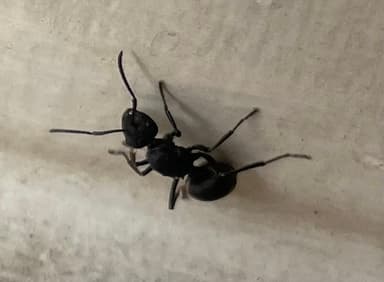
Camponotus compressus is a striking and highly polymorphic species, meaning a single colony contains workers of noticeably different sizes and body proportions. The queen, a robust and majestic figure, measures between 13 and 15 mm, easily recognizable by her large gaster and confident gait. Workers range from smaller minors around 5–6 mm up to large majors that can reach 12 mm, with proportionally larger heads and powerful mandibles. This size variation is not only fascinating to observe but also reflects a clear division of labor within the nest: minors tend to the brood and forage for sugary resources, while majors are more involved in defense, nest excavation, and processing larger prey items.
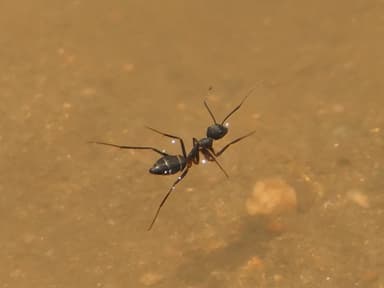
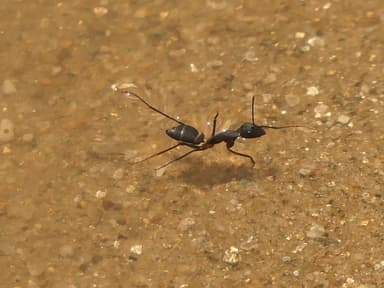
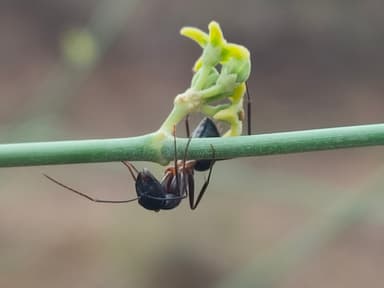
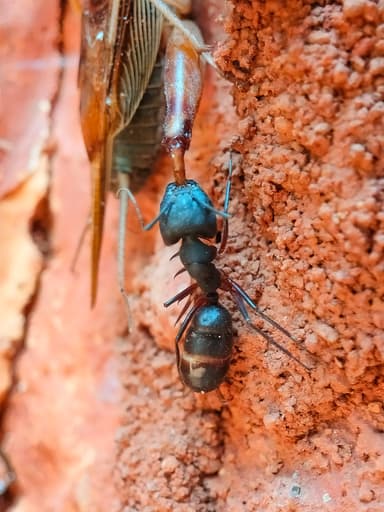
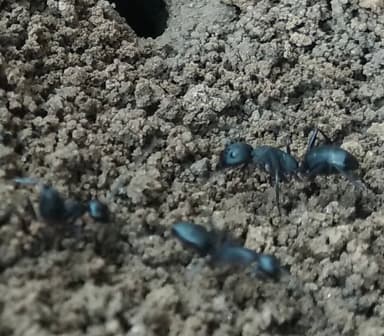
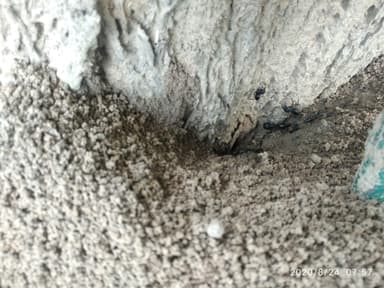
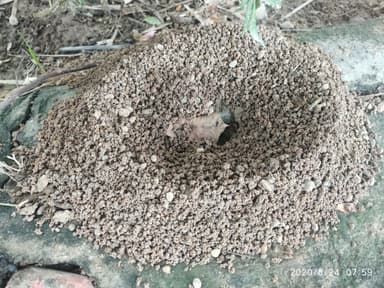
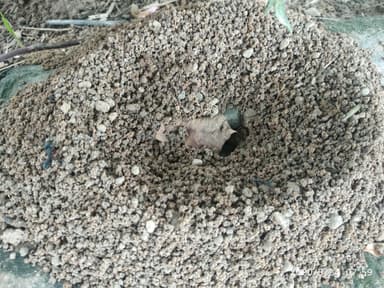
Native to South and Southeast Asia, Camponotus compressus is a ground-nesting carpenter ant that thrives in warm, moderately dry environments. One of the most endearing features of this species is its calm and deliberate temperament. Unlike some of the more skittish or aggressive Camponotus, compressus workers are generally slow-moving and tolerant of occasional disturbance, making them a pleasure to watch as they tend to their brood and explore their foraging area. Their diet is typical for the genus: they require a balanced mix of carbohydrates and proteins. Offer them sugar water, honey, or honeydew for energy, and supplement with small feeder insects such as fruit flies, roaches, or mealworms to support larval growth. They appreciate a steady supply, but are not overly demanding.
Care difficulty
Keeping Camponotus compressus is best suited for intermediate keepers. While they are not particularly difficult, their colony growth can be slow in the early stages, and they benefit from a keeper who understands the importance of providing a stable, warm environment. The queen is claustral and does not need feeding during the founding phase, but once workers emerge, it is essential to maintain a consistent temperature between 22 and 28°C. They do not require hibernation, so you can enjoy year-round activity.
Housing
Provide a formicarium with a spacious nest chamber and a separate foraging arena. Camponotus compressus prefers a dry nest with moderate humidity (40–60%) — avoid over-wetting the nesting material, as these ants are prone to mold issues in overly damp conditions. A substrate such as sand-clay mix or plaster works well, with a water reservoir in the outworld rather than in the nest itself. These ants are not strong excavators in captivity, so pre-formed tunnels are appreciated. The outworld should have good ventilation and a clean source of water, preferably in a test tube or a small dish with cotton. They are sensitive to extreme heat and direct sunlight, so place the setup in a room with stable ambient temperatures.
First days after purchase
After receiving your colony, transfer them carefully into their new home. For a young colony, a test tube setup connected to a small outworld is ideal. Place the formicarium in a quiet, dimly lit location and allow the ants at least 48 hours to acclimatize without disturbance. During this period, only provide a drop of sugar water and a tiny piece of protein. Avoid bright lights, vibrations, and frequent opening of the nest. Once you see the ants actively foraging and tending to the brood, you can gradually introduce a more regular feeding schedule. Patience is key — a happy, settled colony will reward you with steady growth and stunning polymorphic workers.