Solenopsis
Solenopsis invicta
Nuptial Flight Calendar
Flight months: Jan, Feb, Mar, Apr, May, Jun, Jul, Aug, Sep, Oct, Nov, Dec
Care Guide
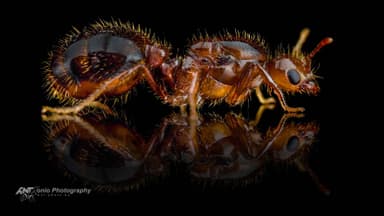
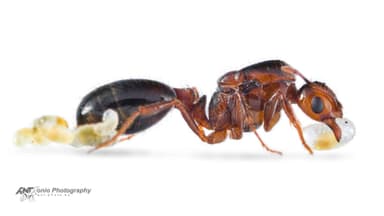
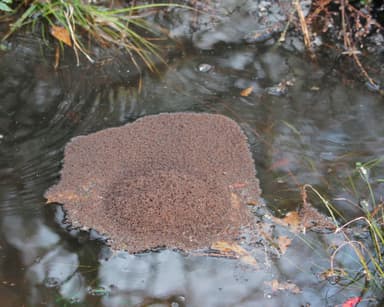
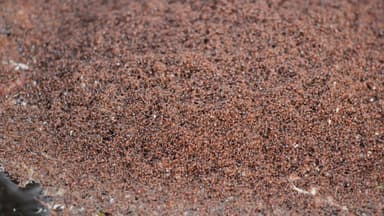
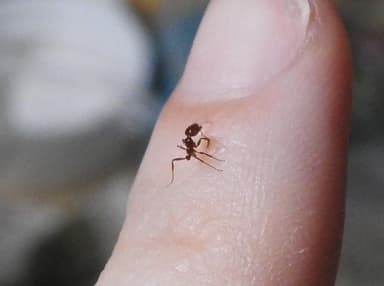
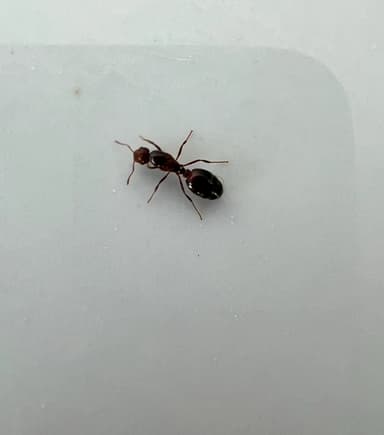
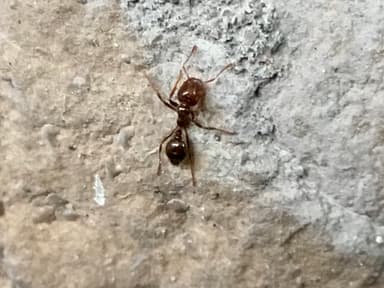
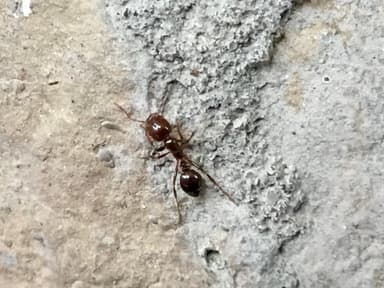
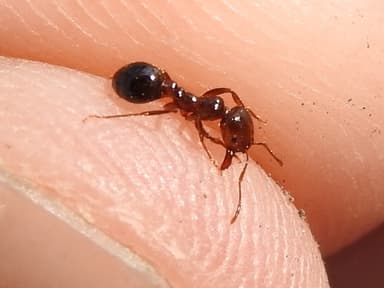
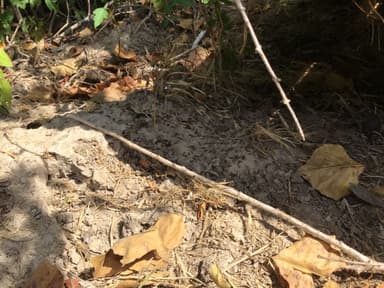
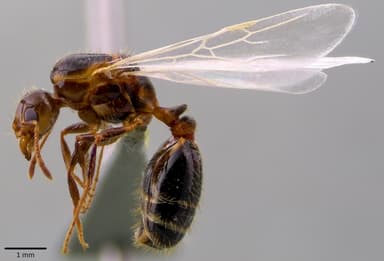
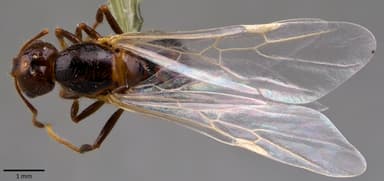
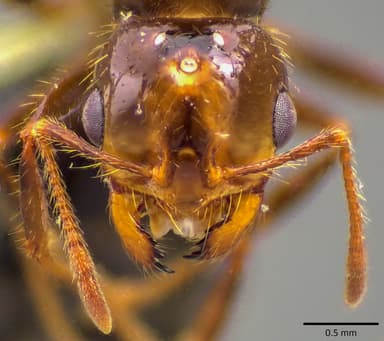
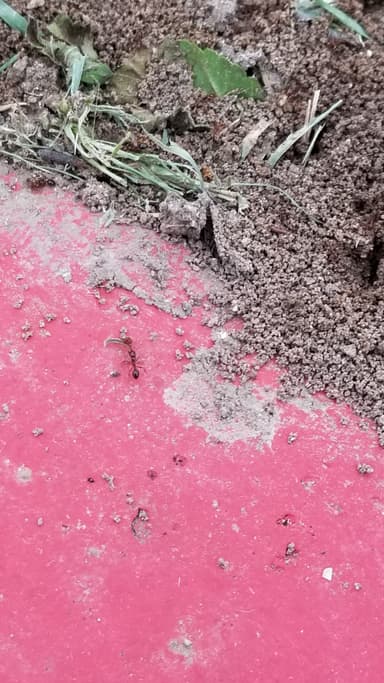
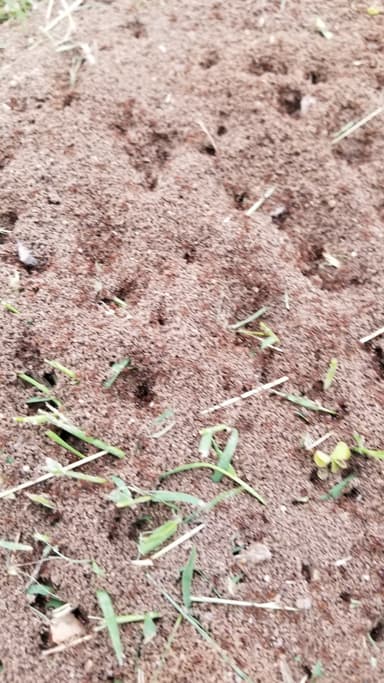
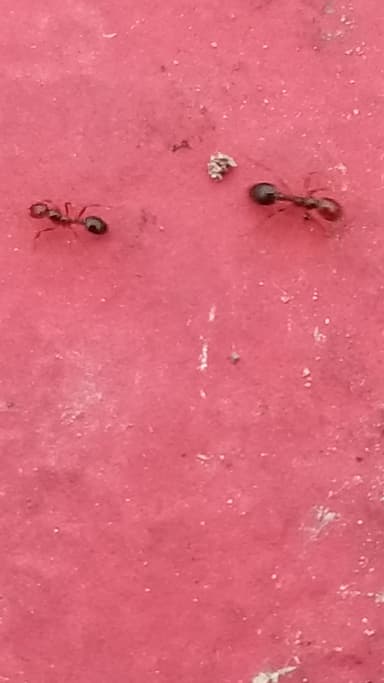
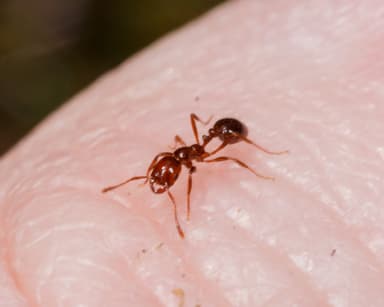
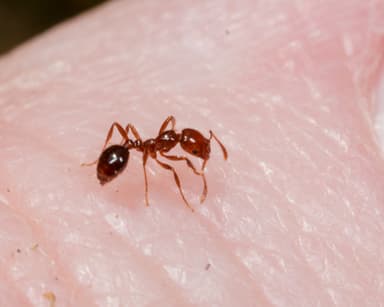
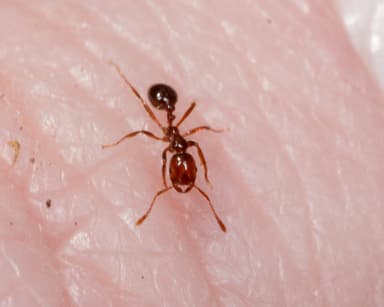
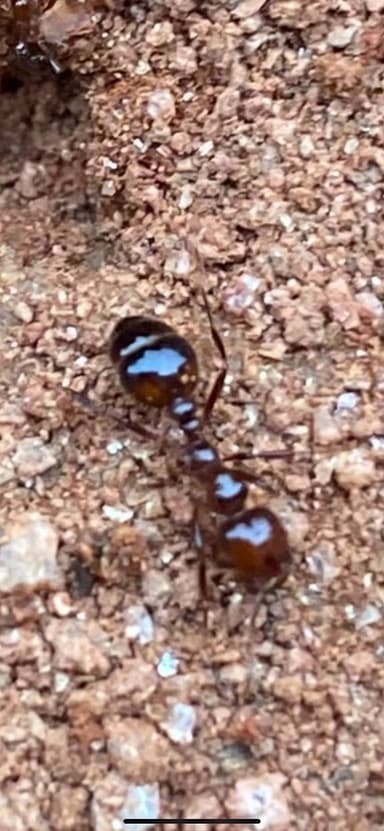
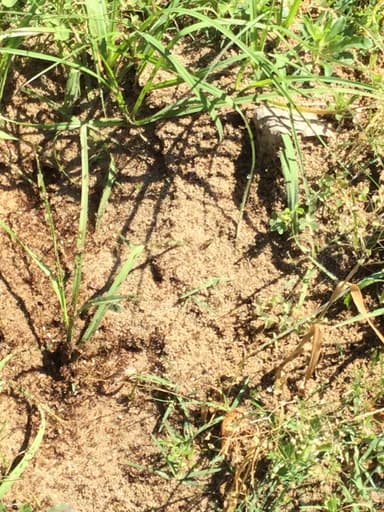
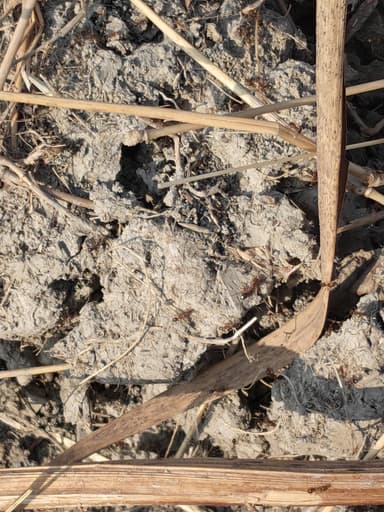
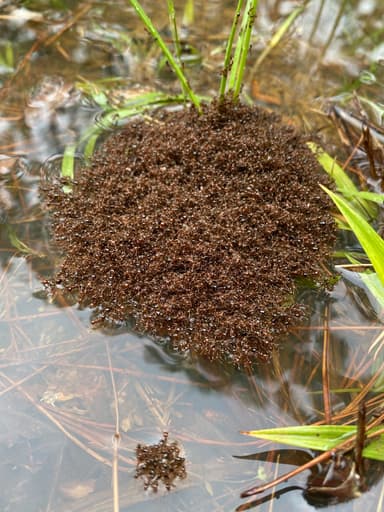
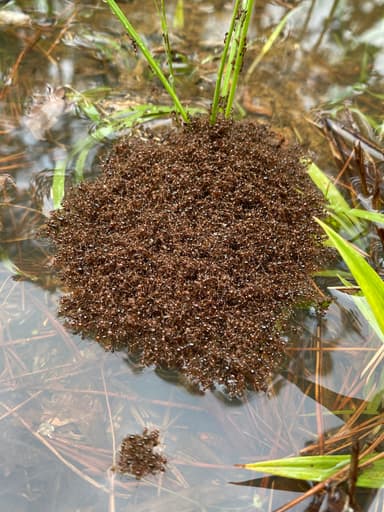
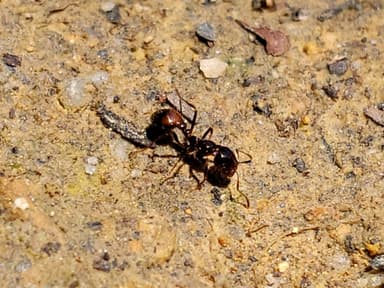
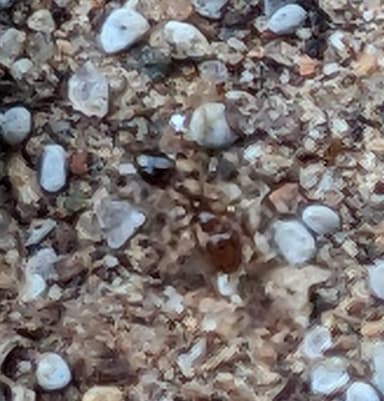
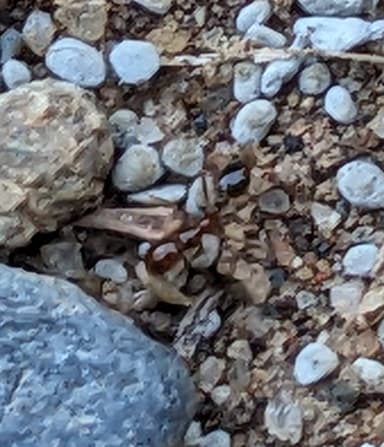
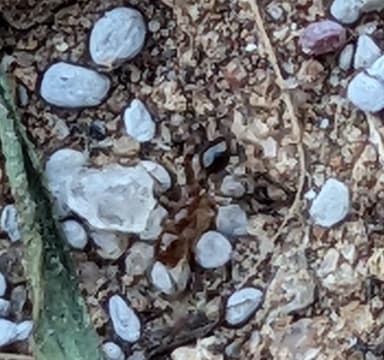
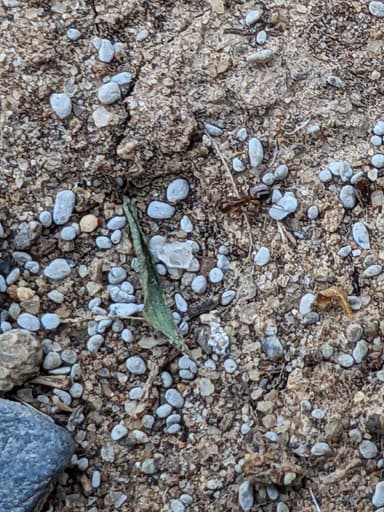
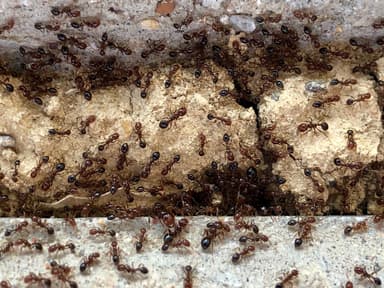
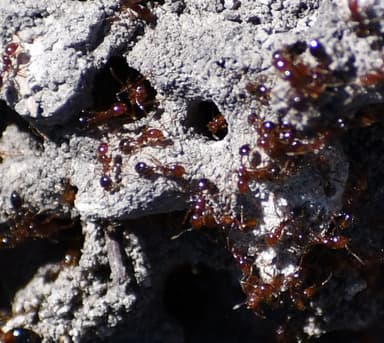
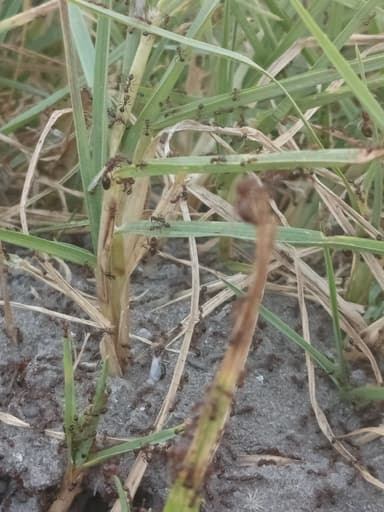
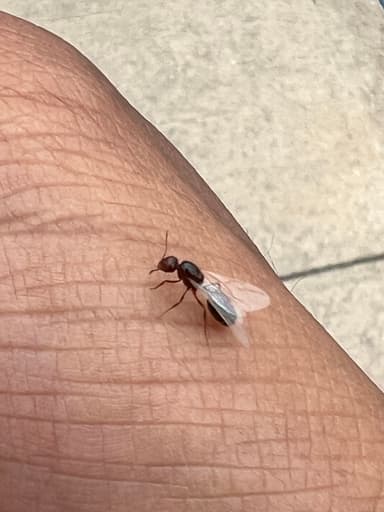
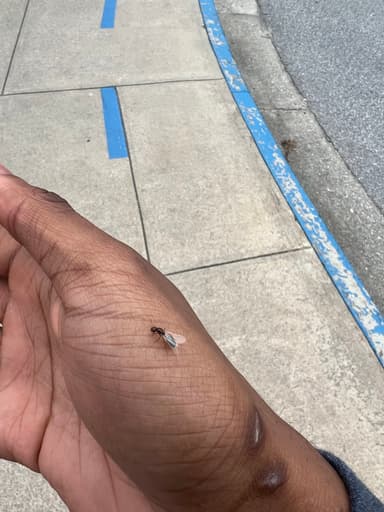
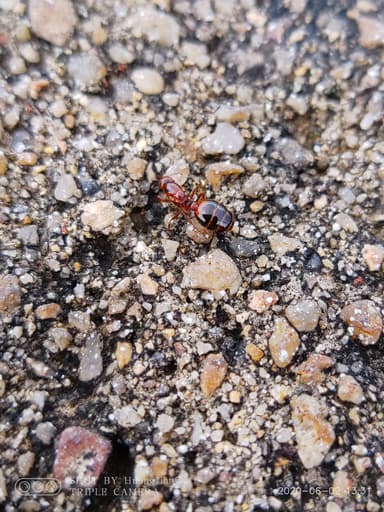
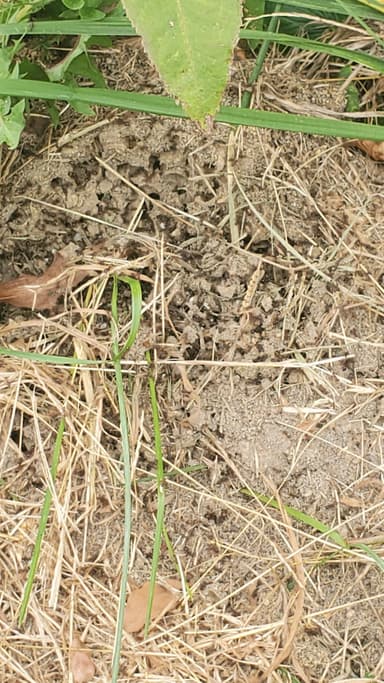
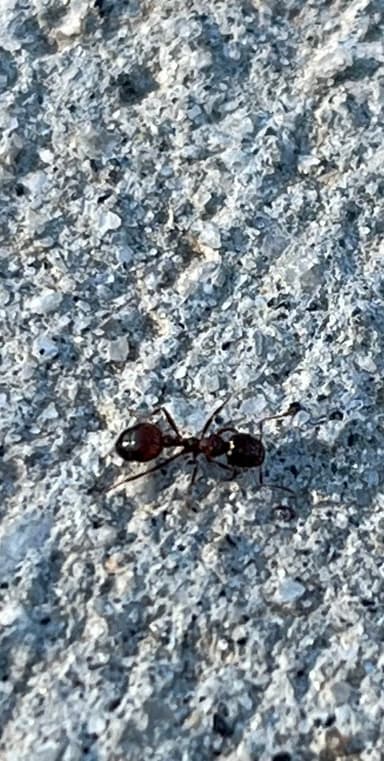
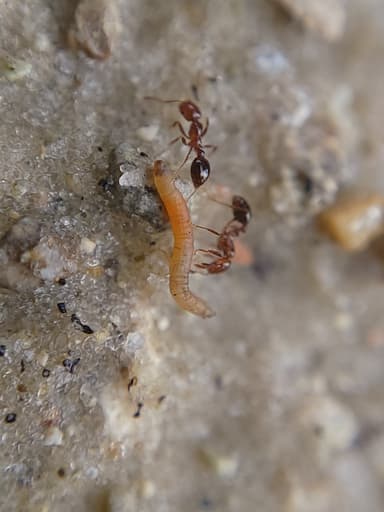
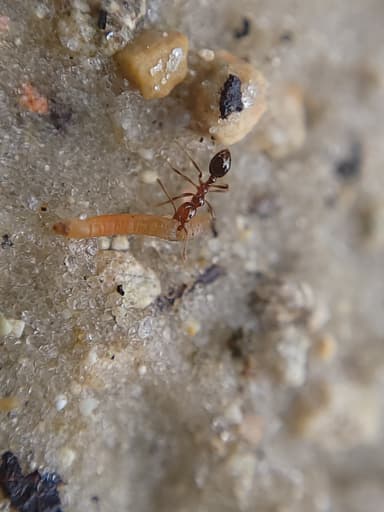
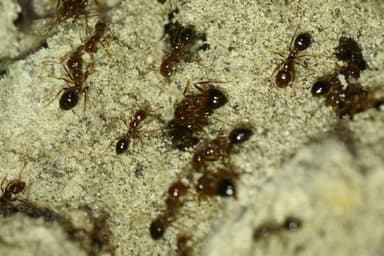
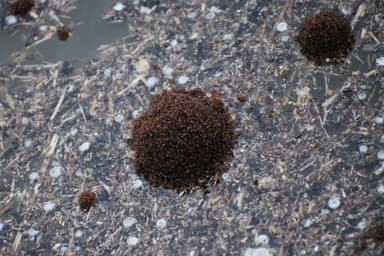
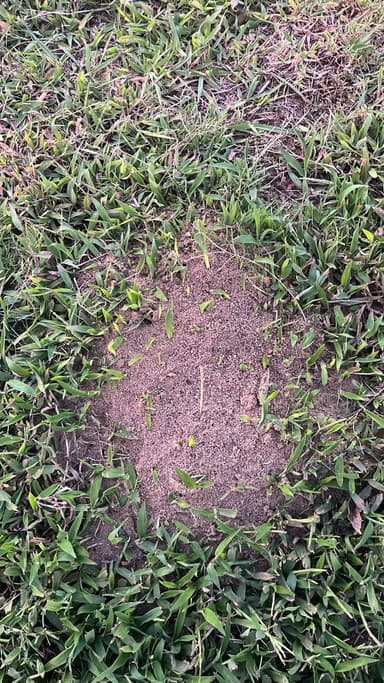
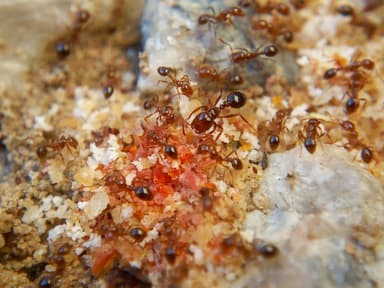
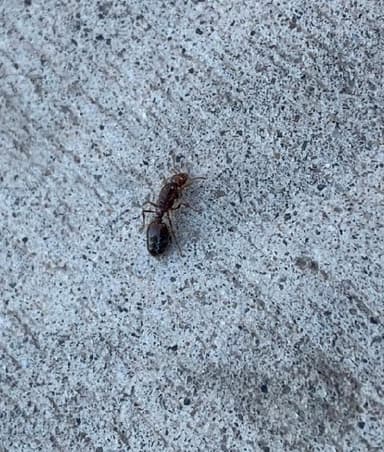
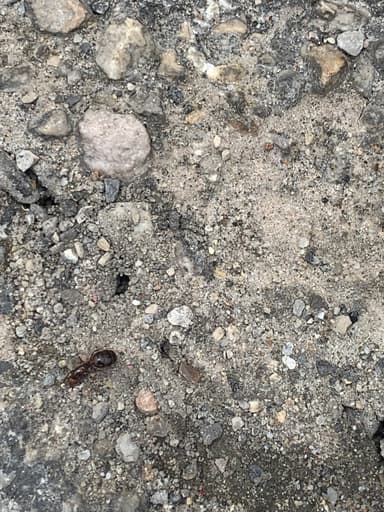
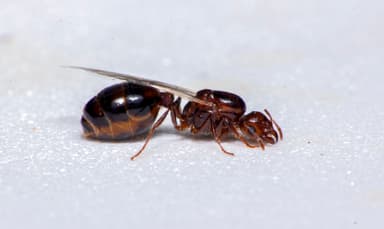
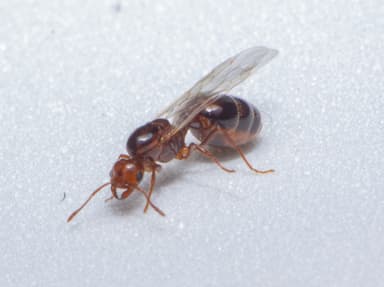
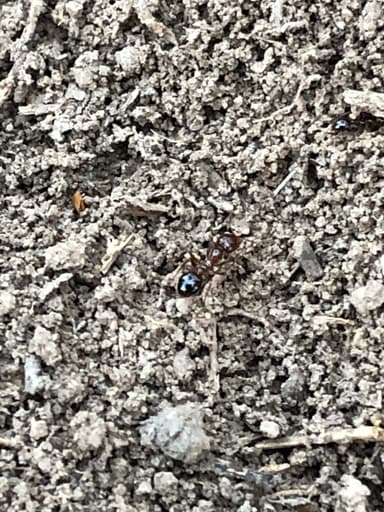
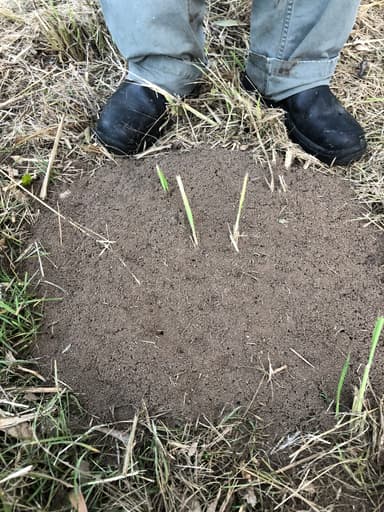
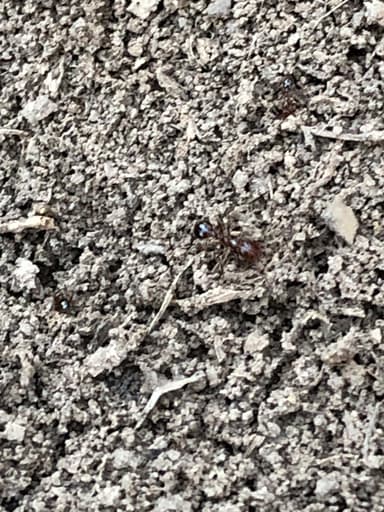
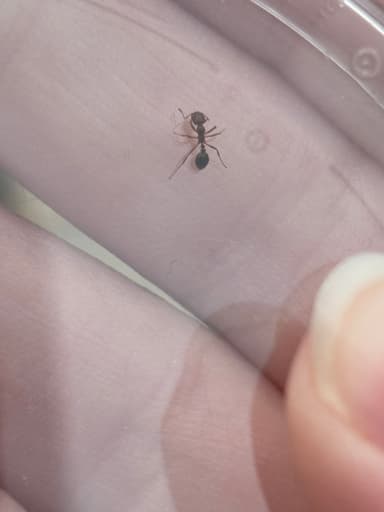
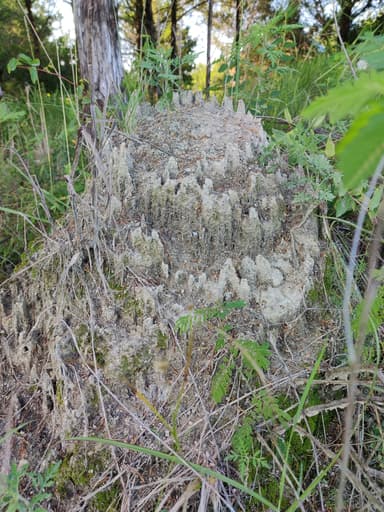
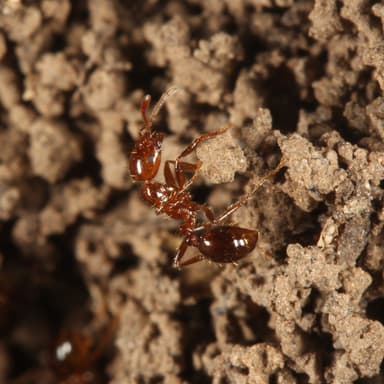
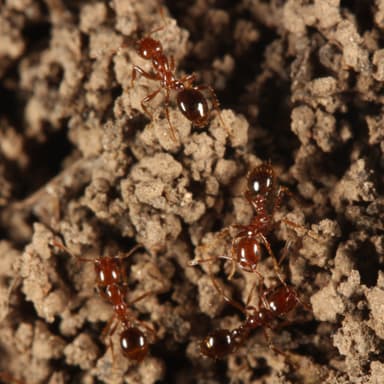
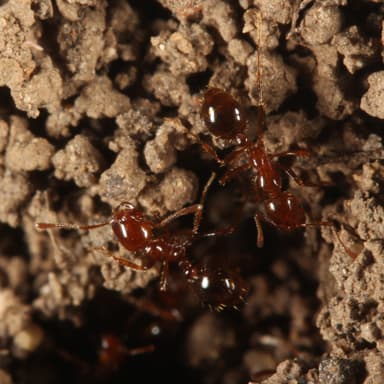
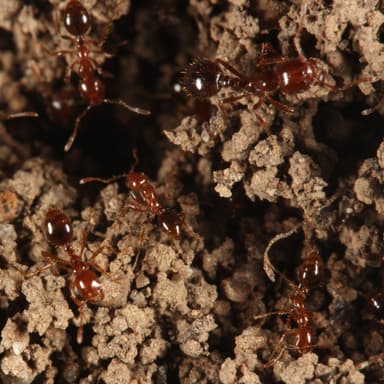
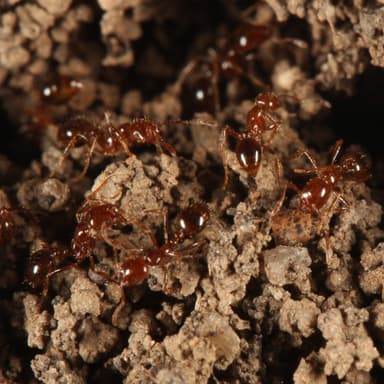
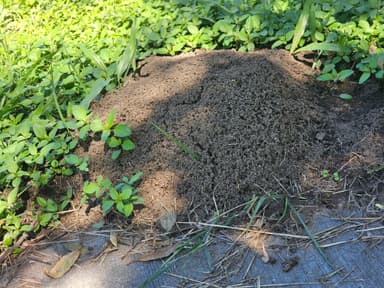
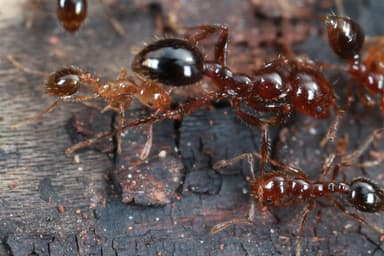
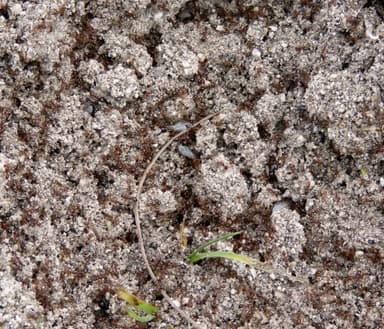
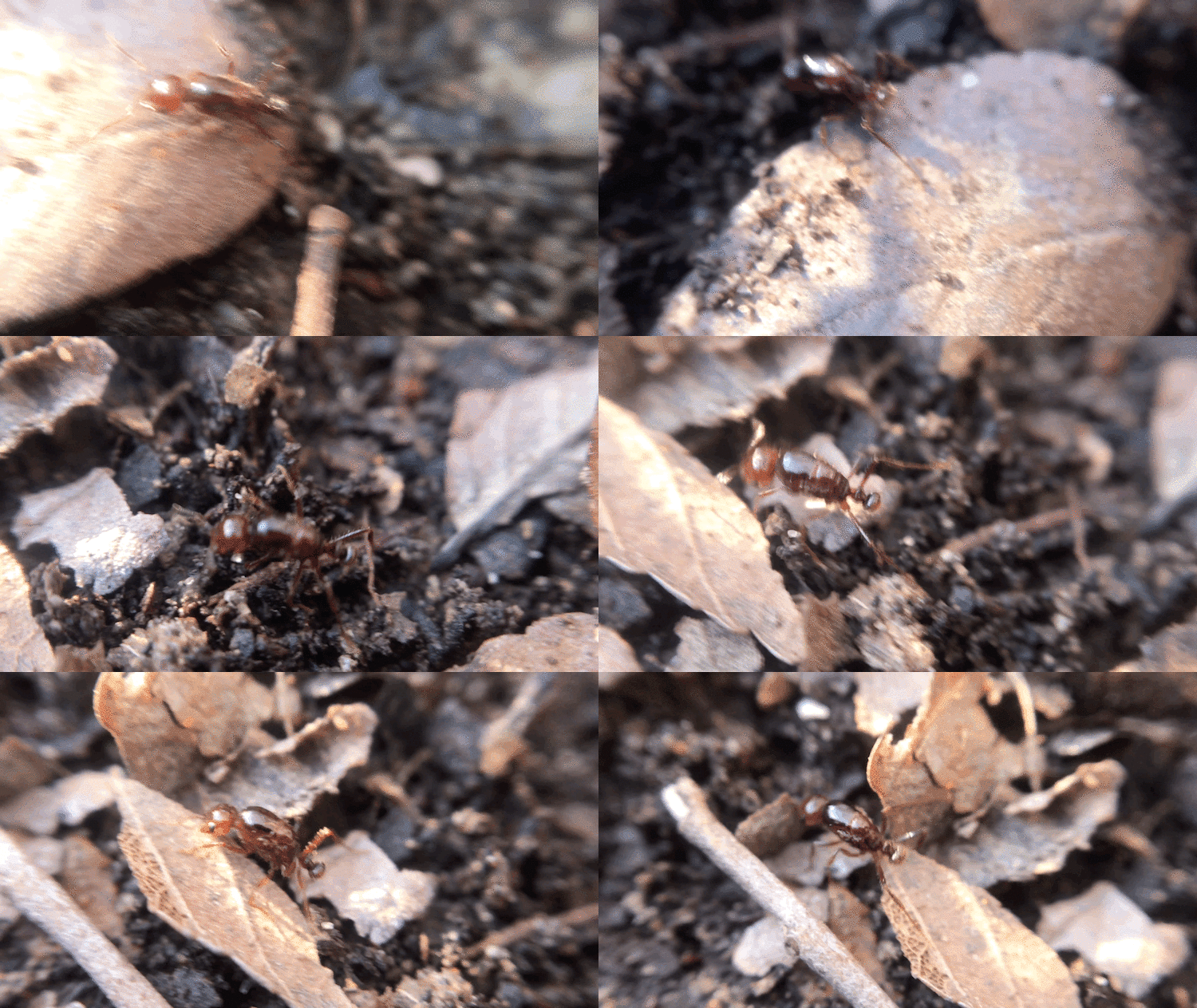
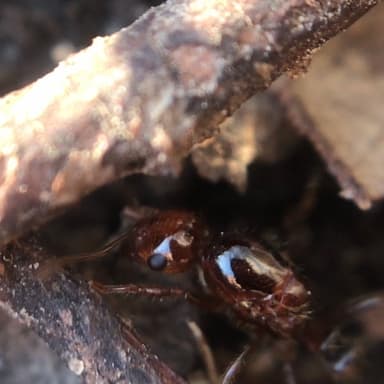
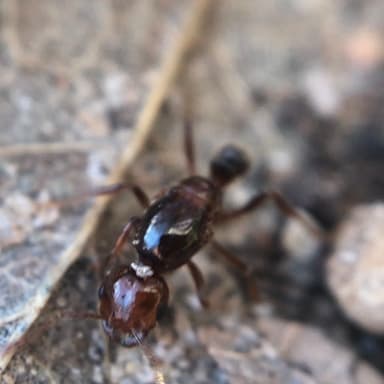
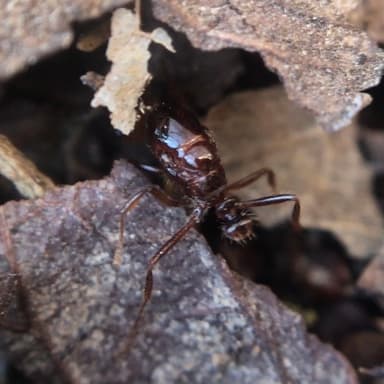
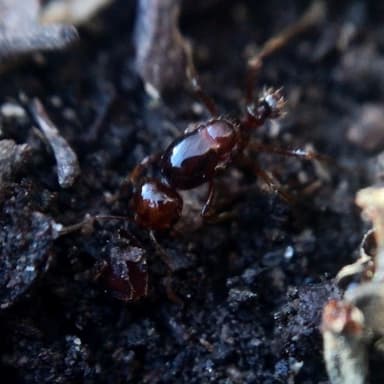
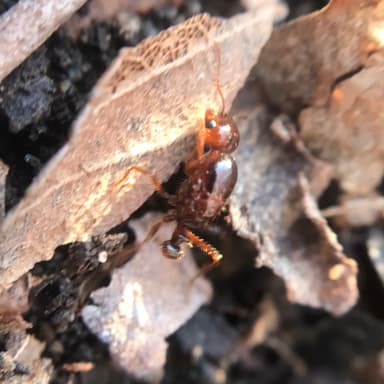
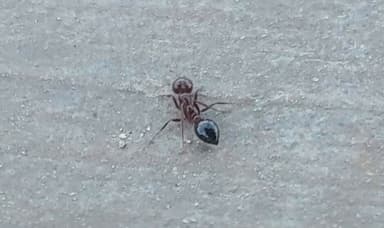
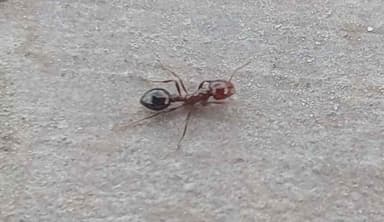
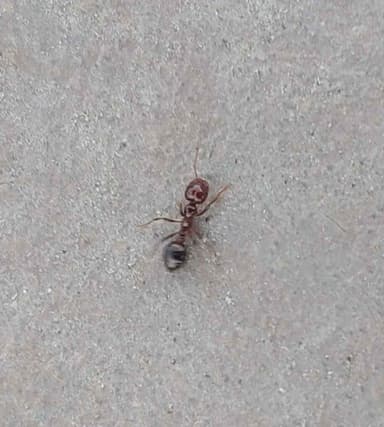
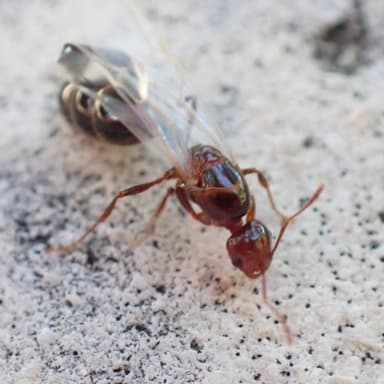
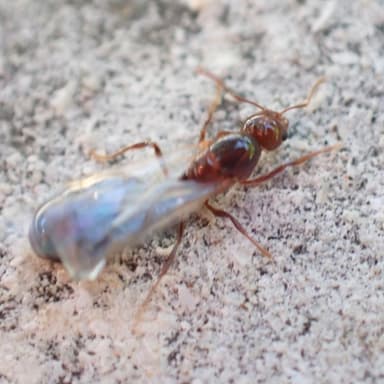
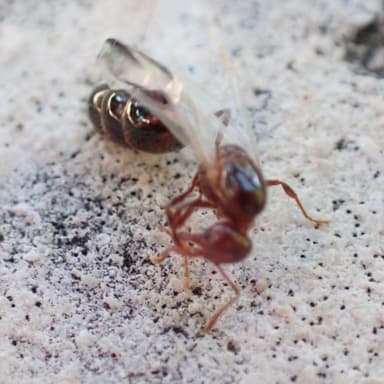
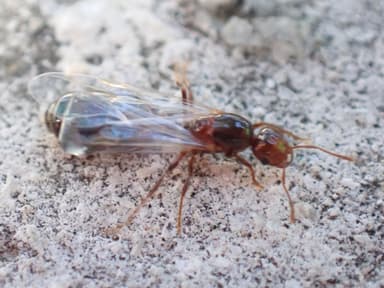
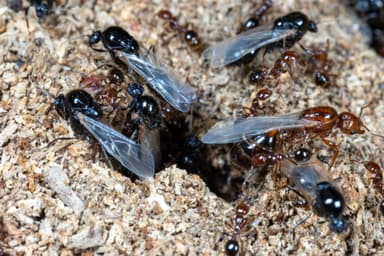
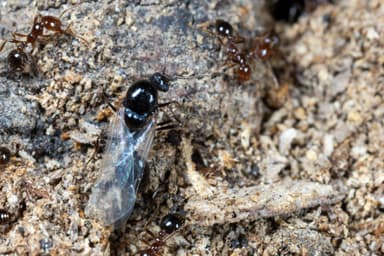
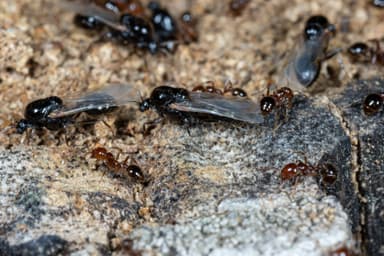
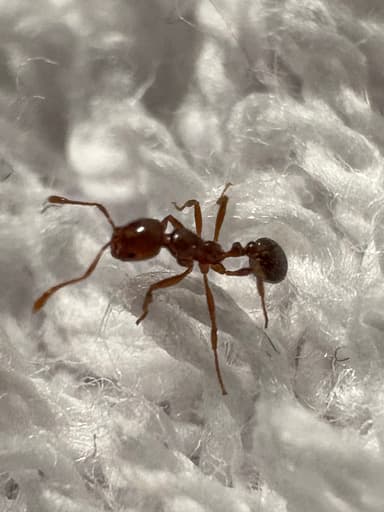
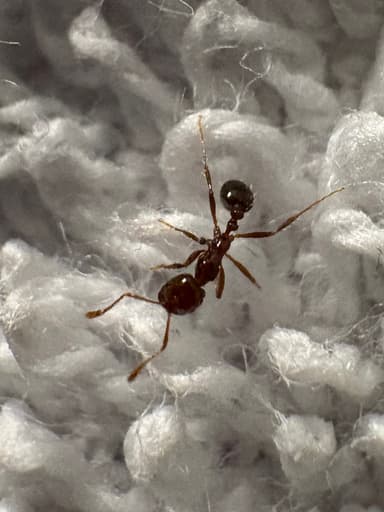
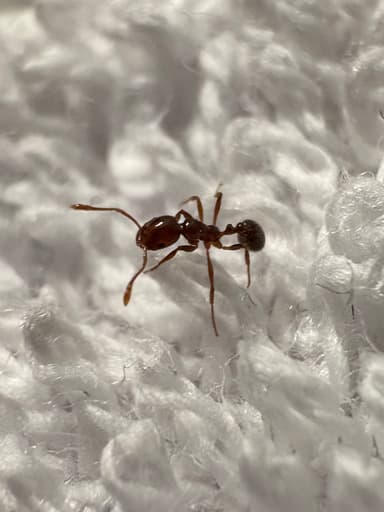
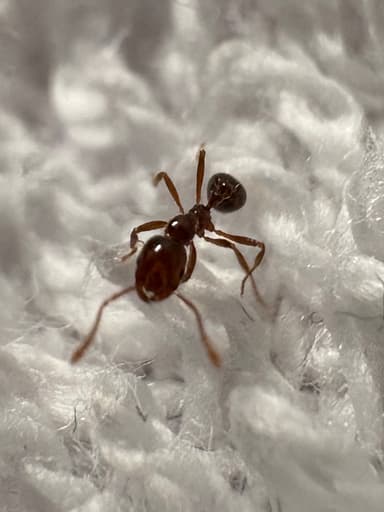
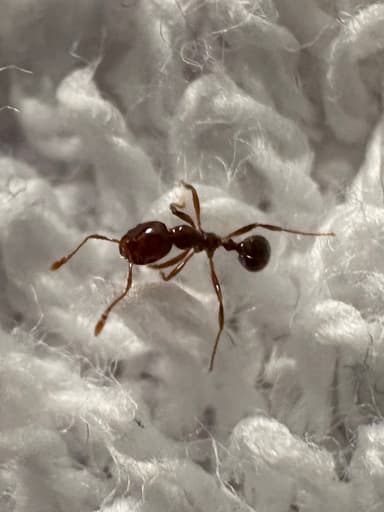
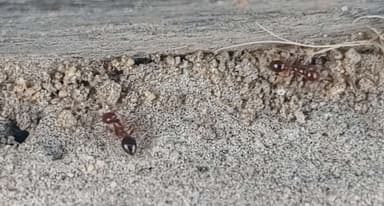
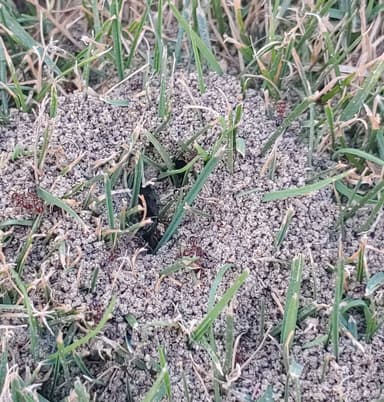
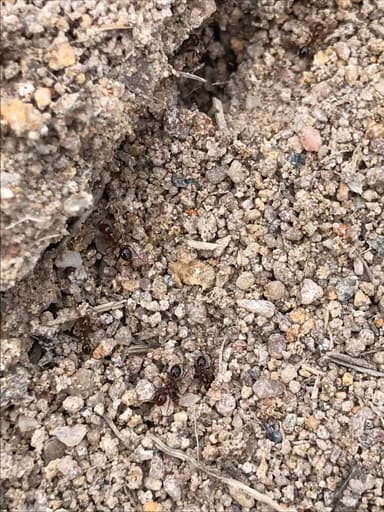
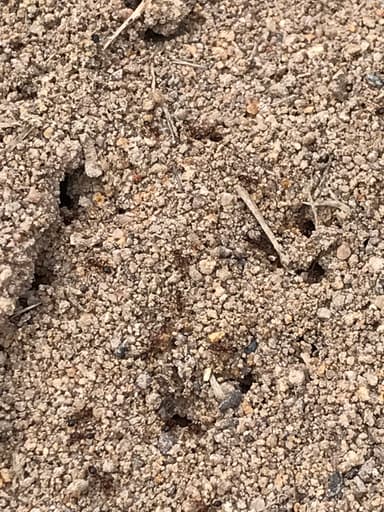
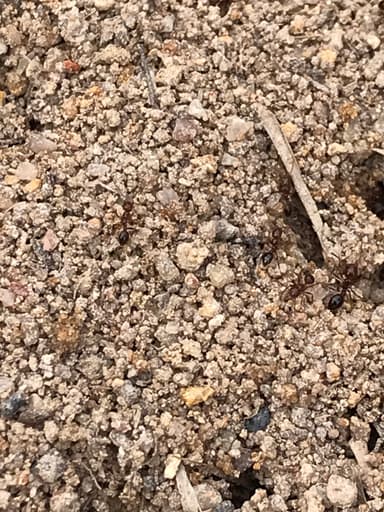
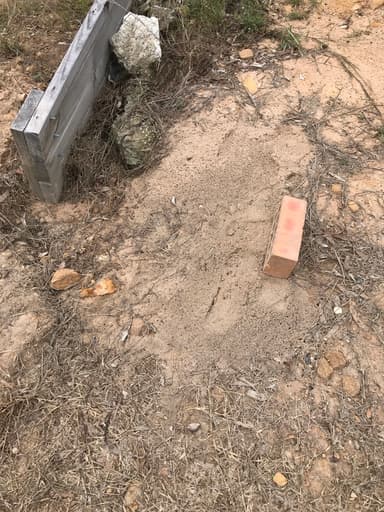
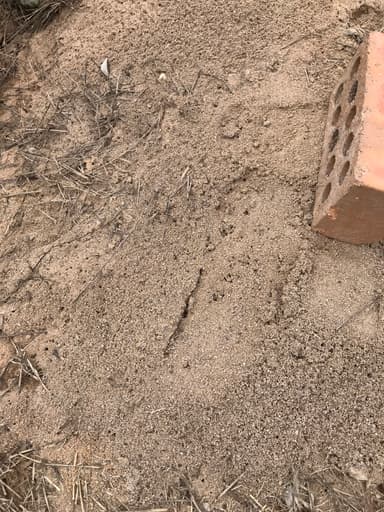
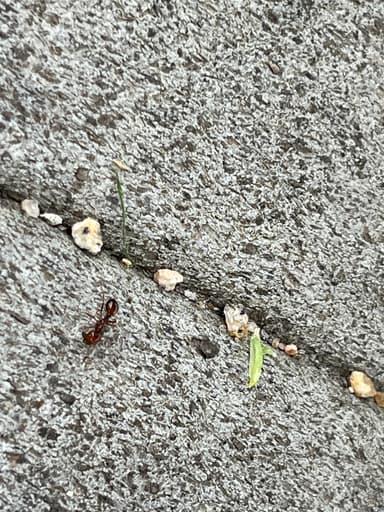
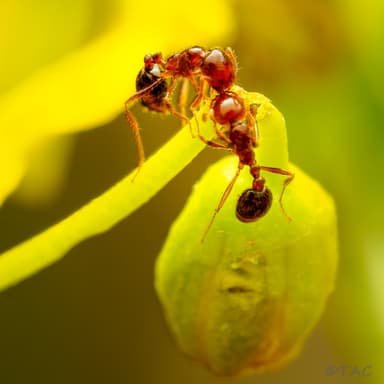
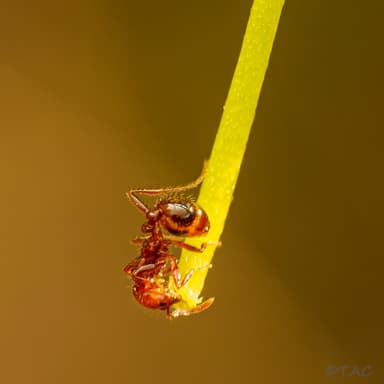
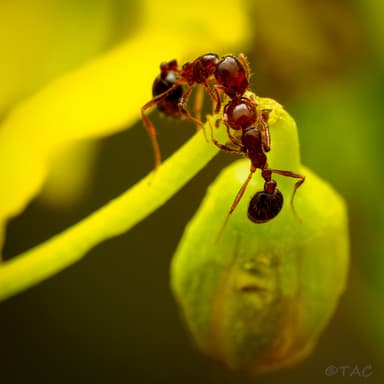
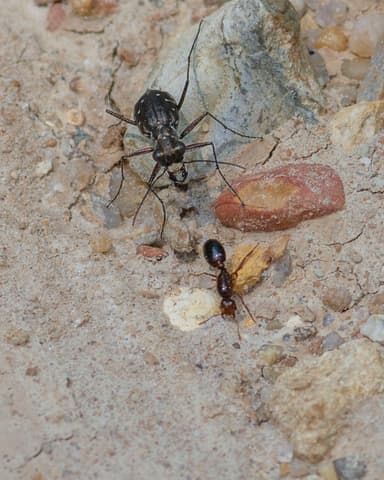
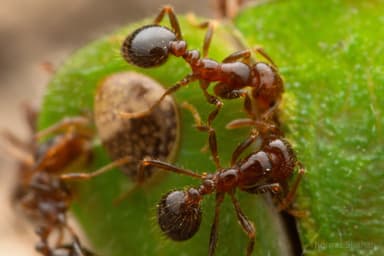
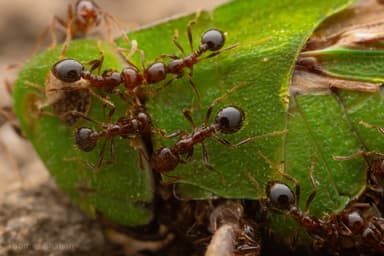
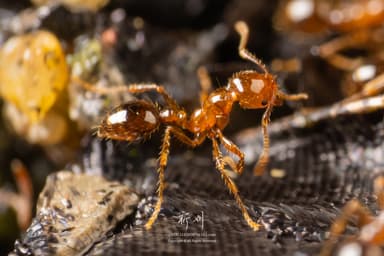
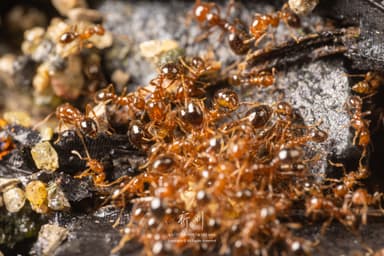
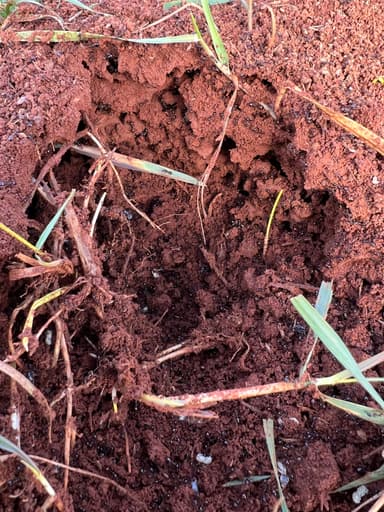
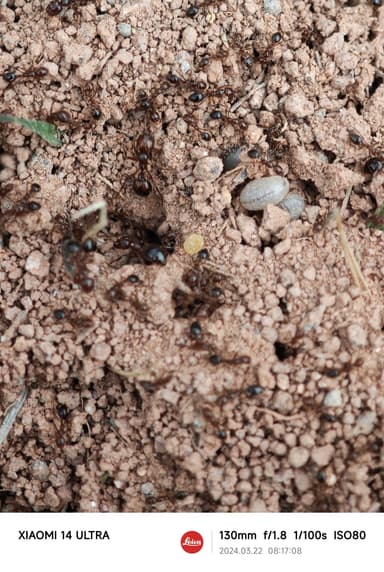
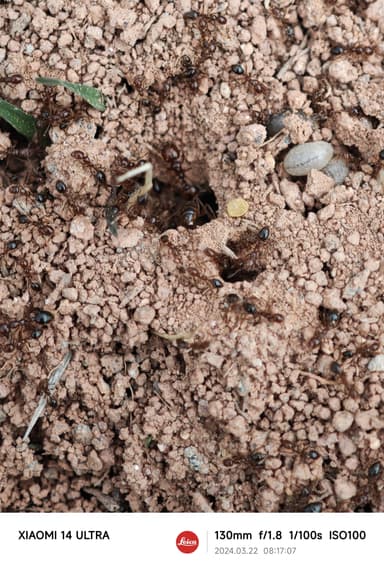
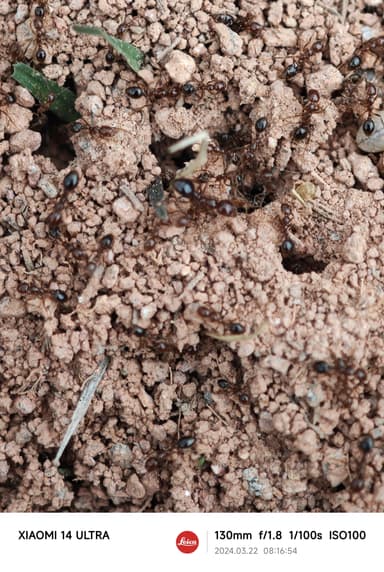
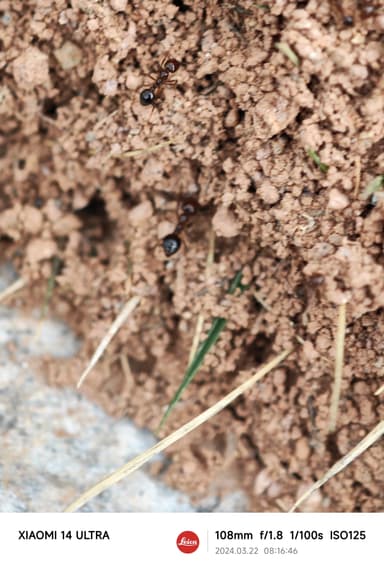
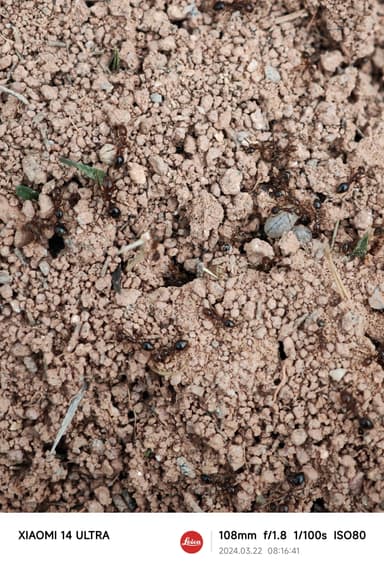
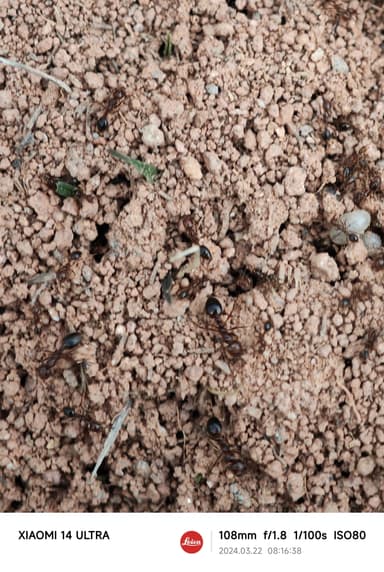
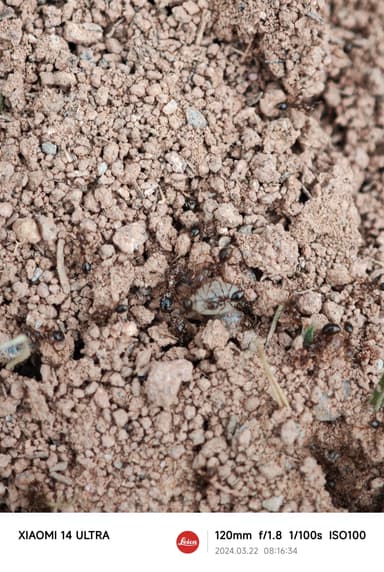
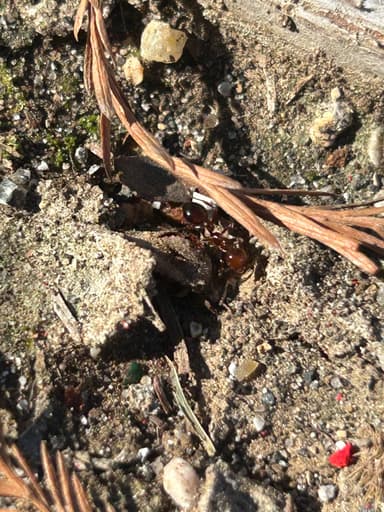
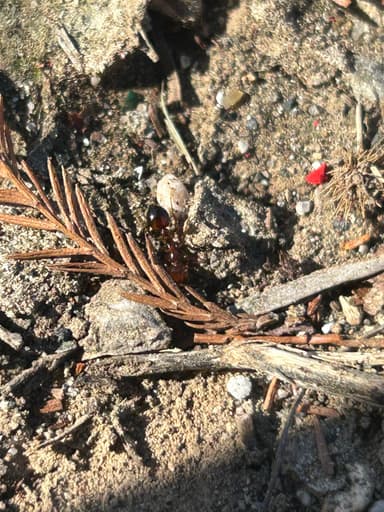
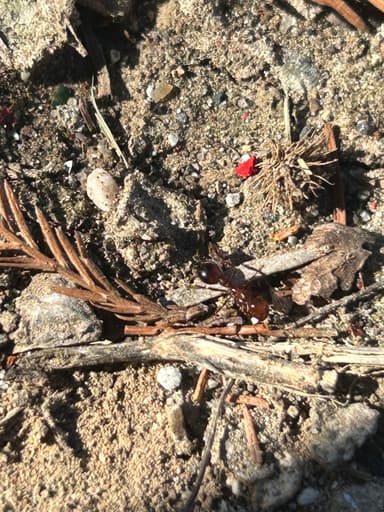
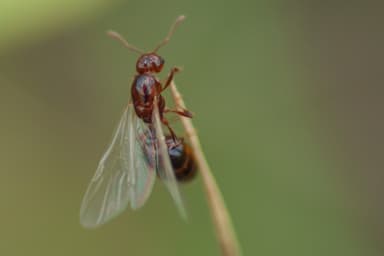
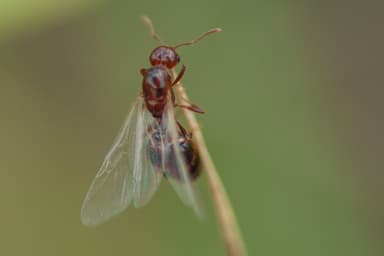
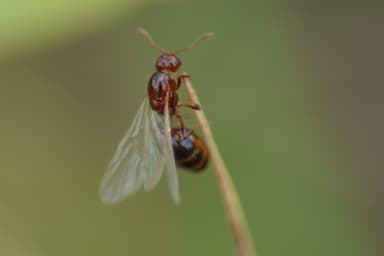
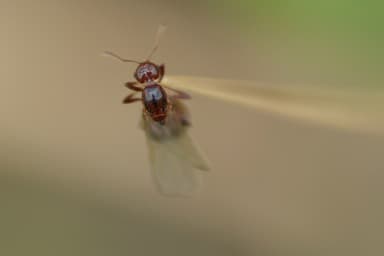
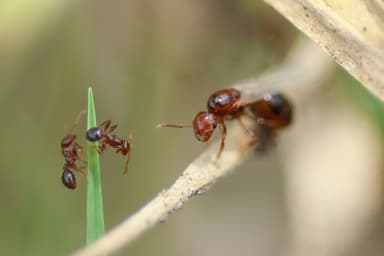
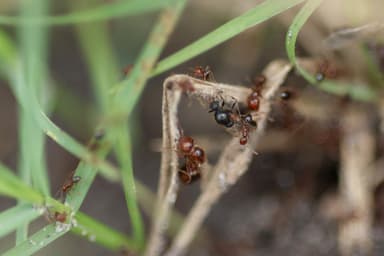
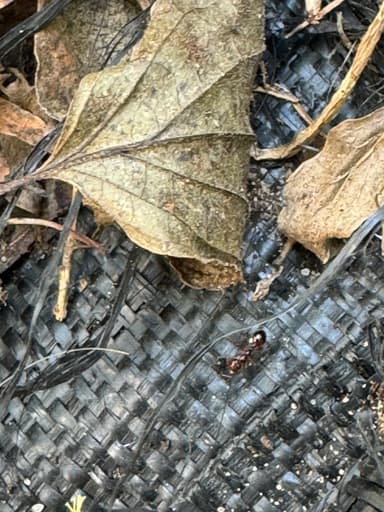
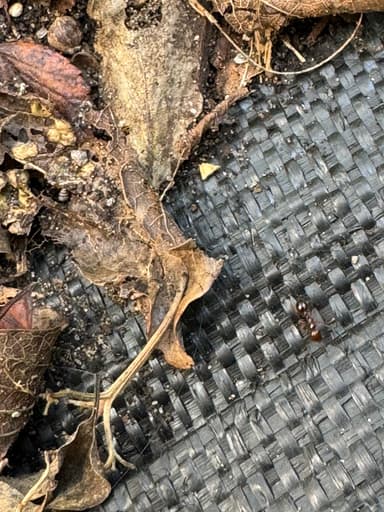
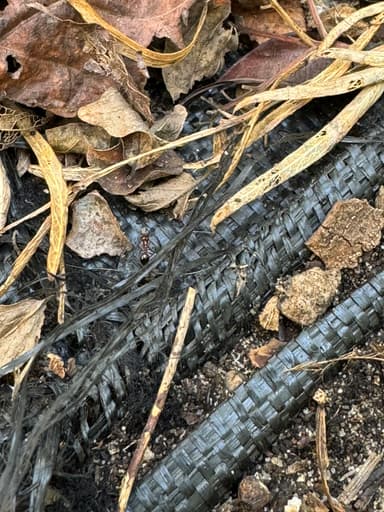
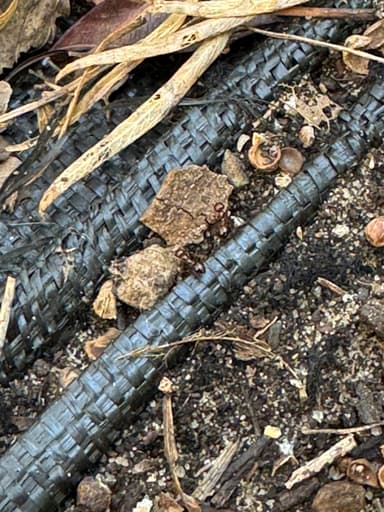
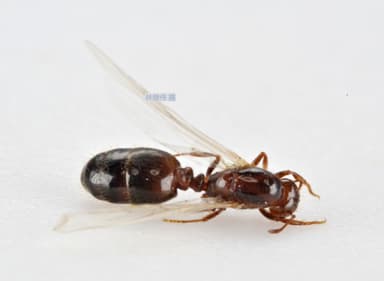
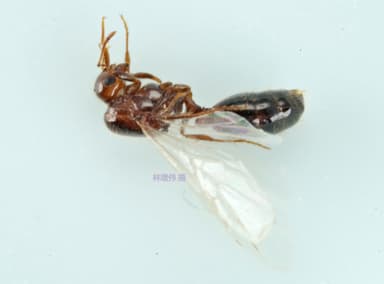
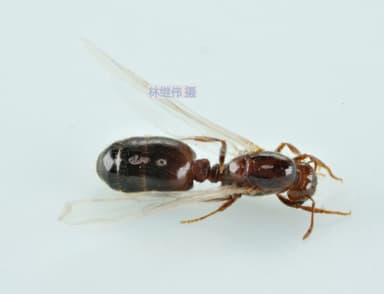
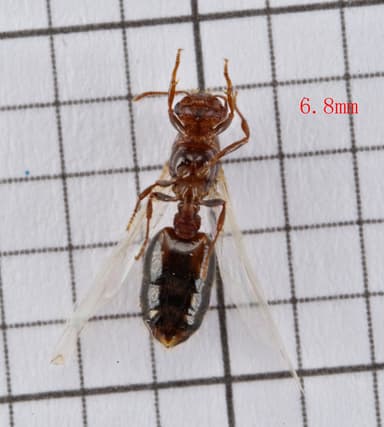
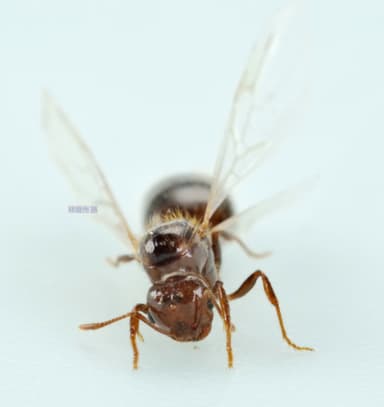
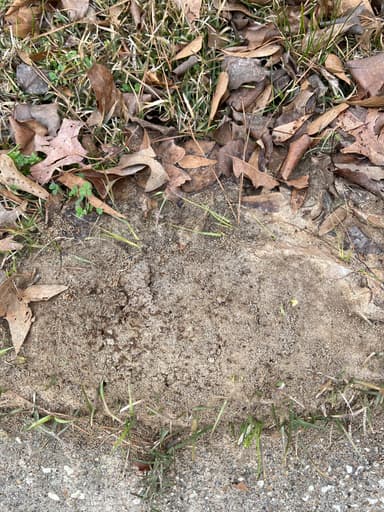
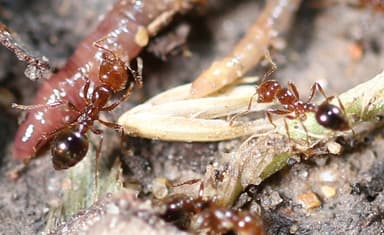
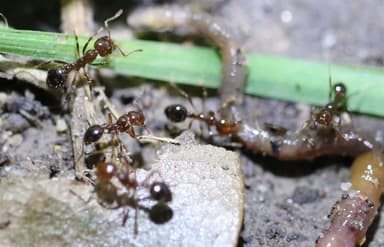
Few ant species command as much respect—and caution—among hobbyists as the red imported fire ant, Solenopsis invicta. Native to the floodplains of South America, from the Pantanal to northern Argentina, this species has become one of the world’s most successful invasive insects, now established across the southeastern United States, parts of Asia, and Queensland, Australia (Morrison et al. 2004). Queens are robust, measuring 7–9 mm, while the worker caste is strongly polymorphic, ranging from tiny 2.4 mm minors to broad-headed 6 mm majors that function as defenders and seed crackers. Mature colonies can swell to an astonishing 250,000 individuals, constructing large, earthen mounds in the wild that regulate internal temperature and humidity with remarkable precision (Tschinkel 2006). Their complex social organization, rapid brood development, and a famously aggressive temperament make them a captivating display species for the dedicated keeper, but the same traits demand rigorous containment and thoughtful planning. What truly sets S. invicta apart is the colony’s ability to behave almost like a superorganism, mobilizing thousands of workers within seconds to overwhelm prey or protect the nest, a spectacle that never ceases to amaze.
This is an intermediate-level species, best suited to keepers who already have experience maintaining stable temperature and humidity gradients and who fully appreciate the risks of an escape. Solenopsis invicta is not for the casual ant enthusiast. Their sting delivers a potent alkaloid venom that causes a burning sensation and, in sensitive individuals, can trigger serious allergic reactions (Vinson 1997). You must invest in a high-quality escape-proof setup from day one; a slick PTFE barrier, a tight-fitting lid, and a secure outworld are non-negotiable. In return, however, you will be rewarded with one of the fastest-growing, most responsive colonies in the hobby—ideal for observing intricate division of labor and the dramatic size differences between minor and major workers. If you are methodical, vigilant, and fascinated by the extremes of ant social evolution, this species will deliver an unparalleled experience. Beginners should instead look toward less volatile, slower-growing species until they’ve mastered the fundamentals.
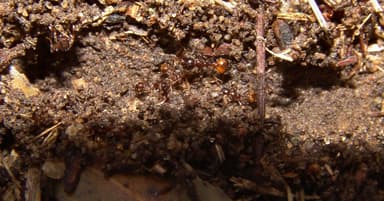
A successful artificial nest must mimic the warm, humid conditions of the subtropical mound interior. Maintain the foraging arena and nest at a gradient between 22°C and 32°C, with a sweet spot around 28°C for peak brood production; temperatures consistently below 22°C will slow colony development dramatically. Humidity should stay between 50% and 80%, easily managed with a plaster, ytong, or grouted nest that absorbs water and releases moisture gradually. Avoid overly wet conditions that encourage fungal growth, but never let the hydration reservoir dry out completely. S. invicta naturally nests in soil, and while test tube setups work for founding queens, a soil-based or soil-lined formicarium allows workers to sculpt tunnels and establish microclimates, which they will do with impressive industry. Because of their enormous colony size potential, plan for expansion: start with a small nest that connects to additional chambers as the worker population explodes past a few thousand. Ventilation is critical; stagnant, overly humid air can trigger colony decline, so provide minimal cross-ventilation in the outworld while still retaining enough moisture in the nest proper.
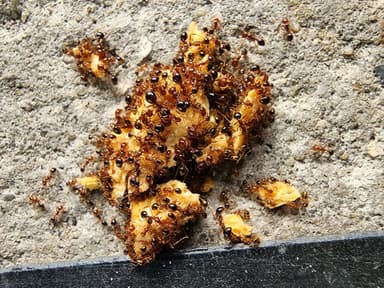
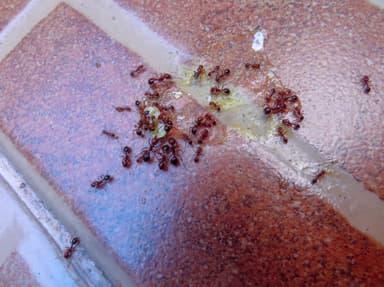
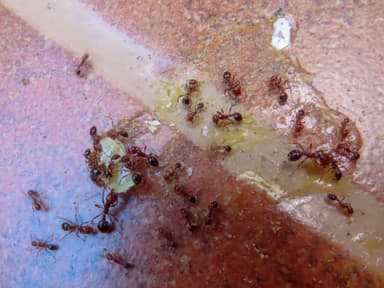
Feeding a booming fire ant colony is a daily ritual. These ants are voracious omnivores with a strong need for protein during the warmer months to fuel their relentless brood-rearing cycle. Offer freshly killed insects—crickets, mealworms, fruit flies—cut into pieces appropriate to the size of your colony. Workers eagerly recruit to protein sources, and you’ll soon learn to judge portions by how quickly a pile of insect bits disappears. For carbohydrates, provide a dilute honey-water solution, sugar water, or slices of ripe fruit; majors are particularly fond of sweet liquids and will store them in their expandable crops. Always keep a water tube or a shallow water-filled dish with a pebble landing pad available, as the colony drinks substantial amounts. Remove uneaten protein after 24 hours to prevent mold, and be aware that a large colony’s metabolic heat and waste can raise local humidity beyond the safe range, so adjust ventilation accordingly. Variety is key: rotate between different insect prey to ensure a balanced diet.
One of the major advantages of keeping Solenopsis invicta is that it requires no hibernation period. In their native and introduced ranges, these ants may slow down briefly during the coolest months, but in the controlled environment of your formicarium, a steady temperature above 22°C will keep the colony active, brooding, and foraging year-round. This continuous growth cycle is part of what makes them so intoxicating to observe—you will never experience the long, quiet dormancy that temperate species demand. However, this also means you must commit to feeding and maintaining them without seasonal respite, and a well-fed colony can quickly grow to unmanageable numbers. Plan for that steady expansion; many keepers eventually need to divide the colony or move them into a large, custom-built terrarium to contain their energy.
The first days after your queen or small founding colony arrives set the tone for everything that follows. A newly mated S. invicta queen founds claustrally, meaning she seals herself into a chamber—in your case, ideally a test tube with a water reservoir plugged with cotton—and raises her first brood using her own wing-muscle reserves. Place the tube in a warm, dark spot at around 28°C and resist all temptation to check on her for at least two weeks. Disturbing her during this critical stage can cause her to eat her eggs. Once the first tiny nanitic workers appear, you can offer a tiny dab of honey on a slip of foil and, a day later, a small piece of freshly killed fruit fly. For a young colony with a few dozen workers, attach the test tube to a small outworld and begin introducing food there, always watching that the barrier holds. Watch for workers congregating near the tube’s entrance—this signals readiness to forage. Avoid flooding the tiny space with oversized prey; a single large cricket can panic and crush delicate nanitics. Gradually increase portion sizes as the colony gains numbers, and within a few months you’ll have a bustling, endlessly fascinating metropolis that will test your skills and reward your diligence like few other ants can.