Solenopsis
Solenopsis geminata
Nuptial Flight Calendar
Flight months: Mar, Apr, May, Jun, Jul, Aug, Sep, Oct
Care Guide
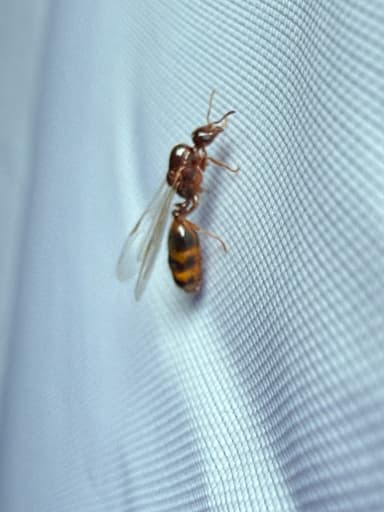
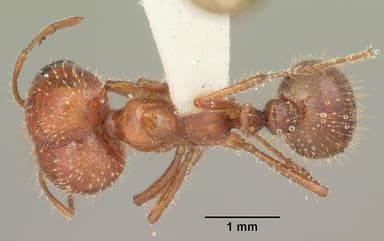
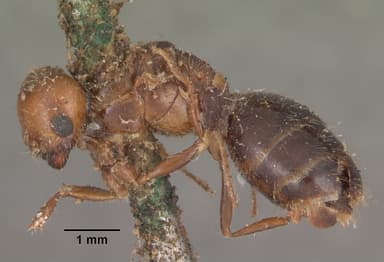
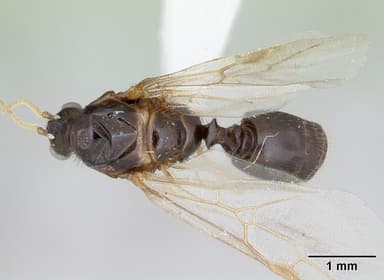
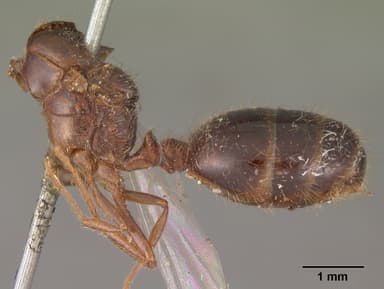
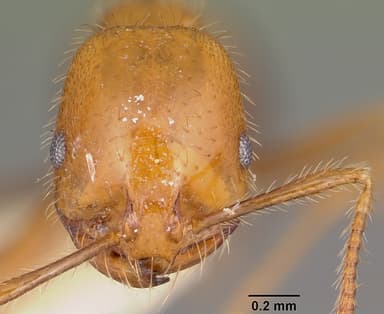
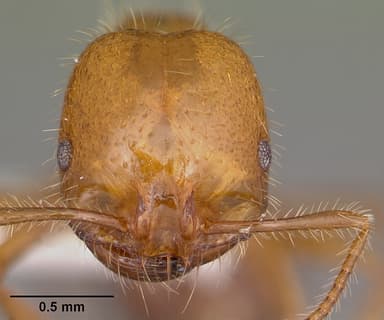
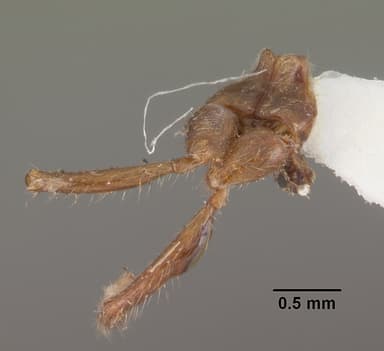
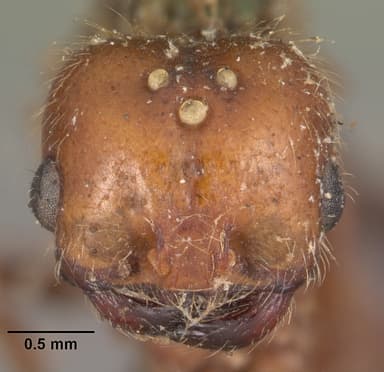
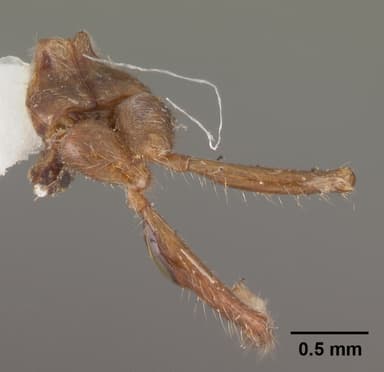
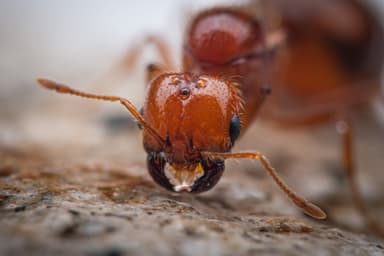
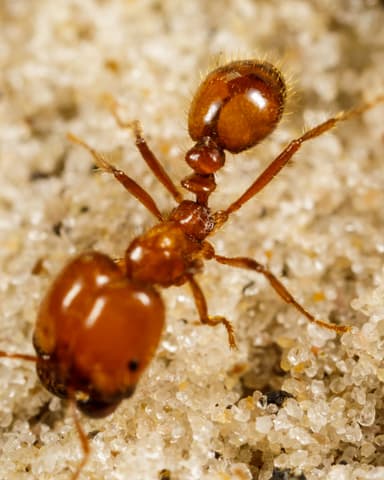
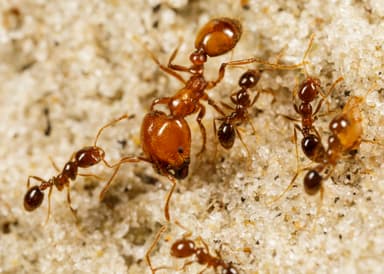
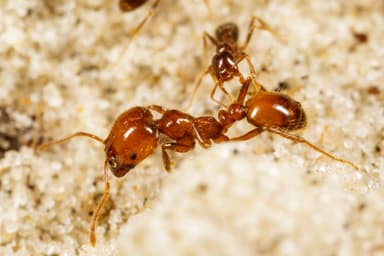
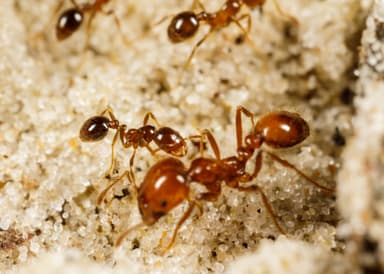
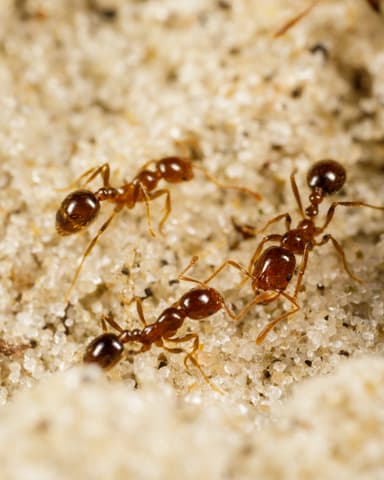
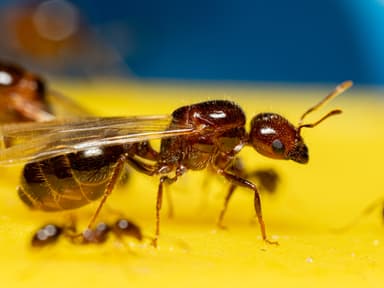
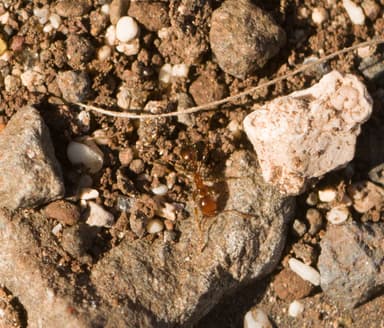
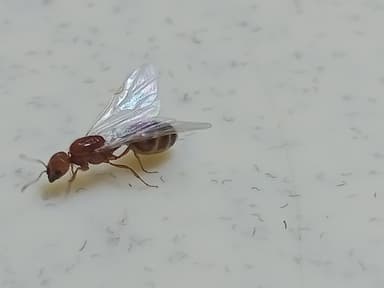
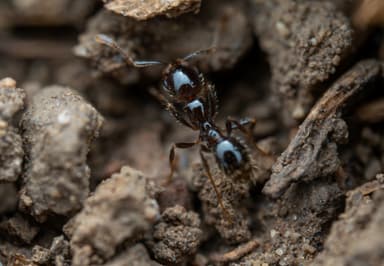
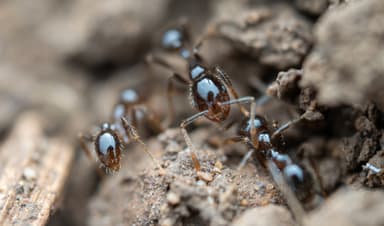
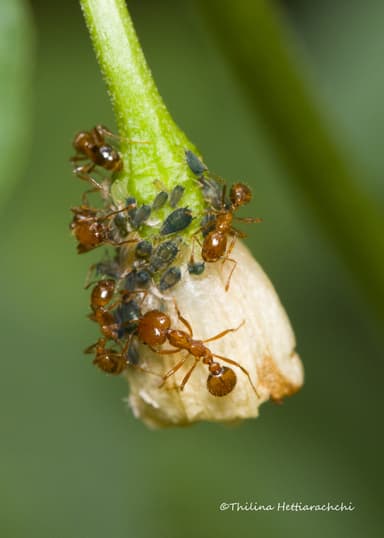
Solenopsis geminata, commonly known as the tropical fire ant, is a striking and formidable species that commands attention from the moment you glimpse its teeming colonies. Queens are robust, measuring 8–10 mm in length, while the worker caste displays a pronounced polymorphism: minor workers start at a diminutive 3 mm, and the heavily armored, large-headed majors can reach up to 8 mm. This physical diversity, with majors serving primarily as seed crushers and colony defenders, makes for a visually fascinating exhibit. In nature, mature colonies can swell to an astonishing quarter of a million individuals, and their claustral founding means a single queen can quickly build an empire. The species’ native range stretches across Central and South America, but it has been widely introduced into the southern United States, Mexico, and Southeast Asia, a testament to its ecological adaptability (Wetterer 2011). Taxonomically, it sits within the fire ant group revised by Trager (1991), and its biology has been thoroughly documented in cornerstone works such as Tschinkel’s The Fire Ants (2006). For the hobbyist, S. geminata offers a dynamic window into complex social behavior, rapid brood development, and relentless foraging activity.
With a care difficulty rated as intermediate, the tropical fire ant is best suited for keepers who have some experience with fast-growing, aggressive colonies. Complete beginners may find its escape artistry and sheer pace demanding, while seasoned ant enthusiasts will relish the challenge. This species does not hibernate; it requires steady, warm conditions year‑round, mimicking its equatorial origins. The ideal temperature band sits between 24°C and 32°C, with relative humidity maintained at 50–70%. Because colonies remain perpetually active and grow explosively, you must be prepared for frequent re‑housing and have a solid escape‑prevention strategy in place. If you enjoy hands‑on feeding, observing polymorphic workers stride through outworlds, and managing a colony that can reach breathtaking sizes, S. geminata will reward your diligence with an ever‑changing spectacle.
Housing must prioritize both security and climate control. A glass or acrylic formicarium with a secure, tightly sealed lid and a perimeter of fluon or liquid PTFE barrier is non‑negotiable. Given the large colony size, modular nests that can be expanded are ideal; plaster, gypsum, or ytong nests hold humidity well, while a thin layer of sand or a sand‑loam mix in the outworld allows workers to express their natural foraging and digging behaviours. Place a gentle heat source—such as a heat mat or cable—underneath one portion of the nest to create a thermal gradient, allowing the ants to self‑regulate. Maintain the nest humidity by watering a section of the substrate regularly, but ensure adequate ventilation to prevent mold and mite outbreaks. Always provide a clean water source, either through a test tube with a cotton plug or a purpose‑built water feeder, as these ants drink frequently in warm conditions.
Feeding S. geminata is straightforward but demands consistency and an eye on colony growth. As voracious omnivores, they require a steady supply of protein in the form of live or freshly killed insects such as crickets, mealworms, and small dubia roaches. The major workers’ powerful mandibles are particularly adept at dismembering larger prey and cracking seeds, which they will happily exploit as a supplementary food source. For carbohydrates, offer diluted honey, sugar water, or slices of fresh fruit on a small feeding dish to avoid drowning. Small colonies should be fed every two to three days; as the workforce swells, daily offerings may become necessary. Remove uneaten food promptly, as protein items will spoil quickly in the warm, humid environment. Hydration is equally critical—never let the water source run dry, because these tropical ants are sensitive to desiccation.
A point that simplifies long‑term care is the complete absence of a hibernation period. S. geminata does not enter diapause; workers continue to forage, the queen lays eggs, and brood develops through all seasons provided the environmental parameters are met. This means your heating and humidity systems must run continuously, buffering the ants from any sharp drops in room temperature during winter. The lack of a winter rest also means the colony will not experience the natural slowdown that many temperate species require, so you must remain vigilant about food supply and waste management throughout the entire year.
When you first receive your S. geminata queen and her incipient brood, the key is minimal disturbance. Place the test tube or founding chamber in a dark, quiet location within the target temperature range and leave it undisturbed for at least 24–48 hours. After this settling period, offer a tiny drop of honey on a piece of foil and a pinhead‑sized piece of pre‑killed insect near the tube entrance. Do not be alarmed if the queen remains hidden; claustral queens rely on their wing muscle reserves initially, but a sip of sugar water helps her recover from shipping stress. In the following days, watch for signs that she is laying eggs and that the first tiny workers begin to forage. Once the nanitic workers arrive, gradually increase feeding frequency. Monitor for condensation inside the tube, which can drown the ants, and adjust ventilation if needed. With patience and a steady hand, those first tender weeks will blossom into the full‑throated hum of a thriving fire ant colony, a living relic of global spread and social complexity right on your shelf (Wetterer 2011; Tschinkel 2006).