Pseudomyrmex
Pseudomyrmex gracilis
Nuptial Flight Calendar
Flight months: Apr, May, Jun, Jul, Aug, Sep, Oct
Care Guide
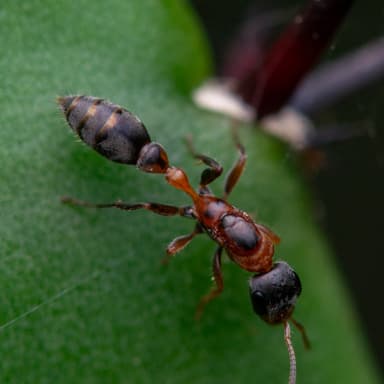
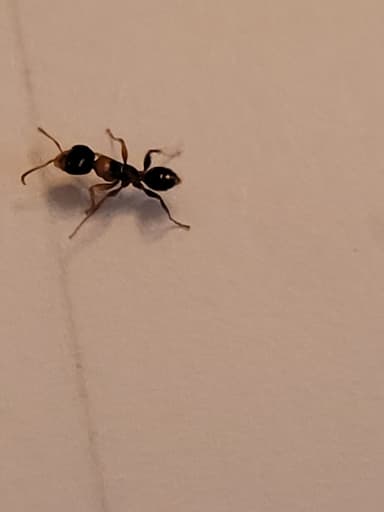
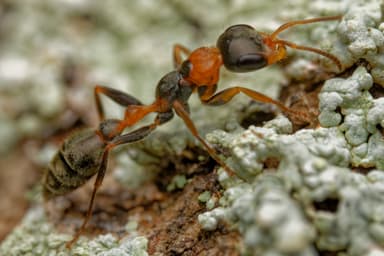
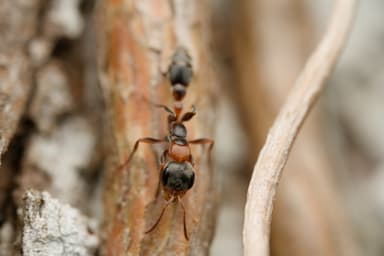
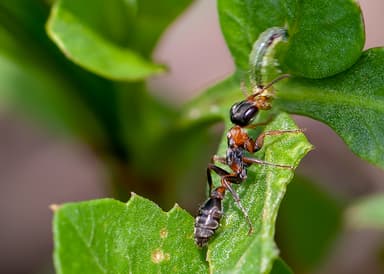
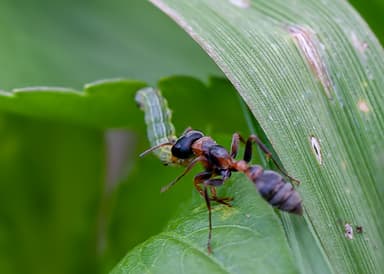
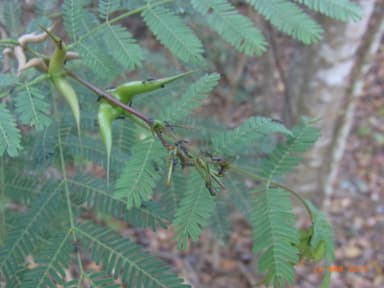
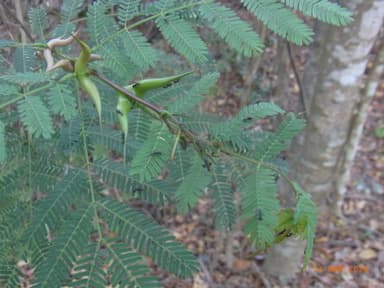
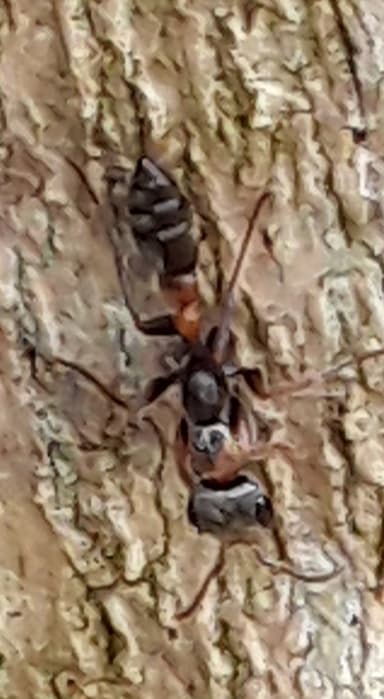
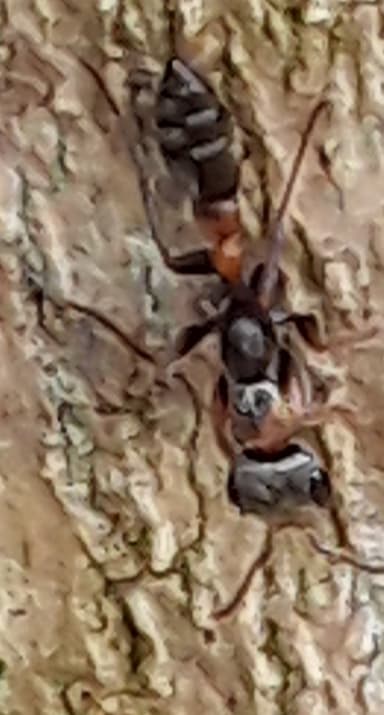
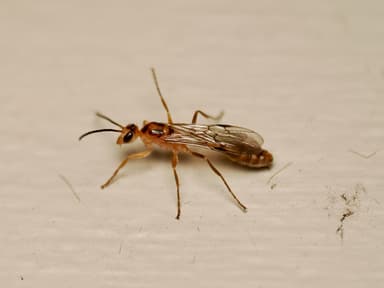
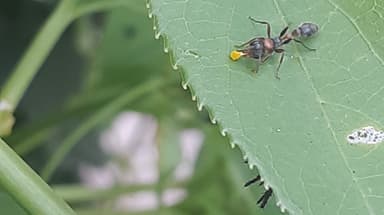
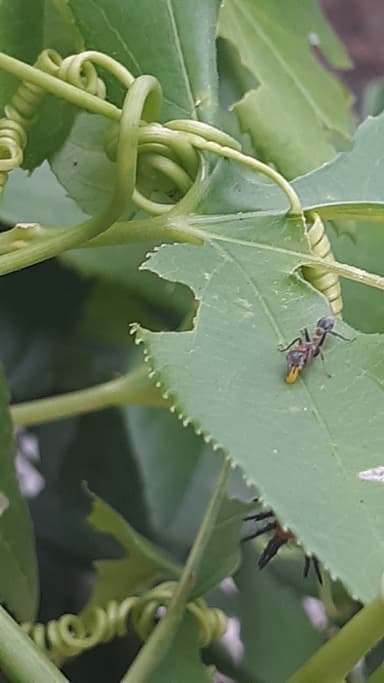
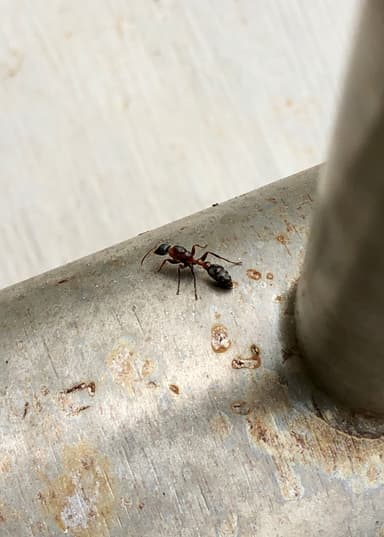
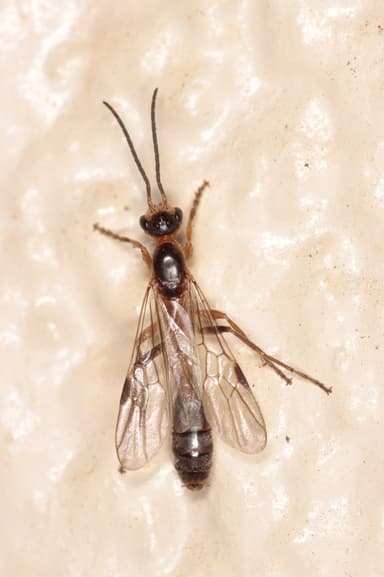
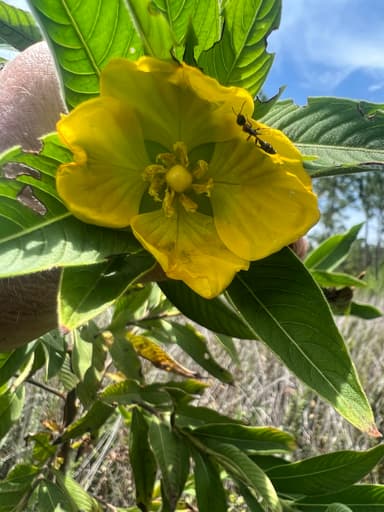
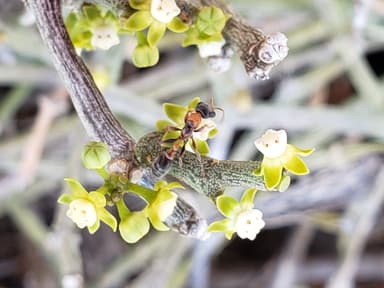
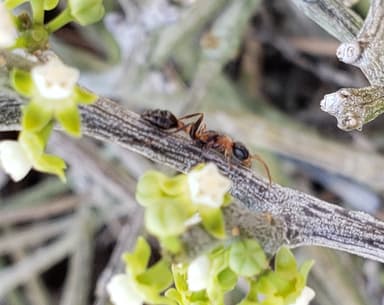
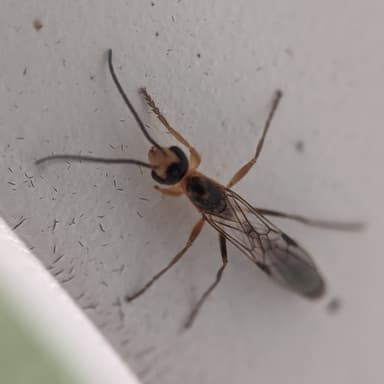
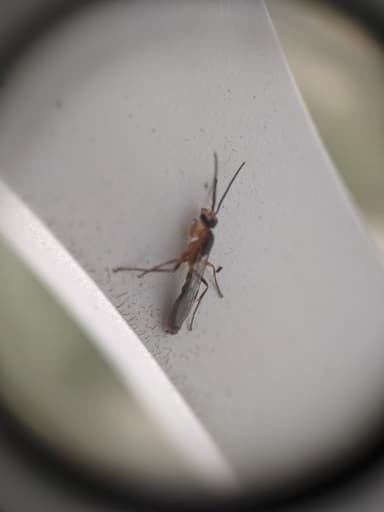
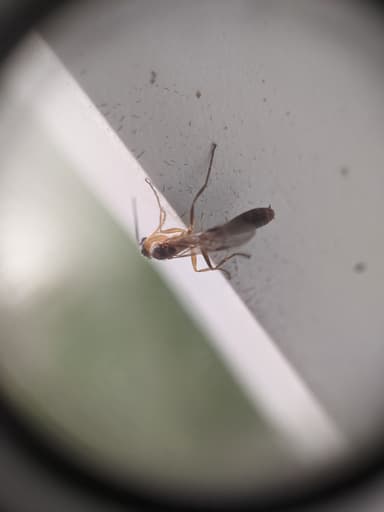
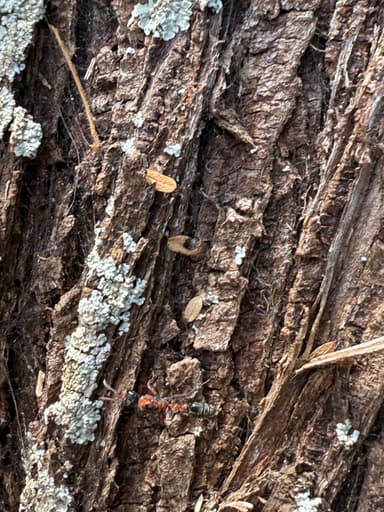
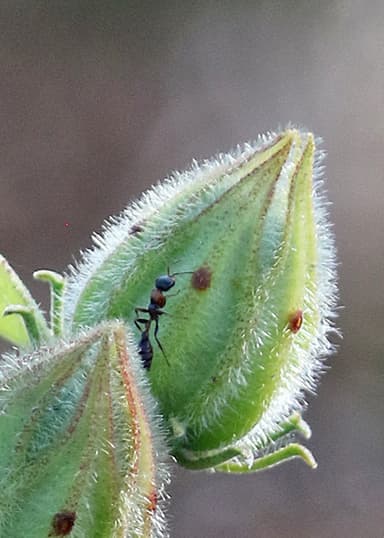
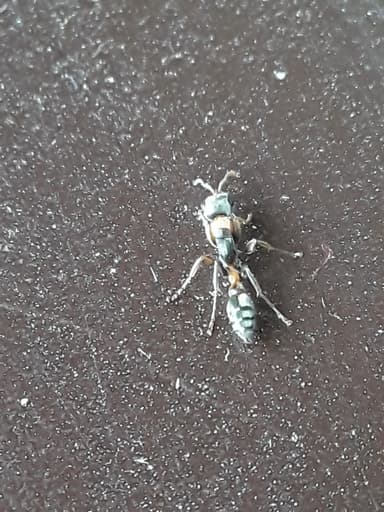
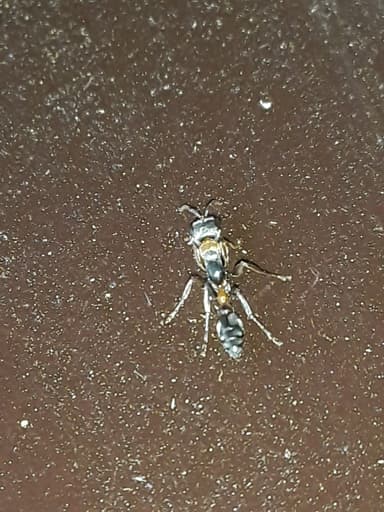
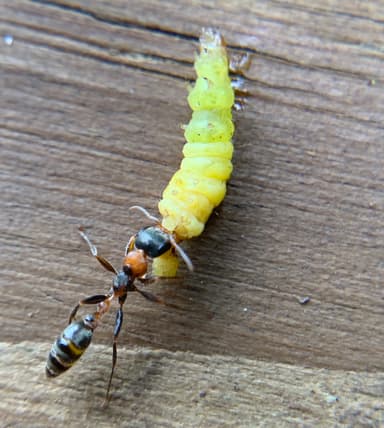
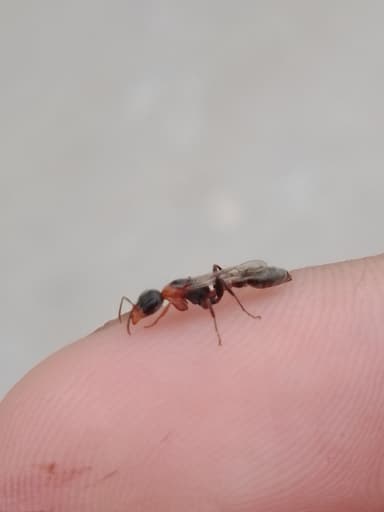
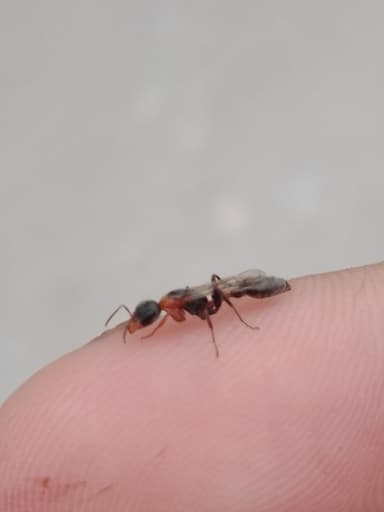
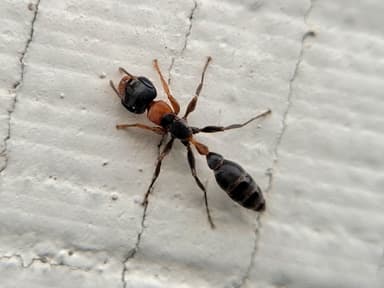
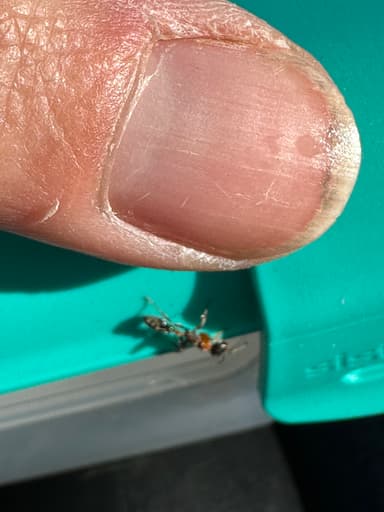
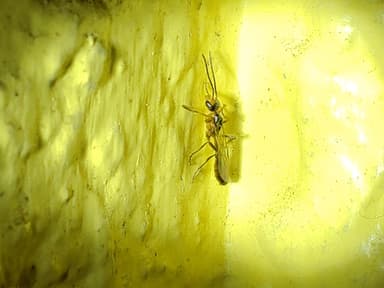
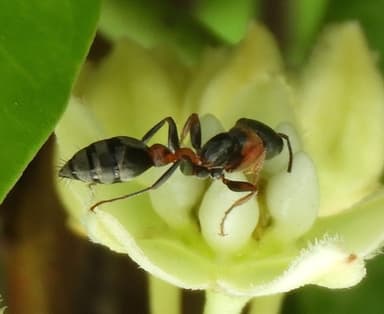
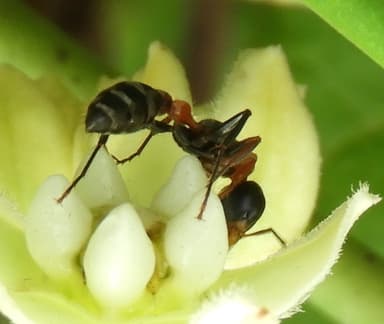
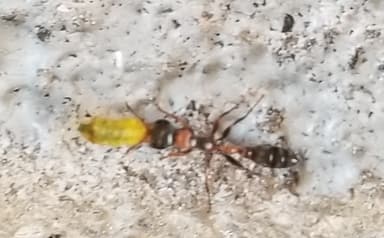
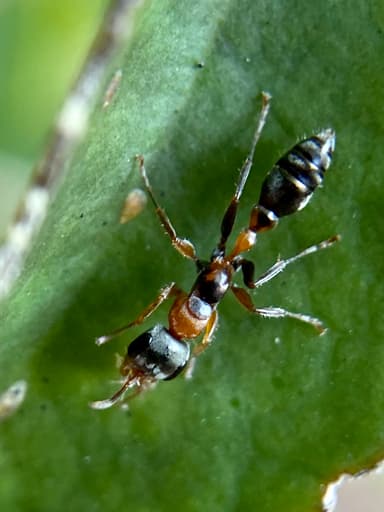
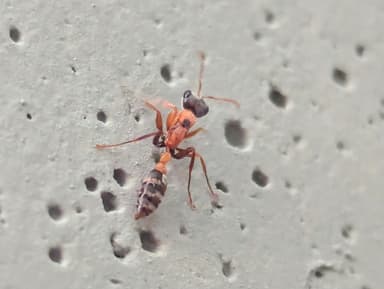
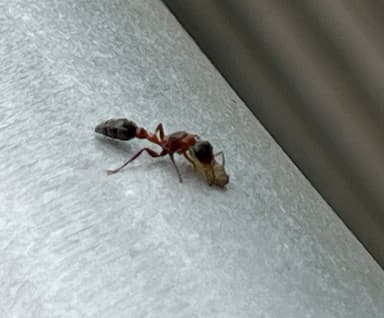
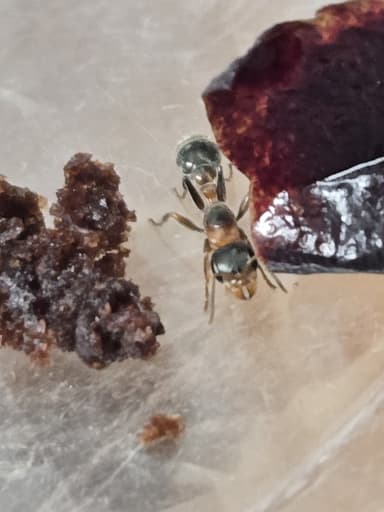
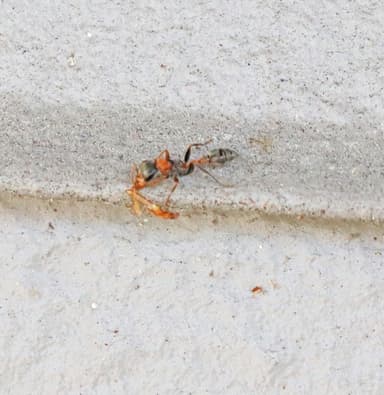
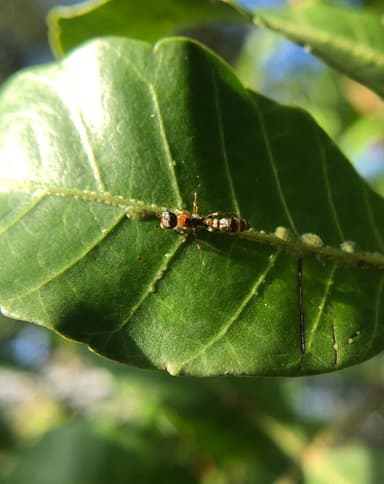
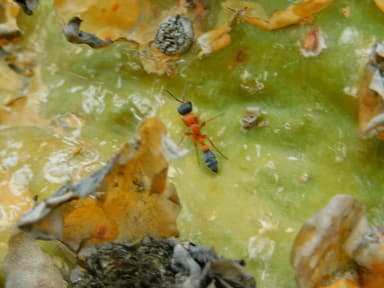
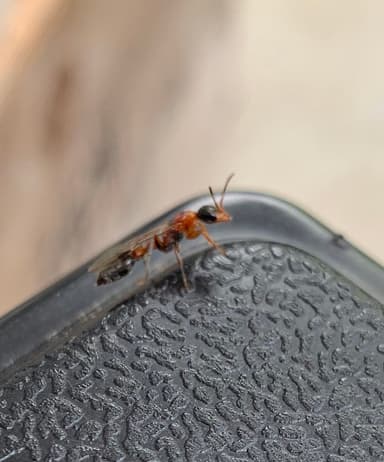
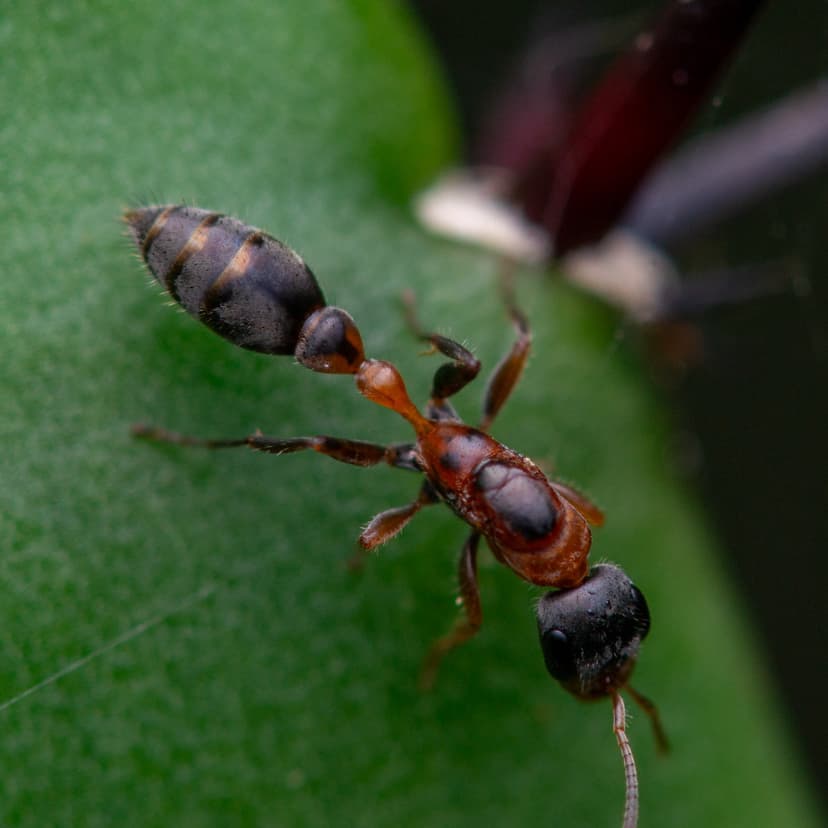
The graceful twig ant, Pseudomyrmex gracilis, is a strikingly elegant species that immediately captures attention with its elongated, slender body, oversized compound eyes, and vivid amber-to-mahogany coloration. Workers range from 8 to 10 millimeters in length, while queens reach a more robust 10 to 12 millimeters, both moving with a deliberate, alert gait that reflects their highly visual hunting strategy. Unlike many ants that rely heavily on chemical trails, these solitary foragers depend on keen eyesight to stalk and overpower small arthropod prey, a trait that makes them fascinating to observe in a captive setting. Colonies are monomorphic, consisting of a single caste of workers, and in the wild they nest inside hollow twigs, beetle burrows, or other pre-formed cavities in trees and shrubs, a preference that must be mirrored in captivity. The species has a vast natural range stretching from the southern United States—especially Florida and the Gulf Coast—south through Mexico and Central America to Argentina (Wetterer 2010), with introduced populations establishing elsewhere. Their semi-claustral founding means a newly mated queen must actively leave her incipient nest to hunt and feed during the founding stage, a behaviour that adds complexity to early care but also provides a unique window into their biology. Indeed, P. gracilis is a member of a genus famous for its obligate and facultative associations with myrmecophytic plants (Ward 1993), and though this species is not an obligate plant-ant, its natural history as an arboreal cavity-nester with excellent dispersal ability has made it one of the most widely distributed and well-studied twig ants in the Americas (Deyrup 2003).
Given their rapid movements, willingness to deliver a memorable sting, and the need for a semi-claustral queen to be fed during foundation, Pseudomyrmex gracilis is best suited to keepers with some prior experience—those who have successfully managed fast, visually oriented ants such as some Camponotus or smaller Pseudomyrmex species. The intermediate care rating reflects not extreme sensitivity but rather a combination of escape artistry and a defensive temperament that demands respect. This species is not recommended for a first-time ant keeper, but for a hobbyist familiar with sealing escape-prone setups and handling live foods confidently, it is an immensely rewarding choice that showcases a completely different foraging strategy from the typical mass-recruiting ants.
Housing should replicate the ants’ natural twig-nesting habits as closely as possible. A vertical or horizontal plaster, Ytong, or wooden nest with narrow galleries 4–8 mm in diameter works well, as it mimics the interior of a dead branch and allows the colony to establish a comfortable humidity gradient. The foraging arena must be thoroughly escape-proofed with a tight-fitting lid and a slick fluon or oil barrier, as these ants can walk up smooth vertical surfaces with ease. Maintain a temperature range of 24–30°C throughout the year; a gentle heat gradient produced by a heating cable placed at one end of the nest is ideal, allowing the ants to thermoregulate. Humidity should stay between 50 and 70%, which can be achieved by providing a water source in the form of a test tube or a small water tower, combined with occasional light misting of one part of the nest if your substrate permits. Deep substrate is unnecessary, though a thin layer of sand or coconut coir in the outworld can help maintain ambient moisture and gives the ants a natural surface to walk on.
Feeding a colony of graceful twig ants is straightforward but consistent. The semi-claustral queen requires immediate attention: during her founding period, offer small pre-killed insects such as fruit flies or pieces of mealworm, along with a tiny droplet of sugar water or honey, every two to three days. Once workers eclose, they will actively hunt live prey. Provide a steady supply of appropriately sized insects—flightless fruit flies, micro crickets, freshly killed mealworm segments, or termites—several times per week. To fuel their constant activity, always make a carbohydrate source available; a small feeding dish with sugar water, honey, or a commercial ant nectar, replaced frequently to prevent spoilage, is excellent. Clean water should be accessible at all times, typically via the wetted cotton plug of a test tube placed in the outworld. Because these ants are visual hunters, they often ignore stationary food; wiggling prey with tweezers can stimulate a quick predatory response, which is a true delight to watch.
*Pseudomyrmex gracilis* does not require hibernation. Its broad latitudinal range from tropical to warm subtropical climates means it experiences little seasonal chilling, and in captivity a consistent warm temperature year-round keeps the colony healthy and brood production steady. There is no need for a winter diapause; any attempt to cool the colony will only stall development and can lead to stress or mortality. Simply maintain regular environmental parameters throughout the calendar year, and your ants will thrive without seasonal interruption.
When your new colony first arrives, patience is essential. A founding queen should be left undisturbed in a small founding chamber—a standard test tube setup with water and a cotton plug is perfectly adequate—placed in a dark, quiet location at the recommended temperature. Check on her only briefly every two days to offer a tiny morsel of protein and a dab of sugars, removing any uneaten food within 24 hours to prevent mold. You may initially see her outside the tube foraging; this is normal and a sign she is hunting. Once the first nanitic workers appear and the colony numbers a dozen or more individuals, they can be attached to a small nest formicarium, ensuring all connections are secure and escape-proof. In these early days, watch for signs of stress: a queen that refuses food, constant pacing, or workers that cluster tightly without venturing out may signal inadequate humidity or temperature. If all is well, the colony will gradually acclimate and begin exploring their new home, treating you to the arresting sight of slender ants moving with precision and purpose, ever alert, ever graceful.