Polyergus
Polyergus lucidus
Nuptial Flight Calendar
Flight months: Jul, Aug, Sep
Care Guide
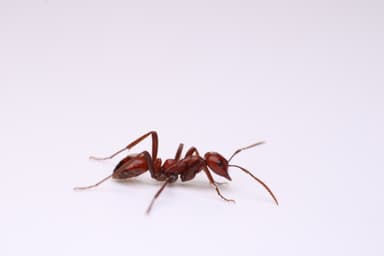
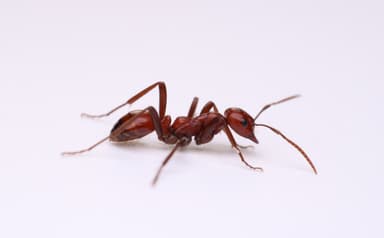
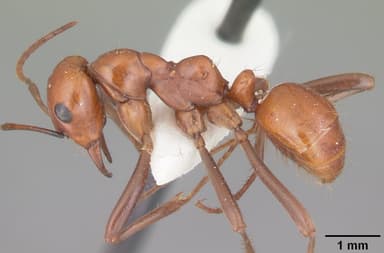
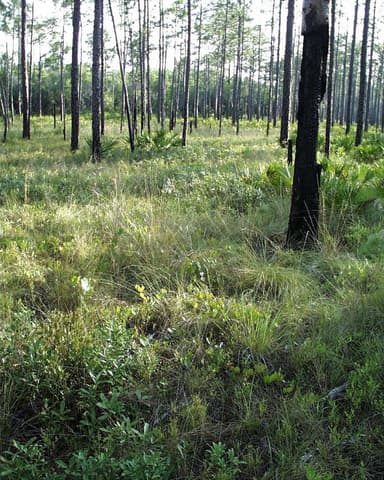
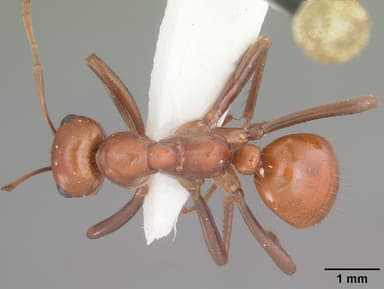
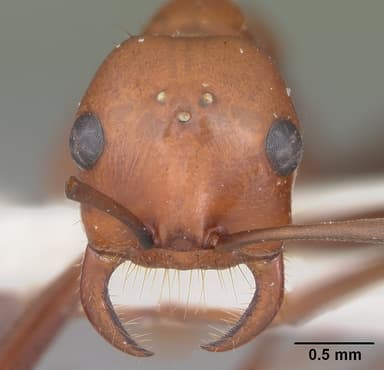
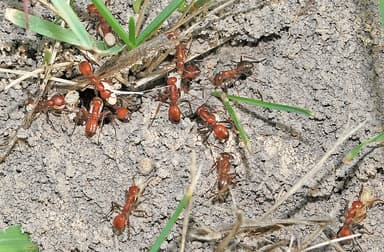
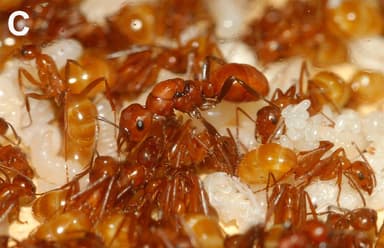
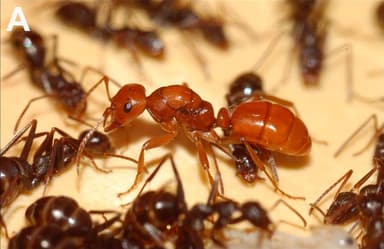
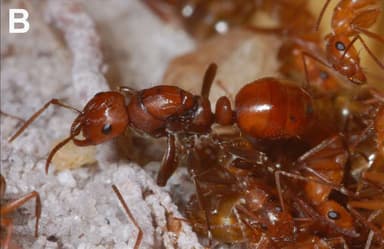
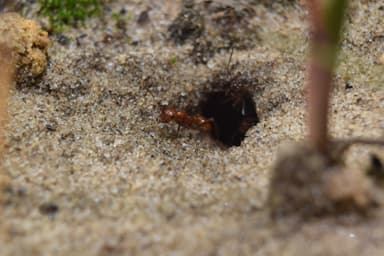
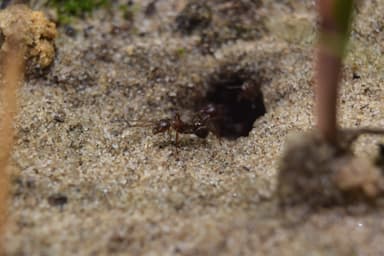
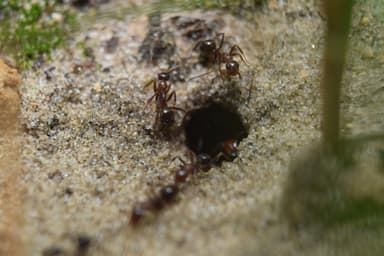
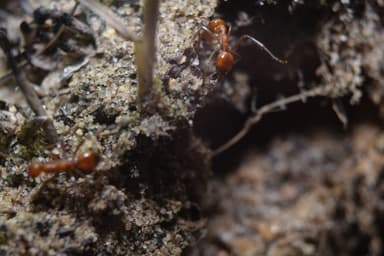
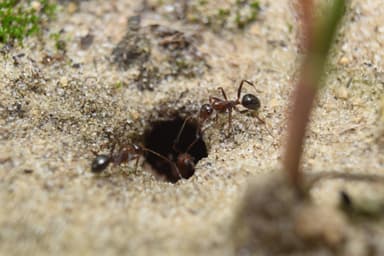
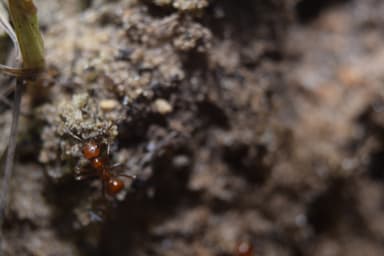
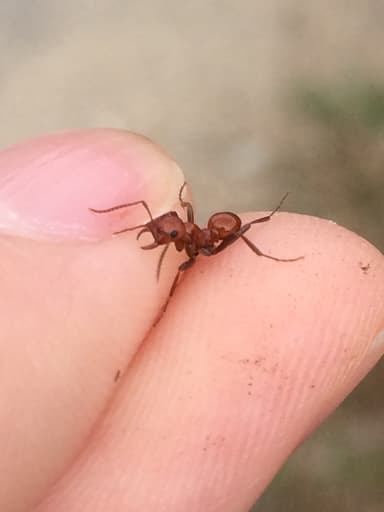
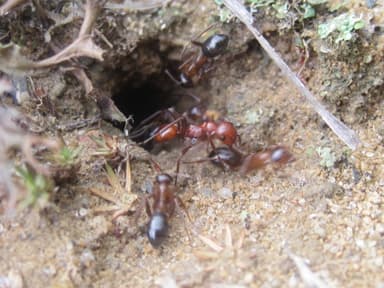
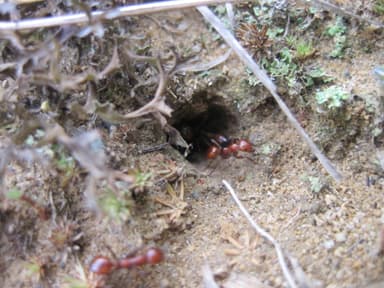
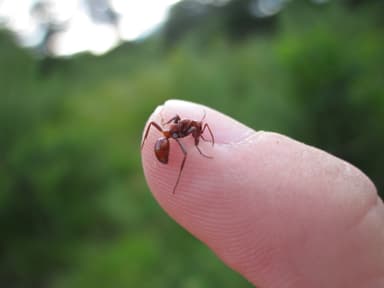
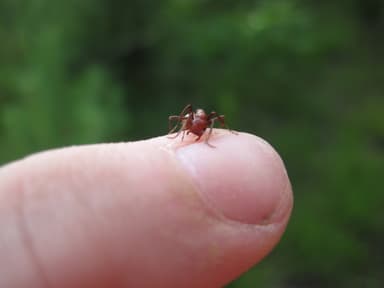
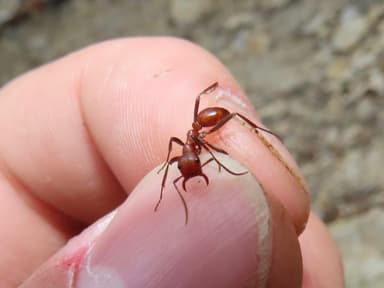
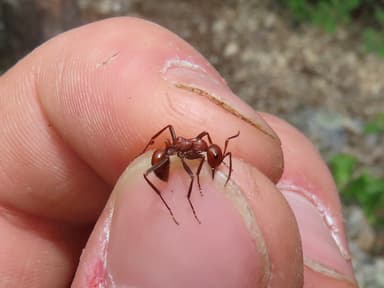
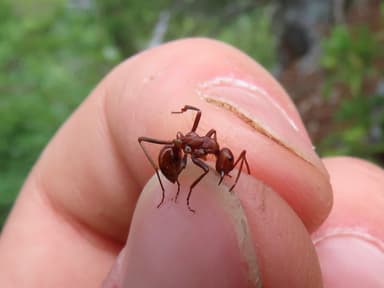
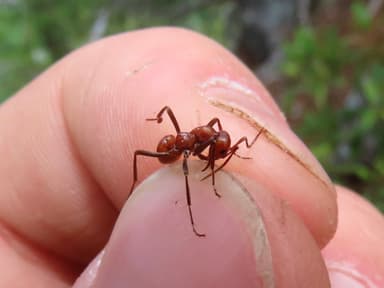
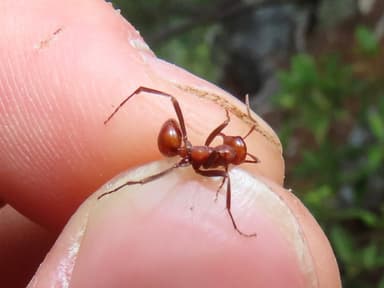
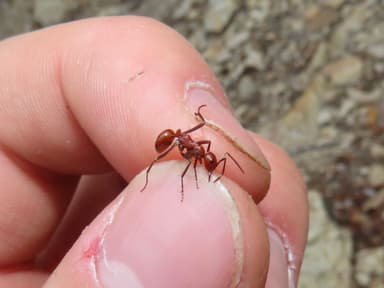
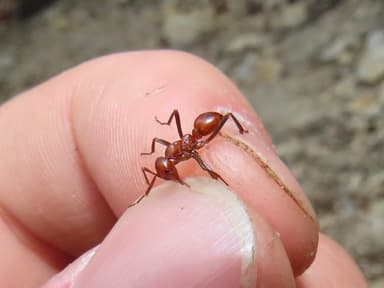
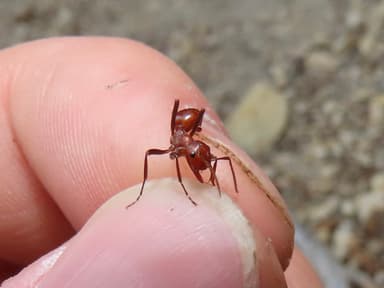
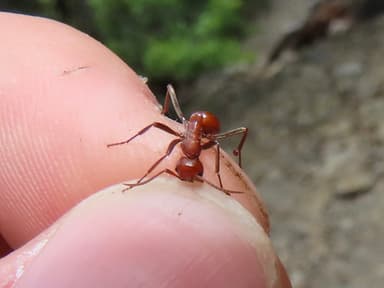
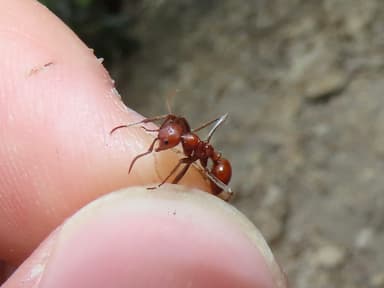
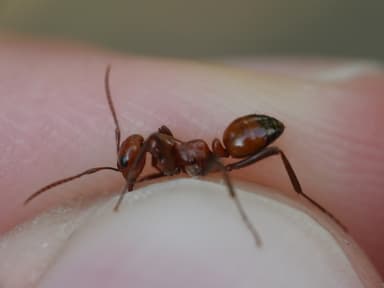
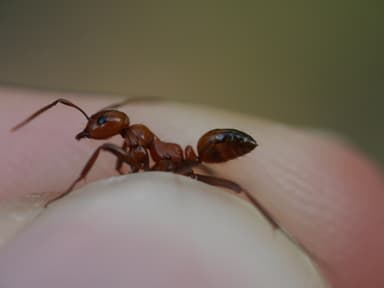
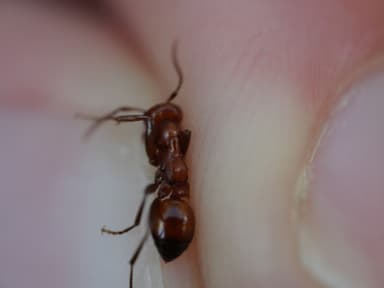
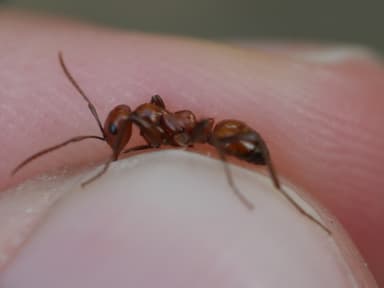
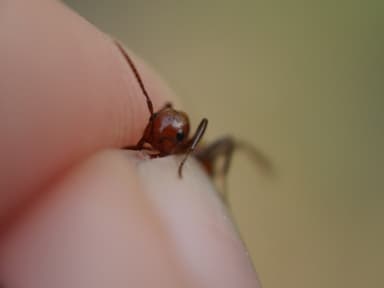
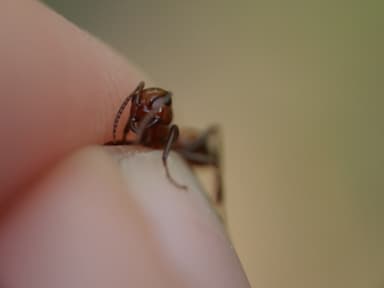
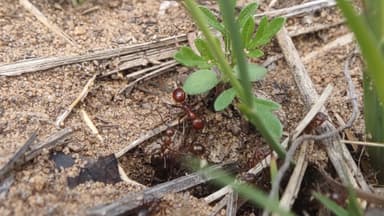
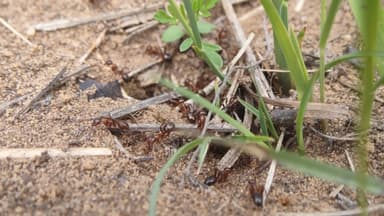
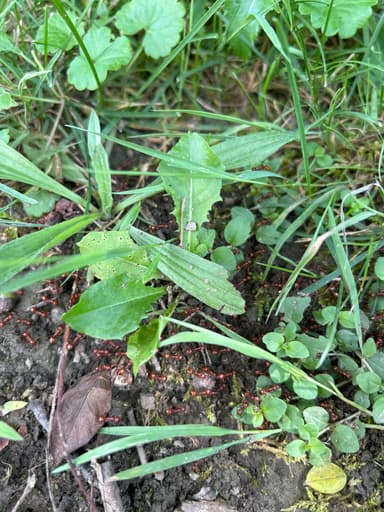
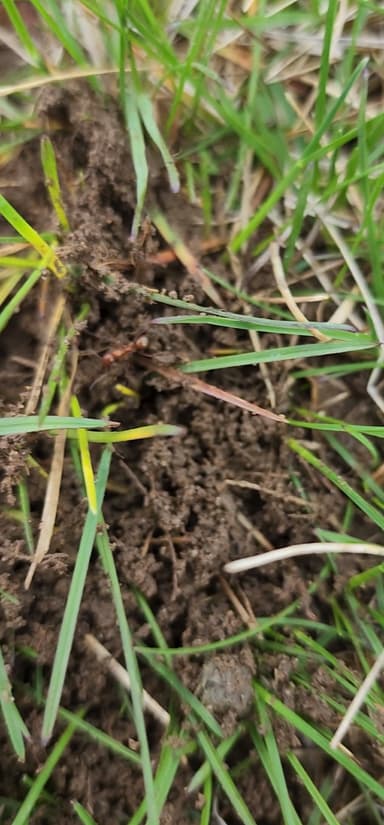
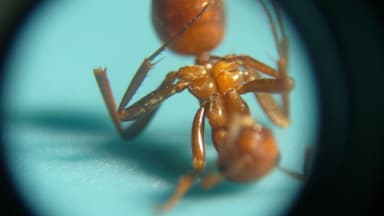
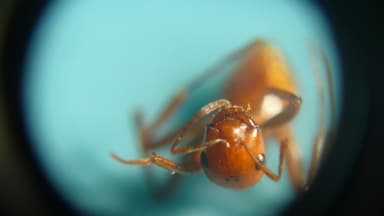
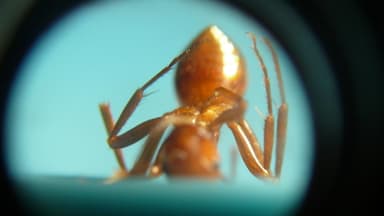
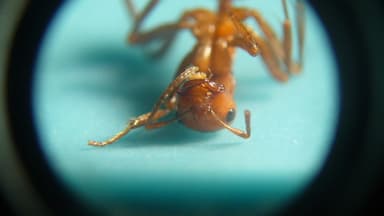
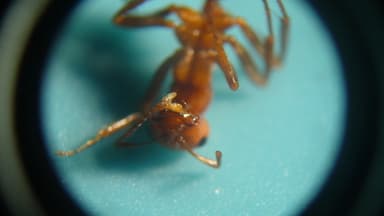
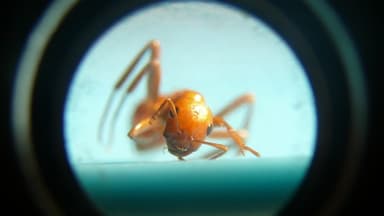
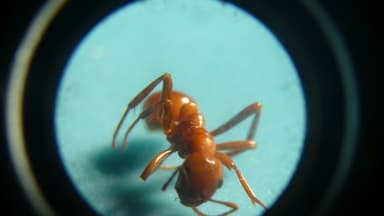
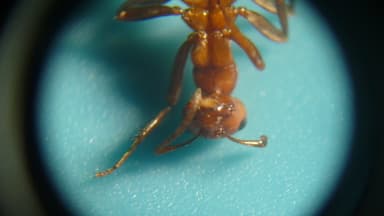
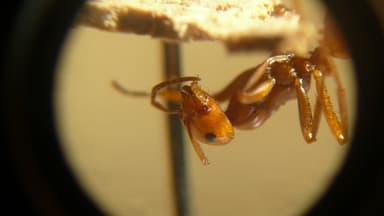
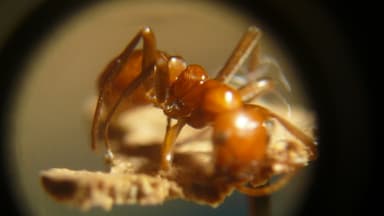
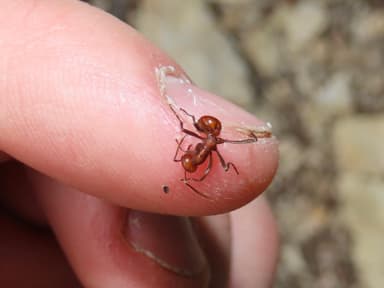
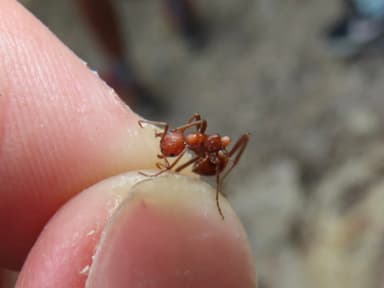
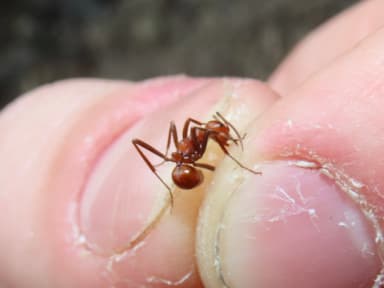
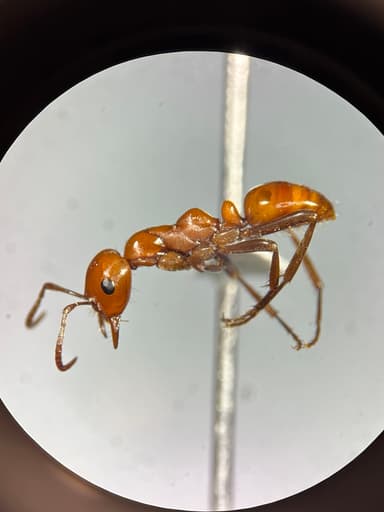
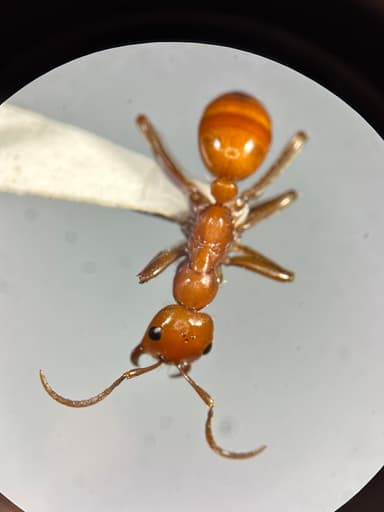
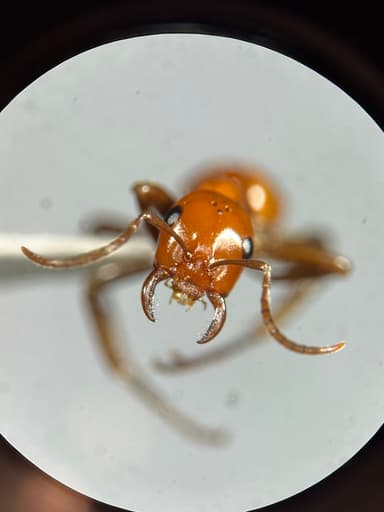
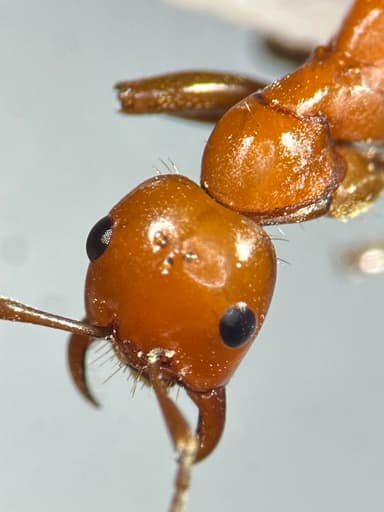
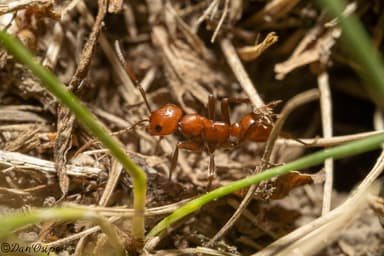
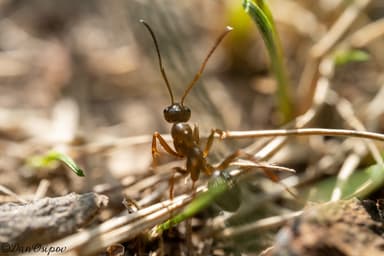
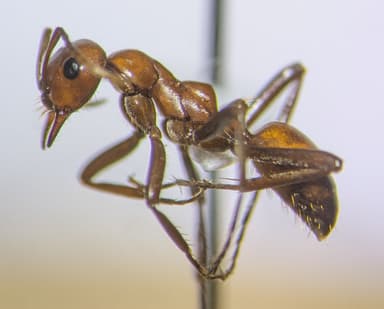
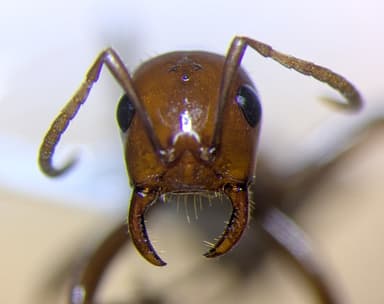
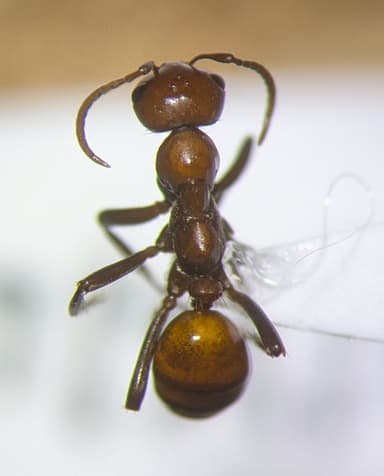
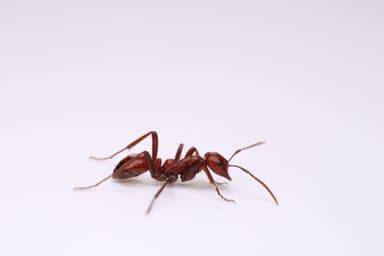
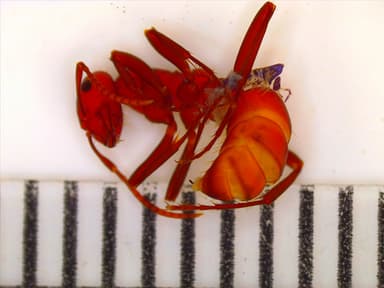
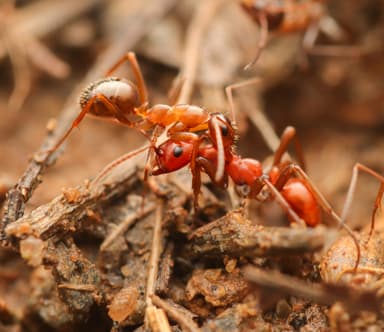
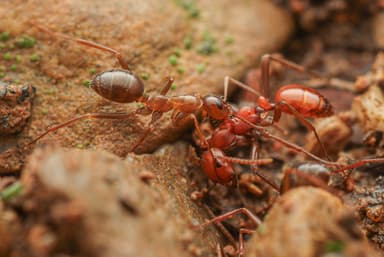
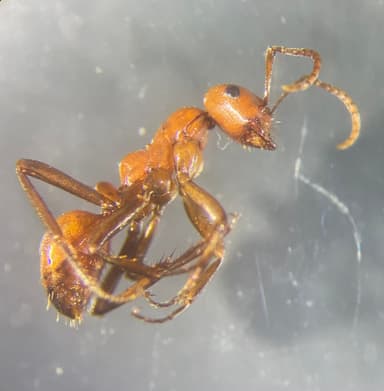
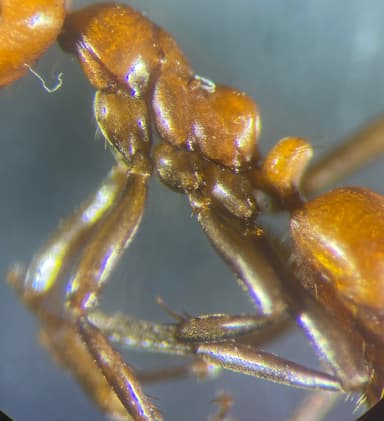
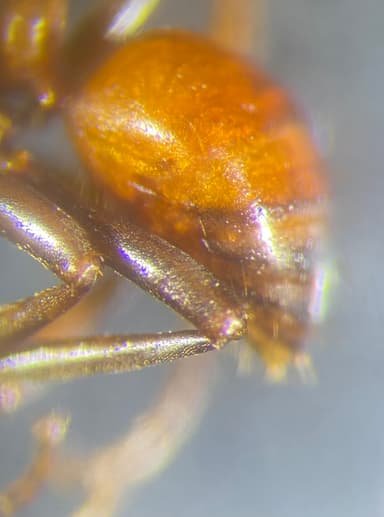
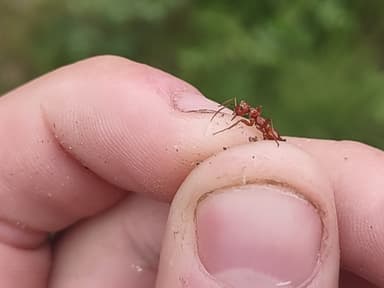
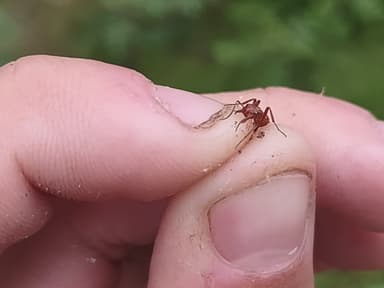
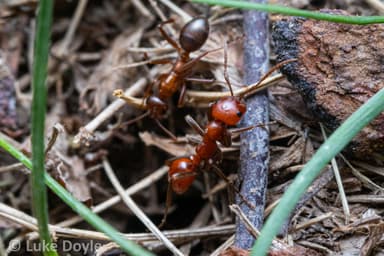
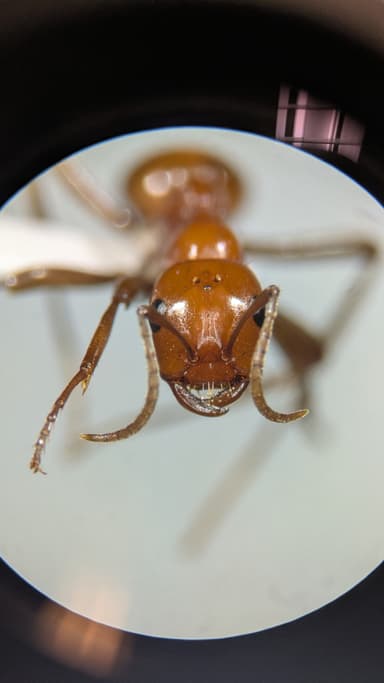
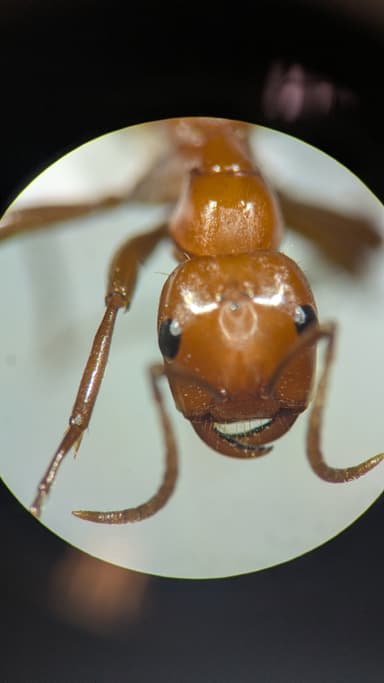
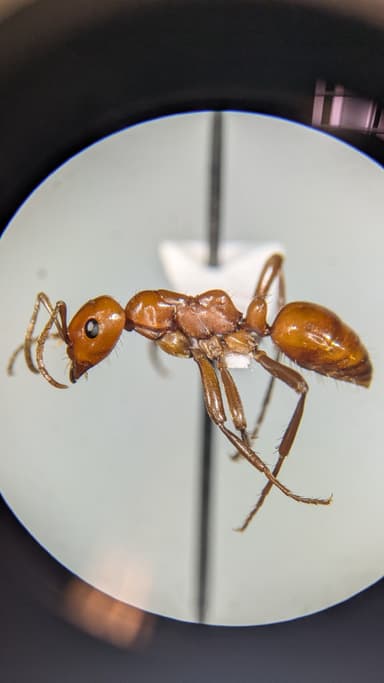
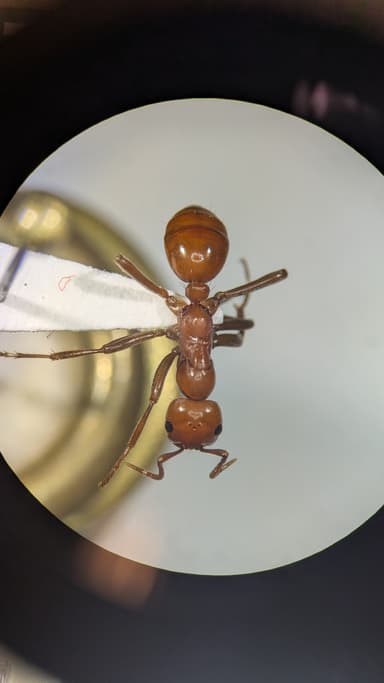
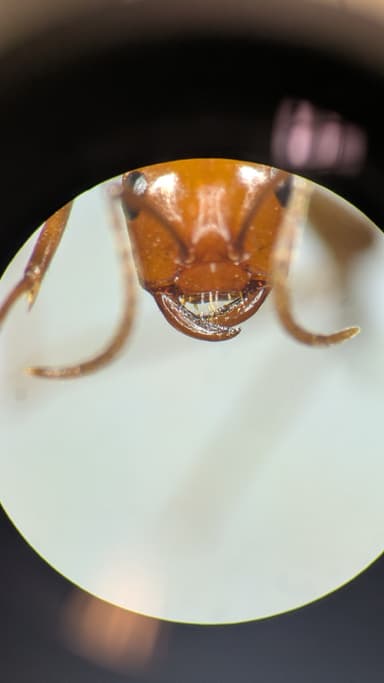
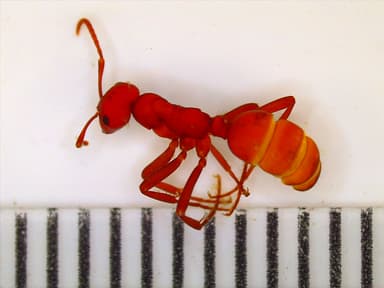
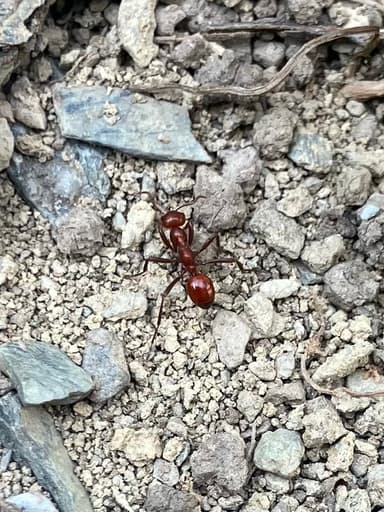
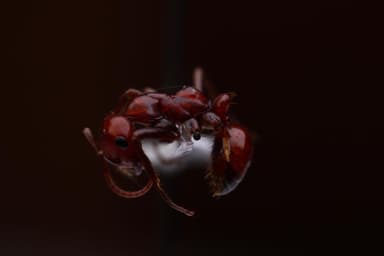
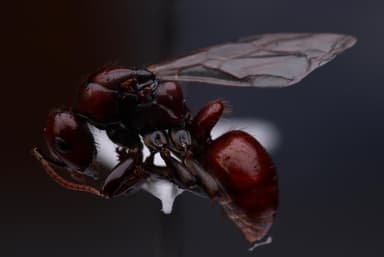
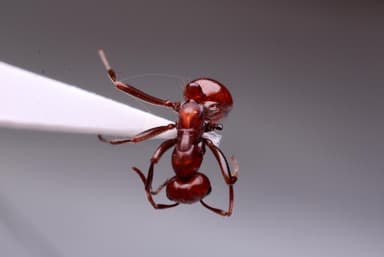
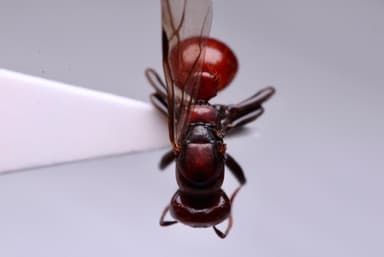
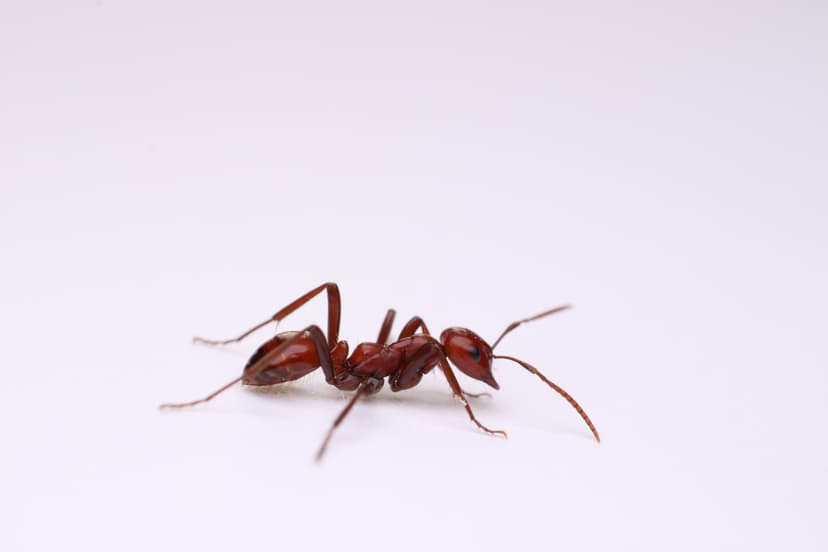
Polyergus lucidus, the shining slave-maker, is a true jewel among North American ants and one of the most behaviorally captivating species a hobbyist can observe. The workers are a glossy, deep mahogany-red, finely sculpted, and measure a modest 6–8 mm in length, while queens are more robust at 8–10 mm. They lack polymorphism, with only a single minor worker caste, though the majority of foragers you will see in a mature colony are actually the host species. Their sickle-shaped mandibles are not built for digging, nursing, or feeding, but for piercing the exoskeletons of rival ants during dramatic raids. Polyergus lucidus is an obligate social parasite, meaning it cannot survive without enslaving workers of a closely related Formica species—most commonly species of the pallidefulva group in the wild (Trager 2013). Raids are among the most theatrical events in the ant world: on warm, sunny afternoons following summer rain, a column of up to several thousand Polyergus workers streams out in a tight phalanx to overwhelm a target nest and steal its brood. The captured pupae eclose inside the raiders’ nest and integrate seamlessly as the new workforce, performing all the duties of foraging, brood care, and nest maintenance that the slave-makers are physically and behaviorally incapable of doing themselves. Founding is equally dramatic: a freshly mated queen penetrates a host colony, kills the resident queen, and uses chemical mimicry to pacify the host workers, who then raise her first brood (Trager 2013). Nuptial flights occur in July and August across the species’ native range, which spans the eastern United States roughly from the Great Plains to the Atlantic coast, and north to the Great Lakes region.
This ant is reserved exclusively for expert keepers. The primary challenge is not the physical environment—Polyergus lucidus is quite tolerant of standard temperate conditions—but managing the living, dynamic relationship between parasite and host. You are essentially maintaining two colonies that must function as one, and a sudden loss of host workers or a breakdown in social integration usually means the death of the entire unit. It is not enough to simply provide a large group of Formica workers; the host population requires a steady supply of its own brood, ideally from a robust, captive-host colony you keep separately for harvesting pupae. Without emerging callow workers, the slave workforce dwindles, and the Polyergus queen’s egg production declines. Beginners should avoid this species, but for experienced keepers who have raised socially complex ants like slavery-dependent Formica or temporary social parasites, Polyergus offers an unparalleled window into the evolution of behavioral dependency. You will need patience, meticulous record-keeping, and a willingness to accept occasional failures.
Housing must accommodate the raiding habit and the needs of a mixed colony. A formicarium with a plaster, ytong, or 3D-printed nest area connected to a large foraging outworld works well, but the outworld must be completely escape-proof—a tight-fitting lid with a fluon or PTFE barrier is essential, as these ants are determined explorers during raiding season. Maintain the nest between 18–28°C, with a temperature gradient if possible, and keep humidity at 50–70%, mimicking the forest-edge and open woodland habitats where they naturally occur. Substrate in the outworld should be a few centimeters of sand or a sand-loam mix, which helps the host workers construct tunnels and aids in maintaining humidity. Decorate with pieces of bark or flat stones under which host workers can hide their brood. Because the colony eventually reaches up to 3,000 individuals (predominantly host ants), provide ample nesting volume and expand as needed. Lighting should follow a natural photoperiod, and the setup can be kept at room temperature for most of the active season, with a drop to around 18°C at night.
Feeding Polyergus lucidus requires an understanding of their total dependence. The slave-maker workers and queen cannot process solid protein; they feed exclusively on a liquid carbohydrate diet of honey, sugar water, or ant nectar, which they receive from host workers through trophallaxis. The host workers, in turn, require both sugars and a steady supply of insect protein to rear the slave-maker’s brood. Offer small, freshly killed insects such as fruit flies, crickets, or mealworm pieces daily, and always have a fresh water source via a test-tube waterer or a liquid micro-feeder. Crucially, you must regularly replenish the host worker population by introducing pupae from your donor Formica colony. A good rule of thumb is to add several dozen late-stage pupae every few weeks during the growing season. If at any point you see Polyergus workers attempting to forage for themselves or the queen looking lethargic, the host-worker-to-parasite ratio is likely too low and failure is imminent.
Hibernation is non-negotiable. From approximately late October to early March, the entire colony must be kept at a constant 8°C—a wine cooler or a programmable incubator is ideal. Reduce temperatures gradually over two weeks in the fall, ensure the nest is well-hydrated, and stop offering protein a few days prior to cooling. The colony should be checked monthly for moisture, but disturbance should be minimal. A successful diapause is essential for the queen to resume egg-laying in spring, as in the wild these ants endure harsh continental winters across their range (Trager 2013). When warming them up in spring, reverse the process slowly and resume sugar water immediately; protein can be reintroduced once host workers are active.
The first days after acquiring a mated queen with host workers or a small founding unit are a period of extreme delicacy. You will most likely receive a queen housed in a test tube with a few host workers and a handful of host brood. Keep them in darkness at a stable 22–24°C, and resist the urge to peek more than once a day. Offer a tiny droplet of sugar water on a piece of wax paper right at the entrance of the tube on day two, and watch for the host workers to accept it. Do not offer insect prey for the first 48 hours, as this can overwhelm the small group. The queen should be settled among the host workers, grooming them and solicating food; any sustained aggression, where workers persistently bite the queen’s legs or antennae, indicates rejection. If she is accepted, you will see the host workers clump around the brood and feed the queen. After a week, you can connect a small outworld and begin introducing tiny, pre-killed fruit flies. The greatest danger in these early days is disturbance—vibrations, light, and air currents can trigger stress that leads to host workers turning on the queen. Once the first batch of polyergus brood eclose as larvae and are tended peacefully, you have passed the critical hurdle, and you can begin the slow, rewarding process of supporting one of the ant world’s most extraordinary social experiments.