Myrmecocystus
Myrmecocystus testaceus
Nuptial Flight Calendar
Flight months: Mar, Apr, May, Jun, Jul, Aug, Sep
Care Guide
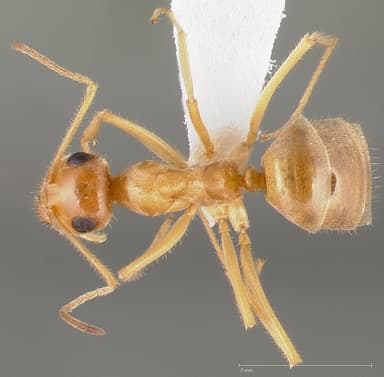
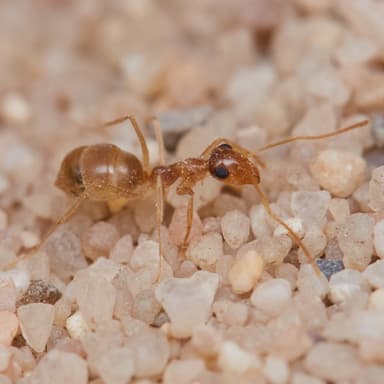
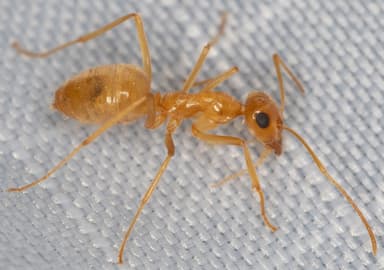
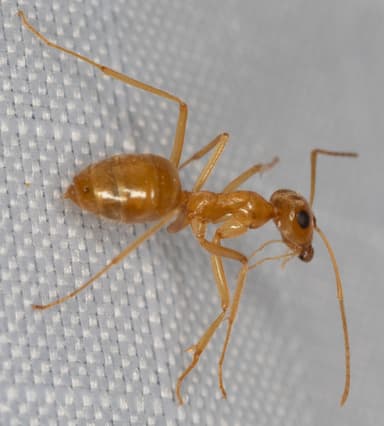
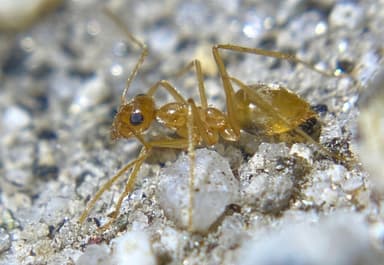
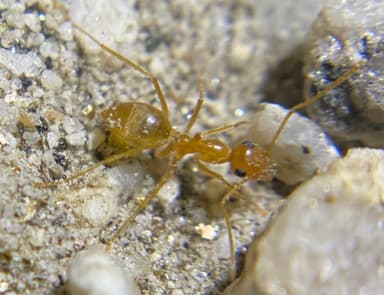
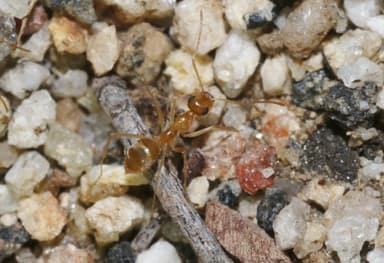
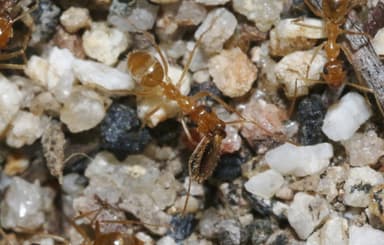
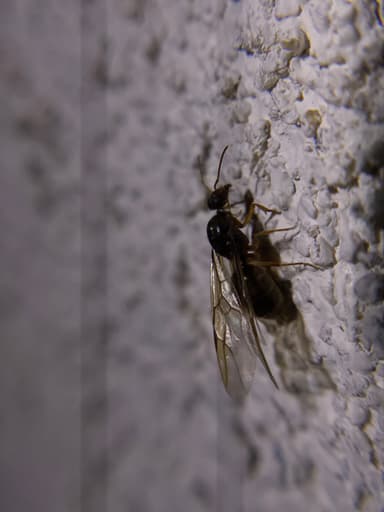
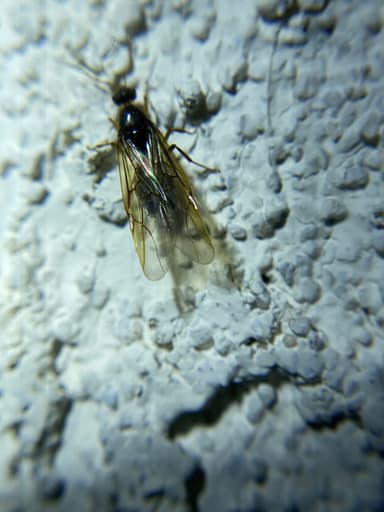
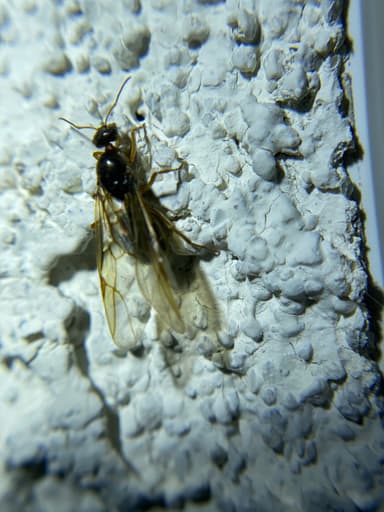
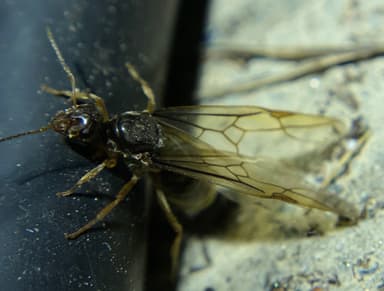
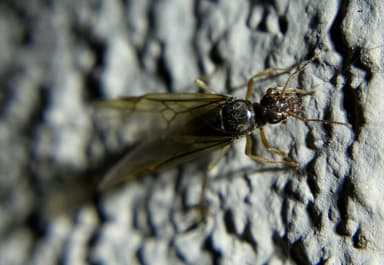
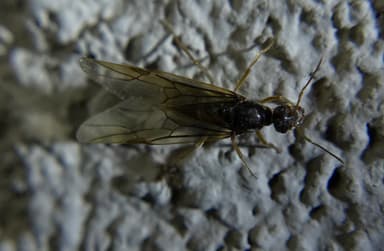
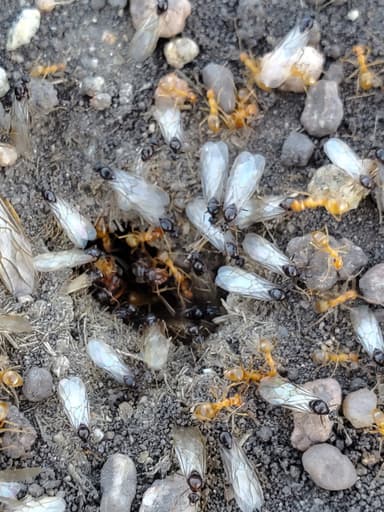
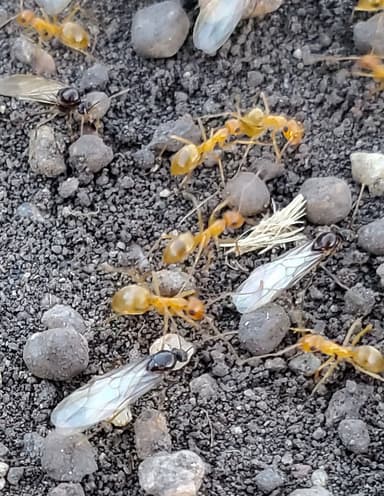
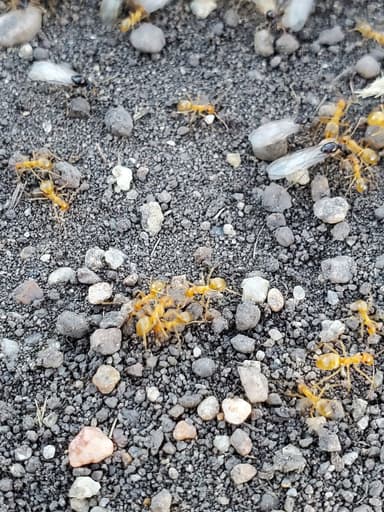
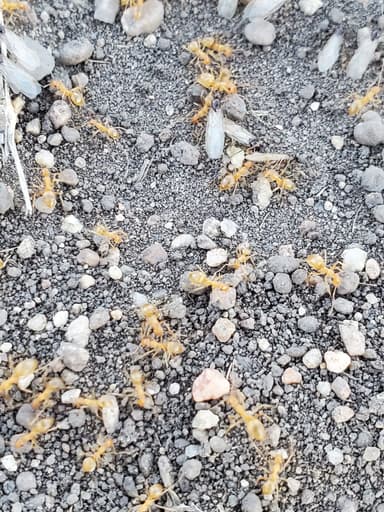
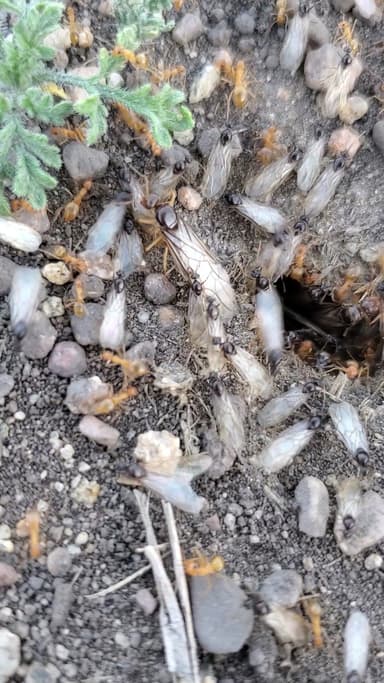
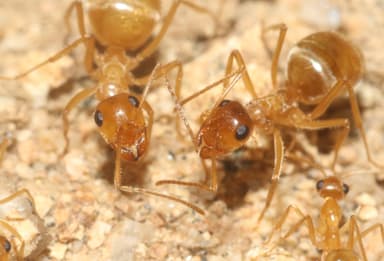
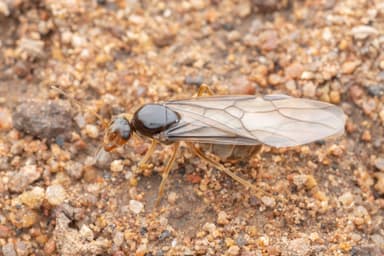
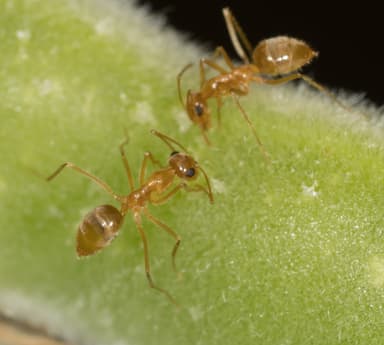
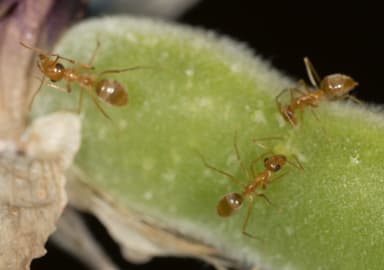
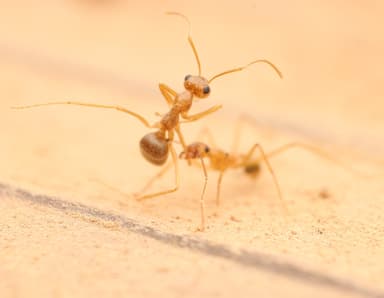
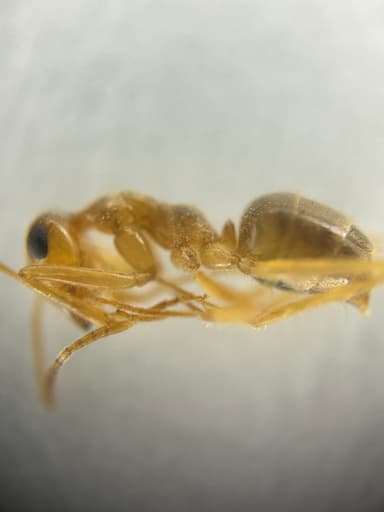
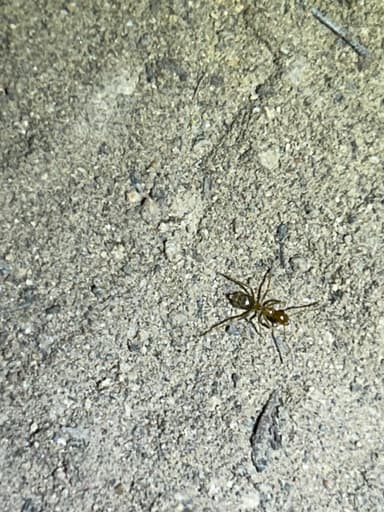
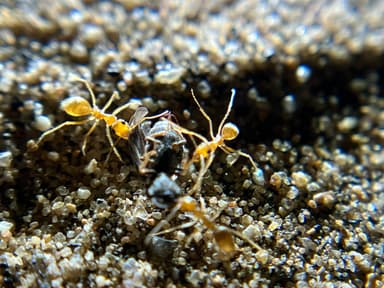
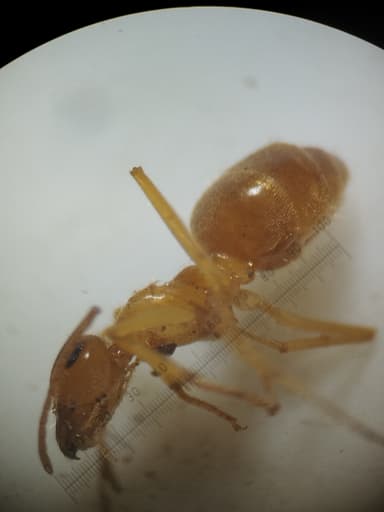
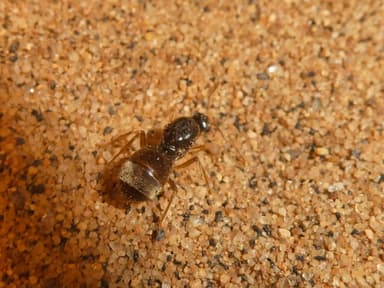
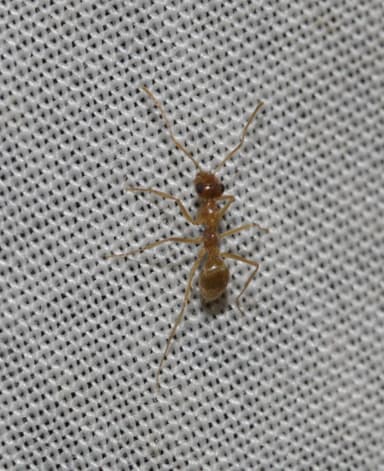
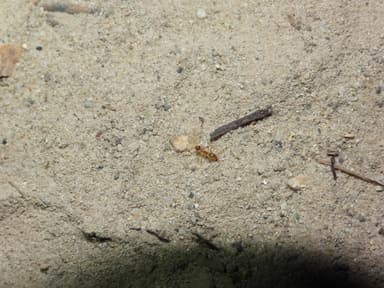
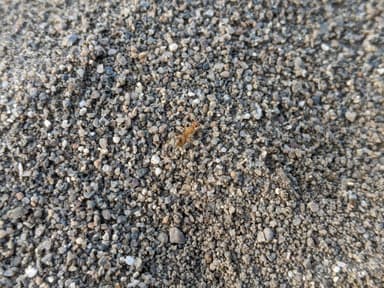
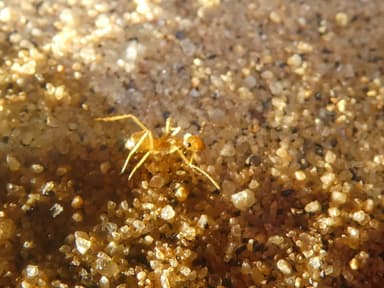
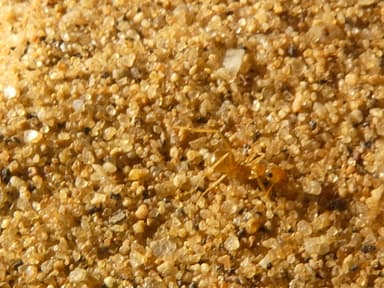
Myrmecocystus testaceus, often called the bicolored honey ant, is a charismatic species native to the arid landscapes of the southwestern United States, ranging from California to west Texas and south into northern Mexico. Queens measure a robust 11 to 13 millimetres, while their polymorphic workers span a striking size range of 4 to 9 millimetres. What makes this ant truly captivating is its ability to produce repletes — specialized worker ants that become living storage vessels, their abdomens swollen with sugary liquid until they resemble tiny amber globes hanging from the nest ceiling. These living larders are a defining feature of the genus, and in M. testaceus they are particularly well-studied (Conway 1990). Mature colonies can reach sizes of up to 5,000 individuals, exhibiting two distinct worker castes — minor and major — in addition to the repletes, which typically develop from the largest majors. Nuptial flights occur on warm, humid nights following summer monsoon rains, from June through September, when new queens and males emerge to perform their nocturnal mating swarms before the newly mated queens retreat underground to found claustrally.
The species is best suited for keepers with at least some prior ant-keeping experience. Its care difficulty is rated intermediate, not because it is overly delicate but because maintaining the correct environmental gradients requires attentive husbandry. The arid origins of M. testaceus demand a relatively warm and dry setup, with a temperature range of 22 to 32 degrees Celsius and a relatively low humidity band of 30 to 60 percent. This can be challenging for beginners accustomed to moisture-loving species. Hobbyists who have successfully kept other desert ants, such as Pogonomyrmex or Messor, or those who enjoy the challenge of replicating a semi-arid microclimate will find these ants both rewarding and endlessly fascinating. Their slow, deliberate foraging and the gradual development of repletes offer a long-term observational spectacle that deepens over the years.
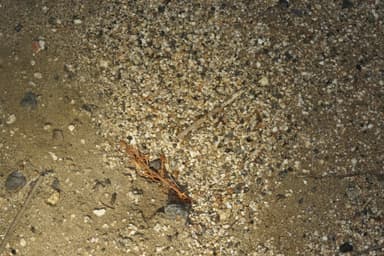
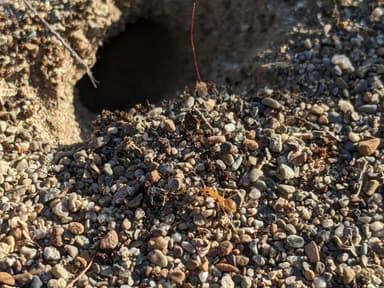
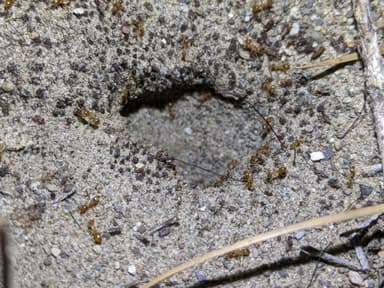
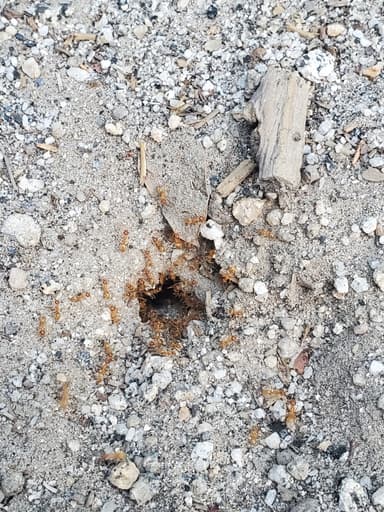
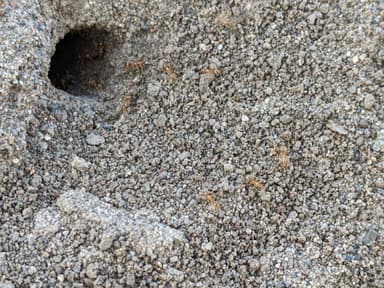
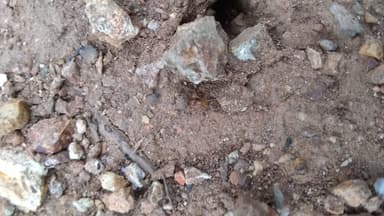
When housing M. testaceus, a formicarium that allows you to create a thermal and humidity gradient is essential. Many keepers opt for a vertical plaster or ytong nest with a hydration chamber at the bottom, connected to a dry foraging arena. The nest portion should be spacious enough to allow for deep chambers, as these ants naturally excavate nests that can extend over a metre into the soil (Snelling 1976). A sand-clay mixture makes an excellent substrate, as it holds its shape when moist and mimics the caliche soils of their native habitat; this can be used both as a diggable medium in the arena and to backfill nest chambers. The foraging arena itself should be kept dry, with ambient humidity toward the lower end of their range, while the nest can be slightly more humid — but never wet — to prevent the repletes from becoming susceptible to fungal infections. Heating is best applied from one side using a heat mat or cable, creating a thermal gradient that allows the ants to self-regulate. Lighting should mimic natural day-night cycles, though these ants tend to be most active at dawn and dusk.
A balanced diet is crucial for colony health and the formation of repletes. In the wild, M. testaceus foragers gather nectar from extrafloral nectaries, collect honeydew from sap-sucking insects, and scavenge dead arthropods. In captivity, offer a steady supply of carbohydrates via sugar water, honey diluted with water, or commercially prepared ant nectar. These sugars fuel the workers and are stored in the repletes, which become the colony’s communal reserve. Protein should come from small, freshly killed insects — fruit flies, pinhead crickets, or mealworm pieces — provided once or twice a week. Remove uneaten food promptly to prevent mould. A small water source, such as a test tube with a cotton plug, should always be available in the foraging arena; even though they derive moisture from their liquid diet, workers will drink directly, especially in the hottest conditions. Avoid misting the nest directly, as prolonged high humidity can be fatal.
Hibernation is a required part of their annual cycle and plays a key role in triggering reproduction and sustained colony health. In their native range, winter temperatures drop, and the ants become inactive. To replicate this, gradually lower the temperature to around 12 degrees Celsius over a few weeks in late autumn. Maintain the colony at this resting temperature for two to three months, keeping the nest dry and providing only a tiny water source if needed. During this period the ants will cluster and reduce movement; do not disturb them unduly. After the cool period, slowly warm them back to summer temperatures, and you will often be rewarded with a flush of new brood and increased activity. Skipping hibernation typically results in a sluggish, unproductive colony that gradually declines.
If you have just received your new M. testaceus colony, patience during the first few days is paramount. The queen and her initial workers will be stressed from transit, so place the test tube or small founding chamber in a dark, quiet location at around 25 to 28 degrees Celsius. Avoid the temptation to check on them frequently; give them at least 24 to 48 hours of absolute stillness. After this settling period, offer a minuscule drop of sugar water on a piece of foil just outside the nest entrance, and a tiny pre-killed fruit fly if the colony has more than a few workers. Watch for the first foragers to venture out — this may take a day or two. If they show no interest, remove the food and try again in 24 hours. Over the following weeks, gradually introduce them into their permanent formicarium once the worker count reaches 15 to 20 individuals. Keep a vigilant eye for any signs of mite infestation or excessive moisture during this critical establishment phase. With careful attention to their desert microclimate and seasonal rhythms, M. testaceus will thrive and eventually reward you with the glimpse of their amber-jeweled repletes — a living larder that captures the essence of desert adaptation.