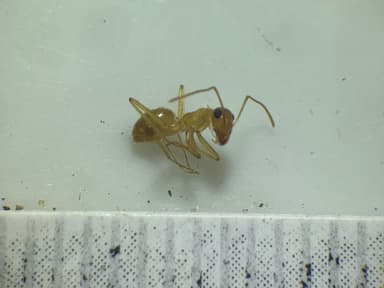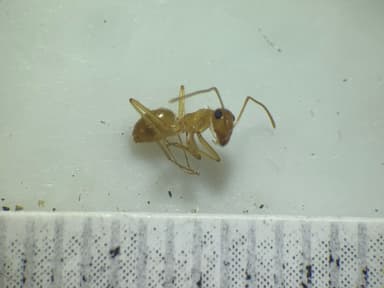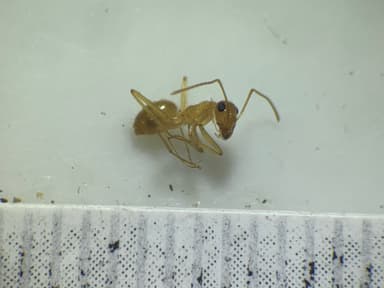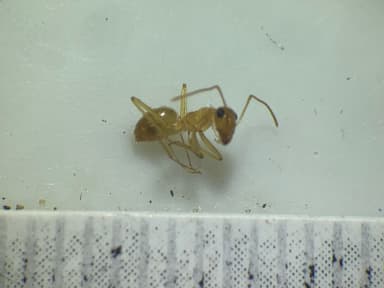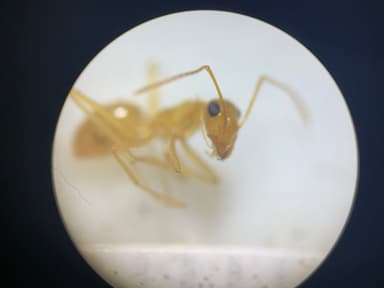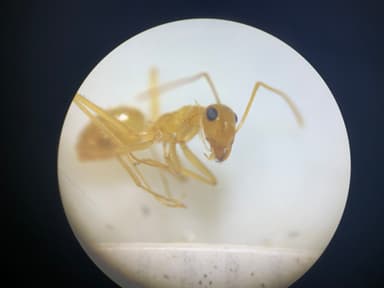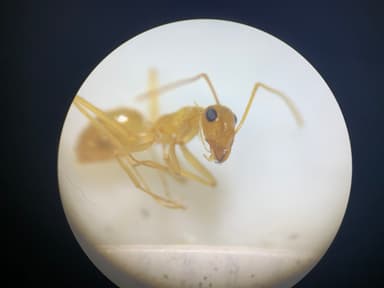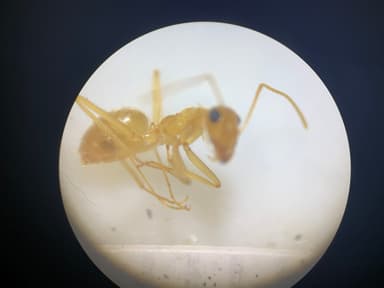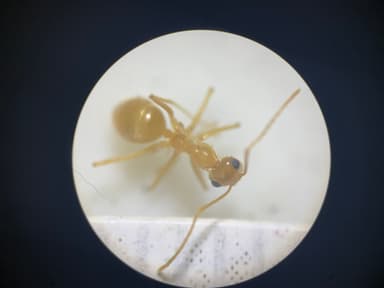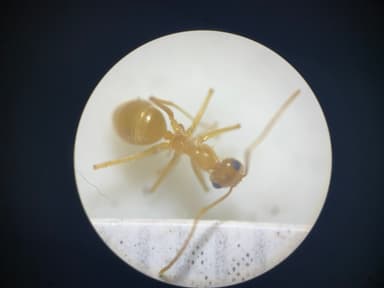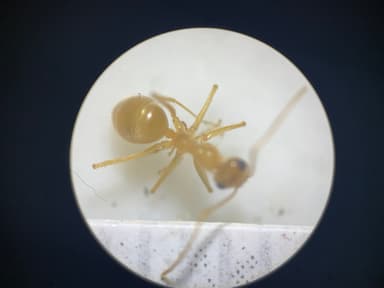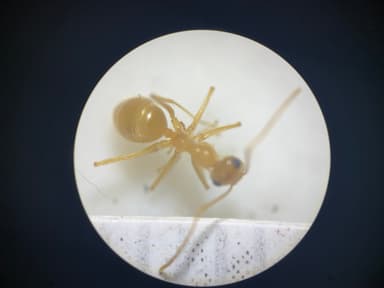
Myrmecocystus
Myrmecocystus navajo
Nuptial Flight Calendar
Flight months: Jul, Aug
Care Guide
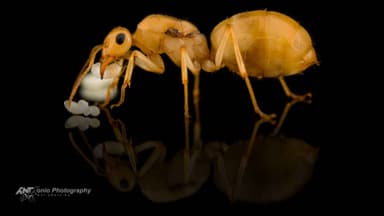
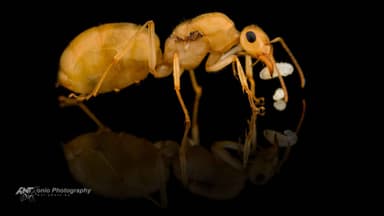
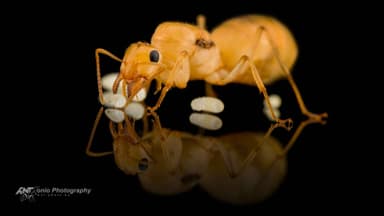
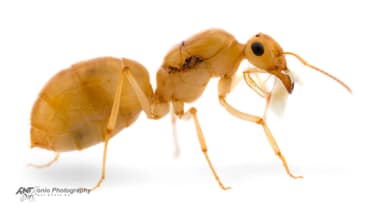
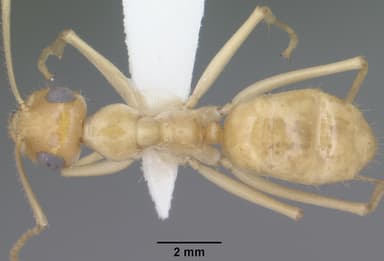
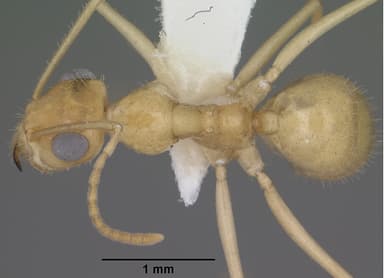
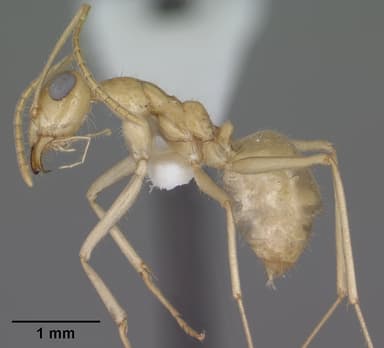
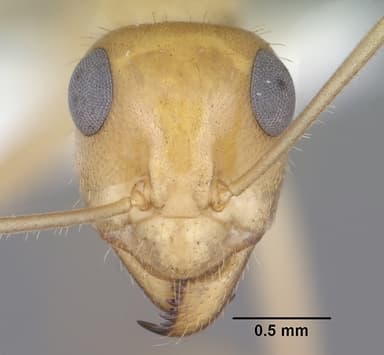
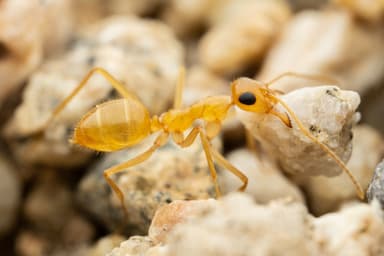
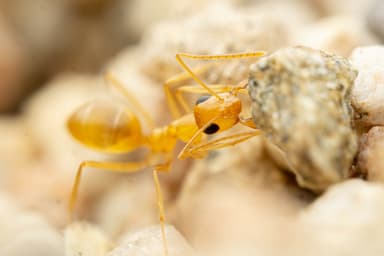
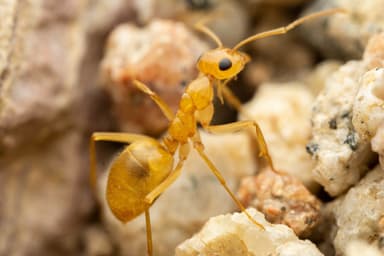
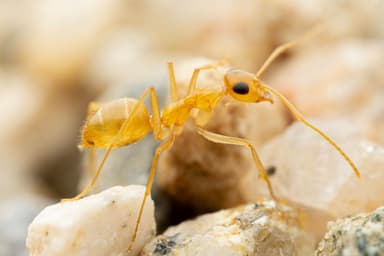
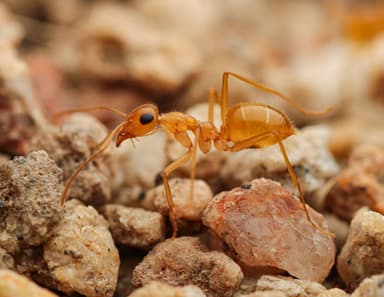
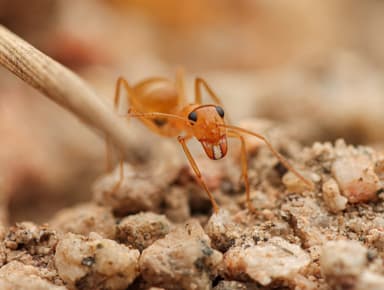
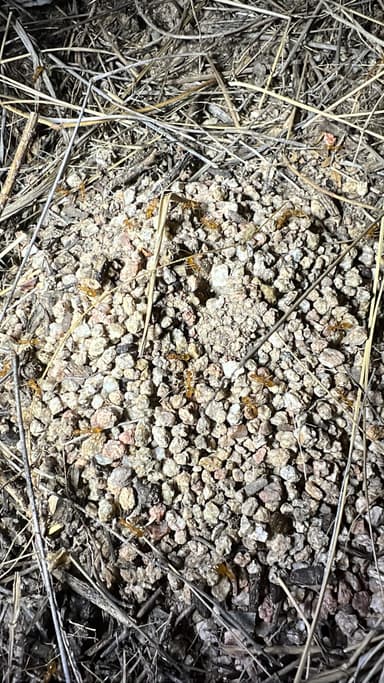
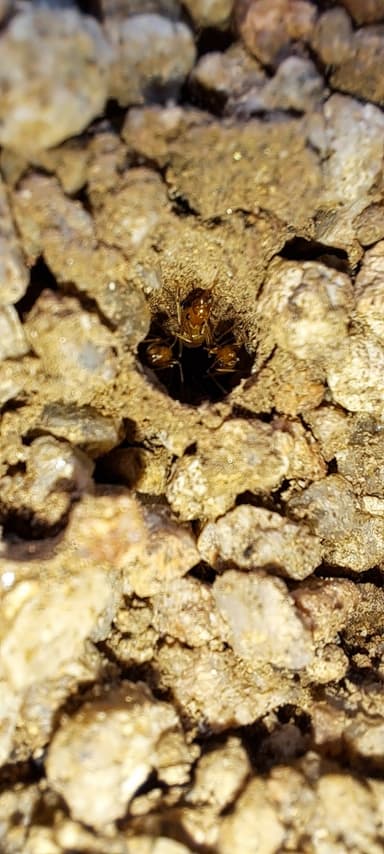
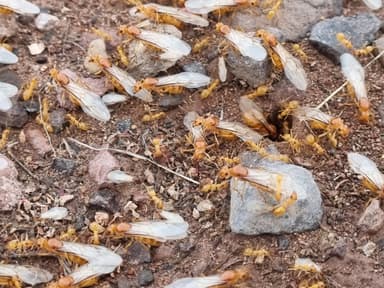
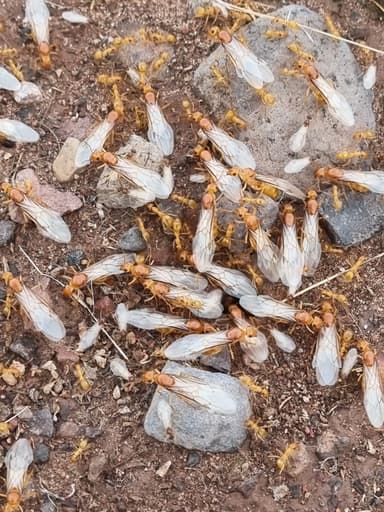
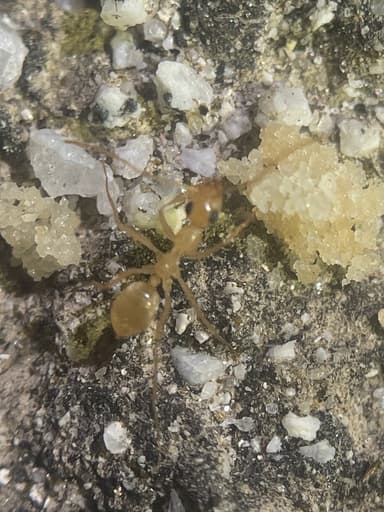
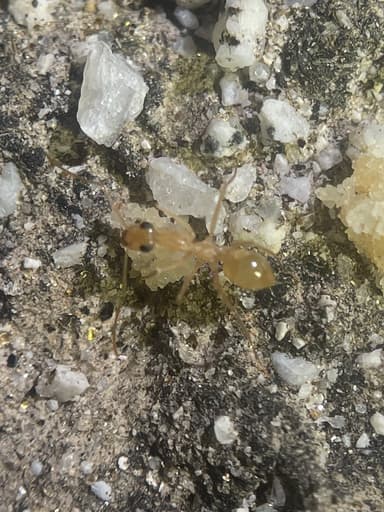
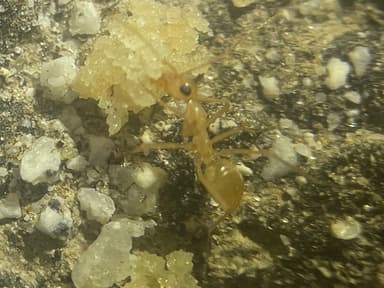
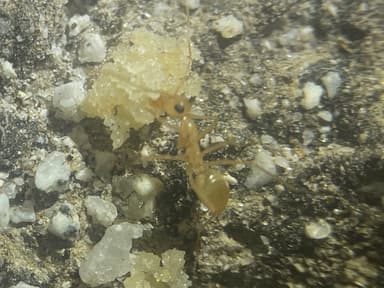
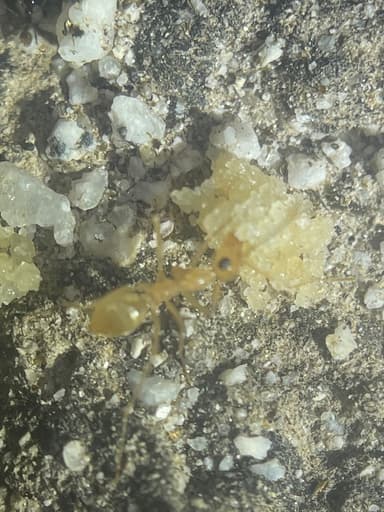
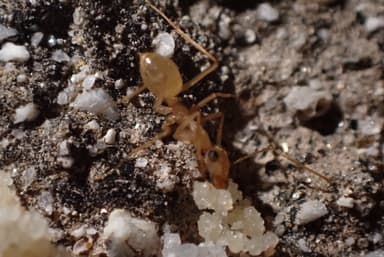
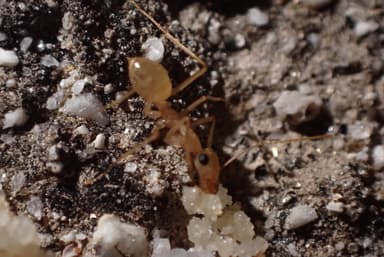
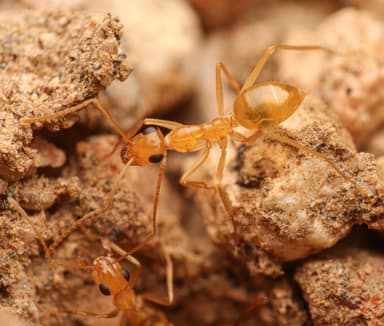
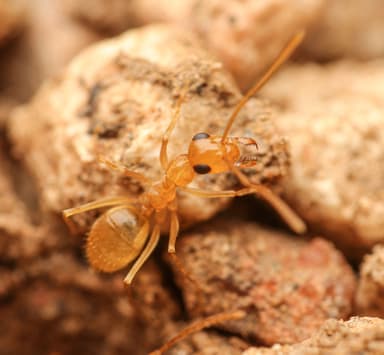
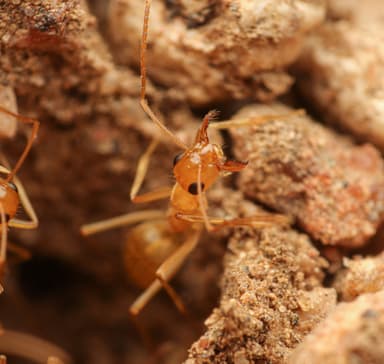
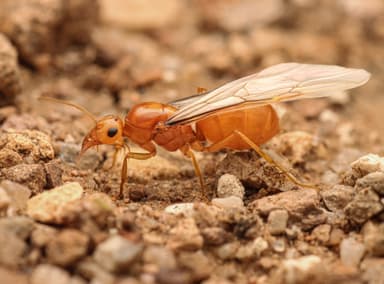
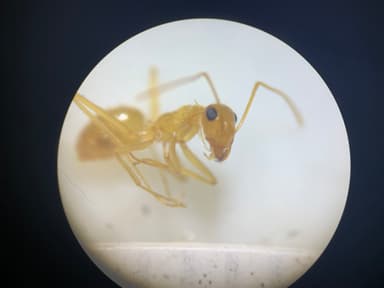
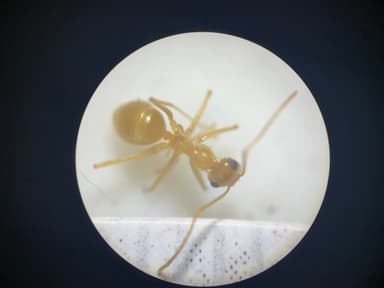
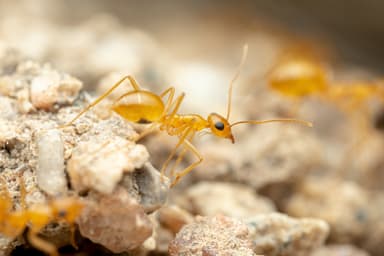
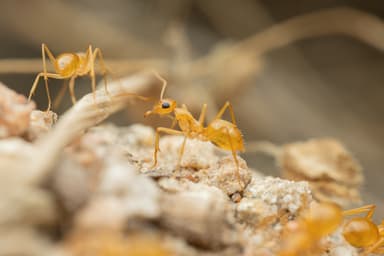
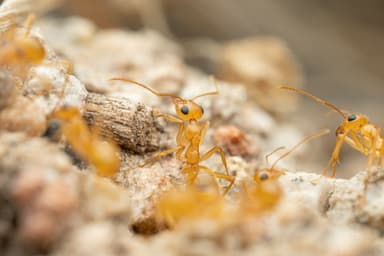
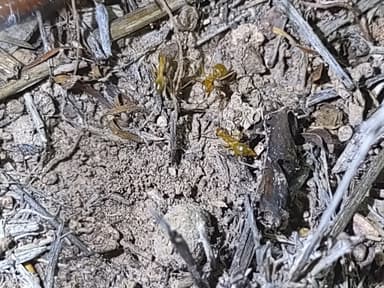
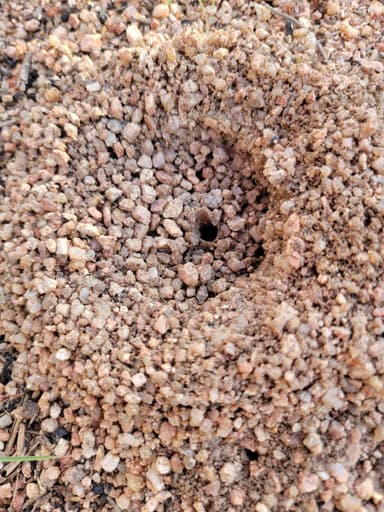
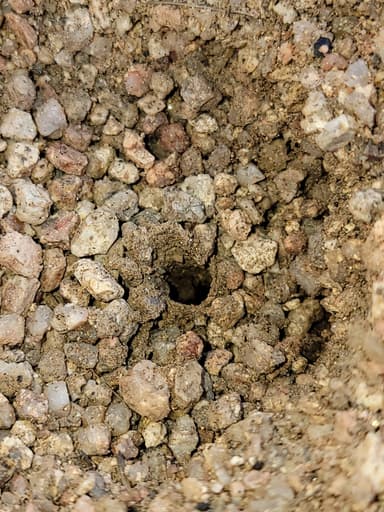
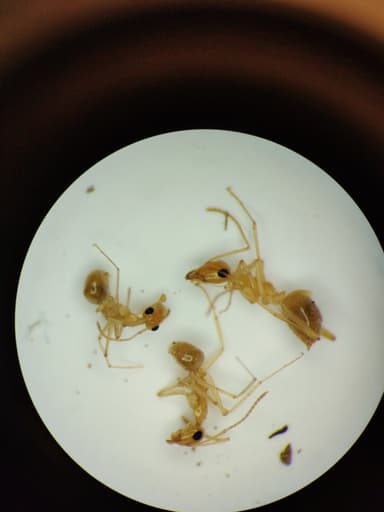
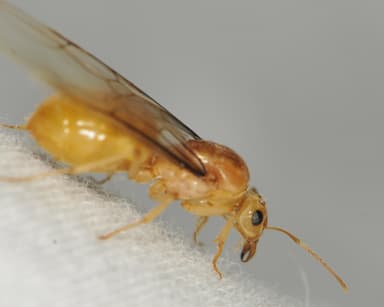
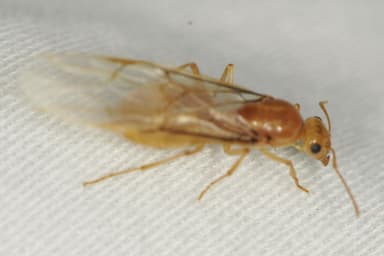
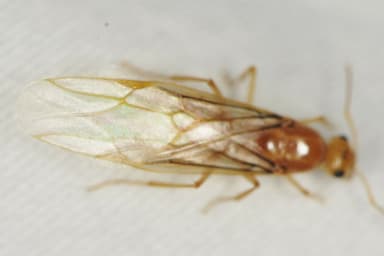
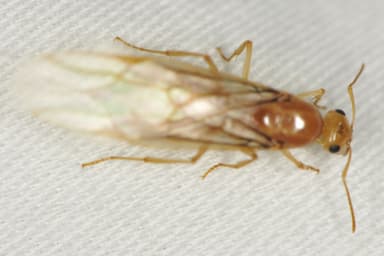
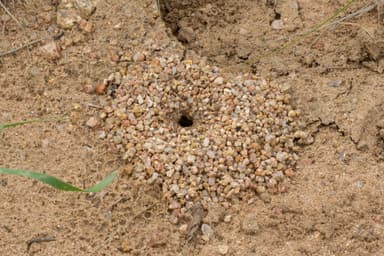
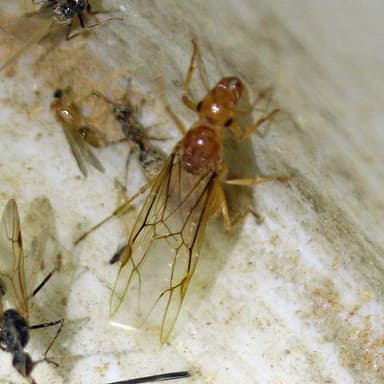
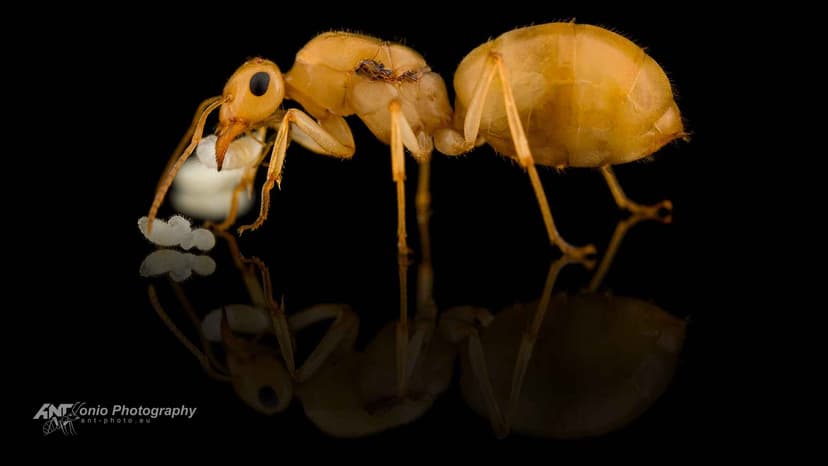
Myrmecocystus navajo is a remarkable arid‑land ant belonging to the storied honey ants, a group famous for their living food storage. Queens are robust, measuring 11–13 mm, while workers are distinctly polymorphic, spanning 4–9 mm and developing into three functional forms: minor workers, major workers, and the iconic repletes (Snelling 1976). The replete caste is the species’ crown jewel — these individuals hang motionless from the ceilings of the nest chambers, their gasters swelled to the size of translucent peas with liquid carbohydrates, serving as communal pantries for the colony. Mature colonies in the wild can reach 15,000 individuals, constructing deep subterranean networks in the sandy soils of the southwestern United States, from the Great Basin across the Colorado Plateau and Mojave Desert. Nuptial flights occur on warm, humid nights in July and August, triggered by the arrival of summer monsoon rains, a pattern well documented by both Snelling (1976) and decades of ant‑keeping observation. This species’ combination of relatively modest colony size, striking physical castes, and captivating honeypot behavior makes it a covetable centerpiece for any desert vivarium.
In terms of care, Myrmecocystus navajo rests at an intermediate difficulty level and is best suited to keepers who have already gained experience with at least one temperate or arid claustral species. The colony is generally resilient once established, but the mandatory winter diapause and the need to maintain a balanced humidity gradient which prevents drowning of the hang‑adapted repletes demand thoughtful setup and monitoring. You’ll be most successful if you are patient, observant, and able to let the ants carry out their natural cycles without excessive interference. Beginners might struggle with the precise environmental tuning, but for hobbyists familiar with desert ants like Pogonomyrmex or other Myrmecocystus, the challenge is a rewarding one.
Housing must emulate the deep, stratified soil profiles these ants inhabit. A naturalistic formicarium with a digging medium — a mixture of fine sand, clay, and a small amount of coconut coir to retain some moisture — works beautifully, or a carefully constructed horizontal “sandwich” nest with a glass viewing panel. Crucially, the nest must include a cavity with a roughened ceiling where repletes can comfortably attach, and the design should allow you to keep the bottom layers lightly moist while the upper sections remain dry and aerated. Temperature should be held between 22 °C and 32 °C, with a gradient so the ants can self‑regulate; a heating cable placed under one‑third of the nest floor is ideal. Ambient humidity inside the nest should stay at 30–60%, which mirrors the arid yet not bone‑dry conditions of their native burrows (Conway 1994). An outworld with a sand or plaster substrate, a small water dish, and a barometric barrier will complete the setup. Avoid excessive condensation — repletes are prone to drowning if water droplets form on the ceiling, so ventilation is key.
The colony’s diet revolves around the carbohydrate‑hungry replete development, so you must supply both protein and sugar sources regularly. Offer small, pre‑killed insects such as fruit flies, pinhead crickets, or mealworm pieces twice a week; the workers will consume and process these, but the real bulk of the diet is liquid sweets. Provide fresh sugar water, diluted honey, or a commercial ant nectar in a shallow feeder, replenishing it every two days. The colony will gorge the repletes with these carbohydrates, and you’ll watch them swell into bead‑like storage units over a few weeks. Consistent, clean water is also essential — place a test‑tube waterer in the outworld and change it frequently to prevent fermentation. Avoid overfeeding protein, as uneaten insect remains can quickly mold in the low‑humidity microclimate, triggering outbreaks that the colony may not manage efficiently.
A true winter dormancy is not optional for Myrmecocystus navajo. In their high‑desert habitat, ambient temperatures drop markedly, and the ants have evolved a seasonal shut‑down. You must provide a hibernation period of at least two to three months at a steady 12 °C, with the nest kept dry but not desiccated. Begin reducing the temperature gradually over two to three weeks as autumn arrives — dropping from 25 °C to 12 °C — and similarly raise it slowly in spring. During diapause the colony will cluster tightly together, cease foraging, and the repletes may deflate slightly as they use stored reserves. Disturb them as little as possible; a brief check once a month for moisture is sufficient. Failure to hibernate often results in a weak, lethargic queen and diminished worker lifespan, so plan ahead and have a dedicated cooling space ready.
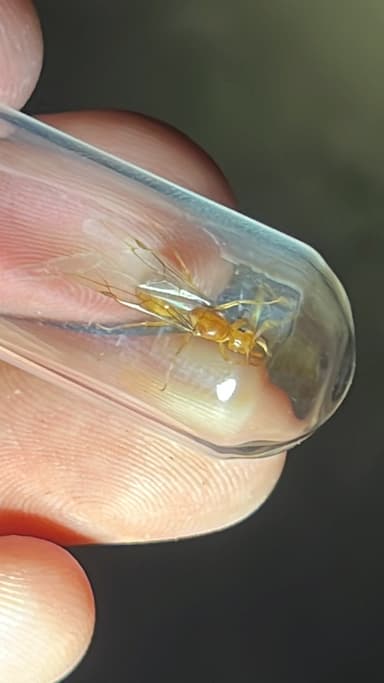
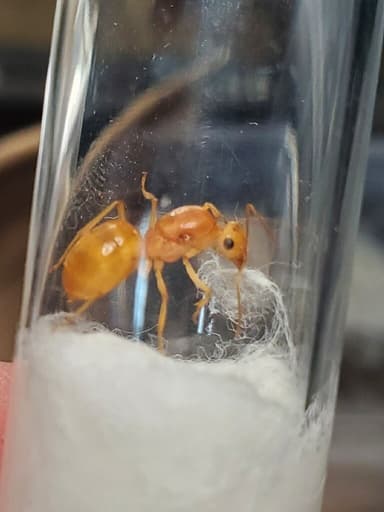
When you first receive your founding Myrmecocystus navajo queen, she will be in a claustral test‑tube setup, typically sealed with a cotton plug and containing a reservoir of water. Keep her in a warm, dark place at roughly 28–30 °C and resist the urge to check on her more than once a week. She will not require food; her stored wing muscle reserves will fuel the rearing of her first brood. After approximately six to eight weeks, you will notice the first tiny minor workers — these nanitics are delicate. Wait until you have at least five workers before offering the colony’s very first food: a micro‑drop of sugar water on a slip of foil and one freshly killed fruit fly, placed just outside the tube entrance. Watch carefully for any signs of mold or stress, and keep the tube in the dark to let them settle. As the colony grows, slowly connect them to the prepared formicarium, but always allow them to move at their own pace; a forced transfer can upend the delicate social dynamics. With patience and attention to their desert rhythms, you will soon be rewarded with a thriving colony complete with hanging, jewel‑like repletes — a living diorama of one of nature’s most elegant adaptations (Conway 1994; Snelling 1976).