Myrmecocystus
Myrmecocystus kennedyi
Nuptial Flight Calendar
Flight months: Mar, Apr, Jun, Jul, Aug
Care Guide
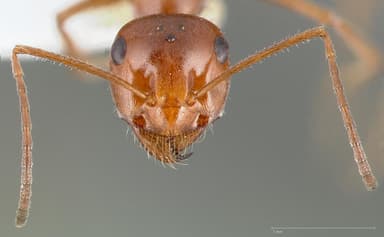
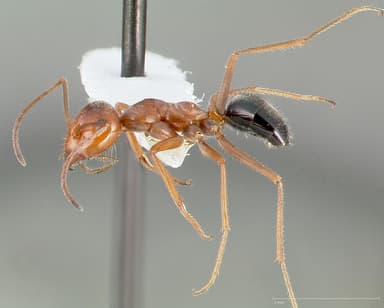
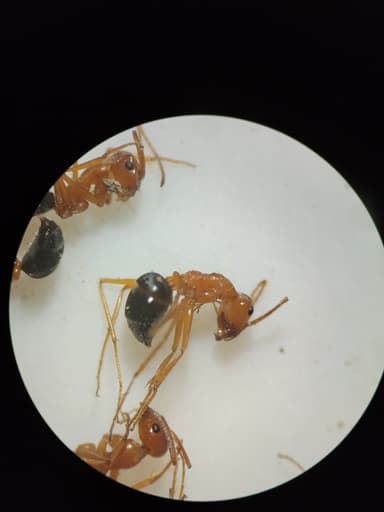
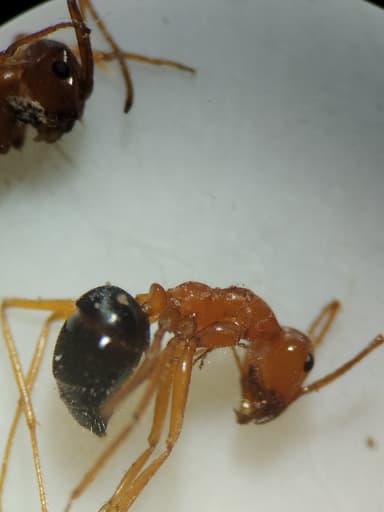
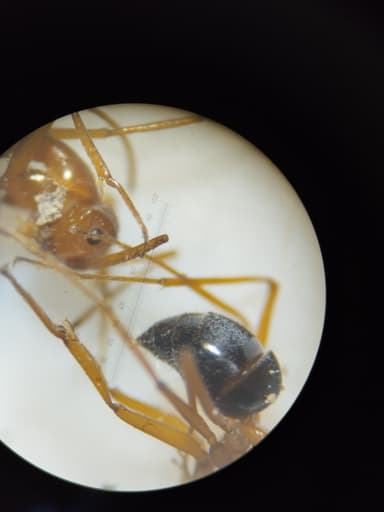
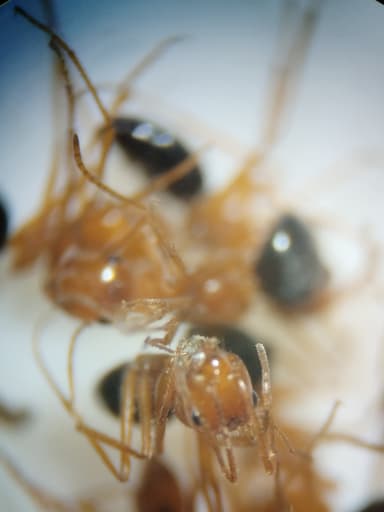
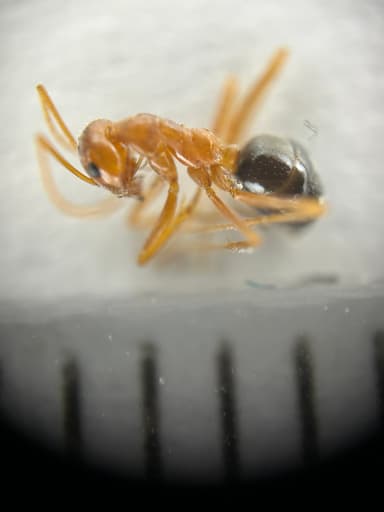
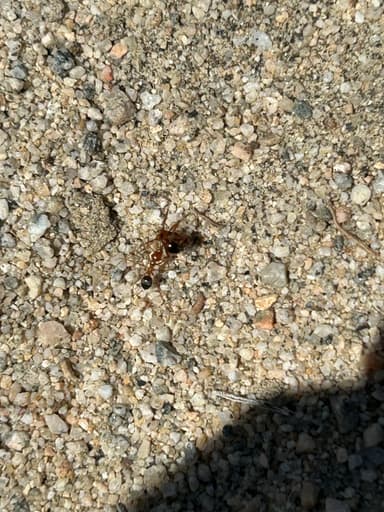
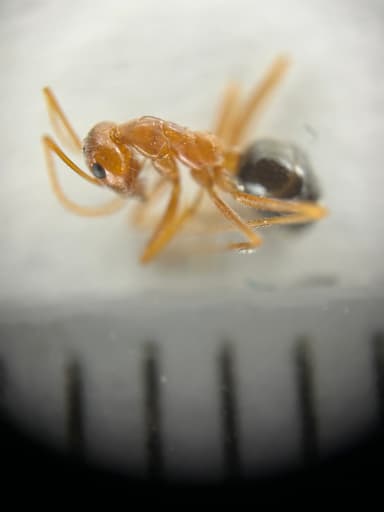
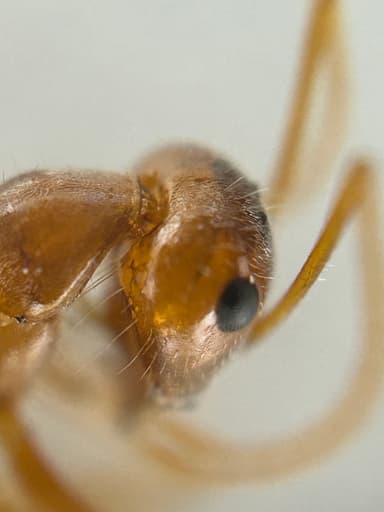
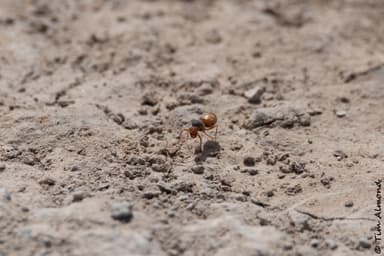
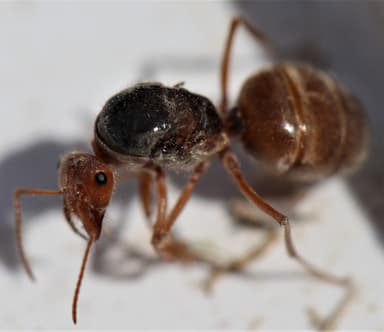
Myrmecocystus kennedyi, affectionately known as Kennedy’s honey ant, is a jewel of the arid Southwest. The queens are substantial, measuring 10 to 13 millimeters, while the workers display a pleasing polymorphism ranging from 4-millimeter minors to robust 9-millimeter majors. What truly sets this species apart, however, is the presence of a third functional caste: repletes. These are specialized workers that hang motionless from the ceiling of the nest chambers, their gasters swollen to glassy spheres with stored nectar, acting as living larders for the colony. In the wild, a mature colony can reach around 4,000 individuals, forging a network of tunnels under the Mojave and Sonoran Deserts where surface conditions are extreme. Nocturnal and secretive, they emerge on moonless summer nights following the monsoon rains to tend aphids or collect nectar, a rhythm so closely tied to the desert pulse that it almost feels like a clockwork of survival (Snelling 1976; Conway 1990). For the hobbyist, keeping M. kennedyi is not just maintaining a colony; it is importing a small, perfectly engineered piece of desert into your home.
This species is best suited to the intermediate keeper who already has a handle on the fundamentals of temperature and humidity control. While not impossibly fragile, M. kennedyi is unforgiving of continual wetness or stale, humid air. The founding queen requires a patient hand, as the claustral period can be lengthy and the colony expands slowly. You’ll need to commit to providing a deliberate annual hibernation and maintaining a sharp thermal gradient. If you’ve successfully kept a few Camponotus or Messor colonies and are drawn to the mystique of repletes, this ant will reward you handsomely. Beginners who are still working on basics like escape-proofing or consistent feeding schedules should probably cut their teeth on something more tolerant of small mistakes.
Housing must mirror the stark, well-ventilated desert soil. A vertical formicarium with dry, breathable materials like grout, ytong, or a sand-clay mix works excellently. The nest area should be kept between 30 and 60 percent humidity—which in practice means no added water beyond the minuscule moisture they generate themselves or a very slight dampening in one corner if you live in a very dry climate. Temperature is the more critical variable. Provide a distinct warm spot around 30 to 32 degrees Celsius, gently tapering down to 22 degrees in the cooler reaches. This gradient allows the workers to precisely position the brood and the repletes. The outworld can be a bare, escape-proof container with a fine sand layer. Crucially, ventilation must be plentiful; stagnant air is a silent killer for this xeric species. A small test tube waterer in the outworld suffices for drinking—never allow water to seep into the nest body.
Diet is straightforward if you stick to the desert menu. Sugars are the lifeblood of the repletes. Offer them a constant supply of liquid carbohydrates: a diluted honey mixture, maple syrup, or a specialized ant nectar, served on a small platform or soaked into a cotton ball to prevent drowning. The repletes will imbibe and hang themselves dutifully, and you’ll see their abdomens swell into amber jewels over time. For protein, provide small, pre-killed insects: fruit flies for young colonies, graduating to chopped mealworms or small crickets as the worker force grows. A colony at peak production with larvae to feed will eagerly haul insect fragments back to the brood chambers. Avoid live, large prey that could injure the slender workers. They need no separate water dish if the sugar liquid is hydrated and the air is their preferred aridity, but a drinker in the outworld is always wise.
A seasonal hibernation at around 15 degrees Celsius is not optional if you want the colony to thrive for years. In the desert, winters are chilly, and the ants enter a deep diapause. For two to three months, typically from late November through February, gradually cool the nest to this temperature. A wine cooler or an unheated basement works well. During this time, activity will nearly cease; the queen stops laying, and repletes may shrink slightly as they sustain the colony with stored reserves. Provide a small, shallow water source and one small drop of sugar just in case, but avoid food that would rot. As spring approaches, slowly reverse the cooling process over a week or so. The queen will resume egg-laying, and the workers will emerge with renewed vigor—this cycle is key to colony longevity and is well-documented in the genus (Conway 1990).
When your queen first arrives, she will be in the quiet dark of her founding test tube. Place this tube in a warm, undisturbed spot, ideally at a steady 26 to 28 degrees, and check no more than once a week. She is claustral, so the proteins stored in her wing muscles will feed the first larvae. Do not offer food until several nanitic workers have eclosed and hardened; early feeding only risks mold or alarm. At that point, tape the tube’s entrance to a tiny foraging box and offer a pinhead-sized drop of sugar water and a freshly killed fruit fly. Watch for the workers to cautiously discover these gifts. Be patient—the colony may grow to only a few dozen ants in the first year. Wait until you have at least 20 to 30 workers before attaching a larger formicarium, and always ensure any connection is tight. The first months are a quiet, delicate waiting game, but when you finally glimpse that first fully-formed replete, glowing like a tiny beacon in the nest, you’ll understand why this desert architect is so treasured.