Myrmecia
Myrmecia nigriceps
Nuptial Flight Calendar
Flight months: Jan, Feb, Nov, Dec
Care Guide
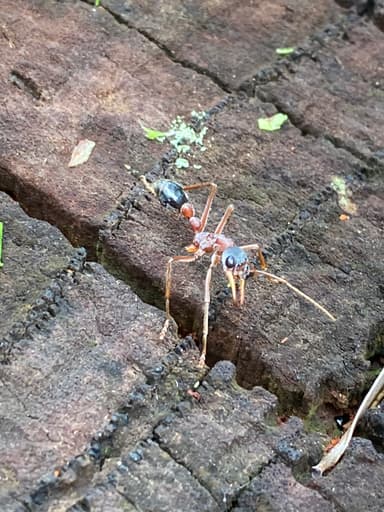
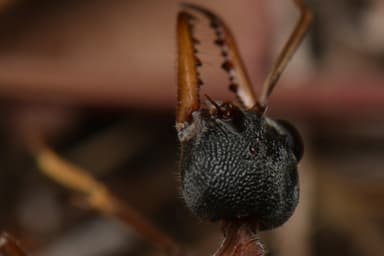
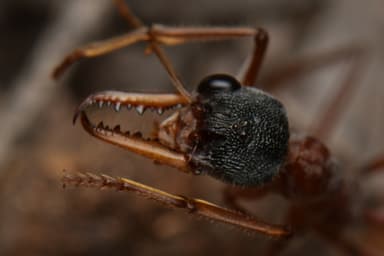
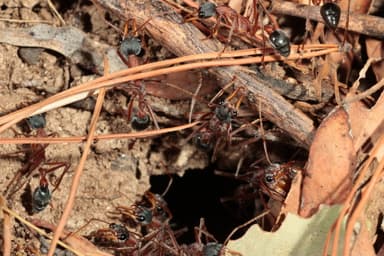
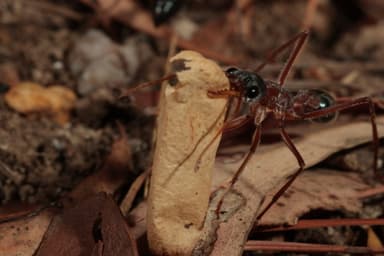
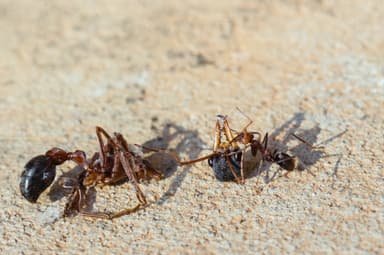
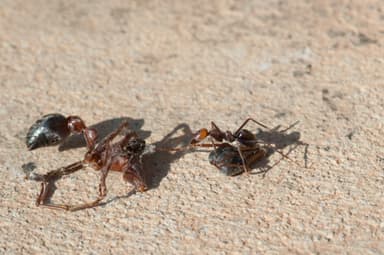
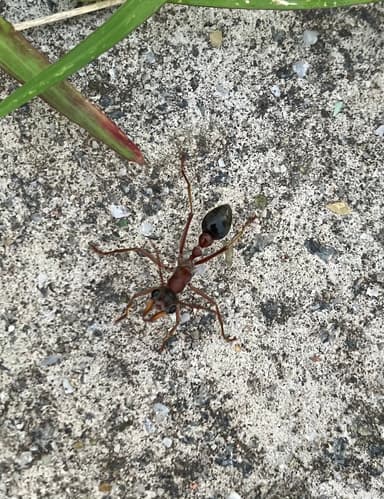
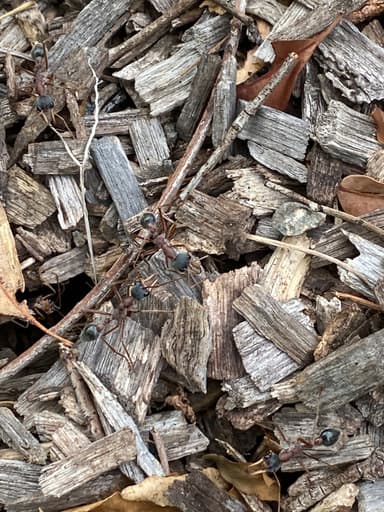
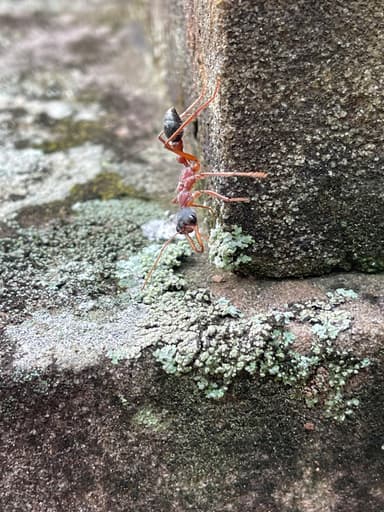
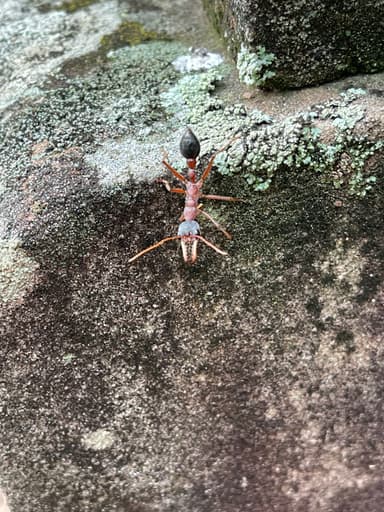
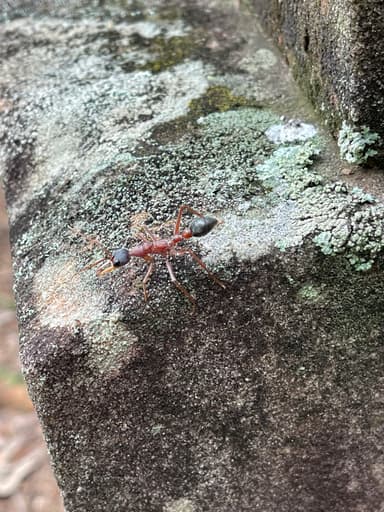
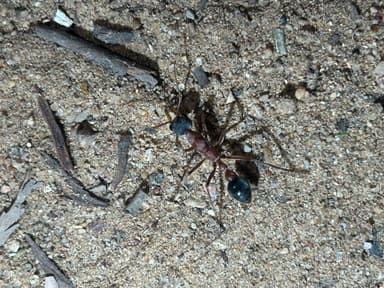
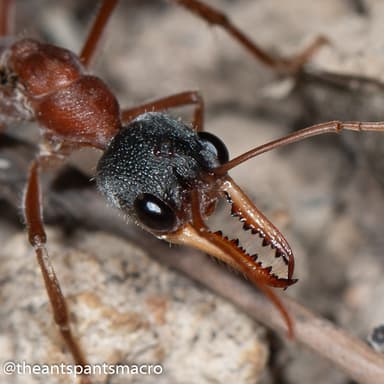
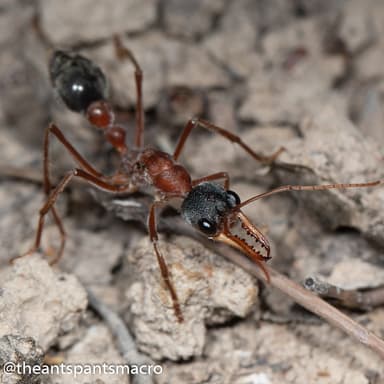
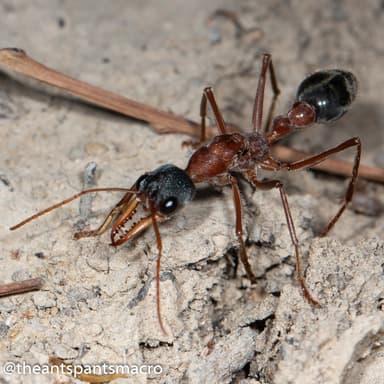
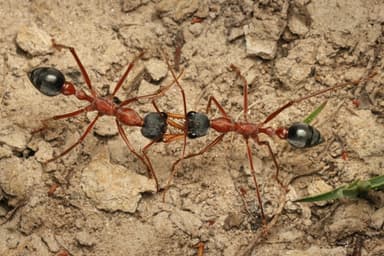
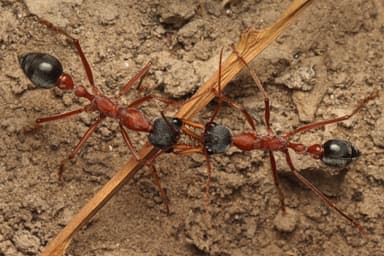
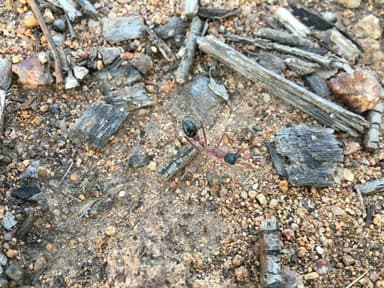
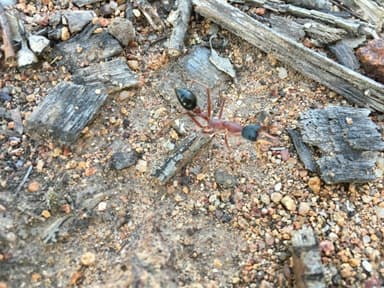
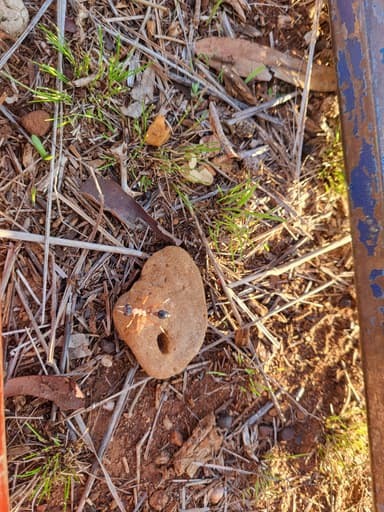
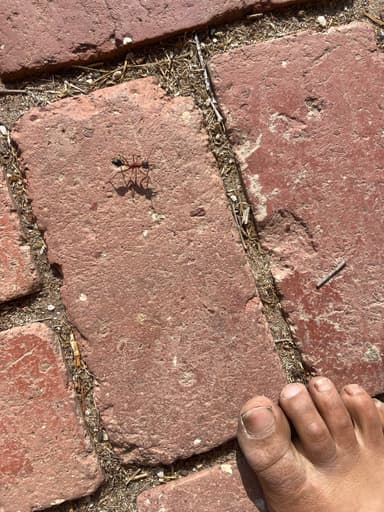
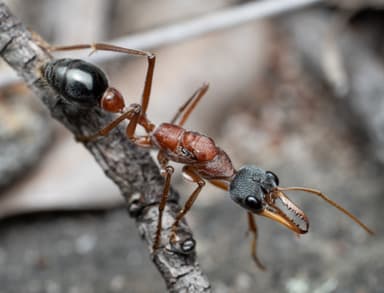
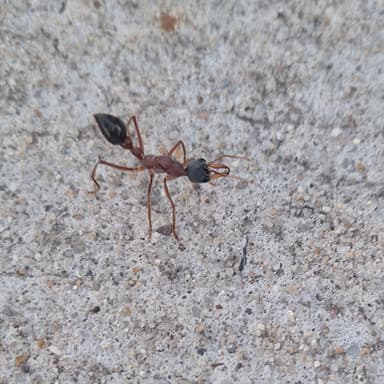
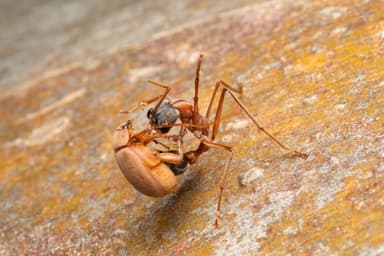
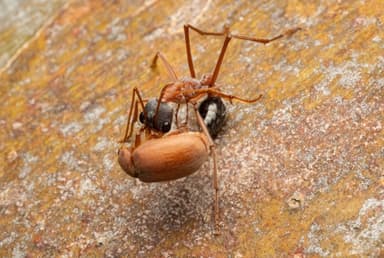
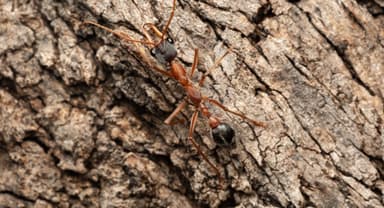
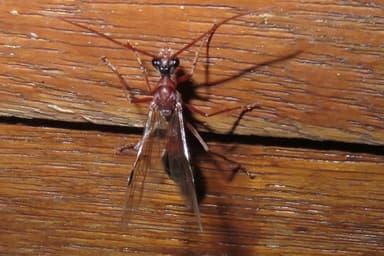
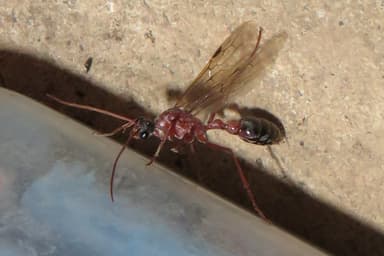
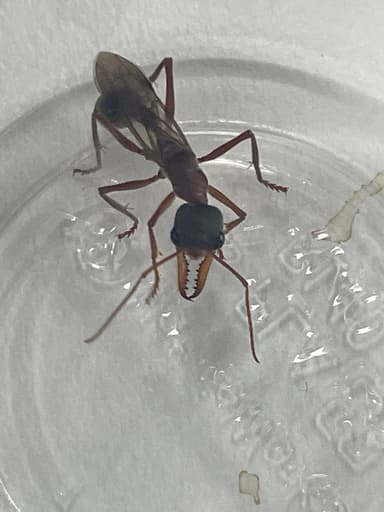
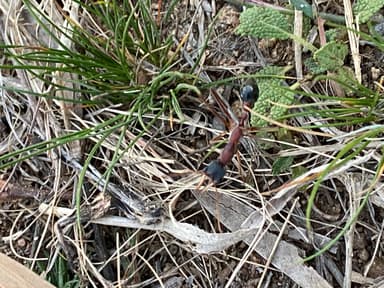
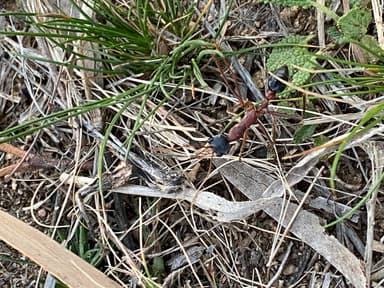
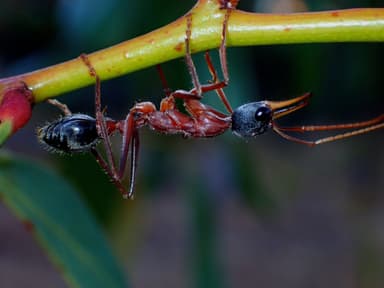
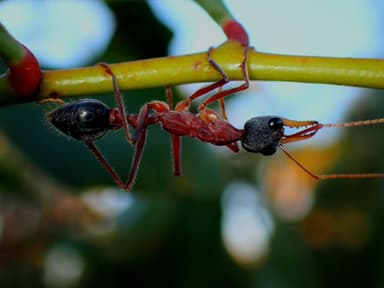
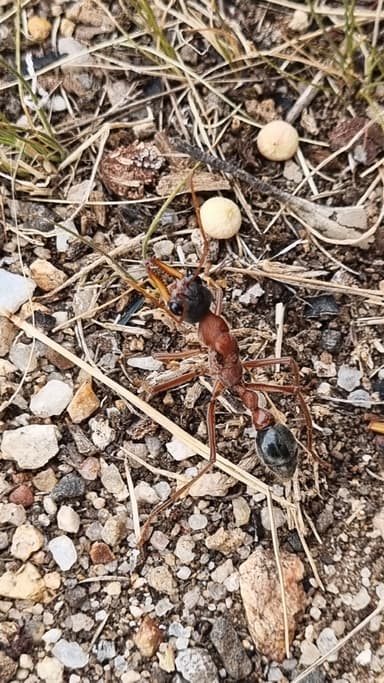
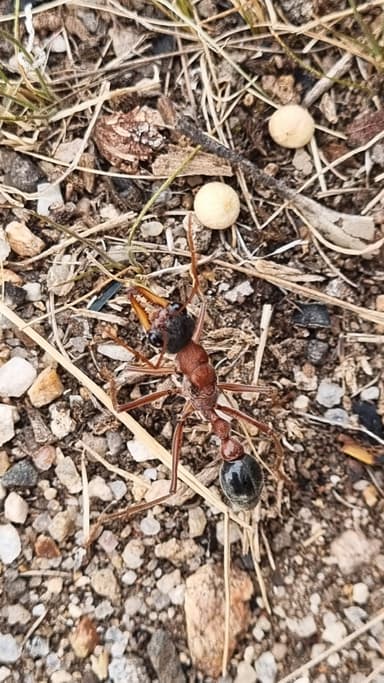
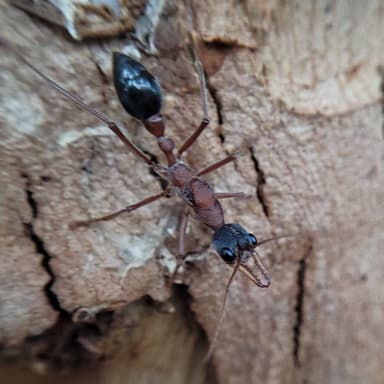
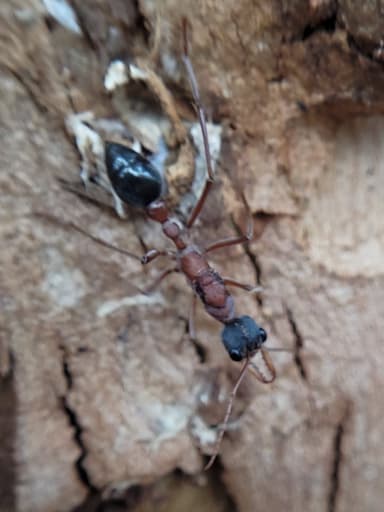
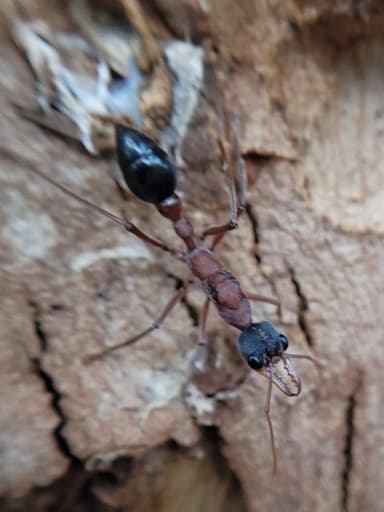
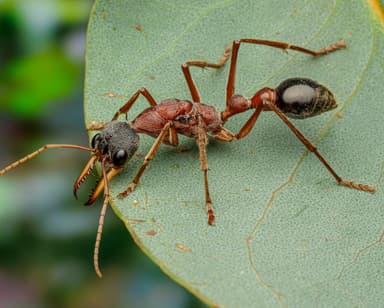
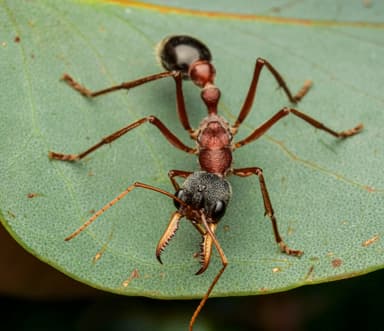
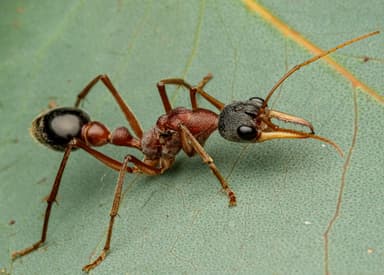
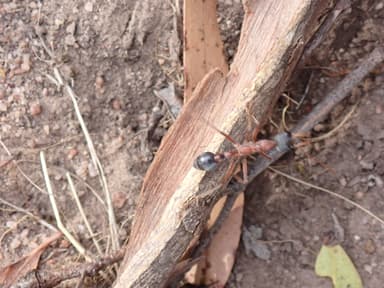
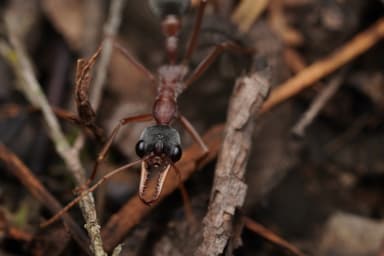
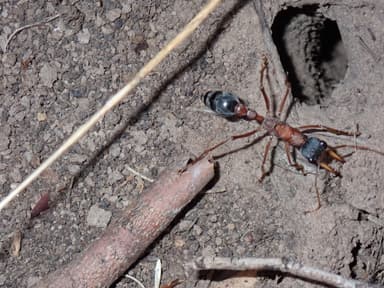
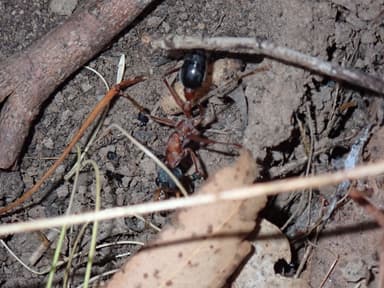
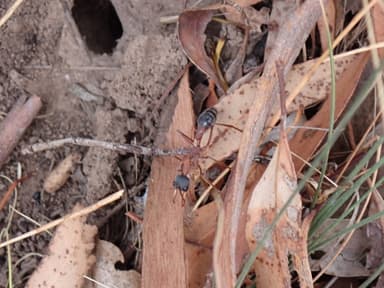
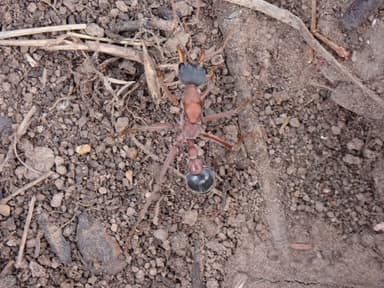
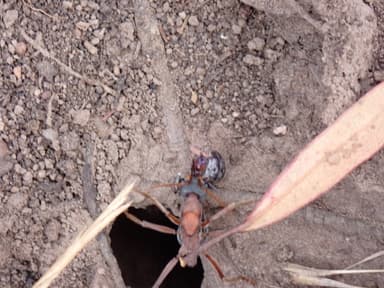
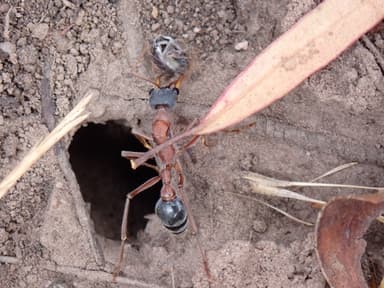
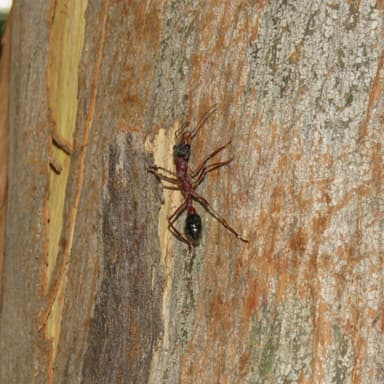
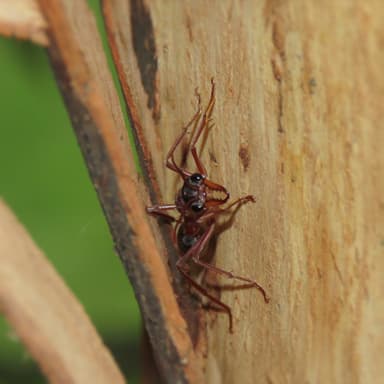
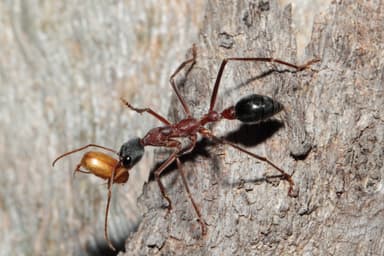
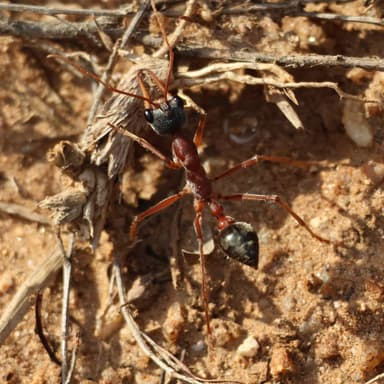
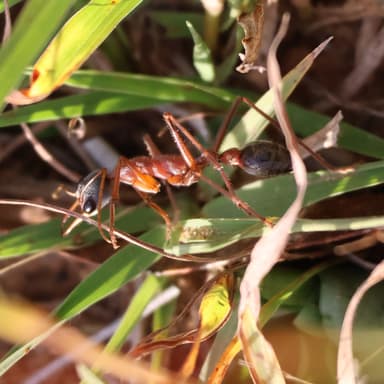
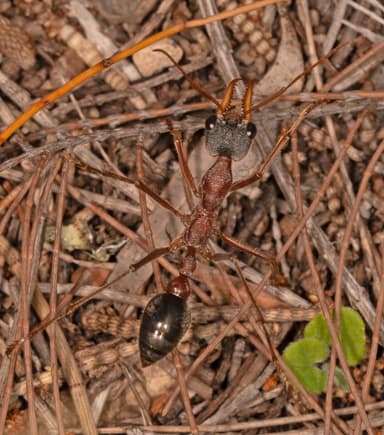
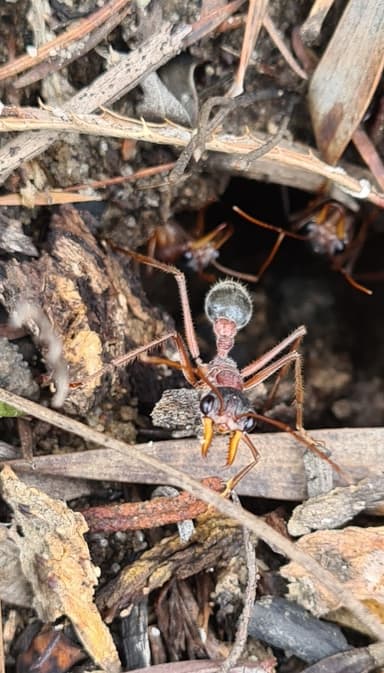
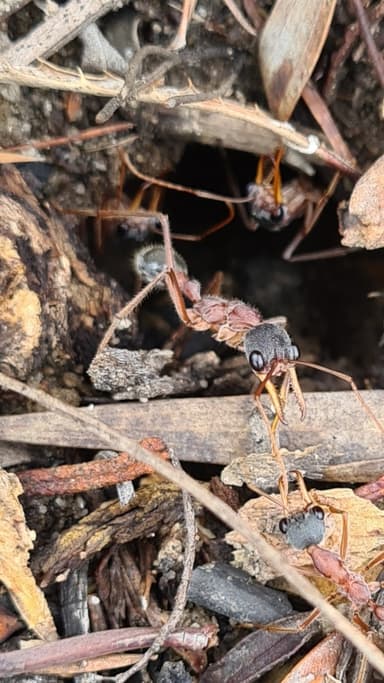
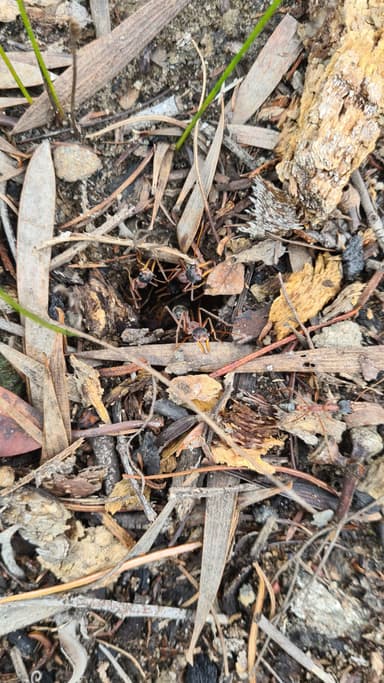
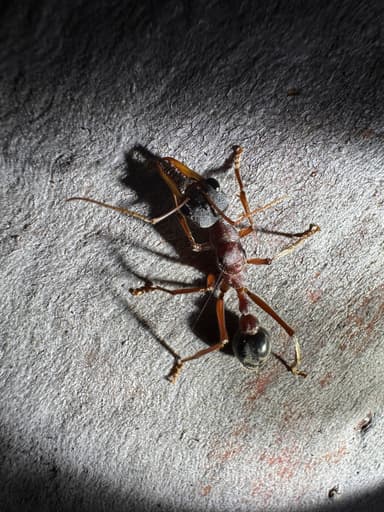
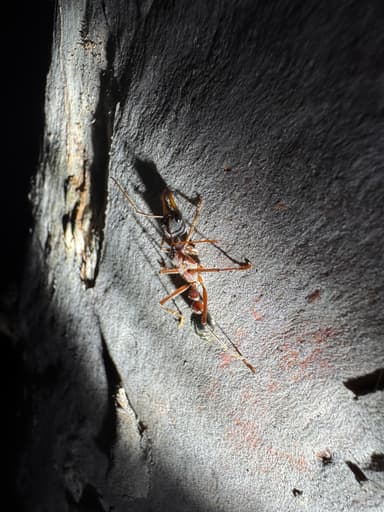
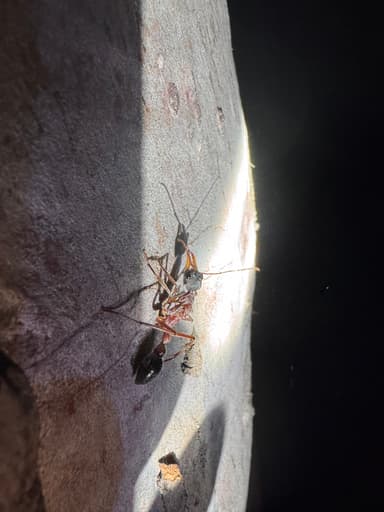
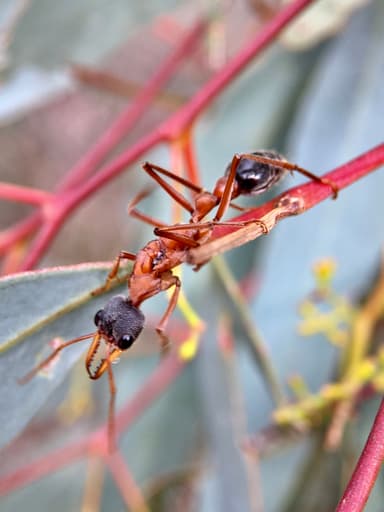
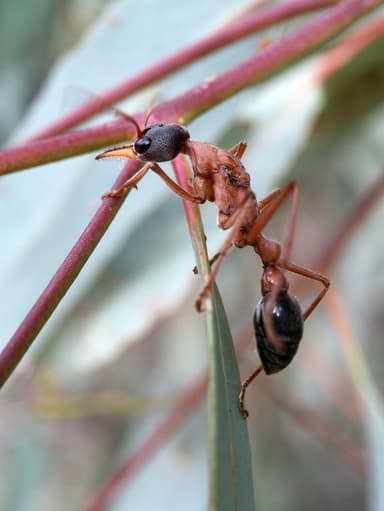
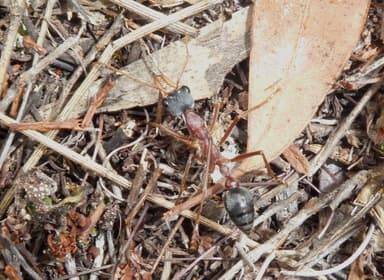
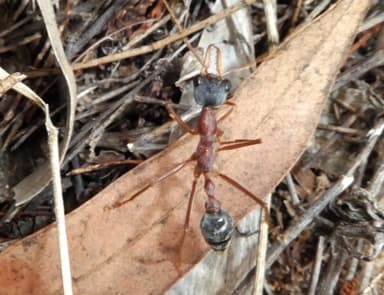
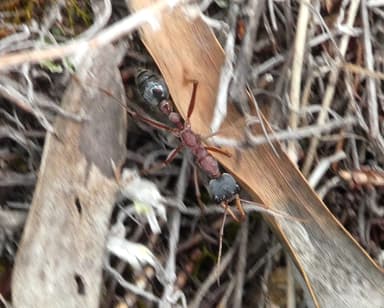
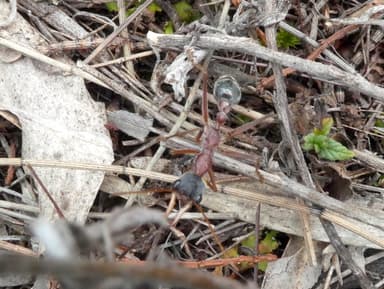
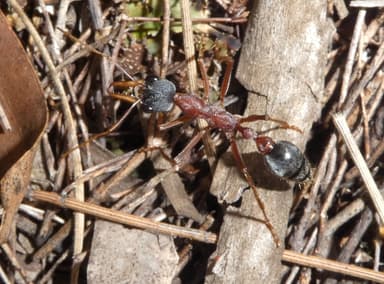
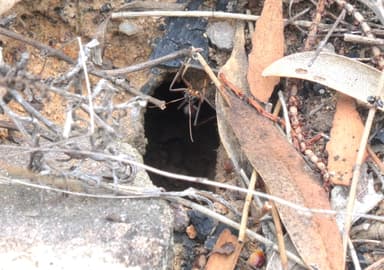
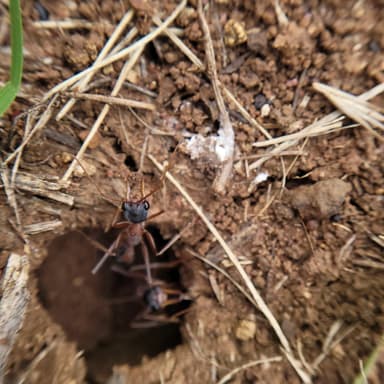
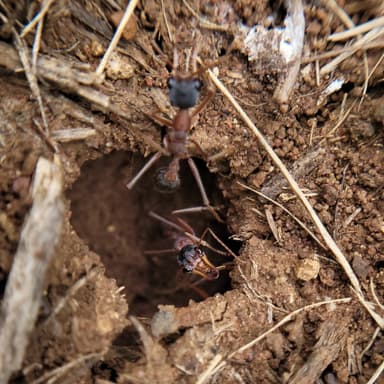
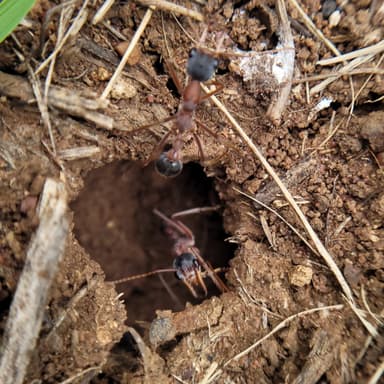
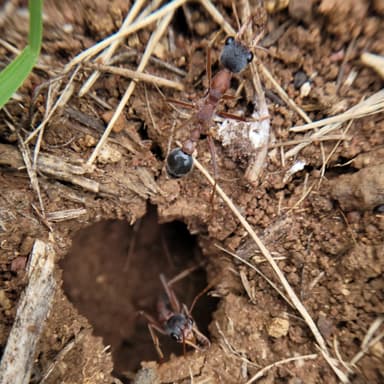
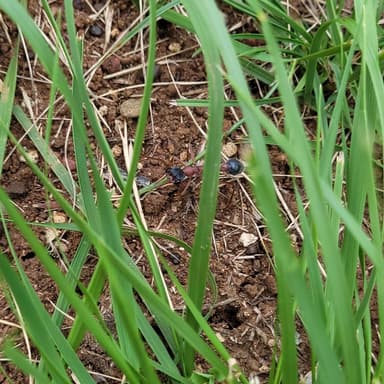
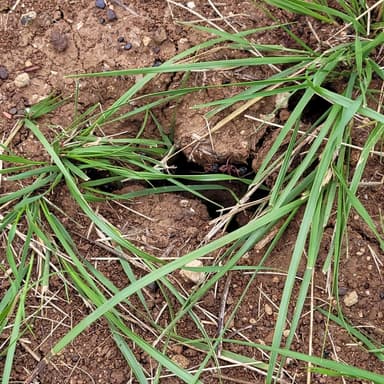
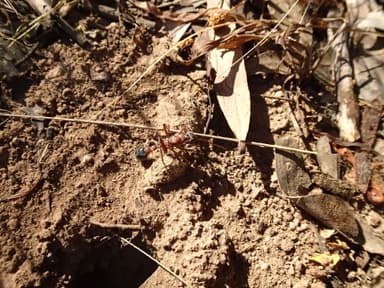
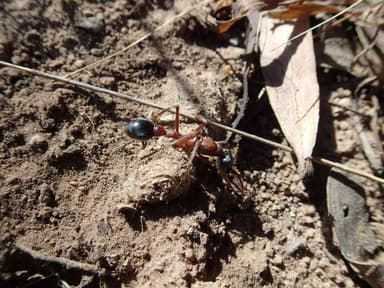
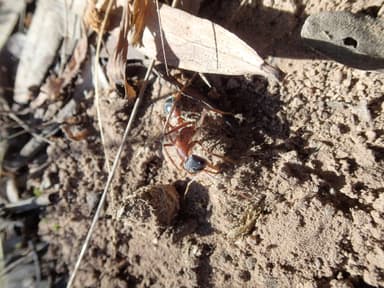
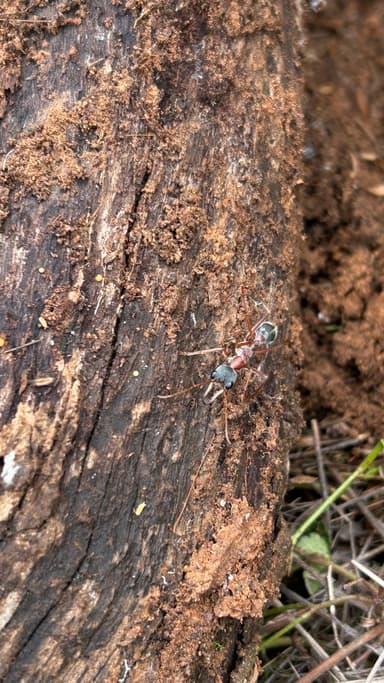
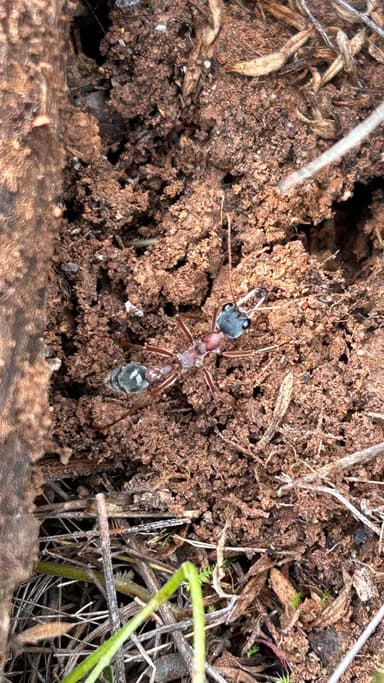
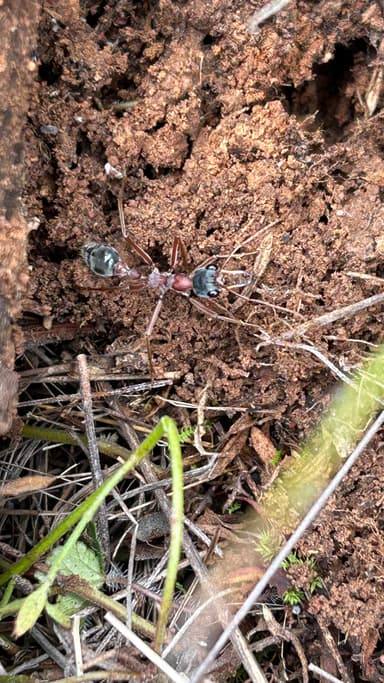
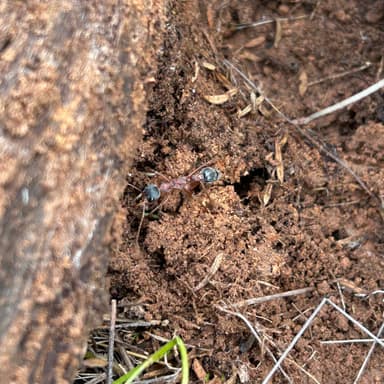
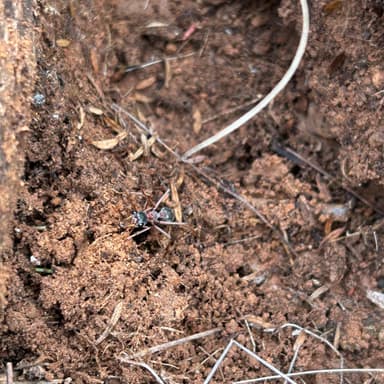
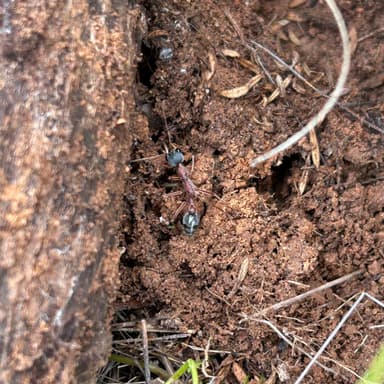
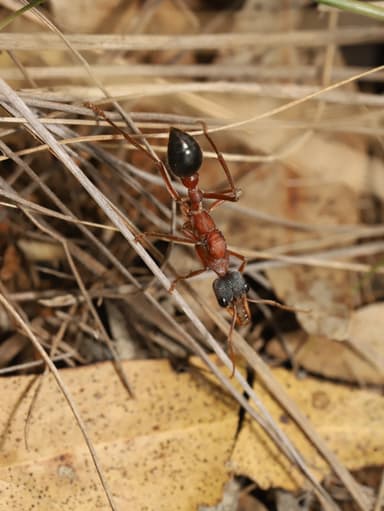
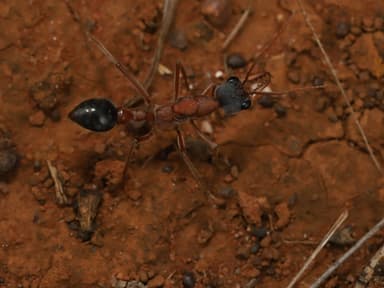
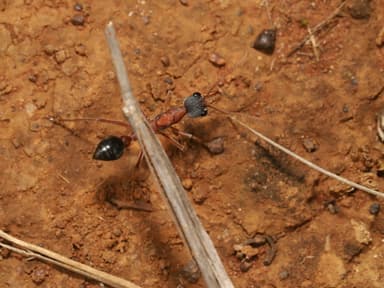
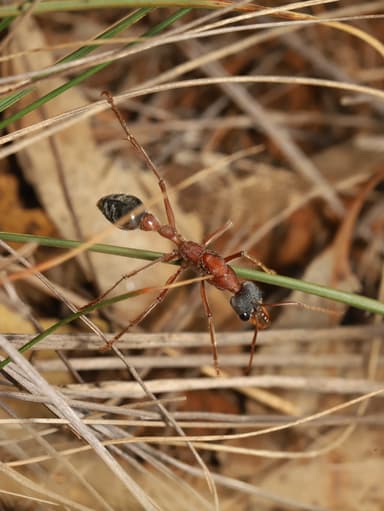
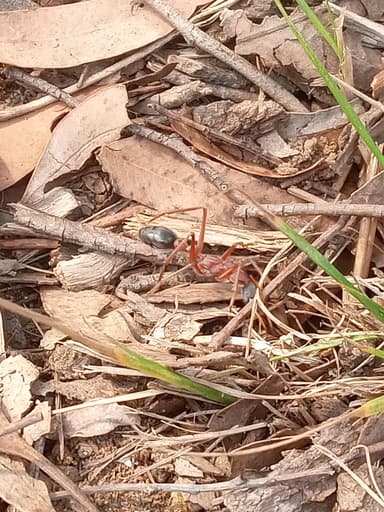
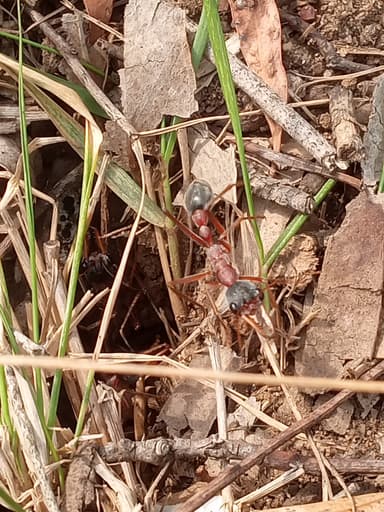
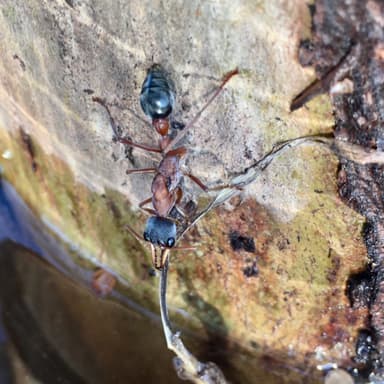
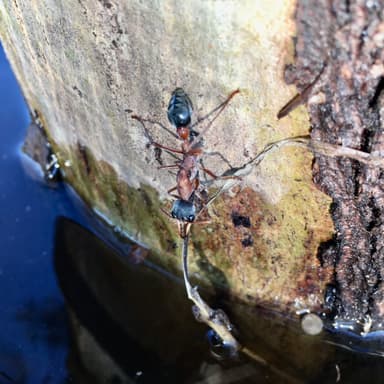
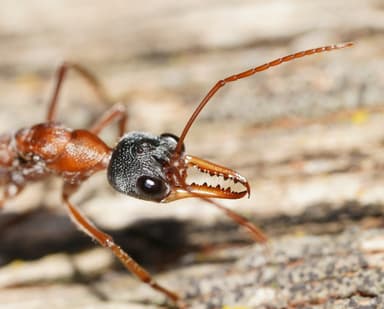
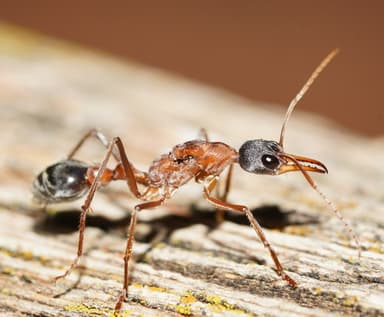
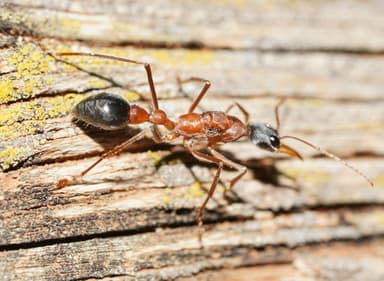
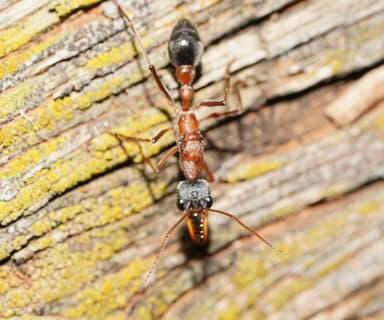
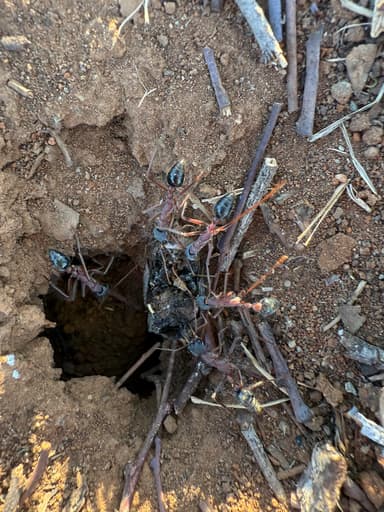
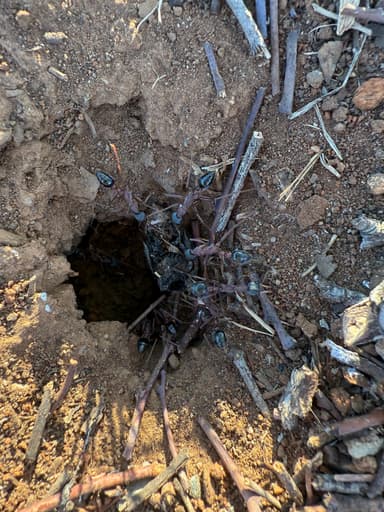
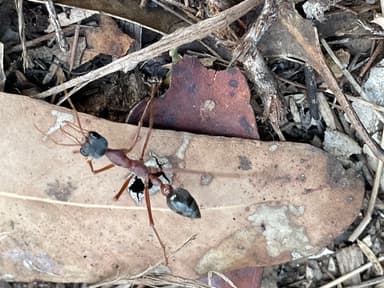
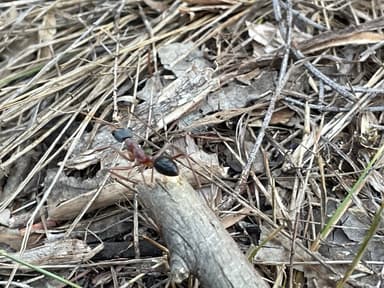
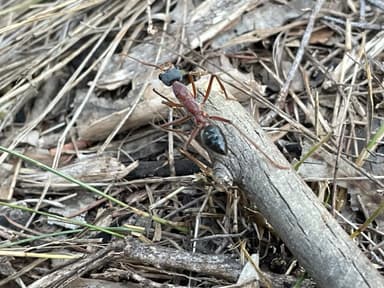
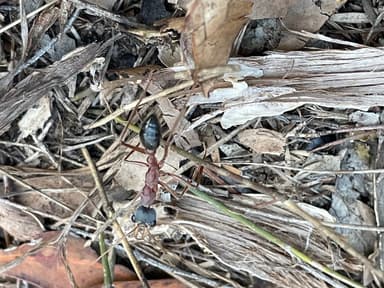
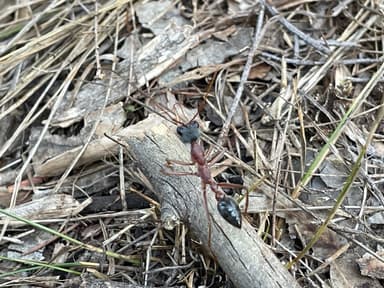
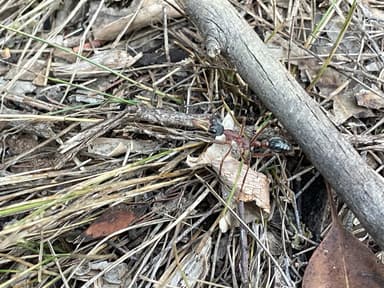
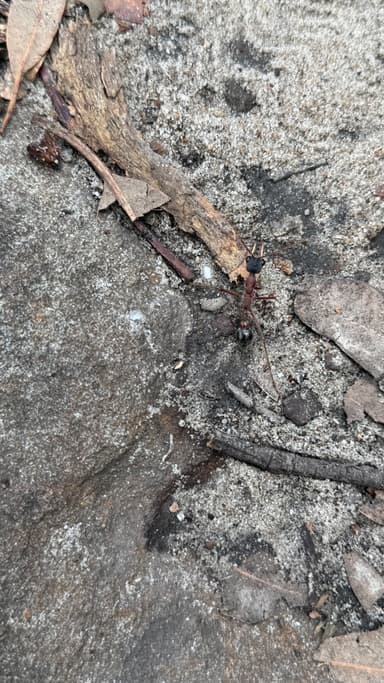
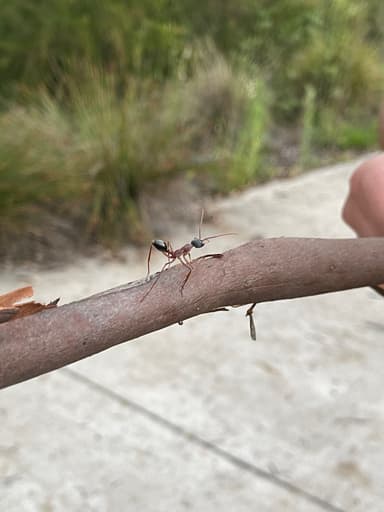
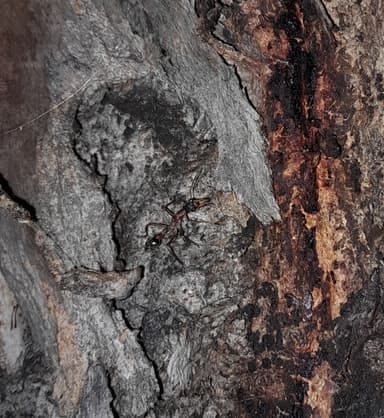
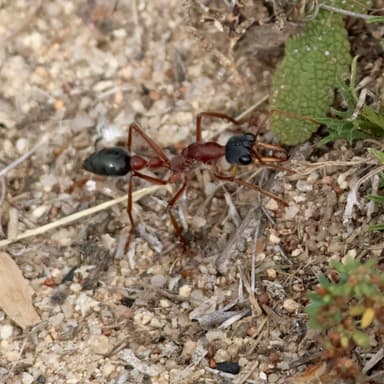
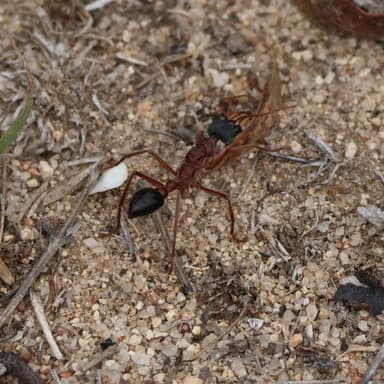
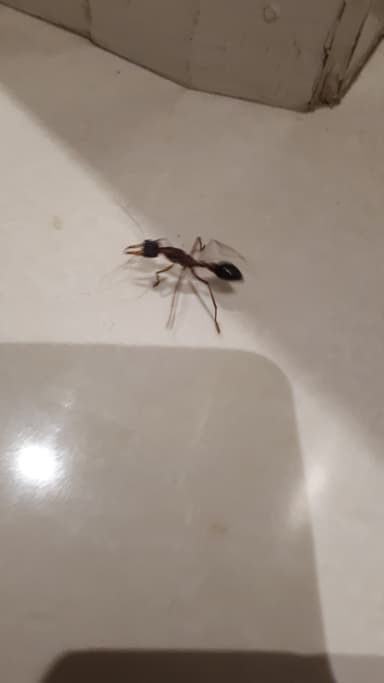
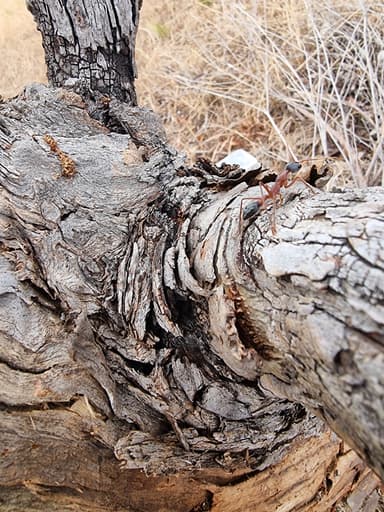
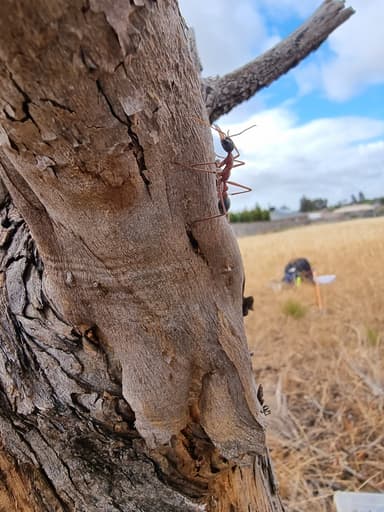
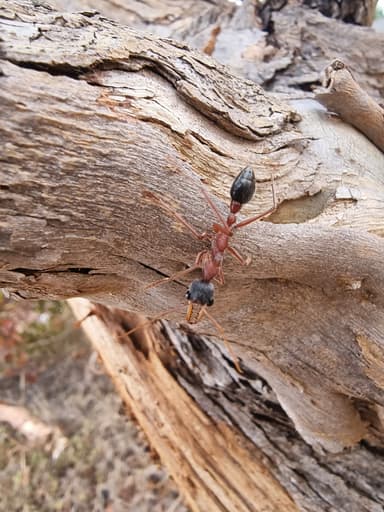
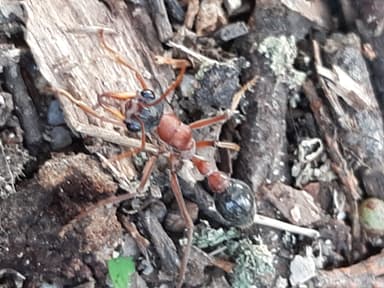
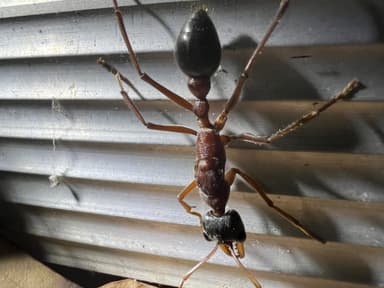
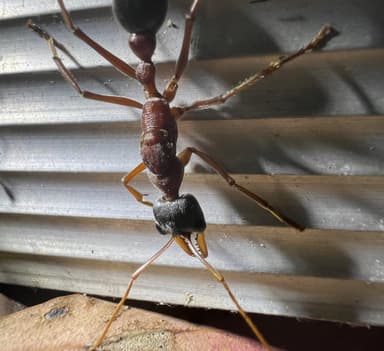
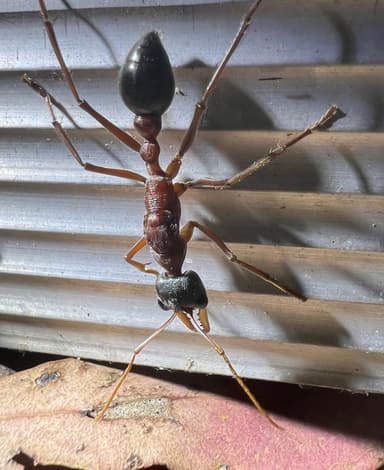
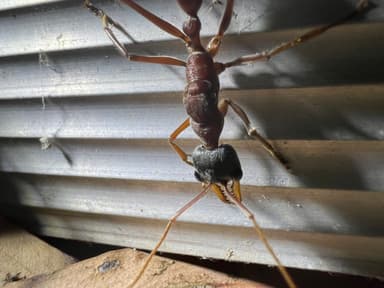
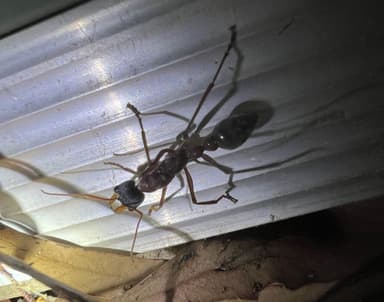
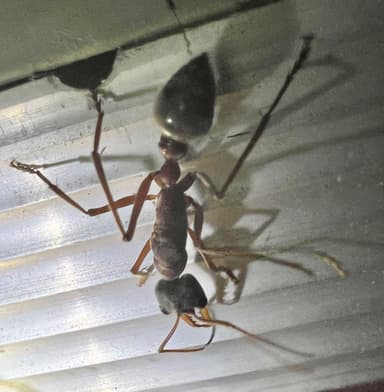
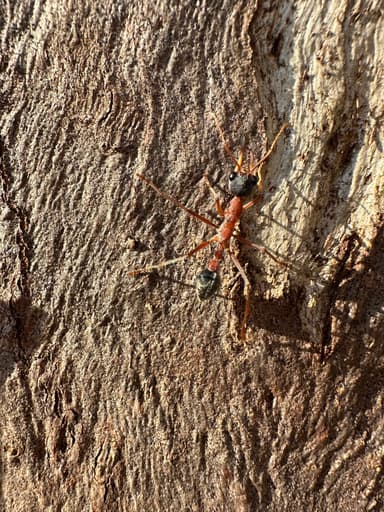
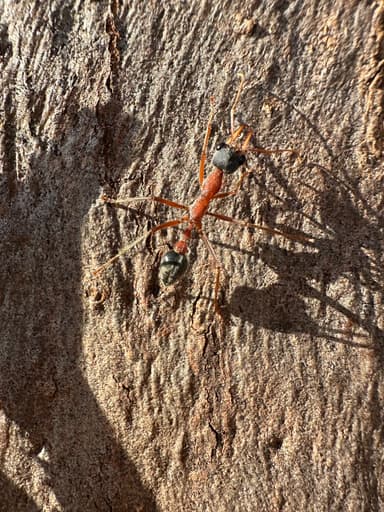
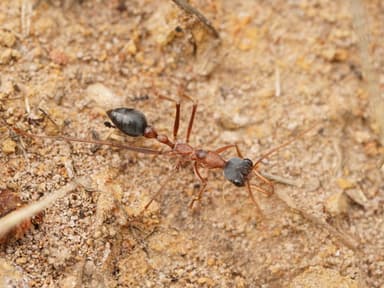
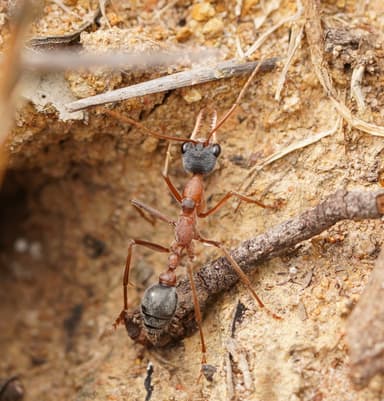
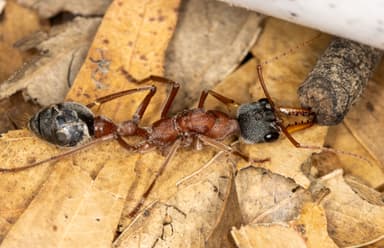
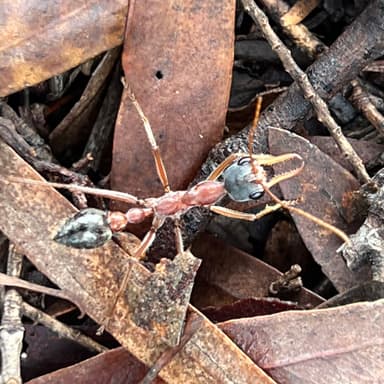
Few ants command the attention of a room quite like Myrmecia nigriceps, a robust bull ant whose queens stretch an impressive 20 to 26 millimetres and whose workers, while polymorphic, range from a substantial 14 millimetres in minor workers up to 22 millimetres in the broad-jawed major caste. Their body is a study in striking contrasts: a deep black or brown-black head and gaster set against a vivid red-and-black mesosoma, all watched over by unusually large, forward-set eyes that give them a disconcertingly alert, almost vertebrate stare. In the wild, colonies may grow to around 2000 individuals and inhabit open sclerophyll woodlands and semi-arid zones across southern and eastern Australia, as broadly captured in occurrence records spanning latitudes from 10°S to 43.6°S (Clark 1951; GBIF). These are true huntresses, skilful visual predators that actively pursue live prey, and their semi-claustral founding means that a newly mated queen must leave her nascent nest chamber to forage, adding an absorbing layer of behavioural nuance for the keeper. Nuptial flights occur on warm, humid evenings after rain in late spring and summer, typically November through February, when the air is thick and still.
Myrmecia nigriceps is best suited to intermediate keepers who have already mastered the rhythm of more forgiving species. The difficulty is not in one single impossible hurdle but in the combination of requirements: a semi-claustral queen must be fed regularly during her solitary phase, the colony demands a steady supply of live insect prey, their size mandates spacious housing, and they exhibit a confident, reactive defensiveness that demands careful handling with long forceps and a steady hand. A beginner may find the pressure of providing for a foraging queen and managing an aggressive colony overwhelming, whereas a keeper who has comfortably maintained species with similar needs—perhaps a semi-claustral Camponotus or a fast-moving Pheidole—will find M. nigriceps a richly rewarding centrepiece. The queen herself is long-lived and can anchor a colony for many years, making the initial investment in careful setup well worthwhile.
Housing must prioritise space and security. A spacious formicarium with an integrated foraging arena is essential, as bull ants dislike being confined and will pace restlessly if their world feels cramped. Temperatures should be maintained between 18 and 28°C, with a warm spot at one end allowing the ants to thermoregulate; a heat mat or cable attached to a small portion of the nest exterior, regulated by a thermostat, works reliably. Humidity sits comfortably at 50 to 70 percent, which can be achieved by a plaster or gypsum nest block with a water reservoir, or by a soil-based setup where one half is kept lightly moist while the other remains dry. Many keepers succeed with a naturalistic ytong or firebrick nest carved with chambers, providing a glass cover for viewing, and a deep layer of sand-and-clay mix in the outworld for the ants to rearrange at will. Good ventilation is crucial to prevent mould, and escape-proofing must be absolute—a tight-fitting lid with a fine mesh or a fluon-coated rim is non-negotiable, as these ants are excellent climbers and possess a formidable sting.
Diet is one of the great pleasures of keeping Myrmecia nigriceps, whose hunting behaviour is a daily spectacle. Protein should come from live or freshly killed insects—crickets, cockroaches, mealworms, and the occasional moth all work beautifully—offered every other day for a small colony, increasing to daily for a rapidly growing brood pile. Workers will stalk and subdue their prey with a combination of vision, long mandibles, and a paralysing sting, so live feeding is both enriching and natural, though pre-killed prey can be used to reduce any risk of injury to the ants. Carbohydrates can be supplied as a shallow dish of honey water, sugar water, or pieces of soft fruit like apple or grape; replace these every two days to prevent fermentation. Clean water must always be available via a test tube setup or a water feeder in the outworld. During founding, the semi-claustral queen needs the same fare—small pre-killed insects and a dab of sugar on a slip of tinfoil, replenished two to three times a week—until her first workers emerge and take over foraging duties.
A true seasonal hibernation at around 12°C is not optional but a physiological requirement for this species. In the wild, southern Australian winters are cool and dry, and the ants respond by retreating deep into their nest, becoming sluggish and ceasing brood production. To replicate this, gradually reduce the temperature over a week or two in late autumn until the nest sits at a steady 12°C, which can be achieved in a wine cooler, a dedicated cool cupboard, or a basement. Maintain a slight humidity gradient and offer a small water source to prevent desiccation. The rest period should last two to three months, during which you will notice the queen stop laying eggs and the workers move reluctantly. After hibernation, warm the colony back to standard temperatures over a week, and offer a modest meal—they will revive with renewed vigour and typically begin raising a fresh cohort of larvae.
When your M. nigriceps queen or small colony first arrives, the key is patience and minimal interference. Unpack the ants gently in a dimly lit room and place the entire transport tube or container directly into the prepared formicarium, opening it and allowing the ants to explore on their own terms. Keep the setup in a quiet, vibration-free area for the first 48 hours, avoiding the temptation to peek continually. After a day, offer a tiny droplet of sugar water and a small pre-killed cricket or piece of mealworm near the entrance to their nest; for a freshly mated queen, this first meal is critical, as she has exhausted much of her reserves. If she ignores the food, remove it after 24 hours and try again the next day. Watch for signs of stress—constant pacing, excessive grooming, or refusal to settle into the nest chamber—which often indicate that the temperature or humidity needs slight adjustment. Once the first workers appear, the colony will become increasingly robust, and you will be able to witness the full saga of a visually acute, fiercely competent bull ant society unfolding in your care (Ogata & Taylor 1991).