Leptothorax
Leptothorax muscorum
Nuptial Flight Calendar
Flight months: Jun, Jul, Aug, Sep
Care Guide
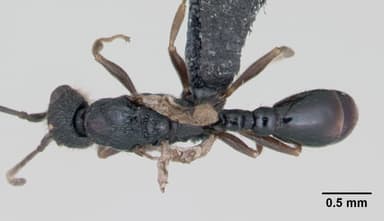
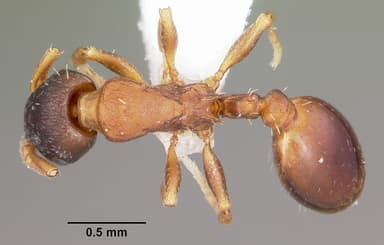
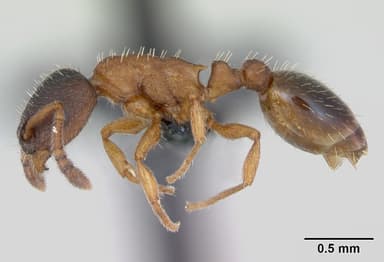
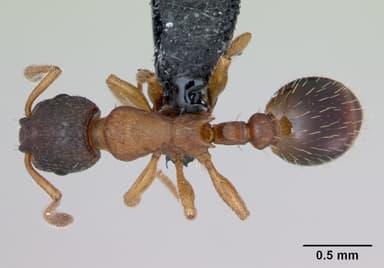
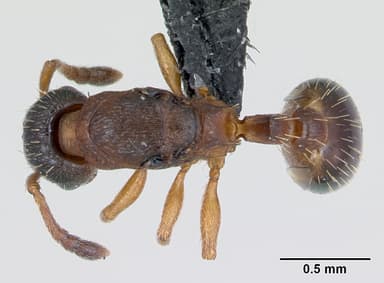
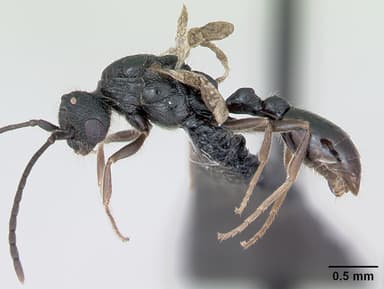
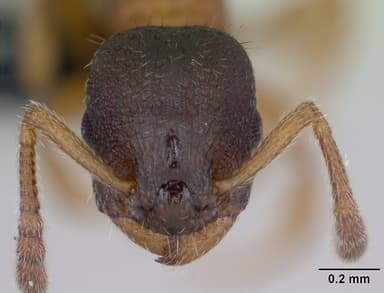
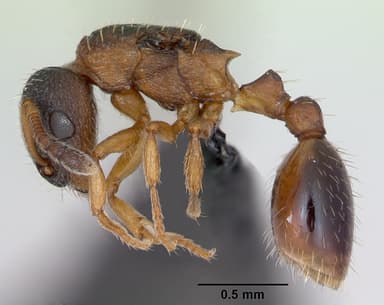
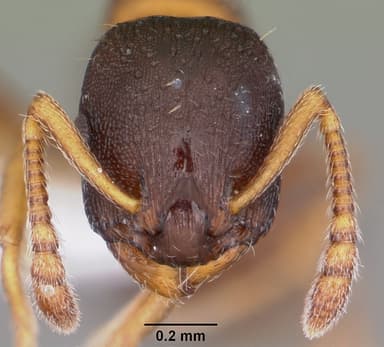
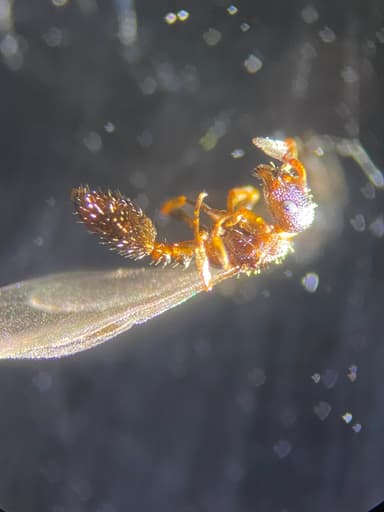
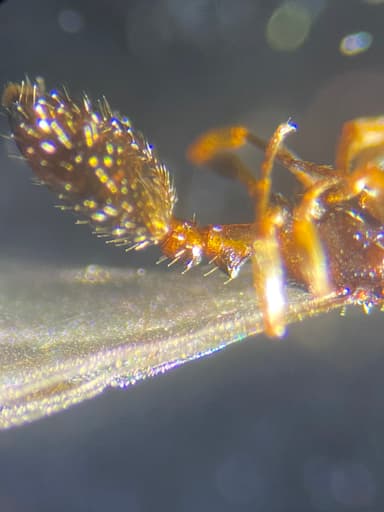
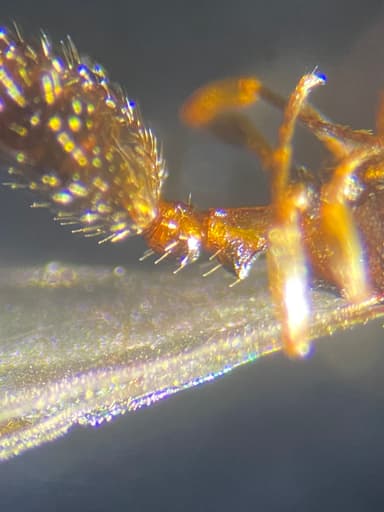
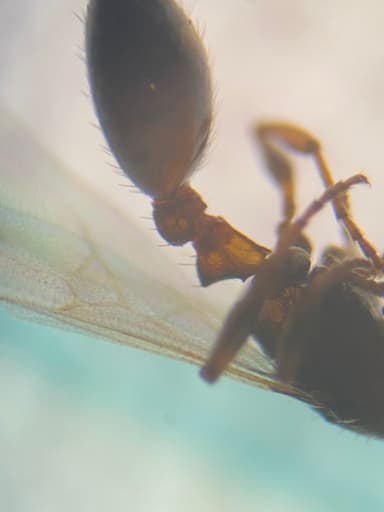
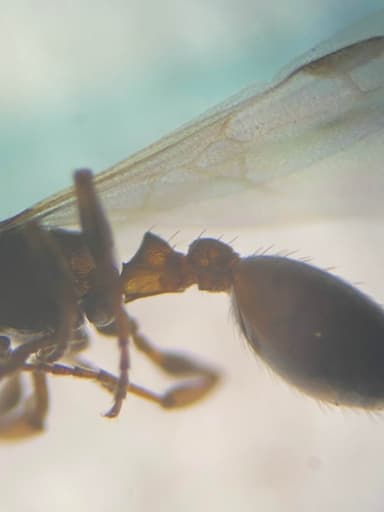
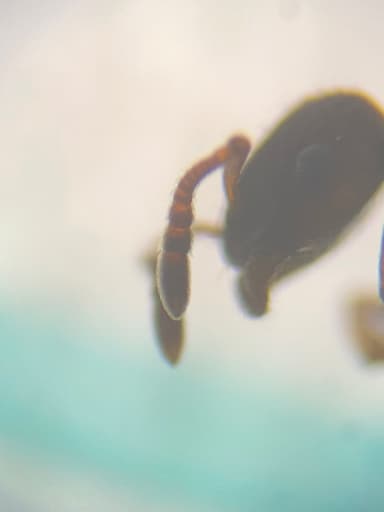
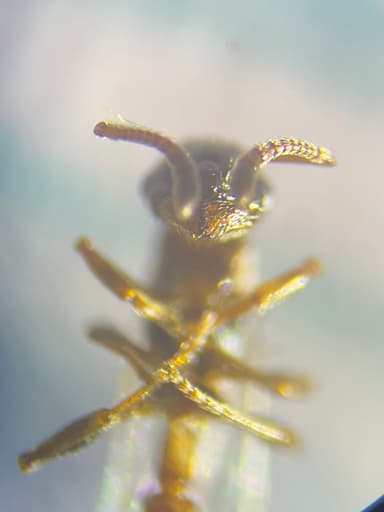
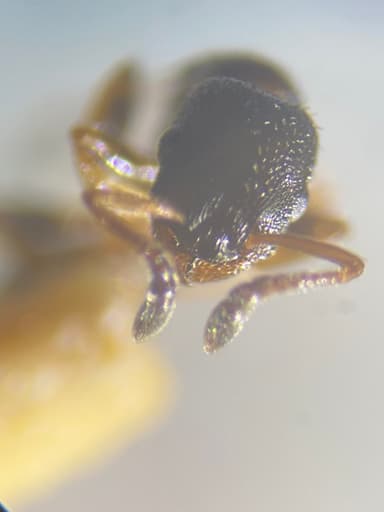
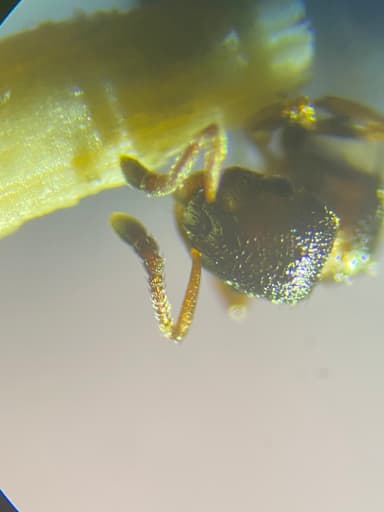
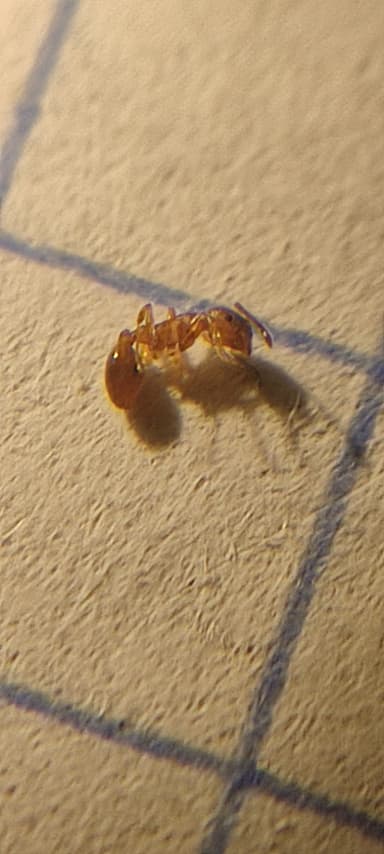
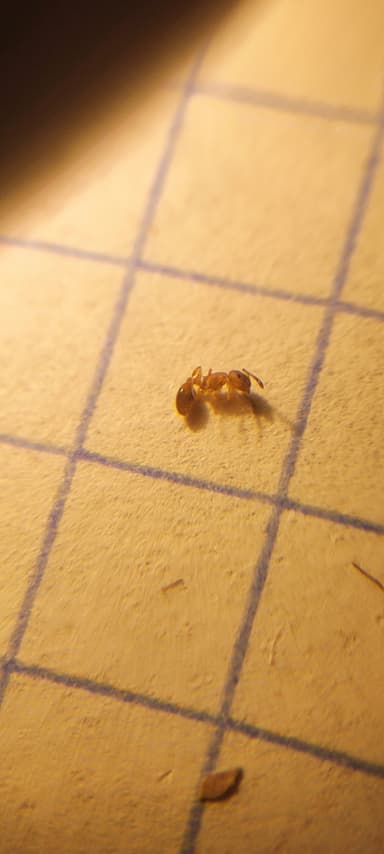
Among the many temperate ant species available to the hobbyist, Leptothorax muscorum stands out as a gem of modest proportions, a tiny architect of intricate, slow-growing colonies that reward patient observation. Queens measure a mere 4 to 5 mm, while the monomorphic workers range from 2.5 to 3.5 mm, with a dark brown to blackish cuticle that often carries a subtle bronze sheen in strong light. Colony size typically peaks at around 300 individuals, and in the wild these ants nest opportunistically in small pre‑formed cavities—hollow twigs, beetle borings, cracks in bark, or under rocks—building simple carton walls to partition their living space. Their Holarctic distribution, from the boreal forests of North America across Eurasia to the edge of the subarctic (documented as far north as 70°N), speaks to a life history finely tuned to cool, seasonal climates. What makes L. muscorum particularly compelling is its social flexibility: many populations are polygynous, with multiple queens coexisting peacefully, and researchers have documented a fascinating system of queen turnover and reproductive conflict that challenges simpler notions of ant colony cohesion (Heinze & Ortius 1991). For a keeper, this translates into the chance to observe a dynamic society where new queens may be accepted, and where workers exhibit a delicate, almost wasplike gait as they navigate their miniature domain.
With an intermediate care difficulty, Leptothorax muscorum is best suited to hobbyists who already have some experience maintaining stable temperature and humidity—perhaps keepers who have successfully overwintered a Camponotus or Lasius colony and are ready for a species that demands more finesse without being truly delicate. The challenges are not in aggressiveness or dietary peculiarities, but in their small size and slow growth, which demand escape‑proof enclosures and a light hand during feeding. Their tiny workers can squeeze through gaps imperceptible to the naked eye, so all connections must be perfectly sealed with fine-mesh screening or tight‑fitting stoppers. Moreover, because the colony grows slowly from a single claustral queen, the founding phase can test one’s patience; a newly mated queen sequestered in a brood chamber may take several weeks to produce her first nanitic workers, and the colony will not reach a dozen individuals until well into its second year. Yet the reward is a tractable, non‑aggressive species that rarely stings and can be observed under magnification without distress, revealing a wealth of behavioral detail.
Housing for L. muscorum should mimic the cool, well‑ventilated cavities they favor in nature. A small plaster, gypsum, or wood‑based nest with a viewing window works beautifully, provided the nest volume is appropriate to the colony size—these ants feel most secure in tight quarters. The ideal temperature ranges from 18 to 24°C, with a daytime gradient that allows workers to choose cooler zones; sustained temperatures above 26°C will stress the colony and shorten lifespan. Humidity should be maintained between 50% and 70%, easily achieved in a plaster nest by lightly watering one section, while a small external water source such as a test‑tube waterer ensures they can drink without drowning. A thin layer of sandy soil or fine bark pieces in the foraging arena gives workers a natural substrate and aids in humidity retention. Because wild colonies often inhabit twigs and bark, providing a piece of cork bark or a hollow stem will encourage natural nesting behaviors and can simplify nest‑migration if maintenance is required. Light is tolerated but not required; they will forage in dim conditions, and a natural photoperiod helps regulate the brood cycle.
Diet for L. muscorum is straightforward. In the wild they tend root‑feeding aphids for honeydew and scavenge small arthropods, so a captive diet should combine carbohydrates and protein. A dilute honey‑water mixture, maple syrup, or a commercial ant nectar offered on a small piece of foil suffices for sugars; droplets must be tiny to avoid drowning workers. For protein, fruit flies (Drosophila), pinhead crickets, or finely chopped mealworms are taken eagerly, especially when the colony is raising larvae. Pre‑killed prey is recommended—these ants are not aggressive hunters and may ignore live prey too large for them to subdue. Feed protein two or three times a week in small quantities that can be consumed within a day, removing any leftovers to prevent mould. A constant supply of fresh water in a test‑tube setup with a cotton plug is essential; many keepers will incorporate this directly into the foraging arena.
Hibernation is not optional: Leptothorax muscorum requires a true winter diapause to maintain long‑term colony health and to trigger spring brood production. Across their vast range, these ants experience months of near‑freezing conditions, and captive colonies must be cooled gradually. In late autumn, reduce the temperature over several weeks to a target of 4°C, and hold them there for three to five months. A refrigerator or dedicated wine cooler works well, as long as the nest medium is kept slightly damp and the colony is checked periodically for condensation or desiccation. Skipping or shortening hibernation leads to queen mortality, failure to rear sexual brood, and progressive colony decline—a pattern well documented in related boreal species (Seifert 2018). The first signs of life in spring, as workers begin to stir and the queen resumes egg‑laying, are among the most gratifying moments a keeper can witness.
When a colony first arrives, whether as a founding queen with eggs or a small established group, the priority is minimal disturbance and secure confinement. Place the shipping container directly into the prepared nest or arena, allowing the ants to move at their own pace; resist the urge to nudge them. For a newly mated queen, the test‑tube setup she was shipped in is often ideal—simply connect it to a small foraging area and keep her in darkness for several weeks. The first feeding should be a minute droplet of sugar water applied to the tube wall, with the first protein offered only after the first workers have eclosed and are actively foraging. Watch for signs of stress during the settling‑in period: excessive huddling, abandonment of brood, or workers spending too much time trying to escape may indicate humidity or temperature issues. Once the colony is established, routine maintenance becomes remarkably simple, and Leptothorax muscorum can thrive for many years, offering an intimate window into the understated elegance of a boreal ant society.